

Review · BERLIN
Berlin: David Bowie in 1970s West-Berlin
West Berlin helped David Bowie reset his life, and this three-hour private tour follows that change through the streets where he worked, went out, and lived. You’ll see Hansa Studios, the former clubs Dschungel and Chez Romy Haag, and the apartment building where Bowie made his Berlin home.
I like the route’s mix of major Bowie landmarks and lost places, since the vanished clubs need a guide to bring them back to life. I also like that Martin Sauter shapes the tour for a private group, with time for questions and a lively look at Berlin beyond Bowie. The main drawback is the price: at $288 per person, it makes the most sense for serious Bowie fans or small groups who value a personal guide.
In This Review
- Key points about the Bowie tour
- Why Bowie chose West Berlin
- Starting at Martin Gropius Bau
- Potsdamer Platz and Bowie’s changing Berlin
- Hansa Studios and the sound of Heroes
- KaDeWe and the City West route
- Finding the former Dschungel and Chez Romy Haag
- Taking the bus to Bowie’s former home
- Martin Sauter’s private guiding style
- Is $288 per person a fair price?
- Who should book this experience?
- Final call: book it for the stories, not just the photos
- FAQ
- How long is the David Bowie in 1970s West Berlin tour?
- Where does the tour begin?
- How will I recognize the guide?
- Which Bowie locations are included?
- Does the tour include Bowie’s home?
- Is transportation included?
- Who guides the tour?
- What languages are available?
- Is hotel pickup available?
Key points about the Bowie tour
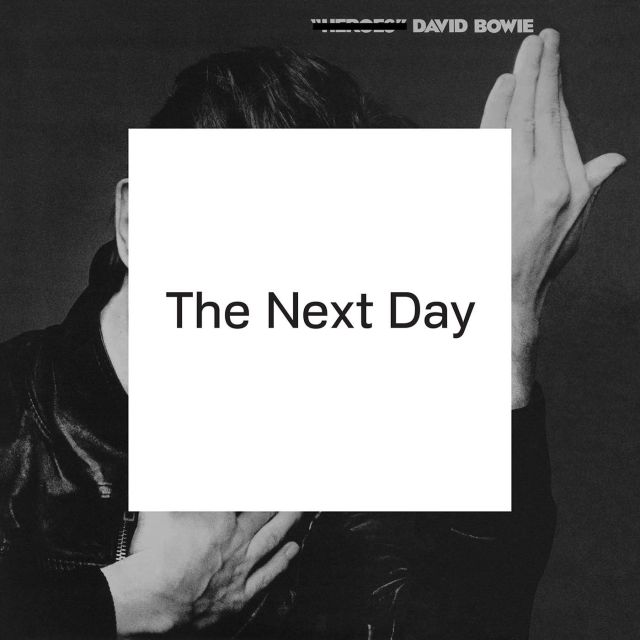
- Hansa Studios: See the building linked with Bowie’s Berlin recordings, including Heroes.
- Former West Berlin clubs: Visit the sites of Dschungel and Chez Romy Haag, two important nightlife locations.
- Bowie’s home: Finish at the former Berlin residence where he lived from 1976 to 1978.
- Music and city context: Connect songs such as Neuköln, Yassassin, and Boys Keep Swinging with Bowie’s Berlin life.
- Private guiding: Martin Sauter leads the experience in English, French, or German and can adapt the tour to your interests.
- Walking plus bus travel: The route begins on foot and uses a bus to reach Bowie’s home.
Why Bowie chose West Berlin
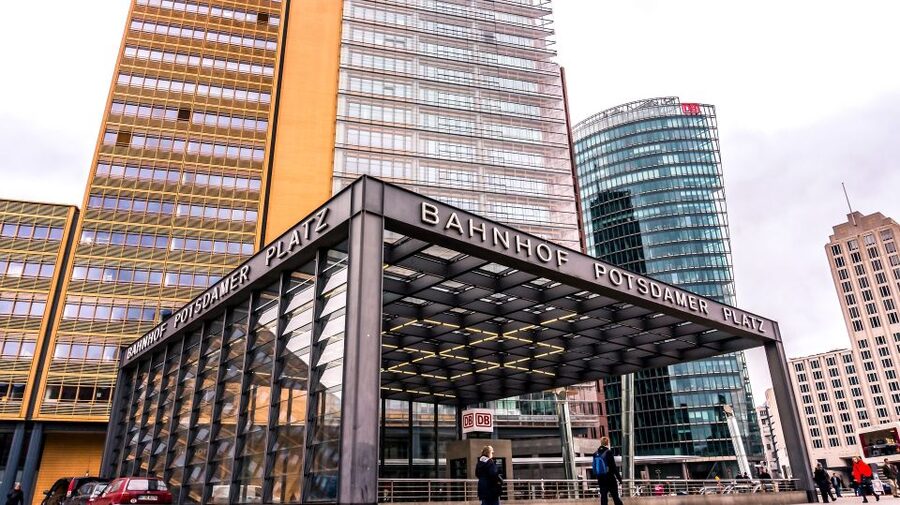
David Bowie arrived in West Berlin after completing Nicolas Roeg’s The Man Who Fell to Earth. He was leaving behind more than a country. He was trying to step away from the pressures and habits of his earlier life, and Berlin offered a rougher, less polished setting in which to work.
The reasons for his move were not simple. The tour introduction sets out the personal, artistic, and musical forces behind it. One key factor was Bowie’s interest in electronic sound. Düsseldorf often gets attention for its role in Germany’s electronic music, but West Berlin also gave Bowie new sounds, new people, and a different pace.
Before finding his own flat, Bowie stayed at the apartment of Edgar Froese, founder of Tangerine Dream. That detail helps explain why this tour is more than a list of addresses. You’re following a period of transition, when Bowie was looking for fresh ideas and a place where he could work without carrying his old life into every room.
You’ll hear how Berlin found its way into the music. Heroes is the obvious example, but the connection also appears in Boys Keep Swinging, Yassassin, and Neuköln. Bowie deliberately misspelled Neukölln, the Berlin district, and the tour connects that choice to his view of the city.
I like this approach because it gives the places a purpose. You are not simply stopping at a building because Bowie once passed it. You are learning why the city mattered to him and how the streets around him fed his work.
Other Berlin tours people book alongside this one:
- Berlin: Reichstag, Dome and Government District Guided Tour
★ 4.7 · 18,288 reviews - Berlin: 1-Hour City Tour by Boat with Guaranteed Seating
★ 4.3 · 16,993 reviews - Berlin: Boat Tour Along the River Spree
★ 4.4 · 11,252 reviews
Starting at Martin Gropius Bau
The tour begins at the Martin Gropius Bau, a useful meeting point because it links Bowie’s past with his later public legacy. The building hosted the major David Bowie exhibition in 2014, so the opening stop gives you a clear sense of how Berlin continues to frame his years in the city.
Your guide will be holding a David Bowie album, book, or CD, which makes the meeting simple. If you arrange hotel pickup, that option is available, but the stated starting point is Martin Gropius Bau.
The introduction is important. Before you start walking, Martin explains the main reasons Bowie chose West Berlin and sets the scene for the years from 1976 to 1978. This is also your chance to tell him what matters most to you. If you care more about recording sessions, nightlife, Bowie’s personal life, or Berlin music, a private format gives the conversation room to shift.
Martin Sauter is the named guide for this experience. His style comes through as warm, humorous, and willing to spend time on questions. English, French, and German are available, which makes the tour practical for a mixed-language group.
Potsdamer Platz and Bowie’s changing Berlin
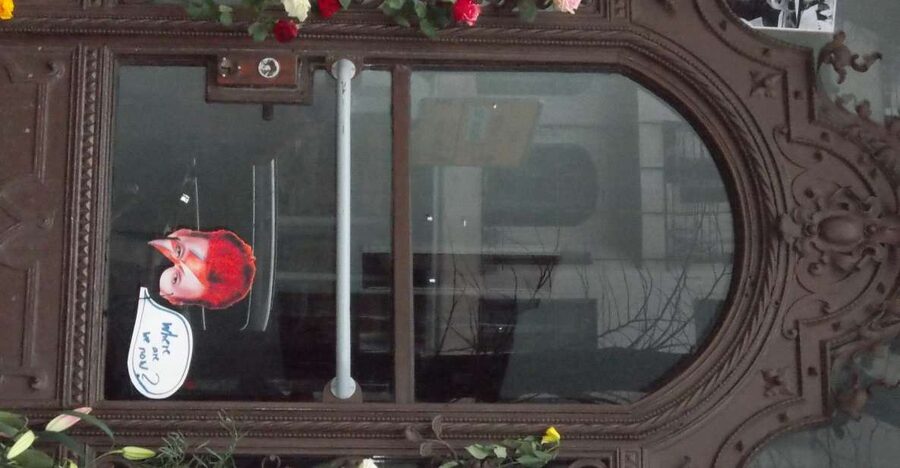
From Martin Gropius Bau, the route continues toward Potsdamer Platz. Bowie later brought this place back into public attention through Where Are We Now?, released in 2012.
Potsdamer Platz is a good early stop because it lets you think about time. Bowie’s West Berlin was divided, scarred, and politically tense. The modern district you see today belongs to a very different Berlin. The tour uses Bowie’s connection to the site to bridge those two versions of the city.
You should expect some walking between stops, with the guide filling in the gaps rather than rushing from one photo point to the next. The value here is not a preserved Bowie interior. It is the contrast between the city he knew and the city you see now.
That contrast also keeps the tour from becoming a shrine visit. West Berlin in the 1970s was a working city with clubs, apartments, studios, department stores, and ordinary streets. Bowie’s story is easier to understand when it is placed inside that daily setting.
Hansa Studios and the sound of Heroes
The Hansa Studios stop is the musical center of the tour. You stand outside the building associated with Bowie’s Berlin recordings, including Heroes. The tour does not present the studio as an isolated monument. It explains how the recording place fits into Bowie’s larger search for sound and inspiration.
The setting matters because Bowie’s Berlin period is often reduced to the title Heroes. A good guide gives you more than the familiar song. You’ll hear about the working atmosphere around the studio and the way West Berlin contributed to the mood and sound of the era.
Since this is an exterior stop, you should set your expectations correctly. You are not promised an indoor studio visit or a recording session. The appeal is standing at the site, hearing the story, and connecting the building to music you may have known for years.
For fans, that can be enough. A song becomes more tangible when you can place its recording in a real part of the city. For casual listeners, the stop still works if Martin explains the musical context clearly, rather than assuming you already know every detail.
A different side of Berlin on the same trip:
- Discover Berlin Half-Day Walking Tour
★ 5.0 · 9,624 reviews - Berlin: Hop-on Hop-off Bus Tour with Live Commentary
★ 4.3 · 8,579 reviews - Berlin: Government District around the Reichstag Guided Tour
★ 4.7 · 8,447 reviews - Berlin: Reichstag, Plenary Chamber, Cupola & Government Tour
★ 4.6 · 8,422 reviews
KaDeWe and the City West route
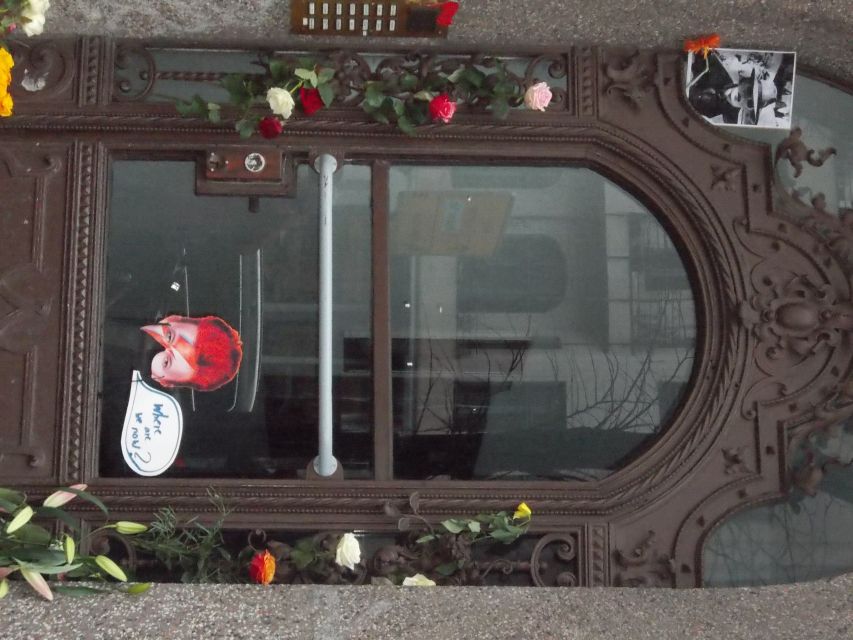
After Hansa Studios, the tour moves into City West and passes KaDeWe, the well-known department store. This part of the route adds a different side of Bowie’s Berlin. The city was not only studios and alternative clubs. It also had shopping, hotels, major streets, and places where people from very different parts of Berlin crossed paths.
KaDeWe helps anchor the route in the West Berlin of everyday life. It is also a useful visual marker as you move toward the former nightlife spots. You get a sense of how Bowie’s movements connected formal City West with the more unusual club world nearby.
The tour lasts three hours, so Martin has room to explain these links. Still, this is not a museum tour with a display case at every stop. Much of the experience depends on listening, imagining, and asking questions. If you prefer a guide who keeps moving and tells stories along the way, that format should suit you.
Finding the former Dschungel and Chez Romy Haag
Two of the most interesting stops are places that no longer function as the clubs they once were: Dschungel and Chez Romy Haag.
Dschungel was one of the legendary clubs associated with West Berlin nightlife. The tour takes you to its former location and uses the site to picture the people, music, and late-night social world that attracted Bowie. Since the club is no longer there in its original form, Martin’s explanation is essential.
Chez Romy Haag offers another look at the same period. The club was linked with performer Romy Haag and with a nightlife scene that was more open, theatrical, and unconventional than many visitors might expect from the era. Bowie spent time in this world, and the stop helps show how Berlin’s nightlife shaped his life away from the studio.
I particularly like these locations because they are not obvious sightseeing stops. Hansa Studios is easy to identify as a Bowie place. A former club site needs storytelling. You stand on an ordinary-looking street and use the guide’s details to picture what once happened there.
There is also an honest limit. You will not walk into the old Dschungel or Chez Romy Haag, and the buildings may not look dramatic. If you need intact interiors and large exhibits, this tour may feel light on physical evidence. If you enjoy reconstructing lost places through stories, these are among the best stops.
Taking the bus to Bowie’s former home
The route changes pace when you board a bus to David Bowie’s Berlin home. This is the final stop, and it gives the tour a personal finish after the public spaces of studios, shops, and clubs.
Bowie lived in Berlin from 1976 to 1978. Seeing the building connected with his home puts the period on a more human scale. Instead of thinking only about a famous recording, you can consider where he returned after a day in the city and how he made a life there.
The home is viewed from outside. That is both practical and respectful. You should not expect access to a private residence, but the stop gives you a clear endpoint and a physical link to Bowie’s daily life.
Using a bus also matters for the schedule. The tour is not one long walk across Berlin. You walk through the central and City West sections, then use public transport to reach the final location. Wear comfortable shoes, but you do not need to prepare for a full-day walking marathon.
Martin Sauter’s private guiding style
The guide can make or break a tour built around locations that have changed or disappeared. Martin Sauter brings the strongest personal element to this experience. His approach is described as detailed, communicative, sympathetic, and humorous, with a clear passion for the subject.
I would use the private format to ask direct questions. You can ask about Bowie’s music, Edgar Froese, the Berlin clubs, the spelling of Neuköln, or the connection between the places on the route. You can also tell Martin if you want more general Berlin context.
The group is private, rather than a large shared crowd. That affects the price, but it also changes the feel of the afternoon. You can pause for an explanation, ask for clarification, or spend more time on a stop that matters to you.
The tour is available in English, French, and German. The guide’s ability to adjust the experience to your needs is one of the clearest reasons to choose it over a general city walk.
Is $288 per person a fair price?
At $288 per person, this is not a budget activity. Food and drinks are not included, though a three-hour route leaves you free to eat before or after. Hotel pickup is available if desired, but you should confirm the arrangement when booking.
The price makes more sense for a small private group than for one person booking alone. You are paying for a specialist subject, a named guide, private attention, and transport between the walking route and Bowie’s home. You are not paying for admission to a museum, a concert, or an interior studio visit.
I see good value here if Bowie is a major reason you came to Berlin. The guide’s time, the personal questions, and the lost club locations offer something you would have trouble piecing together from a map alone. The value is weaker if you only know one or two Bowie songs or if you want a broad introduction to Berlin.
The free cancellation window allows you to cancel up to 24 hours before the tour for a full refund, and you can reserve now and pay later. Those terms make planning easier, but they do not change the basic price question. Book this for the focused content and private format, not for included extras.
Who should book this experience?
I would recommend it first to Bowie fans who want to connect songs with real places. It also suits music lovers interested in electronic sound, Tangerine Dream, and the creative scene of 1970s West Berlin.
It works well for couples, families of adult fans, and small groups who prefer conversation over a fixed script. The private setup is especially useful if people in your group have different levels of Bowie knowledge.
You may want to skip it if you prefer a broad city tour, indoor attractions, or a low-cost group activity. Much of the route involves present-day streets and former sites, so the experience depends on your interest in the story behind the locations.
Final call: book it for the stories, not just the photos
Book this tour if you want to understand why Berlin mattered to Bowie, not merely photograph Hansa Studios. Martin Sauter’s personal guiding, the stops at former clubs, and the visit to Bowie’s home create a focused portrait of his 1976 to 1978 years.
I would treat it as a specialist experience with a specialist price. Serious fans should find the private format worthwhile, especially if they use the time to ask questions and shape the conversation. Casual visitors should compare the cost with their interest level before booking.
FAQ
How long is the David Bowie in 1970s West Berlin tour?
The tour lasts three hours.
Where does the tour begin?
It begins at the Martin Gropius Bau in Berlin.
How will I recognize the guide?
The guide will be holding a David Bowie album, book, or CD.
Which Bowie locations are included?
The route includes Hansa Studios, the former locations of Dschungel and Chez Romy Haag, KaDeWe, Potsdamer Platz, and David Bowie’s former Berlin home.
Does the tour include Bowie’s home?
The tour ends outside David Bowie’s Berlin home. The provided information does not state that the group enters the building.
Is transportation included?
The tour begins on foot and includes a bus ride to David Bowie’s home.
Who guides the tour?
The named guide is Martin Sauter of Berlin-Tours Martin Sauter.
What languages are available?
The tour is available in English, French, and German.
Is hotel pickup available?
Hotel pickup is available if desired. Food and drinks are not included.
Just added around Berlin
- Berlin Highlights in One Day★ 5.0 · 3 reviews
- Private Berlin One Day Tour with a Local: See the City Unscripted★ 3.5 · 3 reviews
- Individual city tour Berlin for max. 8 persons★ 5.0 · 3 reviews
- Transfer from Berlin Schönefeld Airport (SXF) to Berlin city Hotels – ROUND TRIP★ 4.0 · 3 reviews
- Berlin: Museum Island Tour★ 5.0 · 3 reviews
- Private Analogue Photography Experience in Berlin★ 5.0 · 3 reviews
- Berlin: Local Food Tour in Secrets Hidden Gems★ 4.0 · 3 reviews
- Potsdam Highlights – Private sightseeing tour by minibus★ 5.0 · 3 reviews