
Review · BERLIN
DJ for a Day: Learn to Mix Like a Pro in Berlin
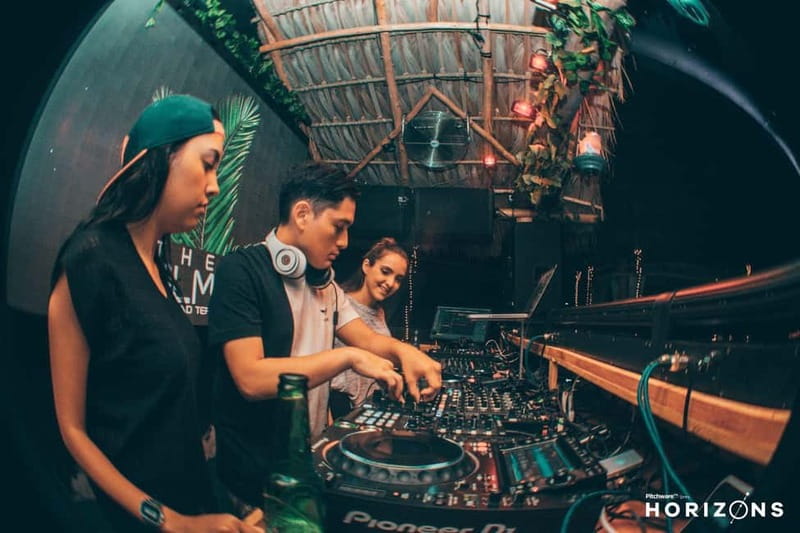
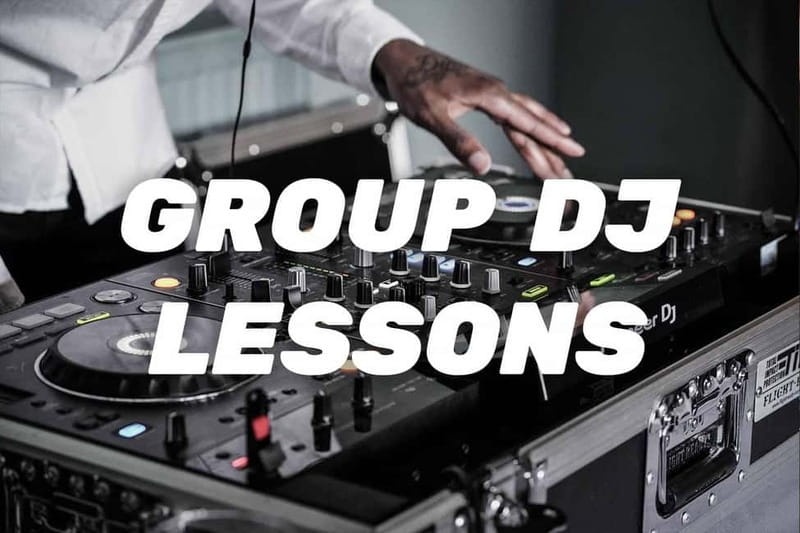
Berlin has plenty of places to hear electronic music, but this workshop lets you get behind the decks yourself. In 1.5 hours, you can handle vinyl, turntables, CDJs, and a mixing table, then try the basic moves that make two songs work together. You can even scratch or sing one song.
I like the small group size, limited to six people, and the freedom to choose your own style, from trance and progressive techno to hip hop and hardcore. I also like the Berlin music context, including how club sounds developed and which music fits different clubs. The main drawback is time: 90 minutes goes quickly if you want a full lesson in several techniques.
In This Review
- Key points to know before booking
- Getting behind Berlin’s decks
- Vinyl, CDJs, and the feel of different formats
- Choosing a style that fits your taste
- What the 90-minute session covers
- A short lesson with a Berlin focus
- Why the small group matters
- What is included for $67
- Who will enjoy this most
- Practical details for your day
- What makes the workshop memorable
- Should you book DJ for a Day in Berlin?
- FAQ
- How long does the DJ workshop last?
- How much does the activity cost?
- Which music styles can I choose?
- Can I play with vinyl?
- Can I use CDJs?
- Will I learn scratching?
- What languages are available?
- How many people are in the group?
- Are drinks included?
Key points to know before booking
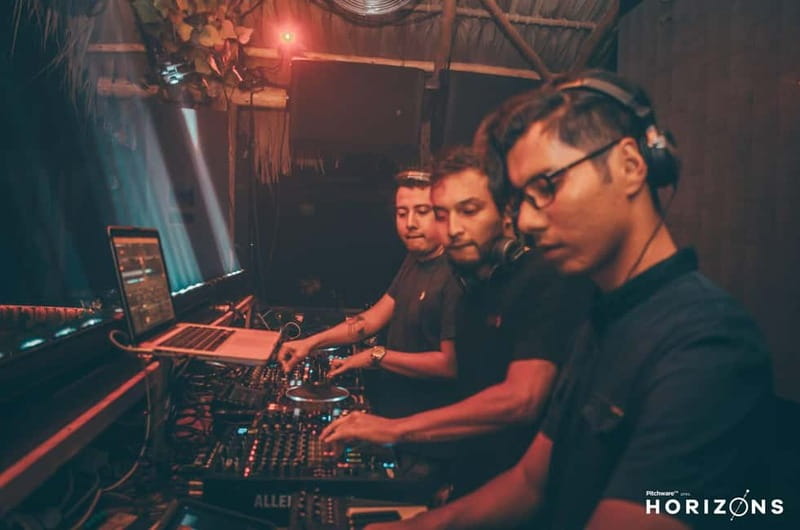
- Try real vinyl: Learn how turntables and records feel, with techniques linked to the DJ sounds of the 1980s and 1990s.
- Choose your own sound: Work with techno, trance, psytrance, progressive, hardcore, hip hop, hardstyle, or other available music.
- Practice more than theory: You can mix, scratch, use effects, handle CDJs, and sing one song.
- Small group setting: The workshop is limited to six participants, giving you a better chance to touch the equipment.
- Berlin music context: Hear about the city’s electronic music development and the music associated with different clubs.
- Simple refreshments included: Coffee, water, and soft drinks are provided during the session.
Getting behind Berlin’s decks
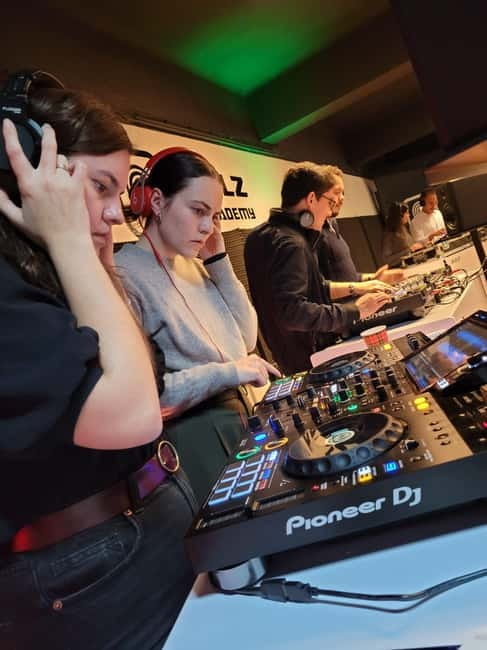
This is a hands-on music workshop, not a club night and not a sightseeing tour with a quick look at a DJ booth. You come to learn the basic structure of DJing, then try the controls yourself.
The central idea is simple: songs need a sense of timing and structure. The workshop explains how beats fit together, much as a classical composition has form and rhythm. You learn to listen for the parts of a track that help you bring another track in at the right moment.
That makes this a good pick if you have ever watched a DJ and wondered what those hands were doing. Instead of seeing a performer make quick adjustments from a distance, you can handle the equipment and find out why each control matters.
The session is led by Marcos Jesus Otero Valeta, who is also referred to as Sasha (Jesus) in the activity information. English and German are available. His teaching style, based on the information provided, is relaxed and practical, with room for questions and plenty of time to try things rather than simply watch a demonstration.
You do not need to arrive as a musician. The workshop covers beginner-level basics, so curiosity matters more than prior experience.
Other Berlin tours people book alongside this one:
- Berlin: Reichstag, Dome and Government District Guided Tour
★ 4.7 · 18,288 reviews - Berlin: 1-Hour City Tour by Boat with Guaranteed Seating
★ 4.3 · 16,993 reviews - Berlin: Boat Tour Along the River Spree
★ 4.4 · 11,252 reviews
Vinyl, CDJs, and the feel of different formats
One of the strongest parts of the session is the chance to compare vinyl and digital DJ equipment. A CDJ gives you a different way to select and control music, while a turntable asks you to pay close attention to the record, needle, timing, and physical movement.
Vinyl is not just an old-fashioned prop here. You can learn how DJs worked with records in the 1980s and 1990s, including the physical techniques that made turntable performance so distinctive. If you are interested in hip hop, scratching is an obvious attraction. If you prefer techno or trance, the same equipment shows you how DJs shape long, beat-driven tracks.
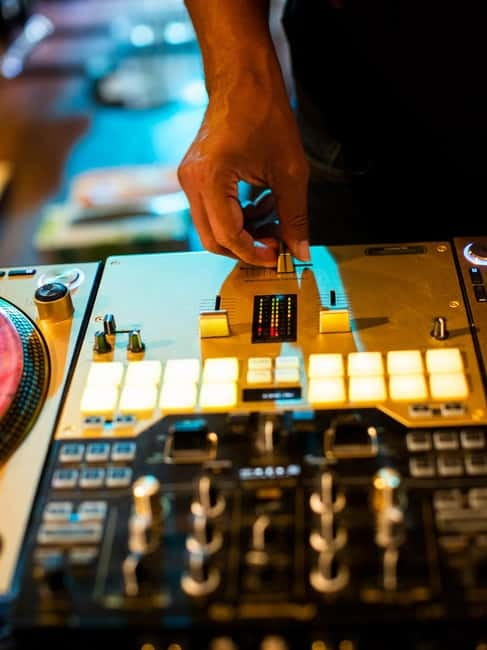
The workshop also includes a mixing table with effects. This helps you see that DJing is more than pressing play on the next song. You adjust levels, bring sounds in and out, and use effects to change the feel of a transition.
The difference between vinyl and CDJ control is useful even if you never plan to DJ professionally. Vinyl gives you a direct, tactile connection with the music. Digital equipment offers another set of controls and a different way to manage tracks. In 90 minutes, you get an introduction to both.
Choosing a style that fits your taste
You are not locked into one playlist. The available styles include techno, trance, psytrance, progressive, hard techno, hardcore, hip hop, and hardstyle. The activity information also mentions pop and other scratching styles.
That range matters because DJ technique changes with the music. A steady techno track may call for a different approach from a hip hop scratch routine. Trance and progressive music often give you long passages for beat matching, while harder styles can demand sharper timing and more forceful transitions.
You can select music that already interests you, which makes the lesson easier to follow. If you are new to electronic music, the instructor can help you move through different Berlin-related genres and explain how they connect to the city’s club culture.
The option to sing one song adds a playful element. It is not the main reason to book the workshop, but it gives the session a little variety and may appeal to anyone who wants more than a technical demonstration.
What the 90-minute session covers
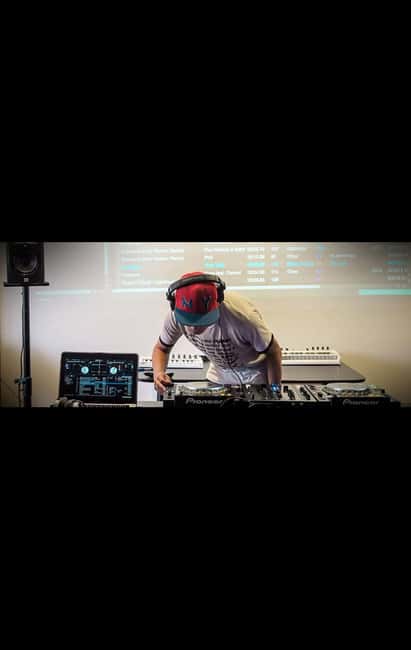
The exact order may vary, but you should expect a compact lesson that moves from basic concepts to hands-on practice.
First comes the structure of a song. You learn to listen for beats and understand how sections fit together. This is the foundation for mixing. Without it, pressing buttons becomes guesswork.
Next, you get familiar with the equipment. The session covers turntables, vinyl, CDJs, and the mixing table. You learn what the main controls do and how the different formats change the way you work.
The practical section brings in mixing. You can try to align songs, move between tracks, and use the mixer to control the change. The instructor explains the basic technique so you are not simply turning knobs at random.
Scratching is also part of the lesson. Several styles are mentioned, including hip hop, techno, and pop approaches. Scratching takes coordination, so it is best to think of this as an introduction rather than a promise that you will sound like a seasoned club DJ after one visit.
The final part can include discussion of Berlin’s clubs and the kind of music associated with them. You can ask about the right sound for different venues, including some of the city’s oldest clubs. This gives the activity a useful local angle: it connects the equipment in front of you with the music you may hear later that night.
A different side of Berlin on the same trip:
- Discover Berlin Half-Day Walking Tour
★ 5.0 · 9,624 reviews - Berlin: Hop-on Hop-off Bus Tour with Live Commentary
★ 4.3 · 8,579 reviews - Berlin: Government District around the Reichstag Guided Tour
★ 4.7 · 8,447 reviews - Berlin: Reichstag, Plenary Chamber, Cupola & Government Tour
★ 4.6 · 8,422 reviews
A short lesson with a Berlin focus
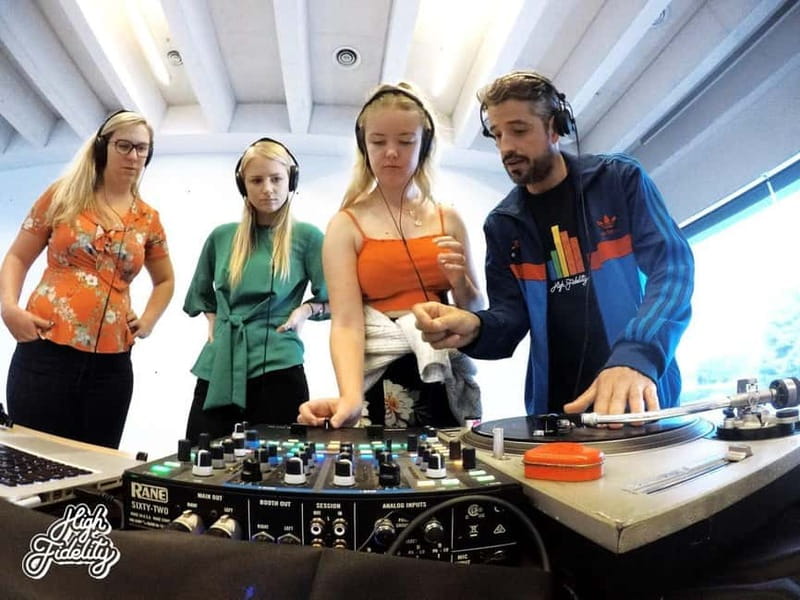
Berlin’s electronic music identity is a major reason to choose this workshop over a generic DJ class. The session explains how the city’s electronic sounds developed and how different genres became part of its club culture.
You are not only learning how to combine two tracks. You are also hearing how music, clubs, and technology changed over time. The movement from vinyl to CDJs becomes part of that story.
The Berlin focus can help you listen differently during the rest of your trip. After the workshop, you may pay closer attention to the tempo, transitions, and style of a DJ set. You can also use the club guidance when deciding what kind of night you want: hard techno, trance, progressive sounds, or something closer to hip hop.
The discussion is not a replacement for visiting a club. It is a primer that makes the city’s nightlife easier to understand. For a first visit to Berlin, that context is valuable because the electronic scene can otherwise feel like a long list of unfamiliar names and sounds.
Why the small group matters
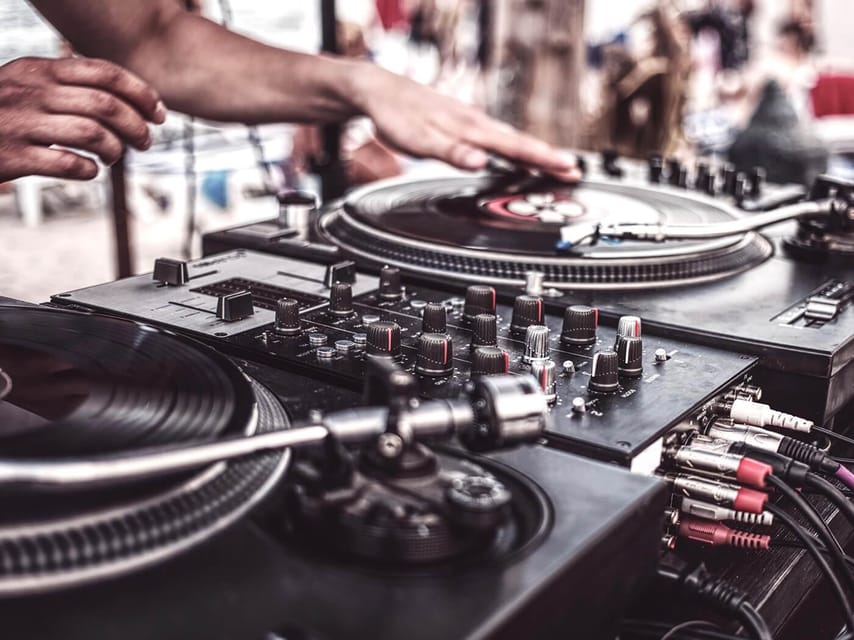
The group is capped at six people. That is a practical advantage for an activity built around shared equipment.
With a large class, you might spend most of the time watching someone else mix. A six-person group gives you a better chance to take a turn with the vinyl, CDJ, mixer, and effects. It also keeps the lesson more personal, since the instructor can respond to your music choices and questions.
Still, six people is not the same as a private lesson. You will share the 90 minutes, so each person will not have unlimited time at the decks. If you want extended practice with one technique, a private session would offer more control, but no private option is specified here.
The small group also suits friends or couples with different tastes. One person can try techno, another can choose hip hop, and everyone can compare the feel of different formats.
What is included for $67

The listed price is $67 per person. Coffee, water, and soft drinks are included.
For that price, you are paying for a guided introduction, use of the DJ equipment, a small group setting, and local music context. The value is strongest if you want to actively try the equipment. If you only want to watch a professional mix, a club night would likely be a better use of your time and money.
The price also makes sense for people who have been curious about DJing but do not want to buy equipment or commit to a long course. You can sample several tools in one short session, including vinyl and CDJs, without needing to own music or bring equipment.
The main limitation is the short duration. At 90 minutes, you will learn the basics, not master beat matching, scratching, and effects. Treat the fee as the cost of a focused introduction and a memorable Berlin activity, not as a complete DJ training program.
Who will enjoy this most
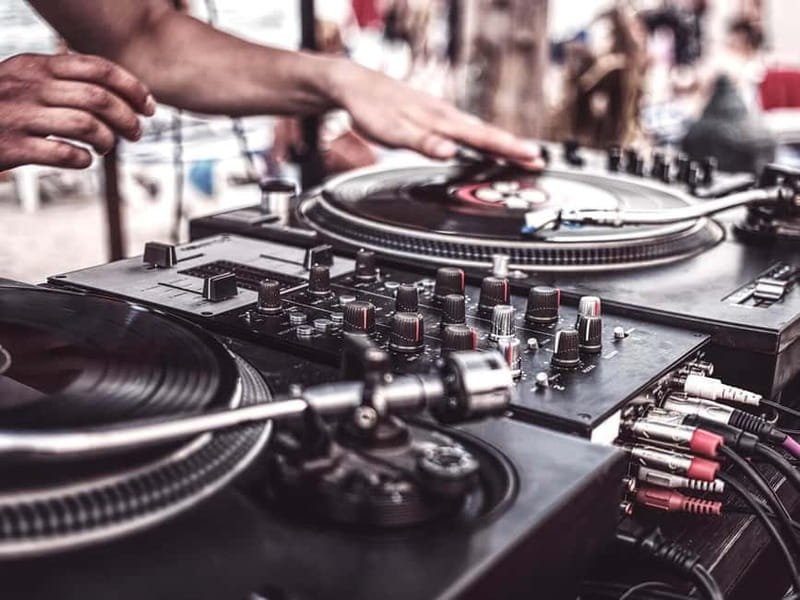
I would recommend this workshop to music fans, first-time DJs, club regulars, and anyone who wants an activity with more participation than a standard city tour.
It is especially suitable if you:
- Want to try vinyl without buying a turntable
- Are curious about how DJs build a set
- Enjoy Berlin techno, trance, hip hop, or related styles
- Prefer small groups to large demonstrations
- Want to connect Berlin nightlife with its musical development
- Are visiting with friends who like different kinds of music
It may be less suitable if you want a long technical course, a private instructor, or a polished performance with no beginner practice. The session is designed to let you try things, and beginner attempts are part of the point.
Children under 13 are not permitted. The activity is better suited to teenagers and adults who can follow the equipment lesson and take turns in a small group.
Practical details for your day
The meeting point is identified by a cake shop and a jewelry shop between the buildings. Since the supplied directions do not provide a street address, check the exact meeting details carefully before setting out.
The activity ends back at the meeting point. That makes it easy to pair with another Berlin plan, but allow enough time to find the starting place. The session lasts 1.5 hours, and starting times depend on availability.
English and German are offered. If you have a strong preference, confirm the language when booking.
You can cancel up to 24 hours in advance for a full refund. The reserve-now-and-pay-later option lets you hold a place without paying immediately, which is useful when your Berlin schedule is still changing.
What makes the workshop memorable
The best part is the shift from passive listening to physical control. You feel the difference between touching a record and using a digital deck. You hear how effects alter a track. You begin to understand why a DJ needs timing, patience, and a good ear.
The instructor’s range is another plus. The session is not limited to one narrow form of electronic music. You can ask about techno, trance, progressive, hardcore, hip hop, and other styles, then hear how the approach changes.
The strongest praise for the workshop centers on how much participants learn in a short time and how easygoing Sasha (Jesus) is as an instructor. That combination matters. A highly technical teacher can make a first lesson intimidating, while a friendly teacher who skips the technique leaves you with little to take home. This workshop aims for a middle ground: clear basics, plenty of experimentation, and a relaxed mood.
Should you book DJ for a Day in Berlin?
Book it if you want to do something musical and hands-on, especially if vinyl, Berlin club culture, or electronic music already interests you. The small group, broad choice of styles, and chance to use both vinyl and CDJs give the $67 price solid value for a 90-minute activity.
Skip it if you want advanced training, a full club experience, or a long private lesson. For everyone else, this is a smart way to spend part of an afternoon or evening before heading out to hear Berlin’s DJs for real.
FAQ
How long does the DJ workshop last?
The workshop lasts 1.5 hours.
How much does the activity cost?
The listed price is $67 per person.
Which music styles can I choose?
You can choose from styles including techno, trance, psytrance, progressive, hard techno, hardcore, hip hop, and hardstyle. Pop and other scratching styles are also mentioned.
Can I play with vinyl?
Yes. The workshop includes handling vinyl and turntables, with a focus on techniques associated with DJing in the 1980s and 1990s.
Can I use CDJs?
Yes. You can play with CDJs and learn how their technique differs from vinyl.
Will I learn scratching?
Yes. Scratching is included, with different styles such as hip hop, techno, and pop.
What languages are available?
The instructor teaches in English and German.
How many people are in the group?
The group is limited to six participants.
Are drinks included?
Yes. Coffee, water, and soft drinks are included.
Just added around Berlin
- Berlin Highlights in One Day★ 5.0 · 3 reviews
- Private Berlin One Day Tour with a Local: See the City Unscripted★ 3.5 · 3 reviews
- Individual city tour Berlin for max. 8 persons★ 5.0 · 3 reviews
- Transfer from Berlin Schönefeld Airport (SXF) to Berlin city Hotels – ROUND TRIP★ 4.0 · 3 reviews
- Berlin: Museum Island Tour★ 5.0 · 3 reviews
- Private Analogue Photography Experience in Berlin★ 5.0 · 3 reviews
- Berlin: Local Food Tour in Secrets Hidden Gems★ 4.0 · 3 reviews
- Potsdam Highlights – Private sightseeing tour by minibus★ 5.0 · 3 reviews