
Review · POTSDAM DAY TRIPS
Potsdam: Entry to DAS MINSK Kunsthaus in Potsdam
DAS MINSK Kunsthaus gives you two experiences in one: modern art inside a rescued 1970s GDR building, and a useful look at Potsdam’s changing urban identity. The former terrace restaurant now holds modern and contemporary exhibitions, including works from the Hasso Plattner Collection.
I like the way the building remains part of the visit rather than fading into the background. I also like the chance to see former GDR art placed beside newer work, which gives the collection more context. The main drawback is that some of the material can feel dark or emotionally heavy, and you may get more from the visit with the audio accompaniment.
In This Review
- Key points
- A former terrace restaurant with a new purpose
- What your two-hour visit includes
- Seeing former GDR art in a new setting
- Soft Power and the language of textiles
- Architecture that is part of the collection
- Café HEDWIG and the summer terrace
- Is $11 a fair price?
- Who will enjoy DAS MINSK most?
- Practical planning for your visit
- Should you book DAS MINSK Kunsthaus?
- FAQ
- How long does a visit to DAS MINSK Kunsthaus take?
- What does the entry ticket include?
- Are guided tours included?
- What exhibitions can I see?
- Does the museum show art from the former GDR?
- Is DAS MINSK Kunsthaus wheelchair accessible?
- Is there a café at the museum?
- Can I cancel my booking?
Key points
- 1970s GDR architecture: Enter a former terrace restaurant built in a modernist style, now adapted for art.
- Changing exhibitions: The program moves beyond a permanent collection and brings new subjects into the building.
- Former GDR artworks: Works from the Hasso Plattner Collection appear in fresh settings rather than as isolated historical objects.
- Soft Power exhibition: The spring exhibition examines textile design, art, and power relations in three chapters.
- Café HEDWIG: Stop for lunch, cake, or coffee, with spacious terraces and views over Potsdam in summer.
- Simple, flexible visit: Plan for about two hours, skip the ticket line, and cancel up to 24 hours before the visit for a full refund.
A former terrace restaurant with a new purpose
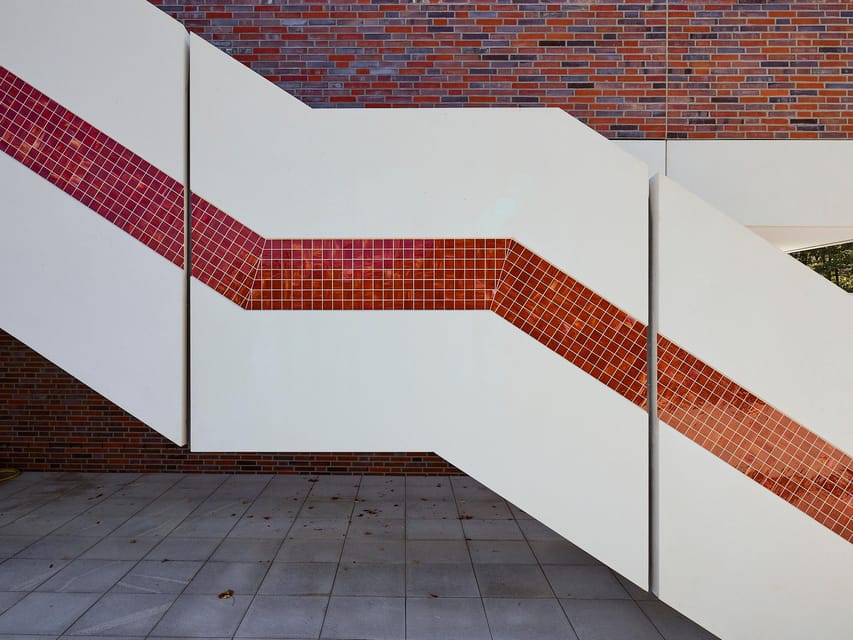
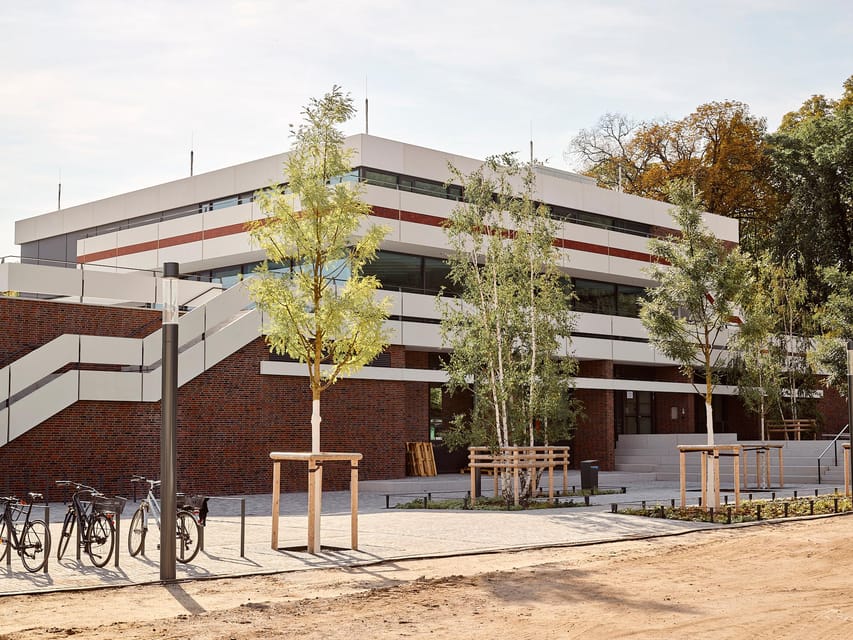
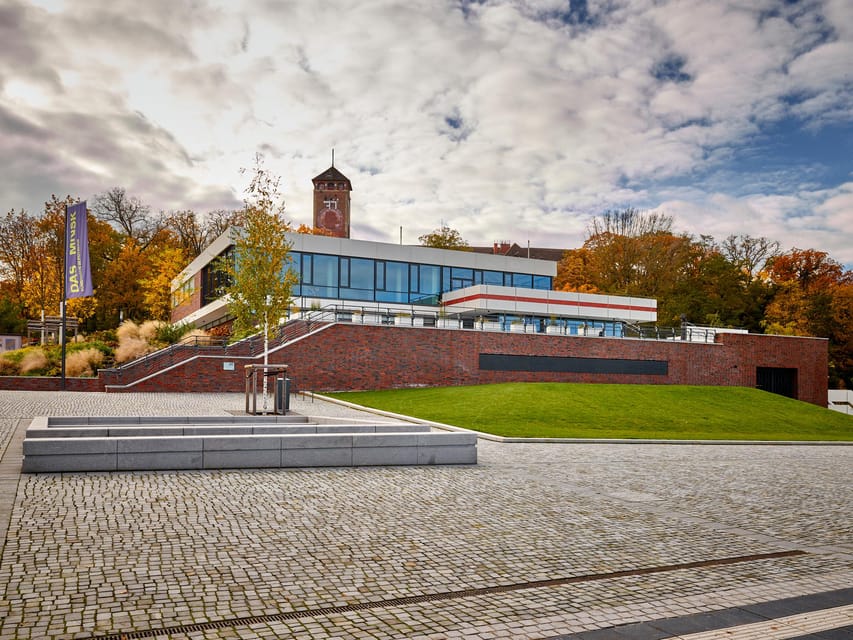
The first thing to notice is the building itself. DAS MINSK began life as the terrace restaurant Minsk, built in the 1970s in the modernist style of the GDR. Its new role is not a standard museum conversion that hides the original character. The building’s architectural and urban story remains part of the experience.
That matters because you are not simply moving from room to room looking at framed objects. You are seeing art in a place shaped by a particular political and architectural period. The building helps explain why works from the former GDR belong here, even when the exhibitions place them alongside contemporary art.
The visit is also a small lesson in Potsdam’s urban history. The city is often associated with palaces and royal gardens, but DAS MINSK points to a more recent chapter. Its modernist design offers a different view of the city, one connected to public buildings, everyday social spaces, and the former GDR.
More Potsdam and Sanssouci days:
- Potsdam: City and Castles Tour
★ 4.7 · 3,721 reviews - Potsdam: Palace Tour by Boat
★ 4.5 · 2,369 reviews - Potsdam: Sanssouci Palace and Prussian Palaces Entry Ticket
★ 4.5 · 2,101 reviews
What your two-hour visit includes
The admission covers entry to the exhibitions. You should allow roughly two hours, though the exact pace depends on how closely you study the art and whether you use the audio accompaniment.
A practical way to approach the visit is to begin with the building and its setting, then follow the current exhibition, and finally spend time with the works from the former GDR. The sequence may vary with the exhibition program, but the main idea stays the same: the museum links architecture, recent history, and art rather than treating them as separate subjects.
You will not receive a guided tour, workshop, or special event as part of the standard ticket. Those are separate options, if available. For a first visit, the audio accompaniment is worth considering. One visitor found that the museum gave little initial orientation and that the audio material made the displays easier to follow.
That is useful advice. The exhibitions can ask you to make connections between objects, politics, design, and social history. If you prefer a quick look at art with minimal explanation, you may be fine without it. If you want help understanding the ideas behind the rooms, audio support should make the visit more rewarding.
Seeing former GDR art in a new setting
Works from the former GDR form an important part of the museum’s identity. They come from the Hasso Plattner Collection and are shown in new contexts, which means you are encouraged to see them as more than documents from a vanished state.
The value here is comparison. A work made under the GDR can take on a different meaning when placed near modern or contemporary pieces. You may notice questions about public life, authority, identity, work, design, or memory. The museum does not require you to know the political history in advance, but some background will help you understand why the setting and collection matter.
The tone is not always light. One direct assessment of the visit found the presentation too negative, gloomy, or burdensome. That is a fair consideration before you book. The museum deals with political and social subjects, and some of the art may ask more of you emotionally than a purely decorative exhibition would.
Still, the serious tone is also part of the point. DAS MINSK is not trying to turn the former GDR into a quaint design period. If you want a cheerful art stop with only easy images, this may not be your best choice. If you are interested in how art can carry memory and political meaning, the difficult mood may feel appropriate.
Soft Power and the language of textiles
The spring exhibition, Soft Power, focuses on textile design as an artistic tool for questioning power relations. It is arranged in three chapters, giving the subject a clear structure rather than presenting a loose collection of fabric-based works.
Textiles can seem ordinary at first because they belong to daily life. Clothing, patterns, woven surfaces, and decorative materials are familiar objects. In an exhibition setting, they can also raise questions about labor, gender, status, domestic life, national identity, and who controls visual symbols.
The title points to that tension. Soft materials and decorative designs can carry social messages without looking forceful. The exhibition asks you to consider how influence works through taste, craft, tradition, and visual language.
Because this is a changing exhibition, the exact works and arrangement will depend on when you visit. The three-part structure should help you follow the subject, but you may still want the audio material if you prefer more explanation. The museum’s standard entry does not include a guide, workshop, or event.
A different side of Potsdam on the same trip:
- Potsdam by Boat: Island Cruise
★ 4.6 · 1,308 reviews - Potsdam: City Sightseeing Hop-On Hop-Off Bus Tour
★ 4.2 · 864 reviews - Potsdam: Museum Barberini Entry Ticket
★ 4.6 · 403 reviews - City and Palaces Tour Potsdam – Stadt- und Schloesserrundfahrt Potsdam
★ 4.5 · 317 reviews
Architecture that is part of the collection
The museum’s architecture deserves time of its own. The 1970s modernist design is not merely a shell around the artworks. It gives you a direct connection to the period represented by part of the collection.
That connection can be especially useful if you are interested in urban history. The building began as a terrace restaurant, a social place rather than a purpose-built museum. Its conversion into an art house creates a meeting point between public architecture, private memory, and contemporary cultural life.
You might find yourself paying attention to how the building frames the art, how the spaces guide your movement, and how much of the original character remains visible. The available information does not promise a formal architecture tour, so do not expect a separate lecture on the building. Instead, treat the structure as part of what you are seeing.
The renovation has been praised as attractive, but the orientation at the start may be limited. Take a moment to get your bearings before moving through the exhibition. If you feel unsure about the layout or interpretation, ask for direction and use the audio option.
Café HEDWIG and the summer terrace
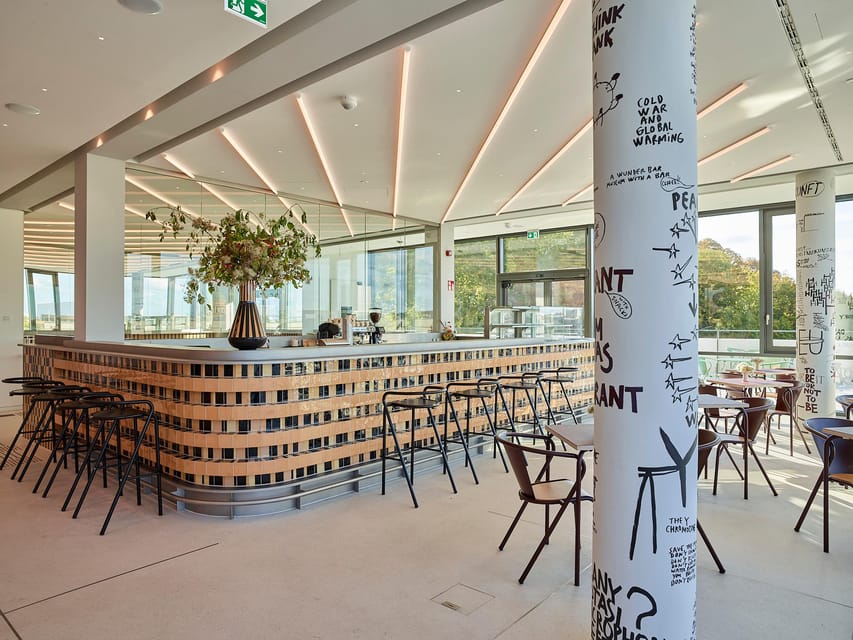
Café HEDWIG gives the visit a useful pause. It serves lunch, cakes, and coffee, so you can make the museum part of a longer Potsdam outing rather than treating it as a quick indoor stop.
The café was singled out as a particularly pleasant part of the experience, and the view adds to its appeal. During the summer months, the building’s spacious terraces look over the city. This is a good reason to allow extra time if the weather is favorable.
The terrace is also where the building’s original social purpose becomes easiest to imagine. A former restaurant with outdoor space has returned to being a place where people meet, eat, and look out over Potsdam. You are not required to buy anything at the café, and food and drinks are not included in the entry ticket.
The café may be the strongest part of the visit for someone who is only moderately interested in contemporary art. You can see the building, spend time with the view, and have coffee without rushing through the exhibition. For art-focused visitors, it is a pleasant ending rather than a substitute for the galleries.
Is $11 a fair price?
At $11 per person, the admission is reasonable for a two-hour cultural visit, especially if you care about modern architecture, contemporary art, or Potsdam’s recent urban history. The value comes from the combination of the building and exhibitions, not from a long list of included extras.
You are paying for entry only. Guided tours, events, and workshops are not part of the basic ticket, so compare the price with your plan for the day. If you want an instructor-led experience, you will need to arrange that separately if an option is available.
The changing exhibitions improve the value for repeat visits. A museum with a rotating program gives you a reason to return, while the former GDR works provide a continuing link between exhibitions. For a one-time visit, the price feels most worthwhile if you spend time with the art and the architecture, then use the café or terrace.
The visit may feel less valuable if you expect a large museum with hours of galleries. The stated duration is about two hours, and that is a realistic planning figure. This is a focused art house, not an all-day attraction.
Who will enjoy DAS MINSK most?
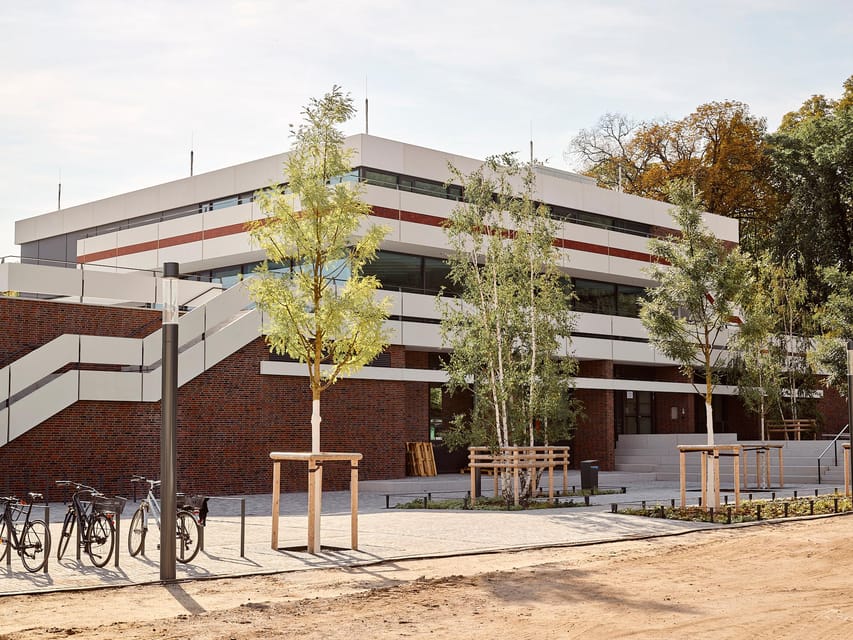
I would recommend DAS MINSK to you if you enjoy museums that connect art with place. It suits visitors who want something beyond Potsdam’s better-known royal and historic sights, particularly those curious about modernist buildings and the former GDR.
It is also a good choice for people who like changing exhibitions. The subject of Soft Power should appeal to anyone interested in textile design, craft, visual culture, or the way everyday materials can carry political meaning.
Families and mixed-interest groups may find the café and terrace helpful. Someone who does not want to spend two hours in the galleries can take a break with coffee, lunch, cake, or the city view. The wheelchair-accessible building also makes the visit more practical for many people with mobility needs.
I would be more cautious if you want a light, purely visual art experience. The former GDR material can be presented in a serious and sometimes gloomy way. You should also know that the standard visit does not include a live guide, and the initial orientation may not be very detailed.
Practical planning for your visit
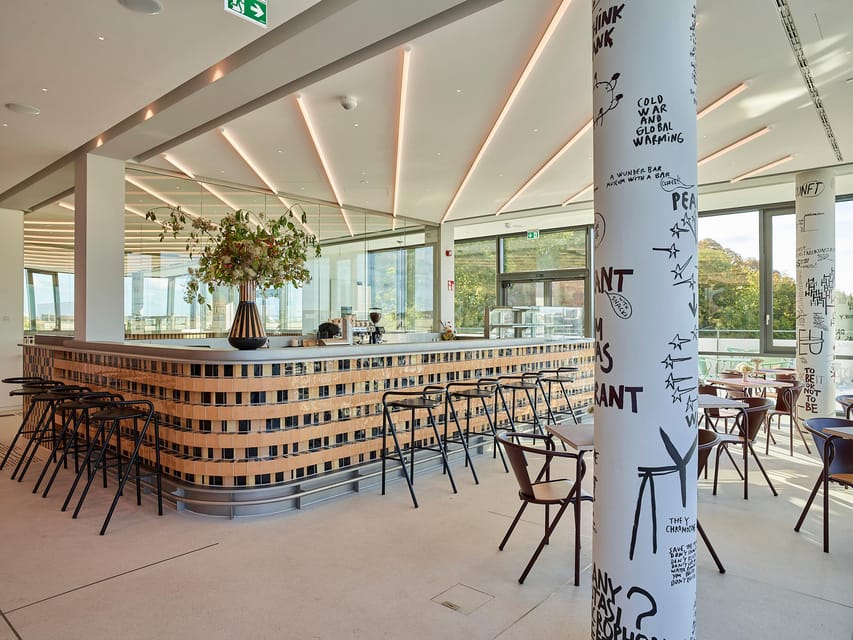
The visit lasts about two hours, and you should check availability for the starting times offered on your chosen date. The ticket allows you to skip the ticket line, which is useful when you are fitting the museum into a busy day in Potsdam.
You can reserve now and pay later, keeping your plans flexible. Free cancellation is available up to 24 hours in advance for a full refund. The entry ticket covers the exhibitions only, while food at Café HEDWIG and any separate activities cost extra.
The museum is wheelchair accessible. If you want the best chance of using the outdoor terraces, plan for the summer months, when they offer views over the city. The café itself serves lunch, cakes, and coffee, so you do not need to arrange a separate refreshment stop immediately after the visit.
For the best experience, take these simple steps:
- Give yourself the full two hours instead of treating the museum as a rushed photo stop.
- Consider audio accompaniment if the exhibition’s themes feel unclear.
- Look at the building as carefully as the art.
- Add café time if you want to enjoy the terraces and city view.
- Check the current exhibition before booking, since the program changes.
Should you book DAS MINSK Kunsthaus?
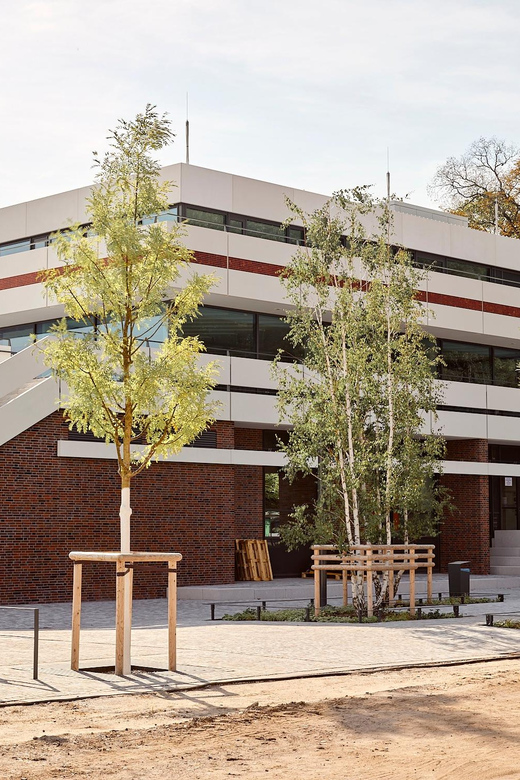
Book it if you want a compact museum visit with modern and contemporary art, former GDR works, and distinctive 1970s architecture in one place. The $11 price is fair for a two-hour stop, especially when you include time at Café HEDWIG or on the summer terrace.
Skip it if you are looking for a cheerful, heavily guided attraction or a large museum that fills most of your day. The serious tone and limited orientation may not suit everyone. For the right visitor, though, DAS MINSK offers a thoughtful change from Potsdam’s palace circuit and a useful look at the city’s more recent past.
FAQ
How long does a visit to DAS MINSK Kunsthaus take?
The stated duration is about two hours. You can spend more or less time depending on how closely you view the exhibitions and whether you stop at the café.
What does the entry ticket include?
The ticket includes entry to the exhibitions at DAS MINSK Kunsthaus in Potsdam.
Are guided tours included?
No. Guided tours, events, and workshops are not included in the standard entry ticket.
What exhibitions can I see?
The museum presents changing exhibitions of modern and contemporary art. The spring exhibition is Soft Power, which examines textile design as an artistic way to question power relations in three chapters.
Does the museum show art from the former GDR?
Yes. Works from the former GDR, part of the Hasso Plattner Collection, are shown in new contexts.
Is DAS MINSK Kunsthaus wheelchair accessible?
Yes. The activity information states that the venue is wheelchair accessible.
Is there a café at the museum?
Yes. Café HEDWIG serves lunch, cakes, and coffee. During summer, the building’s spacious terraces offer views over Potsdam.
Can I cancel my booking?
Yes. You can cancel up to 24 hours in advance for a full refund. You can also reserve now and pay later.
Just added around Potsdam
- Potsdam Highlights – Private sightseeing tour by minibus★ 5.0 · 3 reviews
- Potsdam: Jägervorstadt Outdoor Crime Mystery Tour★ 4.4 · 4 reviews
- Brandenburg Scavenger Hunt and Sights Self-Guided Tour★ 5.0 · 6 reviews
- Warnemünde Shore Excursion: Private Sachsenhausen and Berlin Tour★ 5.0 · 12 reviews
- Private Sightseeingtour im Taxi nach Potsdam und Sanssouci★ 5.0 · 12 reviews
- Private Potsdam City Tour in an authentic vintage van★ 5.0 · 14 reviews
- In the Forbidden City – Potsdam Walking Tour★ 5.0 · 17 reviews
- Potsdam: Outdoor Escape Game★ 4.4 · 22 reviews
Potsdam Day Trips, compared.
Sanssouci Palace and Prussian Palaces Entry Ticket
Read our review →
Sachsenhausen Concentration Camp and Potsdam Tour
Read our review →
Browse the lists this tour appears in