
Review · POTSDAM DAY TRIPS
Potsdam: Museum Barberini Entry Ticket
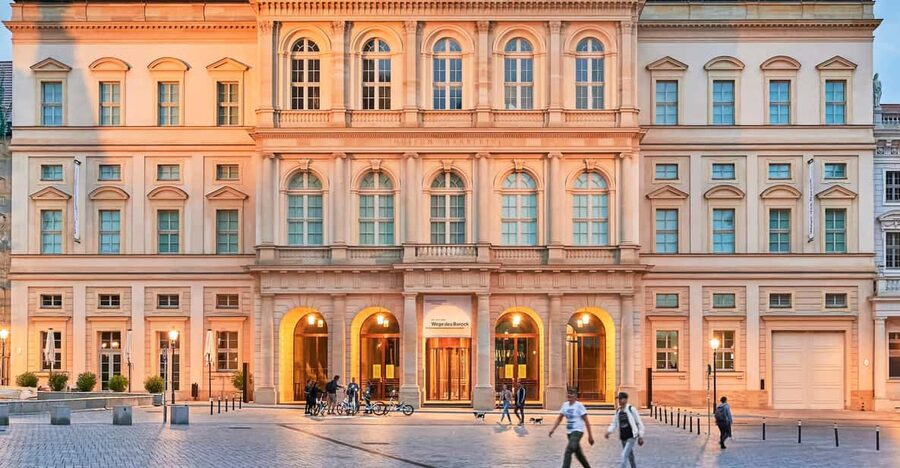
Museum Barberini gives you a close look at one of Europe’s finest collections of Impressionist paintings, including the second-largest group of Claude Monet works in Europe. The setting is a reconstructed palace in Potsdam’s historic center, so you get elegant architecture before the first brushstroke comes into view.
I like the sheer range of artists, from Monet and Renoir to Berthe Morisot, Gustave Caillebotte, Paul Cézanne, and Paul Signac. I also like the free digital guide, which lets you explore at your own speed instead of being tied to a group tour. The main point to consider is that a two-hour visit may feel short if a special exhibition has caught your attention.
In This Review
- Key points
- Why Museum Barberini deserves a place in your Potsdam day
- The palace setting in Potsdam’s historic center
- A close look at Monet, Renoir, and Morisot
- How the paintings move from observation toward abstraction
- What the two-hour visit feels like
- Special exhibitions and the museum’s wider program
- The practical rules that shape your visit
- Is $11 good value for two hours?
- Café and museum store after the galleries
- Who will enjoy Museum Barberini most
- Should you book Museum Barberini?
- FAQ
- How long does a visit to Museum Barberini take?
- What does the Museum Barberini ticket include?
- Is the digital audio guide included?
- Is the special exhibition included in the entry ticket?
- Are workshops and museum events included?
- Is Museum Barberini wheelchair accessible?
- What items are not allowed inside?
Key points
- More than 100 Impressionist paintings: See works from the Hasso Plattner collection, with major names including Monet, Renoir, Morisot, Cézanne, Caillebotte, and Signac.
- A major Monet collection: The museum holds the second-largest collection of Monet paintings in Europe.
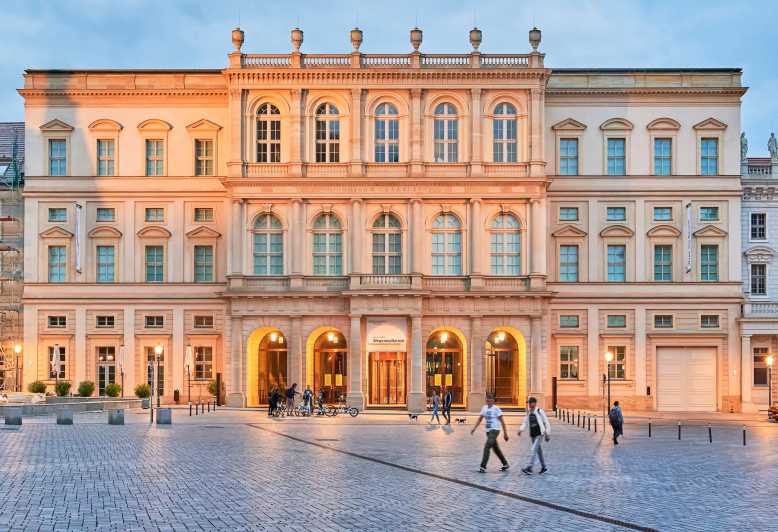
- A rebuilt palace setting: Museum Barberini occupies a reconstructed palace in Potsdam’s historic center, adding architectural interest to the visit.
- A free app-based guide: Download the Barberini app to use the digital audio guide on your own phone.
- Special exhibitions included: Your ticket also covers the current special exhibition, with displays changing during the year.
- A flexible two-hour stop: The visit works well as part of a Potsdam day, especially if you want serious art without giving up half a day.
Why Museum Barberini deserves a place in your Potsdam day
Museum Barberini is an art museum with a clear focus rather than a grab bag of famous objects. Its main draw is Impressionist painting, especially the way artists studied light, weather, color, and everyday scenes before turning those observations into something less literal.
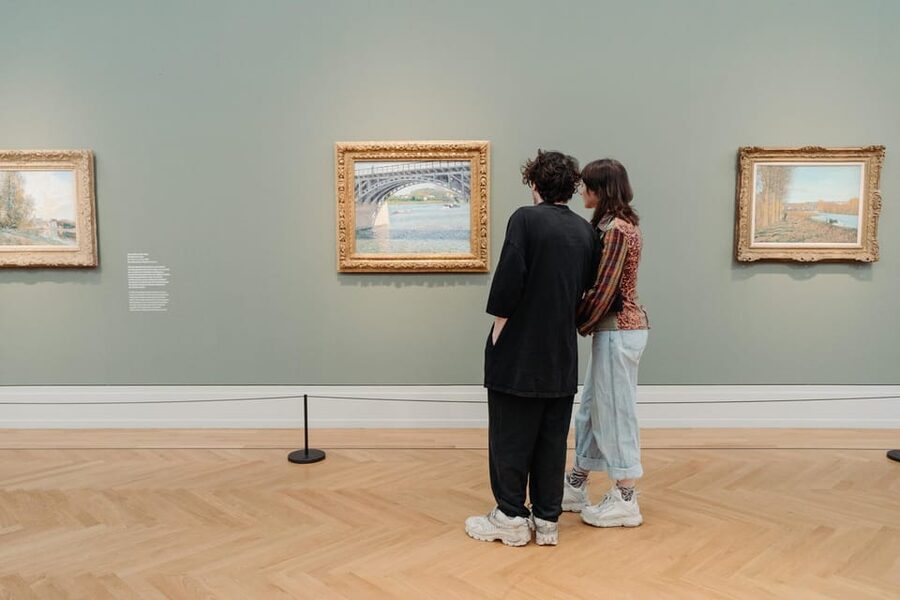
You can expect more than 100 paintings from the collection of founder Hasso Plattner. The names alone make the ticket appealing: Claude Monet, Pierre-Auguste Renoir, Berthe Morisot, Gustave Caillebotte, Paul Cézanne, and Paul Signac are all represented.
I find this kind of museum rewarding because you can enjoy it at two levels. You can simply look at the colors and brushwork, or you can use the digital guide to think about how painters turned careful observation into images that sometimes approach abstraction.
The museum also presents three special exhibitions each year. These displays use loans from museums and private collections around the world, so the visit is not limited to the permanent holdings. If you are planning ahead, check which exhibition is showing during your stay, since it may change the amount of time you want to allow.
More Potsdam and Sanssouci days:
- Potsdam: City and Castles Tour
★ 4.7 · 3,721 reviews - Potsdam: Palace Tour by Boat
★ 4.5 · 2,369 reviews - Potsdam: Sanssouci Palace and Prussian Palaces Entry Ticket
★ 4.5 · 2,101 reviews
The palace setting in Potsdam’s historic center
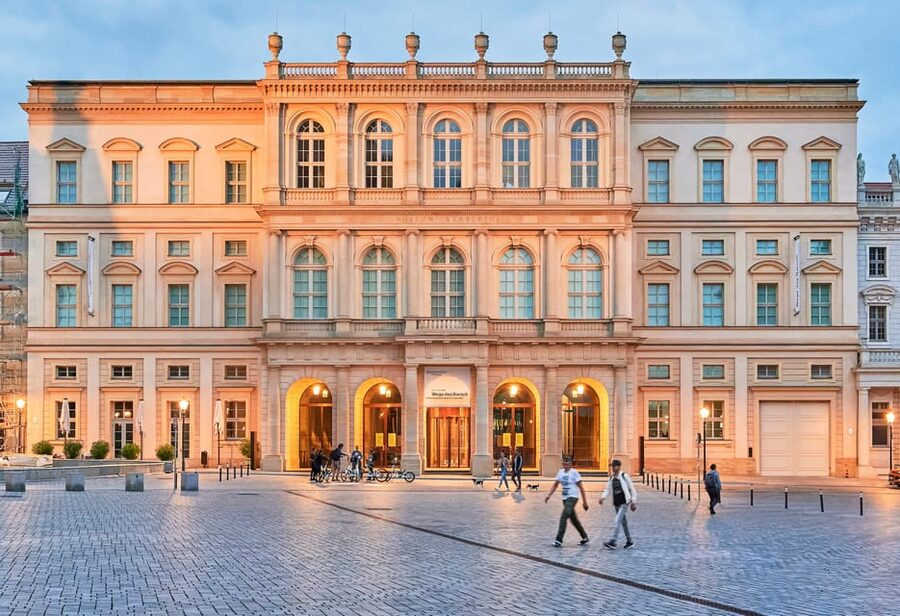
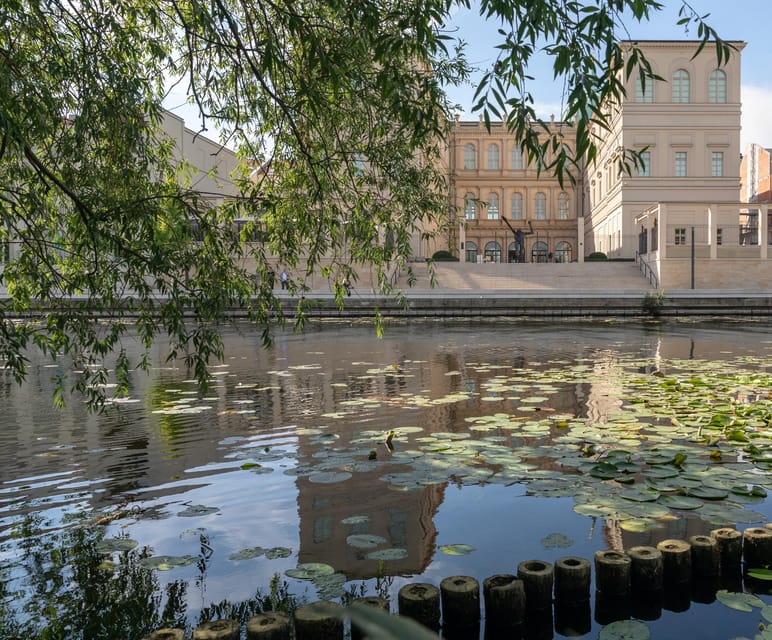
The building is part of the appeal. Museum Barberini occupies a reconstructed palace in Potsdam’s historic center, giving the collection a formal home rather than a plain modern gallery box.
That setting matters because the visit feels connected to Potsdam’s larger character. You are not entering an isolated art warehouse. You are stepping into a restored palace environment in a city known for grand buildings and royal-era planning.
The reconstruction is also worth keeping in mind. If you expect an untouched historic interior, adjust that expectation. The museum’s attraction is the combination of a palace design and a modern exhibition space, not a preserved original room in every detail.
Once inside, the building should help you slow down. The setting suits paintings that ask you to notice small shifts in light and color. I would not rush straight from the entrance to the best-known Monet works. Give yourself a few minutes to get comfortable with the rooms and the way the exhibitions are arranged.
A close look at Monet, Renoir, and Morisot
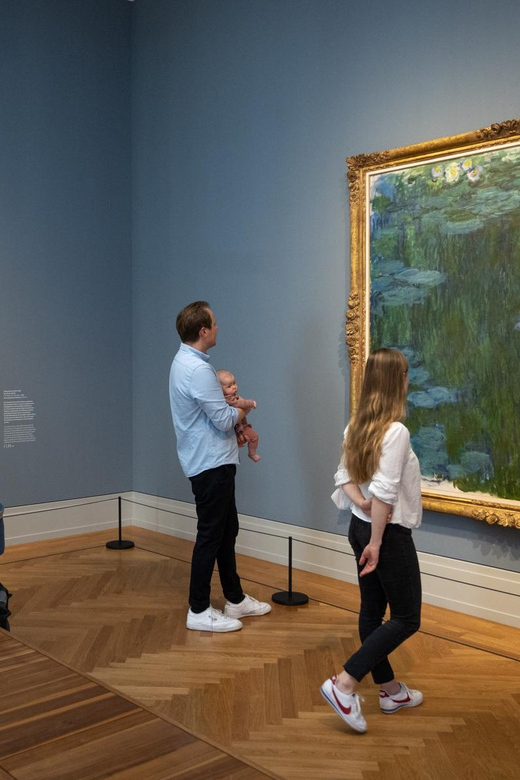
Claude Monet is the headline artist here. Museum Barberini has the second-largest collection of Monet paintings in Europe, a fact that gives the museum real weight for anyone interested in the Impressionist movement.
You should not think of the Monet collection as a single famous-picture photo stop. Its value comes from seeing several works together and comparing how the artist handled changing conditions, color, and repeated subjects. One painting may seem calm and precise, while another feels softer and less fixed.
Renoir brings a different mood and surface. His paintings can reward a closer look at the movement of the brush and the way figures or outdoor scenes are built from color. Morisot is especially important because her work gives the collection a broader view of Impressionism than a lineup made only of male artists.
Berthe Morisot’s inclusion is not a small side note. Her paintings help show how varied Impressionist painting could be, both in subject and in handling. I like museums that let you compare artists directly rather than treating one familiar name as the whole story.
You may also find yourself spending time with Caillebotte, Cézanne, and Signac. Caillebotte can bring a sharper sense of structure, while Cézanne points toward a more constructed way of seeing. Signac represents another path, with color and small marks becoming central to the image.
The point is not to memorize every artist. Instead, use the rooms to ask a simple question: what does each painter notice first? One may focus on atmosphere, another on geometry, another on the separate touches of color that make a scene hold together.
How the paintings move from observation toward abstraction
The museum is particularly useful if you want to understand how realistic painting began to loosen its grip on exact appearances. These artists did not simply stop observing the world. They looked carefully, then changed how they represented what they saw.
A cloud, tree, river, or building could begin as a recognizable subject. Through brushwork, color, and shifting light, it could become less about a precise object and more about a visual sensation. That change is easier to understand when several related works appear within the same collection.
You do not need an art degree to follow this idea. Start with a painting that looks immediately recognizable. Notice the subject, then step closer and inspect the marks. Step back again and see how those separate marks combine into a convincing scene.
The digital guide can help here. It is available through the Barberini app and can be downloaded to your phone at no extra charge. I would use it selectively rather than listening to every entry. Choose the works or artists that puzzle you, then return to the painting with a clearer idea of what to notice.
Because the guide is app-based, bring a charged phone and allow a moment to download it. The supplied information does not identify individual guides or list the available languages, so do not book this as a live guided tour. It is a self-guided museum visit with optional digital commentary.
More museums in Potsdam:
- Berlin: Jewish Museum Berlin Entrance Ticket
★ 4.5 · 8,393 reviews - Berlin: DDR Museum Tickets
★ 4.3 · 3,443 reviews - Berlin: Natural History Museum Entrance Ticket
★ 4.6 · 3,382 reviews - Berlin: Neues Museum Entry Ticket
★ 4.6 · 3,261 reviews
What the two-hour visit feels like
Two hours is a sensible starting point for Museum Barberini. It gives you enough time to see the permanent collection, visit the special exhibition, and use the app for selected works.
Your pace will depend on your interest. If Monet is your main goal, you might move quickly through some rooms and spend longer with his paintings. If you enjoy comparing styles, two hours can pass quickly, especially when a special exhibition has loans that you do not expect to see elsewhere.
I would plan the visit in three loose parts:
- Begin with the permanent collection and note the artists you want to revisit.
- Use the digital guide for a small number of key works instead of trying to hear everything.
- Finish with the special exhibition, or reverse that order if the temporary display is your main reason for coming.
This is not a timed group tour, so you have room to shape the visit around your own interests. The tradeoff is that nobody is there to set a route or explain the museum in person. For some people, that freedom is ideal. If you want a detailed art lecture, look into the museum’s separate guided programs or events, which require an additional ticket.
Special exhibitions and the museum’s wider program
Your entry ticket includes access to the special exhibition as well as the permanent collection. That makes the $11 price more attractive than a ticket limited to one small display.
The changing exhibitions draw on loans from international museums and collections. This gives the museum a changing identity throughout the year. A return visit may offer a completely different focus, even if the permanent Impressionist collection remains the familiar anchor.
Museum Barberini also runs symposia, readings, guided tours, concerts, film evenings, and workshops. These events create more ways to approach the art, but they are not included in the standard entry ticket. Education programs, workshops, and other events require their own tickets.
For a first visit, I would not add an event unless you already know the schedule and have a strong interest in the topic. The regular admission is enough for a satisfying museum stop. An event makes sense if you want more context or plan to spend extra time in Potsdam’s art scene.
The practical rules that shape your visit
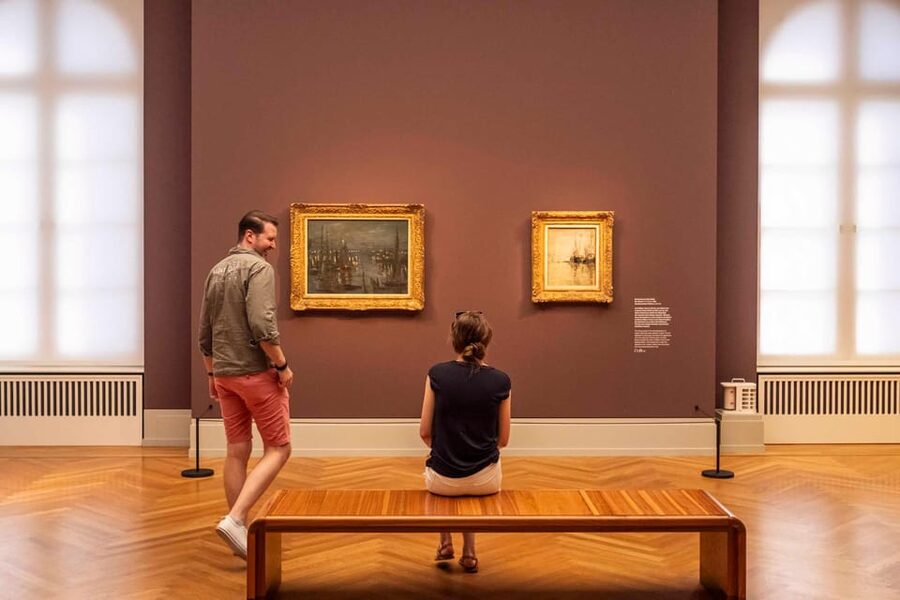
Museum visits are easier when you know what cannot come through the door. Food and drinks are not allowed, and neither are backpacks or bags. Bikes, pets, littering, climbing, touching the exhibits, and making fire are also prohibited. Assistance dogs are allowed.
The bag rule may affect your day more than you expect. If you are carrying a small daypack or shopping bag, check the museum’s current storage arrangements before arriving. The supplied details confirm that backpacks and bags are not allowed in the galleries, but do not specify storage details.
The museum is wheelchair accessible. That makes it a reasonable choice if step-free access is important to you, though the information provided does not describe the exact route, seating, or restroom setup.
A phone is useful for the digital guide, but it should not become a distraction. Look at the paintings first. Then use the app to add detail, not to replace the direct experience of standing in front of the work.
Is $11 good value for two hours?
At $11 per person, the ticket is fairly priced for the amount included. You get the permanent Impressionist collection, the current special exhibition, and the digital audio guide without paying separately for basic commentary.
The value is strongest if you care about Monet or want a concentrated art visit in Potsdam. The second-largest Monet collection in Europe gives the museum a serious reason to visit, and the presence of Morisot, Renoir, Cézanne, Caillebotte, and Signac keeps the experience from feeling too narrow.
The value is less clear if you only have a few minutes in Potsdam or do not enjoy looking at paintings for long periods. The museum is not a quick photo stop. You need time to look, compare, and perhaps listen to the app.
A two-hour duration is long enough for a proper visit but short enough to fit into a wider day. I would pair it with other Potsdam sights rather than plan an entire day around the museum unless the temporary exhibition is a major interest.
Café and museum store after the galleries
After the paintings, you can visit the museum store and Barberini Café. These are useful finishing points, especially if you want to pause before moving on to the next sight.
The supplied information does not give details about the café menu or store selection, so I would treat them as convenient additions rather than make them a central reason to buy the ticket. The art is the main event.
The café can help you end the visit without immediately rushing back into the city. The store may also give you a chance to continue with the artists or exhibition themes, though exact products and prices are not specified.
Who will enjoy Museum Barberini most
I would recommend this museum to several types of visitors:
- Impressionist art fans: Monet alone gives you a strong reason to go, with Renoir, Morisot, Cézanne, Caillebotte, and Signac adding depth.
- First-time art museum visitors: The focus is clear, and the app can explain unfamiliar works without requiring a live lecture.
- Potsdam day visitors: Two hours fits neatly into a larger sightseeing plan.
- Repeat visitors: The three annual special exhibitions give the museum a changing program.
- Independent museumgoers: You can set your own pace and choose when to use the digital guide.
I would be more cautious if you dislike app-based interpretation, since no live guide is included. I would also allow extra time if you want to attend a workshop, concert, reading, or guided event, since those require separate tickets.
Should you book Museum Barberini?
Book it if you want a focused art stop with a major Monet collection, several important Impressionist painters, and a special exhibition included for $11. The reconstructed palace setting adds character, while the free app lets you decide how much explanation you want.
Skip it only if your Potsdam schedule is already packed or if you prefer outdoor sights to gallery time. For most people who enjoy painting, the museum is an easy two-hour addition, and its strongest feature is the chance to compare many artists in one place rather than seeing a single famous work and moving on.
The high rating of 4.6 from 403 bookings fits the experience’s main strength: a beautiful collection in an appealing setting. One short Polish review simply says unicorns, which offers no practical guidance, while a Dutch booking describes the museum and collection as beautiful. The useful takeaway is clearer than the wording: this is a collection-led visit, and you should book it for the art rather than expect a sightseeing tour or a live guide.
FAQ
How long does a visit to Museum Barberini take?
The stated duration is two hours. That gives you time for the permanent Impressionist collection, the special exhibition, and selected sections of the digital guide.
What does the Museum Barberini ticket include?
The ticket includes entrance to Museum Barberini, the permanent collection of Impressionist paintings, the special exhibition, and a digital audio guide through the Barberini app.
Is the digital audio guide included?
Yes. You can download the free digital guide through the Barberini app and use it on your phone during the visit.
Is the special exhibition included in the entry ticket?
Yes. Entry includes access to the current special exhibition as well as the permanent collection.
Are workshops and museum events included?
No. Education programs, workshops, and events such as guided programs, concerts, readings, film evenings, and symposia require an additional ticket.
Is Museum Barberini wheelchair accessible?
Yes. The museum is wheelchair accessible.
What items are not allowed inside?
Food and drinks, pets other than assistance dogs, bikes, backpacks, and bags are not allowed. You must also avoid littering, climbing, touching exhibits, and making fire.
Just added around Potsdam
- Potsdam Highlights – Private sightseeing tour by minibus★ 5.0 · 3 reviews
- Potsdam: Jägervorstadt Outdoor Crime Mystery Tour★ 4.4 · 4 reviews
- Brandenburg Scavenger Hunt and Sights Self-Guided Tour★ 5.0 · 6 reviews
- Warnemünde Shore Excursion: Private Sachsenhausen and Berlin Tour★ 5.0 · 12 reviews
- Private Sightseeingtour im Taxi nach Potsdam und Sanssouci★ 5.0 · 12 reviews
- Private Potsdam City Tour in an authentic vintage van★ 5.0 · 14 reviews
- In the Forbidden City – Potsdam Walking Tour★ 5.0 · 17 reviews
- Potsdam: Outdoor Escape Game★ 4.4 · 22 reviews
Potsdam Day Trips, compared.

Sanssouci Palace and Prussian Palaces Entry Ticket
Read our review →

Sachsenhausen Concentration Camp and Potsdam Tour
Read our review →

Browse the lists this tour appears in