
Review · DDR & EAST BERLIN TOURS
Berlin: DDR Museum Tickets
Berlin’s DDR Museum turns East German history into something you can handle, open, smell, and sit in. You can rummage through a reconstructed apartment, switch on the television, inspect a Karat wall unit, and climb into an original Trabant for a simulated drive through prefabricated housing districts.
I like the museum’s hands-on design and its clear look at ordinary life, not just political leaders and major events. I also like that you can move at your own pace, though the compact rooms can feel crowded at busy times, and some displays require a good deal of reading.
In This Review
- Key Points at a Glance
- Entering the DDR Museum Beside Berlin Cathedral
- A DDR Apartment You Can Actually Explore
- Taking the Trabant for a Simulated Drive
- Television, Music, Films, and Prison Life
- How Much Time Should You Allow?
- Crowds, Layout, and the Best Time to Go
- Is the $15 Ticket Good Value?
- Who Will Enjoy This Museum Most?
- Practical Tips for a Better Visit
- Should You Book the DDR Museum?
- FAQ
- Where is the DDR Museum?
- How much does entry cost?
- How long is the ticket valid?
- Is a museum guide included?
- What are the opening hours?
- Do children need a ticket?
- Are pets allowed inside?
Key Points at a Glance
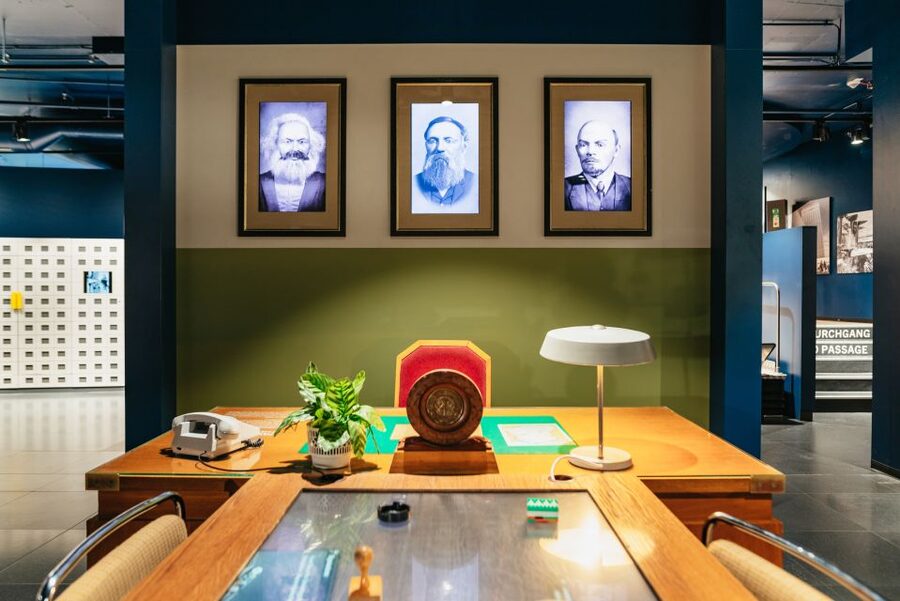
- Open the cupboards: Explore reconstructed East German rooms filled with household objects, furniture, spices, and appliances.
- Drive a Trabant: Sit behind the wheel of an original Trabant and try the simulated trip through DDR housing estates.
- See daily life up close: Learn how people lived, worked, shopped, relaxed, and managed shortages under the communist system.
- Use all your senses: Switch on a television, smell spices, watch films, listen to music, and inspect real furnishings.
- Plan for 1.5 to 3 hours: A quick visit can take about 90 minutes, while careful readers may spend two or three hours.
- Choose your timing carefully: The museum is open daily from 9am to 9pm, but peak periods can make it hard to read every panel.
Entering the DDR Museum Beside Berlin Cathedral
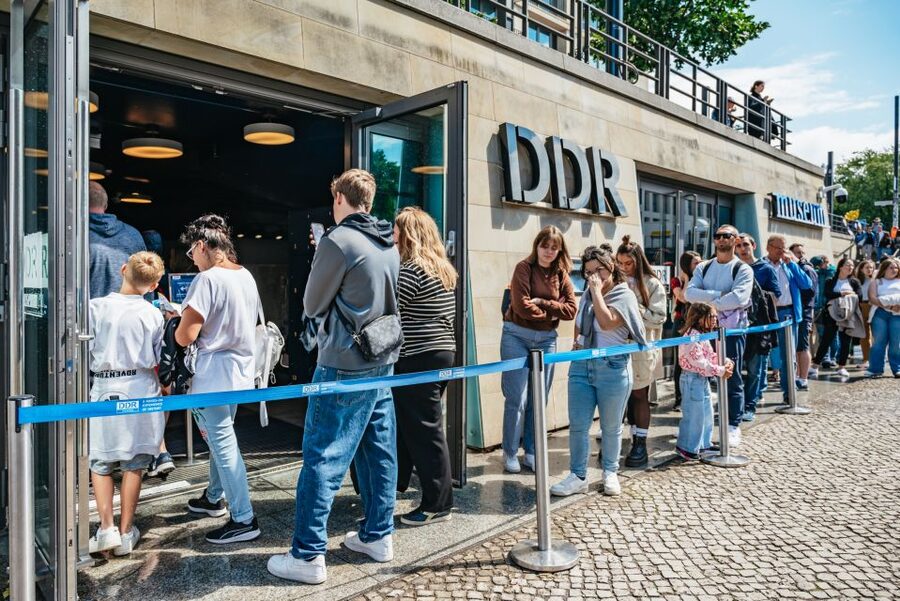
The entrance sits on the bank of the Spree, directly opposite Berlin Cathedral. That makes it easy to combine with a walk around Museum Island, though the museum itself is a very different kind of historical stop. Instead of grand halls and quiet display cases, you enter a compact, active exhibition built around ordinary life in East Germany.
The German name DDR refers to the Deutsche Demokratische Republik, the state that existed in eastern Germany from 1949 until reunification in 1990. In English, it is often called the GDR. The museum focuses on what that system felt like at home and in daily routines, which gives you a useful counterpoint to Berlin’s many sites about the Wall, division, and reunification.
You do not follow a strict guided route. You can move between sections, return to a display, or skip ahead if a particular subject catches your eye. That freedom helps when the museum is busy, although it also means you should pay attention to where you have already been.
There is no museum guide included with admission. The information is presented through labels, panels, films, objects, and interactive stations. English and German information are available, making the visit workable for international visitors, but you should expect to read if you want the full picture.
More East Berlin and DDR history:
- Berlin: 75-minute Trabi Safari
★ 4.8 · 2,854 reviews - Berlin: East and West Hop-On Hop-Off Bus Tour
★ 4.2 · 2,195 reviews - Berlin Self-Drive Trabi Tour with Guide
★ 4.5 · 410 reviews
A DDR Apartment You Can Actually Explore
The reconstructed apartment is the heart of the experience. It is not presented as a distant period set that you view from behind a barrier. You can open drawers, check cupboards, look inside storage spaces, and examine the everyday goods that filled an East German home.
The details make this section effective. A pressure cooker sits on the stove. Spices wait on a shelf. Furniture such as the Karat wall unit helps show the style and storage habits of the period. A television can be switched on, giving the room a working, lived-in quality rather than making it feel like a frozen stage set.
I find this focus on household objects more revealing than a long political timeline alone. A government system is easier to understand when you see how it shaped shopping, domestic space, entertainment, and the things people could or could not own. The apartment also helps younger visitors connect with the subject, since the objects are easy to inspect and use.
The set can feel dusty, partly because it contains genuine older furniture and products. That is not a reason to skip it, but you should expect an authentic, slightly worn atmosphere rather than a polished modern installation.
The apartment section is also a good place to slow down. If you rush through only the obvious interactive features, you will miss the small clues in the cupboards and drawers. Look at the objects as evidence of a way of life, not just as nostalgic decoration.
Taking the Trabant for a Simulated Drive
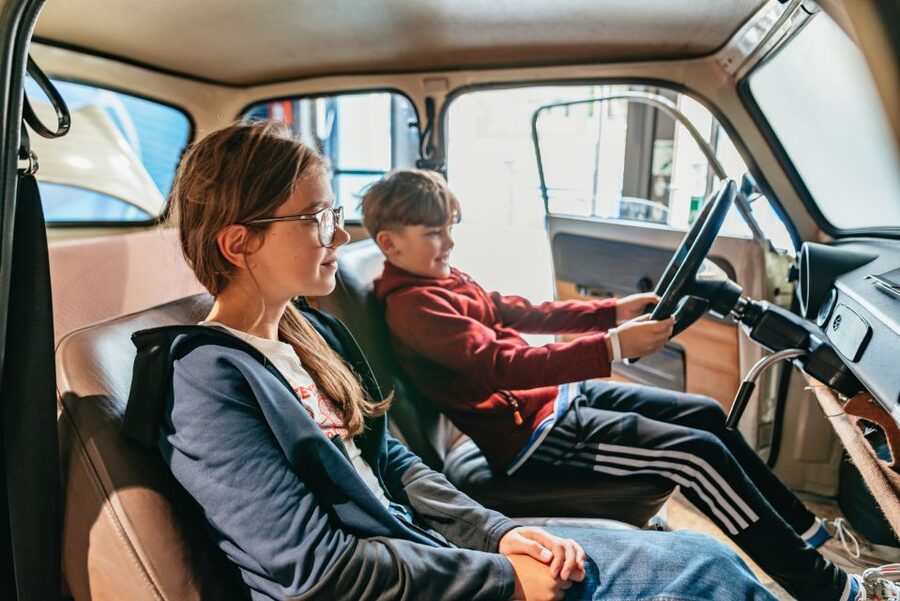
The original Trabant is one of the museum’s biggest draws. You can climb inside, turn the ignition, and take part in a simulated drive through East Germany’s prefabricated housing districts.
The experience includes the familiar noises of the Trabant and gives you a playful way to see the built environment associated with the DDR. It is not a real road trip, of course, but it adds movement and sound to a subject that could otherwise feel static.
For many visitors, this is the museum’s most memorable feature. Children and teenagers can take an active role, while adults may appreciate the chance to sit inside a car that became such a strong symbol of East German life. The simulator also breaks up the reading, which matters during a visit lasting several hours.
Because the museum is popular, you may need to wait for a turn, especially during busy periods. There are also many other interactive displays competing for attention, so it is worth giving the Trabant a try early or returning to it later if the area is crowded.
Television, Music, Films, and Prison Life
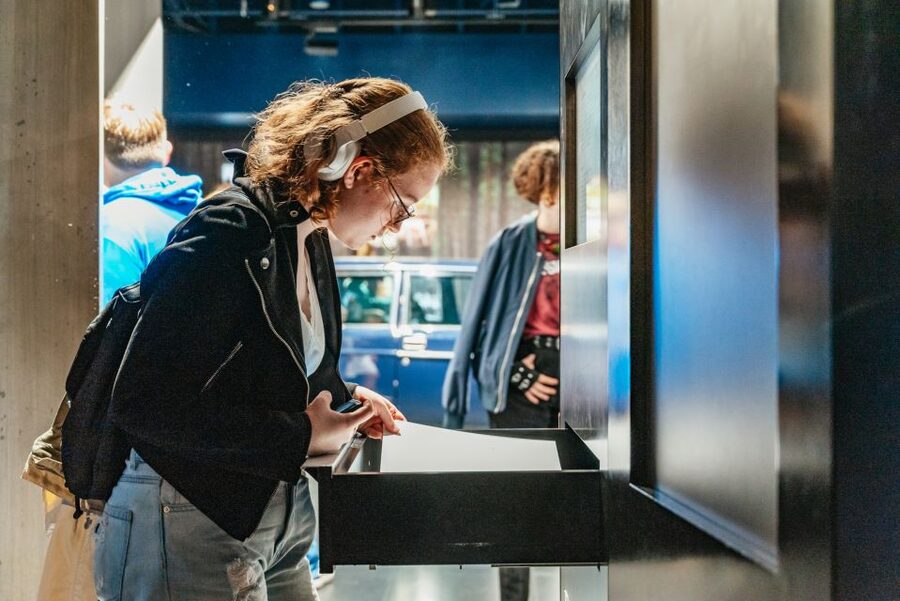
The museum uses more than furniture and text to tell its story. You can turn on a television in the reconstructed living room and watch news reports while sitting in an original cinema seat. These features show how public information and entertainment entered private life.
Music receives attention too. You can hear Lipsi, a dance style promoted in East Germany as an answer to rock and roll. That detail shows the tension between official culture and outside influences. It also keeps the exhibition from becoming a simple list of political facts.
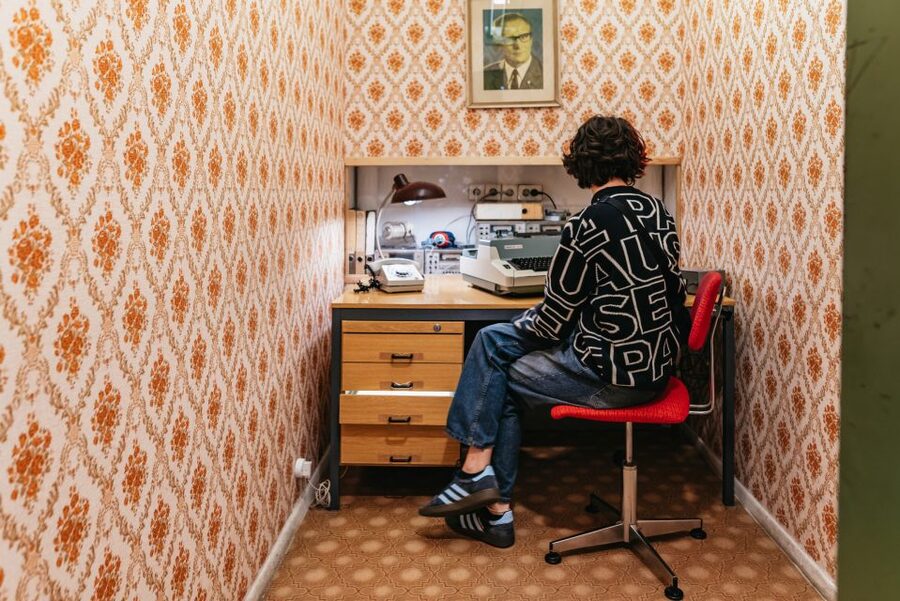
Other displays cover subjects such as work, politics, housing, and state control. You can sit in a former East German prison cell, an especially sobering part of the visit. The contrast with the apartment is important. One section shows routine domestic life, while the other reminds you that the state could also restrict personal freedom in severe ways.
The museum’s tone is generally accessible and sometimes playful, but the subject is not treated as pure entertainment. Films and information panels add weight to the interactive displays. You will see both the ordinary routines of life and the harder realities behind them.
Some information panels are dense. That is useful if you want detail, but it can slow your progress. If you are visiting with children, you may want to choose a few sections to read closely rather than trying to cover every panel.
More museums in Berlin:
- Berlin: Jewish Museum Berlin Entrance Ticket
★ 4.5 · 8,393 reviews - Berlin: Natural History Museum Entrance Ticket
★ 4.6 · 3,382 reviews - Berlin: Neues Museum Entry Ticket
★ 4.6 · 3,261 reviews - Skip-the-Line: Berlin Wall Museum at Checkpoint Charlie
★ 4.1 · 2,041 reviews
How Much Time Should You Allow?
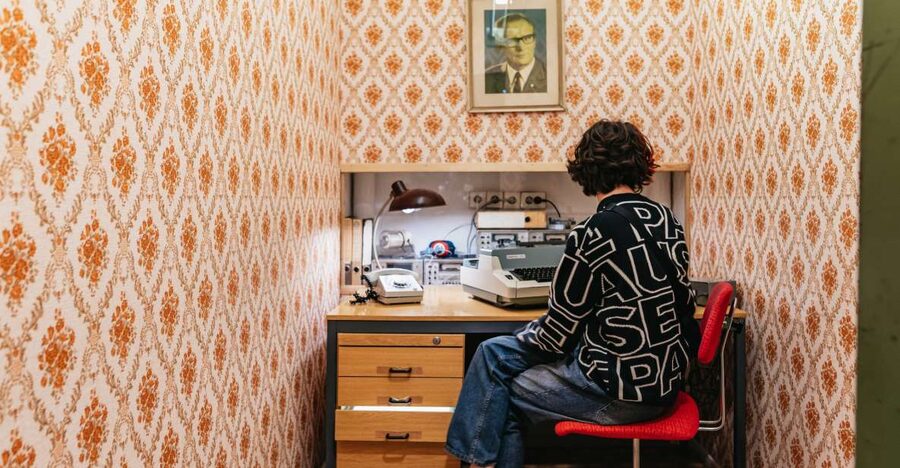
A quick visit takes around 90 minutes. That is enough to see the apartment, try several interactive stations, and get a broad sense of the exhibition.
I would allow two hours if you want to read carefully and stop for the films. Some visitors spend closer to three hours, particularly when children are enjoying the interactive displays or when the museum is part of a slower day around central Berlin.
The museum is valid for one day, so you are not tied to a short timed session. Its opening hours are 9am to 9pm from Monday through Sunday, except December 24 and December 31, when it closes at 4pm. Those long hours make it easy to fit around other Berlin plans.
The late opening is especially useful if your day already includes Museum Island or the cathedral. Still, I would not leave it until the end of an exhausting sightseeing day if you want to read everything. Much of the exhibition involves standing, and one visitor found the museum tiring after a full day.
Crowds, Layout, and the Best Time to Go
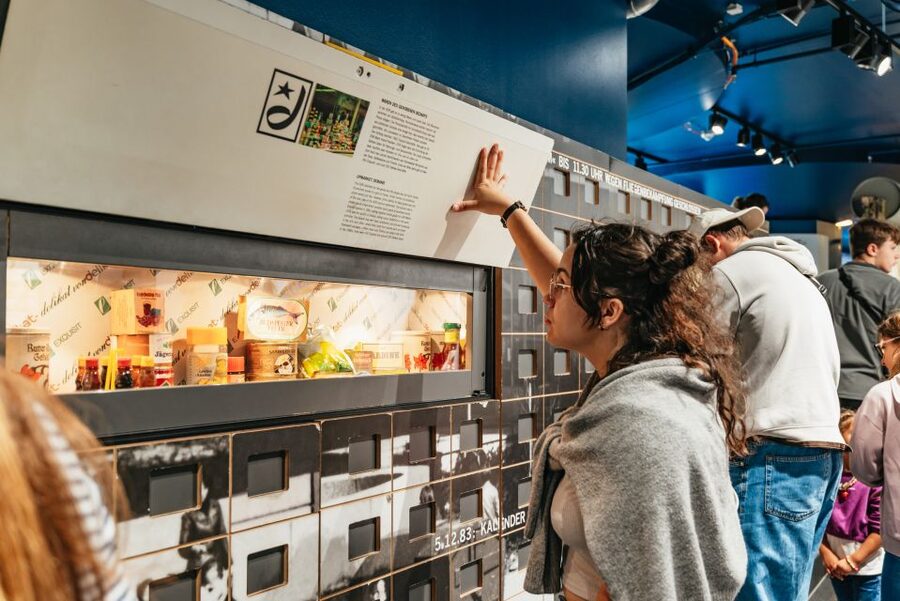
The museum is compact, which is both a strength and a weakness. You are close to the objects, and the rooms feel active, but narrow sections can become congested when several groups arrive together.
Busy periods make it harder to stand in front of the information panels or use certain interactive exhibits. Saturdays, rainy days, and peak afternoon hours may be less comfortable. The museum does not use fixed time slots according to the information provided, so admission does not guarantee a quiet visit.
If you have flexibility, go early or later in the evening. The long opening hours give you more choice than a museum that closes at 5pm. You can also move to a less crowded area and return to a popular exhibit later, since the layout does not force you along one single path.
The lack of a fixed route is helpful for independent visitors. It is less helpful if you want a carefully paced story from beginning to end. I recommend using the first few minutes to get your bearings, then choosing a theme such as home life, politics, transport, or culture.
Is the $15 Ticket Good Value?
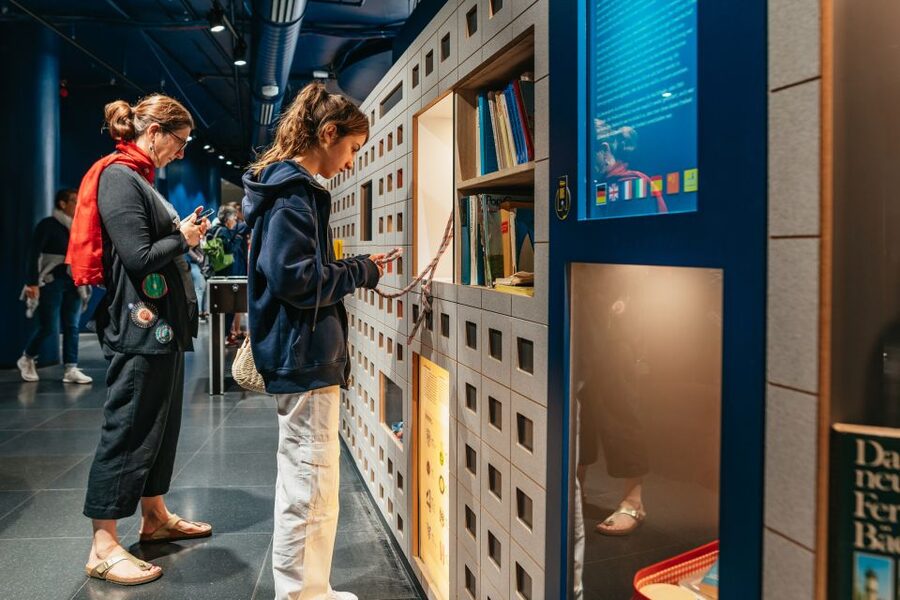
At $15 per person, the DDR Museum offers good value if you spend at least 90 minutes inside. You get more than a short display of objects. The ticket includes the reconstructed apartment, the Trabant simulator, films, household exhibits, cultural displays, and access to the full interactive exhibition.
The price works particularly well for families because children can engage with the objects instead of simply looking at labels. Children up to age five enter free, which helps keep the cost down for families with very young children.
Value depends on how you use the museum. If you dislike reading or prefer large historic buildings with grand architecture, you may finish quickly. If you enjoy objects, social history, and interactive displays, the ticket can support a two or three hour visit.
There is no museum guide included, so you are paying for independent admission rather than a led tour. That suits you if you like choosing your own pace. If you want every display explained aloud, you may find the experience less satisfying.
The museum shop is also available and has a selection of DDR-themed items. It is not part of the admission value, but it gives you a chance to continue the subject after your visit.
Who Will Enjoy This Museum Most?
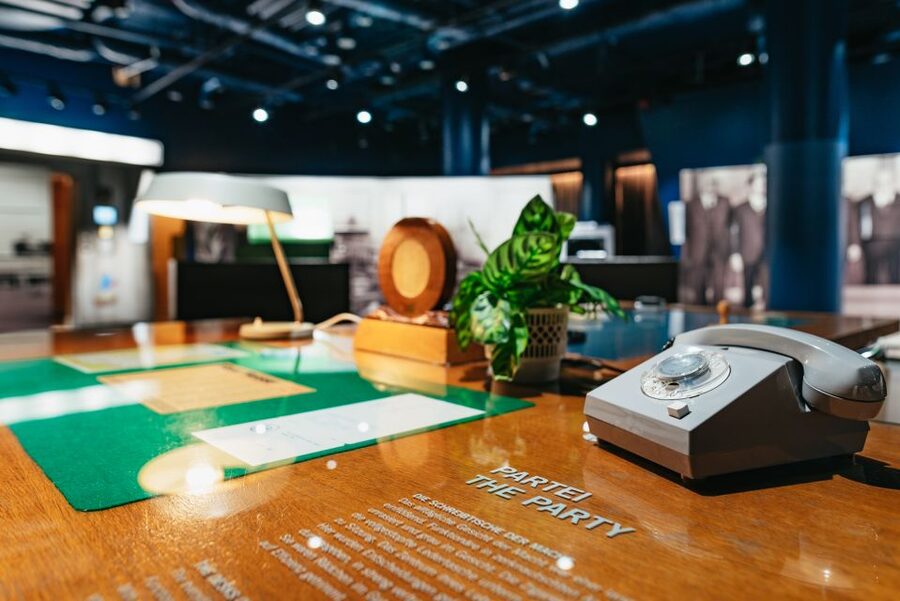
The DDR Museum suits adults who want more than a Wall photo and a short political overview. It gives you a closer look at the daily systems behind the headlines: homes, consumer goods, media, music, transport, and state power.
It is also a strong choice for families with school-age children and teenagers. The Trabant, television, drawers, cupboards, and film stations provide clear entry points. The museum can turn an unfamiliar period into something concrete, although parents may need to explain some of the political context.
It works well for people who remember East Germany personally, too. The furnishings and products can bring back memories, while younger visitors may see the period as a completely unfamiliar world.
You should think twice if you want a quiet, contemplative museum with lots of space. The DDR Museum can be crowded, and the interactive design encourages movement and conversation. It is best approached as an active exhibition rather than a silent gallery.
Practical Tips for a Better Visit
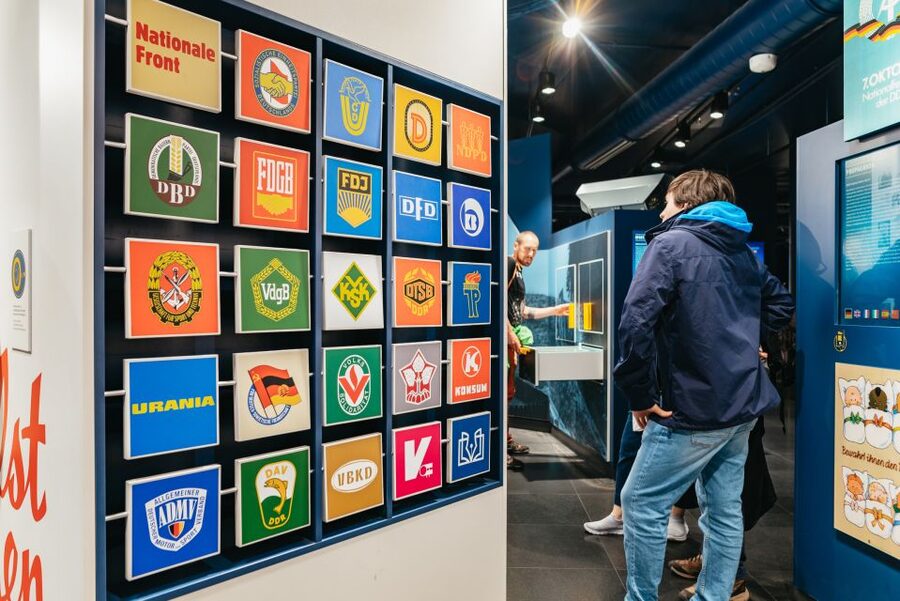
- Allow at least 90 minutes: Give yourself two hours if you want to read the panels and watch films.
- Visit early or late: The museum is open from 9am to 9pm, so you can avoid the busiest part of the day.
- Do not skip the drawers: The small household objects often explain daily life better than the main displays.
- Try the Trabant: It is one of the clearest ways to connect transport and housing with the wider DDR story.
- Wear comfortable shoes: Much of the visit involves standing and moving through compact rooms.
- Take your time with the apartment: The room layout and furnishings reward close inspection.
- Use the flexible route: If one area is crowded, move elsewhere and return later.
- Expect reading: The interactive elements are strong, but the museum still contains plenty of written information.
Should You Book the DDR Museum?
Book it if you want a hands-on look at East German life, especially if you are visiting Berlin with children or want to understand more than the story of the Berlin Wall. The apartment, Trabant simulator, working television, music, films, and prison cell create a varied visit with both playful and serious moments.
The main caution is space. At busy times, you may have to wait for popular displays and work around people reading the panels. Even so, the $15 ticket is fair for a museum that can occupy 1.5 to 3 hours and gives you such direct access to its subject.
I would pair it with nearby sights on the Spree and Museum Island, then choose an early morning or evening visit when possible. For an accessible, tactile introduction to the former DDR, this is one of Berlin’s more useful museum stops.
FAQ
Where is the DDR Museum?
The museum entrance is on the bank of the Spree, opposite Berlin Cathedral in central Berlin.
How much does entry cost?
The listed price is $15 per person.
How long is the ticket valid?
The ticket is valid for one day.
Is a museum guide included?
No. Entry to the DDR Museum is included, but a museum guide is not.
What are the opening hours?
The museum is open Monday through Sunday from 9am to 9pm. On December 24 and December 31, it is open from 9am to 4pm.
Do children need a ticket?
Children up to age five receive free entry.
Are pets allowed inside?
No. Pets are not allowed.
Just added around Berlin
- Berlin Highlights in One Day★ 5.0 · 3 reviews
- Private Berlin One Day Tour with a Local: See the City Unscripted★ 3.5 · 3 reviews
- Individual city tour Berlin for max. 8 persons★ 5.0 · 3 reviews
- Transfer from Berlin Schönefeld Airport (SXF) to Berlin city Hotels – ROUND TRIP★ 4.0 · 3 reviews
- Berlin: Museum Island Tour★ 5.0 · 3 reviews
- Private Analogue Photography Experience in Berlin★ 5.0 · 3 reviews
- Berlin: Local Food Tour in Secrets Hidden Gems★ 4.0 · 3 reviews
- Berlin & The Third Reich Private Guided Tour★ 5.0 · 3 reviews
DDR & East Berlin Tours, compared.



East Berlin and the Berlin Wall 2-Hour Walking Tour
Read our review →
East Berlin Food & History Tour with Eating Europe
Read our review →
Browse the lists this tour appears in