
Review · CYCLING TOURS
3-Hour Private Berlin Bike Tour: Vibes of Berlin
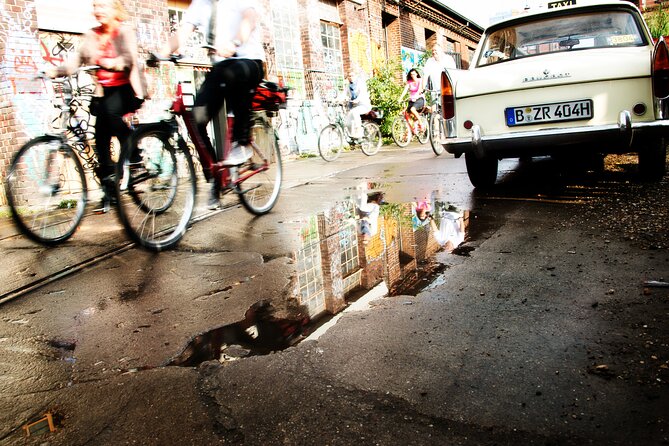
Berlin makes more sense from a bicycle seat. This private ride links the East Side Gallery, Kreuzberg, Görlitzer Park, and the Spree waterfront, showing you the city’s rough edges, creative corners, and former borderlands in one moving three-hour lesson. You cover about 11 miles, or 17 kilometers, with a guide focused on your group.
I like the flexible start time, which lets you choose any departure between 9am and 6pm. I also like the private format, since you can stop to ask about Berlin’s past, club culture, street art, or daily life without trying to catch a guide’s words in a large crowd.
The main caution is the price: $207 per person is a serious outlay, especially since the tour requires at least four participants. You also need to be comfortable cycling that distance in all weather, and the exact meeting instructions deserve a quick check before you set off.
In This Review
- Key points at a glance
- Why Berlin works so well by bike
- Starting near Nikolaiviertel and Poststraße
- East Side Gallery and the meaning of the Wall
- Kreuzberg, Berlin’s most revealing neighborhood stop
- Landwehrkanal and the Turkish market days
- Görlitzer Park and the edge of alternative Berlin
- East Harbor and the Spree waterfront
- Oberbaum Bridge and crossing old borders
- What the private format is really worth
- Guides, languages, and the human side of the ride
- Timing, weather, and practical planning
- Who should book this Berlin bike tour?
- Should you book it?
- FAQ
- How long is the private Berlin bike tour?
- What is included in the tour price?
- Where does the tour begin and end?
- What languages are available?
- What time can I start the tour?
- Is the tour available in bad weather?
Key points at a glance
- The route covers about 17 kilometers: You get a broad look at Berlin’s eastern districts rather than a short ride around the historic center.
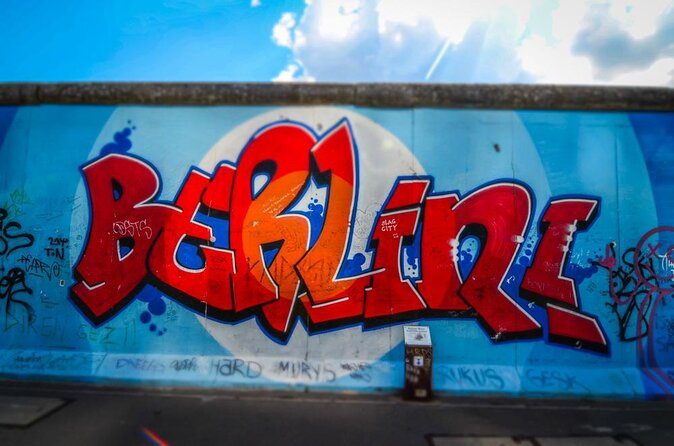
- East Side Gallery is an early highlight: You see the longest remaining section of the Berlin Wall, now covered with large-scale art.
- Kreuzberg receives the most time: A 45-minute stop gives your guide room to explain its immigrant communities, alternative culture, and changing identity.
- The tour follows water and former borders: The Spree, Landwehrkanal, and East Harbor help explain how Berlin’s geography shaped its past and present.
- Your guide can shape the experience: Fiona, Anton, David, and Martin are among the guides associated with this tour, with German and English offered and other languages available on request.
- Bikes, helmets, and a private guide are included: Food, drinks, and hotel transfers are not.
Why Berlin works so well by bike
Berlin is spread out. Its most interesting areas do not always sit beside one another, and walking between them can eat up much of your day. A bicycle lets you connect former industrial zones, old Wall sites, parks, canals, and neighborhoods without spending the whole afternoon underground.
This is not a sightseeing sprint through every famous landmark. The route concentrates on Berlin east of the historic center, especially the districts where abandoned land has been reused for art, parks, businesses, waterfront projects, and nightlife. You get a sense of how quickly the city can change from one block to the next.
That focus makes the tour useful early in a Berlin visit. You can see which districts appeal to you, then return later by public transport or on foot. Your guide can also explain the local character as you ride, something a self-guided route cannot easily provide.
The private setup matters here. Berlin’s history is full of dates, political shifts, and competing viewpoints. With only your party and one guide, you can ask why a particular neighborhood feels different, how the Wall affected the area, or what happened to a former industrial site. The experience is less a fixed lecture and more a conversation that happens while the city moves around you.
More bike days around Berlin:
- Berlin: Sights and Highlights Bike Tour with a Local Guide
★ 4.8 · 2,698 reviews - Berlin Highlights 3-Hour Bike Tour
★ 5.0 · 948 reviews - Berlin City Bike Tour with Beer Garden Stop
★ 5.0 · 917 reviews
Starting near Nikolaiviertel and Poststraße
The tour begins in central Berlin near the Nikolaiviertel and Nikolai Church. The listed meeting address is Poststraße 11, 10178 Berlin, and the activity ends back at the same meeting point.
You meet your guide at your chosen time, between 9am and 6pm. At the rental point, you are fitted with a bicycle and helmet and receive a short orientation before riding away. The equipment is included, which keeps the start simple, though you should still arrive ready to pedal rather than treating this as a walking tour with a few optional bike sections.
There is one detail I would clarify before booking: the tour description refers to Nikolaiviertel or Nikolai Church, while the formal meeting point gives Poststraße 11. These locations are in the same central area, but ask for the precise rendezvous instructions so you are not searching for the group at the last minute.
The route is designed for most participants, but children must be accompanied by an adult. Since the ride covers roughly 17 kilometers, consider your own comfort on a standard bicycle. One account specifically described the route as manageable even for regular e-bike riders using normal bikes, but that does not turn the tour into an effortless ride. You still need to be happy cycling for about three hours, with stops along the way.
East Side Gallery and the meaning of the Wall
The East Side Gallery is one of the clearest visual introductions to modern Berlin. This long surviving section of the Berlin Wall is covered with large paintings, many of them instantly recognizable. The artwork turns a structure built to divide people into an open-air gallery that draws people from across the city.
You have about 15 minutes here. That is enough for a quick look and a few photographs, but not enough to study every mural or hear a long explanation of the Wall’s political background. Your guide can help put the artwork in context and point out how the former border zone now sits beside a newly designed business quarter.
That contrast is the real point. You are not seeing the Wall in isolation. You are seeing it beside new offices, construction, traffic, and redevelopment. Berlin often places its difficult past directly next to its newest projects, and the East Side Gallery makes that tension easy to grasp.
If you want a long, unhurried examination of the murals, return on your own another time. On this tour, the gallery is one piece of a larger story about how unused or restricted land has been claimed for new purposes.
Kreuzberg, Berlin’s most revealing neighborhood stop
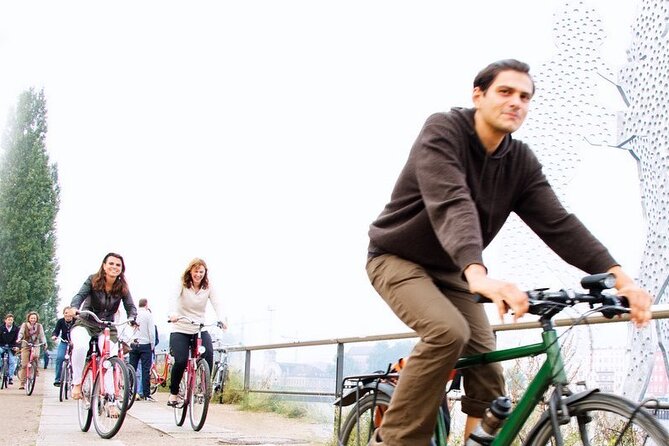
Kreuzberg gets the longest scheduled stop, about 45 minutes, and that makes sense. Few Berlin districts carry as many layers of social and cultural change in such a compact area.
Your guide introduces Kreuzberg as a meeting point for different communities and ways of life. The area is known for its immigrant roots, alternative culture, street life, and ongoing change. The useful question is not simply whether Kreuzberg is trendy. It is how the district has held onto its edge while new businesses, visitors, and rising interest reshape it.
This is where a private guide can add real value. You can ask about the people who shaped the neighborhood, the difference between its streets, or how Berlin’s poor but sexy reputation grew from places like this. The phrase came from former mayor Klaus Wowereit in 2004, and the tour uses Kreuzberg and nearby districts to show what that idea meant: limited money, plenty of creative energy, and a city willing to experiment.
The stop is free, but it is not empty of cost. The time is spent listening, looking, and riding through an area rather than entering paid attractions. If you prefer museums and formal landmarks, this part may feel less structured. If you want to understand how Berlin functions beyond postcard sights, it is one of the strongest sections.
The guide lineup also gives you a sense of the tour’s personal character. Fiona has led rides through Kreuzberg and Friedrichshain, while David is described as a real Berliner who uses funny local stories and anecdotes. Martin has handled groups with different interests and levels of prior knowledge. These details suggest that the guide’s personality will shape the outing, so requesting a language or guide preference in advance may be worthwhile.
A few more Berlin tours worth weighing up
- Berlin Highlights: 3-Hour Bike Tour
★ 4.9 · 809 reviews - Berlin: 3-Hour Street Art Tour
★ 4.7 · 778 reviews - Berlin: 3-Hour Secret Food Tour
★ 4.8 · 269 reviews - Berlin: 3-Hour Segway Tour
★ 4.7 · 112 reviews
Landwehrkanal and the Turkish market days
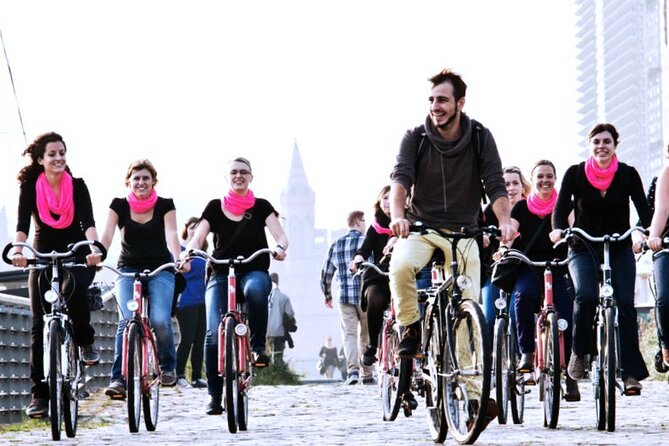
The ride then reaches the Landwehrkanal, where the city takes on a calmer waterfront mood. The stop lasts about 15 minutes and is described as a place for dolce vita beside the water, with a Turkish market on Tuesdays and Fridays.
The market schedule matters. If you choose a Tuesday or Friday departure, you may get a livelier food and shopping scene along the canal. On other days, the value is the setting itself and the guide’s explanation of how the waterway fits into Berlin’s daily life.
This is also a good pause in the route. Three hours on a bicycle feels easier when the ride is broken into short stops, and the canal gives you a change from Wall history and urban redevelopment. Food and drinks are not included, so do not assume a market snack is part of the tour price. You can ask your guide about the timing and your options, but plan to pay for anything you buy.
Görlitzer Park and the edge of alternative Berlin
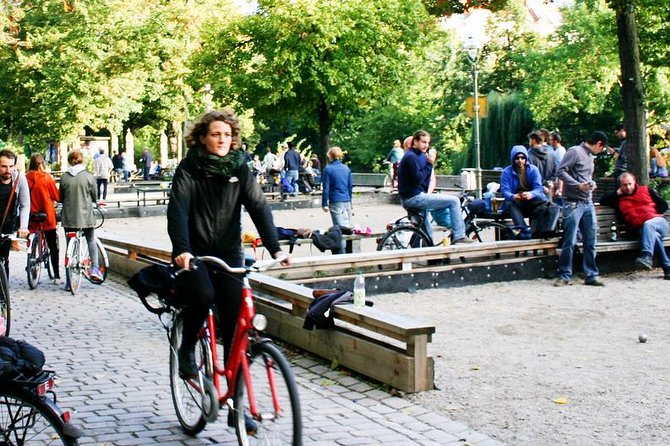
Görlitzer Park occupies the site of a former trainyard. Its conversion into a public park captures one of Berlin’s recurring patterns: land once used for transport, industry, or security becomes available for public life.
The scheduled stop is only about 10 minutes, so expect a brief orientation rather than a long walk through the park. Your guide frames the place as a symbol of the thin line between alternative living and anarchy. That wording points to the park’s complicated identity. It is not presented as a polished city garden, and you should not expect a tidy attraction with a formal entrance or exhibit.
For me, this kind of stop is valuable because it resists the cleaned-up version of Berlin. You see how the city uses open space, how unofficial culture takes root, and why some districts feel less controlled than central shopping streets. The drawback is that ten minutes can pass quickly, especially if you want to explore on foot. The bicycle tour gives you a glimpse, not a complete visit.
East Harbor and the Spree waterfront
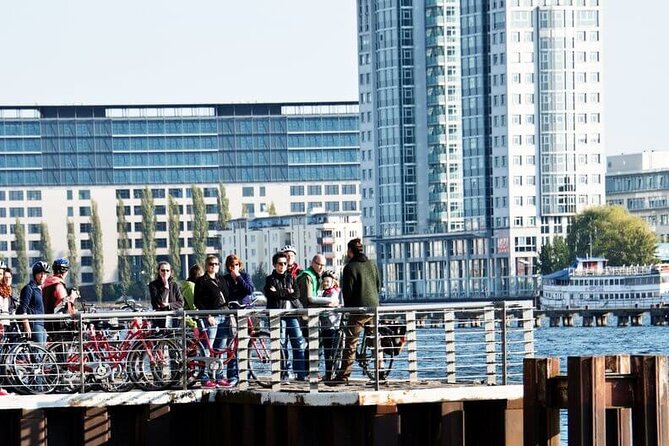
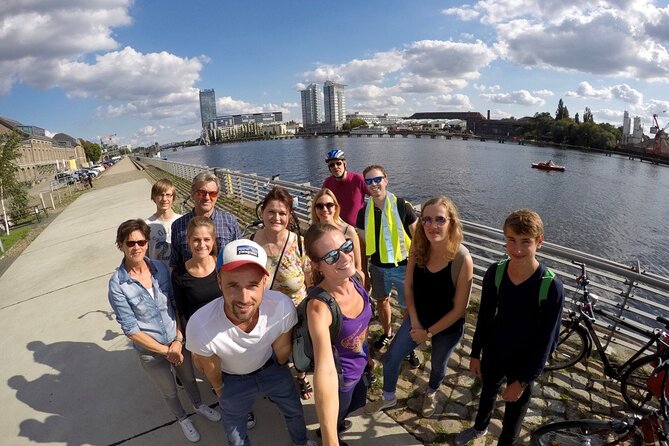
At Osthafen, or East Harbor, the route reaches a former restricted border area that now attracts young urban creatives. The change from guarded edge of the city to office, studio, and leisure zone reflects the larger story of Berlin after reunification.
Riding along the Spree gives this section a strong sense of place. Water, bridges, old industrial uses, and newer buildings appear in the same view. Your guide can connect the physical surroundings to Berlin’s club scene, guerrilla architecture, and the way former wastelands became sought-after sites.
You should expect interpretation rather than a long list of formal sights. The tour is about reading the city around you. A vacant-looking lot may have a political story, a building may have changed roles several times, and an apparently fashionable waterfront may once have been inaccessible.
The Osthafen stop lasts about 15 minutes. It is long enough to pause and take in the area, but the real experience comes from the ride between stops. Keep your attention on the route and the guide’s commentary, since Berlin’s transitions are often more interesting than any single viewpoint.
Oberbaum Bridge and crossing old borders
Oberbaumbrücke is one of Berlin’s most recognizable bridges and the final named stop on the route. Its location makes it a fitting place to discuss borders, crossings, and the way the city’s districts connect.
The bridge links areas associated with Kreuzberg and Friedrichshain, so it also ties together much of what you have seen. You have about 10 minutes here, enough to pause for photographs and hear why the bridge carries symbolic weight beyond its architecture.
The phrase crossing borders applies in several ways. Berlin’s old political division shaped movement through this part of the city, while today the bridge connects neighborhoods with different identities and histories. The short stop works best as a final piece in the route rather than as a stand-alone monument visit.
What the private format is really worth
At $207 per person, this is not a budget activity. With a minimum of four participants, the required group size also means the price needs to fit your whole party. The cost includes the professional guide, bicycle, helmet, and private format, but not food, drinks, or hotel pickup and drop-off.
The value comes from the guide’s time and the route’s reach. You cover several districts and about 17 kilometers without planning the connections yourself. You also get the chance to shape the conversation, ask for clarification, and request a language that suits your group. A French-speaking guide was arranged for one large group, and Dutch, French, and Spanish are available on request, while German and English are standard options.
For a group of friends or family members who would otherwise book several separate activities, the private arrangement may make sense. It is also useful for a group with mixed interests, since your guide can adjust the emphasis. One school group had an extended five-hour experience, although the regular format is approximately three hours, so confirm the expected duration if you are arranging a special outing.
The value is weaker if you only want Berlin’s major historic sights. This route does not focus on the Brandenburg Gate, Reichstag, Museum Island, or Checkpoint Charlie. You are paying for local districts, social context, and movement through the city, not a checklist of central monuments.
Guides, languages, and the human side of the ride
The guides are central to this experience. Fiona has been associated with rides through Kreuzberg and Friedrichshain. Anton is described as an engaging storyteller who made the route relaxed, informative, and fun. David brings local anecdotes and humor, while Martin has worked well with groups that had different interests and levels of background knowledge.
You cannot assume a particular guide will be assigned, but you can ask about guide availability and language when booking. The tour runs in German and English, with Dutch, French, and Spanish possible on request.
That flexibility is especially useful for families, school groups, and international parties. A guide who can explain Berlin in your preferred language may make the difference between simply passing through a district and understanding what you are seeing.
The private format also keeps the tone informal. You are not expected to absorb a long speech at every stop. You can ask about a mural, a park, a bridge, a waterfront building, or the club culture that developed in former industrial areas. The most praised qualities of the guides are their friendliness, humor, vivid explanations, and ability to make the material accessible.
Timing, weather, and practical planning
The tour operates in all weather conditions, so pack for Berlin rather than for an ideal forecast. A wet or windy day will affect the ride more than it would affect a museum visit. Dress in layers and choose clothing that lets you pedal comfortably.
Departure times run from 9am to 6pm. An early start can give you cooler conditions and may suit school or family schedules. A later ride may fit better after a morning museum visit. If you want to see the Turkish market along the Landwehrkanal, choose Tuesday or Friday and ask how the timing lines up with the stop.
Public transport serves the area, and hotel pickup and drop-off are not included. You make your own way to the central meeting point and return there at the end. The activity includes a bicycle and helmet, so you do not need to arrange standard cycling equipment separately.
Free cancellation is available up to 24 hours before the start time for a full refund. Changes or cancellations inside that window are not accepted for a refund, and confirmation can take up to 48 hours when you book within three days of departure. Those rules matter most if your Berlin schedule is still shifting.
Who should book this Berlin bike tour?
I would choose this ride if you want to understand Berlin’s alternative districts rather than spend three hours repeating the city center’s headline sights. It suits adults, families with accompanied children, school groups, and friends who enjoy moving outdoors while hearing local stories.
It is particularly good for groups with varied interests. A private guide can spend more time on architecture, migration, Wall history, urban change, or Berlin’s creative scene depending on what catches your attention. The relaxed pace also helps if you want conversation instead of a formal, scripted presentation.
I would think twice if anyone in your group dislikes cycling, struggles with 17 kilometers, or wants a fully weather-proof activity. I would also compare the price carefully if your group has only four people and a limited budget. A standard city sightseeing tour may cost less, though it will not offer the same private attention or route through Kreuzberg, Görlitzer Park, East Harbor, and the Spree.
Should you book it?
Book this tour if you want a personal introduction to Berlin’s eastern neighborhoods, especially Kreuzberg and the former Wall corridor. The strongest reasons are the private guide, flexible departure time, included bicycle and helmet, and a route that connects history with present-day street culture and redevelopment.
Skip it if your priority is Berlin’s major museums and monuments, or if rain, traffic, and a three-hour bike ride sound like work. For the right group, though, this is a smart way to see how Berlin changed from divided border city to experimental cultural capital, one neighborhood and waterfront at a time.
FAQ
How long is the private Berlin bike tour?
The regular tour lasts approximately three hours and covers about 11 miles, or 17 kilometers.
What is included in the tour price?
A professional guide, bicycle, helmet, and private tour are included.
Where does the tour begin and end?
The listed meeting point is Poststraße 11, 10178 Berlin, in the central Nikolaiviertel area near Nikolai Church. The tour ends back at the meeting point.
What languages are available?
The tour is available in German and English. Dutch, French, and Spanish can be requested.
What time can I start the tour?
You can choose a departure time between 9am and 6pm.
Is the tour available in bad weather?
Yes. The tour operates in all weather conditions, so you should dress appropriately.
Just added around Berlin
- Berlin Highlights in One Day★ 5.0 · 3 reviews
- Private Berlin One Day Tour with a Local: See the City Unscripted★ 3.5 · 3 reviews
- Individual city tour Berlin for max. 8 persons★ 5.0 · 3 reviews
- Transfer from Berlin Schönefeld Airport (SXF) to Berlin city Hotels – ROUND TRIP★ 4.0 · 3 reviews
- Berlin: Museum Island Tour★ 5.0 · 3 reviews
- Private Analogue Photography Experience in Berlin★ 5.0 · 3 reviews
- Berlin: Local Food Tour in Secrets Hidden Gems★ 4.0 · 3 reviews
- Berlin & The Third Reich Private Guided Tour★ 5.0 · 3 reviews
Cycling Tours, compared.
Sights and Highlights Bike Tour with a Local Guide
Read our review →
Berlin Highlights Sightseeing Bike Tour in Small Groups
Read our review →
Alternative Bike Tour of Kreuzberg & Friedrichshain
Read our review →
Guided Bike Tour of the Berlin Wall and Third Reich
Read our review →
Browse the lists this tour appears in