
Review · BERLIN
Berlin: DIY & Subculture Sightseeing in a 1972 Ford Van!
Berlin’s DIY culture makes more sense from an old van than from a sightseeing bus. This small-group ride begins at East Side Gallery and traces the city’s improvised clubs, squats, bars, backyards, and basements through Friedrichshain and Kreuzberg. You get stories about music, politics, art, and the people who built Berlin’s alternative scene.
I like the six-person limit, which keeps the ride personal and gives you a fair chance to ask questions. I also like the use of a charged smartphone: your guide can show past photos and videos while you look at the places where those scenes took shape. The main drawback is comfort. This is a 1972 van with a fan instead of air conditioning, and the tour runs rain or shine.
The route is especially useful if you want more than Berlin’s major monuments. Guide Flo has been praised for explaining the city’s suburbs and stories, while the tour’s founders also created the Ramones Museum Berlin. That background gives the music side real weight, though you should expect a moving history lesson rather than a full night out at today’s clubs.
In This Review
- Key points to know before booking
- Why Berlin’s DIY story works from an old van
- Starting beside East Side Gallery and the Spree
- Friedrichshain, Kreuzberg, and the changing city
- Görlitzer Bahnhof and the May 1 riots
- Kreuzberg squats, backyards, and basements
- Music history from Bowie to Beatsteaks
- Finding bars, restaurants, shops, and clubs
- The smartphone archive makes the stops clearer
- Timing, comfort, and the small-group setup
- Is $85 a fair price?
- Who should book this Berlin van tour?
- Final call: book it for the story, not the souvenir
- FAQ
- Where does the tour start?
- Where does the tour end?
- How long does the tour last?
- What languages are available?
- How many people can join?
- Is the van wheelchair accessible?
- What should I bring?
- Can I bring food into the van?
- Does the tour run in bad weather?
- Does the van have air conditioning?
- What is included in the experience?
Key points to know before booking
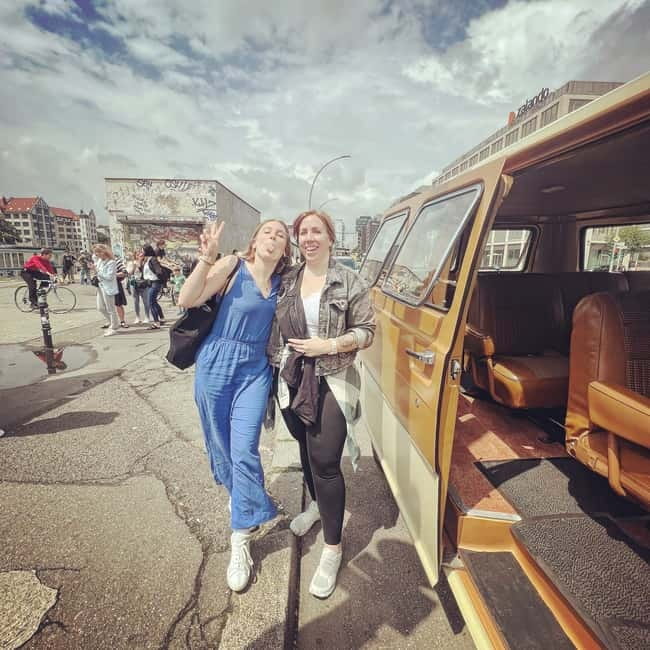
- A 1972 Ford Econoline is part of the experience: You ride in a beige or brown vintage van, with a window seat for each participant.
- The route links Friedrichshain and Kreuzberg: It starts at East Side Gallery and covers places tied to Berlin’s DIY, political, and music scenes.
- The focus is behind the shop windows: Backyards, basements, squats, improvised venues, bars, restaurants, and shops all play a role.
- Archive material adds context: Bring a charged smartphone so you can view photos and videos from earlier periods.
- It is a true small-group outing: The van holds no more than six participants, with English and German guiding.
- The price depends on where you book: The listed rate is $85 per person, while direct booking is advertised at 59 euros.
Why Berlin’s DIY story works from an old van
Berlin’s alternative culture is spread across neighborhoods, courtyards, former squats, music venues, and places that may look ordinary from the street. A standard city tour can point out a famous building, but it rarely explains how a basement became a venue or how a neighborhood changed after years of political protest and creative experimentation.
This tour makes that connection its main subject. You are not simply looking at street art or passing a club district. You are following the city’s do-it-yourself spirit from the 1970s to the present, with music, art, politics, nightlife, and individual lifestyles all tied together.
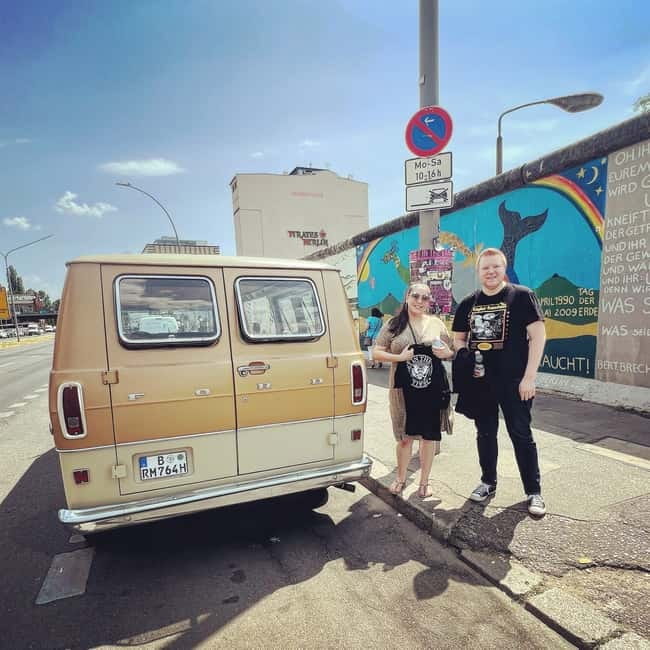
The van helps set the mood. The 1972 Ford Econoline is not just transportation, and it is not a polished sightseeing vehicle. It is old, has a fan rather than air conditioning, and gives you a close view of Berlin as you roll through its streets. I see that as part of the appeal, but it also means you need to accept a little heat, noise, and vintage-car roughness.
The small group matters too. With a maximum of six people, the guide can point out details without shouting over a crowd. You can ask about a band, a venue, a political event, or a neighborhood change while the story is still in front of you.
Other Berlin tours people book alongside this one:
- Berlin: Reichstag, Dome and Government District Guided Tour
★ 4.7 · 18,288 reviews - Berlin: 1-Hour City Tour by Boat with Guaranteed Seating
★ 4.3 · 16,993 reviews - Berlin: Boat Tour Along the River Spree
★ 4.4 · 11,252 reviews
Starting beside East Side Gallery and the Spree
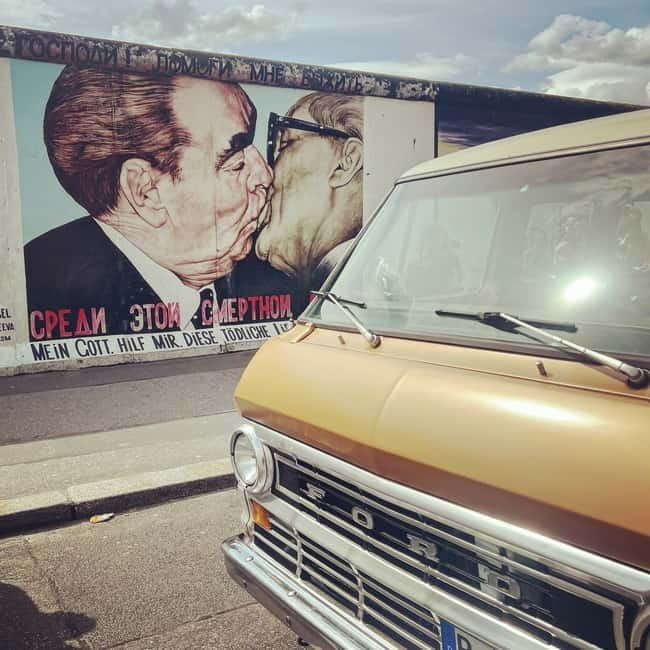
The meeting point is the van itself, a beige or brown 1972 Ford Econoline beside East Side Gallery. Arrive 15 minutes early so you can find the vehicle without rushing. East Side Gallery is a practical starting point because it places you beside the longest remaining section of the Berlin Wall and near the Spree River.
It also puts you between Friedrichshain and Kreuzberg, the two areas most closely tied to the route. That position gives the tour a useful opening idea: Berlin’s alternative culture did not develop in one isolated district. It grew through changing neighborhoods, political tensions, abandoned or underused spaces, and communities that created their own places to meet.
You should take a moment to get oriented before the van leaves. East Side Gallery is one of Berlin’s most photographed sights, but this tour uses it as a starting marker rather than its main subject. The real focus begins when the ride moves away from the wall and toward the streets, courtyards, and venues connected with DIY life.
Friedrichshain, Kreuzberg, and the changing city
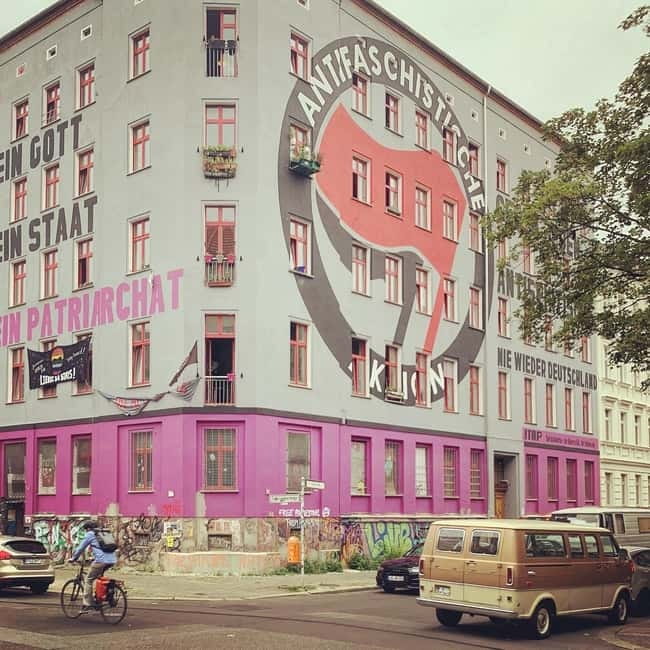
The route moves through Friedrichshain and Kreuzberg, with stops at important locations from Berlin’s cultural, political, and musical past and present. The guide explains the contrast between earlier versions of the neighborhoods and the city you see now.
That contrast is central to the experience. Berlin’s DIY scene grew from people making use of spaces and resources on their own terms. Over time, many of those places changed, disappeared, or became better known. The tour asks you to consider what happens when a once-independent neighborhood becomes part of the city’s popular nightlife and sightseeing circuit.
At the same time, you are not given a simple story of the past being perfect and the present being ruined. The point is the city’s movement and the way its people keep creating new spaces. The guide connects older venues and communities with the current scene, helping you understand that Berlin’s alternative culture is not frozen in a particular decade.
This is where Flo’s role can make a difference. Flo has been praised for explaining various suburbs and sharing stories about them. That suggests a tour based on local detail rather than a list of famous names. You will get more from it if you ask questions about how a place changed and what remains today.
Görlitzer Bahnhof and the May 1 riots
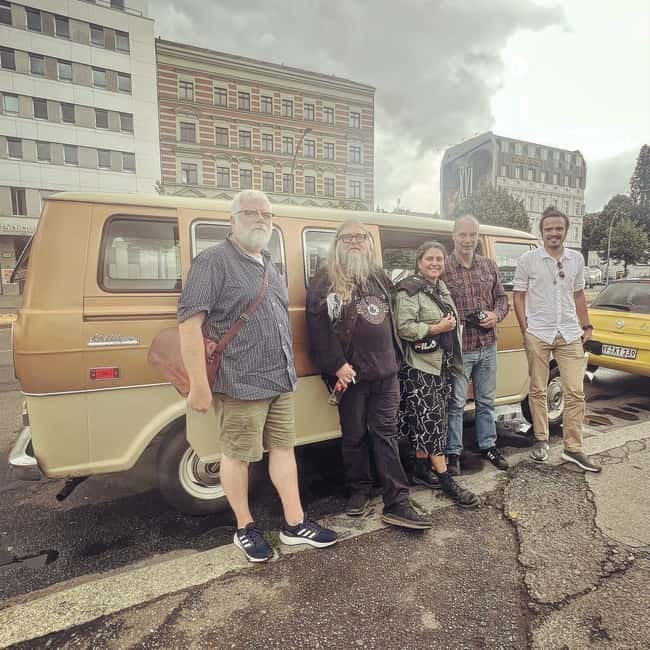
One important stop concerns the May 1 riots around Görlitzer Bahnhof. This gives the tour a political edge that many music-focused Berlin outings leave out.
The subject is not treated as a detached date in a textbook. It is connected to the neighborhood, its streets, and the broader tensions that shaped Kreuzberg. The guide uses the location to explain how political protest, local identity, and alternative culture overlapped.
You should expect the stop to be visual and story-based rather than a museum presentation. The van pauses so you can take photos and learn more about the place. Your smartphone becomes useful here because the guide can supply background images and videos from earlier periods.
This part may appeal most to you if you want to understand why Berlin’s underground culture was never only about music. The city’s clubs, squats, bars, and political movements often shared people, spaces, and ideas. That overlap is one of the tour’s strongest themes.
A different side of Berlin on the same trip:
- Discover Berlin Half-Day Walking Tour
★ 5.0 · 9,624 reviews - Berlin: Hop-on Hop-off Bus Tour with Live Commentary
★ 4.3 · 8,579 reviews - Berlin: Government District around the Reichstag Guided Tour
★ 4.7 · 8,447 reviews - Berlin: Reichstag, Plenary Chamber, Cupola & Government Tour
★ 4.6 · 8,422 reviews
Kreuzberg squats, backyards, and basements
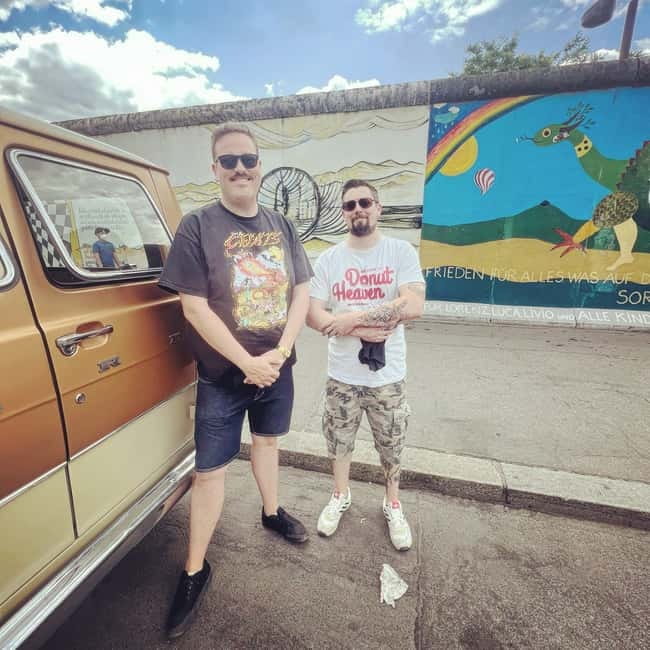
The tour then turns attention to Kreuzberg’s squats and the less visible spaces behind ordinary buildings. Instead of looking only at shop fronts, you are shown how backyards and basements hosted bands, artists, bars, and gatherings.
That focus is valuable because much of Berlin’s alternative history is easy to miss. A building may look unremarkable from the street, while its courtyard or basement once played a part in the city’s music and art life. You will not just hear that these spaces existed. You will stop in front of many locations, take pictures, and receive context about what happened there.
The route includes legendary bands and artists, with musical references ranging from David Bowie to Beatsteaks. The stated period runs from the 1970s until today, so the tour is not limited to one scene or one generation.
Still, you should keep your expectations realistic. The information provided does not promise entry into every basement or backyard. The experience is about seeing locations from the van and learning their stories, not touring private interiors. That limitation is sensible, since many of these places have changed use or are not open to the public.
Music history from Bowie to Beatsteaks
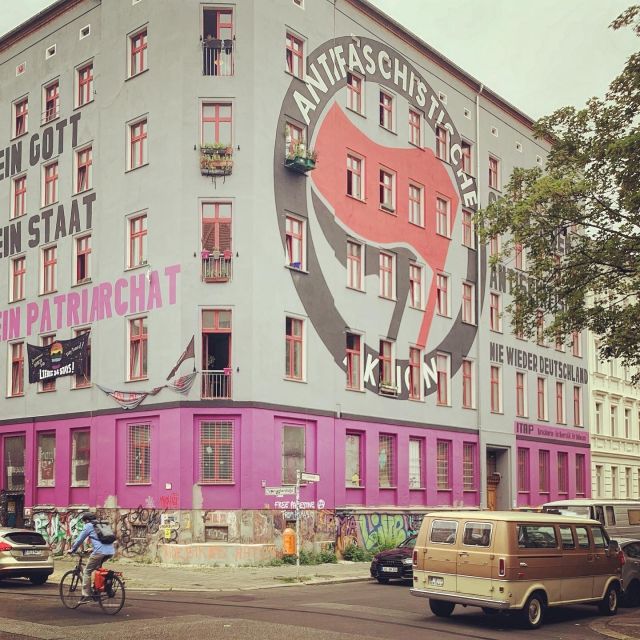
Music is one of the clearest threads running through the outing. The tour presents Berlin as a place where musicians, artists, and independent organizers worked outside the mainstream and helped shape the city’s international reputation.
The Bowie reference places the story within Berlin’s important 1970s music period. Beatsteaks brings the account forward into a later generation. Between those points, the guide discusses bands, artists, venues, improvised clubs, and the people who made them possible.
The founders’ connection with the Ramones Museum Berlin adds useful credibility to this part of the route. The museum is devoted to one of punk’s most influential bands, and its founders bring a clear interest in music culture and independent scenes. That does not mean the tour is only for punk fans. Art, politics, food, nightlife, and local identity receive attention too.
I would recommend this ride to you if you enjoy knowing how a scene was built, not just where to take a club photo. If you want a playlist, a concert, or entry to a working venue, this is not the right product. It is a guided look at the places and ideas behind Berlin’s music culture.
Finding bars, restaurants, shops, and clubs
The tour also points out DIY bars, clubs, restaurants, and shops, both past and present. This is practical information if you want to explore Berlin after sunset, since the guide can suggest areas and places connected with the city’s independent nightlife.
You should think of the ride as a way to plan the rest of your evening. It does not include a club visit or a bar crawl. Instead, it shows you the kinds of places that shaped the scene and helps you decide where to go later.
The included free drink per person adds a small social touch, though the supplied details do not specify where or when it is served. An exclusive Get In The Van T-shirt is also included. These extras are pleasant, but they should not be the reason you book. The real value lies in the access to stories and locations that are difficult to organize on your own.
Because the guide discusses the difference between past and present, you may also get a more honest view of Berlin nightlife. Some famous places from earlier decades may no longer exist, while newer spaces continue the same independent spirit in different forms. That distinction helps you avoid chasing a frozen image of the city.
The smartphone archive makes the stops clearer
Bring a charged smartphone. This is not an optional suggestion if you want the full experience.
The guide provides background information with photos and videos from the past. That can make a major difference when a place has changed. A bare wall, a modern storefront, or a rebuilt street may not tell you much on its own. An old image can show how the same location looked when a band played there, a squat operated there, or a political event brought attention to it.
The phone also gives the route a more personal, research-based feel. You are not relying only on a memorized speech. You can see visual material while standing near the relevant site, then use your own camera to record the stop.
I would charge your phone fully before arriving and leave enough storage for photos. Food is not allowed in the vehicle, so plan to eat before or after the ride. The tour includes one free drink per person, but the details do not say that food is provided.
Timing, comfort, and the small-group setup
The advertised duration needs a little attention. The activity information gives a length of 1.5 hours, while the included-experience details say two hours and another note describes the trip as 1:15 hours. I would plan for roughly an hour and a half, but allow extra time in case the actual departure is closer to two hours.
Starting times vary, so check availability before booking. You should arrive 15 minutes early at the van. The tour returns to the same meeting point, which makes it easy to connect with plans in Friedrichshain, Kreuzberg, or elsewhere in Berlin afterward.
The van is wheelchair accessible, and the group is limited to six people. Those details make the outing easier to manage than a large bus tour, but the information does not explain the exact boarding arrangement or interior space. If you use a wheelchair, confirm the practical setup before committing.
The van has no air conditioning, only a fan. On a warm day, this could be the main comfort issue. On a cool or wet day, the vintage vehicle may feel more pleasant, but the tour still runs rain or shine. Dress for the weather and accept that the vehicle is part of the experience, not a modern climate-controlled shuttle.
Is $85 a fair price?
The listed price is $85 per person, and the direct booking option is advertised at 59 euros. The higher site price is explained as covering a 25 percent fee, so it is worth comparing the two options before paying.
At the direct rate, I find the value fairly strong for a 1.5 to two-hour private-feeling ride with a live guide, a vintage van, archive photos and videos, a drink, and a T-shirt. The six-person limit is important. You are paying for a specialized subject and a small group, not simply for transportation.
At $85, the value becomes more personal. That rate may still make sense if you care strongly about Berlin’s music and DIY culture, want an unusual way to see Friedrichshain and Kreuzberg, or have limited time and want a concentrated introduction. It is harder to justify if you mainly want famous sights or a general city overview, since Berlin offers many lower-cost ways to see the Wall and central neighborhoods.
The direct price difference is large enough to matter. Check the current conversion and booking terms, then compare the final total rather than relying only on the headline amount.
Who should book this Berlin van tour?
I would choose this experience for someone who likes music history, independent art, political movements, alternative nightlife, and the stories behind ordinary-looking places. It also suits repeat visitors who have already seen the Brandenburg Gate, Museum Island, and the main Wall memorials.
It is a good match for a couple or small group that prefers conversation over a large guided bus. Solo participants can also fit in well because the group is limited to six and the subject gives you plenty to ask about.
I would be more cautious if you dislike old vehicles, warm interiors, changing weather, or tours that involve looking at places from the outside. This is not a standard museum visit, and it does not promise entry into every venue, basement, or backyard.
Final call: book it for the story, not the souvenir
Book this tour if you want Berlin’s alternative culture explained through real neighborhoods and the places where bands, artists, activists, and independent organizers worked. The route from East Side Gallery through Friedrichshain and Kreuzberg gives you useful context for later nightlife plans, while the vintage van and six-person group keep the outing distinctive.
Skip it if you want a broad introduction to Berlin’s main landmarks or a guaranteed club experience. Also think carefully about the price difference, the unclear 1.5 to two-hour timing, and the lack of air conditioning. For the right audience, though, this is a focused and unusually personal way to understand why Berlin’s DIY spirit still matters.
FAQ
Where does the tour start?
It starts at the van, a beige or brown 1972 Ford Econoline, beside East Side Gallery in Berlin.
Where does the tour end?
The activity ends back at the same meeting point.
How long does the tour last?
The activity is advertised as 1.5 hours, while other details describe it as 1:15 hours or two hours. Check the selected departure details and allow some flexibility.
What languages are available?
The live tour guide is available in English and German.
How many people can join?
The group is limited to six participants.
Is the van wheelchair accessible?
Yes, the activity is described as wheelchair accessible.
What should I bring?
Bring a charged smartphone so you can view background photos and videos from the past.
Can I bring food into the van?
No. Food is not allowed inside the vehicle.
Does the tour run in bad weather?
Yes. The tour takes place rain or shine.
Does the van have air conditioning?
No. It has a fan only.
What is included in the experience?
The experience includes the ride in the 1972 Ford Econoline, a guided look at Berlin’s DIY and underground culture, one free drink per person, and an exclusive Get In The Van T-shirt.
Just added around Berlin
- Berlin Highlights in One Day★ 5.0 · 3 reviews
- Private Berlin One Day Tour with a Local: See the City Unscripted★ 3.5 · 3 reviews
- Individual city tour Berlin for max. 8 persons★ 5.0 · 3 reviews
- Transfer from Berlin Schönefeld Airport (SXF) to Berlin city Hotels – ROUND TRIP★ 4.0 · 3 reviews
- Berlin: Museum Island Tour★ 5.0 · 3 reviews
- Private Analogue Photography Experience in Berlin★ 5.0 · 3 reviews
- Berlin: Local Food Tour in Secrets Hidden Gems★ 4.0 · 3 reviews
- Berlin & The Third Reich Private Guided Tour★ 5.0 · 3 reviews