
Review · BERLIN SCAVENGER HUNTS
Berlin: Self-Guided Family and School Class Scavenger Hunt
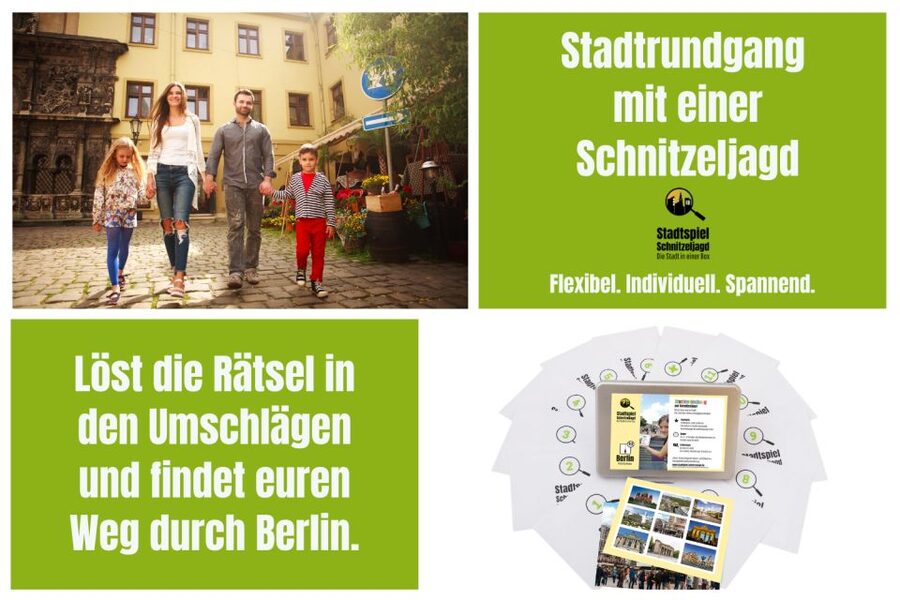
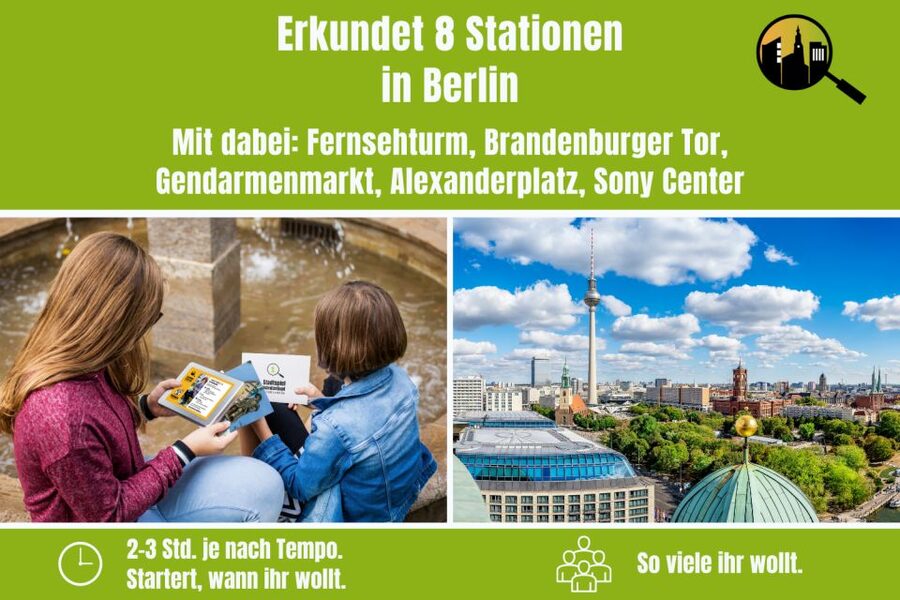
Berlin turns into a giant outdoor puzzle board on this self-guided 4.5-kilometer walk. You begin at the World Clock on Alexanderplatz and follow sealed envelopes toward the TV Tower, Berlin Cathedral, Museum Island, Brandenburg Gate, and Potsdamer Platz. The route mixes sightseeing with short riddles, so children have a reason to keep moving instead of asking how much farther.
I like two things right away: the freedom to pause whenever you want, and the fact that one box covers a group of up to ten people. You can stop for photos, look around a museum, or take a breather without losing a guide or holding up another group. The main consideration is that the box must be shipped to you before the activity, and there is no pickup option in Berlin.
In This Review
- Key points at a glance
- A Berlin sightseeing walk with a purpose
- Alexanderplatz and the World Clock set the tone
- The TV Tower and Berlin Cathedral provide natural breaks
- Museum Island adds substance beyond the puzzles
- Neue Wache and Humboldt University connect the city’s past and present
- Gendarmenmarkt brings the most graceful stop
- Brandenburg Gate gives the walk its big Berlin moment
- Potsdamer Platz provides a modern finish
- How the puzzle box works in real use
- Who will get the most from this Berlin activity
- Is $47 good value for a group of ten?
- Should you book the Berlin scavenger hunt?
- FAQ
- Where does the scavenger hunt start?
- Where does the route finish?
- How long is the activity?
- Is a tour guide included?
- What comes in the game box?
- Can I start at any time?
- Are attraction tickets included?
- How do I receive the game box?
Key points at a glance
- Starts at Alexanderplatz: Meet the city at the World Clock, then head toward the TV Tower and central Berlin.
- Nine-envelope game box: Eight puzzle envelopes contain riddles, directions, facts, and child-friendly information, with a separate envelope for solutions.
- Covers major sights: The route includes Berlin Cathedral, Museum Island, Neue Wache, Humboldt University, Gendarmenmarkt, Brandenburg Gate, and Potsdamer Platz.
- Built for families and classes: The puzzles are designed to be approachable, and the information can support follow-up work in school.
- Flexible two-hour format: You choose the start time and can stop the game for food, photos, sightseeing, or museum visits.
- Good group value: The price is $47 for up to ten people, but food, transport, attraction tickets, and the mailed box timing require planning.
A Berlin sightseeing walk with a purpose
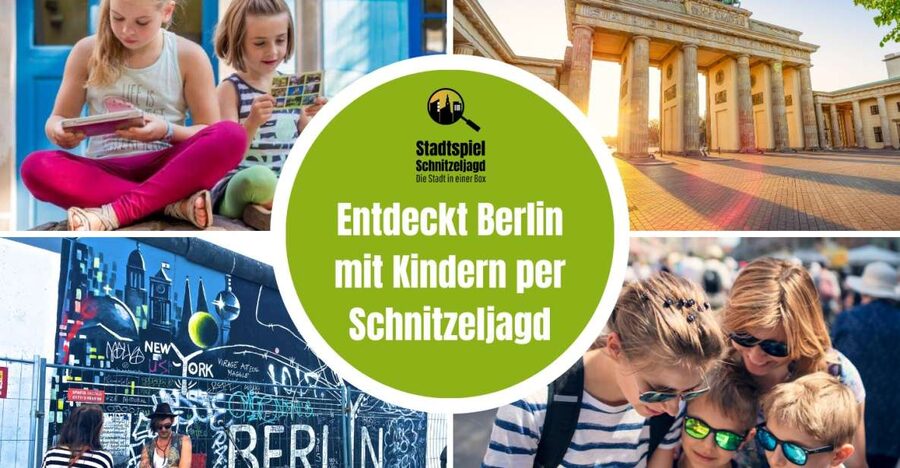
Many city walks ask children to admire a building and then keep quiet while an adult explains it. This one gives them a job. Each envelope sends your group toward another place, and the next clue depends on paying attention to what you see along the way.
That simple setup changes the mood. A school group can split into small teams to discuss an answer, while a family can let a child take the lead. The activities are not just random games scattered around town. The route connects Berlin landmarks with short background notes, so you get a basic sense of what each place is and how it is used today.
The walk lasts about two hours and covers roughly 4.5 kilometers. That is a manageable distance for many families, but it is still a real city walk. Comfortable shoes matter, and you should leave extra time if your children like to stop often or if you plan to enter a sight along the way.
More self-guided hunts around Berlin:
- Escaping and spying on the Berlin Wall Scavenger hunt
★ 4.5 · 128 reviews - Berlin: Scavenger Hunt Self-Guided Tour
★ 4.6 · 79 reviews - Scavenger Hunt through Berlin’s Government District
★ 4.7 · 24 reviews
Alexanderplatz and the World Clock set the tone
The starting point is the World Clock at Alexanderplatz, one of Berlin’s best-known public meeting places. It gives you an easy landmark to find and places the group in the middle of modern Berlin before the route begins moving through older parts of the city.
The first puzzle helps you get used to the format. You open the correct envelope, read the directions, look for clues, and work out where to go next. The instructions are described as clear and easy to follow, which matters because a self-guided game can quickly become frustrating if the route directions are vague.
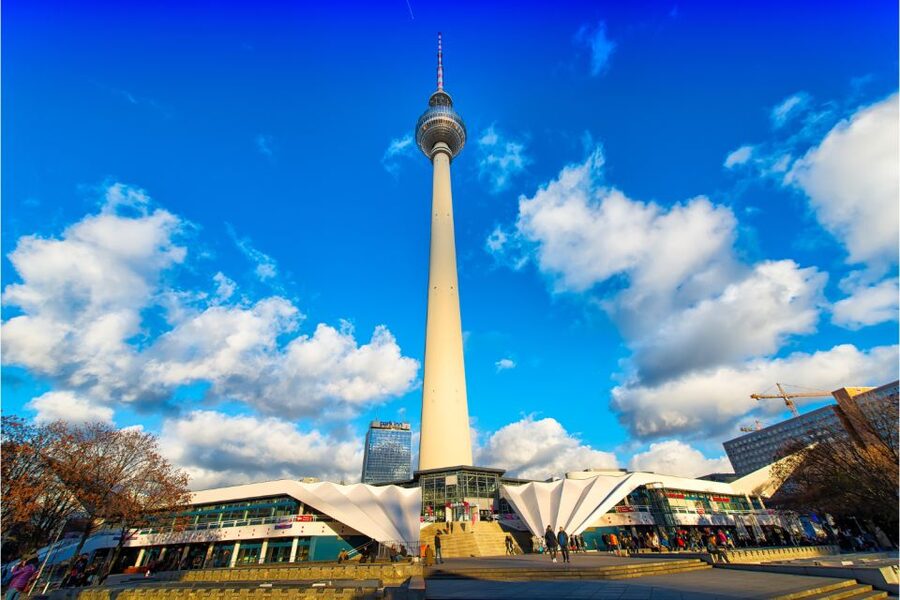
From here, the walk continues to the Berlin TV Tower. The tower is one of the city’s most recognizable features, and the route lets you see it as part of the city center rather than as an isolated paid attraction. If you want to visit the observation deck, you can do so during a break, but the admission ticket is not included.
That extra choice is useful. You are not locked into a fixed schedule, and the game does not force you to skip a sight that interests your family. The trade-off is time. A visit to the TV Tower will add to the advertised two-hour duration.
The TV Tower and Berlin Cathedral provide natural breaks
After Alexanderplatz, the TV Tower gives children a clear visual target. It is tall, easy to spot, and tied to the city’s postwar identity. The puzzle format gives young participants something to examine while adults take in the wider setting.
Berlin Cathedral is another important stop. Its large dome and detailed exterior make it a natural place to pause, take photographs, or sit for a moment. The game includes a puzzle here, so the stop is not simply a quick look from the pavement.
You can also choose to visit the cathedral. Entry is not part of the price, and the same applies to museums and other paid attractions along the route. This is worth remembering when you plan your budget. The $47 covers the group game, not a full day of admissions.
For families, the cathedral works well as a reset point. Two hours of walking and solving problems can be a lot for younger children, even when they remain interested. The route lets you pause the game, explore at your own speed, and return to the next envelope when everyone is ready.
Museum Island adds substance beyond the puzzles
The route passes through Museum Island, an area packed with major cultural institutions. Even if you do not enter a museum, the setting gives the walk more weight. You are not just moving from one clue to another. You are crossing one of Berlin’s most important cultural districts.
The game box includes background information for the attractions. The notes are written in a child-friendly way, which helps younger participants connect the location to the puzzle. For school classes, this material can also be used later in class, making the activity more useful than a one-off outing.
You should decide in advance if you want to enter a museum. The game is compact and advertised at about two hours, while a museum visit can easily take longer. The flexible format allows both, but you will need to treat the scavenger hunt as one part of the day rather than trying to squeeze every attraction into the same time slot.
The route is best for groups that enjoy learning in small pieces. Children who dislike long explanations may respond better to a short fact inside an envelope, followed by a clue that sends them back outside to look around.
A few more Berlin tours worth weighing up
- Berlin: Graffiti Workshop at the Berlin Wall
★ 4.6 · 234 reviews - Berlin: Wine on Canvas – Paint Workshop and Wine Tasting
★ 4.7 · 59 reviews - Berlin Photography Masterclass – Private Photography Lesson
★ 4.5 · 23 reviews - Berlin: Casting Workshop with Natural Materials
★ 5.0 · 23 reviews
Neue Wache and Humboldt University connect the city’s past and present
The next sections lead toward Neue Wache and Humboldt University. These stops broaden the experience beyond the most photographed landmarks.
Neue Wache is a serious memorial site, and it brings a quieter mood to the walk. The game’s historical notes can help explain why the place matters, but families and teachers should be ready to let the location speak for itself. It is a place for respectful observation rather than noisy play.
Humboldt University adds another layer to the route. Its presence reminds you that central Berlin is not only about monuments and sightseeing. It is also a working part of the city, shaped by education and daily life.
These stops are valuable for school groups because they give the route a broader subject range. Students can see architecture, memorial culture, public institutions, and urban life within a short walk. The materials are intended for follow-up in class, so teachers can use the outing as a starting point for further discussion.
Gendarmenmarkt brings the most graceful stop
Gendarmenmarkt is one of the most attractive squares on the route. The French Cathedral and German Cathedral face one another across the open space, creating a setting that feels very different from Alexanderplatz.
This is a good place for a group photo or a short rest. The square also gives the puzzle a strong visual setting. Children can solve a clue while adults take in the symmetry of the buildings and the scale of the space.
The route description presents Gendarmenmarkt as one of Berlin’s prettiest places, and that is easy to understand once you reach it. Still, keep expectations practical. The game may bring you to the square, but it does not include a guided architectural explanation or an interior visit.
That is the pattern throughout this experience. You get a structured way to reach important places, plus basic information and questions to answer. You do not get a personal guide who can respond to every question or adjust the story to your group.
Brandenburg Gate gives the walk its big Berlin moment
At Pariser Platz, the clues lead you to Brandenburg Gate. This is the symbolic centerpiece of the walk and one of the places children are most likely to recognize from pictures.
The gate carries layers of Berlin’s history, but the game keeps the information short and accessible. That approach suits a moving family group. You can learn the essential facts without stopping for a long lecture, then take time to look at the columns, the surrounding square, and the nearby city streets.
The open setting at Pariser Platz can also make this a busy part of the walk. Keep the group together and allow time for photos. Since there is no guide, adults or teachers need to manage the pace, crossings, and general organization.
For a school class, Brandenburg Gate provides a clear shared reference point. Students can connect the location to the notes in the game box and later use it as a starting point for a lesson about Berlin.
Potsdamer Platz provides a modern finish
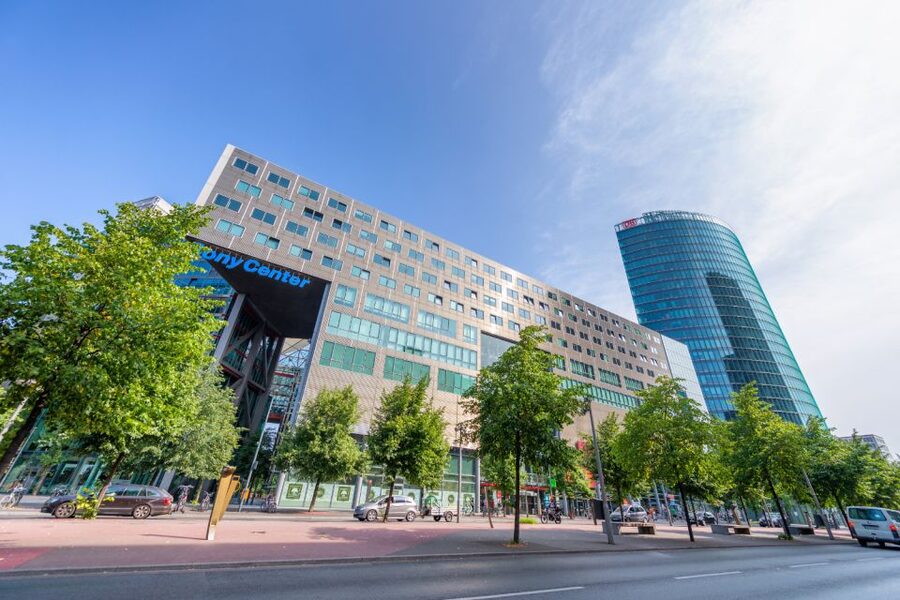
The final destination is Potsdamer Platz, with the Sony Center as the endpoint. This gives the walk a modern finish after a route filled with monuments, memorials, cathedrals, and historic institutions.
That contrast is one of the route’s strengths. Berlin is not presented as a city frozen in the past. You move from the old center to a district associated with contemporary architecture and renewed urban development. The changing surroundings help children see that cities are built in layers.
Ending at Potsdamer Platz is also practical. Once the final puzzle is solved, you can stop for food or continue sightseeing on your own. The game does not include meals or transportation, so you will need to make your own plans after finishing.
How the puzzle box works in real use
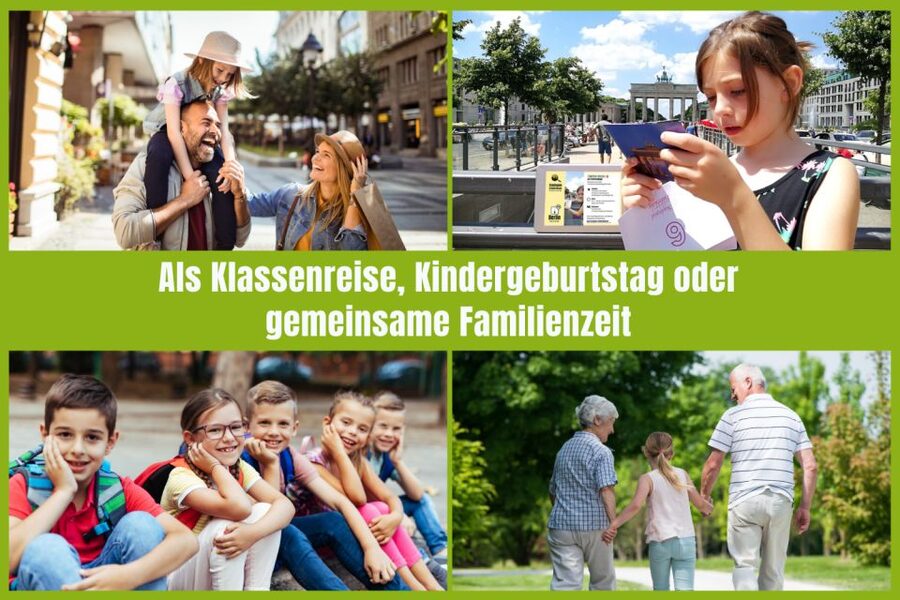
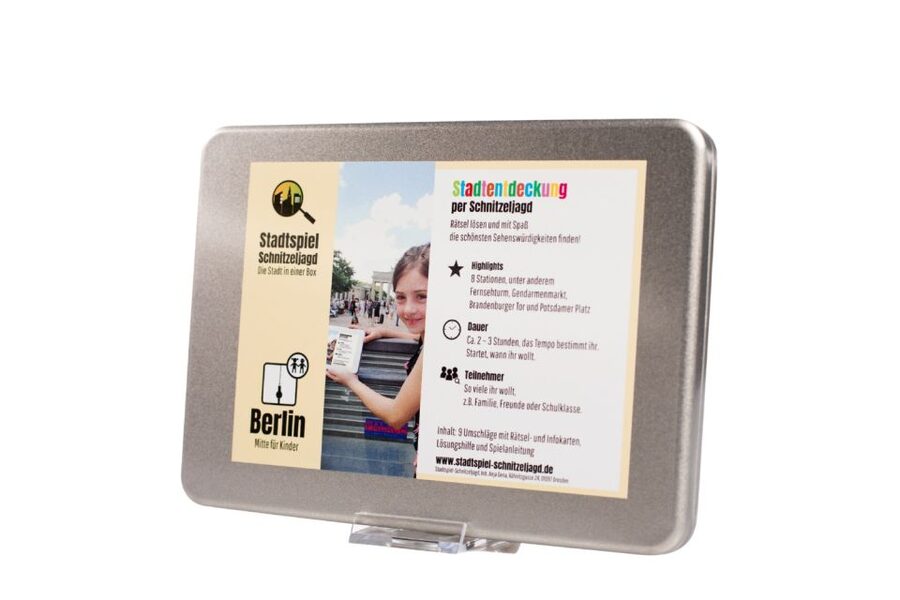
The mailed box contains numbered, sealed envelopes. Eight contain the main riddles, directions, information, and child-friendly facts, while another envelope provides the solutions. You open them in order as the route directs you.
This format creates a small sense of suspense without requiring an app or a phone-based game. The paper materials also make it easier for a teacher or parent to keep control of the activity. You can hand an envelope to a child, let a group discuss the clue, and check the solution when needed.
The directions are designed to guide you from one stop to the next. That is important because the activity has no guide at the meeting point and no staff member walking with you. Adults should read the next directions before moving on and make sure the whole group is ready.
The solution envelope is a useful safety net. If a group gets stuck, you do not have to abandon the game or spend half an hour guessing. The goal is to keep the walk moving and enjoyable.
Who will get the most from this Berlin activity
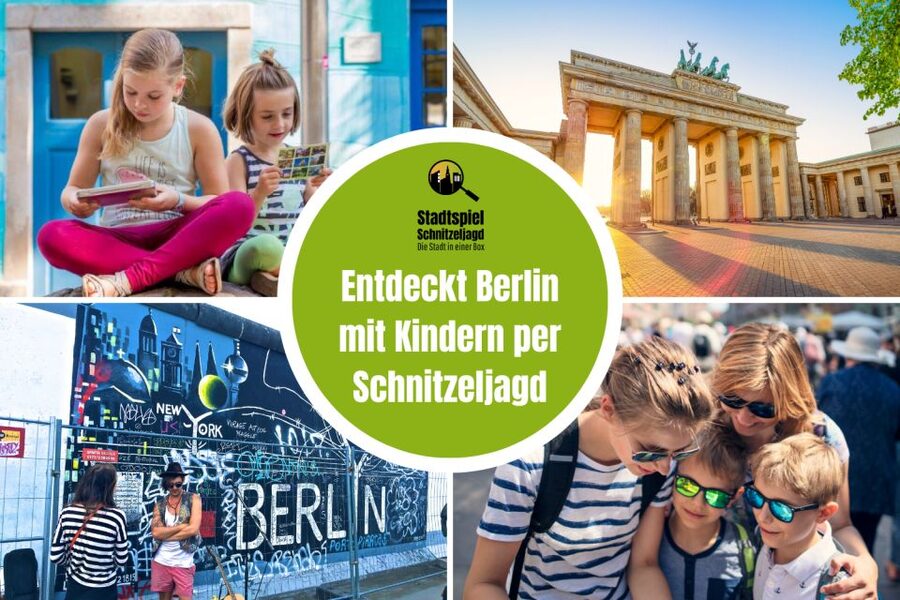
I would choose this for families with children who like solving problems, spotting details, and having a clear goal. A family with a ten-year-old can find the puzzles approachable, and the child-friendly facts help maintain interest through the final stop.
It also fits school classes, including groups that benefit from simple directions and accessible tasks. The route is about five kilometers, and the information is written in an easy-to-understand way. Teachers can use the material after the outing, which gives the activity more educational value.
It is less suitable if you want a traditional guided tour. There is no guide, no live storytelling, and no transport between sights. You will need to organize the group, manage breaks, and decide which attractions to enter.
The experience also works best in reasonable weather because the activity is outdoors and involves steady walking. The supplied information confirms wheelchair accessibility, but the route still covers city streets and about 4.5 kilometers, so you should consider your group’s individual mobility needs.
Is $47 good value for a group of ten?
At $47 for up to ten people, the cost can work out well for a large family or school group. A group of ten pays less than $5 per person before any optional admissions, which is a fair price for a two-hour structured activity with printed materials delivered to you.
The value is lower for a very small group, especially if you are comparing it with a free self-guided walk. The difference is that you receive a prepared route, numbered clues, background notes, and solutions. You are paying for structure and participation, not simply access to the sights.
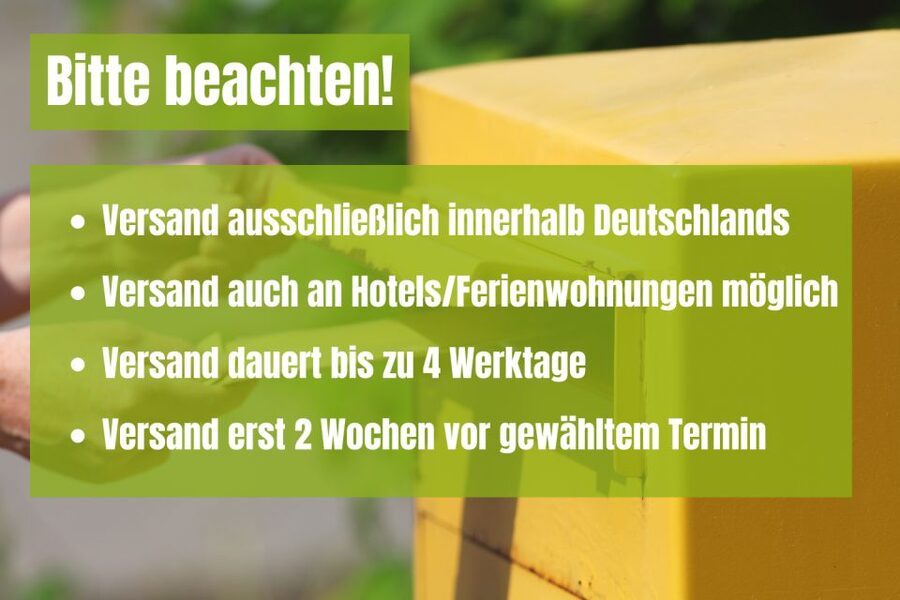
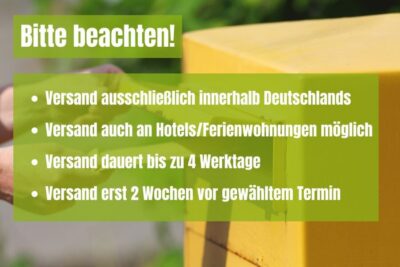
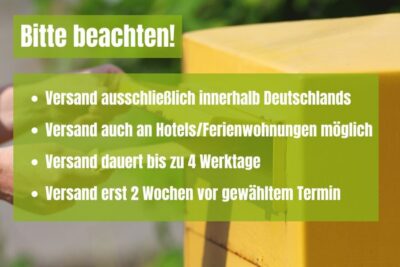
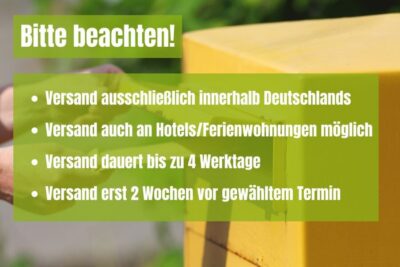
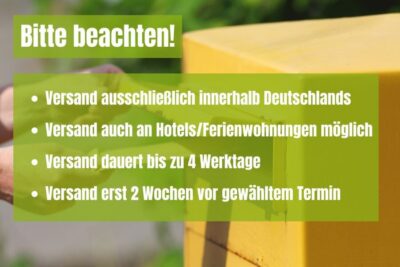
Remember to budget separately for food, public transport, and entry fees. The TV Tower observation deck, Berlin Cathedral, and museums are not included. The box itself is included with shipping, but it may take up to four working days to arrive within Germany and is shipped no earlier than two weeks before your selected date. Pickup in Berlin is not available.
Free cancellation is available up to 24 hours before the activity, and you can reserve now and pay later. Those terms help if your schedule is still taking shape, but the delivery timing means you should not leave the booking until the last minute.
Should you book the Berlin scavenger hunt?
Book it if you want children or students to take an active role in seeing Berlin. The route covers an impressive run of landmarks, the riddles are intended to be manageable, and the ability to pause makes it easier to fit the activity around meals and sightseeing.
I especially recommend it for families with school-age children and teachers planning a city lesson outside the classroom. The strongest features are the child-friendly information, clear directions, and the way the activity keeps groups moving from Alexanderplatz to Potsdamer Platz.
Skip it if you want a guide, detailed historical lectures, or included entrance tickets. You should also allow more than two hours if you plan to visit the TV Tower, cathedral, or a museum. For the right group, though, this is a practical way to see central Berlin while giving children something useful to do with their eyes, feet, and brains.
FAQ
Where does the scavenger hunt start?
It starts at the World Clock on Alexanderplatz in Berlin.
Where does the route finish?
The scavenger hunt ends at Potsdamer Platz, near the Sony Center.
How long is the activity?
The approximate duration is two hours, and the route covers about 4.5 kilometers.
Is a tour guide included?
No. This is a self-guided activity, and there is no guide at the meeting point or along the route.
What comes in the game box?
The box includes the scavenger hunt materials and shipping. It contains eight envelopes with riddles, directions, background information, and child-friendly facts, plus an envelope with solutions.
Can I start at any time?
Yes. You can start on any date and at any time you choose.
Are attraction tickets included?
No. Entry fees for places such as the TV Tower observation deck, Berlin Cathedral, and museums are not included. Food, drinks, and transportation are also separate.
How do I receive the game box?
The box is sent to you by mail. Shipping within Germany can take up to four working days, and the box is shipped no earlier than two weeks before your selected date. Pickup in Berlin is not available.
More Self-Guided Tours in Berlin
- Berlin: Solar Powered Sunset Catamaran Cruise & Audio Guide
★ 4.6 · 1,043 reviews - Berlin: Panoramic Boat Tour with Bilingual Audio Guide
★ 4.1 · 136 reviews - Berlin: Französischer Dom Viewing Platform with Audio Guide
★ 4.1 · 43 reviews - Berlin Wall: Greatest Escapes Self-Guided Walking Adventure
★ 4.5 · 27 reviews
Just added around Berlin
- Berlin Highlights in One Day★ 5.0 · 3 reviews
- Private Berlin One Day Tour with a Local: See the City Unscripted★ 3.5 · 3 reviews
- Individual city tour Berlin for max. 8 persons★ 5.0 · 3 reviews
- Transfer from Berlin Schönefeld Airport (SXF) to Berlin city Hotels – ROUND TRIP★ 4.0 · 3 reviews
- Berlin: Museum Island Tour★ 5.0 · 3 reviews
- Private Analogue Photography Experience in Berlin★ 5.0 · 3 reviews
- Berlin: Local Food Tour in Secrets Hidden Gems★ 4.0 · 3 reviews
- Berlin & The Third Reich Private Guided Tour★ 5.0 · 3 reviews
Berlin Scavenger Hunts, compared.
Escaping and spying on the Berlin Wall Scavenger hunt
Read our review →
Berlin Scavenger Hunt and Highlights Self-Guided Tour
Read our review →
Browse the lists this tour appears in