
Review · TOURS
Berlin: 2.5-Hour Neighborhood Tour of Neukölln
Neukölln is far more than Berlin’s current reputation for nightlife and multicultural street life. This 2.5-hour walk traces the district from the quiet village feel of Bohemian Rixdorf to the grand Town Hall, working-class Rollberg, and the busy Karl-Marx-Strasse arcade. You get old churches, former civic buildings, housing projects, and urban change in one compact route.
I like two things right away: the tour gives you a clear historical story, and it pays attention to buildings most visitors pass without a second glance. Guide Tobias has also led especially personal walks, including private departures, with a relaxed style and plenty of local detail. The main consideration is that this is a walking tour without food or drink included, so you will need comfortable shoes and your own refreshments.
In This Review
- Key points to know before you book
- Why Neukölln makes such a good walking tour subject
- Richardplatz and the Bohemian village of Rixdorf
- Bethlehem Church and the old Neukölln story
- The Town Hall and Neukölln’s civic ambition
- The old public pool and Saalbau Neukölln
- Rollberg and the story of working-class housing
- Karl-Marx-Strasse and the arcade
- What Tobias adds to the experience
- Is $23 a fair price for 2.5 hours?
- Who should book this Neukölln walk?
- Should you book it?
- FAQ
- How long is the Neukölln neighborhood tour?
- How much does the tour cost?
- Which languages are available?
- Who guides the tour?
- What places are included on the route?
- Is the tour wheelchair accessible?
- Can I arrange a different meeting point or time?
- Are food and drinks included?
Key points to know before you book
- Rixdorf gives Neukölln an unexpected village center: Richardplatz and Bethlehem Church reveal the district’s Protestant refugee origins.
- The route mixes grand and ordinary Berlin: You see the Town Hall, old public pool, former prison, housing complexes, and urban arcades.
- Rollberg adds a working-class perspective: The proletarian residence district helps explain how Neukölln developed beyond its older village roots.
- Tobias may add local details beyond the main sights: Past tours have included the Neukölln Opera, the former Kindl brewery brewing room, and Rollberg’s atrium houses.
- The price is modest for a guided history walk: At $23 per person, the value depends on how much context you want rather than on paid admissions.
- The tour is available in German or English: A meeting place, date, and time can be arranged for your group upon request.
Why Neukölln makes such a good walking tour subject
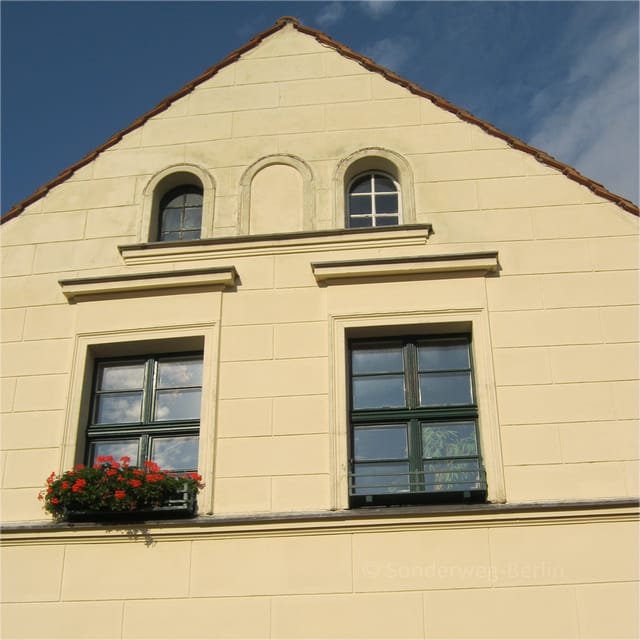
Neukölln has several identities layered on top of one another. It began with older rural settlements, gained a distinctive Bohemian Protestant community, grew into a working-class district south of Berlin, and later became one of the city’s most multicultural areas.
That change is the main reason I would choose this walk over a simple neighborhood stroll. You are not just looking at attractive façades. You are learning why the district was renamed, how local authorities wanted it perceived, and how housing and public institutions shaped daily life.
The name change is a particularly useful piece of background. Rixdorf was renamed Neukölln in 1912 with the approval of Wilhelm II. The reason was image control. Rixdorf had become associated with frivolous entertainment, and officials wanted a cleaner public identity for the city just south of Berlin.
That small fact gives the tour a lively opening question: how much does a name change really change a place? As you walk, you can judge the answer for yourself. Old village traditions, grand municipal buildings, working-class housing, and modern city life all remain visible.
Other Berlin tours people book alongside this one:
- Berlin: Reichstag, Dome and Government District Guided Tour
★ 4.7 · 18,288 reviews - Berlin: 1-Hour City Tour by Boat with Guaranteed Seating
★ 4.3 · 16,993 reviews - Berlin: Boat Tour Along the River Spree
★ 4.4 · 11,252 reviews
Richardplatz and the Bohemian village of Rixdorf
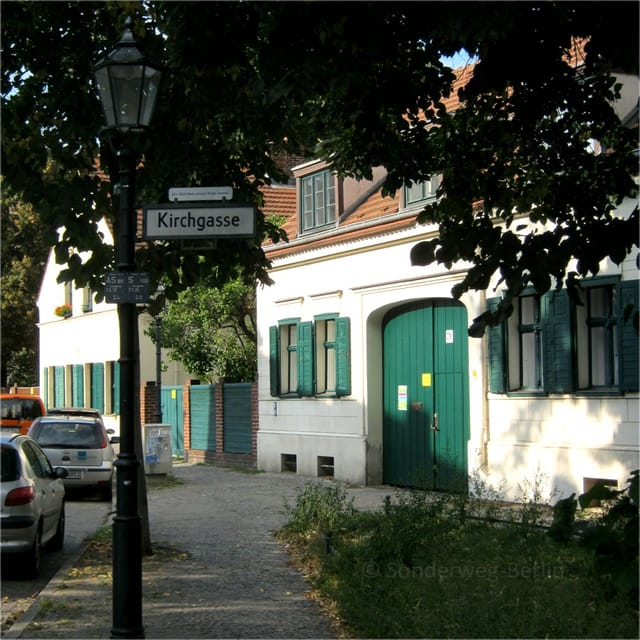
Richardplatz is the emotional center of the walk. While much of Neukölln feels like a dense Berlin district, this area still has a village-like character. It is the place where the older story of Rixdorf becomes easiest to picture.
The Bohemian Exulanten, Protestant refugees, settled here alongside the German population in the 18th century. Their faith and strict moral outlook shaped everyday life. The district’s past was not built only by city planners or industrial workers. It was also shaped by people who had left their homes because of religious pressure and tried to establish a new community.
You will hear how that early settlement fits into the later story of Neukölln. That link matters. Without it, Richardplatz can seem like a pleasant old square dropped into a modern neighborhood. With the background, the square becomes evidence of a much older community structure.
The walking format works especially well here. A guide can point out how the atmosphere changes from the surrounding streets, then connect the physical setting to the social history. You are encouraged to notice the contrast rather than simply move from one photo stop to the next.
Bethlehem Church and the old Neukölln story
Bethlehem Church on Richardplatz is one of the key stops in the Bohemian Rixdorf section. Its importance is tied to the religious community that helped shape this part of Berlin.
The church gives the tour a strong human scale. The history is not only about royal approval, municipal boundaries, or changing city names. It is also about how faith influenced where people lived and how they organized their lives.
I would pay close attention here if you enjoy tours that explain why a place matters, rather than simply naming it. The information supplied for the walk does not promise a long interior visit, so treat Bethlehem Church mainly as a historic landmark and a setting for the story of the Bohemian refugees.
Richardplatz is also a useful reminder that Neukölln is not one uniform district. Its village center can feel worlds apart from the traffic and commercial energy of Karl-Marx-Strasse. That contrast is one of the tour’s best features.
The Town Hall and Neukölln’s civic ambition
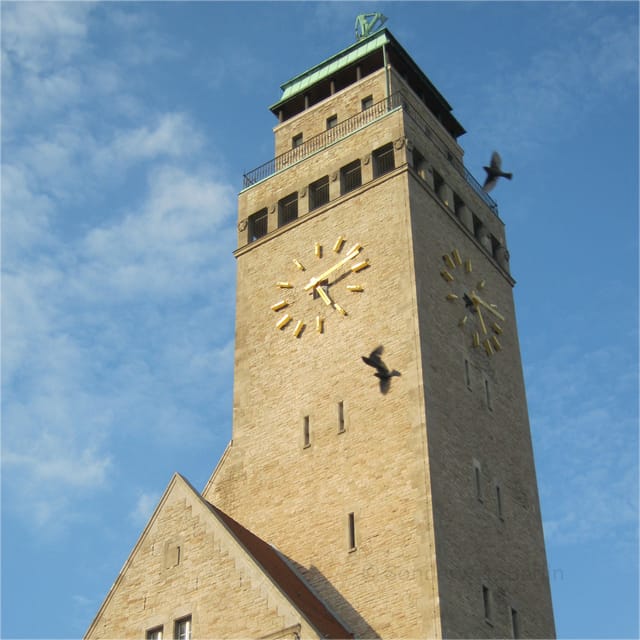
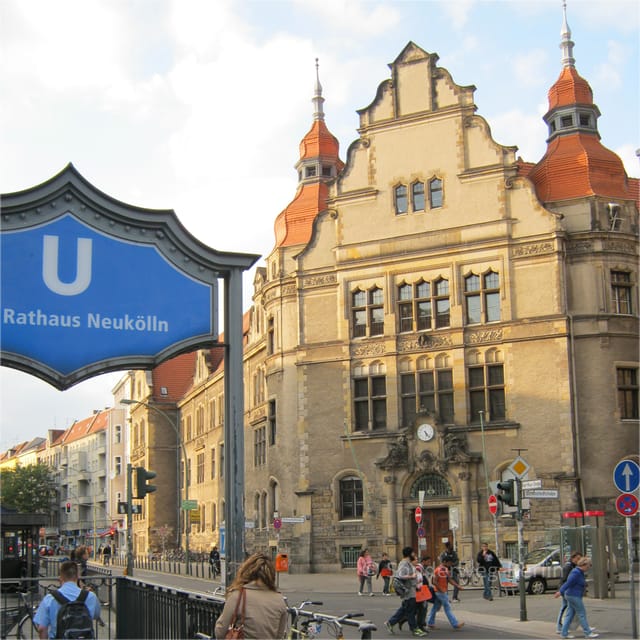
The Town Hall offers a very different view of Neukölln. Its magnificent architecture reflects the district’s civic ambition and its wish to be seen as an important urban center.
After the quiet scale of Richardplatz, the Town Hall helps you understand the larger political and administrative identity of Neukölln. This was not simply a village on Berlin’s edge. It became a substantial municipality with its own public institutions and a strong sense of place.
A guide can make the building more useful than a quick photograph. Look for the way the architecture presents authority, order, and civic pride. The tour also includes the old district court and former prison, which deepen this institutional story.
Those buildings are valuable precisely because they are not typical sightseeing icons. They show how law and government operated in the district. The former prison, in particular, adds a less polished part of the story. It helps balance the Town Hall’s grand image with the realities of policing, punishment, and municipal administration.
Do not expect a museum visit unless your specific departure says otherwise. The main value here is the explanation of what these buildings were for and how they fit into the growth of Neukölln.
A different side of Berlin on the same trip:
- Discover Berlin Half-Day Walking Tour
★ 5.0 · 9,624 reviews - Berlin: Hop-on Hop-off Bus Tour with Live Commentary
★ 4.3 · 8,579 reviews - Berlin: Government District around the Reichstag Guided Tour
★ 4.7 · 8,447 reviews - Berlin: Reichstag, Plenary Chamber, Cupola & Government Tour
★ 4.6 · 8,422 reviews
The old public pool and Saalbau Neukölln
The façade of the old Neukölln public pool is another reminder that city history is not only found in churches and official buildings. Public pools were part of urban life, public health, and the idea that municipal services should serve a broad population.
The tour focuses on the building’s outstanding façade. Even if you are not especially interested in swimming facilities, the stop helps you read architecture as a sign of social priorities. A public pool says something about who a city wanted to support and how it understood modern urban life.
Saalbau Neukölln adds a cultural note. Its presence points toward the district’s role as a place for public events and performance. Along with the Neukölln Opera, which Tobias has included on some walks, it broadens the route beyond housing and administration.
The exact order and range of these stops can vary with the chosen option and meeting point. If a particular building matters to you, ask when booking whether it will be included in your group’s route.
Rollberg and the story of working-class housing
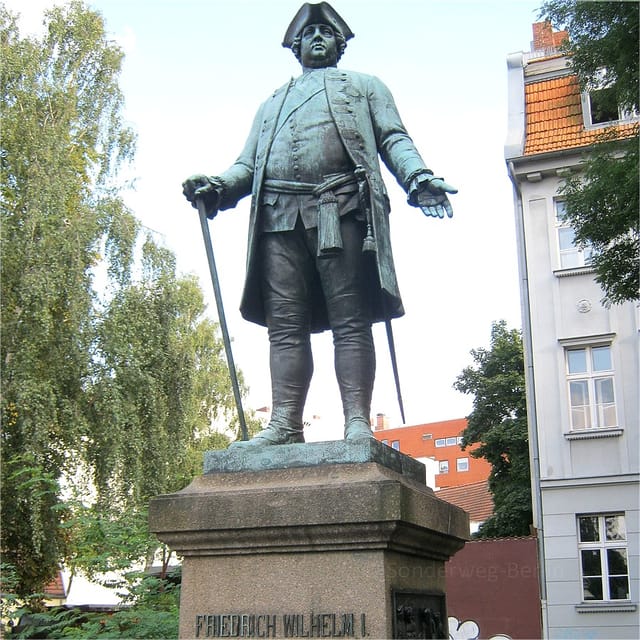
The Rollberg section is where the tour becomes especially useful for understanding ordinary urban life. You learn about the proletarian residence district of Rollberg, a part of Neukölln shaped by working-class housing needs.
The phrase proletarian residence district can sound abstract, but the buildings make it concrete. Housing tells you who a city expected to live there, how much space people were given, and how planners responded to population growth.
The housing complex on Innstrasse is a major architectural stop. Its design offers a chance to compare large-scale housing with the older village fabric around Richardplatz. The atrium houses on Rollberg, noted on a past tour with Tobias, add another layer to that comparison.
I like this part because it keeps the walk from becoming a parade of handsome façades. Neukölln’s story includes practical buildings made for many residents, not only landmark structures made to impress. You see how architecture responds to class, density, and urban expansion.
At the same time, you should know what this tour is not. It is not a technical architecture seminar, and no detailed interior access is promised. The value comes from the guide’s explanation and from seeing the relationship between the housing blocks and the older district around them.
Karl-Marx-Strasse and the arcade
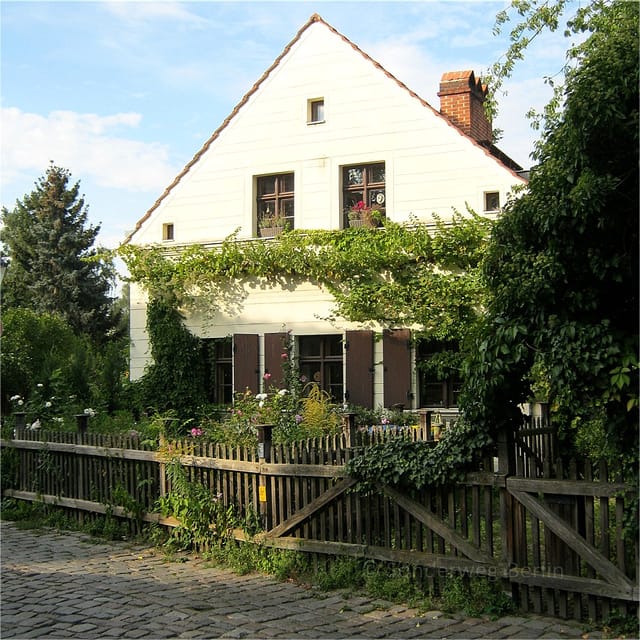
Karl-Marx-Strasse brings you into modern Neukölln. The arcade here offers a look at the commercial side of the neighborhood and the ways people move through a dense urban district.
This stop is a good counterpoint to the Town Hall and Richardplatz. You shift from civic symbolism and religious origins to shops, passageways, and everyday city movement. The route makes the point that Neukölln’s identity was built through many types of public space.
The street can feel more active and less calm than the village center. That is part of the lesson, not a problem to hide. You will see the difference between a historic square preserved in a village-like form and a commercial road shaped by modern city demands.
Because the walk covers several parts of Neukölln in only 2.5 hours, the arcade is likely a viewing and explanation stop rather than a long shopping break. If you want time to browse shops or stop for coffee, plan to do that before or after the tour.
What Tobias adds to the experience
The guide matters a great deal on a neighborhood tour. Tobias is the named guide connected with several departures, and his style comes across as personal, relaxed, and lightly humorous. He has led very small groups, including a private walk for two people and a Christmas Day departure with no other guests.
That can make a real difference. A small group lets you ask about the city’s development, local symbols, and details that catch your eye. Tobias has explained subjects such as the town coat of arms and the growth of the city while keeping the conversation open.
Past routes with him have included the Town Hall, public pool, Neukölln Opera, Bohemian village, Rollberg atrium houses, and the former brewing room of the Kindl brewery. These additions show the sort of local detail you might receive, but you should not assume every option follows the same route.
You can request a meeting point, date, and time for your group when booking. That flexibility is useful if you want the walk to fit around a wider Berlin plan. Confirm the route and language in advance, especially if you want English or a specific set of stops.
Is $23 a fair price for 2.5 hours?
At $23 per person, this is a reasonably priced guided walk. There are no food, drink, or attraction admissions included, so you are paying mainly for the guide’s time, interpretation, and route planning.
That is good value if you want to understand Neukölln rather than simply pass through it. A self-guided walk would cost less, but you would need to research the Bohemian refugees, the 1912 renaming, Rollberg housing, and the civic buildings yourself. The tour gathers those threads into one story.
The value is strongest for first-time visitors to Neukölln, repeat Berlin visitors who have already seen central landmarks, and people interested in architecture or city development. It is less useful if you prefer to wander without a set pace or want to spend most of the time inside attractions.
The 2.5-hour length is also practical. It is long enough to cover several eras but short enough to fit into a day of sightseeing. Since personal expenses are not included, carry water and plan any meal or café stop separately.
Free cancellation up to 24 hours before the start and reserve-now-pay-later booking make it easier to fit the walk into a changing schedule. The activity is listed as wheelchair accessible, though you should still confirm the specific meeting point and route with the provider.
Who should book this Neukölln walk?
I would choose this tour if you have already seen Berlin’s central sights and want a district with more local texture. Neukölln rewards context. Without it, you may notice attractive buildings and sharp contrasts but miss the reasons they are there.
It also suits you if architecture is your main interest. The Town Hall, old pool façade, Innstrasse housing, Rollberg residences, former court, and arcade offer a broad sample of civic, social, and commercial design.
History-minded visitors will get the most from the shift between eras. The walk moves from medieval origins and 18th-century Protestant settlement to the 1912 name change and the present multicultural district.
Families and mixed-interest groups may also find the format manageable, since the route combines stories, buildings, and public spaces rather than requiring a long museum visit. The only caution is the walking itself. You should be comfortable on your feet for 2.5 hours, and you will need to supply your own food and drink.
Should you book it?
Book this tour if you want Neukölln explained through its buildings and communities, not reduced to nightlife or a quick photo stop. The route has a strong mix: Richardplatz and Bethlehem Church for the Bohemian past, the Town Hall and former prison for civic power, Rollberg and Innstrasse for working-class housing, and Karl-Marx-Strasse for present-day city life.
I would be especially inclined to book with Tobias if you value conversation and a personal guide. His past tours have included thoughtful extras such as the city coat of arms, the Neukölln Opera, Rollberg atrium houses, and the former Kindl brewery brewing room.
Skip it if you want a food tour, extensive interior access, or a completely flexible wander. For $23, though, it is a strong choice for anyone who wants to see how a former Rixdorf became modern Neukölln while still holding on to its village center.
FAQ
How long is the Neukölln neighborhood tour?
The walking tour lasts 2.5 hours.
How much does the tour cost?
The listed price is $23 per person.
Which languages are available?
The tour is available in German and English.
Who guides the tour?
Tobias is the named guide associated with several departures. An expert live guide leads the activity, and the specific guide may depend on the option booked.
What places are included on the route?
The tour includes the old district court and former prison, Neukölln Town Hall, Rollberg, the housing complex on Innstrasse, the old public pool façade, Saalbau Neukölln, the arcade on Karl-Marx-Strasse, Bohemian Rixdorf, Richardplatz, and Bethlehem Church.
Is the tour wheelchair accessible?
Yes, the activity is listed as wheelchair accessible.
Can I arrange a different meeting point or time?
A meeting point, date, and time can be arranged for you and your group upon request. You should provide those details when booking.
Are food and drinks included?
No. Food, drinks, and personal expenses are not included.
Just added around Berlin
- Berlin Highlights in One Day★ 5.0 · 3 reviews
- Transfer from Berlin Schönefeld Airport (SXF) to Berlin city Hotels – ROUND TRIP★ 4.0 · 3 reviews
- Private Berlin One Day Tour with a Local: See the City Unscripted★ 3.5 · 3 reviews
- Individual city tour Berlin for max. 8 persons★ 5.0 · 3 reviews
- Berlin: Museum Island Tour★ 5.0 · 3 reviews
- Private Analogue Photography Experience in Berlin★ 5.0 · 3 reviews
- Berlin: Local Food Tour in Secrets Hidden Gems★ 4.0 · 3 reviews
- Berlin & The Third Reich Private Guided Tour★ 5.0 · 3 reviews
Tours, compared.
Reichstag, Dome and Government District Guided Tour
Read our review →
1-Hour City Tour by Boat with Guaranteed Seating
Read our review →

Reichstag, Plenary Chamber, Cupola & Government Tour
Read our review →