
Review · BERLIN
Berlin: Classical concerts in Köpenick Palace – Aurora Hall
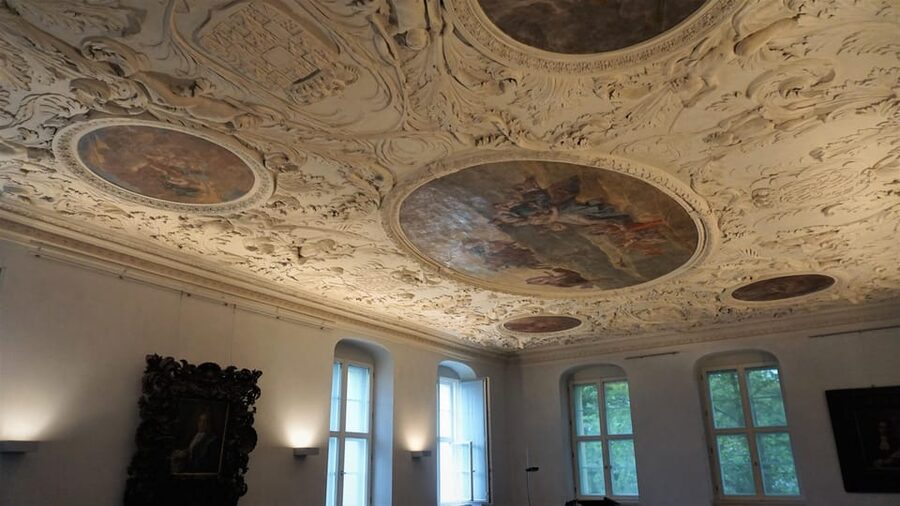
Köpenick Palace gives classical music a memorable setting: you hear a 90-minute concert in the Aurora Hall, then have museum admission included. The program changes by date, so you can choose between Mozart piano works, opera duets, Bach sonatas, Schubert songs, or music linked to Frederick the Great.
I like the wide choice of programs, and I like that the concerts feature named performers rather than an anonymous house ensemble. The $33 price also makes sense when you value both the performance and the palace museum visit.
The main caution is room comfort. One concert attendee reported excessive heat because the hall had no cooling, and another reported that a paid event did not take place and that no reply followed. Check the date and current event status carefully before you set your evening around it.
In This Review
- Key points to know before booking
- Why Aurora Hall changes the concert experience
- Choosing among the February and March programs
- April brings unusual combinations and two piano programs
- May programs move from Schubert to Bach and Iberian music
- The $33 ticket and what it really includes
- Room comfort deserves attention
- Who will enjoy this most
- Should you book the Aurora Hall concert?
- FAQ
- Where are the concerts held?
- How long does the concert last?
- What does the $33 ticket include?
- Which musicians perform in the series?
- Are the concerts wheelchair accessible?
- Can I cancel my booking?
Key points to know before booking
- Aurora Hall setting: Hear classical music inside Köpenick Palace, not in a standard modern concert venue.
- Thirteen listed programs: Choose from February 15 through May 31, 2026, with a different musical focus on each date.
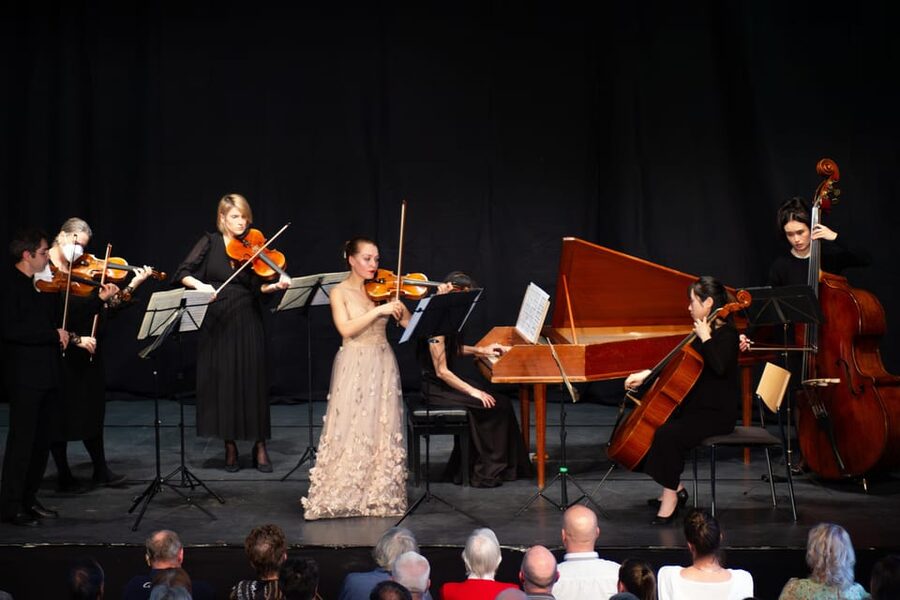
- Named artists: Performers include soprano Inês Pinto, pianist Maria-Magdalena Pitu-Jokisch, violinist Marianne Boettcher, and the Mozart Ensemble Berlin.
- Museum admission included: Your ticket covers entry to the palace museum as well as the concert.
- Ninety-minute format: The concert length suits an evening in Berlin without taking up the whole night.
- Flexible booking terms: You can cancel up to 24 hours in advance for a full refund, and reserve now while paying later.
Why Aurora Hall changes the concert experience
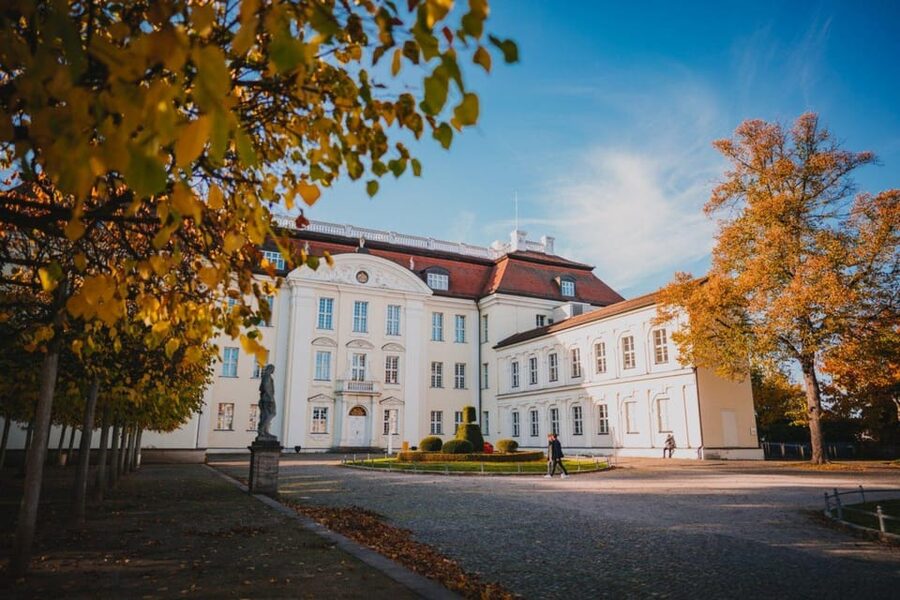
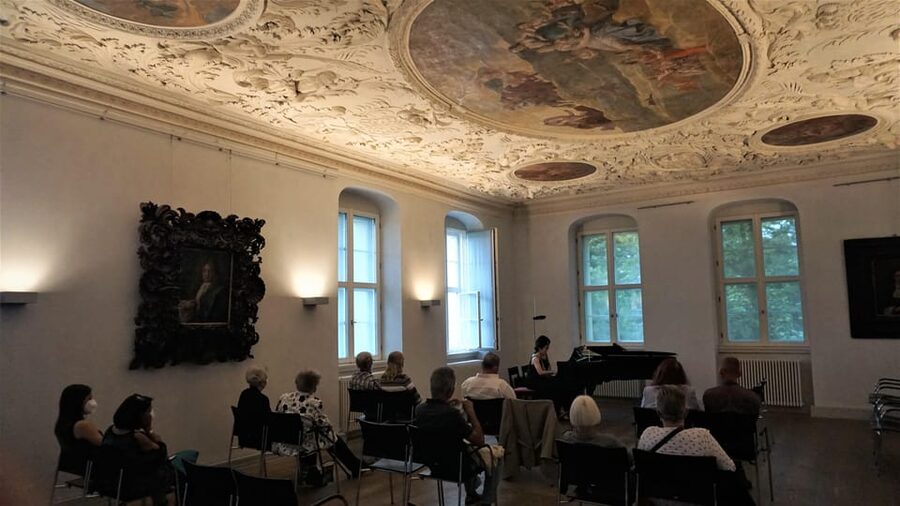
A concert in Köpenick Palace is not just a matter of finding a seat and listening in the dark. The room supplies part of the occasion. Aurora Hall places music, art, and palace surroundings in the same visit, which can make a familiar Mozart sonata feel more connected to its period.
I like this format for Berlin because it gives you a focused cultural evening. You are not signing up for a long tour with several stops or a full night at the opera. You get 90 minutes of music, with the museum included for extra context.
The setting may appeal most to listeners who care about atmosphere as much as the program. If you mainly want a large orchestra, elaborate staging, or a famous opera production, this is a smaller and more specialized choice. The listed programs center on solo voice, piano, violin, guitar, harpsichord, recorders, and small ensembles.
Some content is presented in its original language. That matters most on the vocal dates, where the sound of the language is part of the music. You should not expect every sung or spoken element to be translated into English.
A few more Berlin tours worth weighing up
- Berlin: Classical Concert at Kaiser Wilhelm Memorial Church
★ 4.6 · 387 reviews - Berlin: Classical concerts at the Bode Museum Berlin
★ 4.3 · 26 reviews
Choosing among the February and March programs
The first listed concert, on February 15, is Pure Romance: Romantic Duets. Inês Pinto sings soprano, Kristina Naudé sings alto, and Beatrice Wehner-Schaller accompanies on piano. This is the most obvious choice if you want lyrical vocal music and the contrast between two female voices.
The piano carries the February program, so the sound should feel intimate rather than orchestral. Since the precise composers and works are not specified, you should choose this date for its Romantic duet theme and performers, not for a guaranteed list of particular pieces.
On March 8, Maria-Magdalena Pitu-Jokisch performs the second program in the complete performance of Mozart’s piano works. This date suits you if you want a concentrated portrait of Mozart at the keyboard.
The phrase complete performance is useful, but note the numbering. This is not the entire Mozart piano collection in one 90-minute sitting. It is the second program in a larger series, with a third program scheduled for April 4. If you enjoy following a series, these dates offer a stronger reason to return than a one-off recital.
March 22 shifts to Mozart’s vocal music: songs, arias, and duets. Yuri Mizobuchi is the mezzo-soprano, Stephen Barchi the baritone, and Graham Cox the pianist. The two voices should give the program more variety than a solo recital, while the piano provides the accompaniment.
This is a good pick for you if you want Mozart’s theatrical side without booking a full opera. You get arias and duets, but the program remains a concert rather than a staged production. Original-language content may be part of the presentation, so listen for the musical qualities of the voices as well as the words.
On March 29, the Mozart Ensemble Berlin performs The Seven Last Words of the Savior on the Cross. The title points to a serious, reflective program. It may suit you better than the lighter vocal dates if you prefer instrumental music with a solemn religious theme.
The supplied information does not name the individual players or specify the exact arrangement. I would choose this date for the work and the ensemble format, rather than expecting a piano recital or opera performance.
April brings unusual combinations and two piano programs
April 3 offers The Music Book of Frederick the Great, performed by Susanne Ehrhardt on recorders and Yuko Tomeda on harpsichord. This is one of the more distinctive choices in the series. The pairing of recorders and harpsichord points toward an early music sound, and the connection to Frederick the Great ties the concert to palace culture.
You might choose this program if you enjoy hearing instruments that appear less often in standard concert schedules. It also makes especially good use of the palace setting, since the subject connects music with a royal court.
The Mozart piano series continues on April 4 with its third program, this time performed by Naoko Fukumoto. If you attended the March 8 recital, this date gives you another installment with a different pianist. If you are new to the series, you can still attend, but the program number tells you that it forms part of a sequence.
April 5 is Piano magic for 4 hands, with Naoko Fukumoto and Maria-Magdalena Pitu-Jokisch sharing the piano. Four-hand piano changes the physical and musical picture: two performers work at one instrument, creating a fuller sound from a single piano.
I would pick this for a relaxed introduction to classical piano. It has a clear hook, and the shared performance can feel more social and playful than a solo recital. The title is promotional, so the exact pieces are not stated. Book it for the four-hand format rather than a specific composer.
On April 6, Annegret Pieske plays violin with Victoria Litsoukova on piano in a program of classical violin sonatas. This is the straightforward choice for listeners who prefer strings and keyboard in conversation.
A sonata recital is also a good fit if you want to focus on the performers without the scale of a large ensemble. Since the composers are not listed, you should not assume a particular violin favorite will appear. The value here is the format, the named musicians, and the room.
May programs move from Schubert to Bach and Iberian music
May 1 presents a Schubert Potpourri, with Stephen Barchi singing baritone and Maria-Magdalena Pitu-Jokisch at the piano. The word potpourri suggests a selection of Schubert pieces rather than one complete work.
This program should appeal to you if you like art song and want a voice-and-piano evening. Barchi also appears in the March 22 Mozart program, so you can hear the same baritone in two different musical settings if your schedule allows.
On May 10, Marianne Boettcher plays violin and Yuko Tomeda performs harpsichord in Bach Violin Sonatas 2. Like the Mozart piano dates, the number indicates a series. The program is not presented as the first installment, so it is best approached as a selected chapter rather than a complete Bach survey.
The violin and harpsichord pairing gives this concert a clear early music identity. Pick it if you want counterpoint, a period-flavored keyboard sound, and a smaller-scale instrumental program. It is less suitable if you are seeking a large, dramatic orchestral sound.
May 17 is Piano music to dream to, performed by Maria-Magdalena Pitu-Jokisch. The title points to a gentle, restful recital. It may work well for you after a busy day of sightseeing, especially if you prefer lyrical piano music to vocal performance.
Again, the individual pieces are not provided. That means the title is your main guide. Do not book this date expecting a named composer or a particular famous piece unless the current program gives you more detail.
The final listed date, May 31, is Iberian sounds, with Inês Pinto on soprano and Márcio Silva on guitar. This is one of the most unusual combinations in the schedule. A soprano and guitar can bring a lighter, more direct sound than piano-accompanied song, and the Iberian theme gives the evening a clear regional character.
I would choose this program if you want a change from the repeated Mozart focus. Pinto also appears in the February Romantic duets, but here the guitar changes the color of the accompaniment. The program details do not name the languages or composers, so you should be open to an evening shaped by the broad Iberian theme.
A different side of Berlin on the same trip:
- Berlin: Reichstag, Dome and Government District Guided Tour
★ 4.7 · 18,288 reviews - Berlin: 1-Hour City Tour by Boat with Guaranteed Seating
★ 4.3 · 16,993 reviews - Berlin: Boat Tour Along the River Spree
★ 4.4 · 11,252 reviews - Discover Berlin Half-Day Walking Tour
★ 5.0 · 9,624 reviews
The $33 ticket and what it really includes
At $33 per person, this is not the cheapest classical concert in Berlin. It is also not simply a 90-minute recital ticket. Museum admission is included, so the price covers two related parts of the visit: time in Köpenick Palace and the concert in Aurora Hall.
I see the best value if you plan to use the museum admission. Arrive with enough time to visit the palace museum before the performance, though the supplied details do not state how early you may enter or how long the museum takes. If you only want music and will skip the museum, the price feels less compelling.
The program choice also affects value. A concert with performers on piano, violin, voice, guitar, or harpsichord offers a more specific artistic experience than a general sightseeing show. You should book the date that matches your musical taste, not simply the first available time.
The 90-minute length is practical. You can fit it into an evening without committing to a full-length opera or a multi-hour concert. For a short cultural stop, it gives you a defined start and finish, although exact starting times depend on availability.
Room comfort deserves attention
The main practical concern is temperature. One attendee described the hall as excessively hot because there was no cooling. That does not prove every concert will have the same conditions, and the problem may vary by date and weather, but it is useful information when you are deciding how much comfort matters to you.
I would keep your plans flexible around the concert rather than adding another fixed event immediately afterward. That gives you room if the evening starts late or if you need a slower finish. The event provider is Berliner Schlosskonzerte, and the experience is wheelchair accessible.
Audio recording is not allowed. Alcohol and drugs are also prohibited. These rules are ordinary for a formal concert, but they matter if you hoped to record a favorite aria or take a drink into the hall.
There is one more reason to confirm the event before going. A complaint described a booked and paid event that did not take place, followed by no response. This is a single serious report, not proof that the whole program is unreliable, but I would check the current concert status and retain your booking information. The stated cancellation policy allows a full refund when you cancel at least 24 hours in advance.
Who will enjoy this most
I would recommend the series to you if you like classical music in small or medium-scale formats, care about the setting, and want several program styles to choose from. It is especially suitable for:
- Mozart fans who want a piano series or vocal program
- Opera lovers who prefer arias and duets without staged scenery
- Listeners interested in Bach, Schubert, early music, or Romantic song
- Visitors who want museum admission paired with a cultural event
- Couples or solo visitors looking for a 90-minute evening activity
I would be more cautious if you need air-conditioned comfort, require every work to be announced in English, or want a large orchestra and grand opera staging. The program descriptions are appealing but sometimes broad, and exact works are not supplied for every date.
The variety is a strength, but it also means the experience depends heavily on your chosen date. Pure Romance, Mozart songs, four-hand piano, Bach sonatas, and Iberian songs will not feel like interchangeable versions of the same concert.
Should you book the Aurora Hall concert?
Book it if the specific program interests you and you can make time for the palace museum. At $33, the combination is fair, particularly for a named artist or specialized program in a historic room.
My strongest picks are March 22 for Mozart songs, arias, and duets; April 3 for recorders and harpsichord linked to Frederick the Great; April 5 for four-hand piano; and May 31 for soprano and guitar in Iberian sounds. Choose the Mozart piano dates if you want a continuing series, and the Schubert or Bach dates if you prefer focused instrumental or song programs.
Before paying, confirm that your chosen date is still running and check the available start time. If you can accept the possibility of a warm room and do not need translated material, this is a thoughtful Berlin evening with more character than a routine concert hall visit.
FAQ
Where are the concerts held?
The concerts take place in the Aurora Hall of Köpenick Palace in Berlin.
How long does the concert last?
The stated duration is 90 minutes.
What does the $33 ticket include?
The ticket costs $33 per person and includes free museum admission.
Which musicians perform in the series?
The listed performers include Inês Pinto, Kristina Naudé, Beatrice Wehner-Schaller, Maria-Magdalena Pitu-Jokisch, Yuri Mizobuchi, Stephen Barchi, Graham Cox, Naoko Fukumoto, Annegret Pieske, Victoria Litsoukova, Marianne Boettcher, Yuko Tomeda, Susanne Ehrhardt, Márcio Silva, and the Mozart Ensemble Berlin.
Are the concerts wheelchair accessible?
Yes. The activity is described as wheelchair accessible.
Can I cancel my booking?
Yes. You can cancel up to 24 hours in advance for a full refund. A reserve-now, pay-later option is also available.
Just added around Berlin
- Berlin Highlights in One Day★ 5.0 · 3 reviews
- Private Berlin One Day Tour with a Local: See the City Unscripted★ 3.5 · 3 reviews
- Individual city tour Berlin for max. 8 persons★ 5.0 · 3 reviews
- Transfer from Berlin Schönefeld Airport (SXF) to Berlin city Hotels – ROUND TRIP★ 4.0 · 3 reviews
- Berlin: Museum Island Tour★ 5.0 · 3 reviews
- Private Analogue Photography Experience in Berlin★ 5.0 · 3 reviews
- Berlin: Local Food Tour in Secrets Hidden Gems★ 4.0 · 3 reviews
- Berlin & The Third Reich Private Guided Tour★ 5.0 · 3 reviews