
Review · FOOD & DRINK
Berlin: Guided Street Food Tour with Tastings
Berlin’s food story is best understood one bite at a time. This three-hour walk through Mitte links Turkish kebab, Mexican food, pastries, sandwiches, and other casual favorites to the people and events that shaped modern Berlin. It is less about old-fashioned German dishes and more about the city as it is now.
I like the small group of up to eight, which makes it easier to ask questions and keep the conversation moving. I also like the mix of at least six tastings, walking, and local tips, especially when guides such as Julie, Inès, Marion, and Jean-Charles connect each dish with Berlin’s East and West German past. The main consideration is simple: if you want a strictly German food tour, this may not be the right fit. Berlin’s street food is famously international.
In This Review
- Key points at a glance
- Why Berlin’s street food tells the city’s story
- Starting at The Sanctuary bakery on Torstraße
- From flaky pastries to Berlin’s casual food counters
- A Mexican stop adds another layer
- The history works best when it stays tied to the plate
- A three-hour pace that keeps the food manageable
- What you learn for the rest of your Berlin stay
- Price, group size, and what you receive
- Who should book this Mitte food walk?
- Should you book the Berlin street food tour?
- FAQ
- Where does the Berlin street food tour begin?
- Where does the tour end?
- How long is the tour?
- How many food tastings are included?
- What foods might I try?
- Is the tour conducted in English?
- How large is the group?
- Is the tour wheelchair accessible?
- What should I bring?
- Can I cancel for a full refund?
Key points at a glance
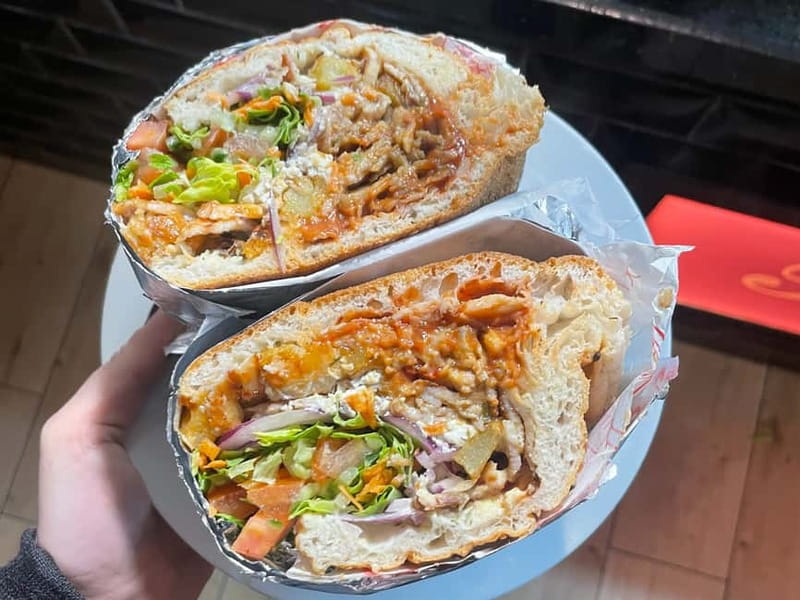
- Six or more tastings: Expect a filling spread that may include Turkish kebab, tacos, sandwiches, pastries, and seasonal bites.
- Mitte on foot: The route begins at The Sanctuary bakery on Torstraße and returns there after about three hours.
- Food with context: Guides explain how migration, postwar life, and the Cold War helped shape what Berliners eat today.
- Small-group feel: With no more than eight participants, the tour is suited to conversation rather than a large crowd.
- Useful for the rest of your stay: You receive tips on places to eat and neighborhoods to explore after the walk.
- Easy pace, but come hungry: The food portions can be generous, and the route includes enough walking to break up the tastings.
Why Berlin’s street food tells the city’s story
A plate of food in Berlin can say as much about the city as a museum label. Turkish kebab reflects the long presence of Turkish communities in Germany. Mexican food points to the range of newer food businesses now found in the capital. Bakery traditions, sandwiches, and casual counter food show how Berliners eat between work, sightseeing, and nightlife.
That is the useful idea behind this tour. You are not simply stopping at six places to collect snacks. You are using food as a way to understand a city shaped by division, migration, reunification, and constant change.
The experience also avoids the narrow idea that German food begins and ends with sausages and pretzels. You may get a taste of those familiar flavors elsewhere in Berlin, but this walk focuses on the broader food culture you are likely to encounter on the streets today.
For me, that makes the tour a good first or second-day activity. You get oriented to Mitte, eat several small meals, and leave with practical suggestions for the rest of your visit.
More food tours in Berlin:
- Berlin Center Food Tour with 8+ Authentic Local Tastings
★ 5.0 · 1,227 reviews - Berlin City Bike Tour with Beer Garden Stop
★ 5.0 · 917 reviews - Kreuzberg: Culinary Food Tour
★ 4.5 · 770 reviews
Starting at The Sanctuary bakery on Torstraße
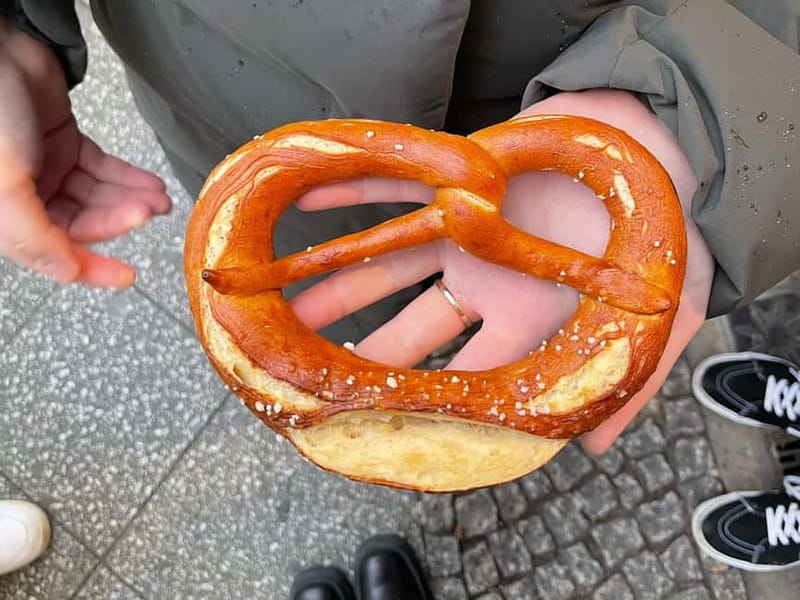
The meeting point is in front of The Sanctuary bakery on Torstraße. This is a useful place to begin because the first food stop sets the tone: Berlin’s bakery culture matters, and buttery, flaky pastries offer a direct contrast to the savory food that follows.
You should arrive in comfortable shoes and weather-appropriate clothing. The route is outdoors, and Berlin weather can change quickly. One guide, Inès, handled a thunderstorm while keeping the group together, but it is still wise to dress for the forecast rather than assume the whole afternoon will be dry.
The opening stop also gives you a chance to meet the rest of the group. With a maximum of eight people, introductions do not take long, and the walk can feel more like a food-minded outing with a few new friends than a formal procession.
That small size matters. You can ask why a dish became popular, request clarification about ingredients, or ask your guide where to eat later. In a much larger group, those questions often get lost.
From flaky pastries to Berlin’s casual food counters
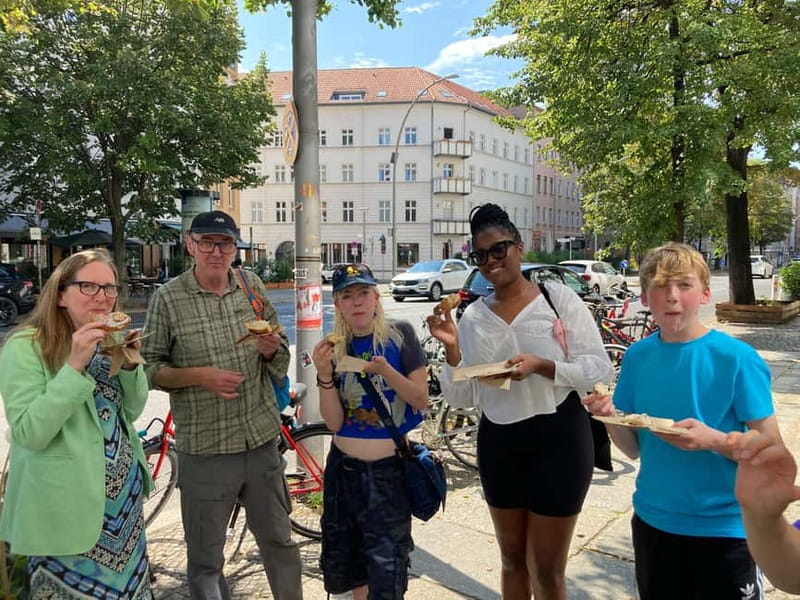
The exact food order changes with the season, but the broad pattern is clear: you move between sweet and savory stops as you walk through Mitte. At least six tastings are included, and the portions can add up to a full meal.
The bakery stop is likely to please anyone who enjoys pastry. A buttery, flaky item is not just a sugar break. It shows the importance of bakeries in everyday Berlin life, where a quick pastry can be breakfast, a snack, or a portable treat between errands.
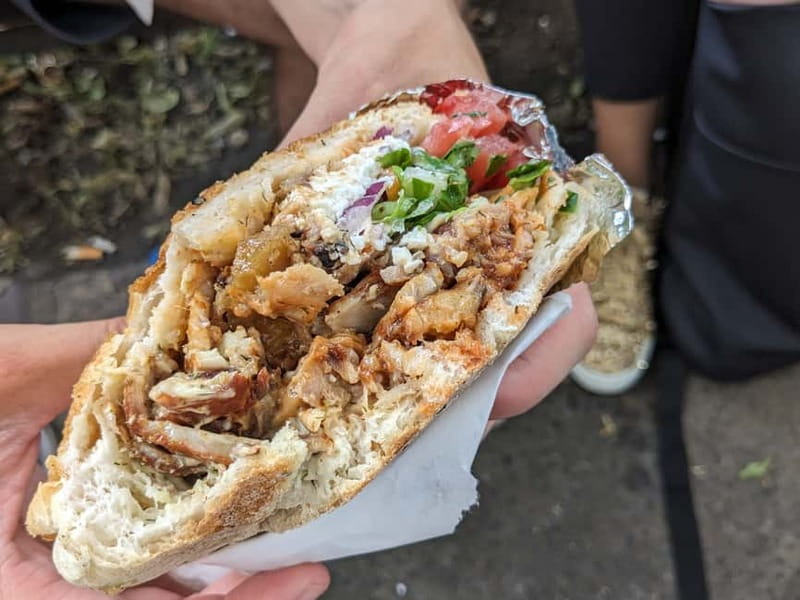
Next comes the kind of food that defines Berlin’s street-level eating culture. A Turkish kebab is one of the key stops, and it gives the tour a chance to explain how Berlin’s food scene has been shaped by communities from outside Germany. The point is not simply that kebab is popular. It is that food can become part of a city’s local identity even when its roots lie elsewhere.
You may also try sandwiches or other handheld food. These stops are practical as well as tasty because they show how Berlin eats on the move. You are not being led only to polished restaurants. The focus is on casual places that fit real city life.
The tour is not designed around one large sit-down meal. Instead, you keep walking, tasting, and pausing for explanations. That rhythm helps prevent the afternoon from becoming a long stretch of standing in one restaurant, though you should still arrive hungry.
A Mexican stop adds another layer
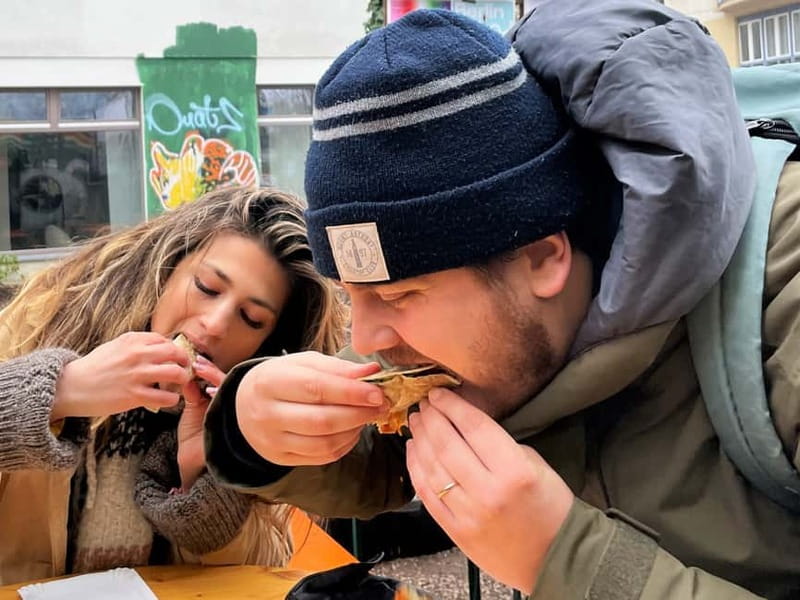
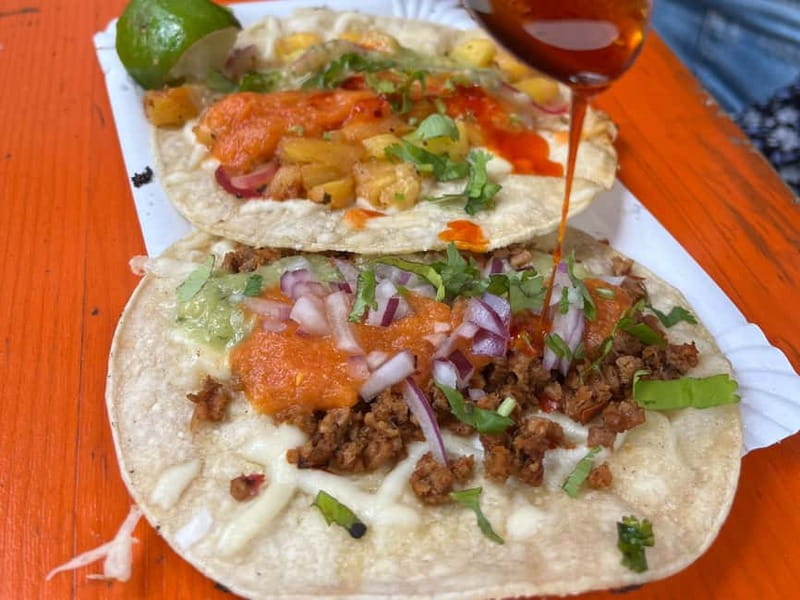
One of the most praised parts of the route is its Mexican food stop. The area is described as especially enjoyable, and it adds a different flavor to the tour’s story.
This is where the experience makes its strongest case for modern Berlin. You are not asked to judge the city’s food only by traditional German standards. You are shown how a capital city can absorb new cooking styles and make room for them in ordinary neighborhoods.
The Mexican stop also breaks up the route nicely. After bakery food and kebab, tacos or another Mexican bite give you a fresh set of flavors and textures. It is a small detail, but a varied menu makes a big difference on a three-hour food walk.
Do not expect every stop to feel equally German. One guide put it plainly: the food is not quite German, but it is a good taste of what Berlin locals can eat. That is the fair way to approach this tour. It is about Berlin’s present-day street food, not a survey of regional German cuisine.
A different side of Berlin on the same trip:
- Berlin: Reichstag, Dome and Government District Guided Tour
★ 4.7 · 18,288 reviews - Berlin: 1-Hour City Tour by Boat with Guaranteed Seating
★ 4.3 · 16,993 reviews - Berlin: Boat Tour Along the River Spree
★ 4.4 · 11,252 reviews - Discover Berlin Half-Day Walking Tour
★ 5.0 · 9,624 reviews
The history works best when it stays tied to the plate
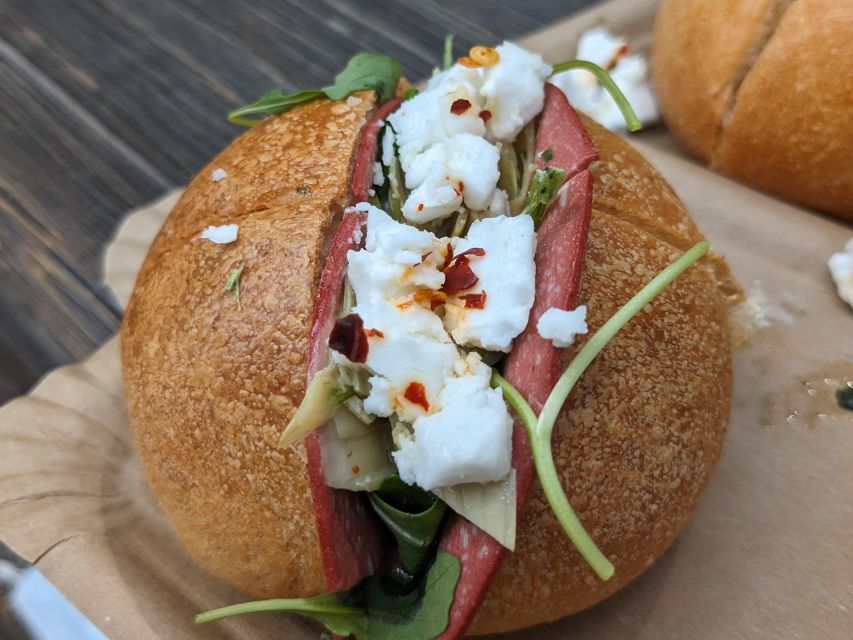
The tour can include more than food facts. Strong guides connect the tastings with Berlin’s political and social past, including the relationship between East and West Germany during the Cold War.
Jean-Charles, for example, has been praised for using the dishes and locations to explain postwar Germany and why certain foods became popular. That kind of explanation gives the walk more weight without turning it into a long classroom session.
The best moments come when the history answers a question you already have. Why is this food common here? Why did a certain style of eating take hold? How did the city’s division affect daily life? When the guide ties the answer to the food in front of you, the information is easier to remember.
You should not book this as a dedicated Berlin history tour, however. The main purpose is eating, and the amount of city history depends in part on your guide and the questions you ask. One person may want more information about monuments and wartime Berlin, while another may be perfectly happy hearing only the background connected to each dish.
That variation is worth keeping in mind. Guides including Julie, Inès, Marion, Camilla, and Jean-Charles are described as friendly, energetic, and well informed, but each guide will have a different style. Julie is especially good at personal tips and friendly conversation. Jean-Charles is a strong choice for food history and the East-West story. Your assigned guide may be someone else.
A three-hour pace that keeps the food manageable

The balance between walking and eating is one of the tour’s practical strengths. You get time to taste each item, listen, and move on before the afternoon feels sluggish.
At least six tastings sounds modest until you consider portion size. Some food stops can be generous, and several people finish feeling quite full. I would treat this as lunch rather than a few samples before lunch.
The walking helps, but this is still a food tour, not a fitness outing. The route stays in central Mitte and visits places connected with local eating. You should be comfortable walking between stops and standing while you eat or listen.
The timing also makes the tour useful for solo visitors. The small group gives you company without requiring the social commitment of a full-day group tour. A solo visitor can ask for advice, meet people, and still have time to continue exploring independently afterward.
Families and older visitors should consider the walking and the food format. The tour is wheelchair accessible, which is an important advantage, though individual food venues and street conditions can still affect how easy each stop feels. If mobility or food needs are a concern, ask for current details before booking.
What you learn for the rest of your Berlin stay
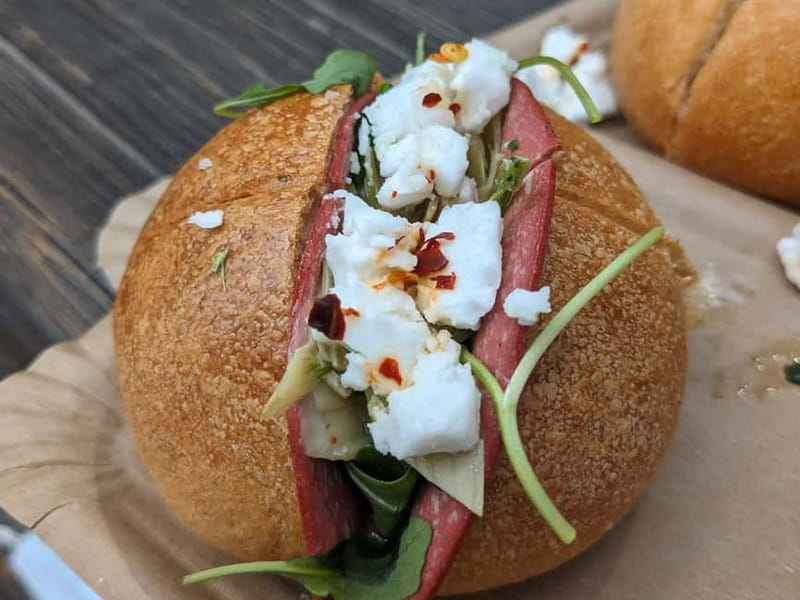
A good food tour should pay off after it ends. This one aims to send you back into Berlin with a short list of places and neighborhoods to investigate.
You can ask your guide for recommendations beyond the scheduled stops. Guides have offered suggestions for other restaurants and areas worth visiting, which can be more useful than a generic list from a guidebook because the advice comes in the context of what you have already eaten.
Use the final part of the tour to ask specific questions. Tell your guide what you liked. Ask where to find more kebab, where to try another pastry, or which neighborhood suits your budget and taste. The more clearly you explain what you want, the more useful the advice is likely to be.
This is also why I would avoid booking the tour on your final afternoon. You want time afterward to follow up on at least one recommendation. It makes the walk feel like the start of your food exploration rather than a one-off tasting session.
Price, group size, and what you receive
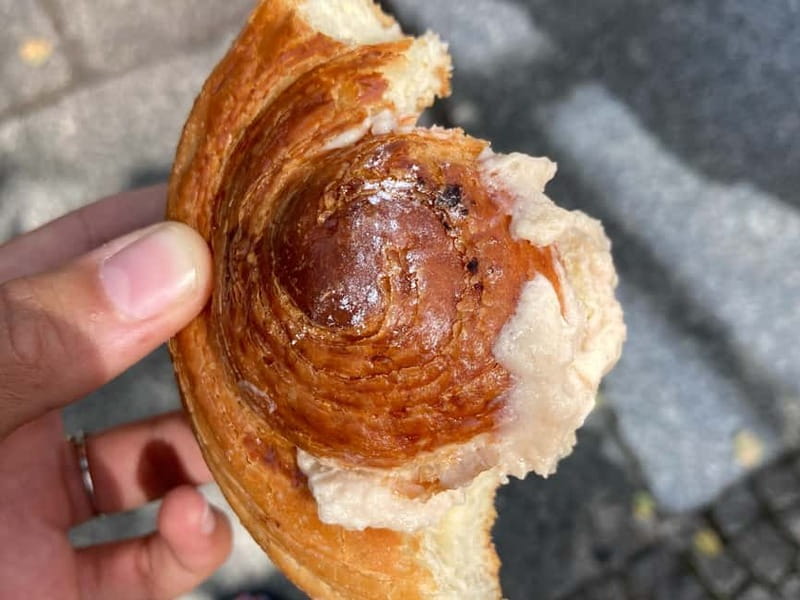
At $71 per person, this is not the cheapest way to eat in Berlin. You could buy individual street food portions for much less if you already know where to go.
The price becomes easier to justify when you count the guide, the organization, at least six tastings, and the value of being taken to several food spots without planning the route yourself. You are also paying for the explanations, the chance to compare different styles of food, and the practical suggestions that can shape the rest of your stay.
The small group improves that value. A maximum of eight participants gives the guide room to adapt the conversation and keep an eye on everyone. It also makes the food stops less awkward than they can be with a large crowd.
Still, the tour is best for someone who wants both food and interpretation. If your main goal is simply to eat as cheaply as possible, spend the $71 at casual restaurants on your own. If you want a guided introduction to Berlin’s international food culture, the cost is more reasonable.
Free cancellation up to 24 hours before the start and reserve-now, pay-later booking make it easier to fit into a changing schedule. The tour lasts three hours, but starting times vary, so check the available time before you plan the rest of your day.
Who should book this Mitte food walk?
I would recommend it to first-time visitors who want an easy introduction to Berlin beyond the major sights. It is also a good match for solo visitors, couples, and small groups who enjoy talking while they eat.
Food lovers should like the range. You get pastries, kebab, tacos, sandwiches, and seasonal items rather than six versions of the same dish. People interested in migration, postwar Germany, and the city’s East-West divide will get extra value from a guide who links those subjects to the food.
You may want to skip it if you have strict dietary requirements that have not been confirmed in advance. The available information does not set out a specific dietary menu, so ask before booking rather than assume every stop can be changed.
I would also look elsewhere if your priority is classic German cuisine, a major Berlin sightseeing route, or a long sit-down meal. This is a walking sampler of current Mitte food culture, with history added along the way.
Should you book the Berlin street food tour?
Book it if you want to eat your way through Mitte, meet a small group, and understand why Berlin’s everyday food is so international. The combination of Turkish kebab, Mexican food, pastries, and history gives you a more honest picture of the city than a narrow menu of traditional dishes.
Go with realistic expectations. The exact stops may change by season, the food can be plentiful, and the historical detail depends on your guide. Come hungry, wear good shoes, and save a little room in your schedule for following the recommendations you receive.
For most visitors, the strongest reason to book is not any single tasting. It is the way the stops fit together. You get a practical map of Berlin’s food culture, a sense of how the city changed, and enough tips to keep eating well after the three hours are over.
FAQ
Where does the Berlin street food tour begin?
Meet your English-speaking guide in front of The Sanctuary bakery on Torstraße in Berlin.
Where does the tour end?
The activity ends back at the meeting point on Torstraße.
How long is the tour?
The walking food tour lasts three hours. Available starting times depend on the date you select.
How many food tastings are included?
At least six tastings are included. The food can change with the season.
What foods might I try?
The tour may include Turkish kebab, tacos, sandwiches, pastries, and other street food. The exact selection can vary.
Is the tour conducted in English?
Yes. The live tour guide speaks English.
How large is the group?
The group is limited to eight participants.
Is the tour wheelchair accessible?
Yes, the activity is listed as wheelchair accessible.
What should I bring?
Wear comfortable shoes and clothing suited to the weather.
Can I cancel for a full refund?
Yes. You can cancel up to 24 hours in advance for a full refund. You can also reserve your place and pay later.
Just added around Berlin
- Berlin Highlights in One Day★ 5.0 · 3 reviews
- Private Berlin One Day Tour with a Local: See the City Unscripted★ 3.5 · 3 reviews
- Individual city tour Berlin for max. 8 persons★ 5.0 · 3 reviews
- Transfer from Berlin Schönefeld Airport (SXF) to Berlin city Hotels – ROUND TRIP★ 4.0 · 3 reviews
- Private Analogue Photography Experience in Berlin★ 5.0 · 3 reviews
- Berlin: Museum Island Tour★ 5.0 · 3 reviews
- Berlin: Local Food Tour in Secrets Hidden Gems★ 4.0 · 3 reviews
- Berlin & The Third Reich Private Guided Tour★ 5.0 · 3 reviews
Food & Drink, compared.

Berlin Center Food Tour with 8+ Authentic Local Tastings
Read our review →


Berlin’s first original craft beer tour & experience
Read our review →Browse the lists this tour appears in