
Review · TOURS
Berlín y el Nacionalsocialismo. Group Tour in Spanish
Berlin’s Nazi past is written into ordinary streets, ministries, embassies, and empty spaces. This four-hour Spanish-language walk connects those places to Hitler’s rise, Goebbels’ propaganda machine, the planned world capital of Germania, and the final days in the bunker. It is a sober tour, but one with a clear route and a useful historical framework.
I like the chronological storytelling, which starts with the Treaty of Versailles and the Weimar Republic instead of dropping you into a list of ruins. I also like the route’s mix of famous and less obvious sites, especially the Italian and Japanese embassies, Wilhelmstrasse, and the Luftwaffe Ministry.
The main consideration is the subject matter. This is not a light city walk, and four hours on foot can feel long if you need frequent breaks. A previous rating praised the guide’s detailed explanations but found some pauses unnecessary. Bring comfortable shoes, patience, and a public transport ticket for zones AB.
In This Review
- Key points to know before you book
- Starting beside the Fernsehturm at Alexanderplatz
- Starting with Versailles, Weimar, and Hitler’s rise
- The Sinti and Roma memorial and the plan for Germania
- The Berlin, Rome, and Tokyo Axis outside the embassies
- Wilhelmstrasse and the machinery of Nazi government
- Finishing at the former Führer Chancellery and bunker site
- How the $29 price compares with the time you get
- The Spanish guides and the style of the experience
- Who will get the most from this four-hour walk
- Practical advice for the meeting point and route
- Should you book Berlín y el Nacionalsocialismo?
- FAQ
- How long does the tour last?
- What language is the tour conducted in?
- How much does the tour cost?
- Where is the meeting point?
- Is public transportation included?
- What historical period does the tour cover?
- Does the tour visit the Italian and Japanese embassies?
- Does the tour enter Hitler’s bunker?
- Is the tour wheelchair accessible?
- Can I cancel for a full refund?
Key points to know before you book
- Hitler’s rise gets a proper beginning: The tour links Versailles, the Weimar Republic, and the political conditions that helped National Socialism gain power.
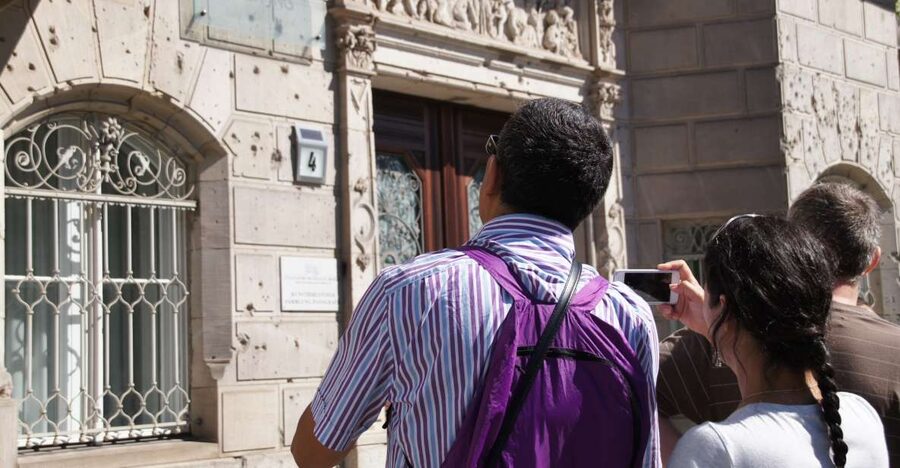
- The route includes Nazi government buildings: Walk along Wilhelmstrasse to the Luftwaffe Ministry and the former Propaganda Ministry.
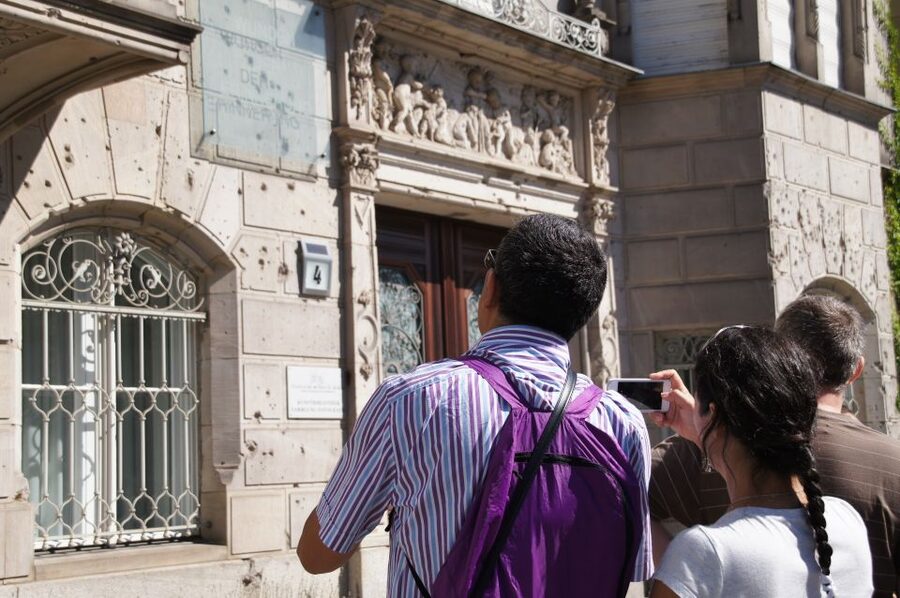
- Berlin’s Axis connection becomes visible: Hear about the Berlin, Rome, and Tokyo alliance outside the Italian and Japanese embassies.
- The Germania plan adds a wider view: The Sinti and Roma memorial stop helps explain Nazi plans for a rebuilt world capital.
- The ending is at Hitler’s bunker site: The tour finishes at the former Führer Chancellery, where the guide discusses Hitler’s final days.
- Spanish-speaking guides are central to the experience: Sam, Martín, and Celia have received especially strong praise for care, patience, and clear information.
Starting beside the Fernsehturm at Alexanderplatz
The meeting point is easy to identify once you are at Alexanderplatz. Look for the green flag marked tours en español, beside the only entrance to the television tower, between the Fernsehturm and Alexanderplatz train station. It is next to the Espresso House café.
This is a sensible place to begin because Alexanderplatz is a major transport hub. Give yourself enough time to locate the exact flag rather than simply heading toward the tower. The station and square can be busy, and the meeting point is described by nearby landmarks rather than by a separate street address.
The experience lasts four hours and is presented as a walking tour in Spanish. The pace should suit you if you want sustained historical explanation rather than a quick photo stop at each location. Since the group size is not specified, you should not assume a private or very small group.
A Berlin public transport ticket for zones AB is required and is not included in the $29 price. The ticket is an important practical detail, even though the main activity is on foot. Buy or arrange it before meeting the guide so you are not trying to solve transport arrangements while the group is gathering.
Other Berlin tours people book alongside this one:
- Berlin: Reichstag, Dome and Government District Guided Tour
★ 4.7 · 18,288 reviews - Berlin: 1-Hour City Tour by Boat with Guaranteed Seating
★ 4.3 · 16,993 reviews - Berlin: Boat Tour Along the River Spree
★ 4.4 · 11,252 reviews
Starting with Versailles, Weimar, and Hitler’s rise
A good tour of the Third Reich needs to explain how Hitler reached power, not only where he later exercised it. This route begins with the Treaty of Versailles and the Weimar Republic, giving you the political and social background needed to understand the Nazi period.
That opening is one of the strongest parts of the plan. Without it, Berlin’s ministries and bunker site can become disconnected points on a map. The guide instead has room to discuss the circumstances surrounding Hitler’s rise and the role of leading figures in the regime.
You will also hear about Joseph Goebbels and Nazi propaganda programs. This matters because the dictatorship was not held together by force alone. Propaganda shaped public messages, political loyalty, and the image of the regime. The tour’s attention to Goebbels adds a useful reminder that Nazi power operated through institutions, communication, and public spectacle as well as through military and police control.
The guide’s language makes a real difference here. Sam is praised for exceptional attention and information, Martín for being an excellent guide, and Celia for patience, knowledge, and willingness to help. Those comments point to what you should look for during a serious historical walk: clear explanations, room for questions, and a steady hand with difficult material.
The Sinti and Roma memorial and the plan for Germania
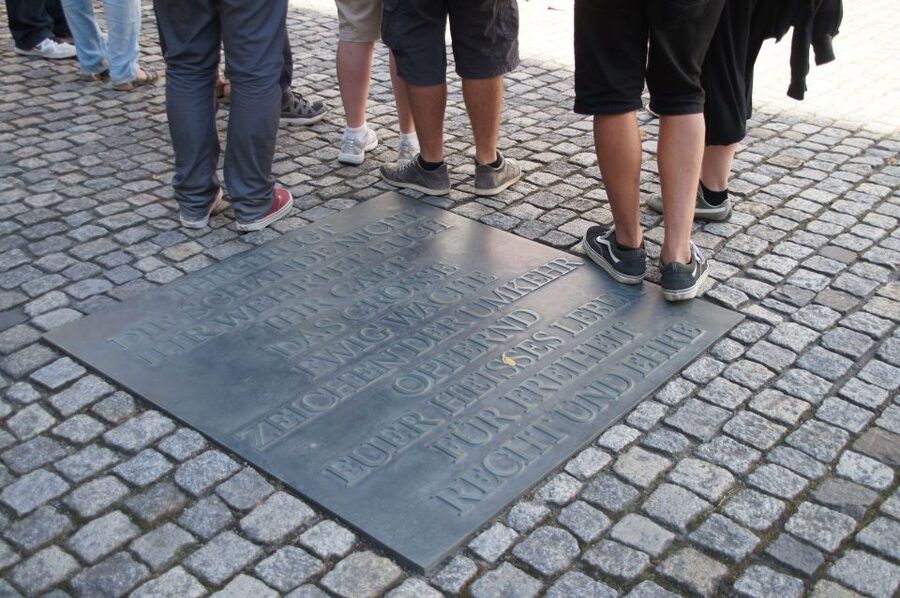
The route passes the Memorial to the Sinti and Roma Victims of National Socialism. This is an important stop because it widens the story beyond Hitler, the army, and the best-known government buildings.
The memorial connects the tour to the Nazi persecution of Sinti and Roma people. It also provides a pause for considering how the regime classified, targeted, and murdered groups it considered enemies or outsiders. The supplied details do not specify the exact length of the stop, so expect the guide to place it within the larger route rather than treat it as a separate museum visit.
From here, the guide discusses Nazi plans for Germania, the proposed future capital of the world. This subject gives you a glimpse of the regime’s grand architectural ambitions. Berlin was not simply meant to function as a national capital. Hitler’s vision aimed to reshape it into a monumental display of power.
You should keep your expectations realistic. This is a walking tour, not a full architecture seminar, and the experience does not list an indoor visit to a Germania exhibition or museum. Its value comes from seeing how the planned city fits into the story of dictatorship, propaganda, and control of public space.
The Berlin, Rome, and Tokyo Axis outside the embassies
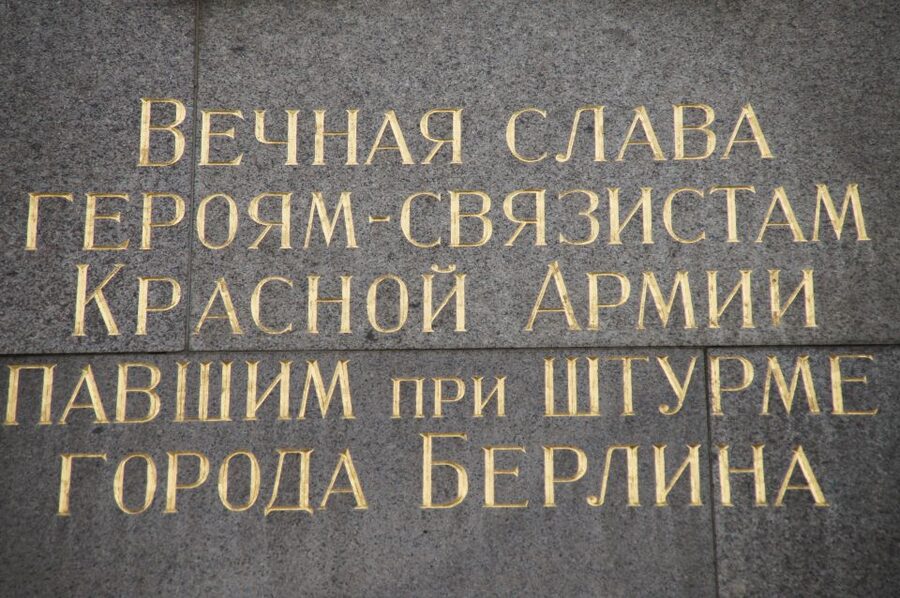
One of the route’s more unusual details is the discussion of the Berlin, Rome, and Tokyo Axis in front of the Italian and Japanese embassies. These are not just random diplomatic buildings placed along the route. They help the guide explain Germany’s political and military alignment with Italy and Japan.
This stop gives the international side of the Third Reich a physical setting. You are not only hearing about Nazi Germany as an isolated dictatorship. You are also considering its relationship with two other major Axis powers and the way those ties shaped the wider war.
The embassy setting also breaks up the route’s sequence of memorials and former ministries. It adds variety without pulling the tour away from its main theme. At the same time, you should expect an exterior explanation rather than an embassy interior visit. The provided details identify the locations as stops for discussion, not as buildings open to the group.
For me, this is exactly the kind of stop that makes a city walk more useful. It does not require a grand monument. A street corner can explain international politics when the guide gives it proper context.
A different side of Berlin on the same trip:
- Discover Berlin Half-Day Walking Tour
★ 5.0 · 9,624 reviews - Berlin: Hop-on Hop-off Bus Tour with Live Commentary
★ 4.3 · 8,579 reviews - Berlin: Government District around the Reichstag Guided Tour
★ 4.7 · 8,447 reviews - Berlin: Reichstag, Plenary Chamber, Cupola & Government Tour
★ 4.6 · 8,422 reviews
Wilhelmstrasse and the machinery of Nazi government
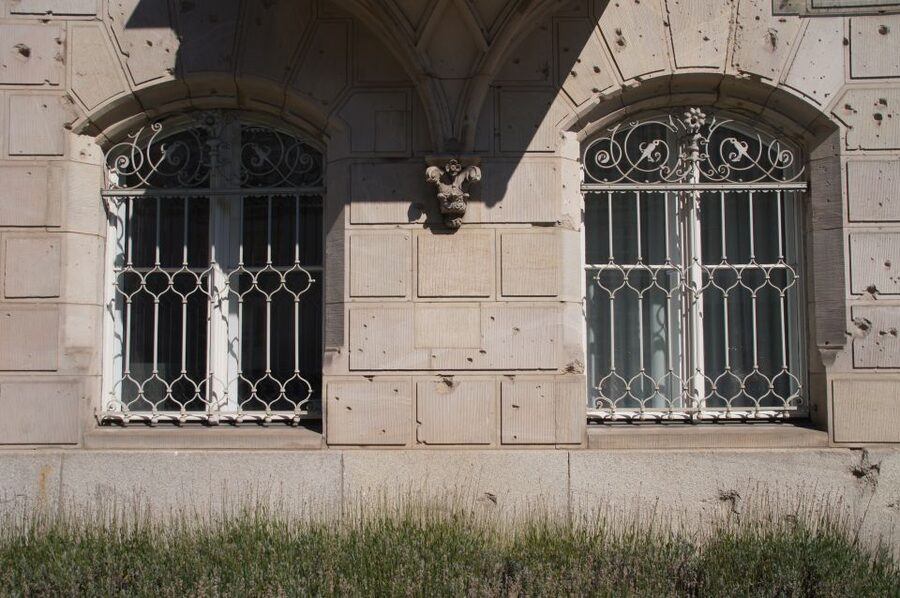
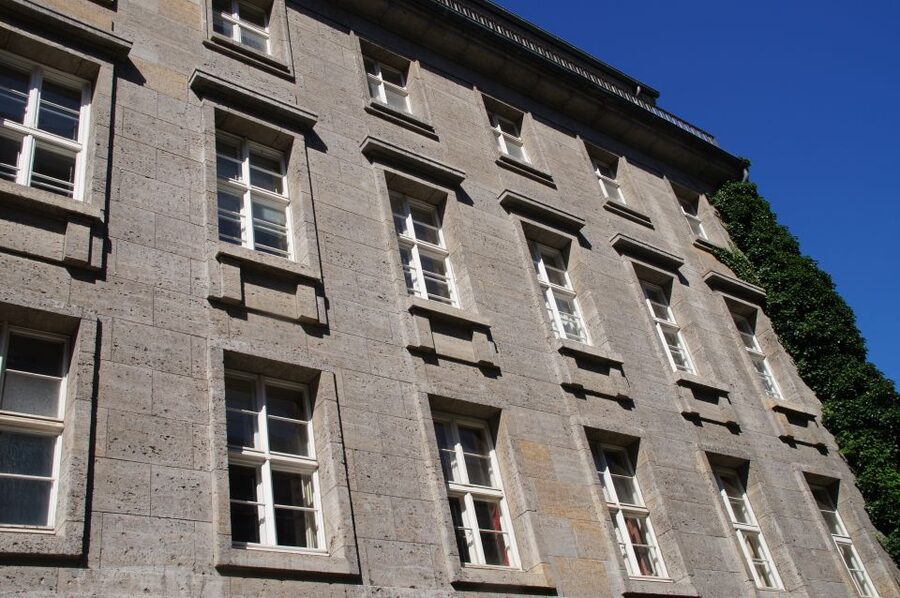
The walk continues along Wilhelmstrasse toward the Luftwaffe Ministerium, or Air Defense Ministry. This section focuses on the physical machinery of the Nazi state and the officials who helped operate it.
Wilhelmstrasse is valuable because it lets you connect government offices with the policies discussed earlier. The route is not only about Hitler’s personal story. It also asks you to think about ministries, propaganda, military administration, and the people who carried out the regime’s plans.
The Luftwaffe Ministry is especially useful as a surviving piece of the Nazi government setting. You will see the building from outside and hear about its role. The tour information does not promise entry, so plan on an exterior stop.
The route also includes the former Nazi Propaganda Ministry. That brings the discussion of Goebbels back into the physical city. Hearing about propaganda in a classroom is one thing. Standing beside the former ministry helps you connect the ideas to the bureaucracy that promoted them.
This part may appeal most to you if you want more than a Hitler biography. The tour looks at the wider system, including ministers, government departments, political alliances, and plans for Berlin. If you prefer a brief overview with only the most famous names, four hours may feel more detailed than necessary.
Finishing at the former Führer Chancellery and bunker site
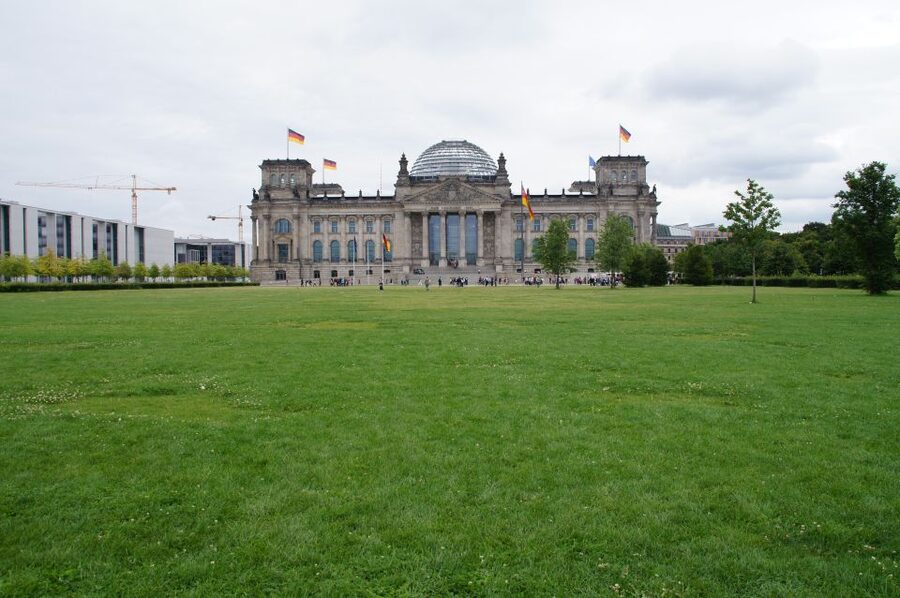
The final stop is the exact spot where the Führer Chancellery once stood. The tour ends by discussing Hitler’s last days in his bunker, making this a natural closing point for the story.
The physical setting requires careful expectations. The Chancellery and bunker are not presented as an intact attraction, and the experience does not include an underground bunker visit. You are visiting the location and using the guide’s explanation to understand what happened there.
That absence is part of the lesson. The Nazi leadership left behind places that can be visited, altered, or erased, but the historical meaning does not depend on a preserved room. A good guide can explain the site without turning it into a spectacle.
The ending also works well in narrative terms. The walk has moved from the conditions that helped Hitler rise, through the government and propaganda system, to the collapse of the regime. You finish with the final days rather than with a triumphant monument, which keeps the focus on consequences instead of mythology.
How the $29 price compares with the time you get
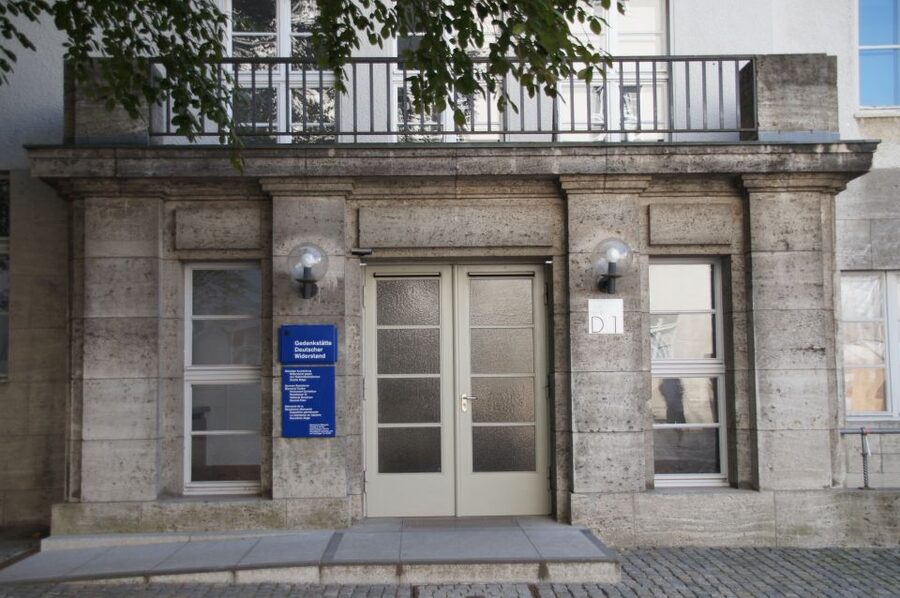
At $29 per person, the tour offers four hours with a live Spanish-speaking guide. The value is strongest if you want a structured history lesson while walking through the places connected to the subject.
You are paying for interpretation, not admission tickets to museums or monuments. The listed inclusions cover the Spanish-speaking guide and the four-hour tour. Public transport for zones AB is extra, so add that cost when planning your day.
The route covers several themes that would be hard to organize alone: Versailles and Weimar, Hitler’s rise, Goebbels’ propaganda, the Sinti and Roma persecution, Germania, the Axis alliance, Nazi ministries, and the bunker site. If you tried to build that sequence yourself, you would need to research the locations and arrange them in a sensible order.
The value is less clear if you want interior access or a museum-based experience. Nothing in the tour description promises entry into the Luftwaffe Ministry, the Propaganda Ministry, the embassies, or the former bunker. You are buying a guided outdoor route with historical commentary.
The 4.8 rating from 36 reviews suggests a strong overall response, but the individual comments also offer a useful warning. One four-star assessment described the information as detailed while finding some pauses unnecessary. That tells you the tour may favor explanation over speed. For a subject this serious, that is not automatically a fault, but it may matter if you have limited time in Berlin.
The Spanish guides and the style of the experience
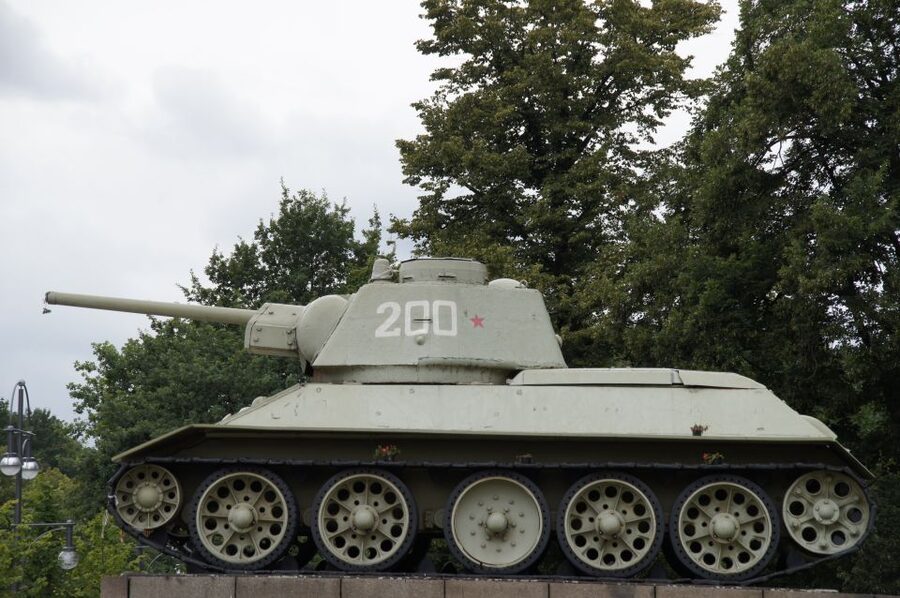
The guide is the heart of this activity. The route itself is meaningful, but the sites are often exterior locations or open urban spaces. Your understanding will depend on how well the guide supplies context.
Sam has been singled out for exceptional service and strong information. Martín is praised as an excellent guide, while Celia is described as patient, well informed, and willing to help. These details suggest an experience shaped by the individual guide, so listen for clarity and ask questions when the group pauses.
The Spanish language option is a major reason to choose this tour. Difficult subjects are easier to follow when you can process political terms, names, and dates in your strongest language. It also gives Spanish-speaking visitors a chance to discuss the material without translating every point in their heads.
Do not expect entertainment in the usual sightseeing sense. The tour deals with dictatorship, persecution, war, and mass violence. A good experience here should be thoughtful and direct, not theatrical. The strongest parts are likely to be the connections between places and events.
The activity is wheelchair accessible according to the supplied information. You should still take the length of the four-hour route into account and confirm any personal mobility concerns when booking, since the details do not specify the exact pavement, rest points, or route conditions.
Who will get the most from this four-hour walk
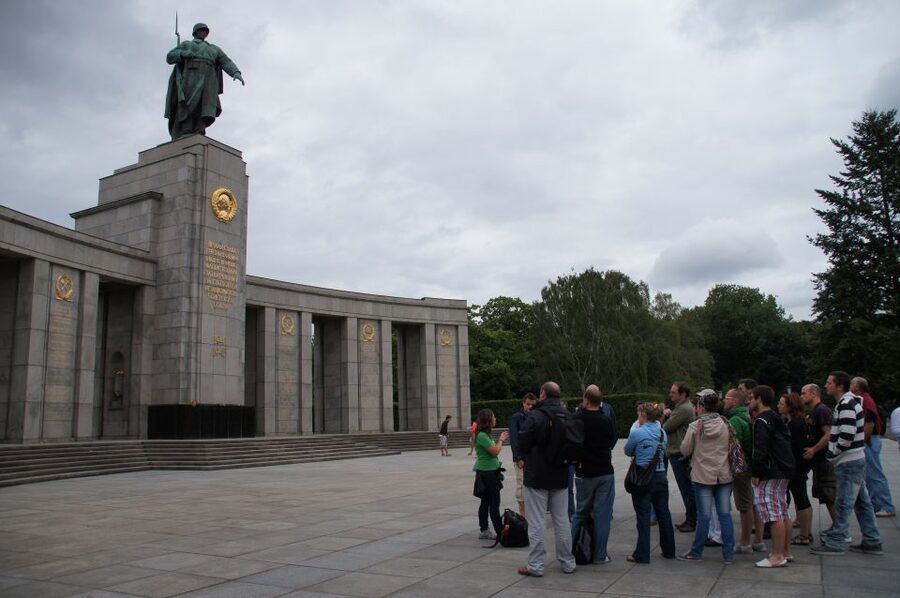
I would choose this tour if you want a broad introduction to Berlin under National Socialism and prefer learning in Spanish. It suits you especially well if you want the political background, the government structure, and the international setting alongside the famous final bunker story.
It is also a good choice for a first visit to Berlin when you want to understand why certain places matter before visiting museums on your own. The route can provide a framework for later stops, though no museum admission is included.
History-focused adults, students, and families with older children may find the structure useful. The subject is serious, so parents should decide if the content fits their children. The supplied information does not set a minimum age or give a child-specific format.
You may want a different activity if you need a quick tour, dislike extended walking, or want to spend most of your time indoors. The detailed format and occasional pauses are part of the experience, not a minor add-on.
Practical advice for the meeting point and route
Wear shoes suitable for four hours of city walking. The tour includes streets, memorial areas, government buildings viewed from outside, and several stops where you will listen rather than enter.
Bring your AB public transport ticket. It is specifically required and not included in the $29 cost. Even if you expect to walk most of the time, do not treat this as an optional extra.
Plan to arrive at the green tours en español flag beside the Fernsehturm entrance. The nearby Espresso House is a useful visual marker. Since Alexanderplatz has both a train station and a large public square, allow a little time to orient yourself.
The activity allows free cancellation up to 24 hours before the start for a full refund. You can also reserve now and pay later, which helps if your Berlin schedule is still changing. Check the available starting times before committing, since the duration is fixed but the start time is not given here.
Should you book Berlín y el Nacionalsocialismo?
Book it if you want a serious, Spanish-language walking tour that ties Berlin’s Nazi past to actual streets and buildings. The strongest reasons are the clear historical sequence, the mix of familiar and less obvious sites, and the chance to hear about ministries, propaganda, the Axis alliance, Germania, and the bunker site in one four-hour route.
Think twice if you want museum interiors, a short highlights walk, or a tour built mainly around dramatic ruins. You will need a separate AB transport ticket, and some pauses may feel slow if you prefer to keep moving.
For $29, the experience is a solid value for readers who want context rather than a checklist of famous addresses. Choose it early in your Berlin stay if you want a foundation for understanding the city’s most difficult chapter.
FAQ
How long does the tour last?
The tour lasts four hours.
What language is the tour conducted in?
The live tour guide speaks Spanish.
How much does the tour cost?
The listed price is $29 per person.
Where is the meeting point?
Meet beside the only entrance to the Fernsehturm at Alexanderplatz, between the television tower and Alexanderplatz train station, next to Espresso House. Look for the green flag marked tours en español.
Is public transportation included?
No. You need a public transport ticket for zones AB, and it is not included in the tour price.
What historical period does the tour cover?
The tour covers the period from the Treaty of Versailles and the Weimar Republic through Hitler’s rise, the Third Reich, and Hitler’s final days in the bunker.
Does the tour visit the Italian and Japanese embassies?
The route stops in front of the Italian and Japanese embassies to discuss the Berlin, Rome, and Tokyo Axis. The supplied information does not state that the group enters the embassies.
Does the tour enter Hitler’s bunker?
No interior visit is specified. The tour ends at the exact location where the Führer Chancellery once stood and discusses Hitler’s final days in the bunker.
Is the tour wheelchair accessible?
Yes. The activity is listed as wheelchair accessible.
Can I cancel for a full refund?
Yes. You can cancel up to 24 hours in advance for a full refund. You can also reserve now and pay later.
Just added around Berlin
- Berlin Highlights in One Day★ 5.0 · 3 reviews
- Private Berlin One Day Tour with a Local: See the City Unscripted★ 3.5 · 3 reviews
- Individual city tour Berlin for max. 8 persons★ 5.0 · 3 reviews
- Transfer from Berlin Schönefeld Airport (SXF) to Berlin city Hotels – ROUND TRIP★ 4.0 · 3 reviews
- Berlin: Museum Island Tour★ 5.0 · 3 reviews
- Private Analogue Photography Experience in Berlin★ 5.0 · 3 reviews
- Berlin: Local Food Tour in Secrets Hidden Gems★ 4.0 · 3 reviews
- Berlin & The Third Reich Private Guided Tour★ 5.0 · 3 reviews
Tours, compared.
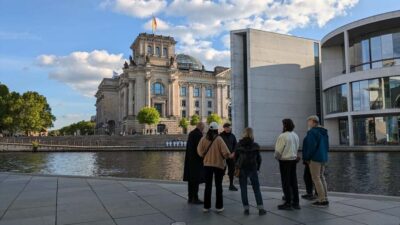
Reichstag, Dome and Government District Guided Tour
Read our review →
1-Hour City Tour by Boat with Guaranteed Seating
Read our review →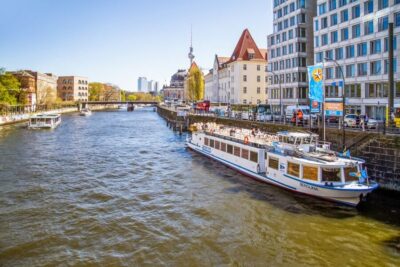

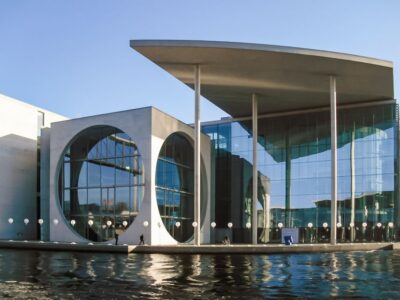
Reichstag, Plenary Chamber, Cupola & Government Tour
Read our review →