
Review · TICKETS
Berlin: Deutschlandmuseum – Flexible Entrance Ticket
The Deutschlandmuseum turns German history into a walk-through show, with twelve historical eras presented through staged scenes, period objects, and interactive media. You move from the Battle of Varus to the 2006 summer fairy tale, seeing major moments rather than reading a long wall of text.
I like the clear storytelling and the chance to use more than one sense while learning. I also like the flexible ticket, which lets you arrive without pre-registration and use a separate entrance. The main drawback is that this is an introduction, not a detailed history course, and the experience can feel crowded at busy times.
In This Review
- Key points
- What the Deutschlandmuseum is trying to do
- From the Battle of Varus to the 2006 summer fairy tale
- Why the staged scenes work
- A sensory approach that keeps the pace moving
- The experience is fun, but not a substitute for a full museum day
- Crowd levels can change the quality of the visit
- Who will get the most from the $30 price
- How to plan your one-day visit
- How it compares with a traditional history museum
- Best for families, first-time visitors, and visual learners
- Should you book the Deutschlandmuseum?
- FAQ
- How long is the Deutschlandmuseum ticket valid?
- Do I need to pre-register my arrival?
- Can I skip the admission line?
- What does admission to the Deutschlandmuseum include?
- Is the Deutschlandmuseum wheelchair accessible?
- Can I cancel the booking?
- Can I reserve now and pay later?
Key points
- Twelve eras in one visit: Follow German history from the Battle of Varus through the 2006 World Cup.
- History presented as scenes: Period objects, staged settings, and interactive media make each section easy to follow.
- Good for families: The simple explanations and hands-on format work well for children and adults together.
- A broad rather than deep survey: You get the main story and atmosphere, but not extensive historical detail.
- Flexible one-day entry: Arrive without booking a specific time in advance and use the separate entrance.
- Wheelchair accessible: The museum is listed as accessible for wheelchair users.
What the Deutschlandmuseum is trying to do

The Deutschlandmuseum takes a different route from a traditional history museum. Instead of asking you to walk past row after row of objects with lengthy labels, it builds historical moments into staged environments.
That choice matters. German history covers two thousand years, and a museum trying to explain all of it can easily become a procession of dates and names. Here, each of the twelve eras gives you a setting, objects from the period, and media that help explain what you are seeing.
I would think of it as a historical introduction with theatrical touches. You are not simply looking at an old item in a glass case. You are being given a scene and a basic explanation of why that moment matters.
The approach is especially useful if you are visiting Berlin with children, or if you want a quick way to place later sightseeing in context. It can also suit adults who prefer visual learning to long academic displays.
A few more Berlin tours worth weighing up
- Berlin: Jewish Museum Berlin Entrance Ticket
★ 4.5 · 8,393 reviews - Berlin: Berlin Story Bunker Entry Ticket
★ 4.6 · 6,759 reviews - Berlin: Illuseum Berlin Entrance Ticket
★ 4.1 · 3,970 reviews
From the Battle of Varus to the 2006 summer fairy tale
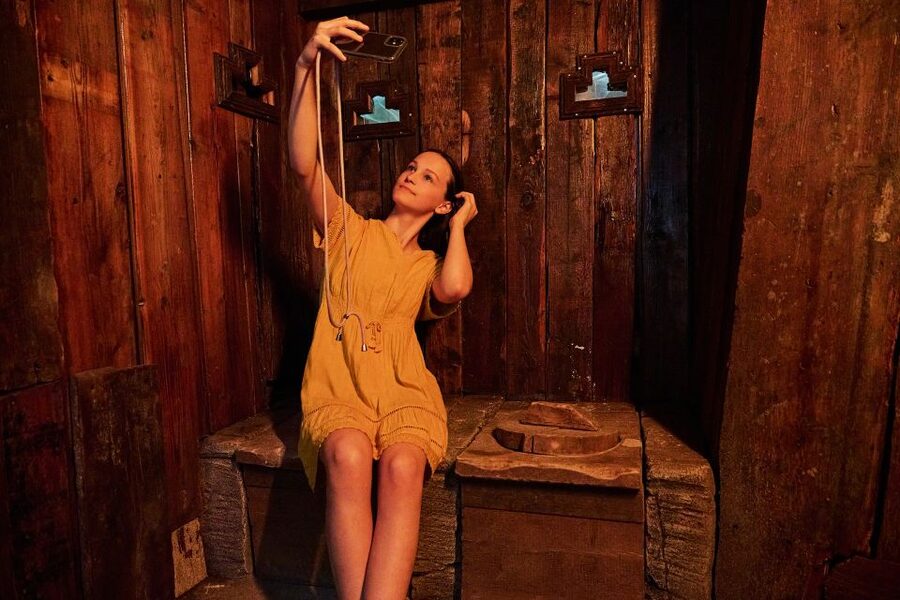
The museum covers a wide stretch of time, beginning with the Battle of Varus and continuing through twelve eras to the 2006 World Cup period, often remembered in Germany as a summer fairy tale.
That range is one of the ticket’s main strengths. You can connect ancient events with more recent German life in one visit, rather than treating them as separate subjects. The shift from early German history to modern national identity gives the experience a broad sweep.
The individual scenes are equipped with historical exhibits from their period. You might find that an object catches your attention first, then the surrounding media explains its setting. Or you may understand a period through the staged environment before examining the objects more closely.
Do not expect every era to receive equal space or detail. Twelve stops across two thousand years require firm editing. The result is easier to take in, but it leaves little room for every political, social, and regional thread.
Why the staged scenes work
Historical staging can be a gimmick when it replaces substance. At the Deutschlandmuseum, its value depends on what you want from the visit.
If your goal is a specialist account of German history, you may find the treatment too light. A short visit cannot explain every cause, consequence, debate, and regional difference. One German-language comment described the displays as very clear, interesting, and varied, while also noting that they do not go far into historical detail. That is a fair way to set your expectations.
If you want a readable overview, the staging helps. A scene gives you a visual anchor. Interactive media can add movement or explanation. Period exhibits provide a link to actual historical material. Together, they make the story less abstract than a list of rulers and dates.
I particularly like this format for a first visit to Berlin. You can leave with a basic framework, then look at other museums or landmarks with more questions in mind. The Deutschlandmuseum is best used as a starting point, not as your only source for German history.
A sensory approach that keeps the pace moving
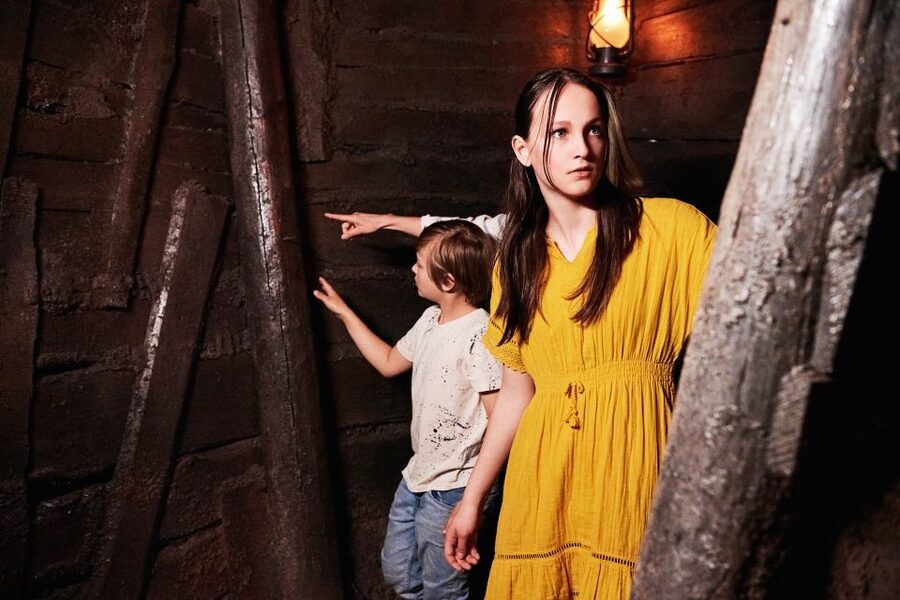
The museum presents history through all your senses, rather than relying only on reading. The exact mechanics of each display are not specified, so I would avoid expecting a particular type of special effect. What is clear is that interactive media and physical staging play a central role.
This keeps the visit active. You are moving through a sequence of settings instead of standing in one large gallery and deciding which labels to read. For many people, that makes it easier to maintain attention across a long time span.
The pace may also suit families. One four-star assessment specifically described the atmosphere as pleasant for children and the history as easy to explain. That does not mean every child will be absorbed at every stop, but the format is more approachable than a museum built around dense text.
You should still allow yourself time to pause. Interactive museums can tempt you to hurry from one attraction to the next. If you want the historical thread, read the main explanations and notice how each period leads into the next.
A different side of Berlin on the same trip:
- Berlin: Reichstag, Dome and Government District Guided Tour
★ 4.7 · 18,288 reviews - Berlin: 1-Hour City Tour by Boat with Guaranteed Seating
★ 4.3 · 16,993 reviews - Berlin: Boat Tour Along the River Spree
★ 4.4 · 11,252 reviews - Discover Berlin Half-Day Walking Tour
★ 5.0 · 9,624 reviews
The experience is fun, but not a substitute for a full museum day
The Deutschlandmuseum openly puts fun near the center of its appeal. That is not a weakness by itself. A museum that makes you curious can be more useful than one that gives you every fact but loses your attention.
The practical question is what kind of fun you want. This is not described as a guided tour, a live performance, or a historical reenactment with named guides. It is a self-guided museum experience built from interactive media, exhibits, and scenes.
That gives you freedom. You can move at your own pace and focus longer on the eras that interest you. It also means you will not have a guide adjusting the explanation for your questions or adding personal stories.
I would book it if you want a lively overview with a clear route. I would look elsewhere, or pair it with a more traditional museum, if you want detailed research, original documents, or a long examination of one period.
Crowd levels can change the quality of the visit
The flexible ticket is convenient, but flexibility does not guarantee a quiet museum. One three-star assessment described the space as too full and said the experience became less enjoyable as a result.
That is the most useful caution to keep in mind. Interactive displays work best when you can stand close, take your turn, and hear or read the explanation without being pushed along. In a crowded room, the same scene may feel more like a queue than a lesson.
Because the ticket is valid for one day and does not require pre-registration, check the available starting times before you go. If several options are shown, choosing a less busy period may make a real difference. The supplied details do not promise a specific crowd level, so treat this as a practical planning point rather than a guarantee.
A separate entrance helps with admission and is designed to let you skip the main line. It does not necessarily mean every display will be empty once you enter.
Who will get the most from the $30 price
At $30 per person, the ticket is not a casual bargain for every Berlin visitor. Its value depends on how much you enjoy interactive museum design and how much time you give the visit.
The price makes more sense if you want:
- A single attraction covering a very broad period
- A family-friendly way to introduce German history
- A self-guided visit with no fixed booking time
- A museum that uses scenes and media instead of long labels
- A convenient stop that works in poor weather
The value is weaker if you already know German history well and want new detail. You may move quickly through the displays and feel that the treatment is too general for the cost.
I would also avoid judging the ticket only by the number of objects on display. The admission pays for the combination of set design, media, historical objects, and the effort to make a large subject easy to follow. That is a different proposition from a conventional collection museum.
How to plan your one-day visit

The ticket is valid for one day, but the information provided does not give a fixed visit length. You should check the available starting times and plan around the rest of your Berlin day.
The flexible appearance policy is useful if your schedule is uncertain. You do not need to pre-register for a particular arrival, and the booking option lets you reserve now and pay later. Free cancellation is available up to 24 hours in advance for a full refund.
Those terms reduce the risk of fitting the museum into a changing itinerary. You can place it between other Berlin plans without committing to a rigid time slot. Still, check the exact availability shown when booking, since the ticket information directs you to available starting times.
The museum is wheelchair accessible, which removes one common planning concern. If you need more detailed information about specific displays or facilities, confirm those points directly before your visit.
How it compares with a traditional history museum
A conventional history museum often gives you more detail, more original material, and more control over what you study. The Deutschlandmuseum gives you a more directed story and a stronger sense of place.
Neither format is automatically better. If you learn by reading, you may want to supplement this visit with another museum. If you learn through visuals, sound, staged settings, and short explanations, the Deutschlandmuseum may help the broad story stick.
The twelve-era structure also makes it easier to understand change over time. You can see that Germany was not one unchanging country across two thousand years. The selected turning points provide a sequence, even if they cannot cover every group or region in equal depth.
That editing is both the museum’s strength and its limit. It keeps the visit approachable, but it means you should not mistake a clear outline for a complete account.
Best for families, first-time visitors, and visual learners
I would recommend the Deutschlandmuseum most strongly to three groups.
Families get a format that can hold a child’s attention better than a room of text panels. The accessible explanations and varied displays also let adults add context without turning the visit into a lecture.
First-time visitors to Germany may appreciate the broad introduction. The museum can help you recognize major periods and themes before visiting other Berlin sites. It gives you a basic map of the subject.
Visual and hands-on learners may find the format especially effective. The scenes and interactive elements give each era a physical identity, which can make the sequence easier to remember.
I would be more cautious for history specialists, visitors seeking a quiet contemplative museum, and anyone who dislikes staged attractions. The theatrical design is central to the experience, not a minor extra.
Should you book the Deutschlandmuseum?
Book this ticket if you want a lively, self-guided introduction to German history and you value clear storytelling over exhaustive detail. The combination of twelve eras, period exhibits, interactive media, flexible entry, and wheelchair access makes it a practical choice for many Berlin itineraries.
Think twice if you expect a scholarly treatment or if crowded interactive spaces frustrate you. The most sensible plan is to visit with realistic expectations: this is a broad, entertaining history experience that can make Germany’s past easier to grasp, but it will not answer every question.
At $30, I see the best value for families, first-time visitors, and anyone looking for an engaging indoor activity. If that sounds like your kind of museum, the flexible ticket gives you a convenient way to fit it into your day.
FAQ
How long is the Deutschlandmuseum ticket valid?
The ticket is valid for one day.
Do I need to pre-register my arrival?
No. The ticket allows a flexible appearance without pre-registration.
Can I skip the admission line?
Yes. The ticket includes access through a separate entrance for skip-the-line entry.
What does admission to the Deutschlandmuseum include?
It includes entry to the Deutschlandmuseum.
Is the Deutschlandmuseum wheelchair accessible?
Yes. The activity is listed as wheelchair accessible.
Can I cancel the booking?
Yes. You can cancel up to 24 hours in advance for a full refund.
Can I reserve now and pay later?
Yes. The reserve-now, pay-later option lets you book without paying at the time of reservation.
Just added around Berlin
- Berlin Highlights in One Day★ 5.0 · 3 reviews
- Private Berlin One Day Tour with a Local: See the City Unscripted★ 3.5 · 3 reviews
- Individual city tour Berlin for max. 8 persons★ 5.0 · 3 reviews
- Transfer from Berlin Schönefeld Airport (SXF) to Berlin city Hotels – ROUND TRIP★ 4.0 · 3 reviews
- Berlin: Museum Island Tour★ 5.0 · 3 reviews
- Private Analogue Photography Experience in Berlin★ 5.0 · 3 reviews
- Berlin: Local Food Tour in Secrets Hidden Gems★ 4.0 · 3 reviews
- Potsdam Highlights – Private sightseeing tour by minibus★ 5.0 · 3 reviews
Tickets, compared.






Sanssouci Palace and Prussian Palaces Entry Ticket
Read our review →