
Review · STREET ART
East Meets West: Berlin Food Culture & Street Art
Berlin’s food story is really a people story. On this 3.5-hour walk from Friedrichshain to Kreuzberg, you taste the city’s German, Turkish, Ukrainian, and modern vegan sides while crossing old East and West Berlin. The food gives you a reason to keep walking, but the best moments come when a guide links a schnitzel or donut to the neighborhood around you.
I like the small maximum of eight. It keeps the walk personal and makes it easier to ask about Nazi-era Berlin, Communist East Berlin, migration, or the city’s current food culture. I also like the range: East Side Gallery, a Berlin schnitzel, Turkish street food, Ukrainian food, currywurst, Berliner beer, and vegan donuts all fit into one route.
The main consideration is value. At $169.38 per person, this is not a cheap snack crawl, and one three-star assessment found the food stops too basic for the price. You should book it for the guide, context, and variety, not simply for the quantity of food.
In This Review
- Key points to know before booking
- Why this route explains modern Berlin so well
- Friedrichshain and East Side Gallery: a short but important opening
- Schnitzel, street art, and stories from Berlin’s past
- Ukrainian soul food and the city’s changing table
- Markthalle Neun: Berlin’s food culture under one roof
- Turkish Kreuzberg, currywurst, and the immigrant city
- How much food do you actually get?
- Is $169.38 a fair price?
- Timing, walking, and practical details
- Who should book this Berlin food walk?
- Should you book East Meets West?
- FAQ
- Where does the tour begin?
- Where does the tour end?
- What time does the tour start?
- How long does the experience last?
- How many people can join the tour?
- Is food included?
- Is a BVG transport ticket included?
- Is a vegetarian option available?
- Should I share dietary requirements in advance?
- Can I cancel for a full refund?
Key points to know before booking
- Six local tastings plus drinks give you a broad sample rather than one large sit-down meal.
- Friedrichshain, East Side Gallery, and Kreuzberg let you cross from former East Berlin into former West Berlin on foot.
- A group of up to eight suits people who want room for questions and conversation.
- The food reflects Berlin today, with German, Turkish, Ukrainian, coffee, currywurst, and vegan options in the mix.
- Guides including Lee, Elena, Tiago, and Will have been praised for explaining food, culture, and Berlin’s past.
- Moderate walking and a separate BVG ticket mean you should wear good shoes and budget for local transport.
Why this route explains modern Berlin so well
Start at Industriepalast Hostel on Warschauer Strasse in Friedrichshain at noon. This former East Berlin neighborhood is introduced as a home of revolutionary East Berliners, and that matters because the tour is not just about eating your way through fashionable districts. It gives you a quick frame for understanding how political change shaped the streets.
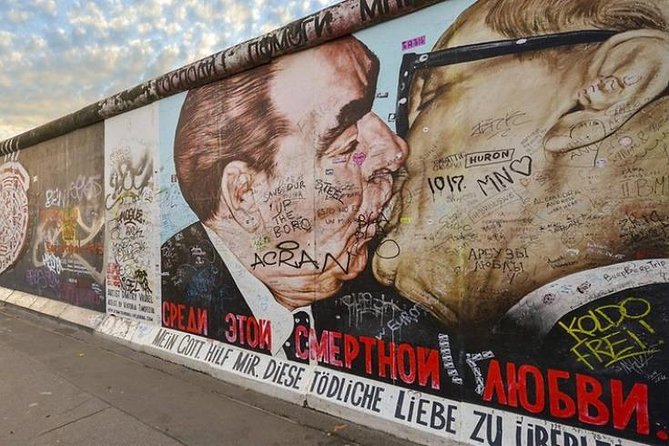
The tour then moves through the East Side Gallery, the longest remaining stretch of the Berlin Wall. You get about 20 minutes here to see the political murals and touch an actual surviving section of the Wall. That is a useful stop, though it is brief. If you want to study the paintings at length or see the gallery without a group, you will need to return on your own.
From there, you cross toward former West Berlin and Kreuzberg. The walk connects two districts that once belonged to different political systems, then shows how both are now part of one food-focused city. I find that transition more useful than checking off isolated sights because you can feel the change in the city’s story as the route moves along.
More street art in Berlin:
- Berlin: City Street Art Guided Walking Tour
★ 4.8 · 886 reviews - Berlin: 3-Hour Street Art Tour
★ 4.7 · 778 reviews - Berlin Street Art Walking Tour – Off The Grid
★ 5.0 · 270 reviews
Friedrichshain and East Side Gallery: a short but important opening
The Friedrichshain section lasts about 20 minutes. Expect orientation, neighborhood stories, and a look at the area’s East Berlin identity rather than a long architectural tour. If your main goal is to see major monuments, this is not the right format. If you want a local introduction before the food begins, it sets up the rest of the walk well.
The East Side Gallery adds a powerful visual stop. Its murals turn a remnant of division into public art, and the guide connects the paintings to the political meaning of the Wall. You receive admission as part of the experience, but the stop is only about 20 minutes, so keep your camera ready and do not expect a full gallery visit.
The route then crosses over toward Kreuzberg. This is one of the tour’s strongest ideas: you do not only hear about East and West Berlin, you walk from one side into the other. The 30-minute Kreuzberg portion introduces a district known for food trends, bars, street art, and a complicated political past.
Schnitzel, street art, and stories from Berlin’s past
At Scheers Schnitzel, you stop at a Berlin institution for schnitzel served in the local style. The tasting gives you a traditional German anchor before the route turns toward the city’s immigrant and newer food cultures.
Food tours work best when the portions are not too large at the beginning. Several accounts of this experience make clear that the tastings add up. You should arrive hungry and avoid planning a full meal immediately before the tour. One person specifically found the portions substantial enough to skip dinner afterward.
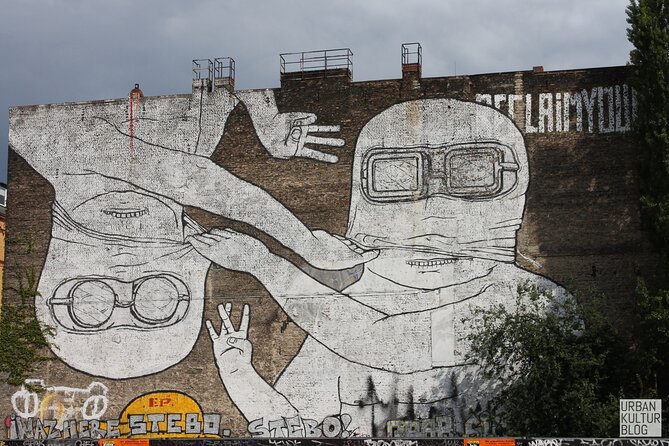
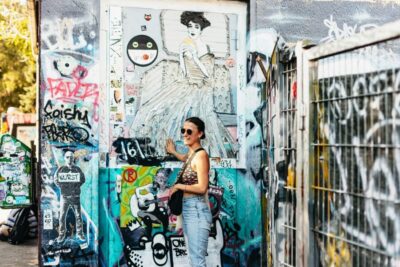
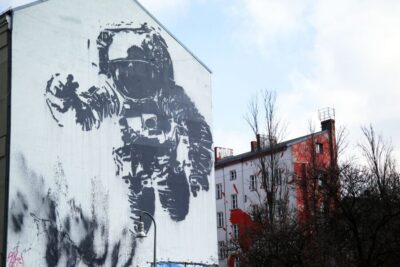
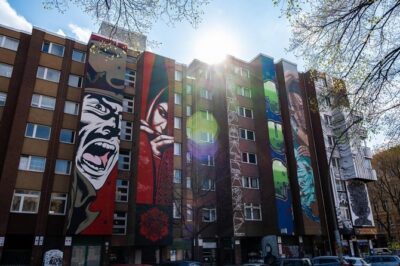
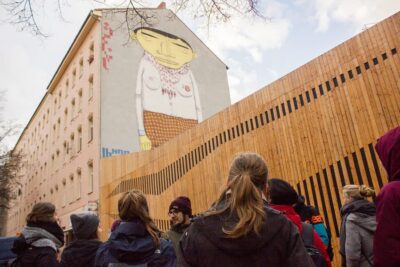
The next street-art stop lasts around 15 minutes. Kreuzberg is treated as a major European center for street art, and the guide uses a well-known mural to talk about East and West, the past, and Berlin’s direction now. This is not a workshop or a long art lecture. It is a quick chance to look closely at one piece while hearing why public walls matter in this city.
The historical material can be intense. The route includes stories about Nazi Germany and references to SS soldiers who once walked these streets. That gives the food stops a serious counterweight, but the balance may not suit someone seeking a lighthearted afternoon. I appreciate the contrast because Berlin’s cafés and murals can otherwise make the city’s difficult past too easy to overlook.
Ukrainian soul food and the city’s changing table
Slava Berlin introduces a modern Ukrainian presence through an immigrant women-led restaurant. The tasting connects food with migration and with Berlin’s continuing change. It is a more current story than the Wall material, and that shift keeps the route from becoming a simple tour of Cold War sights.
The food mix can vary. One account describes German, Ukrainian, Turkish, Chinese, and other samples, while the listed route names the Ukrainian stop specifically. That means you should expect a broad selection, but not assume every tour will serve exactly the same items in exactly the same order.
This is one reason the guide matters so much. Lee, Elena, Tiago, and Will have each been singled out for clear explanations of Berlin, food, and local culture. Elena was especially praised for taking the group to places that felt local, while Tiago was noted for linking the food with the area’s past. You may not receive one of those specific guides, but the experience depends heavily on the person leading it.
More food tours in Berlin:
- Berlin Center Food Tour with 8+ Authentic Local Tastings
★ 5.0 · 1,227 reviews - Berlin City Bike Tour with Beer Garden Stop
★ 5.0 · 917 reviews - Kreuzberg: Culinary Food Tour
★ 4.5 · 770 reviews - Berlin: BRLO BRWHOUSE Tour and Craft Beer Tasting
★ 4.4 · 654 reviews
Markthalle Neun: Berlin’s food culture under one roof
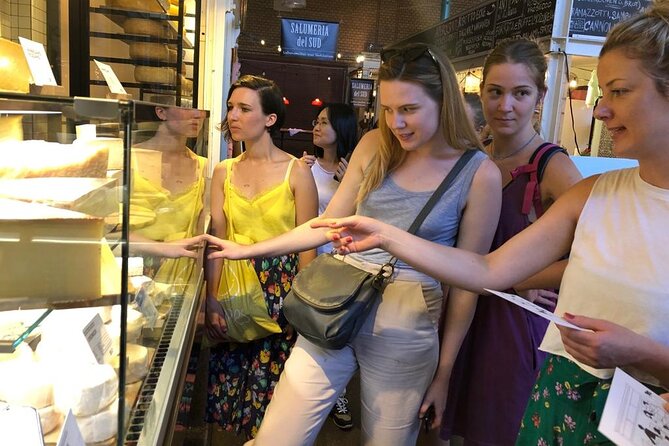
Markthalle Neun is the route’s biggest food setting. The refurbished market hall dates to the early 1900s and survived the destruction of World War II as well as later pressure toward commercial redevelopment. Today it is known for independent food programming and connections with producers around Berlin.
You spend about 30 minutes here. That is enough to understand why the hall matters, but not necessarily enough to explore every stall. The market gives the tour a change of pace after the street stops, and it shows how Berlin’s food culture works as a meeting point for local producers, immigrants, cooks, and newer food businesses.
Do not think of this as free time in a market. You are moving with the group and following the tasting plan. If you want to browse on your own, note the market’s name and return later.
Turkish Kreuzberg, currywurst, and the immigrant city
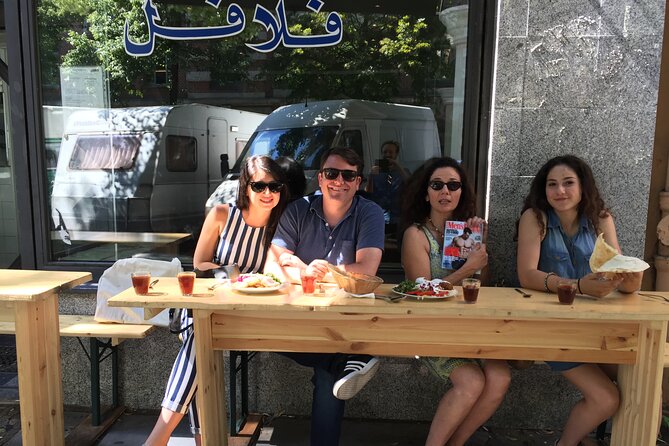
The Turkish stop at Leylak brings the route to one of Kreuzberg’s defining food traditions. Berlin has the largest Turkish community outside Turkey, and the tour explains how Turkish residents helped rebuild and reshape the neighborhood during the 1980s and 1990s.
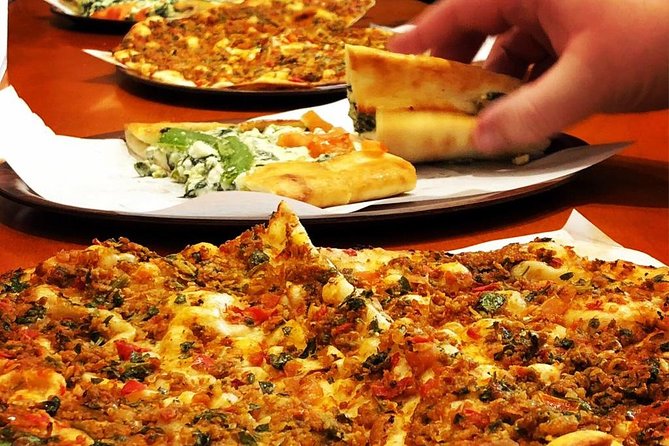
You taste recipes from the Anatolian region in a street-food setting. This is an important part of the route because it avoids treating Turkish food as an optional side note. In Kreuzberg, it is central to the neighborhood’s identity.
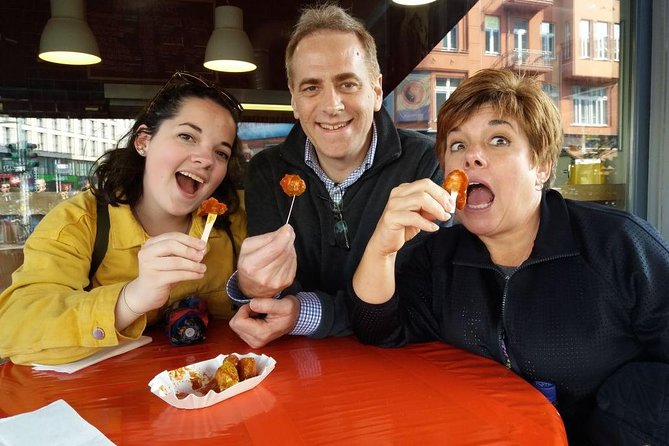
The currywurst stop at Ketels Curry shifts back to a dish most closely tied to Berlin. The guide tells the story of how currywurst changed the city’s eating habits and became part of its public identity. The history behind this humble food is one of the tour’s more entertaining lessons, especially if you already know the dish but not the story attached to it.
The route ends at Brammibal’s Donuts near Maybachufer with vegan donuts. Berlin’s plant-based food culture gets its own final word, and the sweet finish helps show how far the city’s food scene has moved beyond old German staples. The route’s mix is strongest here: traditional comfort food, immigrant street food, market cooking, and contemporary vegan baking all share the same afternoon.
How much food do you actually get?
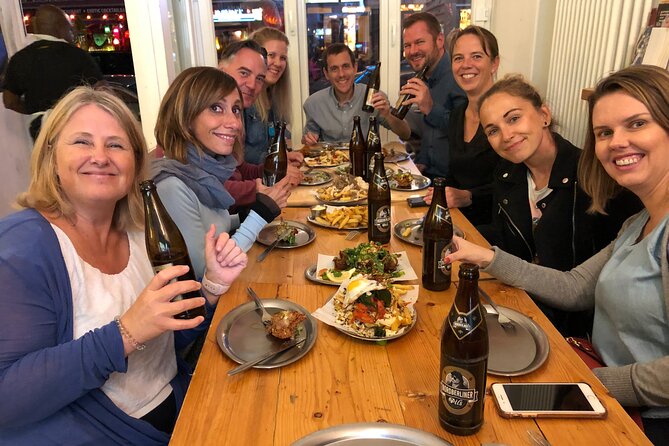
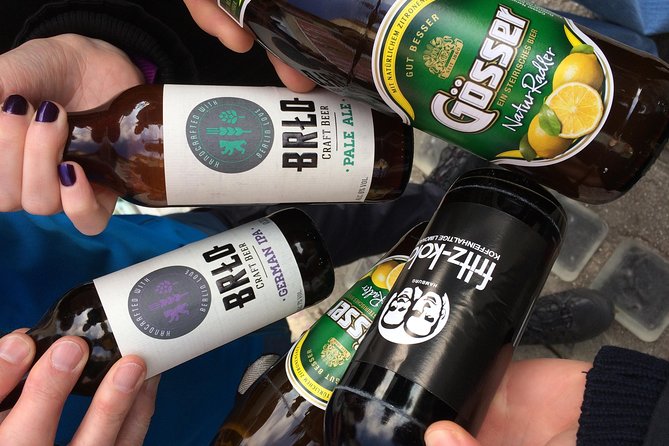
The experience includes six local tastings, beverages, food samples, and a local Berliner Pilsner. The itinerary names more food-related stops than the official tasting count, so some locations may involve a look, explanation, or shared sample rather than a full individual serving.
You should still come hungry. The portions have been described as generous enough to replace dinner, though that will depend on your appetite and the day’s exact selections. The tour is best viewed as a long grazing meal, not six full restaurant courses.
Vegetarian food is available if you tell the operator when booking. Specific dietary requirements should also be given in advance. No wider promise is made about every allergy or restriction, so contact the operator before paying if your diet is strict.
Is $169.38 a fair price?
The price is high for a 3.5-hour walking tour. You are paying about $48 per hour, before considering the food and beer included. Six tastings, a small group, a local guide, and a route across several districts make the price easier to defend, but it is still a premium purchase.
I would judge the value in three parts:
- Food: You receive a wide range of samples, but some stops are inexpensive street-food places rather than formal restaurants.
- Guiding: The strongest accounts praise the guide’s stories and local recommendations. This is likely the biggest part of what you are paying for.
- Access and structure: The tour saves you from planning a route between Friedrichshain, the Wall, and Kreuzberg, while giving the stops a common theme.
If you only want cheap Berlin bites, spend the money elsewhere. If you want a compact introduction to the city’s food, migration, street art, and political past, the price can make sense, especially early in your stay when the guide’s advice may shape the rest of your visit.
Timing, walking, and practical details
The meeting point is Industriepalast Hostel, Warschauer Strasse 43, in Friedrichshain. The scheduled start is 12:00 pm, and the end is at U Kottbusser Tor, near the U8 and U1 lines.
A BVG transport ticket is not included. The published route is mainly on foot, but the operator may use or require local transport depending on the season or route changes. Confirm the meeting time and place by email before departure, since both may change.
Expect a moderate amount of walking. Wear comfortable shoes, and bring a rain jacket or poncho if the forecast looks uncertain. Berlin weather can turn a pleasant street-food route into a tiring one when you are not prepared.
The group maximum is eight, which is a real advantage for anyone who likes to ask questions. The tour is offered in English, includes a mobile ticket, and is open to most participants. Service animals are allowed, and the route is near public transport.
Free cancellation is available up to 24 hours before the start time. If the minimum group size is not met and the tour is canceled, you are offered another date or experience, or a full refund.
Who should book this Berlin food walk?
I would recommend it to a first-time Berlin visitor who wants context with lunch. You get a quick introduction to neighborhoods that can otherwise feel scattered, plus a useful explanation of how war, division, migration, and creative culture shaped what Berliners eat.
It also suits repeat visitors who have seen the main sights and want a more social route through Friedrichshain and Kreuzberg. The street-art and Turkish food sections will likely be more rewarding for you than another standard city-center tour.
I would hesitate if you want a slow restaurant meal, a detailed museum-style history lesson, or a carefully controlled gourmet menu. The walk is active, the food is varied rather than luxurious, and the guide’s quality matters a great deal.
Should you book East Meets West?
Book it if you want to understand Berlin through its neighborhoods and food, and if you value a small group with time for questions. The best version of the experience gives you more than snacks: it links schnitzel, Turkish street food, Ukrainian cooking, currywurst, and vegan donuts to the city’s political and social changes.
Skip it if $169.38 feels too steep for street-food portions or if your main aim is major sightseeing. The East Side Gallery visit is short, and one less enthusiastic assessment found the sights and food too basic for the cost.
For most people, I would place this early in a Berlin visit. Arrive hungry, wear sensible shoes, carry money for a BVG ticket, and tell the operator about dietary needs when booking. That is the best way to get the full value from a compact, food-centered look at modern Berlin.
FAQ
Where does the tour begin?
It begins at Industriepalast Hostel, Warschauer Strasse 43, 10243 Berlin, Germany.
Where does the tour end?
The experience ends at U Kottbusser Tor, near the U8 and U1 lines.
What time does the tour start?
The listed start time is 12:00 pm.
How long does the experience last?
It lasts approximately 3 hours and 30 minutes.
How many people can join the tour?
The maximum group size is eight travelers.
Is food included?
Yes. The tour includes six local tastings, food tasting, beverages, and local Berliner Pilsner beer.
Is a BVG transport ticket included?
No. You need to pay separately for any required BVG transport.
Is a vegetarian option available?
Yes. You must request the vegetarian option when booking.
Should I share dietary requirements in advance?
Yes. You should provide any specific dietary requirements at the time of booking.
Can I cancel for a full refund?
Yes, if you cancel at least 24 hours before the experience start time. Changes or cancellations made less than 24 hours in advance are not accepted for a refund.
Just added around Berlin
- Berlin Highlights in One Day★ 5.0 · 3 reviews
- Private Berlin One Day Tour with a Local: See the City Unscripted★ 3.5 · 3 reviews
- Individual city tour Berlin for max. 8 persons★ 5.0 · 3 reviews
- Transfer from Berlin Schönefeld Airport (SXF) to Berlin city Hotels – ROUND TRIP★ 4.0 · 3 reviews
- Berlin: Museum Island Tour★ 5.0 · 3 reviews
- Private Analogue Photography Experience in Berlin★ 5.0 · 3 reviews
- Berlin: Local Food Tour in Secrets Hidden Gems★ 4.0 · 3 reviews
- Potsdam Highlights – Private sightseeing tour by minibus★ 5.0 · 3 reviews
Street Art, compared.

Street Art and Alternative Tour of Berlin in French
Read our review →
Browse the lists this tour appears in