
Review · ALTERNATIVE BERLIN TOURS
Berlin: Street Art and Alternative Tour
Berlin’s street art makes the city’s Cold War story feel close at hand. On this three-hour small-group walk, you move through Kreuzberg and Friedrichshain, where murals, wall paintings, and smaller pieces trace the city’s split, reunification, political struggles, and changing neighborhoods.
I like the way the tour links art to social history, rather than treating murals as pretty backdrops. I also like the chance to see corners of Kreuzberg that are easy to miss on a standard sightseeing route. The main caution is practical: you need a 24-hour AB public transport ticket, and the meeting point can vary by booking option.
In This Review
- Key points at a glance
- Why Berlin street art needs a history lesson
- Crossing from Kreuzberg into Berlin’s alternative quarters
- East Side Gallery and the former Wall
- From the 1990s revival to modern gentrification
- What the three-hour walk feels like
- The value of a $31 street art tour
- The guides make the difference
- Who should book this walk?
- A useful way to pair it with your Berlin plans
- Should you book Berlin Street Art and Alternative Tour?
- FAQ
- How long does the Berlin Street Art and Alternative Tour last?
- How much does the tour cost?
- Which parts of Berlin does the tour visit?
- Is the East Side Gallery included?
- What languages are available?
- Who operates the tour?
- Do I need a public transport ticket?
- What should I bring?
- Can I cancel the booking?
Key points at a glance
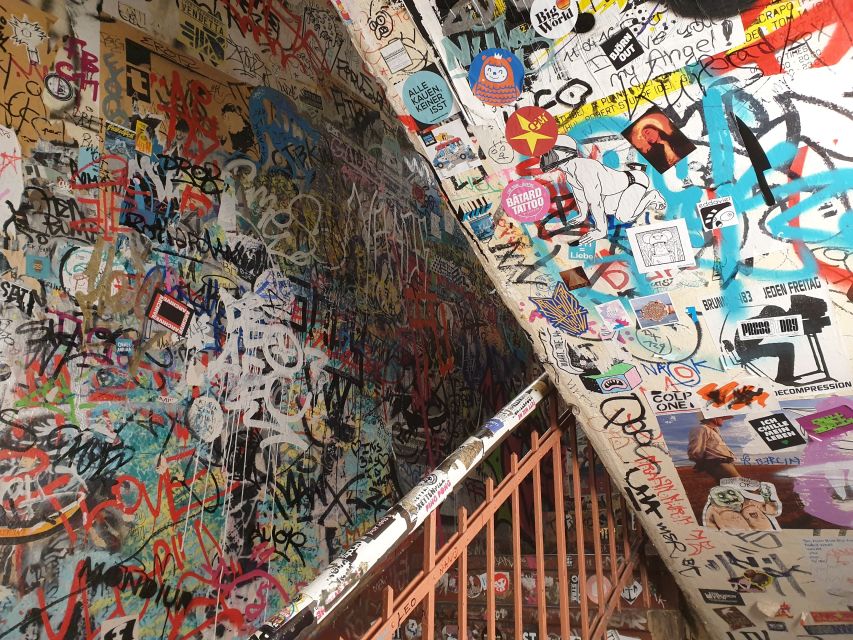
- Kreuzberg’s alternative culture: Walk through one of Berlin’s best-known counterculture districts and connect its street art with local social change.
- East Side Gallery: See the famous open-air section of the former Berlin Wall in the wider context of art and politics.
- Cold War to gentrification: Follow the story from the Wall’s fall in 1989 through the 1990s revival and today’s neighborhood changes.
- French or Italian guidance: The tour is led in French or Italian, with guides including Antonella, Iacopo, Martin, and Marie.
- Small-group walking format: Three hours on foot gives you time to look at details and ask questions.
- Useful transport warning: A 24-hour AB ticket is required and is not included in the $31 tour price.
Why Berlin street art needs a history lesson
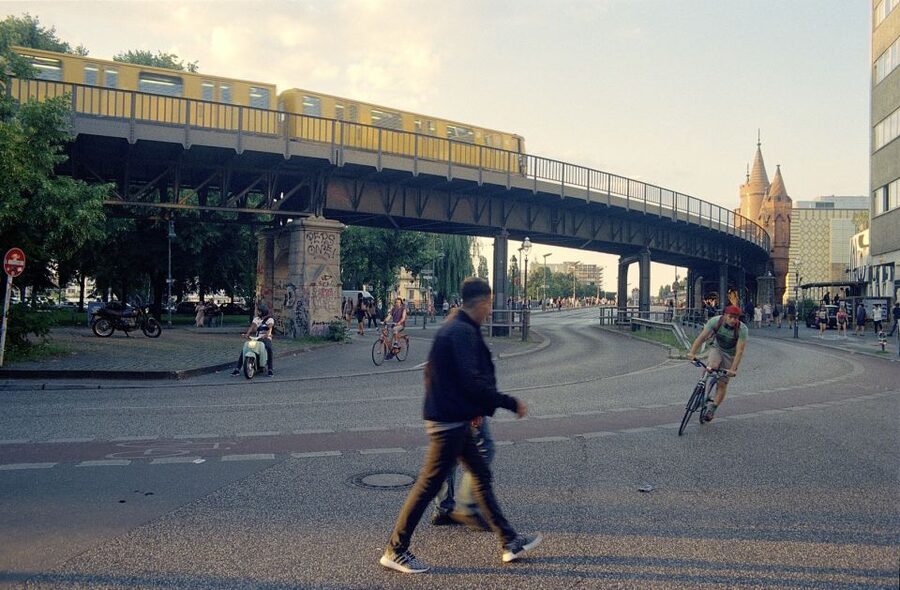
Berlin street art is not just decoration. It grew in a city split by a wall, where empty spaces, damaged buildings, and political tension created room for new forms of expression.
That is the central idea of this walk. You are not simply taken from one colorful wall to another. You are shown how art became part of Berlin’s public debate and how alternative culture helped shape the city after reunification.
The tour connects three periods:
- Berlin during the Cold War
- The sudden changes after the Wall fell in 1989
- The current phase of gentrification and neighborhood change
This gives the paintings a useful frame. A large mural can speak about politics, identity, migration, housing, or protest. A small piece tucked into a courtyard or street corner can show a more personal side of the same culture.
I appreciate that approach because street art can be hard to read without context. You may recognize a famous image, but you will not always know why it appeared there, who it addressed, or what local conflict shaped it. A good guide helps turn a wall into part of the city’s story.
More alternative Berlin:
- Berlin: Alternative Berlin Walking Tour
★ 4.6 · 1,204 reviews - Berlin: Alternative Bike Tour of Kreuzberg & Friedrichshain
★ 4.7 · 548 reviews - Berlin: Alternative Berlin Bike Tour
★ 4.8 · 359 reviews
Crossing from Kreuzberg into Berlin’s alternative quarters
Kreuzberg is the heart of the walking experience. The district is closely linked with Berlin’s alternative scene, and the tour uses its streets to explain how that culture developed.
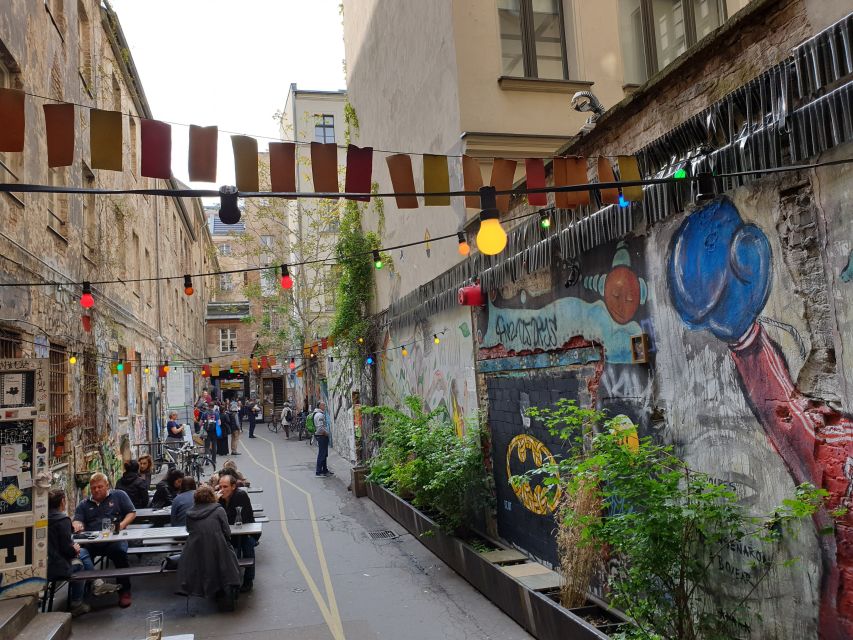
Expect a mix of large works and smaller pieces. Some art is easy to spot from a distance. Other work may be tucked into corners, placed along side streets, or hidden in courtyards. That mix is part of the appeal. You are not following a neat outdoor gallery with numbered rooms. You are reading the city as you walk through it.
The guide also brings in architecture, economics, and local politics. That wider view matters. A district does not change only because new buildings appear. Rents, businesses, residents, public spaces, and cultural groups all affect what remains visible and what disappears.
Several guides have been praised for making this material easy to follow. Martin is noted for explaining Berlin’s history in an accessible way, while Marie is described as welcoming, attentive, and happy to answer questions. Antonella and Iacopo are also recognized for guiding with energy and strong preparation.
The tone seems best suited to people who want interpretation, not just photographs. If you are curious about why Berlin became a center for alternative culture, this is where the tour earns its price.
East Side Gallery and the former Wall
The East Side Gallery is one of Berlin’s most famous sights. It is an open-air display of paintings on a remaining stretch of the Berlin Wall, and it gives the tour a direct link to the physical border between East and West Berlin.
The attraction is visually obvious, but the history behind it deserves attention. The Wall was not an abstract political symbol for Berlin residents. It cut through streets, separated families, and shaped daily life for decades. After 1989, the same structure became a place where artists could respond to the city’s new direction.
This part of the tour helps explain the tension between art as expression and art as a public record. The paintings can celebrate freedom, criticize power, or mark the hope and confusion of a newly reunited city.
The East Side Gallery is also a popular place, so do not expect the same quiet, tucked-away feeling as a small piece hidden in a side street. Its fame is part of its value, but it can also make the experience feel more public and less spontaneous. The guide’s historical explanation is especially useful here because it connects the well-known wall paintings with the less visible story of Berlin’s neighborhoods.
From the 1990s revival to modern gentrification
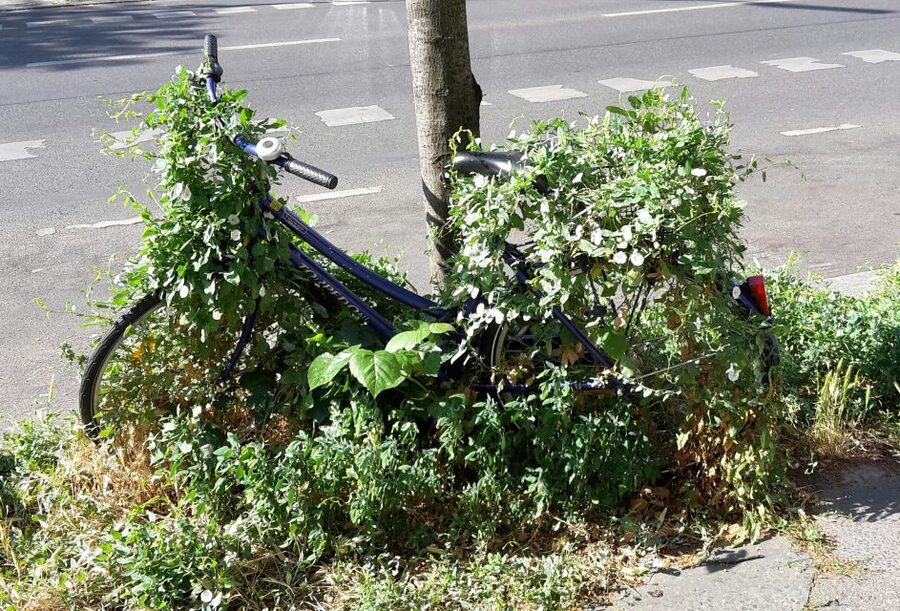
A strong feature of this experience is its refusal to stop in 1989. The Wall’s fall is only the beginning of the story.
The 1990s brought major changes to Berlin. Spaces that had once been divided, empty, or overlooked became available for new uses. Artists and alternative groups helped give parts of the city a new identity. Urban art became tied to that revival, both as a creative outlet and as a sign that Berlin was changing fast.
The tour then moves toward the present phase of gentrification. This is important because alternative culture can help make a neighborhood attractive. Once that happens, rising attention and investment can change the very character that made the area appealing.
You will not get a neutral art walk that avoids difficult questions. The themes include social demands, economic change, and the pressure placed on alternative districts. That makes the experience more useful than a simple list of mural locations.
I would especially recommend this angle if you have already seen Berlin’s main monuments and want to understand how the city works beneath the postcard view. You may leave with fewer easy answers, but a clearer sense of why Kreuzberg and Friedrichshain look and feel the way they do.
More street art in Berlin:
- Berlin: City Street Art Guided Walking Tour
★ 4.8 · 886 reviews - Berlin: 3-Hour Street Art Tour
★ 4.7 · 778 reviews - Berlin Street Art Walking Tour – Off The Grid
★ 5.0 · 270 reviews - East Meets West: Berlin Food Culture & Street Art
★ 5.0 · 157 reviews
What the three-hour walk feels like
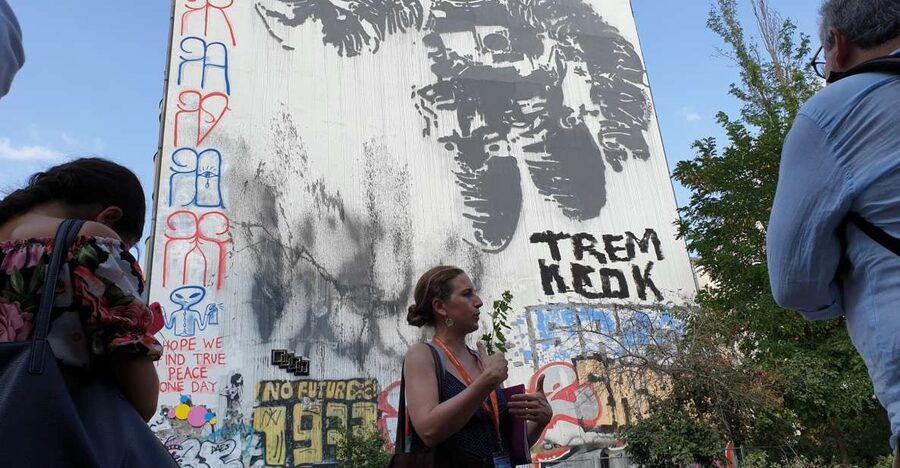
Three hours is long enough to give the subject room without turning the outing into a full-day commitment. The format is entirely on foot, so wear comfortable shoes and be ready to spend the time outdoors.
The pace should allow for stops at major works, explanations, and questions. A small group is helpful here. Street art is detail-heavy, and you benefit from being close enough to see smaller pieces and hear the guide without a large crowd around you.
The tour may also include references to work in the Mitte district, where small pieces can appear in courtyards and along streets. The exact meeting point and route can vary by option, so check the details attached to your selected departure before setting out.
One useful practical point came up about the meeting location. A booking option may list a different meeting point even though the walk begins around Kotbusser Tor. If your confirmation is not clear, check the exact instructions before the day of the tour. This is a small issue, but it can matter when you are crossing Berlin on a tight schedule.
The required 24-hour AB ticket is another detail to plan for. It is not included in the $31 price, and you need it to use public transport during the outing. Think of the ticket as part of the real cost, not an optional extra.
The value of a $31 street art tour
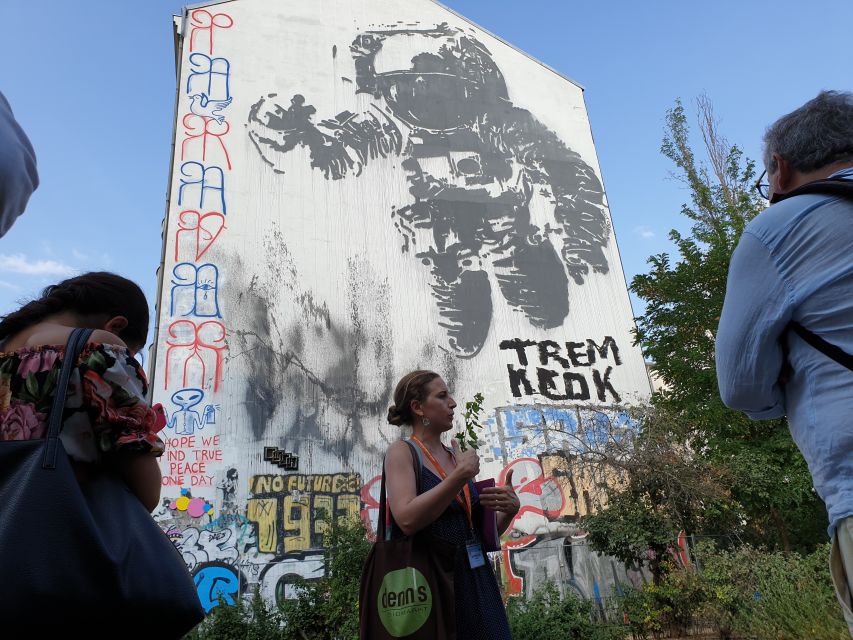
At $31 per person, this is a fair price for a three-hour guided walk, especially if you want history and interpretation rather than a self-guided mural hunt.
The value comes from the connections. You are paying for someone to explain how Cold War division, post-Wall change, urban art, and gentrification fit together. Without that context, you could see many of the same walls on your own, but you would miss much of the meaning.
The small-group setup also helps. A large group can make a street art walk feel like a slow-moving crowd. A smaller group gives the guide more room to respond to questions and point out details that are easy to overlook.
Still, you should price the experience honestly. The AB ticket is extra, and the tour does not include a meal, drinks, or other admissions. If you only want a quick look at famous murals, you may find the cost harder to justify. If you want an informed walk through Berlin’s alternative culture, the fee is more sensible.
The free cancellation period and reserve-now, pay-later option also make the booking flexible. You can cancel up to 24 hours in advance for a full refund, according to the stated terms.
The guides make the difference
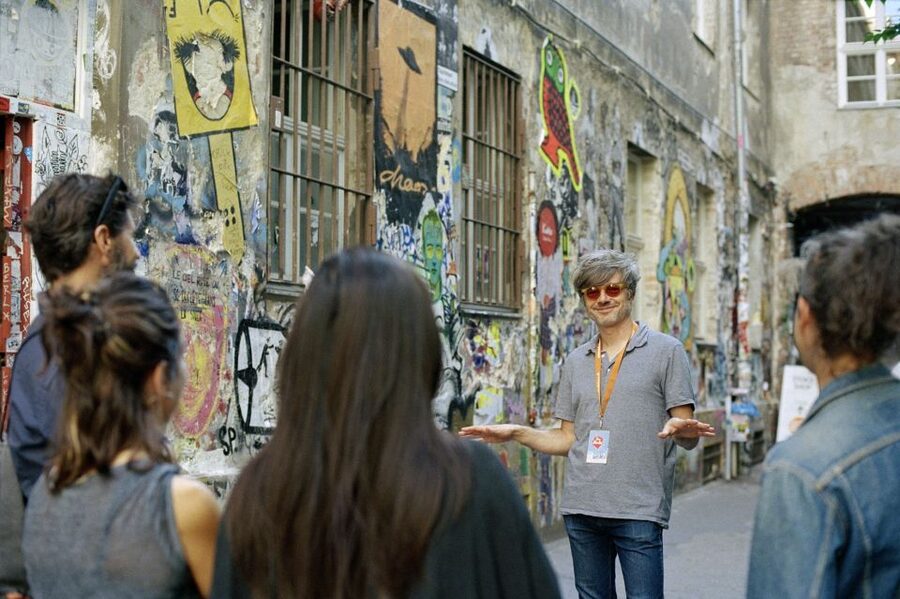
This experience depends heavily on the person leading it. Street art is easy to point at and hard to explain well.
The guides named in connection with the tour include Antonella, Iacopo, Martin, and Marie. Their strengths are described in slightly different ways, but the pattern is clear: preparation, warmth, historical skill, and a willingness to answer questions.
That combination matters because the subject can quickly become either too academic or too shallow. A good guide keeps the history understandable while still giving the art room to speak for itself.
French- and Italian-speaking visitors should find the language choice especially useful. The tour is offered with a live guide in one of those languages, not as a general English-language walk with occasional translation.
The language limitation is also worth stating clearly. If you need an English-speaking tour, this particular option is not the right fit based on the available information. Choose it for French or Italian commentary.
Who should book this walk?
I would choose this tour if you fit one or more of these profiles:
- You want to understand Berlin beyond the Brandenburg Gate and Museum Island.
- You enjoy street art but want help reading its political and social meaning.
- You are interested in the Cold War and the changes that followed reunification.
- You prefer a small-group walk to a large sightseeing tour.
- You speak French or Italian and want a guide in one of those languages.
- You have already seen central Berlin and want a different side of the city.
It is less suitable if you dislike walking, want a short photo stop, or need a fixed meeting point with no variation. It may also feel too interpretive if your only goal is to collect famous mural photographs.
Bring comfortable shoes. Plan for the extra AB transport ticket. Keep your schedule flexible enough to reach the meeting point and follow the route without rushing.
A useful way to pair it with your Berlin plans
This walk works well after you have gained a basic sense of Berlin’s central sights. Once you know the broad story of the Wall and reunification, the street art becomes easier to place.
It can also balance a museum-heavy day. You are outside, moving through real neighborhoods, and looking at art in the places where people live and work. The contrast is valuable: Berlin’s history is not confined to exhibits and memorials.
Do not treat the tour as a substitute for every major Wall site. It focuses on alternative culture and urban art, with the East Side Gallery as a major highlight. Its strength is the link between place, art, and social change.
Should you book Berlin Street Art and Alternative Tour?
Yes, if you want a thoughtful look at Kreuzberg, Friedrichshain, and Berlin’s post-Wall identity. The strongest reason to book is the historical framing. The guide helps you see street art as part of the city’s arguments about freedom, community, economics, and change.
The $31 price is reasonable for three hours in a small group, though you must add the 24-hour AB ticket. Choose carefully if language matters, since the available guiding is French or Italian. Also confirm the meeting point for your selected option.
I would book this for an open-minded first-time visitor who wants more than Berlin’s standard sights, or for a returning visitor who wants to understand why the city’s alternative districts have such a strong pull. If that sounds like your kind of afternoon, this walk offers a useful, colorful, and grounded way to see Berlin.
FAQ
How long does the Berlin Street Art and Alternative Tour last?
The walking tour lasts three hours.
How much does the tour cost?
The listed price is $31 per person.
Which parts of Berlin does the tour visit?
The experience focuses on the alternative quarter of Kreuzberg and includes the East Side Gallery. It also discusses urban art in Friedrichshain and may refer to smaller works in Mitte.
Is the East Side Gallery included?
Yes. The East Side Gallery is one of the stated highlights of the experience.
What languages are available?
The live guide is available in French or Italian.
Who operates the tour?
The experience provider is Vive Berlin e.G.
Do I need a public transport ticket?
Yes. You need to purchase a 24-hour AB public transport ticket for the tour. It is not included in the tour price.
What should I bring?
Bring comfortable shoes because the experience is a three-hour walking tour.
Can I cancel the booking?
You can cancel up to 24 hours in advance for a full refund under the stated cancellation terms. You can also reserve now and pay later.
Just added around Berlin
- Berlin Highlights in One Day★ 5.0 · 3 reviews
- Private Berlin One Day Tour with a Local: See the City Unscripted★ 3.5 · 3 reviews
- Individual city tour Berlin for max. 8 persons★ 5.0 · 3 reviews
- Transfer from Berlin Schönefeld Airport (SXF) to Berlin city Hotels – ROUND TRIP★ 4.0 · 3 reviews
- Berlin: Museum Island Tour★ 5.0 · 3 reviews
- Private Analogue Photography Experience in Berlin★ 5.0 · 3 reviews
- Berlin: Local Food Tour in Secrets Hidden Gems★ 4.0 · 3 reviews
- Berlin & The Third Reich Private Guided Tour★ 5.0 · 3 reviews
Alternative Berlin Tours, compared.


Alternative Bike Tour of Kreuzberg & Friedrichshain
Read our review →
Experience the Alternative Kreuzberg on a Bike Tour
Read our review →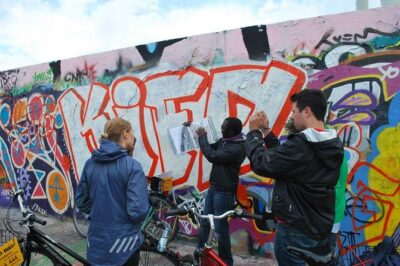
Alternative Berlin Bike Tour – Off the Beaten Tracks in Small Groups
Read our review →
Street Art and Alternative Tour of Berlin in French
Read our review →
Berlin’s Alternative Side: The Urban Jungle Tour
Read our review →Browse the lists this tour appears in