
Review · ALTERNATIVE BERLIN TOURS
Berlin: Alternative Berlin Walking Tour
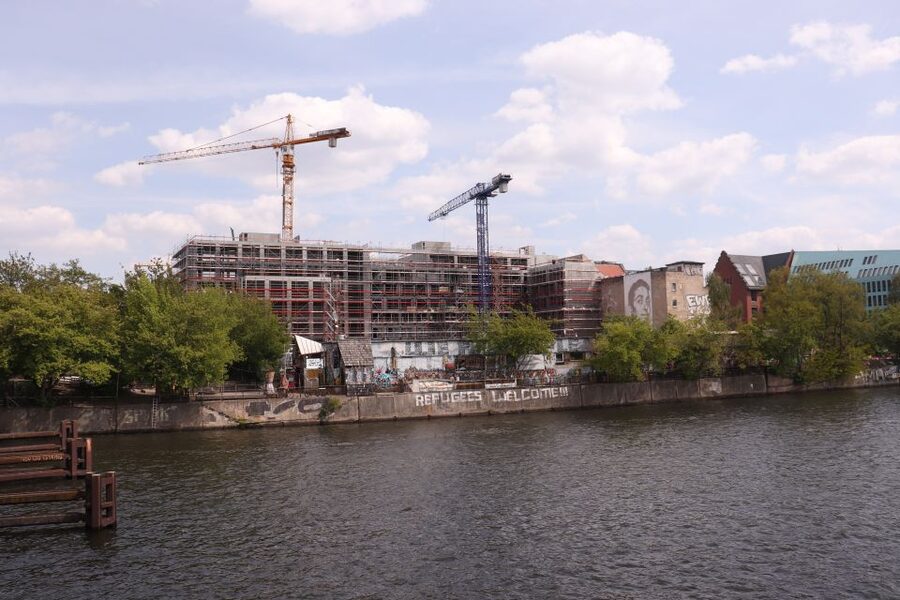
Berlin’s alternative side is not tucked into one neat quarter. It runs from Mitte’s cafés and galleries through Kreuzberg’s Turkish streets and onward to Friedrichshain. This four-hour walk connects those pieces with stories about squats, graffiti, music, migration, food, and social change.
I like the way the tour puts everyday Berlin beside famous history. I also like the local food angle, from the origins of currywurst and döner to the Prater Beer Garden. The main consideration is pace: you will walk a lot, and the route may require an AB public-transport ticket.
- A different Berlin: Explore subculture, street art, squats, music, and community projects beyond the usual wartime and Cold War stops.
- Three major districts: Walk through Mitte and Kreuzberg before finishing in Friedrichshain.
- Local food stories: Learn how currywurst and döner became Berlin staples, with a possible currywurst stop.
- Guides with personality: Rhys, Reece, Jake, Jonathan, Damien, Antonio, Ben, and others have led recent departures.
- Public transport matters: The route may use trains or trams, so check if your booking includes the AB ticket.
- Four active hours: Bring good shoes, water, and weather protection. The tour runs in rain, snow, and cold.
In This Review
- Why Berlin’s alternative side is worth four hours
- Meeting at Alexanderplatz and leaving the tourist core
- Mitte’s cafés, galleries, and street-level culture
- Kreuzberg and the city’s many identities
- Street art, squats, and the punk soul of Berlin
- Currywurst, döner, and Berlin’s casual food culture
- Canals, urban farms, and alternative public space
- The African beach bar and Berlin’s music scene
- Finishing in Friedrichshain
- Four hours on foot, with public transport in the mix
- Is $29 good value for Berlin?
- Who should book this Berlin walking tour?
- Final verdict: book it for the stories, not the checklist
- FAQ
- Where does the Alternative Berlin Walking Tour start?
- Where does the tour finish?
- How long does the tour last?
- What language is the tour in?
- Which Berlin neighborhoods does the route visit?
- Is public transportation used?
- Do I need an AB public-transport ticket?
- Does the tour operate in bad weather?
Why Berlin’s alternative side is worth four hours
Most first visits to Berlin focus on the Brandenburg Gate, the Reichstag, the Berlin Wall, and the museums around Museum Island. Those places matter, but they do not fully explain why Berlin feels so open to experimentation.
This tour looks at the city through its artists, musicians, immigrant communities, political groups, squatters, café owners, and neighborhood organizers. You see how Berlin’s divided past helped create space for unusual ideas, and how some of those ideas later moved into the city’s mainstream.
I especially like the tour’s focus on repurposing. Berlin has a long record of giving old buildings, empty lots, industrial spaces, and neglected corners a second life. That idea links the graffiti, alternative housing, urban farms, galleries, music venues, and community projects into one clear story.
The route is not just a parade of colorful walls. Your guide explains why a place matters, who used it, and how culture and politics shaped it. That makes even a rough-looking wall or ordinary street more interesting.
Meeting at Alexanderplatz and leaving the tourist core
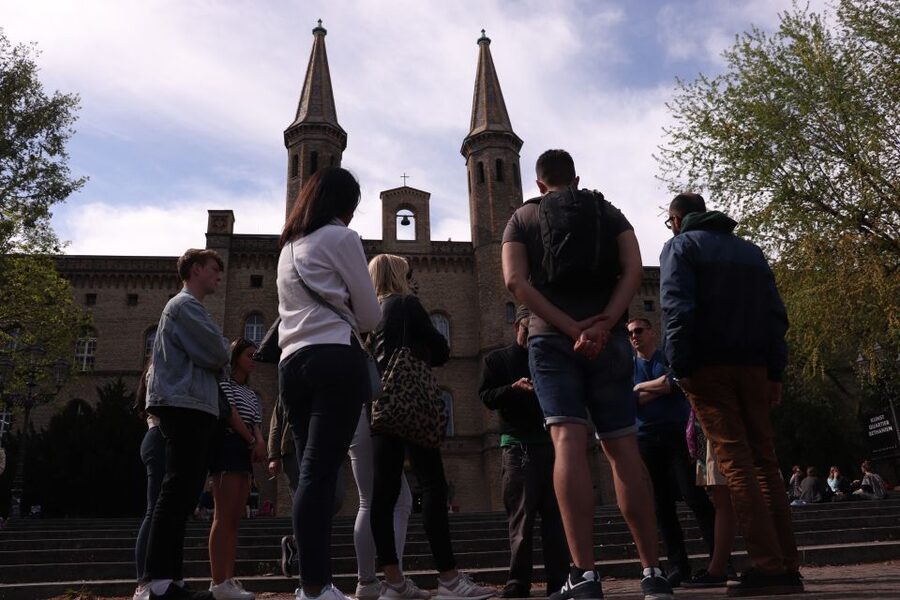
The tour begins in front of Vapiano by the Alexanderplatz TV Tower. This is an easy meeting point, but Alexanderplatz itself is not the focus. You start in one of Berlin’s most recognizable public spaces, then move quickly toward streets where local life takes center stage.
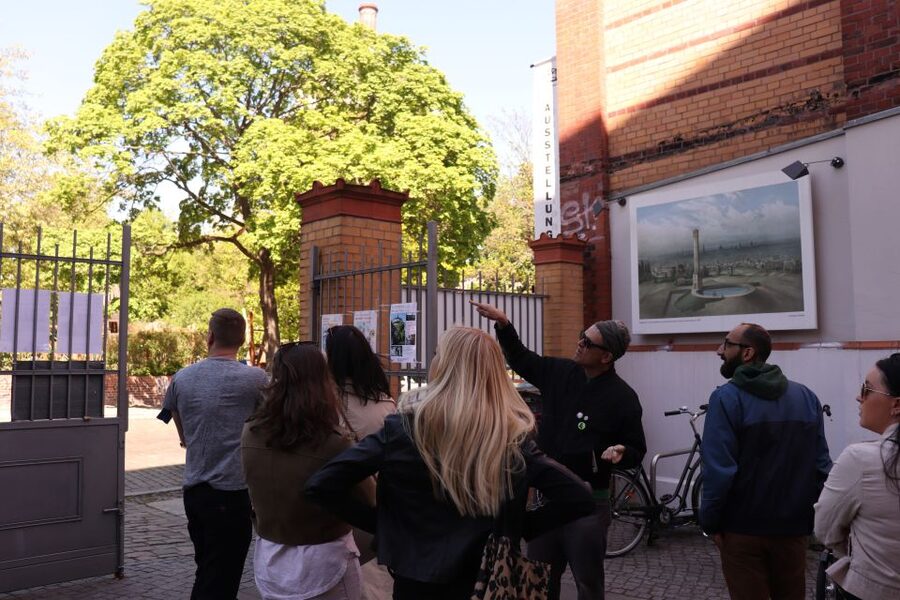
The opening section in Mitte lasts about an hour. You can expect a guided walk through café districts, shopping areas, galleries, and spots connected with the city’s alternative culture.
Mitte is an important starting point because it shows how Berlin’s creative identity can exist beside major sights and commercial streets. You might see polished cafés and independent shops close to older buildings, street art, or spaces with a more improvised feel.
The guide’s role is important here. Recent departures have been led by people including Rhys, Reece, Jake, Jonathan, Damien, Antonio, and Ben. The exact guide changes, but the strongest pattern is clear: this tour depends heavily on storytelling, humor, and personal insight.
Several guides have been praised for keeping a group engaged for the full four hours. That matters because the subject covers politics, urban change, art, music, and local history. A dry lecture would make the walk drag. A lively guide can turn a small detail into the reason you remember the neighborhood.
More alternative Berlin:
- Berlin: Alternative Bike Tour of Kreuzberg & Friedrichshain
★ 4.7 · 548 reviews - Berlin: Alternative Berlin Bike Tour
★ 4.8 · 359 reviews - Berlin: Experience the Alternative Kreuzberg on a Bike Tour
★ 5.0 · 126 reviews
Mitte’s cafés, galleries, and street-level culture
Mitte is often treated as central Berlin’s fashionable district, but the tour looks past the obvious shopping streets. You will hear about cafés, underground galleries, artists, and the changing uses of city space.
The gallery element is especially useful for visitors who want more than a street-art photo. Berlin’s art scene is not only found in formal museums. Small galleries and unofficial spaces can tell you more about how artists worked, showed their work, and built audiences.
The tour also connects Mitte with Prenzlauerberg, known for cafés and local shopping. The supplied route description places these areas within the broader experience, though the exact stops can change with the art and tour route. That flexibility is worth remembering: you are not buying a fixed museum itinerary with guaranteed room-by-room stops.
For me, this is one of the tour’s best features. Berlin changes quickly, and alternative culture is often temporary. A wall may be painted over, a café may close, or a community project may move. A live guide can respond to those changes better than a printed route can.
Still, the moving route has a downside. You may not spend long at every location, and you should not expect extended free time for shopping or gallery visits. Think of the walk as an introduction that helps you decide where to return later.
Kreuzberg and the city’s many identities
The Kreuzberg portion takes about two hours, making it the longest section. This is where the tour’s themes come together most clearly: migration, protest, street art, music, nightlife, sexuality, housing, and food.
Kreuzberg is strongly associated with its Turkish community, and the route explores that part of the neighborhood. You learn how Berlin’s immigrant communities helped shape local food, commerce, public life, and the sound of the streets.
The tour also discusses Berlin’s African communities and former Jewish communities. Those subjects add needed balance. Alternative Berlin is not just punk clubs and graffiti. It is also a city shaped by migration, loss, rebuilding, and the daily work of communities making a place their own.
You may also get a look at one of Berlin’s gay districts. The experience presents sexuality and public identity as part of the city’s wider social story, rather than treating the neighborhood as a nightlife photo opportunity.
This broad approach is valuable, but you should know that four hours cannot provide a full account of every community named in the route. The guide offers a connected overview, not a specialist history of Turkish Berlin, Jewish Berlin, African Berlin, or LGBTQ+ Berlin.
Street art, squats, and the punk soul of Berlin
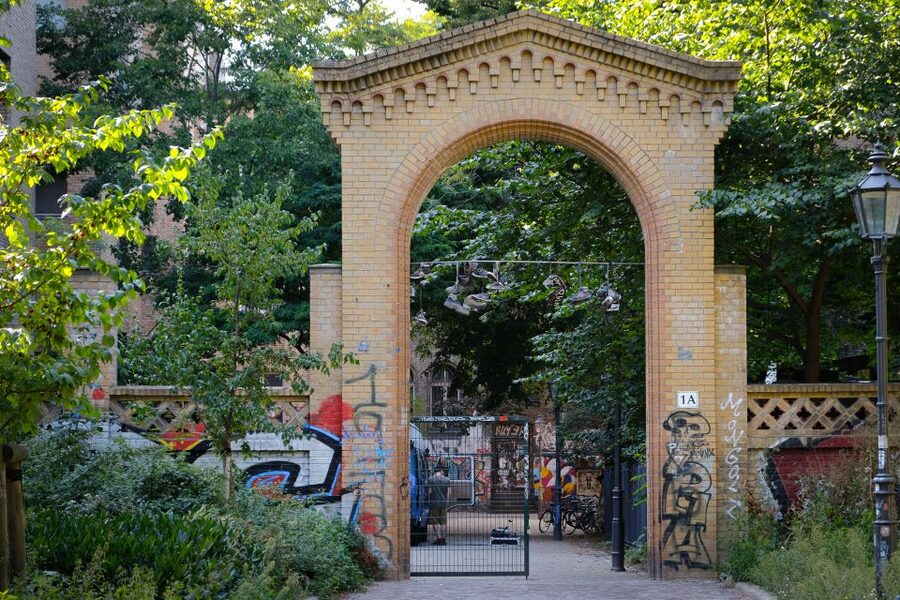
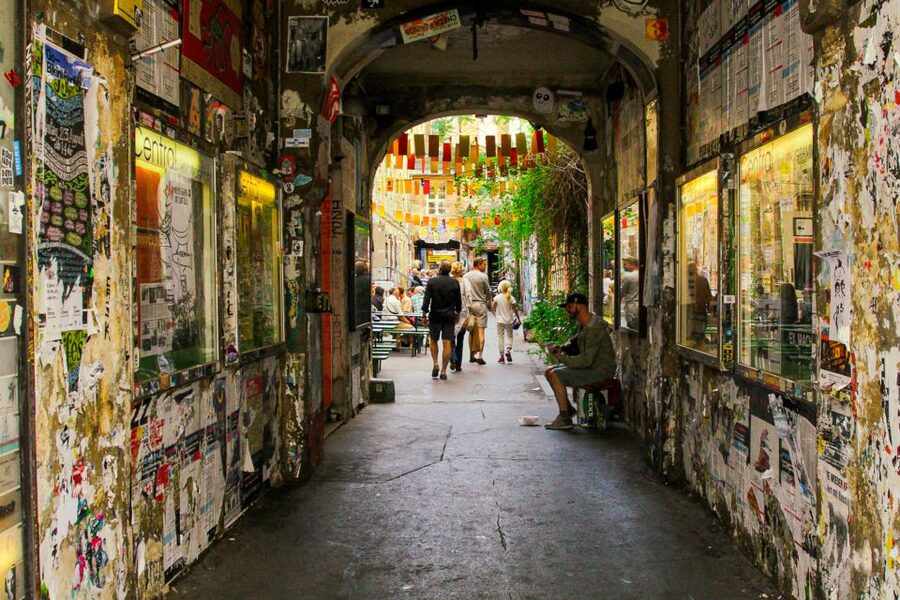
Street art and graffiti are major draws. You will see murals and smaller works up close, while the guide explains the artists, styles, and social ideas behind them.
The best part is the context. A good street-art walk does not stop at look at that wall. It asks why the work appeared there, what it says about ownership and public space, and how Berlin’s art scene developed.
The tour also covers long-term squats and alternative housing. This is a useful subject because housing politics explains much about Berlin’s reputation for independence and experimentation. You hear how buildings and neighborhoods became tied to activism, music, and community life.
Punk and music receive plenty of attention too. The walk links Berlin’s political past with its club culture, record stores, artists, and musicians. One guide may bring a personal connection to the city, while another may focus more on academic or local historical research. Recent guides have included a history graduate and people with many years living in Berlin.
That variety can be a strength, but it also means the tone may differ from one departure to another. The common thread is an informal, funny delivery rather than a formal historical presentation.
More walking tours in Berlin:
- Discover Berlin Half-Day Walking Tour
★ 5.0 · 9,624 reviews - Berlin: Third Reich and Cold War 2 Hour Walking Tour
★ 4.9 · 6,830 reviews - Berlin: Discover Berlin Walking Tour
★ 4.9 · 5,998 reviews - Berlin’s Best: 2 Hour Walking Tour Third Reich and the Cold War
★ 5.0 · 5,486 reviews
Currywurst, döner, and Berlin’s casual food culture
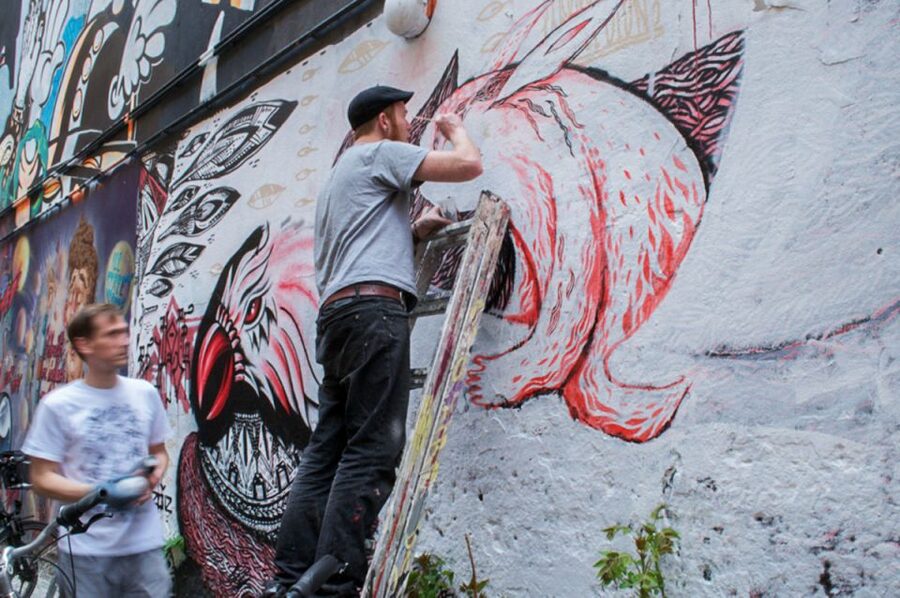
Food gives the tour a welcome break from dates and political movements. You learn about the origins of Berliner currywurst and döner, two cheap, filling foods that say a great deal about the city’s modern identity.
A currywurst stop may be included as part of the route, but the food is not presented as a full meal or tasting tour. You should budget for anything you eat or drink unless your booking details say otherwise.
The food stories are valuable because they show how Berlin’s culture developed through exchange. Currywurst is closely tied to Berlin’s postwar identity, while döner reflects the city’s Turkish influence and the importance of immigrant entrepreneurship.
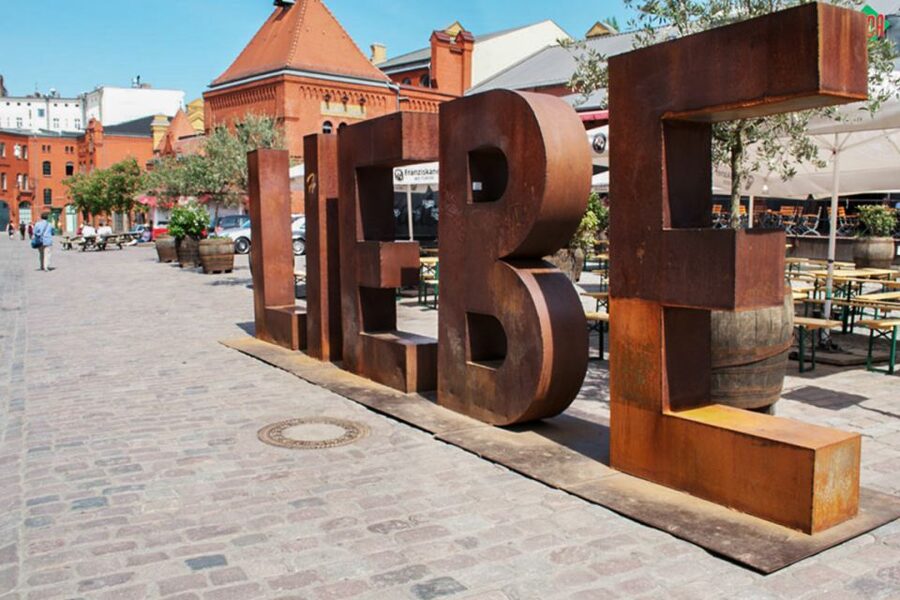
The Prater Beer Garden is another named highlight. Its importance is less about having a drink and more about understanding Berlin’s social habits. A beer garden, café, street-food stand, or neighborhood market can reveal how people use public space in ordinary life.
One practical point: the four-hour schedule does not promise a planned 30-minute meal or bathroom break. One recent experience had to make an improvised shop stop for facilities. I would use the bathroom before meeting the group and carry water or a small snack.
Canals, urban farms, and alternative public space
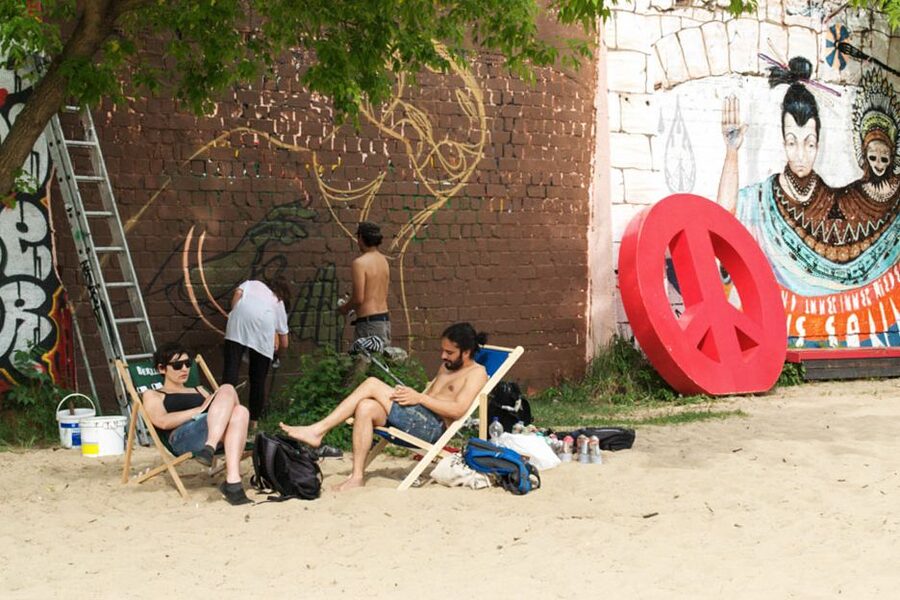
The route may include relaxing canals and community-funded urban farms. These stops add a quieter side to the tour, especially after the dense streets of Mitte and Kreuzberg.
Urban farms are worth seeing because they show how Berlin’s alternative culture can be practical, not just artistic. Community funding, shared space, and local food projects turn unused or overlooked ground into something useful.
The canals offer another change of mood. Berlin is a large city, but it has pockets of open space and water where the pace slows. These areas help explain the city’s appeal to people who want both urban energy and room to breathe.
You should treat these stops as part of a changing route, not guaranteed attractions with fixed opening hours. The operator notes that the art and tour route can vary, and seasonal conditions may affect what you see.
The African beach bar and Berlin’s music scene

One of the more unusual highlights is a stop connected with an African beach bar and market. The tour uses this setting to discuss Berlin’s music scene and the cultural movements that have shaped it.
This kind of stop is exactly why the experience feels different from a standard city walk. You are not only looking at monuments. You are seeing how music, migration, leisure, and neighborhood life overlap.
The beach-bar setting also helps break up the heavier subjects. Berlin’s alternative identity is not only made of political arguments and housing struggles. It includes dancing, food, friendship, creative events, and the ability to turn an unlikely site into a place for community.
Again, the precise stop can depend on the day’s route and current conditions. If you want a guaranteed visit to a particular venue, confirm before booking.
Finishing in Friedrichshain
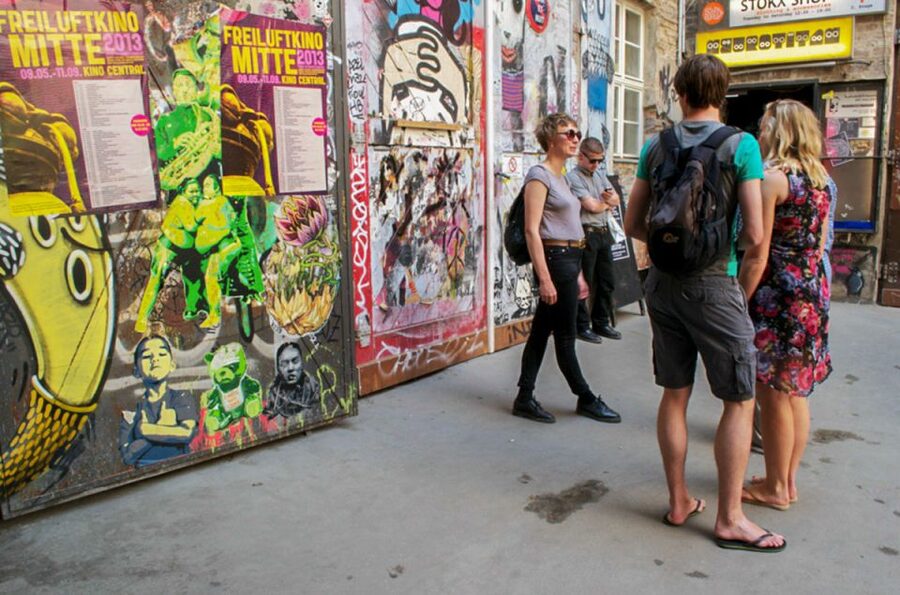
The tour ends in Friedrichshain. That is a useful finish because you are left in a district associated with nightlife, music, street art, and independent places to eat and drink.
You do not simply return to the original meeting point. Instead, the route gives you a practical launching pad for the rest of your day. Several guides also offer suggestions for lunch, bars, and later activities.
I would keep your evening flexible. If a particular neighborhood or music venue catches your interest, you can return after the tour with a better sense of what you are looking at and why it matters.
The finish also reinforces the tour’s East and West Berlin comparison. Rather than treating the former division as a museum subject, the walk shows how political borders affected buildings, public space, housing, and culture.
Four hours on foot, with public transport in the mix
The tour lasts four hours and is described as fast-paced. You should be comfortable walking for most of an afternoon, standing while listening, and keeping up with a group.
Mobility is a real consideration. One detailed experience described the route as unsuitable for some people with mobility limitations because of its speed. The tour may also use trains or trams, depending on the route.
An AB metro ticket is required if transport is not included in your booking. You can buy one from the BVG website or at a station, or choose the booking option that includes the ticket. One useful correction from the practical side: you may need several rides, so a day ticket can make more sense than buying single tickets one at a time.
The tour runs in all weather and throughout the year. In summer, wear light clothes and bring water. In winter, take the cold seriously. A guide kept one snow-covered departure moving and warm, but good shoes, a coat, and gloves will improve your day.
Group size can vary. One departure had 15 people, large enough to require a guide who projects clearly and keeps everyone together. Guides praised for strong delivery and humor tend to make a noticeable difference in a group setting.
Is $29 good value for Berlin?
At $29 per person, this is a fair price for a four-hour guided experience, especially if you want interpretation rather than a simple route between sights.
You are paying for an English-speaking guide, local tips, photo opportunities, selected refreshment breaks, and a route that crosses several districts. The value is strongest if you are curious about how Berliners live, organize, create, and argue over their city.
The price is less attractive if you mainly want major monuments, a relaxed stroll, or a food tour. You will not get a long stop at every place, and food and public transport may cost extra.
I would also put a high value on the personal guide. Rhys, Reece, Jake, Jonathan, Damien, Antonio, and Ben have all led recent tours, and the strongest experiences depend on their humor, energy, clear speaking, and ability to connect small places with larger ideas.
Free cancellation up to 24 hours before the start reduces the risk of booking. You can also reserve now and pay later, which helps if your Berlin plans are still shifting.
Who should book this Berlin walking tour?
I would choose this tour if you have already seen the main memorials or want to balance them with present-day city life. It also suits solo visitors, couples, and people who enjoy meeting an international group while walking and talking.
You do not need to be an expert on punk, graffiti, activism, or club music. The route explains why these subjects matter, and several guides make complex material easy to follow with jokes and personal stories.
I would hesitate if you dislike fast walking, public transport, cold weather, or guided discussion. The tour is not designed for someone who wants to wander at their own pace or spend an hour inside each gallery.
Final verdict: book it for the stories, not the checklist
Book the Alternative Berlin Walking Tour if you want to understand the city beyond its famous war and Wall sites. The best payoff is the connection between places: a currywurst stand, a graffiti-covered building, a canal, a squat, a Turkish market, and a music venue can all become part of one story about Berlin.
Before you go, wear strong walking shoes, check the transport option, and use the bathroom first. If possible, leave time afterward in Friedrichshain or Kreuzberg so you can revisit the places that caught your attention.
At $29, this is a sensible choice for an active visitor who wants local context, humor, and an honest look at Berlin’s counterculture. It is less suitable for a slow sightseeing day, but for a different and memorable view of the city, I would book it.
FAQ
Where does the Alternative Berlin Walking Tour start?
It starts at Vapiano in front of the Alexanderplatz TV Tower.
Where does the tour finish?
The tour finishes in Friedrichshain, Berlin.
How long does the tour last?
The walking tour lasts four hours.
What language is the tour in?
The tour is conducted in English with a live guide.
Which Berlin neighborhoods does the route visit?
The route includes Mitte and Kreuzberg and finishes in Friedrichshain. Prenzlauerberg is also included among the café and shopping areas connected with the experience.
Is public transportation used?
The route may use trains or trams, depending on the current art and tour route.
Do I need an AB public-transport ticket?
An AB ticket is required if it is not included with your booking. You can bring one purchased from BVG or a train station, buy one when needed, or select the booking option that includes it.
Does the tour operate in bad weather?
Yes. Tours run throughout the year and in all weather conditions. Dress appropriately for rain, snow, cold, or heat.
Just added around Berlin
- Berlin Highlights in One Day★ 5.0 · 3 reviews
- Private Berlin One Day Tour with a Local: See the City Unscripted★ 3.5 · 3 reviews
- Individual city tour Berlin for max. 8 persons★ 5.0 · 3 reviews
- Transfer from Berlin Schönefeld Airport (SXF) to Berlin city Hotels – ROUND TRIP★ 4.0 · 3 reviews
- Berlin: Museum Island Tour★ 5.0 · 3 reviews
- Private Analogue Photography Experience in Berlin★ 5.0 · 3 reviews
- Berlin: Local Food Tour in Secrets Hidden Gems★ 4.0 · 3 reviews
- Berlin & The Third Reich Private Guided Tour★ 5.0 · 3 reviews
Alternative Berlin Tours, compared.

Alternative Bike Tour of Kreuzberg & Friedrichshain
Read our review →
Experience the Alternative Kreuzberg on a Bike Tour
Read our review →
Alternative Berlin Bike Tour – Off the Beaten Tracks in Small Groups
Read our review →


Street Art and Alternative Tour of Berlin in French
Read our review →
Berlin’s Alternative Side: The Urban Jungle Tour
Read our review →Browse the lists this tour appears in