
Review · FOOD & DRINK
Berlin: Disgusting Food Museum Entry Ticket and Tasting
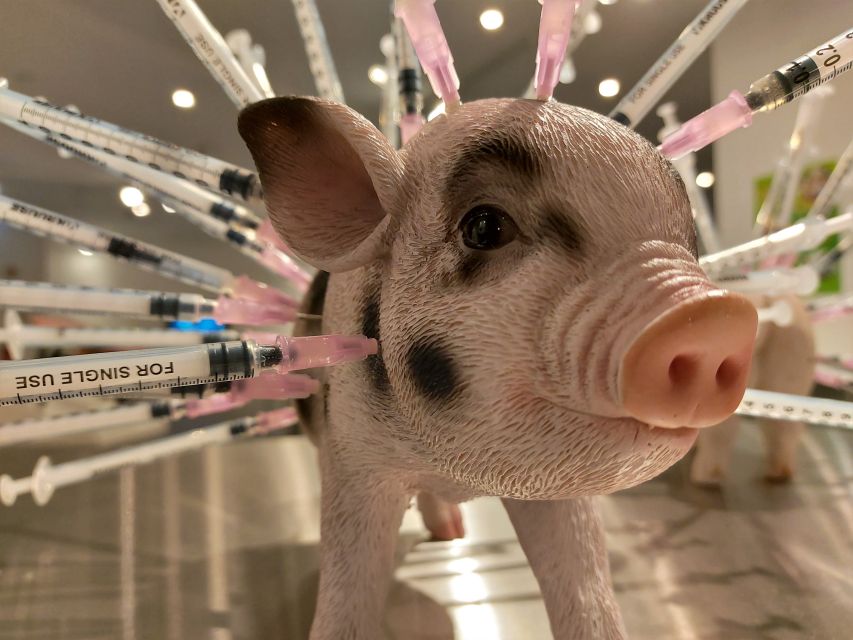
Berlin’s Disgusting Food Museum turns food into a test of instinct, culture, and curiosity. You’ll see around 90 unusual foods from across the world, then decide how brave you feel at the Tasting Bar, where small samples may include things your nose rejects before your brain catches up.
I like the museum’s mix of humor and serious questions, especially its look at food production and what people may eat in the future. I also like that the tasting is not just a stunt: you get a chance to consider why one person calls a food vile while another considers it a delicacy. The main drawback is simple: the museum is not large, so you should not expect a full-day attraction packed with rooms.
In This Review
- Key points at a glance
- Why Berlin made room for a museum of disgusting food
- The 90 exhibits: from strange ingredients to hard questions
- The Tasting Bar: how brave are your taste buds?
- The Hall of Fame challenge and the museum’s playful side
- Food production, preference, and the future of eating
- How long the visit feels at $20
- Practical planning for your booked time
- Who will enjoy this unusual Berlin stop?
- What the rating and comments suggest about the experience
- Should you book the Disgusting Food Museum?
- FAQ
- Where is the experience located?
- How much does admission cost?
- How long is the ticket valid?
- What does the entry ticket include?
- Is transportation included?
- How many food exhibits are there?
- What kinds of foods might I see?
- Are the tastings suitable for all ages?
- Is the museum wheelchair accessible?
- Can I cancel my booking?
Key points at a glance
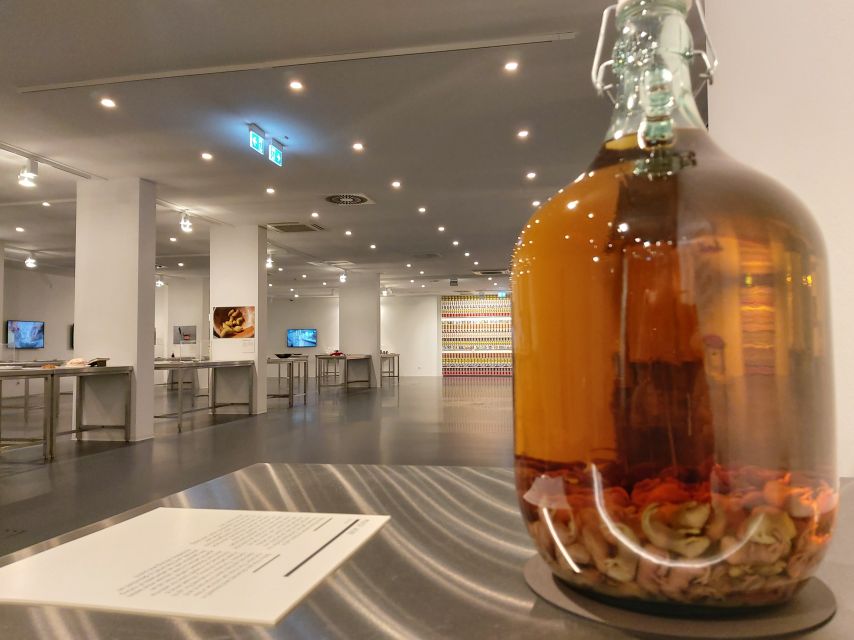
- Around 90 food exhibits: See unusual foods such as mouse wine, mite cheese, stinky fish, and worms.
- Small tastings included: Test a few strange samples at the Tasting Bar as part of your entry.
- More than a gross-out show: Explore questions about food culture, production, ethics, and the future.
- Strong sensory element: Smells can be intense, and some displays may make you uncomfortable.
- A compact visit: The museum is not huge, so it works well as a focused stop rather than an all-day outing.
- Easy booking terms: Entry and tastings are valid for the date and time you select, with free cancellation up to 24 hours ahead.
Why Berlin made room for a museum of disgusting food
Food is never only about taste. It also tells you where a person comes from, what a family can afford, what a culture values, and what a society is willing to produce. That idea gives this museum more purpose than a collection of shocking dishes.
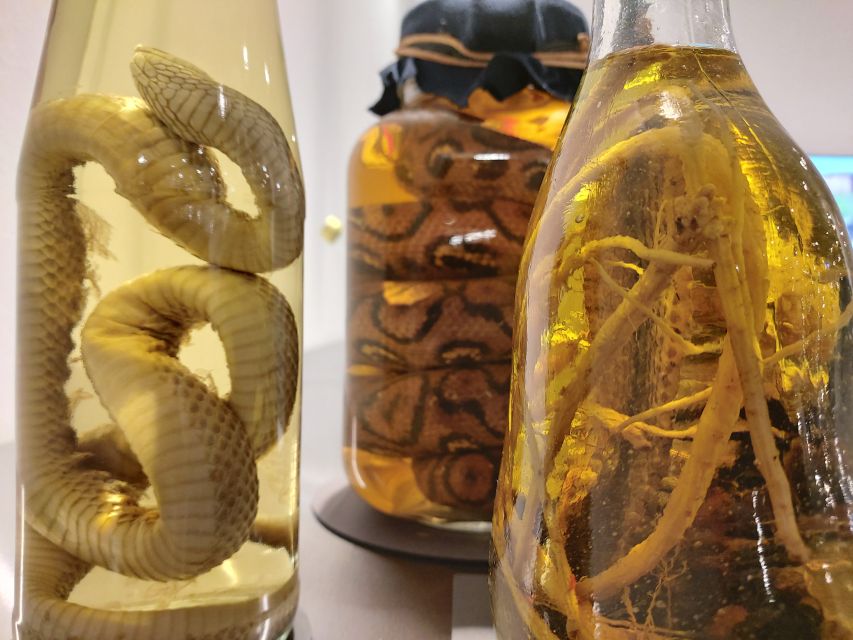
You’ll encounter foods that may seem revolting at first glance, yet are accepted, prized, or familiar somewhere else. Mouse wine, mite cheese, stinky fish, and worms are used to challenge your first reaction. The point is not to declare one food right and another wrong. It is to ask why your own menu feels normal.
I find that a useful way to approach the museum. If you arrive expecting only a series of gross jokes, you may enjoy the odd displays but miss the better questions. If you pay attention to the cultural and practical reasons behind food choices, the visit becomes a short lesson in how flexible human eating can be.
More museums in Berlin:
- Berlin: Jewish Museum Berlin Entrance Ticket
★ 4.5 · 8,393 reviews - Berlin: DDR Museum Tickets
★ 4.3 · 3,443 reviews - Berlin: Natural History Museum Entrance Ticket
★ 4.6 · 3,382 reviews
The 90 exhibits: from strange ingredients to hard questions
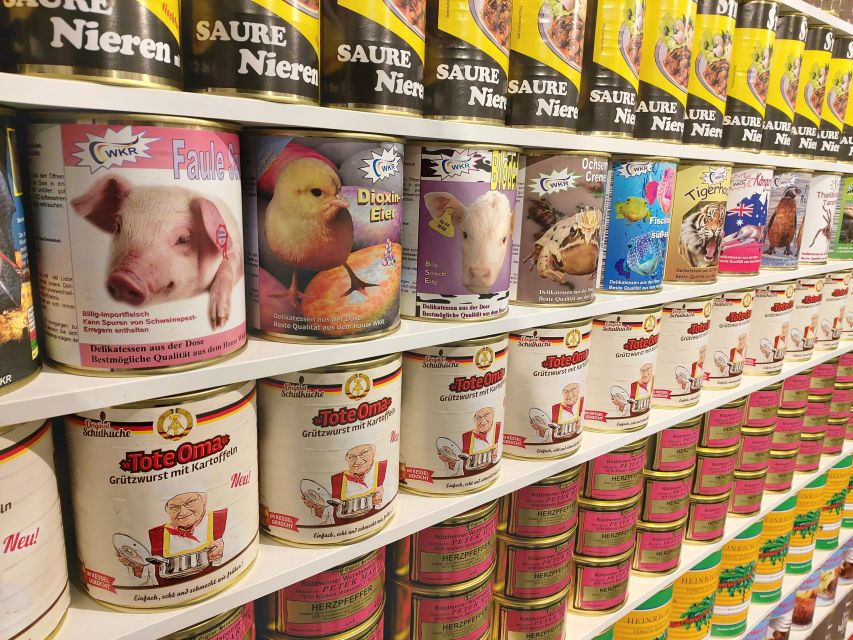
The exhibition presents more than 90 foods from different parts of the world. The material covers a wide range, so you are not simply looking at one category of unusual eating. Some exhibits focus on ingredients, some on preparation, and some on the reasons people accept foods that others reject.
The displays are designed to make you stop and react. You may find yourself laughing at one item, pulling back from another, and then wondering why a familiar food from home would look just as odd to someone else. That shift is one of the best parts of the experience.
You should allow time to read and think instead of rushing from one shocking item to the next. The museum is compact, and that works in its favor here. A smaller exhibition can keep the idea focused. You are less likely to feel buried under endless displays, though you should also set your expectations correctly. This is a short, concentrated museum visit, not a full day of galleries.
The presentation has an approachable feel. It aims to make difficult topics easier to discuss, including how food is made and what certain preferences may mean for people, animals, and the environment. The museum asks questions rather than handing you one official answer.
The Tasting Bar: how brave are your taste buds?
The Tasting Bar is the part many people will remember most. Your ticket includes small disgusting samples, giving you a chance to move from looking at unusual food to actually testing it.
The samples are meant to be manageable portions, not a meal. That matters because you can try something unfamiliar without committing to a full serving. You can also decide how far you want to go. The activity is described as suitable for all ages, but the museum warns that some content may feel uncomfortable, so use your own judgment for children and sensitive companions.
I would treat the tasting as a personal challenge, not a contest. You do not gain much by forcing yourself to swallow something that makes you feel ill. The value comes from noticing your reaction and asking why it is so strong. Smell plays a major role, and the experience can be particularly intense for the nose before the food even reaches your mouth.
One review describes the museum as geruchsintensiv, or heavy on smells. That is useful advice. If strong odors bother you, go in prepared for a sensory experience rather than a quiet look at glass cases.
The tasting also creates a good opening for conversation. You can compare your first reaction with the people beside you, then consider how quickly the label disgusting changes when the same food is presented as traditional, practical, or prized.
The Hall of Fame challenge and the museum’s playful side
The museum includes a Hall of Fame that appears to test how much of the experience you can handle. Completing it is described as difficult, but also as a must for people who want the full challenge.
That gives the visit a playful edge. You can approach the exhibition as a thoughtful look at nutrition, or you can make it a lighthearted test among friends and family. The two approaches fit together well. A little humor helps people discuss subjects that might otherwise feel awkward.
Still, do not assume the Hall of Fame is essential for every visitor. If you are mainly interested in food culture and the exhibits, you can enjoy the museum without turning the visit into a dare. If you like challenges, however, it gives the compact attraction an extra goal.
More food tours in Berlin:
- Berlin Center Food Tour with 8+ Authentic Local Tastings
★ 5.0 · 1,227 reviews - Berlin City Bike Tour with Beer Garden Stop
★ 5.0 · 917 reviews - Kreuzberg: Culinary Food Tour
★ 4.5 · 770 reviews - Berlin: BRLO BRWHOUSE Tour and Craft Beer Tasting
★ 4.4 · 654 reviews
Food production, preference, and the future of eating
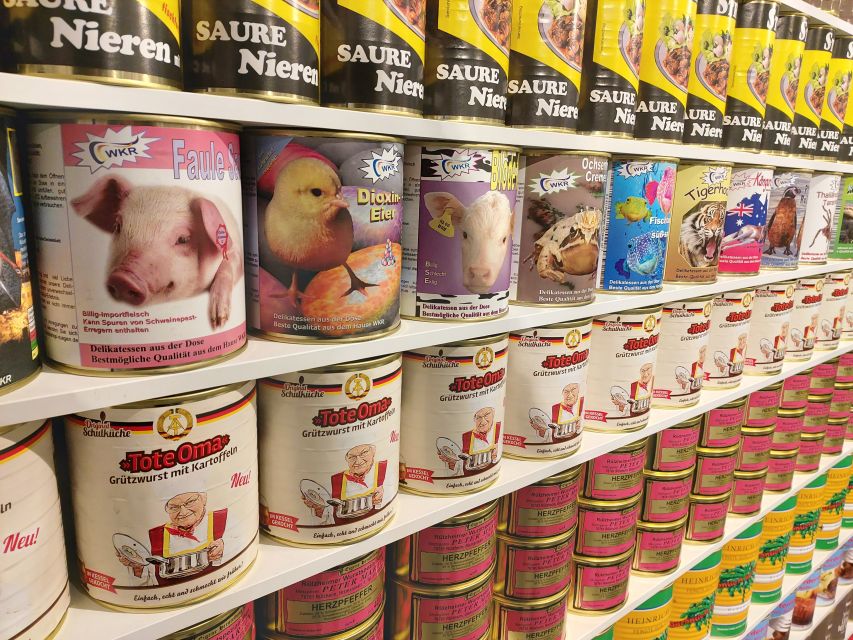
The most worthwhile part of the museum may be its broader discussion of nutrition. The displays encourage you to think about how food is produced, what happens because of certain food preferences, and what people may eat in the future.
These subjects keep the visit from being frozen in the past. You are not just looking at strange foods from distant places. You are also being asked to consider your own habits and the choices that may shape tomorrow’s food supply.
The museum does not need a long lecture to make this point. A surprising exhibit can do the work quickly. Once you see how strongly your own tastes are shaped by custom, you may start to question other assumptions about what is edible, desirable, or acceptable.
I like this balance. The museum gives you the fun of seeing odd foods, but it also makes room for discussion. It can suit someone who wants an unusual attraction in Berlin, yet it has enough substance for a school-age child or adult who enjoys questions about culture and nutrition.
How long the visit feels at $20
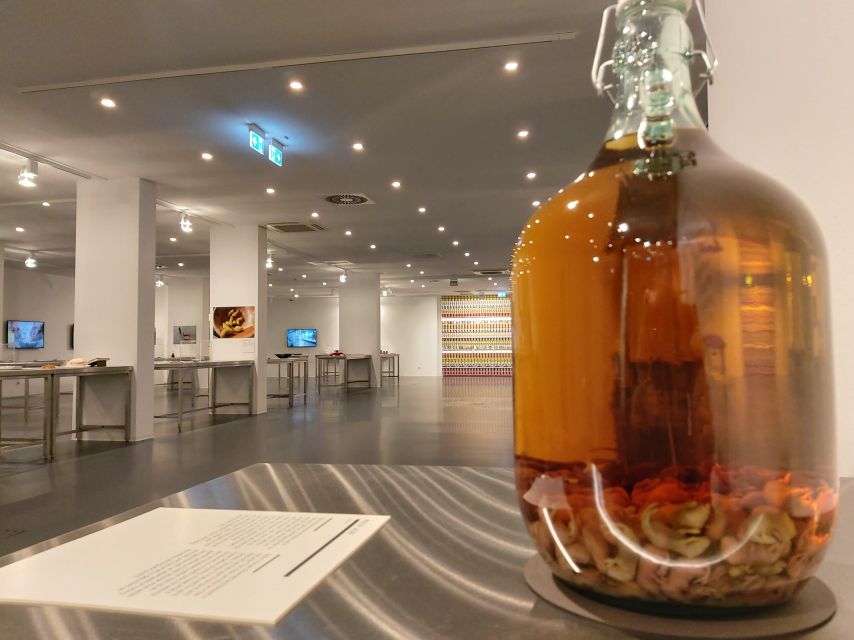
Admission costs $20 per person. That is fair if you want a focused, unusual museum stop with tastings included, but the value depends on how you define a successful visit.
You are paying for access to about 90 exhibits, the presentation, and small samples at the Tasting Bar. You are not paying for transportation, a meal, or a long guided tour. Since the museum is not huge, I would not book it expecting hours of entertainment on the scale of Berlin’s major museums.
For me, the price makes the most sense as part of a day with other plans. You get a distinct experience that does not require a full afternoon. It works especially well for friends looking for something beyond the standard Berlin list, families with older children who enjoy unusual subjects, and anyone who likes food with a side of debate.
The tasting improves the value because it turns the ticket into an active experience. Without the samples, the museum might feel like a quick display visit. With them, you have a reason to slow down and take part.
Practical planning for your booked time
Your ticket and tastings are valid on the date and time you book. That means you should treat the selected slot as your arrival window and avoid planning another fixed appointment too close to it.
No transportation is included, so you need to make your own way to the Disgusting Food Museum Berlin. The meeting point is the museum itself, which keeps the arrangement simple once you have reached the venue.
Bring a credit card. You may also want to plan your clothing and schedule with the sensory nature of the attraction in mind. The museum warns that some content can be uncomfortable, and strong smells may be part of the experience.
The attraction is wheelchair accessible. That is useful if you are building a Berlin day around several stops, though the supplied details do not specify the layout of every exhibit or tasting area.
You can cancel up to 24 hours before the booked time for a full refund. The reserve-now-and-pay-later option also helps if your Berlin schedule is still shifting. Those terms reduce the risk of booking a niche attraction before your plans are settled.
Who will enjoy this unusual Berlin stop?
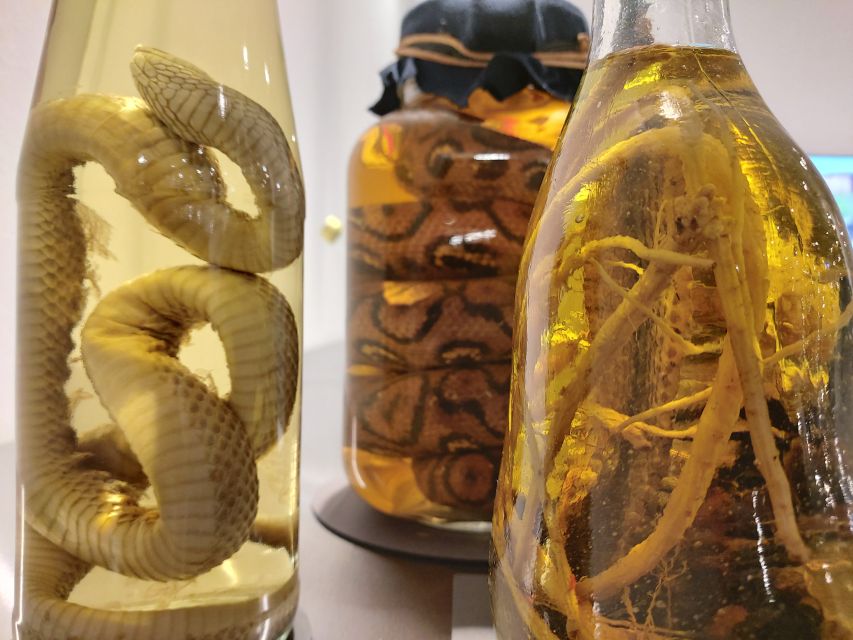
I would recommend the museum most strongly to people who enjoy experiences that make them react and think at the same time. You will get the most from it if you are willing to question your own idea of normal food.
It is a good fit for:
- Friends who want a funny and slightly grim challenge
- Families looking for an attraction with tastings for all ages
- Food enthusiasts interested in global eating customs
- Visitors curious about nutrition, production, and future food choices
- Repeat Berlin visitors who have already seen the major sights
It may not suit you if you dislike strong smells, have a very low tolerance for disturbing displays, or want a large museum with several hours of exhibits. The content can be uncomfortable, and the tasting is not designed to please every palate.
You should also think about your group. One person may want to try every sample while another may prefer to watch. That is fine. The museum works best when nobody is pressured to prove anything.
What the rating and comments suggest about the experience
The overall rating is 4.4 out of 5 from 204 reviews, which points to a consistently positive experience with some natural limits. The strongest praise centers on the presentation, the unusual subject, the samples, and the challenge of completing the Hall of Fame.
One German visitor found the museum’s size modest but liked the scope and the way the objects were presented. That is exactly the right expectation: compact, but not lacking in ideas. The same comment points out that you get some samples and a station where you can try certain foods.
Another recent reaction called the experience interesting and heavy on smells. That is not a minor detail. Your enjoyment depends partly on how you respond to scent, texture, and the sight of foods outside your normal diet.
The museum also draws international interest, with positive comments in both German and French. You do not need to share a particular food tradition to understand the central idea. Your own familiar foods are part of the comparison.
Should you book the Disgusting Food Museum?
Book it if you want a short, unusual Berlin experience that combines odd food, small tastings, and real questions about culture and nutrition. At $20, it offers reasonable value when you treat it as a compact attraction and not a full-day museum.
Skip it if strong smells or uncomfortable food displays are likely to ruin your day. If you are unsure, remember that the tasting is only a small part of the ticket, and you do not need to turn the visit into a dare.
For most curious visitors, I would place it on a flexible Berlin day. The 90 exhibits, the Tasting Bar, and the Hall of Fame challenge give you enough to talk about afterward. Just arrive ready for food that may look strange, smell powerful, and make you reconsider what disgusting really means.
FAQ
Where is the experience located?
The experience takes place at the Disgusting Food Museum Berlin in Berlin, Germany.
How much does admission cost?
The listed price is $20 per person.
How long is the ticket valid?
The ticket is valid for one day, on the date and time you book.
What does the entry ticket include?
It includes museum admission and small disgusting samples at the Tasting Bar.
Is transportation included?
No. Transportation is not included, and you start the experience at the museum.
How many food exhibits are there?
The museum presents more than 90 food exhibits from around the world.
What kinds of foods might I see?
Examples include mouse wine, mite cheese, stinky fish, and worms.
Are the tastings suitable for all ages?
The tasting experience is described as being for all ages. Some exhibition content may still be uncomfortable for certain people.
Is the museum wheelchair accessible?
Yes, the activity is wheelchair accessible.
Can I cancel my booking?
Yes. You can cancel up to 24 hours in advance for a full refund. You can also reserve now and pay later.
Just added around Berlin
- Berlin Highlights in One Day★ 5.0 · 3 reviews
- Private Berlin One Day Tour with a Local: See the City Unscripted★ 3.5 · 3 reviews
- Individual city tour Berlin for max. 8 persons★ 5.0 · 3 reviews
- Transfer from Berlin Schönefeld Airport (SXF) to Berlin city Hotels – ROUND TRIP★ 4.0 · 3 reviews
- Berlin: Museum Island Tour★ 5.0 · 3 reviews
- Private Analogue Photography Experience in Berlin★ 5.0 · 3 reviews
- Berlin: Local Food Tour in Secrets Hidden Gems★ 4.0 · 3 reviews
- Potsdam Highlights – Private sightseeing tour by minibus★ 5.0 · 3 reviews
Food & Drink, compared.

Berlin Center Food Tour with 8+ Authentic Local Tastings
Read our review →



Berlin’s first original craft beer tour & experience
Read our review →Browse the lists this tour appears in