Review · TICKETS
Berlin: Entry Ticket To The Kunstgewerbemuseum
The Kunstgewerbemuseum gives you a close look at objects made to be useful, beautiful, or both. Gold reliquaries, carved wood paintings, ceramics, glass, furniture, fashion, and modern design fill a museum that feels different from Berlin’s painting-heavy collections.
I like the wide range and the modest $11 price, which makes this an easy cultural stop near Potsdamer Platz. I also like that the collection reaches from the Middle Ages to modern industrial design. The main drawback is that some rooms can feel dark, and the fashion section may seem thinner than the historical decorative arts displays.
In This Review
- Key points to know
- Why the Kunstgewerbemuseum deserves your time
- Starting at Matthäikirchplatz near Potsdamer Platz
- Medieval reliquaries and early craftsmanship
- Glass, porcelain, silver, and gold
- Furniture that explains how people lived
- Fashion and embroidered clothing
- Modern industrial design changes the pace
- The building, open staircase, and green setting
- The second setting at Köpenick Castle
- Is $11 a fair price?
- Who should buy this ticket?
- Should you book the Kunstgewerbemuseum ticket?
- FAQ
- Where is the Kunstgewerbemuseum located?
- How much does the entry ticket cost?
- How long is the ticket valid?
- What is included?
- Is an audio guide included?
- Is a tour guide included?
- Is the museum wheelchair accessible?
- Can I cancel the booking?
- Does the museum have more than one location in Berlin?
- Is wearing a mask required?
Key points to know
- See European craftsmanship across many centuries, from precious religious objects to modern design classics.
- Start at the Kulturforum near Potsdamer Platz, with the entrance at Matthäikirchplatz.
- Expect a broad collection rather than a quick single-theme gallery, including woodwork, silver, gold, glass, porcelain, furniture, and clothing.
- Look closely at the construction, especially embroidered garments, carved wood, metalwork, and ornate reliquaries.
- The $11 admission is good value if you enjoy design and objects made by hand.
- Bring your own museum plan, since admission does not include an audio guide or tour guide.
Why the Kunstgewerbemuseum deserves your time
I find decorative arts museums rewarding because they show how people lived, worshiped, dressed, stored things, and decorated their homes. A painting usually asks you to look at an image. A reliquary, chair, dress, vase, or cabinet also tells you how skilled makers solved practical problems.
That is the appeal here. The Kunstgewerbemuseum is one of Germany’s oldest museums devoted to art-making and decorative objects. Its collection covers a long stretch of European craftsmanship, with pieces in gold, precious stones, glass, porcelain, wood, fabric, and metal.
The collection is not limited to one grand period. You can move from medieval religious objects to later furniture and fashion, then on to modern industrial design. That range gives you a useful view of changing taste. It also means the museum may feel less focused than a specialist gallery.
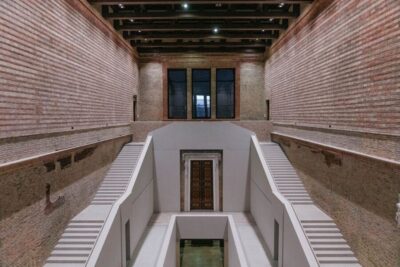
At the Kulturforum, the museum is presented in spacious exhibition rooms with an open staircase. The building was designed as a built landscape, with greenery that reflects the neighboring Tiergarten. That architectural setting matters because it gives the collection room to breathe rather than packing every object into tight cases.
A few more Berlin tours worth weighing up
- Berlin: Jewish Museum Berlin Entrance Ticket
★ 4.5 · 8,393 reviews - Berlin: Berlin Story Bunker Entry Ticket
★ 4.6 · 6,759 reviews - Berlin: Illuseum Berlin Entrance Ticket
★ 4.1 · 3,970 reviews
Starting at Matthäikirchplatz near Potsdamer Platz
Your stated meeting point is the Kunstgewerbemuseum at Matthäikirchplatz, 10785 Berlin. This places your visit in the Kulturforum area near Potsdamer Platz, one of Berlin’s main cultural districts.
The ticket is valid for one day, so you can plan the museum as a flexible stop rather than a guided appointment. The available starting times should be checked before booking, but the experience itself is not presented as a timed tour with a guide.
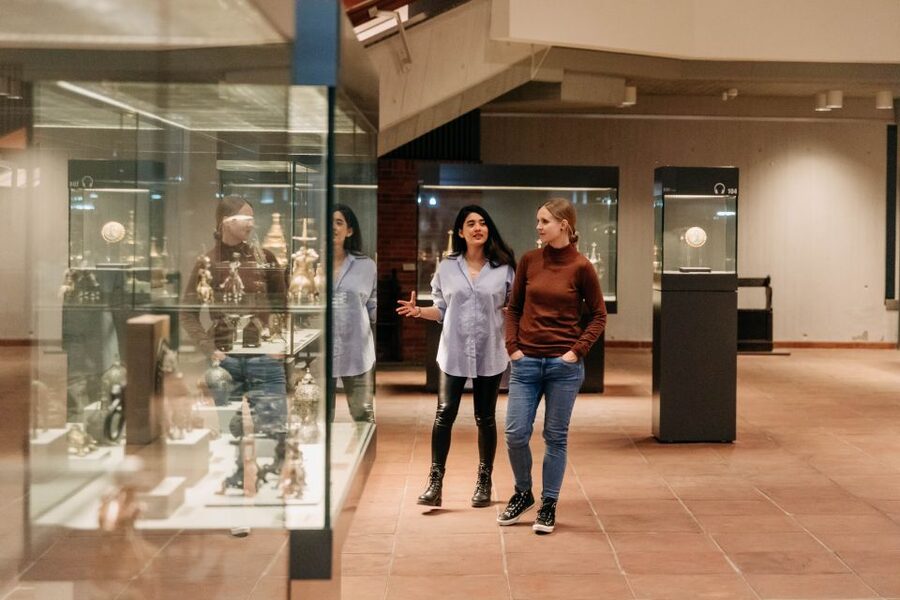
I like this arrangement for independent sightseeing. You can spend as long as you want with a reliquary or a piece of furniture, then move on when your attention fades. You are not tied to a group or a spoken explanation.
The tradeoff is that you need to provide your own context. An audio guide is not included, and there is no tour guide included with the admission. If you prefer a museum visit with a clear narrative, you will need to read the displays carefully or arrange extra help separately.
Medieval reliquaries and early craftsmanship
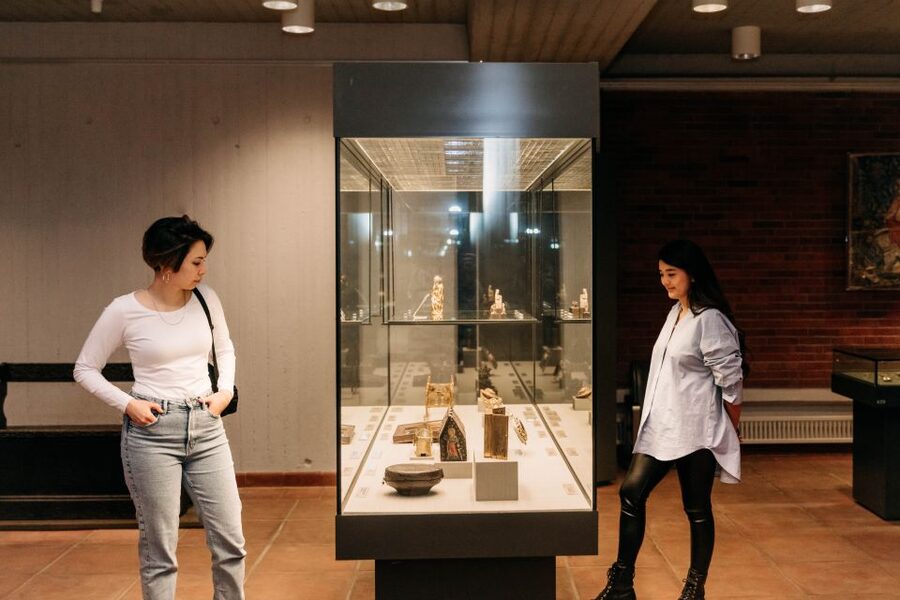
The oldest objects are likely to be the most gripping part of the visit. The museum is known for precious reliquaries made with gold and precious stones, objects that were designed to hold sacred remains and also display wealth, devotion, and technical skill.
I would give these pieces time rather than treating them as a quick opening display. Look at how the maker combined small materials into a larger form. Goldsmithing, stone setting, surface decoration, and careful proportion all matter here.
The collection also reaches back more than 1,500 years in its display of human craftsmanship. That is a useful reminder that advanced artistic skill did not begin with the Renaissance or modern Europe. Small objects can carry an astonishing amount of labor.
Wood is another area worth watching. Carved and painted wooden works have made a strong impression on me in museums of this kind because they often preserve both the maker’s hand and the marks of age. The collection includes wooden paintings, which can be especially absorbing if you enjoy sculpture, panel work, or religious art.
Glass, porcelain, silver, and gold
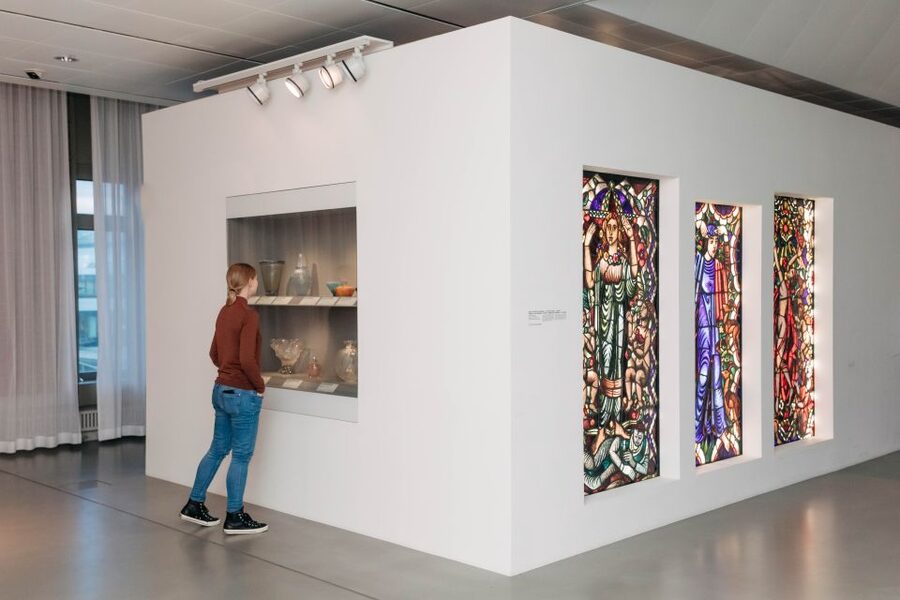
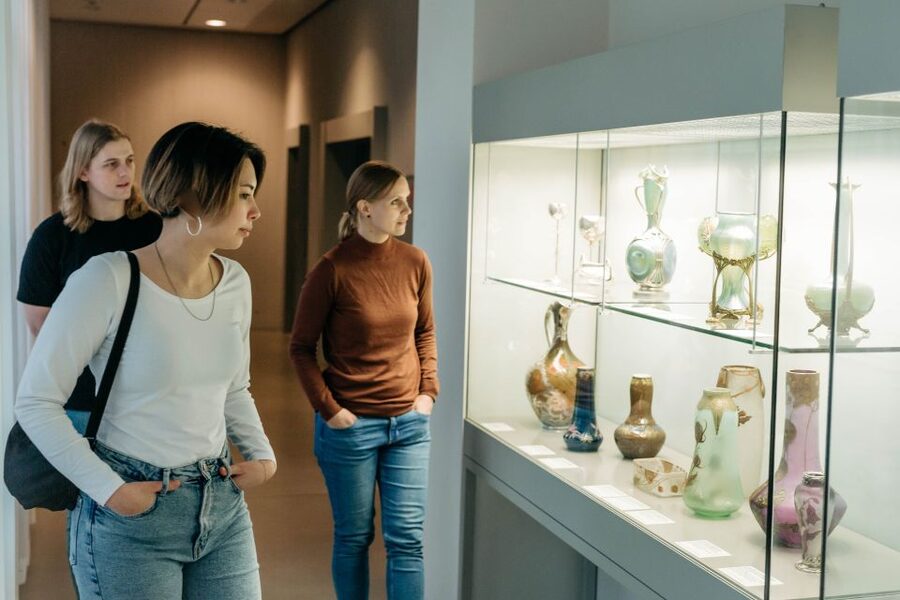
The museum’s glass and porcelain pieces offer a different kind of pleasure. Here the interest lies in surface, transparency, color, shape, and control of difficult materials.
Precious vases made from glass or porcelain are not simply containers. Their form and finish show changing ideas about refinement and display. I would compare the two materials as you go: glass can seem light and luminous, while porcelain often depends on smooth surfaces, delicate decoration, and precise shape.
Silver and gold work bring the focus back to metal. The objects may be small, but the materials give them visual weight. Notice how a maker can turn a functional vessel or decorative object into a sign of status.
The collection also includes a broad selection of ceramics and metalwork. That variety makes the museum useful for anyone interested in craft processes, not only famous names or major historical events.
A different side of Berlin on the same trip:
- Berlin: Reichstag, Dome and Government District Guided Tour
★ 4.7 · 18,288 reviews - Berlin: 1-Hour City Tour by Boat with Guaranteed Seating
★ 4.3 · 16,993 reviews - Berlin: Boat Tour Along the River Spree
★ 4.4 · 11,252 reviews - Discover Berlin Half-Day Walking Tour
★ 5.0 · 9,624 reviews
Furniture that explains how people lived
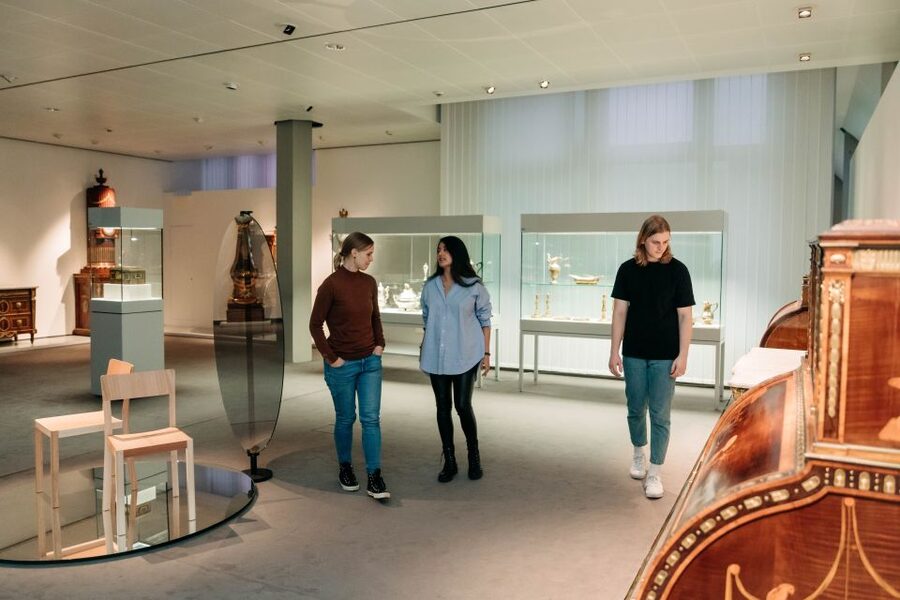
Furniture can be easy to skip in a museum, especially when a room also contains precious jewelry or religious objects. I would not rush past it here.
Detailed furniture shows how decoration entered everyday interiors. Cabinets, chairs, and other pieces can reveal the value placed on wood grain, carving, inlay, fabric, hardware, and proportion. Even when a piece is too ornate for modern taste, it shows what its original owners wanted their surroundings to communicate.
The furniture displays also connect the museum’s older objects with modern design. Decorative arts are not just about luxury. They include the design of objects that shape daily life.
This is one reason the museum works well for visitors who enjoy architecture, interiors, fashion, or product design. You are not looking at isolated masterpieces only. You are seeing a long record of choices about materials and use.
Fashion and embroidered clothing
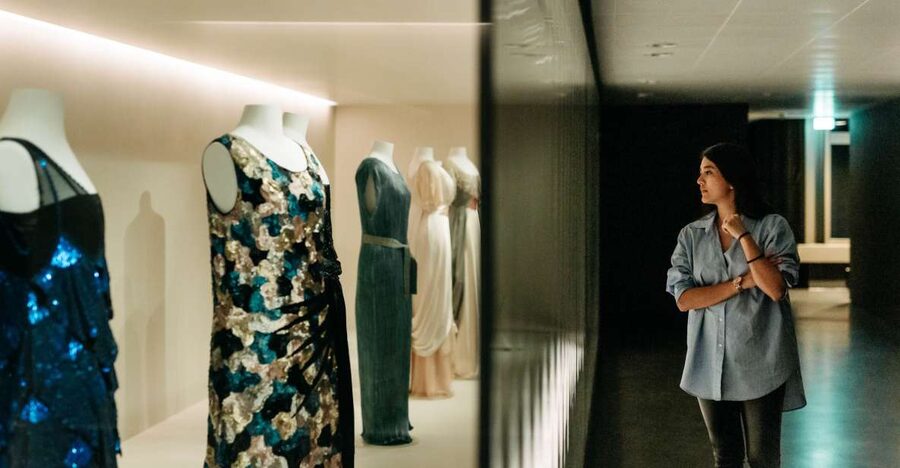
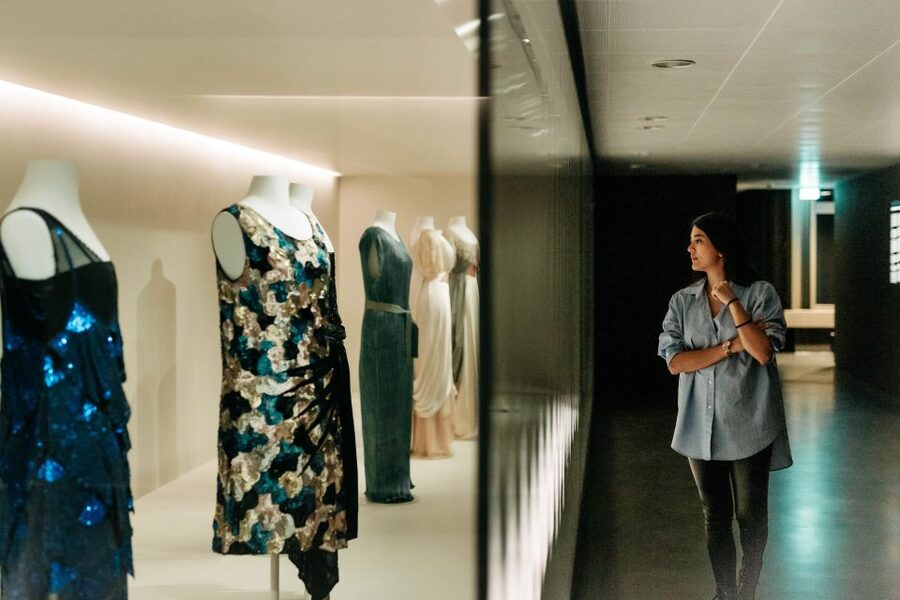
The fashion displays add movement and human scale to the collection. Finely embroidered dresses and historical clothing show how much labor went into appearance before modern mass production.
I find clothing especially useful because it makes social history visible without needing a long lecture. Cut, fabric, decoration, and construction can tell you about ceremony, status, taste, and the technical limits of the period.
Still, keep your expectations measured. The fashion section may not be as extensive as the historical decorative arts area. If clothing is your main reason for visiting, you may find yourself wanting more examples and more detail.
If you enjoy fashion museums, this ticket may work best as part of a wider Berlin museum day rather than as your only fashion stop. If you like fashion as one thread among woodwork, ceramics, glass, silver, and furniture, the balance is more satisfying.
Modern industrial design changes the pace
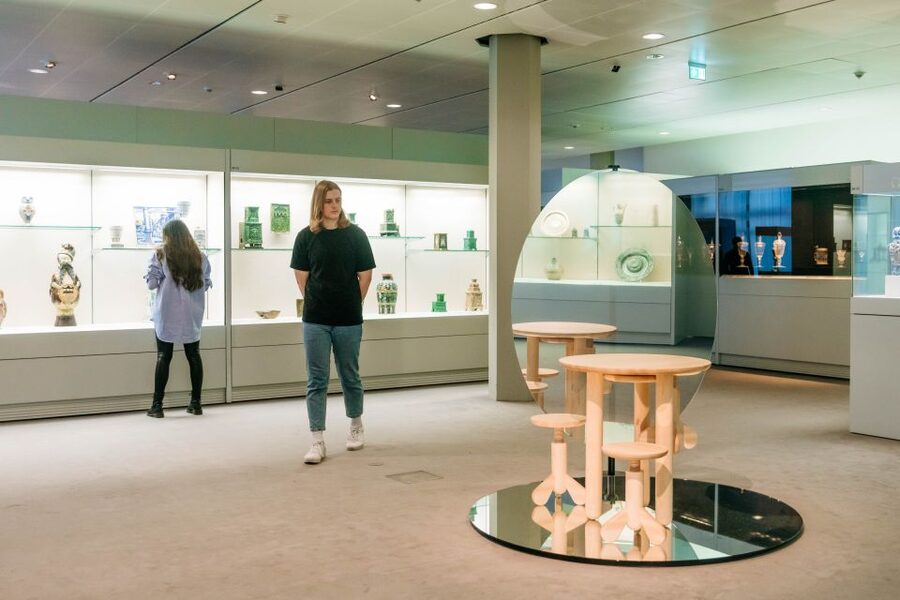
The collection does not stop with handmade historical objects. It also includes classics of modern industrial design.
That shift is important. You can compare an object made by a specialist craft worker with one shaped for repeated production. Both can be carefully designed, but their materials, purpose, and relationship to the user may be very different.
I like this contrast because it prevents the museum from becoming a parade of old luxury goods. Modern industrial design asks you to think about how good form can enter ordinary life.
The transition may not suit everyone. If you want only medieval or early modern treasures, the modern section may feel like a change of subject. For me, it makes the visit more useful because it shows decorative arts as an ongoing field rather than a closed chapter.
The building, open staircase, and green setting
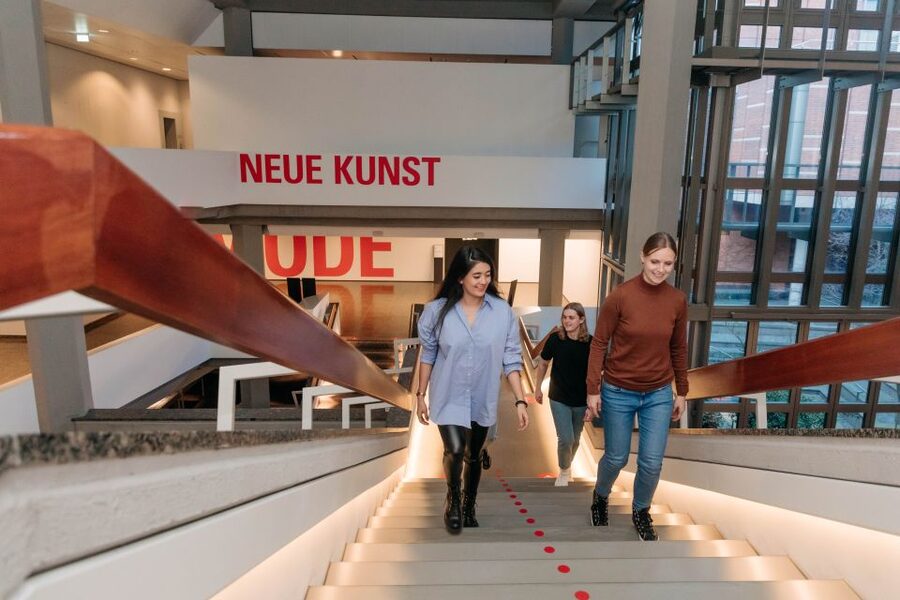
The museum’s spacious rooms are part of the experience. An open staircase provides a strong visual feature, while the greenery around the building connects with the nearby Tiergarten.
The building was conceived as a built landscape, with planted areas that reflect the park beside it. Here, landscape is literal, not just a metaphor. The design gives the museum a less sealed-off feel than a completely enclosed gallery.
That open quality can help on a long museum day. You get visual breaks between groups of objects, and the rooms do not force every display into the same narrow rhythm.
The lighting deserves a practical warning. Some parts of the museum can feel quite dark. That may protect sensitive objects or suit the mood of historical displays, but it can make details harder to see. If you are especially interested in fine embroidery, small lettering, or surface decoration, take your time and adjust your eyes before moving on.
The second setting at Köpenick Castle
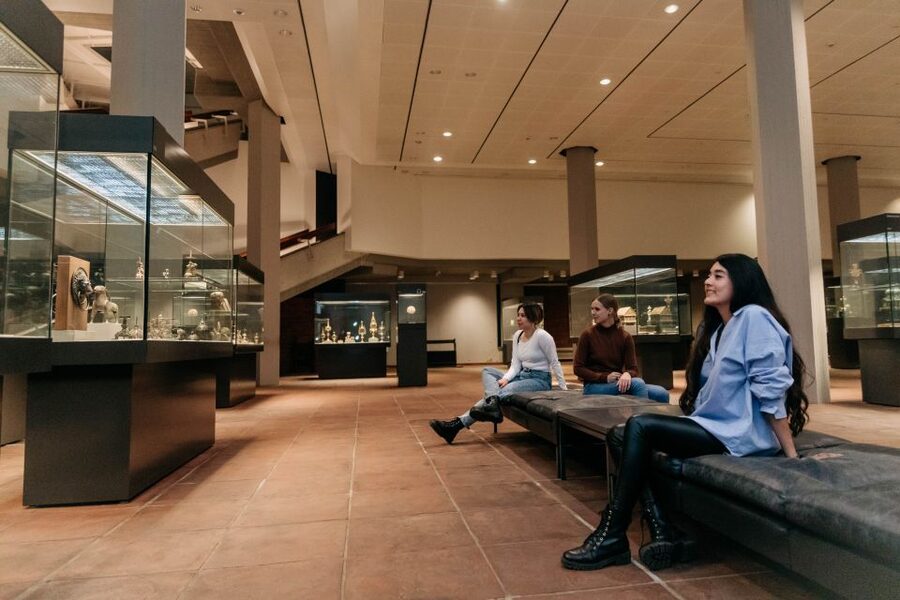
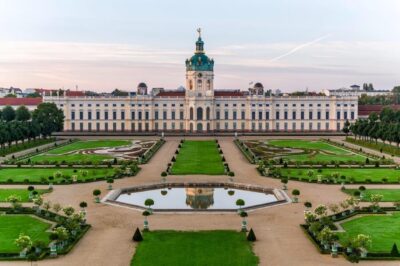
The Kunstgewerbemuseum’s permanent and special exhibitions can be seen in two Berlin locations: the Kulturforum near Potsdamer Platz and Köpenick Castle, which sits on a peninsula in the Dahme.
Köpenick Castle presents masterpieces of the art of space from the 16th to the 18th century. That wording points to a focus on interiors and the relationship between objects and rooms, rather than isolated cases alone.
The two locations offer different settings. The Kulturforum gives you spacious museum rooms and the open staircase near Tiergarten. Köpenick Castle provides a picturesque historic setting on the water.
Your ticket information gives Matthäikirchplatz as the meeting point, so treat the Kulturforum as the clear starting location for this booking. If you want to include the Köpenick site, check current admission and opening details before building it into your day. The supplied information does not specify that transport between the two places or separate entry arrangements are included.
Is $11 a fair price?
At $11 per person, I consider this a good-value museum ticket for anyone who likes decorative arts. You get access for one day, and the collection covers many categories rather than offering only one narrow theme.
The value is strongest when you take time to compare objects. A quick 30-minute pass may leave you feeling that the collection is modest. A slower visit, with attention to materials and construction, makes the admission feel more worthwhile.
This is not a ticket for a guided tour, a special event, or an all-inclusive museum package. You pay for entrance only. There is no audio guide or tour guide, so the low price comes with a more independent style of visit.
The overall score is 4.5 out of 5 from 15 ratings, which fits my assessment: the museum offers strong variety and good value, with a few limits in lighting and the size of some sections.
Who should buy this ticket?
I would recommend it to you if you enjoy:
- Decorative arts and old craftsmanship
- Medieval religious objects and goldsmithing
- Ceramics, porcelain, glass, silver, and woodwork
- Historical furniture and clothing
- Modern design alongside older art
- Independent museum visits without a fixed group schedule
Families with different interests may also find useful variety here, though the ticket information does not describe child-focused activities. Art and design students may appreciate the range of materials and techniques.
I would think twice if you want a large fashion collection, a museum built around paintings, or a guided explanation of every room. The fashion displays may feel limited, and the darker lighting can make close inspection harder.
The museum is wheelchair accessible, which is helpful for visitors planning a cultural day at the Kulturforum. A medical or FFP2 mask is recommended but not mandatory.
Should you book the Kunstgewerbemuseum ticket?
Book it if you want a reasonably priced, self-guided look at European design and craftsmanship. The best parts are the precious reliquaries, historic woodwork, broad material range, and the link between old decorative arts and modern industrial design.
Do not book it expecting a guided tour or a huge fashion museum. You will get admission for one day, but not an audio guide or tour guide. For $11, that is a fair trade if you like to set your own pace and look closely.
The ticket is non-refundable, so check your plans before buying. If the Kulturforum location near Potsdamer Platz fits your day, this is an easy museum choice with enough variety to reward more than a brief glance.
FAQ
Where is the Kunstgewerbemuseum located?
The meeting point is the Kunstgewerbemuseum at Matthäikirchplatz, 10785 Berlin, near Potsdamer Platz and the Kulturforum.
How much does the entry ticket cost?
The listed price is $11 per person.
How long is the ticket valid?
The ticket is valid for one day.
What is included?
Entrance to the Kunstgewerbemuseum is included.
Is an audio guide included?
No. An audio guide is not included in the ticket price.
Is a tour guide included?
No. This is an entry ticket, not a guided tour.
Is the museum wheelchair accessible?
Yes, the activity is listed as wheelchair accessible.
Can I cancel the booking?
No. The activity is non-refundable.
Does the museum have more than one location in Berlin?
Yes. Exhibitions can be seen at the Kulturforum near Potsdamer Platz and at Köpenick Castle on a peninsula in the Dahme.
Is wearing a mask required?
No. Wearing a medical or FFP2 mask is recommended but not mandatory.
Just added around Berlin
- Berlin Highlights in One Day★ 5.0 · 3 reviews
- Private Berlin One Day Tour with a Local: See the City Unscripted★ 3.5 · 3 reviews
- Individual city tour Berlin for max. 8 persons★ 5.0 · 3 reviews
- Transfer from Berlin Schönefeld Airport (SXF) to Berlin city Hotels – ROUND TRIP★ 4.0 · 3 reviews
- Berlin: Museum Island Tour★ 5.0 · 3 reviews
- Private Analogue Photography Experience in Berlin★ 5.0 · 3 reviews
- Berlin: Local Food Tour in Secrets Hidden Gems★ 4.0 · 3 reviews
- Berlin & The Third Reich Private Guided Tour★ 5.0 · 3 reviews
Tickets, compared.




Sanssouci Palace and Prussian Palaces Entry Ticket
Read our review →