Review · TICKETS
Berlin: Neue Nationalgalerie Entry Ticket
The Neue Nationalgalerie gives you two strong reasons to visit in one stop: important 20th-century art and the striking building designed by Mies van der Rohe. After six years closed for renovation, the museum again presents major works from Berlin’s Nationalgalerie Collection, tied to the upheavals of German history.
I like the freedom of an entry ticket, especially when you want to study a few works at your own pace. I also like that audioguides are available at most exhibitions, since they can add useful context without forcing you into a scheduled tour. The main caution is practical: a January 2026 visitor reported a 3.5-hour wait at about 3:30 p.m., with the museum acknowledging that too many tickets had been sold.
In This Review
- Key points to know
- Why the Neue Nationalgalerie deserves your time
- Mies van der Rohe’s building is part of the ticket
- The collection moves through a turbulent century
- Special exhibitions make each visit different
- Audioguides help, but they are not a private tour
- What the $23 price gets you
- The biggest concern is overcrowding at entry
- A simple visit plan that works
- Who will enjoy this museum most
- What to bring and what to leave behind
- Should you book the Neue Nationalgalerie ticket?
- FAQ
- How much does the Neue Nationalgalerie entry ticket cost?
- What does the ticket include?
- Is a guided tour included?
- How long is the ticket valid?
- Can visitors under 18 enter for free?
- Is the museum wheelchair accessible?
- What items are not allowed inside?
Key points to know
- Mies van der Rohe architecture: The building itself is a major reason to make the visit.
- Classical Modernism: See works connected to artists including Otto Dix, Hannah Höch, Ernst Ludwig Kirchner, Lotte Laserstein, and Renée Sintenis.
- Art shaped by crisis: The collection reflects the German Empire, World War I, the Weimar Republic, World War II, and the Holocaust.
- Changing exhibitions: Your ticket is aimed at the museum’s special exhibitions, so the exact display can vary.
- Optional audio help: Audioguides are included at most exhibitions, adding background as you move through the art.
- Watch the entry situation: The ticket is non-refundable, and one recent complaint described severe overcrowding and a long wait.
Why the Neue Nationalgalerie deserves your time
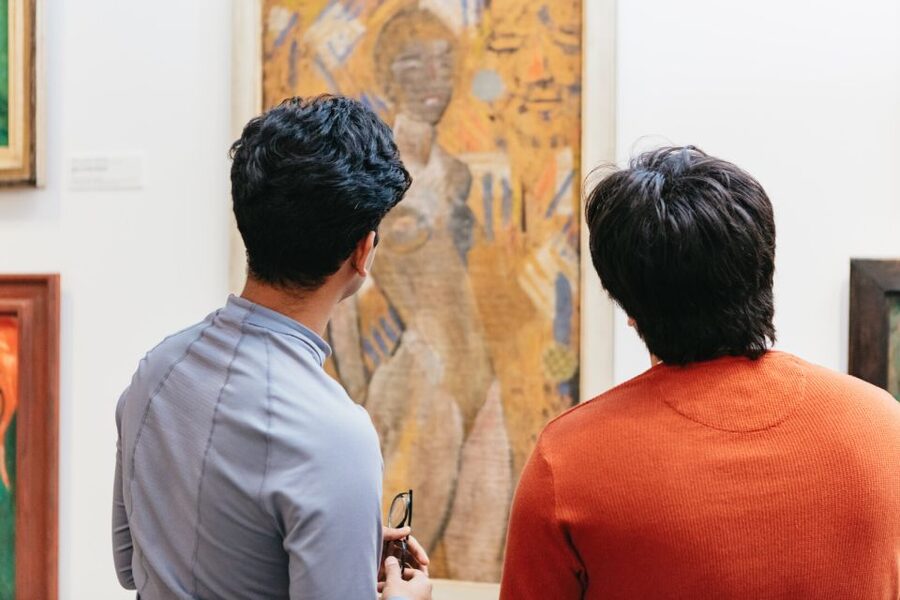
The Neue Nationalgalerie is not a quick parade of famous names. Its art comes from a period when Germany and Europe were being remade by war, political change, social reform, mass culture, and persecution.
That context gives the visit weight. You might begin with paintings or works linked to the German Empire’s reform movements, then encounter art shaped by World War I and the looser, more experimental culture of the Weimar Republic’s Golden Twenties.
The collection also addresses World War II and the Holocaust. I value that the museum connects modern art with the society that produced it, rather than treating each work as an isolated object. You can look at style and technique, but you can also ask what these artists saw, feared, challenged, or tried to change.
This is especially useful if you already know a little about German modernism. If you do not, the audioguide can help you place the works in time and explain why the period was so unsettled.
A few more Berlin tours worth weighing up
- Berlin: Jewish Museum Berlin Entrance Ticket
★ 4.5 · 8,393 reviews - Berlin: Berlin Story Bunker Entry Ticket
★ 4.6 · 6,759 reviews - Berlin: Illuseum Berlin Entrance Ticket
★ 4.1 · 3,970 reviews
Mies van der Rohe’s building is part of the ticket
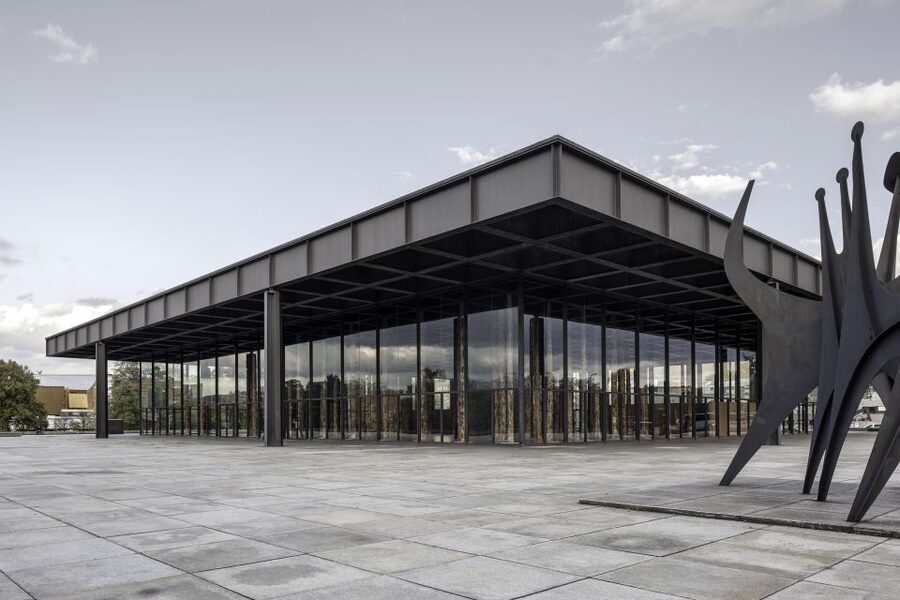
Many museums use their buildings as containers for art. Here, the architecture is one of the main attractions.
The Neue Nationalgalerie was designed by Mies van der Rohe, one of the best-known architects of modernism. The building gives your visit a clear sense of place before you have spent much time with the collection.
I suggest pausing at the entrance instead of rushing straight to the galleries. Look at how the building frames the art and how its clean, disciplined design contrasts with the often troubled subjects inside.
The architecture may appeal to you even if modern art is not usually your first choice. If you have already visited Berlin’s major historic museums, this offers a different kind of cultural stop: less decorative, more focused on structure, space, and modern design.
The ticket does not include a guided architectural tour, so you should not expect a specialist to explain Mies van der Rohe’s design in person. Still, the building is easy to appreciate on your own, and the art gives you a second reason to stay.
The collection moves through a turbulent century
The museum’s works cover the period commonly called Classical Modernism. That label can sound formal, but the subjects are often direct and human.
Otto Dix is associated with sharp observations of society and the effects of war. Hannah Höch is an important figure in German modern art, particularly for work that questions social roles and public images. Ernst Ludwig Kirchner brings another side of modernism, with energetic forms and a strong sense of a changing world.
Lotte Laserstein offers a useful counterpoint, especially for anyone interested in portraiture and the position of women in 20th-century Germany. Renée Sintenis adds sculpture to the mix and broadens the range of materials and forms you may encounter.
The supplied information does not give a fixed room-by-room route, so you should expect the exact arrangement to depend on the current exhibition. That matters because the experience is not a permanent checklist of every named artist. Changing displays can alter which works receive the most attention.
Instead of trying to see everything quickly, I would choose a few works and give them time. Ask what was happening in Germany when each piece was made, then use the audioguide where available. The museum’s historical framing makes that approach more rewarding than simply collecting artist names.
Special exhibitions make each visit different
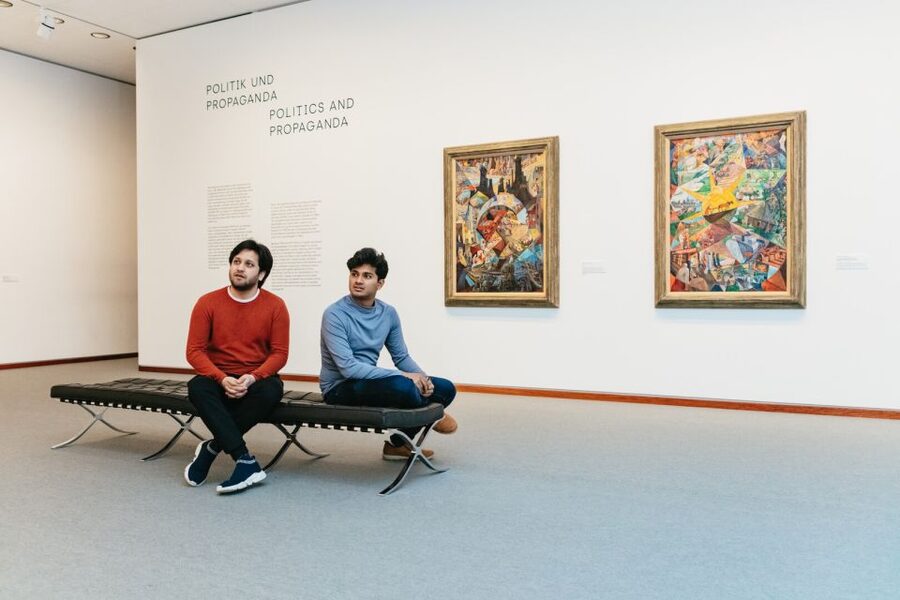
Your entry ticket provides access to the museum’s special exhibitions. This is good news if you enjoy returning to museums, since the focus can change over time.
It also means you should check the current exhibition details before booking. The ticket description identifies the museum and its changing displays, but it does not promise one permanent selection for every date.
I like this arrangement for a short Berlin visit because it gives you a focused museum experience rather than an all-day commitment. The stated ticket validity is 15 minutes from first activation, which appears to refer to the time allowed to activate the ticket, not the length of your museum visit. Do not read that figure as a 15-minute tour.
Once admitted, you can take the time needed to see the exhibition, subject to the museum’s own opening and access rules. The entry ticket includes the booking fee, but not food, drinks, or a guided tour.
A different side of Berlin on the same trip:
- Berlin: Reichstag, Dome and Government District Guided Tour
★ 4.7 · 18,288 reviews - Berlin: 1-Hour City Tour by Boat with Guaranteed Seating
★ 4.3 · 16,993 reviews - Berlin: Boat Tour Along the River Spree
★ 4.4 · 11,252 reviews - Discover Berlin Half-Day Walking Tour
★ 5.0 · 9,624 reviews
Audioguides help, but they are not a private tour
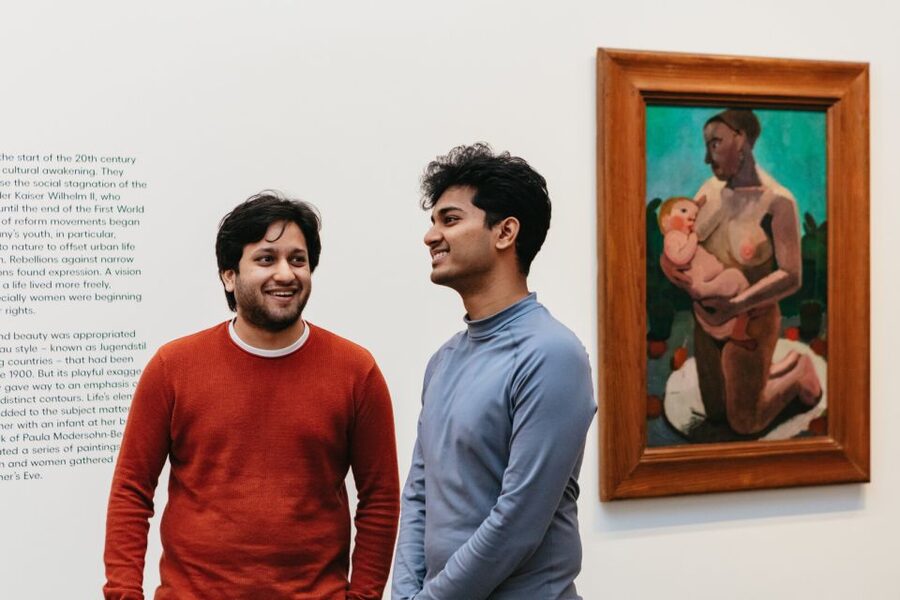
Audioguides are included at most exhibitions. That is a useful middle ground between wandering without context and paying for a separate guide.
You can choose when to listen and when to simply look. For art connected to the German Empire, World War I, the Weimar Republic, World War II, and the Holocaust, a little background can change how you read the work.
The information provided does not name a guide, because this is not a live guided tour. If you want personal discussion, questions answered on the spot, or a set architectural commentary, this ticket will not provide that.
For many people, that is a fair trade. You avoid a fixed group schedule and can move at your own pace. If you prefer a clear narrative, use the audio material carefully rather than treating it as background noise.
What the $23 price gets you
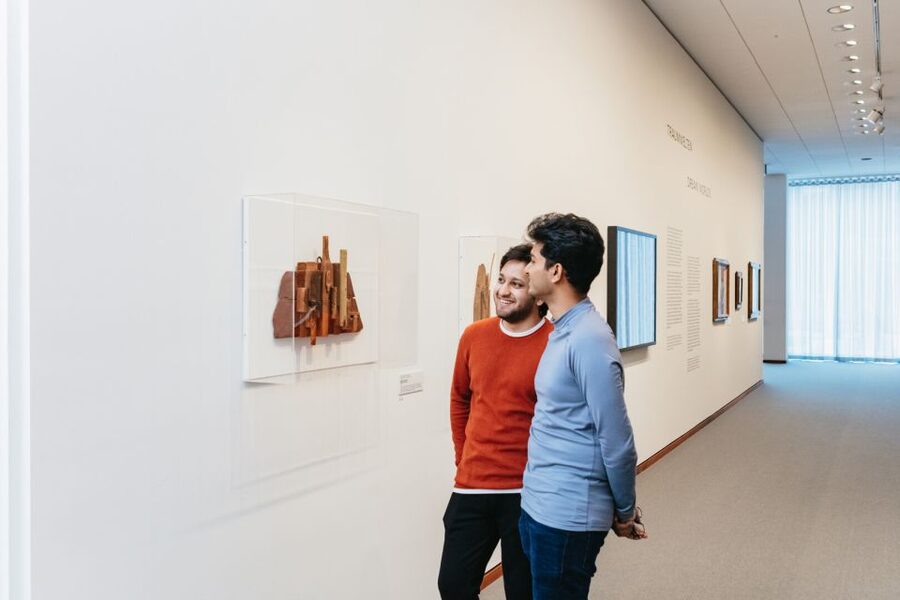
At about $23 per person, this is not the cheapest museum entry in Berlin. Its value depends on how much you care about 20th-century art, temporary exhibitions, and modern architecture.
The price includes admission and the booking fee. That makes the cost easy to understand, but it does not include a meal, drinks, or a live guide.
I think the price is reasonable if the current exhibition matches your interests and you plan to spend real time with the art. It is less convincing if you only want a quick look at the building or are trying to cover many museums on a tight budget.
People up to age 18 can enter free, although they still need to book a ticket. That is an important saving for families, but remember that every young visitor still needs the required reservation.
The overall score is 4.7 from 1,212 reviews, and a verified February 23, 2026 booking gave a simple five-star response calling the visit wonderful. That points to strong general satisfaction, but it should not make you ignore the serious access problem reported in January.
The biggest concern is overcrowding at entry
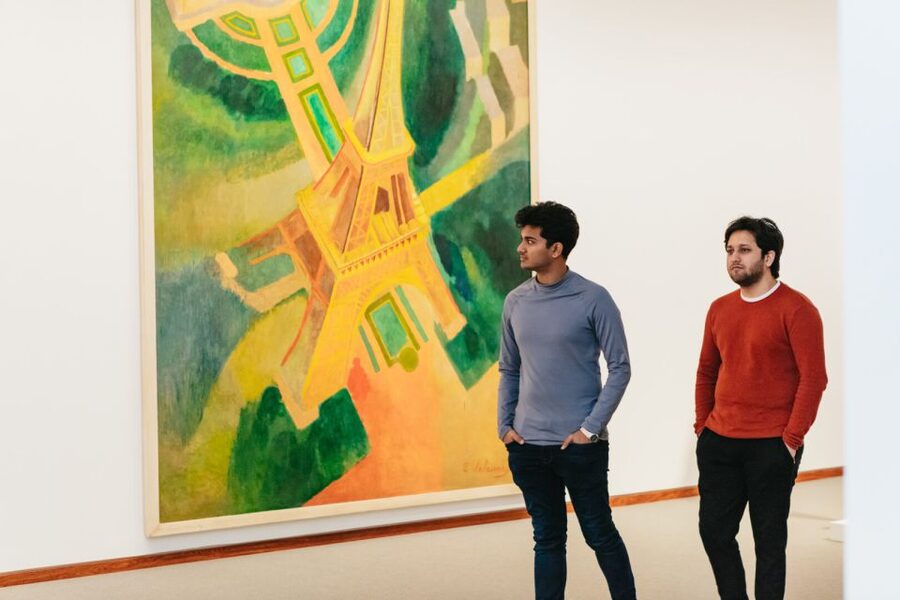
The most useful warning here concerns ticket capacity. A visitor who tried to enter on January 28, 2026, reported that the ticket could not be used and that the wait at about 3:30 p.m. reached 3.5 hours.
The complaint also stated that museum management admitted too many tickets had been sold and that a refund should be clear. That is a serious issue, particularly because the activity is listed as non-refundable.
I cannot tell you how often this happens, and one difficult visit does not erase the strong overall rating. Still, you should treat busy periods with care. If your Berlin schedule is tight, a long queue could cost you more than the ticket price.
Groups of 10 or more must register in advance. That rule matters for school groups, family gatherings, and organized visits. Do not arrive with a large group expecting ordinary individual entry.
A sensible approach is to go with flexibility in your schedule and avoid assuming that a digital voucher guarantees instant admission. You show the voucher at the museum’s main entrance, but entry conditions can still be affected by capacity.
A simple visit plan that works
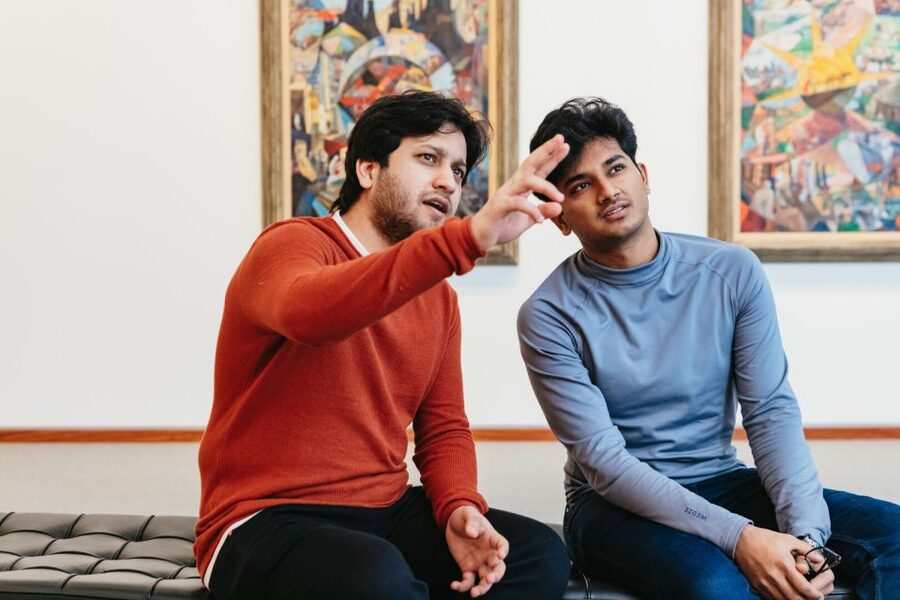
Start at the main entrance with your voucher ready. The ticket is wheelchair accessible, which makes the museum a practical option for visitors who need step-free access, though the provided information does not give further details about toilets, seating, or route design.
Once inside, first take in the building. Give yourself a few minutes to notice the architecture before turning to the artwork. This prevents the museum from becoming just another indoor stop on a packed Berlin itinerary.
Next, get a sense of the current special exhibition. Rather than trying to absorb every label, select a small group of works that catch your attention. Artists named in the collection include Otto Dix, Hannah Höch, Ernst Ludwig Kirchner, Lotte Laserstein, and Renée Sintenis.
Use the audioguide at the works or sections where you want more background. The supplied details say it is available at most exhibitions, not necessarily every single work, so some pieces may need to be understood through their labels and your own reading.
Finally, return to the architecture before leaving. The building is not a separate attraction with its own ticket. It is part of what makes this museum visit distinct.
Who will enjoy this museum most
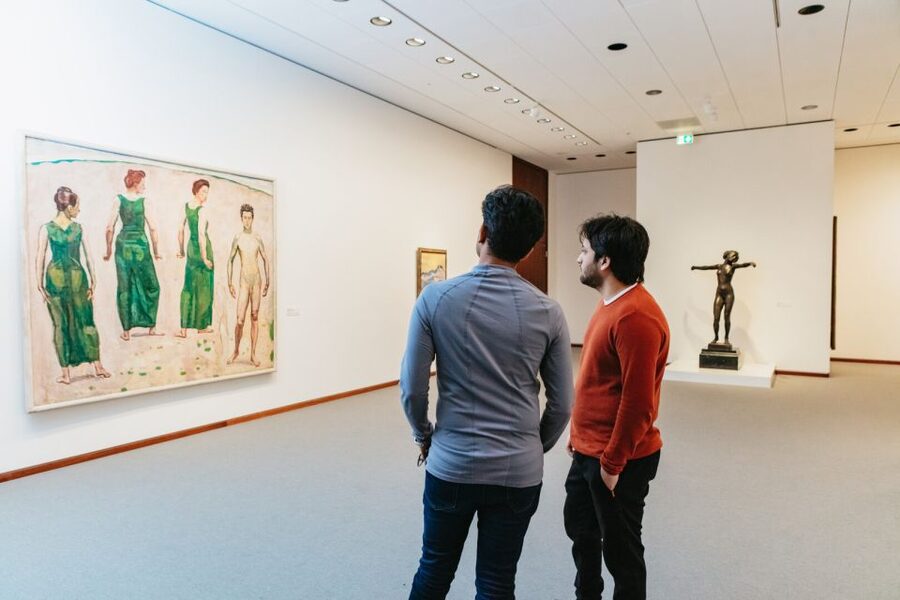
I would recommend the Neue Nationalgalerie to you if you like modern art, German cultural history, or important 20th-century architecture. It is also a good choice if you prefer a self-guided museum visit with optional audio support.
The collection may be especially meaningful if you want to see how art responds to political and social pressure. The period covered here includes reform movements, two world wars, the Weimar Republic, and the Holocaust, so this is not a light sightseeing stop.
Families can benefit from the free entry for those up to 18, provided tickets are booked. Younger visitors may connect more easily with the building, portraits, sculpture, or selected works than with a full chronological survey.
I would be more cautious if you have little interest in modern art or only have a few hours in Berlin. The architecture may still justify a visit, but $23 is harder to defend if you plan to stay only long enough for a quick photograph.
Large groups should plan ahead because groups of 10 or more must register in advance. Solo visitors and small parties have a simpler arrangement, though they should still allow room for possible entry delays.
What to bring and what to leave behind
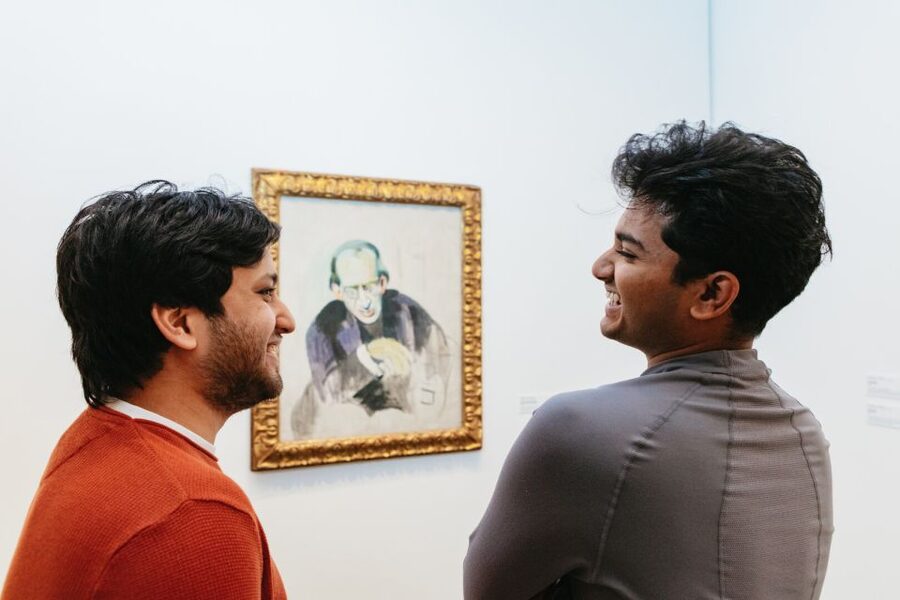
The museum does not allow oversize luggage, large bags, backpacks, food, drinks, smoking, or pets. Assistance dogs are allowed.
That means you should plan your museum visit around a light day bag, if permitted under the museum’s current rules. Do not arrive with a suitcase or large backpack and expect a simple entrance process.
Food and drinks are not included, and they are not allowed inside. Have refreshments before or after your visit rather than counting on eating while you view the exhibitions.
The activity is non-refundable, so check your date and schedule before purchasing. The access complaint from January 2026 makes this point more important: you need enough flexibility to cope with a queue if the museum is crowded.
Should you book the Neue Nationalgalerie ticket?
Book it if 20th-century German art and Mies van der Rohe’s architecture are high on your Berlin list. The ticket gives you access to changing special exhibitions, works by major modern artists, and audioguides at most exhibitions without tying you to a live tour.
The $23 price is fair when you plan to spend time with the collection. Free entry for visitors up to age 18 also improves the value for families.
I would not book it blindly on a tightly timed day. The 4.7 rating and many positive experiences are encouraging, but the reported 3.5-hour wait and alleged overselling show that capacity can matter. Check the current exhibition, allow spare time, and avoid bringing large luggage.
For the right visitor, this is a thoughtful museum stop that joins powerful art with one of Berlin’s key modern buildings. Just leave room in your schedule, and arrive prepared for the museum’s entry rules.
FAQ
How much does the Neue Nationalgalerie entry ticket cost?
The ticket costs $23 per person. The booking fee is included.
What does the ticket include?
It includes entry to the Neue Nationalgalerie and access to its special exhibitions. Audioguides are included at most exhibitions.
Is a guided tour included?
No. A guided tour is not included. The ticket provides admission and audioguide access at most exhibitions.
How long is the ticket valid?
The activity is valid for 15 minutes from first activation. This refers to activation of the ticket and should not be understood as the length of your museum visit.
Can visitors under 18 enter for free?
Yes. People up to 18 years of age can enter free, but they still need to book a ticket.
Is the museum wheelchair accessible?
Yes. The activity is listed as wheelchair accessible.
What items are not allowed inside?
Oversize luggage, large bags, backpacks, food, drinks, smoking, and pets are not allowed. Assistance dogs are permitted.
Just added around Berlin
- Berlin Highlights in One Day★ 5.0 · 3 reviews
- Private Berlin One Day Tour with a Local: See the City Unscripted★ 3.5 · 3 reviews
- Individual city tour Berlin for max. 8 persons★ 5.0 · 3 reviews
- Transfer from Berlin Schönefeld Airport (SXF) to Berlin city Hotels – ROUND TRIP★ 4.0 · 3 reviews
- Berlin: Museum Island Tour★ 5.0 · 3 reviews
- Private Analogue Photography Experience in Berlin★ 5.0 · 3 reviews
- Berlin: Local Food Tour in Secrets Hidden Gems★ 4.0 · 3 reviews
- Berlin & The Third Reich Private Guided Tour★ 5.0 · 3 reviews
Tickets, compared.





Sanssouci Palace and Prussian Palaces Entry Ticket
Read our review →