Review · TICKETS
Berlin: Palace of Köpenick Entrance Ticket
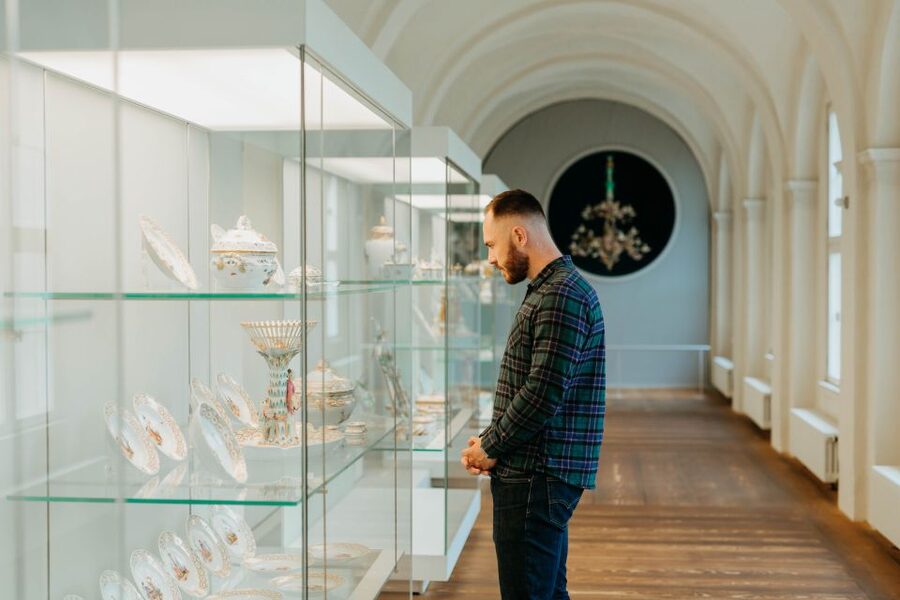
Köpenick Palace gives you a quieter Berlin museum stop, set on a small manmade island about 30 minutes from the city. Inside, three floors of decorative arts trace changing tastes from the 16th through 18th centuries, while the basement adds archaeological finds from the island. I like the freedom to look at your own pace, and I like that the $9 ticket allows an unhurried visit rather than forcing you through a timed tour.
The main tradeoff is simple: this is a museum ticket, not a guided palace experience. You will need to bring your own context, and the absence of an audio guide may matter if Renaissance, Baroque, and Rococo design are new to you. One recent visitor also described the atmosphere as very quiet, while another found the visit boring and felt overly watched by security, so expectations matter.
In This Review
- Key points at a glance
- Reaching Köpenick Palace from central Berlin
- Three floors of Renaissance, Baroque, and Rococo design
- The basement’s archaeological story
- How long should you plan for the palace?
- What the $9 price delivers
- Who will enjoy this palace visit?
- Practical tips for a smoother visit
- Should you book Köpenick Palace?
- FAQ
- Where is Köpenick Palace located?
- How far is the palace from Berlin?
- What does the entrance ticket include?
- Is an audio guide included?
- Is a tour guide included?
- Can I stay as long as I want?
- Is the ticket refundable?
Key points at a glance
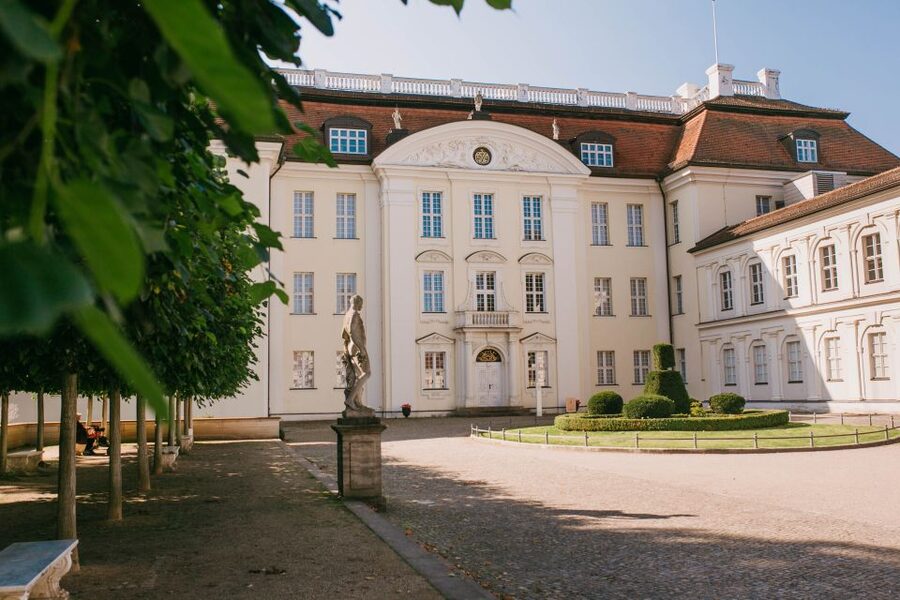
- A palace on an island: Köpenick Palace sits on a manmade island beside the old town center of Köpenick, around 30 minutes from Berlin.
- Three floors of decorative arts: See interior design pieces from the Renaissance, Baroque, and Rococo periods.
- A basement archaeology display: Discover evidence of settlement and building on the island of Schloss Köpenick.
- Flexible museum time: Enter at the time printed on your ticket, then stay as long as you wish.
- Self-guided by design: The ticket includes admission only, with no tour guide or audio guide.
- A low-cost cultural stop: At $9 per person, the visit can work well as a modestly priced addition to a day in Köpenick.
Reaching Köpenick Palace from central Berlin
Köpenick Palace is in Berlin State, but it is not in the central museum district. It sits on a manmade island at Schlossinsel 1, beside the old town center of Köpenick. The journey takes about 30 minutes from Berlin, making this a short trip rather than an all-day commitment.
That setting changes the feel of the visit. You are not simply stepping into another city-center museum after a line of major sights. You are going to a distinct part of Berlin, where the palace occupies its own small island and the surrounding old town provides a change of pace.
Your ticket is used at the palace’s main entrance. You can show either a mobile voucher or a printed voucher. I would have the code ready before reaching the door, especially if you are visiting with other people and want to keep the entry quick.
The ticket is valid for one day, but you must arrive at the time stated on it. That is best understood as an entry window rather than a fixed end time. Once inside, you can remain as long as you wish during the museum’s opening period.
A few more Berlin tours worth weighing up
- Berlin: Jewish Museum Berlin Entrance Ticket
★ 4.5 · 8,393 reviews - Berlin: Berlin Story Bunker Entry Ticket
★ 4.6 · 6,759 reviews - Berlin: Illuseum Berlin Entrance Ticket
★ 4.1 · 3,970 reviews
Three floors of Renaissance, Baroque, and Rococo design
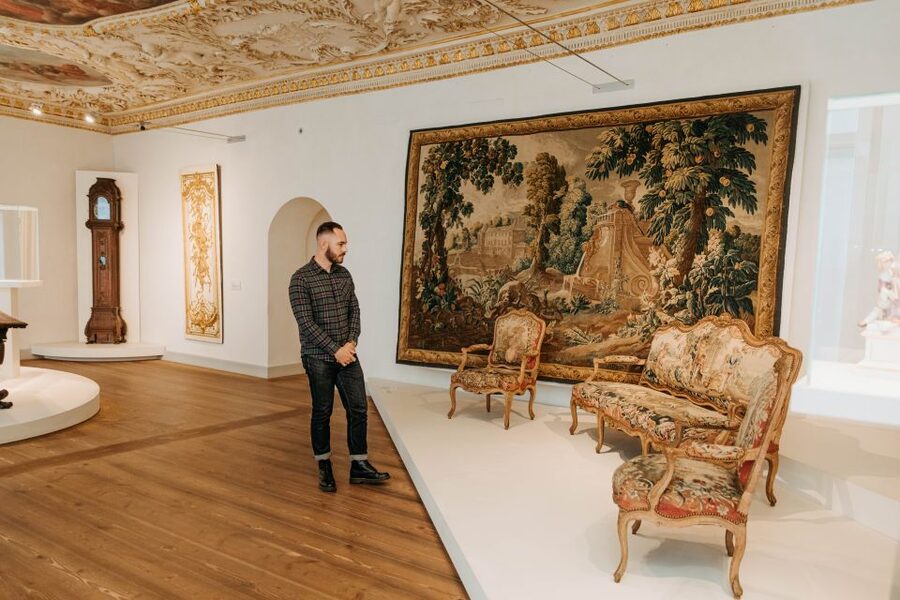
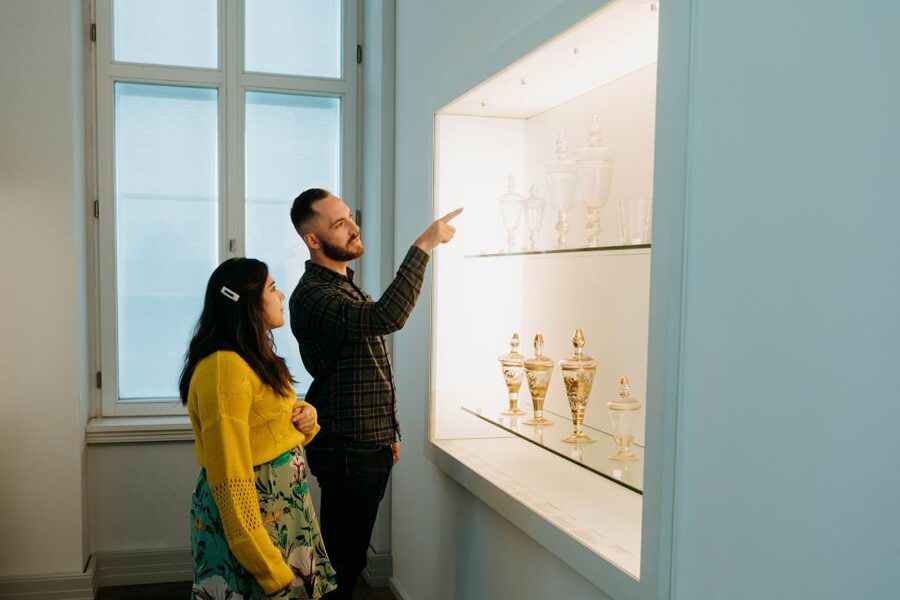
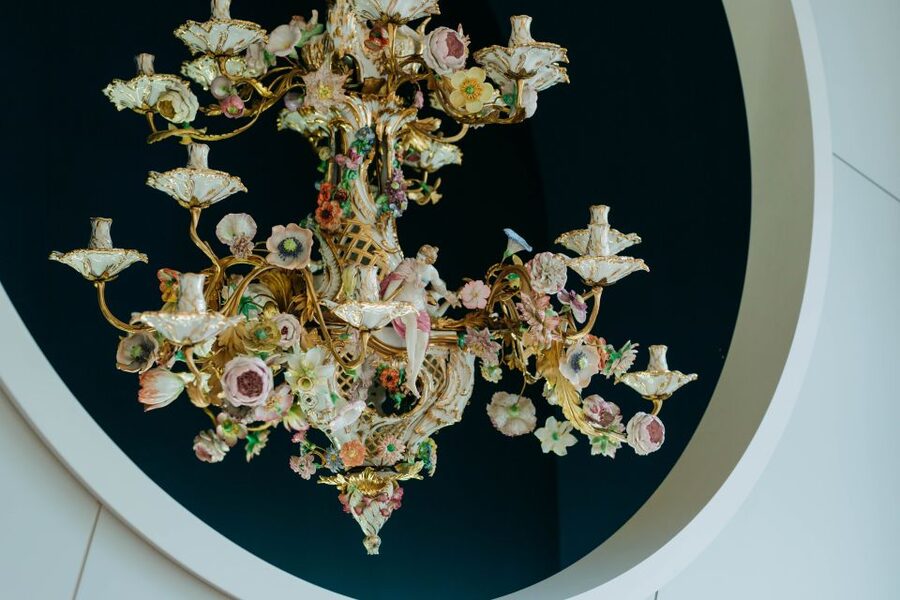
The main exhibition occupies the space used by the Kunstgewerbemuseum since 1963. Its focus is decorative art, so this is not primarily a palace-room tour filled with royal anecdotes. Instead, you move through displays that show how people shaped interiors and objects between the 16th and 18th centuries.
The three periods give you a useful visual progression. Renaissance design tends toward ordered forms and classical influence. Baroque work often feels more dramatic and elaborate. Rococo brings lighter, more playful decoration. You will see these eras presented through outstanding examples of interior design rather than through a simple list of dates.
That distinction matters. If you enjoy furniture, ornament, interiors, and the way objects express taste and status, the museum offers plenty to study. If you mainly want grand rooms, palace drama, or a guide telling colorful stories at every stop, the experience may feel restrained.
Because you set your own pace, you can spend time with pieces that catch your eye instead of being pulled along by a group. I like this format for museum regulars who already know how they prefer to look. You can move quickly through familiar material or pause over details in carving, shape, and decoration.
The lack of a guide also means you should not expect a live explanation of each work. The ticket does not include an audio guide, and no tour guide accompanies you. If you want a fuller art-history lesson, consider reading about the three periods before you arrive or planning another guided museum visit elsewhere in Berlin.
The basement’s archaeological story
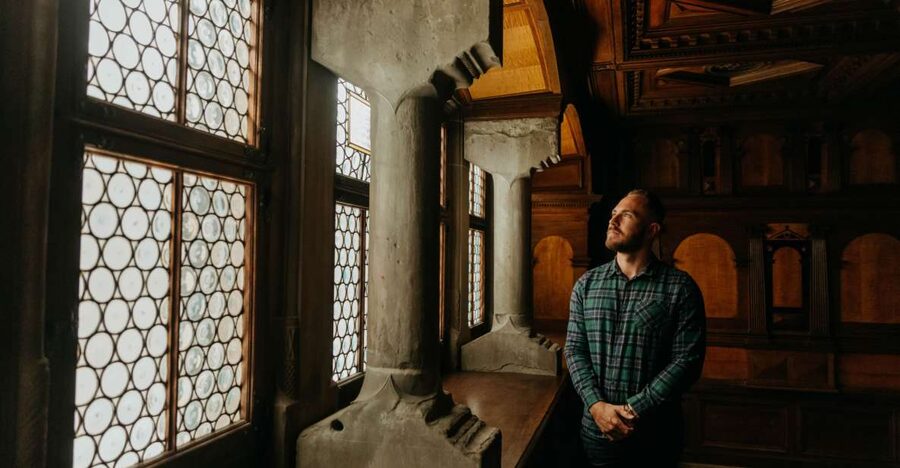
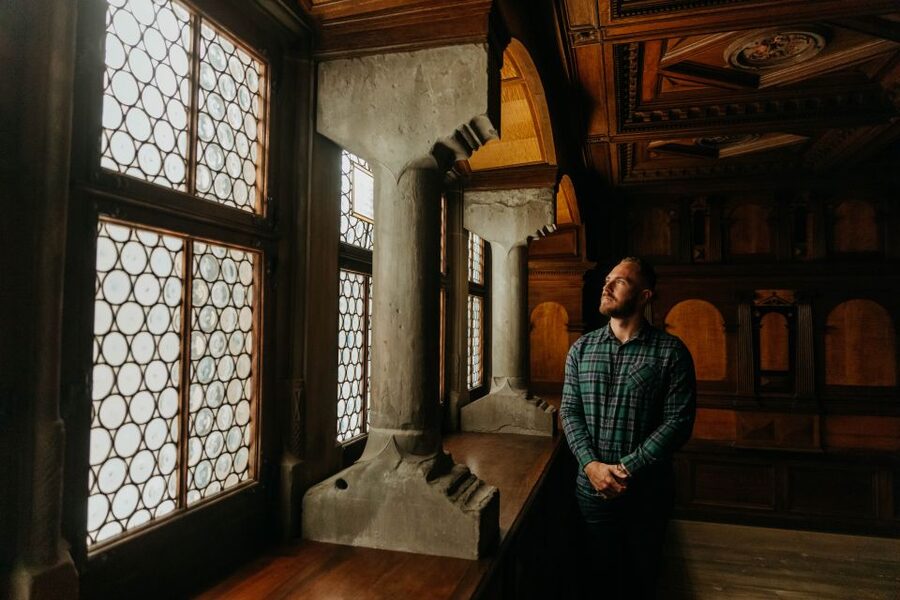
After the decorative arts, make time for the basement. It contains archaeological finds that document settlement and building on the island of Schloss Köpenick.
This section broadens the visit. The upper floors show refined interiors and artistic production, while the basement turns your attention to the physical place beneath the palace. The finds connect the island to earlier settlement and construction, giving you a way to think about the site beyond its finished rooms and display cases.
Do not treat the basement as a quick afterthought. It is the part of the museum that most directly explains why this location matters. The palace is not an isolated object dropped onto an island. The archaeological display shows that the ground itself has a story of use and change.
The supplied information does not give a detailed list of the finds, so I would not arrive expecting a particular artifact or a large excavation display. Still, the basement provides useful context, especially if you enjoy seeing how a building site developed over time.
How long should you plan for the palace?
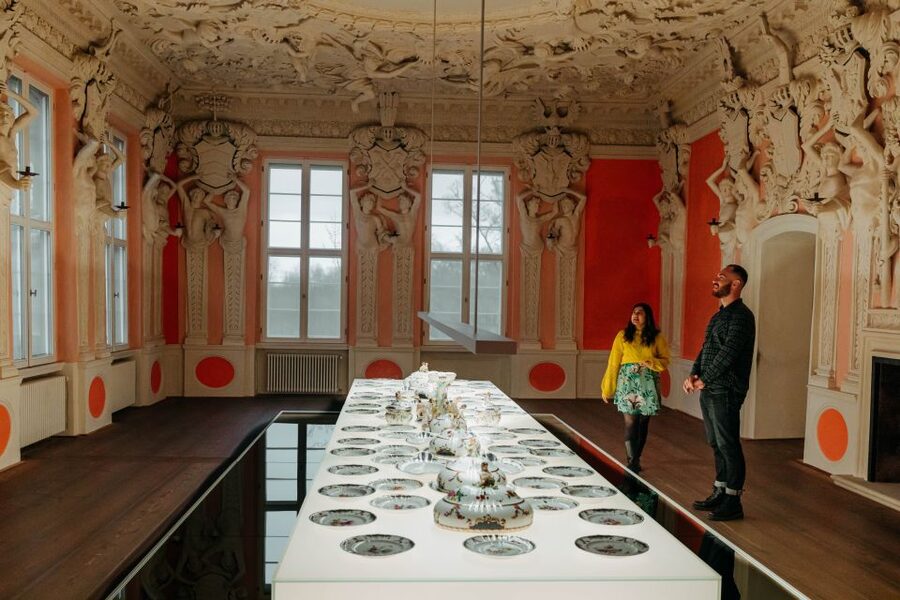
You may stay as long as you wish, which makes the ticket easy to fit into a larger day. The stated duration is one day, but that does not mean you need to spend the whole day inside. Your visit time depends on how closely you examine the three floors and how much attention you give the basement.
For a quick look, you might move through the major displays without lingering. For a more thoughtful visit, allow enough time to compare Renaissance, Baroque, and Rococo pieces and then visit the archaeological section. The flexible exit time is useful because you are not pushed toward the door after a fixed tour length.
I would pair the museum with time in Köpenick rather than treating it as a rushed detour. Since the palace is outside central Berlin, the trip makes more sense when you are comfortable giving the area a relaxed portion of your day.
The quiet atmosphere can be a benefit. One recent German visitor described the stay as pleasant and very peaceful. That suits you if you prefer to examine art without a noisy crowd or a guide setting the rhythm.
The same quiet mood will not suit everyone. One sharply negative response described the museum as boring and complained about security staff following visitors and seeming overwhelmed. That is one person’s experience, but it points to two practical considerations: the museum may feel subdued, and the on-site atmosphere may not always be comfortable for everyone.
A different side of Berlin on the same trip:
- Berlin: Reichstag, Dome and Government District Guided Tour
★ 4.7 · 18,288 reviews - Berlin: 1-Hour City Tour by Boat with Guaranteed Seating
★ 4.3 · 16,993 reviews - Berlin: Boat Tour Along the River Spree
★ 4.4 · 11,252 reviews - Discover Berlin Half-Day Walking Tour
★ 5.0 · 9,624 reviews
What the $9 price delivers
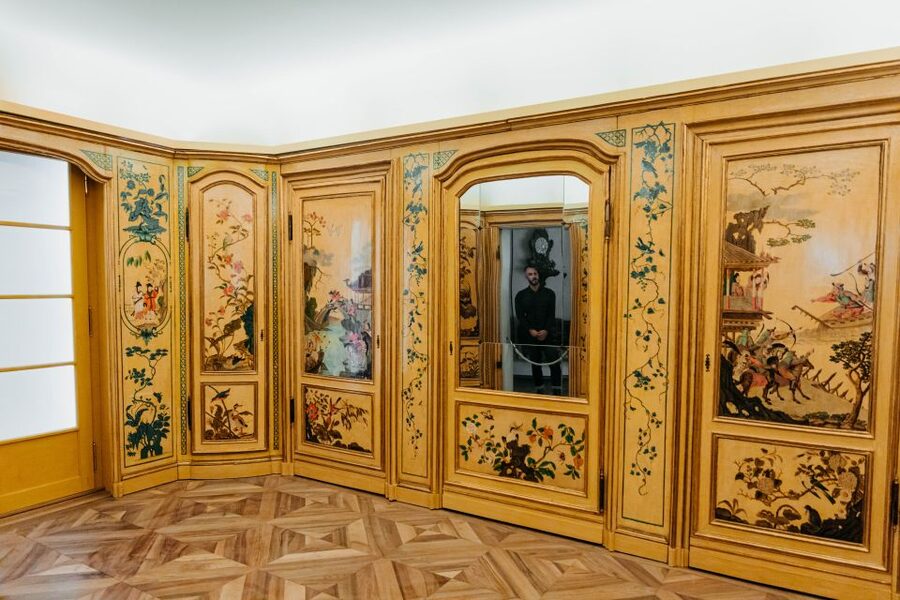
At $9 per person, the ticket is priced as a straightforward admission to a specialized museum. You are paying for access to the palace and its permanent decorative-arts presentation, not for transport, interpretation, or a guided program.
I consider that reasonable if you already enjoy art museums and can make good use of a self-guided visit. Three floors covering several major European design periods give you enough material for a worthwhile stop, and the basement adds another subject rather than repeating the upper-floor displays.
The value is less convincing if you need a guide to make art come alive. There is no audio guide and no tour guide included, so the ticket does not provide much help with names, dates, or interpretation beyond what is presented in the museum itself.
You should also remember that the price is tied to an activity that cannot be refunded. That makes it sensible to check your Berlin plans carefully before booking. Choose a time you can realistically keep, then arrive at the main entrance with your mobile or printed voucher.
Who will enjoy this palace visit?
I would recommend Köpenick Palace to you if you like decorative arts, historic interiors, and museums where you can set your own pace. It is also a good choice if you want a calmer Berlin outing away from the city center’s best-known museums.
The visit suits independent museum-goers especially well. You can decide how much attention to give each period, revisit a display, or leave once you have seen enough. There is no group timetable inside and no need to wait for a guide.
Families and mixed-interest groups may find the flexible timing useful, but the subject is specialized. Someone fascinated by furniture and interior design may be happy to linger, while another person may finish quickly. The $9 admission keeps the financial risk modest, but the non-refundable condition still means you should be reasonably sure the theme fits your group.
Art students, design fans, and anyone studying European decorative traditions may get the most from the three-floor arrangement. The sequence from Renaissance through Baroque to Rococo lets you compare styles in one place instead of chasing separate collections around Berlin.
You may want to skip it if your main goal is a dramatic palace tour with lavish rooms, royal stories, or a personal guide. The supplied information presents this as an exhibition visit, and that distinction is important. You are exploring decorative arts in a palace setting, not joining a narrated historical reenactment.
Practical tips for a smoother visit
Arrive at the main entrance rather than looking for a separate ticket office or meeting point. The address is Schlossinsel 1, 12557 Berlin, Germany. Keep your voucher open on your phone, or carry the printed version if you prefer not to depend on mobile service.
Plan around your selected entry time. You have freedom once inside, but the ticket does not mean you can arrive at any hour. Check the available starting times before booking and build in enough travel time from central Berlin.
Do not count on an audio guide. Since it is not included, prepare to explore without one. If you want more background, read a short introduction to Renaissance, Baroque, and Rococo decorative arts before your visit, then use the museum displays to put that information into visual form.
Save the basement for part of your planned route. It is easy to focus on the polished decorative-arts displays upstairs and forget the archaeological evidence below. The basement is where the story of the island itself comes into view.
Finally, allow for a quiet and fairly self-directed experience. That is part of its appeal, but it can also make the visit feel less lively. If you like constant explanation and movement, bring your own questions and give yourself a clear purpose, such as comparing how ornament changes from one period to the next.
Should you book Köpenick Palace?
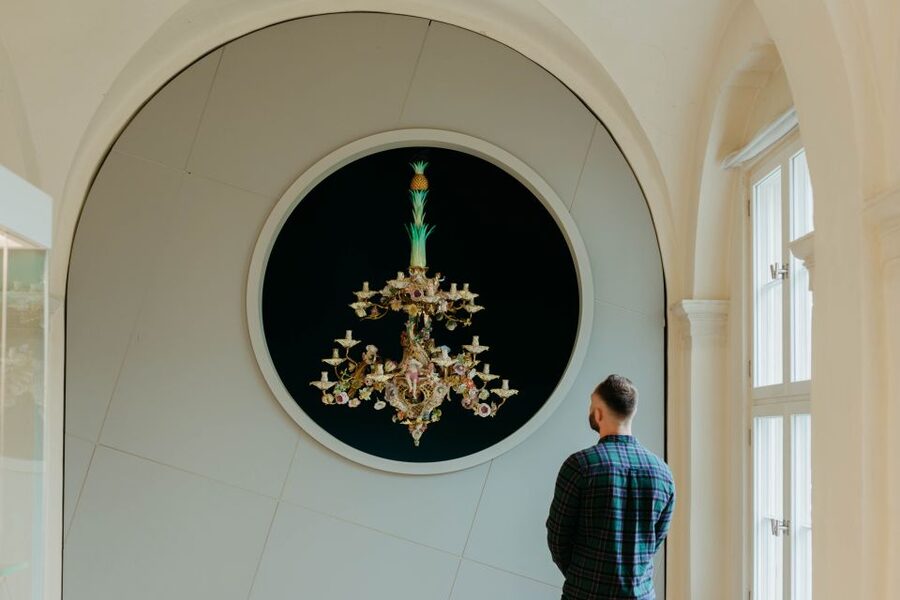
Book this ticket if you want a low-cost, flexible museum visit focused on European decorative arts rather than a guided palace story. The manmade island setting, three floors of Renaissance through Rococo material, and basement archaeology display give the outing more range than a quick look at one grand room.
I would be more cautious if you need an audio guide, personal explanation, or a busy sightseeing atmosphere. The ticket is non-refundable, so make sure the subject interests you and that you can reach the palace at the selected time.
For independent museum fans, $9 is a fair price for the access and freedom provided. For everyone else, treat it as a specialized stop in Köpenick, not an essential central-Berlin attraction. That simple distinction will help you decide if the palace matches your day.
FAQ
Where is Köpenick Palace located?
Köpenick Palace is at Schlossinsel 1, 12557 Berlin, Germany. It is located on a manmade island near the old town center of Köpenick.
How far is the palace from Berlin?
The palace is about 30 minutes from Berlin, according to the activity information.
What does the entrance ticket include?
The ticket includes entrance to Köpenick Palace and its museum exhibitions.
Is an audio guide included?
No. An audio guide is not included in the ticket price.
Is a tour guide included?
No. This is a self-guided visit, and a tour guide is not included.
Can I stay as long as I want?
Yes. You need to arrive at the time stated on your ticket, but you may stay as long as you wish at the museum.
Is the ticket refundable?
No. The activity is non-refundable.
Just added around Berlin
- Berlin Highlights in One Day★ 5.0 · 3 reviews
- Private Berlin One Day Tour with a Local: See the City Unscripted★ 3.5 · 3 reviews
- Individual city tour Berlin for max. 8 persons★ 5.0 · 3 reviews
- Transfer from Berlin Schönefeld Airport (SXF) to Berlin city Hotels – ROUND TRIP★ 4.0 · 3 reviews
- Berlin: Museum Island Tour★ 5.0 · 3 reviews
- Private Analogue Photography Experience in Berlin★ 5.0 · 3 reviews
- Berlin: Local Food Tour in Secrets Hidden Gems★ 4.0 · 3 reviews
- Berlin & The Third Reich Private Guided Tour★ 5.0 · 3 reviews
Tickets, compared.





Sanssouci Palace and Prussian Palaces Entry Ticket
Read our review →