
Review · HISTORICAL TOURS
Berlin: Urbex Abandoned Places & History Tour
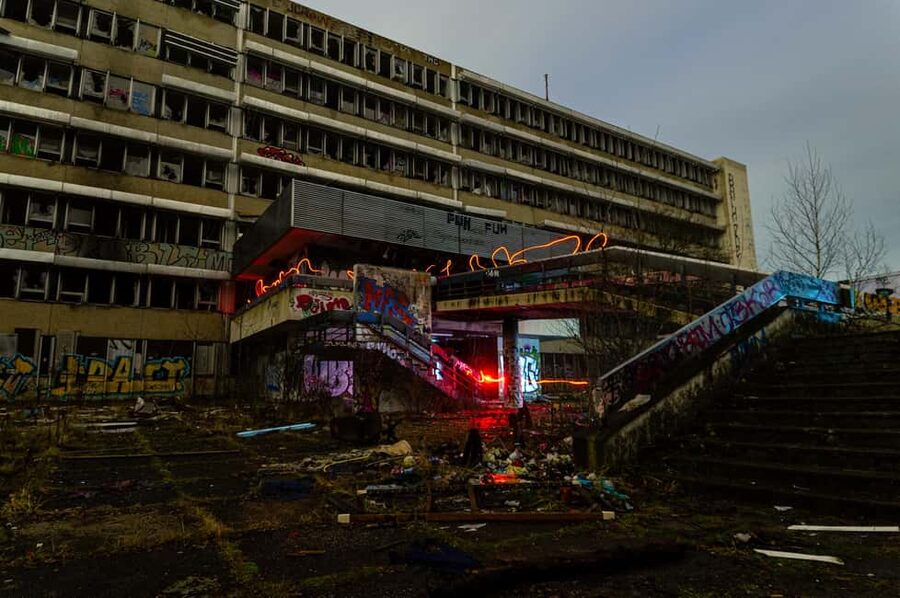
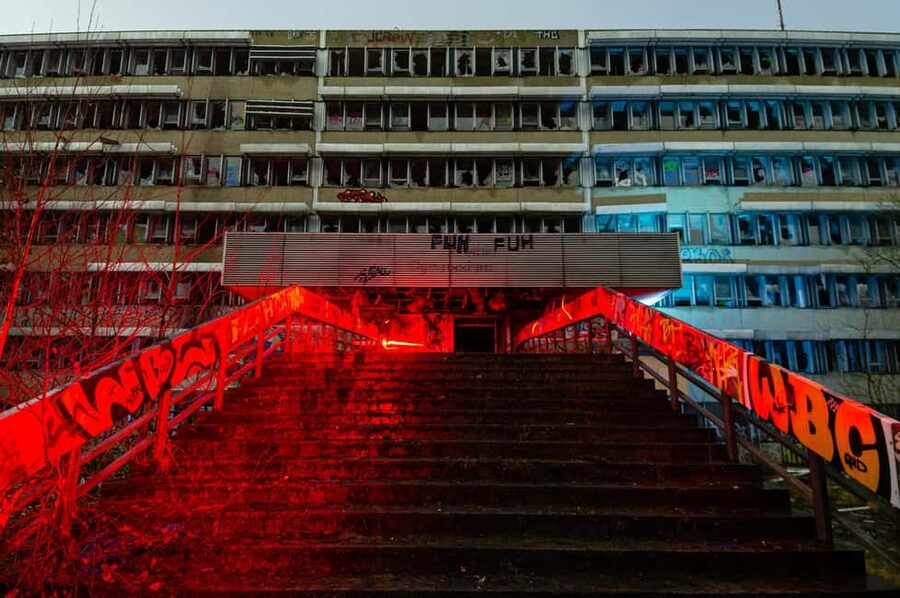
Berlin’s former Stasi hospital offers a rare look at East Germany’s secret medical world, far from the polished museums in central Berlin. You’ll enter abandoned buildings, pass old documents and original flooring, crawl through dark tunnel areas with a torch, and may reach rooftops with broad views. Yoorii, also known as Yuriy, leads the small group with history, humor, and a practical eye for safety.
I like two things here: the small group of six or fewer, which makes a large, confusing site easier to handle, and the chance to see the place as an urban explorer rather than simply walk past a preserved exhibit. The graffiti, damaged wards, tunnels, and leftover details give the tour a raw quality that a normal museum cannot match.
The main caution is the site’s condition. It is genuinely abandoned, with broken glass, fire damage, and areas that may no longer be open. One recent account found the bunker inaccessible and felt the location no longer offered enough for the $116 price, so this works best if you value atmosphere and access more than a perfectly preserved historic site.
In This Review
- Key points to know before you book
- Why this abandoned hospital matters
- Meeting the guide at S-Bahn Buch
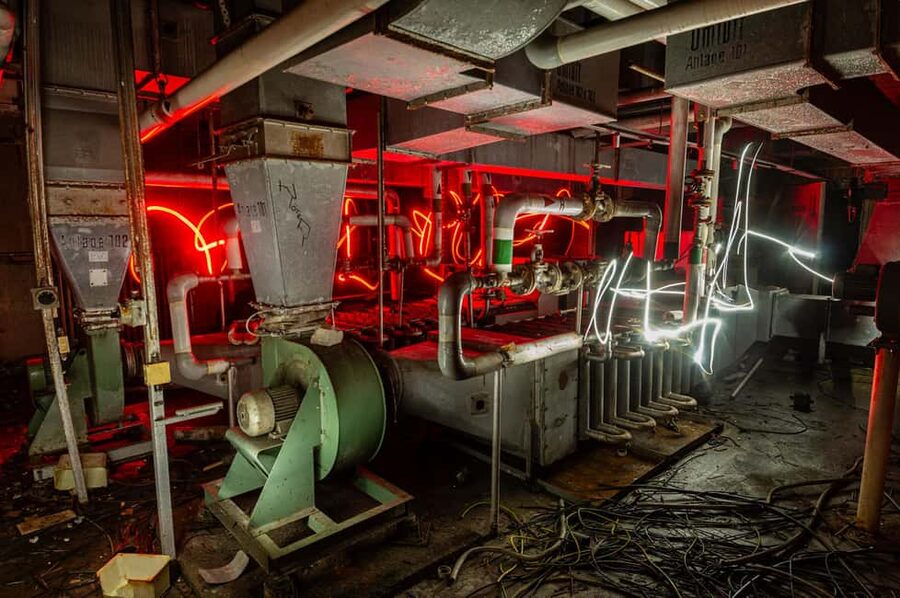
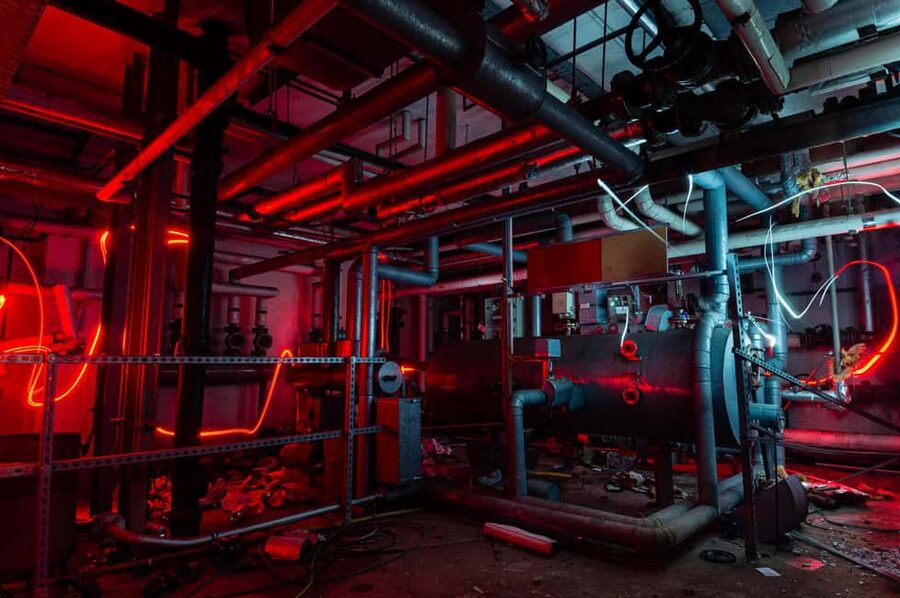
- Inside the former Stasi hospital
- Tunnels, headlamps, and graffiti in the dark
- Rooftops and the photographic side of the tour
- What Yoorii adds to the experience
- Is $116 a fair price?
- Who will enjoy this most
- Practical preparation for a safer visit
- Should you book the Berlin Urbex Tour?
- FAQ
- How long does the Berlin Urbex Abandoned Places and History Tour last?
- What language is the tour conducted in?
- Where is the meeting point?
- How large is the group?
- Are torches included?
- Can children join the tour?
- Can I cancel for a full refund?
- Who should not take this tour?
Key points to know before you book
- Former Stasi medical complex: Learn how East Germany’s secret police maintained hospitals for agents and senior officials.
- Three hours of urban exploration: Move through abandoned buildings, dark tunnel areas, and possible rooftop viewpoints.
- Yoorii’s personal guiding style: Expect history, humor, encouragement, and help finding the most interesting parts of a large site.
- Small group format: With no more than six participants, you can ask questions and keep close in difficult areas.
- Photography-friendly outing: Bring a tripod if you want steady low-light photographs, and use the supplied torches in darker sections.
- Rough conditions: Wear practical clothing, cover your head, avoid large backpacks, and expect dirt and broken surfaces.
Why this abandoned hospital matters
This is not just a walk through an empty building. The site is linked to the Stasi, East Germany’s secret police force, which operated a closed medical system for its own agents and high-ranking officials.
These hospitals treated operatives hurt during secret work and provided medical care away from public view. The facilities had modern equipment for their time, trained staff, and strict secrecy. Their location and operation reflected the larger system of suspicion and control that shaped daily life in East Germany.
After the Berlin Wall fell in 1989 and East Germany collapsed, the hospital lost its purpose. The buildings were left behind, and the empty rooms became a physical record of a political system that had disappeared almost overnight.
That background gives the tour its strongest edge. A peeling wall or abandoned corridor is not interesting only because it looks spooky. It also raises practical questions about who used the room, who was allowed inside, and why an entire medical complex could be shut down and forgotten.
You should not expect a polished museum with neat labels beside every object. The appeal is the contrast between the site’s former importance and its present decay. Yoorii’s explanation helps connect the physical remains with the Stasi system behind them.
More history walks in Berlin:
- Berlin: Natural History Museum Entrance Ticket
★ 4.6 · 3,382 reviews - Berlin: World Heritage Cruise to Potsdam
★ 4.5 · 1,435 reviews - Berlin Historical Highlights Walking Tour
★ 4.9 · 657 reviews
Meeting the guide at S-Bahn Buch
The meeting point is at the exit of S-Bahn Buch on the side facing the Netto supermarket. After coming downstairs, turn left toward the supermarket side.
This location is outside Berlin’s best-known sightseeing core, so allow enough time to reach Buch and find the correct exit. The meeting instructions are specific, but S-Bahn stations can have more than one exit, and the wrong side can leave you searching around a suburban area.
The tour lasts three hours, which is long enough to cover a large site without turning the outing into an all-day commitment. Starting times vary, so check availability when booking.
The group is limited to six people. That matters here. An abandoned complex can contain repeated hallways and empty rooms that look alike, and a guide can steer you toward the more worthwhile corners instead of letting you spend half the visit lost in similar spaces.
A small group also suits photography. You have a better chance of pausing for a careful shot without holding up a large crowd. At the same time, this is still a moving walking tour, not a private photo workshop, so bring a tripod only if you are comfortable carrying it through rough areas.
Inside the former Stasi hospital
The first stage introduces the hospital site and its role under East Germany’s secret police. You’ll get context for the buildings before moving farther into the abandoned sections.
The site’s scale is part of the experience. There are enough rooms, corridors, and exterior areas to make a guide useful. Without one, you could spend too much time in plain, empty sections and miss the traces that give the complex its character.
Look for details such as old documents, original flooring, and leftover building features. These small pieces are more valuable than a room covered only in graffiti because they help you picture the site in operation.
The condition is uneven. Some parts have been damaged by fire, vandalism, or people entering without permission. Broken glass is a real concern, and you should watch every step rather than walk with your eyes fixed on the walls.
The decay can be visually striking, but it also limits what the site can offer. If you want a carefully preserved Cold War interior, this is not the right choice. If you enjoy seeing how time, weather, and neglect alter a place, the roughness is central to the appeal.
Tunnels, headlamps, and graffiti in the dark
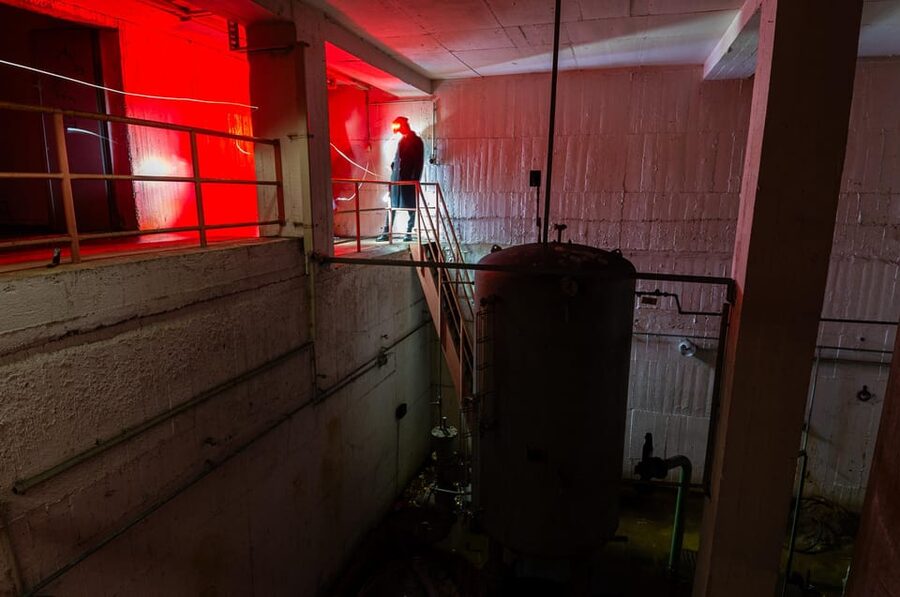
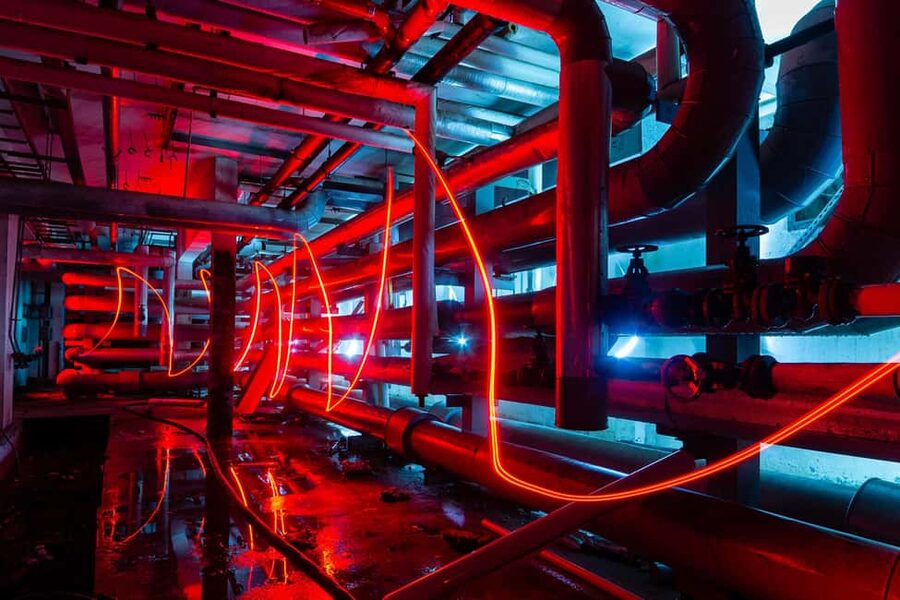
One of the more memorable sections takes you into darker tunnel areas. Torches are included, so you do not need to bring your own light, although a personal headlamp may still be useful if you have one.
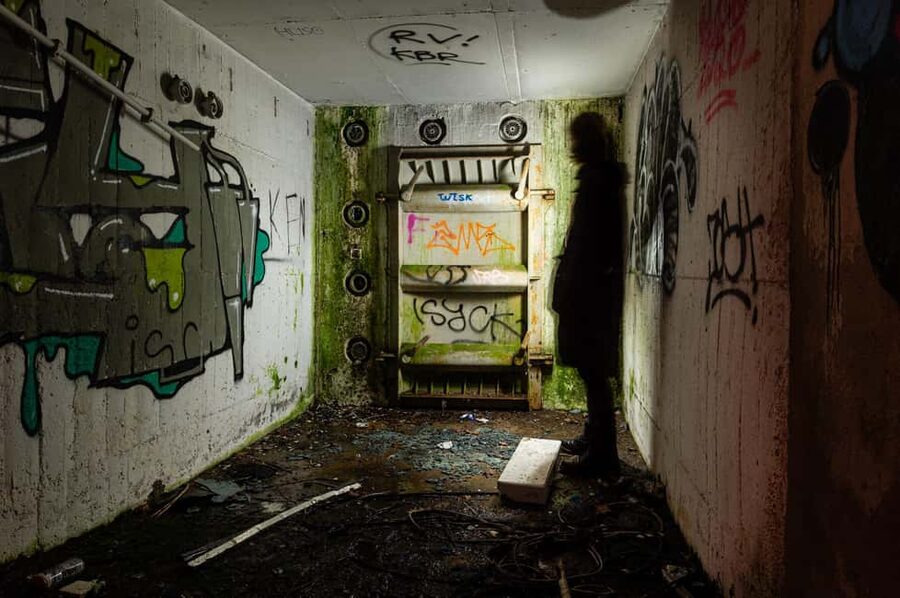
The tunnels change the mood of the tour. Above ground, the site feels like a large abandoned institution. Below ground, the narrow dark spaces create a stronger sense of exploration, especially when graffiti appears in the beam of your torch.
This is also where the tour pushes you outside your normal sightseeing routine. You are not simply reading about Cold War Berlin in a warm gallery. You are moving carefully through a place that has been left to decay.
Do not confuse this with a theme-park scare attraction. The setting may feel eerie, but the focus is urban exploration and history. Yoorii’s role is to keep the group moving safely and explain what the site can still tell you.
Access can change. A recent visit found the bunker closed, so you should not book on the assumption that every underground feature will be open. The broader tunnel experience remains a key part of the outing, but abandoned properties are never as predictable as formal attractions.
A different side of Berlin on the same trip:
- Berlin: Reichstag, Dome and Government District Guided Tour
★ 4.7 · 18,288 reviews - Berlin: 1-Hour City Tour by Boat with Guaranteed Seating
★ 4.3 · 16,993 reviews - Berlin: Boat Tour Along the River Spree
★ 4.4 · 11,252 reviews - Discover Berlin Half-Day Walking Tour
★ 5.0 · 9,624 reviews
Rooftops and the photographic side of the tour
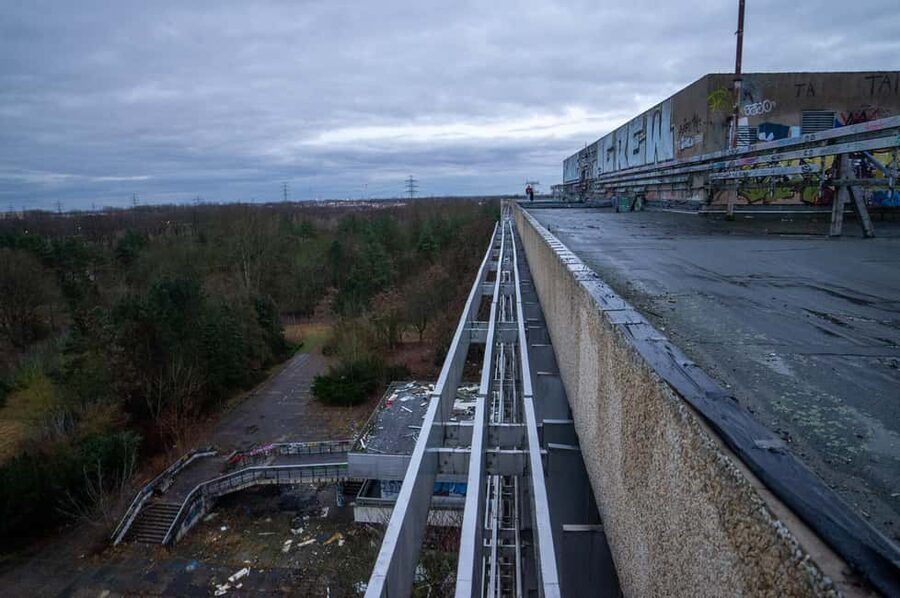
The tour description includes rooftop access and views, and some areas offer a chance to see the site from above. These viewpoints provide a useful change after the darker corridors and help you understand the size of the complex.
Rooftops also offer the best chance for wider photographs. You can frame the abandoned buildings, graffiti, and surrounding Berlin area in a single image instead of focusing on one damaged room.
Bring a tripod if photography is a priority. Low-light interiors and tunnel scenes are difficult to photograph sharply by hand, especially when the group is moving through quickly.
Your camera is not required. You can enjoy the tour without taking pictures, and the guide’s stories give the location value beyond its visual appeal. Still, the site’s textures, faded surfaces, tunnel art, and old architectural details make it a natural choice for anyone interested in urbex photography.
Wear a cap or another covering for your head. The instructions also call for comfortable clothes that can get dirty. This is not a place for formal clothing, high heels, or anything you would worry about brushing against rough walls.
What Yoorii adds to the experience
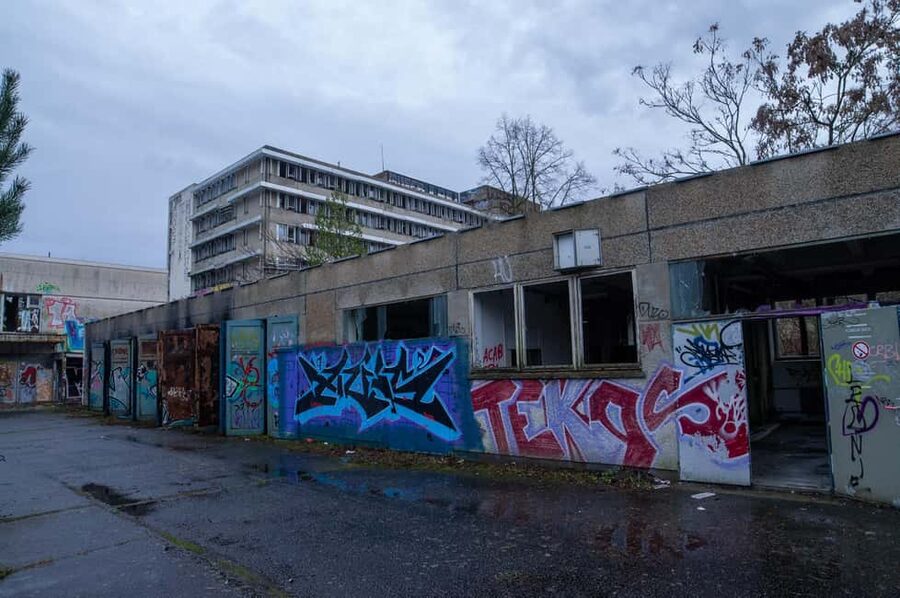
Yoorii’s greatest value is helping you read a site that does not explain itself. He has experience as an urban explorer and brings that practical knowledge to the route.
Expect a mix of historical explanation, safety guidance, and informal encouragement. He can point out the worthwhile rooms, explain the site’s Stasi connection, and keep the group from wasting time in sections that look much the same.
The tour’s tone is not purely academic. Humor and enthusiasm are part of the presentation, which helps keep three hours of abandoned buildings from becoming heavy or repetitive.
That style will suit you if you like a guide who stays involved and helps you try something outside ordinary sightseeing. It may be less appealing if you prefer to explore alone, move at your own pace, or spend a long time silently composing photographs.
The guide also matters because conditions are not gentle. Having someone familiar with the property gives the visit more structure than entering an abandoned site without direction. It does not remove every hazard, though. You still need to follow instructions and watch your footing.
Is $116 a fair price?
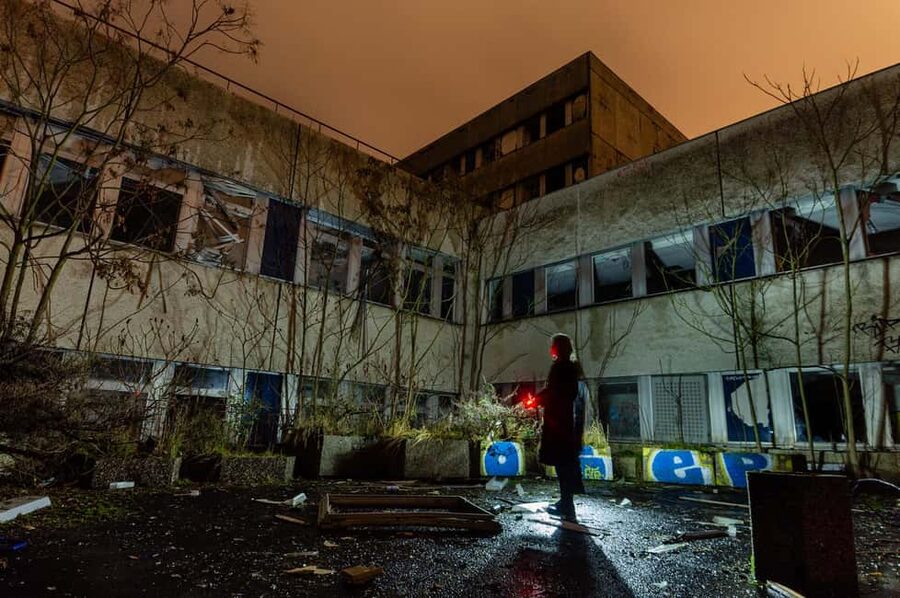
At $116 per person, this is an expensive three-hour activity compared with a standard Berlin walking tour or museum visit. The price makes more sense if you value small-group access, a specialist guide, included torches, and the chance to enter a location that is not part of the usual tourist circuit.
The group limit is important to the value calculation. A six-person maximum allows for closer guidance and makes photography less awkward. You are paying partly for access and partly for Yoorii’s ability to make sense of a large, damaged property.
The price is harder to justify if the site has deteriorated further by the time you visit. Broken glass, burned areas, missing objects, and closed sections reduce what you can see. One recent experience found too little remaining history and considered the cost high for the condition of the property.
I would book this for the story, atmosphere, and specialist format rather than for a guaranteed collection of intact rooms. Before paying, accept that access may change and that the site may feel more like a rough exploration than a conventional historic attraction.
The free cancellation option up to 24 hours before the tour gives you some flexibility, and you can reserve now and pay later. Those terms help if your Berlin plans are still shifting, but they do not change the central question: are abandoned places worth $116 to you?
Who will enjoy this most
This tour suits adults and older teenagers who enjoy unusual history, photography, and places with a rough edge. The minimum age is 10, but parents should consider the broken surfaces and darker areas before bringing a child.
You should be comfortable walking through dirty, damaged surroundings and possibly using stairs or uneven routes. Pregnant women, wheelchair users, people with high blood pressure, people over 70, and anyone over 130 kilograms are listed as unsuitable for the activity.
It is a good match for:
- Urbex and street photographers
- People interested in Cold War and Stasi history
- Visitors who have already seen Berlin’s main museums
- Small groups who prefer an active, unusual outing
- Anyone who likes abandoned buildings more than polished attractions
It is not a good match for visitors seeking easy access, spotless facilities, a fully preserved site, or a relaxed sightseeing stroll. You should also leave the baby stroller and bicycle behind, and alcohol and drugs are not allowed.
Practical preparation for a safer visit
Keep your bag small. A massive backpack will get in the way in narrow areas and may be awkward around broken surfaces.
Wear comfortable clothes that can become dirty. Long trousers and sturdy closed shoes are sensible choices, even though the supplied instructions do not set out a formal footwear rule.
Cover your head with a cap or similar item. The advice is simple but useful in a deteriorating building.
Bring a camera and tripod if you want serious photographs. Torches are rented as part of the tour, so you do not need to arrange basic lighting.
Stay close to the guide and watch the ground. The presence of a guide makes the visit safer and more focused, but it does not turn a damaged abandoned property into a fully controlled attraction.
Should you book the Berlin Urbex Tour?
Book it if you want a small, active look at Berlin’s Stasi past and you enjoy photography, tunnels, graffiti, and buildings in decay. Yoorii’s guiding, the six-person limit, and the site’s unusual history give the experience more substance than a simple abandoned-building visit.
Think twice if $116 feels high for three hours or if you need every advertised area to be open. The site has changed through vandalism, fire, and demolition, and access to features such as the bunker is not guaranteed.
My practical call: choose this tour for atmosphere, personal guiding, and the chance to see Berlin’s past in a raw setting. Skip it if you want a preserved museum or a smooth, accessible outing. Check the current conditions with realistic expectations, then arrive in clothes you can dirty and a bag you can carry easily.
FAQ
How long does the Berlin Urbex Abandoned Places and History Tour last?
The tour lasts three hours.
What language is the tour conducted in?
The live tour guide speaks English.
Where is the meeting point?
Meet at the exit of S-Bahn Buch on the side facing the Netto supermarket. After going downstairs, turn left toward the supermarket side.
How large is the group?
The group is limited to six participants.
Are torches included?
Yes. Torch rental is included in the activity.
Can children join the tour?
Children under 10 are not permitted. The listed minimum age is 10.
Can I cancel for a full refund?
Yes. You can cancel up to 24 hours in advance for a full refund.
Who should not take this tour?
The tour is not suitable for pregnant women, wheelchair users, people over 70, people with high blood pressure, or people over 130 kilograms. Baby strollers, bikes, alcohol, and drugs are also not allowed.
Just added around Berlin
- Berlin Highlights in One Day★ 5.0 · 3 reviews
- Private Berlin One Day Tour with a Local: See the City Unscripted★ 3.5 · 3 reviews
- Individual city tour Berlin for max. 8 persons★ 5.0 · 3 reviews
- Transfer from Berlin Schönefeld Airport (SXF) to Berlin city Hotels – ROUND TRIP★ 4.0 · 3 reviews
- Berlin: Museum Island Tour★ 5.0 · 3 reviews
- Private Analogue Photography Experience in Berlin★ 5.0 · 3 reviews
- Berlin: Local Food Tour in Secrets Hidden Gems★ 4.0 · 3 reviews
- Berlin & The Third Reich Private Guided Tour★ 5.0 · 3 reviews
Historical Tours, compared.



Berlin Private Complete History All Day Walking Tour
Read our review →



Small group Potsdam: A Journey Through History and Palaces
Read our review →Browse the lists this tour appears in