
Review · HISTORICAL TOURS
Where It All Began: Berlin’s Queer & Trans History Tour
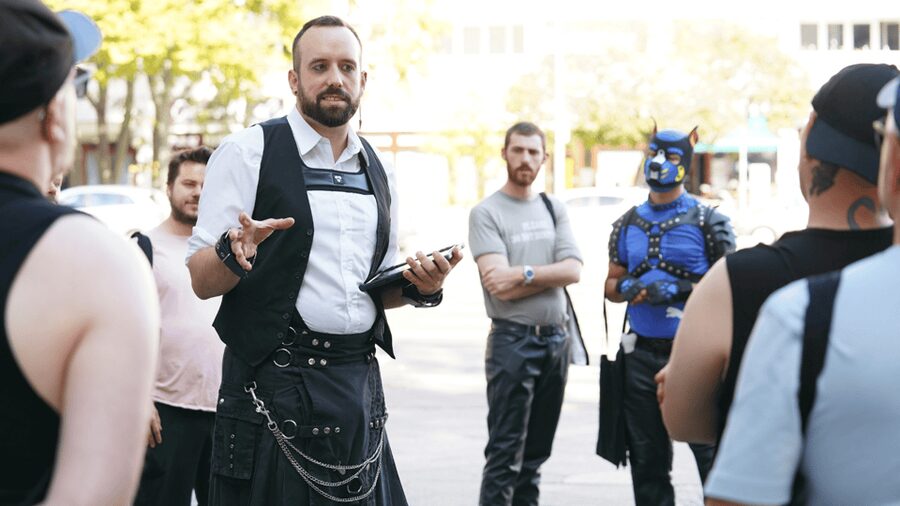
Berlin’s modern LGBTQIA+ rights movement took shape on the streets around Nollendorfplatz, and this three-hour walk shows you where that story happened. With queer activist and gender scholar Jeff, you move from early rights campaigns and gender-affirming surgery to cabaret, Nazi persecution, AIDS activism, and today’s club culture.
I especially like the 200-plus archival photos, videos, and audio clips, which give the streets a human face. I also like the small group, limited to 10 people, and the smart use of augmented reality, including playful selfies with historic figures. The main drawback is the subject matter: discussions of murder, violence, HIV/AIDS, sex work, abuse, and suicide can be painful, so this is not a light sightseeing stroll.
In This Review
- Key points at a glance
- Why Nollendorfplatz is the right place to begin
- Karl-Heinrich-Ulrichs-Straße and the first rights movement
- A short stop with a larger story
- Schwerinstraße and Nollendorfstraße: nightlife with a political edge
- Magnus-Apotheke and the science of identity
- Denns BioMarkt and the changing shape of queer community
- Prinz Eisenherz and the value of queer books
- Connection Club and the AIDS crisis
- The memorial stele and the cost of forgetting
- Metropol and Berlin’s nightlife legacy
- What the $81 price really buys you
- Who should book this Schöneberg history walk
- Booking details worth knowing
- Should you book Where It All Began?
- FAQ
- How long does the tour last?
- Where does the tour begin?
- Where does the tour finish?
- What language is the tour in?
- Who leads the tour?
- Is the tour wheelchair accessible?
- Is the tour suitable for children?
- What is included in the experience?
Key points at a glance
- A three-hour walk through Schöneberg: The route begins at Nollendorfplatz and finishes back at Nollendorfplatz.
- Jeff leads with personal commitment: Your guide is a queer activist, social scientist, and certified sex educator.
- More than a standard walking tour: Archival photos, films, rare audio, quizzes, and AR scenes accompany the street stops.
- Berlin before and after the Nazis: You learn about early LGBTQIA+ organizing, persecution, survival, and postwar activism.
- Strong focus on trans history: The tour covers early trans identities, gender-affirming operations, and historic trans documents.
- Useful for locals and visitors: Insider advice about current queer nightlife and events is included.
Why Nollendorfplatz is the right place to begin
Meet Jeff in front of Alnatura Super Natur Markt at Else-Lasker-Schüler-Straße 18. This is Nollendorfplatz, one of Berlin’s best starting points for understanding queer life in Schöneberg, and the route returns here at the end.
The opening section sets the tone. You are not simply being shown bars and plaques. You are introduced to a long chain of people who organized, published, performed, loved, resisted, and built community despite laws and social pressure.
The route uses the neighborhood as a working classroom. A modern street corner may carry traces of a vanished club, a former meeting place, or a political struggle that is easy to miss if you walk through alone. Jeff fills those gaps with photographs and personal accounts rather than asking you to rely on imagination.
Expect a small group of no more than 10 participants. That matters here because the tour deals with personal and difficult subjects. A compact group also gives you a better chance to ask questions or request more detail about a particular period, if the group schedule allows.
More history walks in Berlin:
- Berlin: Natural History Museum Entrance Ticket
★ 4.6 · 3,382 reviews - Berlin: World Heritage Cruise to Potsdam
★ 4.5 · 1,435 reviews - Berlin Historical Highlights Walking Tour
★ 4.9 · 657 reviews
Karl-Heinrich-Ulrichs-Straße and the first rights movement
The first named stop is Karl-Heinrich-Ulrichs-Straße, where the tour spends about 10 minutes. Karl Heinrich Ulrichs was one of the early figures connected with organized LGBTQIA+ rights work, and his name helps introduce the political roots of the tour.
You learn how Berlin became a key center for arguments about sexuality, identity, and legal reform more than a century ago. This section is valuable because it moves the story beyond the familiar image of 1920s cabaret. Berlin’s queer past was not only nightlife. It also included writing, research, public debate, and organized resistance.
The digital material helps make this early period easier to grasp. A historic photograph or quotation can put a face and voice to a movement that might otherwise seem abstract. Jeff’s approach also connects the early campaigners with later struggles, showing that present-day rights did not appear out of nowhere.
A short stop with a larger story
The next stop is marked as a lesser-known location and lasts about 10 minutes. The exact significance is best explained on the walk, since its value comes from the surrounding story and the material Jeff presents there.
This is one reason to choose a guide-led route rather than simply downloading a map of queer Berlin. Streets change, businesses close, and signs rarely explain what happened before. The tour uses ordinary-looking places to show how queer life moved through homes, meeting rooms, businesses, bars, and public spaces.
You should expect the pace to be thoughtful rather than rushed. There are 12 points in total, but not every stop receives equal time. The short pauses create a broad framework, while the longer stops allow room for images, clips, questions, and discussion.
Schwerinstraße and Nollendorfstraße: nightlife with a political edge
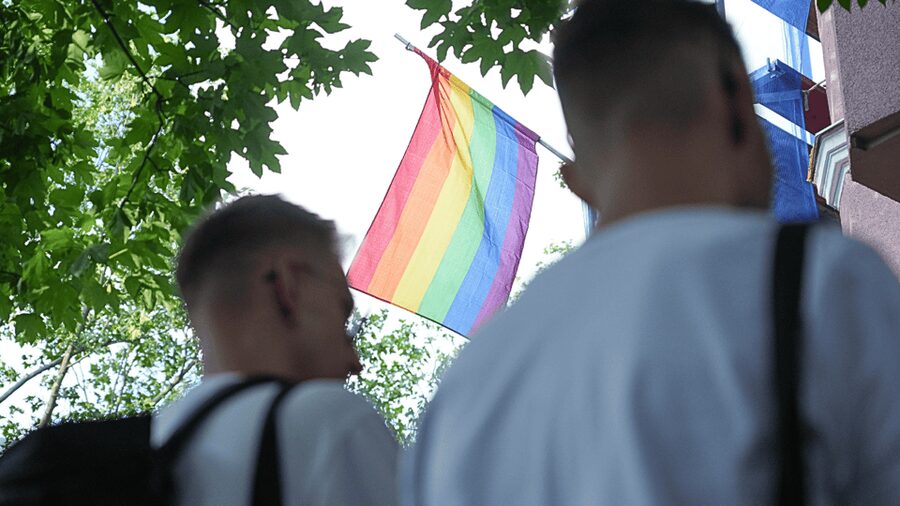
Schwerinstraße receives about 15 minutes, followed by a 10-minute stop on Nollendorfstraße. These sections move the story toward queer social life, especially the networks that formed around bars, cabarets, and neighborhood gathering places.
Berlin’s famous nightlife can sound glamorous when reduced to costume, music, and freedom. This tour adds the harder questions. Who could enter these spaces? Who found safety there? Who remained exposed to police, poverty, racism, sexism, or violence? The material gives you a more honest picture than a simple parade of famous names.
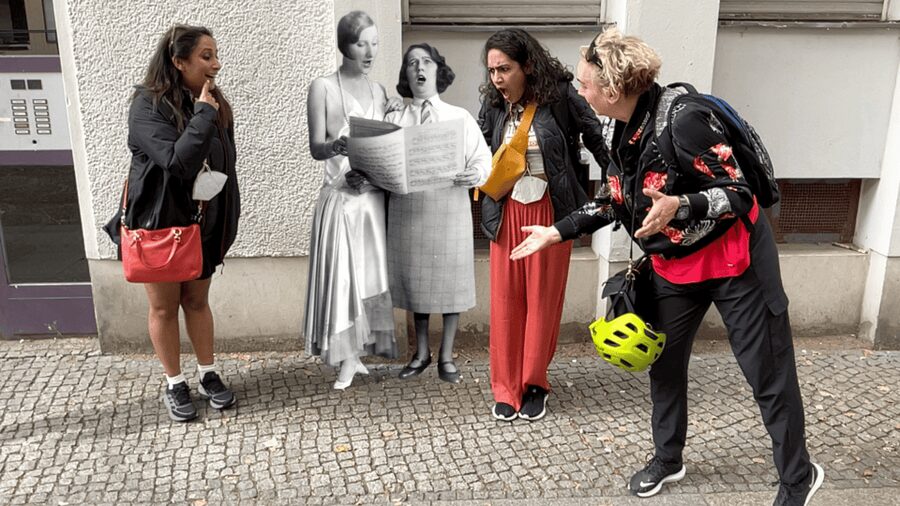
The tour also gives lesbian history proper space. You meet figures such as Claire Waldoff, Marlene Dietrich, and Josephine Baker, while learning about lesbian bars, cabarets, and feminist organizing in the 1920s and later periods.
That focus is important. Many city tours treat queer history as mainly gay male nightlife. Here, lesbian activism and women’s social worlds receive their own place in the story, including the effects of the Nazi era and the work that continued afterward.
A different side of Berlin on the same trip:
- Berlin: Reichstag, Dome and Government District Guided Tour
★ 4.7 · 18,288 reviews - Berlin: 1-Hour City Tour by Boat with Guaranteed Seating
★ 4.3 · 16,993 reviews - Berlin: Boat Tour Along the River Spree
★ 4.4 · 11,252 reviews - Discover Berlin Half-Day Walking Tour
★ 5.0 · 9,624 reviews
Magnus-Apotheke and the science of identity
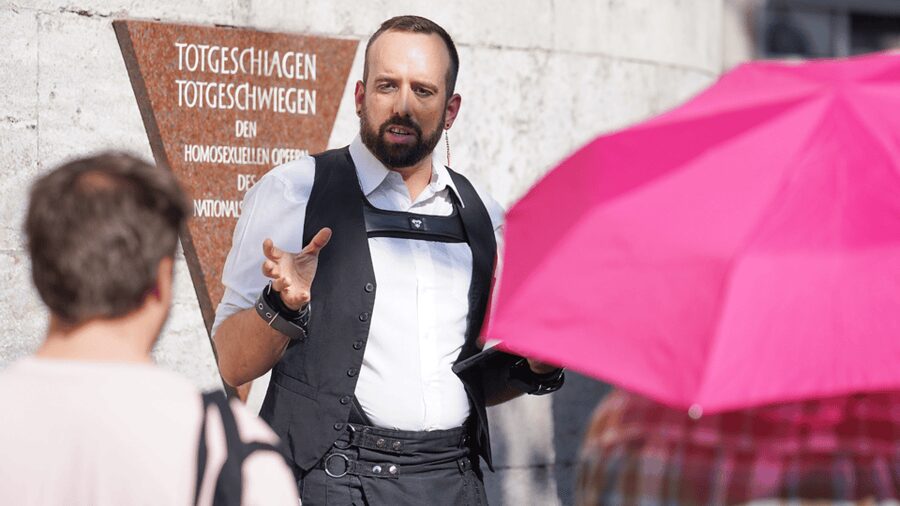
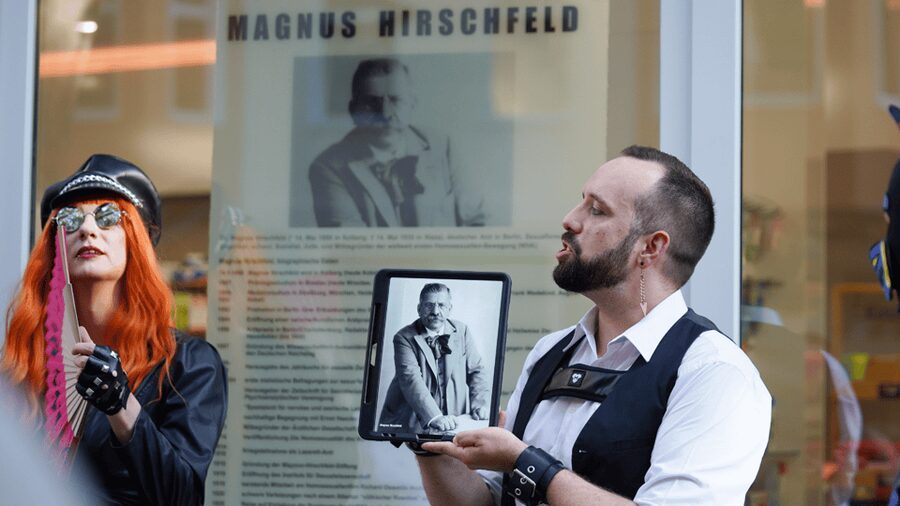
Magnus-Apotheke is one of the longer stops, with about 20 minutes. The name points toward Magnus Hirschfeld, a central figure in Berlin’s early sexology and LGBTQIA+ rights movements.
This part covers early research into sexuality and gender, along with the first gender-affirming surgeries. You also hear about trans people who lived more openly with documents known as transvestite certificates. That detail gives the subject a practical dimension: identity was not only a matter of theory or private feeling, but also of work, housing, public behavior, and official recognition.
The tour addresses the way the Nazis tried to erase this history. That includes the destruction of institutions and records connected with queer research, making the archival images and audio especially important. You see how easily a community’s evidence can be targeted, and why preserving names, photographs, and testimony matters.
This is likely one of the most serious parts of the walk. It asks you to consider both progress and loss without presenting Berlin as a simple story of steady improvement.
Denns BioMarkt and the changing shape of queer community
The 15-minute stop at Denns BioMarkt continues the neighborhood story. A present-day business may not look historic, but the point is to connect today’s streets with earlier uses and communities.
Here the tour can help you understand how queer spaces survive change. Clubs close, neighborhoods become more expensive, political conditions shift, and communities find new ways to gather. Berlin’s queer identity has never belonged to one building or one decade.
The material also helps place the Nazi period within a longer timeline. You learn about Hitler’s contradictory position on homosexuality, the persecution of queer people in concentration camps, and the ways queer resistance survived. The topic requires care, and Jeff’s role as a social scientist and certified sex educator is relevant because the tour does not treat sexuality as a sensational side note.
Content is direct. You should be prepared for discussions of homophobia, transphobia, antisemitism, racism, sexualized racism, poverty, and mass murder.
Prinz Eisenherz and the value of queer books
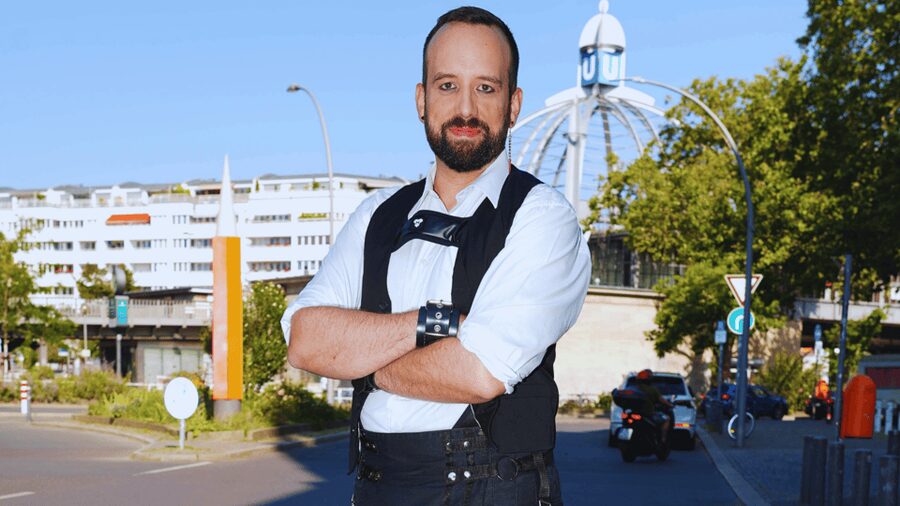
Prinz Eisenherz is given about 15 minutes. The stop brings attention to queer publishing, reading, and the role of cultural spaces in maintaining community memory.
A bookstore or similar cultural venue can do work that a nightclub cannot. It can preserve ideas, offer language for people who are still figuring themselves out, and keep older struggles available to new generations. This part of the route helps explain why queer history includes shelves, pamphlets, posters, and printed arguments as much as it includes clubs.
The multimedia format is particularly useful here. Instead of looking at a modern storefront and receiving only a spoken explanation, you may see historic images and quotations that show what people were reading, discussing, or fighting over.
For anyone interested in untold social history, this may be one of the most useful parts of the tour. It shows that movements are built through everyday cultural work, not only through famous demonstrations.
Connection Club and the AIDS crisis
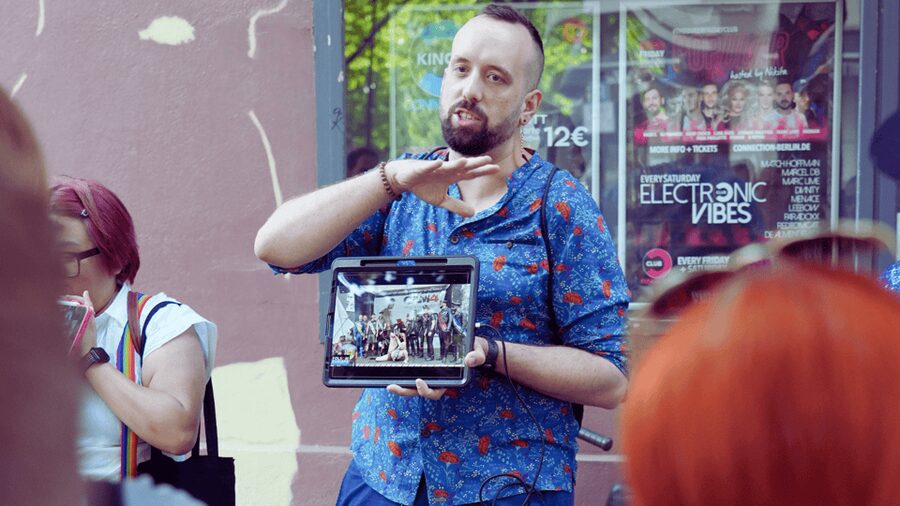
The 15-minute stop at Connection Club shifts the focus to more recent queer nightlife and activism. The tour explains how SchwuZ nightclub became an activist hub and how Berlin’s LGBTQIA+ community responded during the AIDS crisis.
This period is handled as a story of fear, loss, and practical organizing. You learn how nightlife spaces could become places for information, mutual support, fundraising, political action, and survival. The phrase about the Berlin Wall being the condom of the GDR introduces the divided city through a sharp piece of sexual and political history.
This section also shows why a nightlife tour can be serious history. Clubs are not only places for music and release. At certain moments, they become meeting halls, information networks, and public platforms for people who may have little power elsewhere.
The AIDS material includes HIV/AIDS, drugs, sex work, and sexual health. If those subjects are difficult for you, keep that in mind before booking. The tour is intended for people aged 18 and older.
The memorial stele and the cost of forgetting
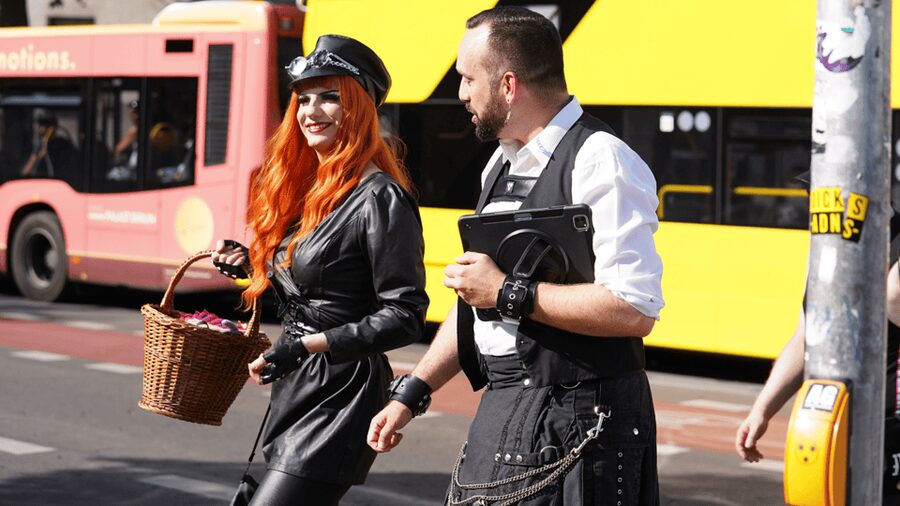
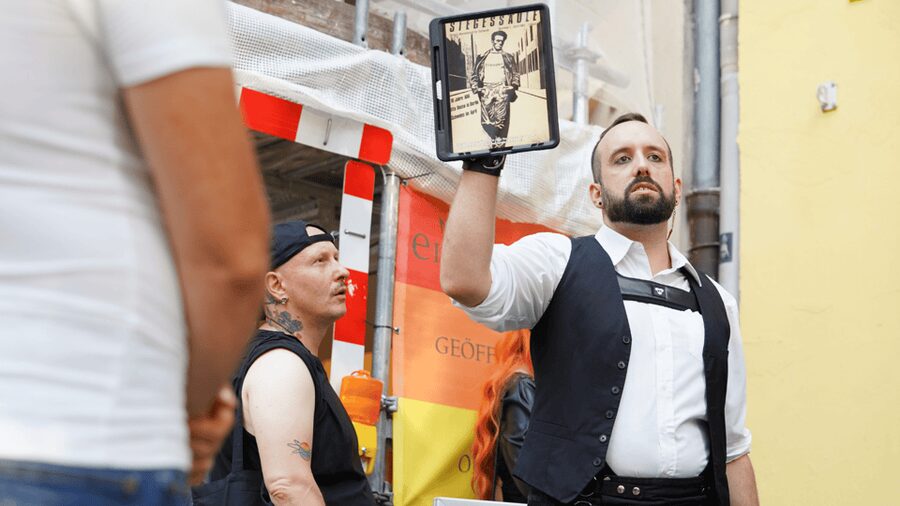
The International Stele Against Forgetting receives about 10 minutes. This stop brings the tour’s themes of memory and erasure into a direct public setting.
Memorials can sometimes feel brief or symbolic when seen without context. After the earlier stops, this one carries more weight. You have already encountered people and institutions that faced suppression, and you have seen how the Nazis attempted to remove queer lives from public memory.
The stop also gives you a pause before the final nightlife section. A good historical tour should not rush from persecution straight back to club culture. This moment keeps the human cost visible.
Expect frank discussion of Nazi Germany, mass murder, violence, and the long impact of silence. The tour does not present difficult material as decoration.
Metropol and Berlin’s nightlife legacy
Metropol is the longest listed stop at about 20 minutes. Here the story returns to performance, nightlife, and the international pull of Berlin’s queer culture.
You hear about underground drag clubs and cabarets in the Roaring Twenties, then follow the later path through venues such as Chez Romy Haag and clubs associated with Berlin’s current reputation, including Berghain. The point is not to compare one club with another. It is to show how queer creativity helped shape the city’s wider nightlife culture.
The tour also connects Berlin to global Pride movements. Dyke March and Folsom Europe appear as part of a continuing tradition of public visibility, sexual freedom, protest, and community celebration.
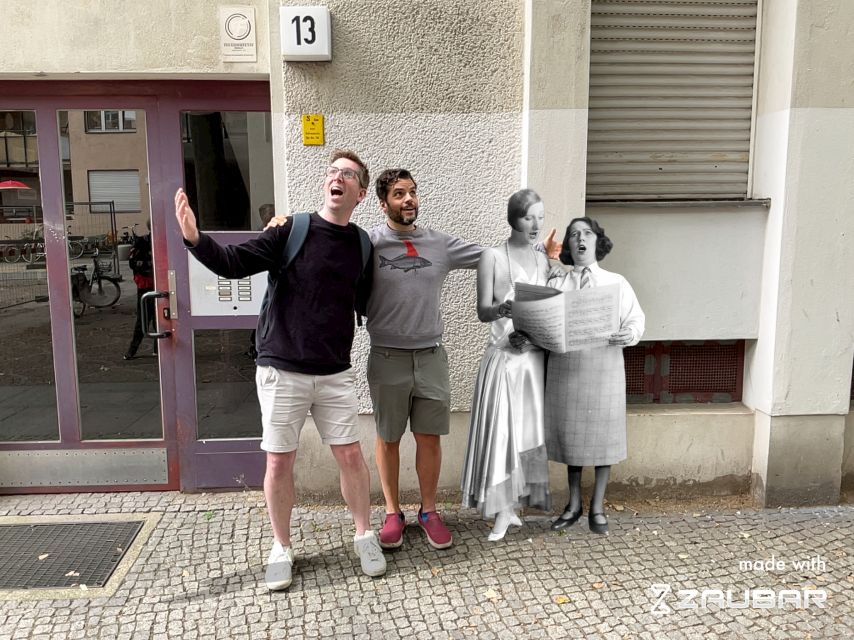
The AR features add a playful layer here. You can take Mixies, personalized photos that place augmented-reality elements alongside historic queer activists. Interactive quiz questions let you test what you have picked up. These tools will appeal to some people more than others, but they break up a long sequence of spoken history and give you a way to remember the material.
The walk finishes at Nollendorfplatz. You are already positioned in a useful part of Schöneberg for continuing your evening, though specific nightlife recommendations depend on what is open and happening when you visit. Jeff includes insider tips about modern queer events and nightlife, which can help you decide what to explore next.
What the $81 price really buys you
At $81 per person, this is not priced like a basic two-hour city stroll. I would judge the cost by the amount of preparation and material involved, not only by the distance covered.
You receive a three-hour guided experience, a small group, a specialist guide, more than 200 archival items, rare audio, videos, AR scenes, quizzes, and current nightlife advice. If you tried to assemble that history from separate museums, books, and self-guided stops, the price could look more reasonable.
The value is strongest for you if you want context. If you only want to see famous bars or take a quick neighborhood walk, this tour may feel too detailed. If you care about how laws, science, nightlife, memory, and activism connect, the format earns its price.
The small group is another practical advantage. Ten people is a useful limit for a walking tour with visual material. You are less likely to lose the guide in a busy street, and the discussion can respond to the group’s interests.
The route is wheelchair accessible, though some paths may be bumpy. Accessible toilets can be arranged upon request. Videos include subtitles in German, English, or both, and Jeff can describe visual material for people with visual disabilities. Some sections may include bright lights and loud sounds, so consider sensory needs before reserving.
Wear comfortable clothes and dress for the weather. This is an outdoor walk with repeated stops, not a seated museum visit.
Who should book this Schöneberg history walk
I would recommend it most strongly to LGBTQIA+ visitors, allies, history fans, Berlin residents, and anyone who wants a more serious account of the city than a nightlife guide can provide.
It is especially useful if you already know a little about Berlin and want to connect names, streets, venues, and political events. The route gives you a framework that you can continue exploring on your own.
You do not need to identify as LGBTQIA+ to benefit from it. The tour addresses the wider forces that shape a city: policing, public health, censorship, scientific research, war, memory, and the fight for public space.
I would skip it if you want a carefree afternoon focused only on architecture or bars. I would also think twice if the content notes feel too close to current personal pain. The subjects include sexual abuse, violence against children, suicide, nudity, fetishes, and sexualized violence, as well as Nazi persecution and AIDS-related loss.
Booking details worth knowing
The tour is in English and lasts three hours. You meet at Nollendorfplatz in front of Alnatura Super Natur Markt, Else-Lasker-Schüler-Straße 18, and finish at Nollendorfplatz.
You can cancel up to 24 hours in advance for a full refund, and reserve now while paying later. Starting times vary, so check availability for your date.
The current rating is 4.9 from six verified ratings. Petra from Germany particularly praised Jeff’s research, unusual visual material, and willingness to adapt to the group when possible. Tamás from Hungary highlighted the mix of video, music, interviews, walking, and humor, while also noting that parts can be shocking. Jens from Sweden focused on the inclusive atmosphere and Jeff’s passion for sharing Berlin’s LGBTQIA+ past.
Those points match what matters most here: the guide, the source material, and the balance between accessible interaction and hard history.
Should you book Where It All Began?
Book this tour if you want to understand why Berlin matters to LGBTQIA+ history, not merely where to find queer nightlife tonight. Jeff’s mix of street-level places, archival media, trans history, lesbian activism, Nazi persecution, AIDS organizing, and club culture gives you a broad view in three hours.
The best reason to choose it is the unusual material and the guide’s ability to make a difficult subject personal and specific. The main caution is equally clear: this is adult historical education, not a light entertainment walk.
If you are ready for serious topics and want a small, interactive introduction to queer and trans Berlin, the $81 price is defensible. If you prefer a quick, traditional sightseeing tour, choose something simpler.
FAQ
How long does the tour last?
The walking tour lasts three hours.
Where does the tour begin?
It begins at Nollendorfplatz, in front of Alnatura Super Natur Markt at Else-Lasker-Schüler-Straße 18.
Where does the tour finish?
The tour finishes at Nollendorfplatz.
What language is the tour in?
The live tour is conducted in English. Videos include subtitles in German, English, or both.
Who leads the tour?
The guide is Jeff, a queer activist, social scientist, certified sex educator, and gender scholar.
Is the tour wheelchair accessible?
Yes. The route is wheelchair accessible, although some paths may be bumpy. Accessible toilets are available upon request.
Is the tour suitable for children?
No. It is not suitable for children under 18.
What is included in the experience?
The price includes the guided walking tour, AR elements and Mixies photos, more than 200 historical photos, videos and archival materials, and insider tips about modern queer nightlife and events.
Just added around Berlin
- Berlin Highlights in One Day★ 5.0 · 3 reviews
- Private Berlin One Day Tour with a Local: See the City Unscripted★ 3.5 · 3 reviews
- Individual city tour Berlin for max. 8 persons★ 5.0 · 3 reviews
- Transfer from Berlin Schönefeld Airport (SXF) to Berlin city Hotels – ROUND TRIP★ 4.0 · 3 reviews
- Berlin: Museum Island Tour★ 5.0 · 3 reviews
- Private Analogue Photography Experience in Berlin★ 5.0 · 3 reviews
- Berlin: Local Food Tour in Secrets Hidden Gems★ 4.0 · 3 reviews
- Berlin & The Third Reich Private Guided Tour★ 5.0 · 3 reviews
Historical Tours, compared.

Berlin Private Complete History All Day Walking Tour
Read our review →
Small group Potsdam: A Journey Through History and Palaces
Read our review →Browse the lists this tour appears in