
Review · ALTERNATIVE BERLIN TOURS
Berlin: Alternative Street Art Tour
Berlin’s street art is not confined to one gallery or famous wall. It spills across Friedrichshain, Kreuzberg, and Neukölln, sometimes in huge murals and sometimes in a quick piece tucked down an alley. This four-hour walk gives you the stories, politics, and local context behind what you see, rather than leaving you to photograph painted walls without knowing why they matter.
I like the flexible route, which can change with the weather and the group’s interests. I also like the practical side: your guide points out Späti shops, music venues, bars, clubs, and food spots that can help shape the rest of your Berlin stay. The main consideration is that food, drinks, and public transport cost extra, and the meeting directions mention both Generator Berlin Alexanderplatz and the Premier Inn nearby, so check the exact starting instructions carefully.
In This Review
- Key points at a glance
- Why this street art walk feels different from a mural checklist
- Meeting at Alexanderplatz and getting moving
- Friedrichshain: a first look at Berlin’s creative side
- Kreuzberg: art, politics, and neighborhood life
- Neukölln: street art beside everyday Berlin
- Parks, Spätis, and the pauses between artworks
- What the guide adds to the artwork
- Is four hours the right length?
- What the $22 price really buys
- Who should book this experience?
- My take: book it for context, not just photographs
- FAQ
- Where does the Berlin Alternative Street Art Tour start?
- How long does the tour last?
- Which Berlin districts does the tour cover?
- Is the tour offered in English?
- Are food, drinks, and public transport included?
- Can I cancel the tour for a refund?
Key points at a glance
- Four hours across three districts: See Friedrichshain, Kreuzberg, and Neukölln rather than just one famous art site.
- Art with context: Learn about graffiti, large murals, community projects, squats, and the ideas behind the work.
- Routes can change: The guide adjusts the walk for weather and the interests of the group.
- Useful local advice: Get tips for Späti shops, live music, bars, clubs, parks, and casual food.
- A social walking experience: The relaxed format leaves room for conversation, a beer stop, and meeting other people.
- Good value at $22: Four hours of guiding makes this an inexpensive way to get oriented in Berlin’s alternative districts.
Why this street art walk feels different from a mural checklist
A standard city tour tends to move from one fixed sight to the next. This one works differently. Berlin’s street art is scattered, changed often, and tied closely to the neighborhoods around it, so the point is not simply to collect photographs.
You begin with an English-speaking guide and spend about four hours moving through parts of Friedrichshain, Kreuzberg, and Neukölln. The route may shift, but the subject stays consistent: how art, politics, community life, and alternative culture meet on Berlin’s streets.
That approach suits me because the city’s painted walls are best understood in place. A mural near a community project tells a different story from a small tag in an alley. A painted building may be made for public attention, while a quick graffiti piece may be aimed at a much smaller audience. The guide helps you notice those differences.
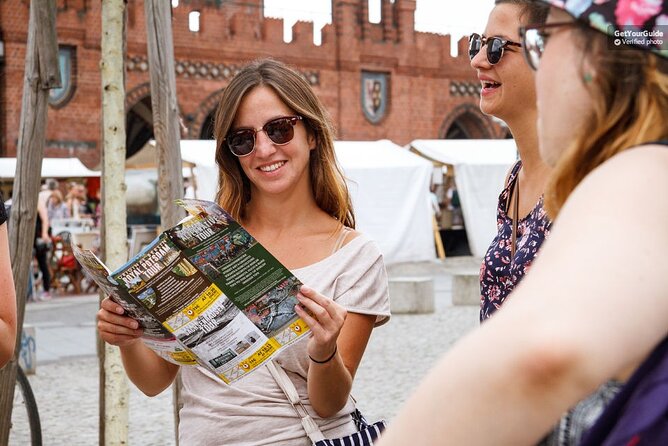
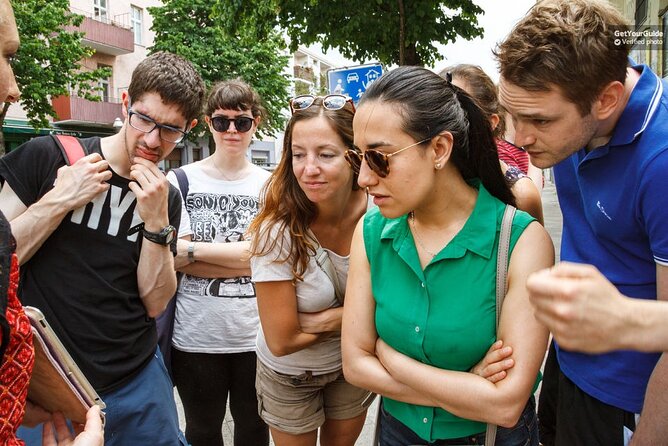
The tour also gives you room to pause. You can chat with the group, stop for a beer if the route allows, or ask about something that catches your eye. It is not designed as a tightly timed march, so you should expect a social walking experience rather than a formal art lecture.
More alternative Berlin:
- Berlin: Alternative Berlin Walking Tour
★ 4.6 · 1,204 reviews - Berlin: Alternative Bike Tour of Kreuzberg & Friedrichshain
★ 4.7 · 548 reviews - Berlin: Alternative Berlin Bike Tour
★ 4.8 · 359 reviews
Meeting at Alexanderplatz and getting moving
The tour begins in the Alexanderplatz area. The meeting directions ask you to look for a white umbrella in front of the Premier Inn Berlin Alexanderplatz Hotel, and they stress being on time because you need to catch the train.
At the same time, the experience information identifies Generator Berlin Alexanderplatz as the starting point. Since those are nearby but not identical names, read your confirmation carefully and verify the exact spot before you set out. This is the one logistical point I would not leave to chance.
The train connection matters because the walk covers districts beyond Alexanderplatz. Public transport tickets are not included, so keep that cost separate from the $22 tour price. The train ride is part of getting to the neighborhoods where the art and community projects are found, not an optional sightseeing extra.
Wear shoes suitable for four hours on foot. The tour is wheelchair accessible, but the route changes and may include streets, parks, alleys, and public spaces. If you need specific route details for your chair, ask ahead of time.
Friedrichshain: a first look at Berlin’s creative side
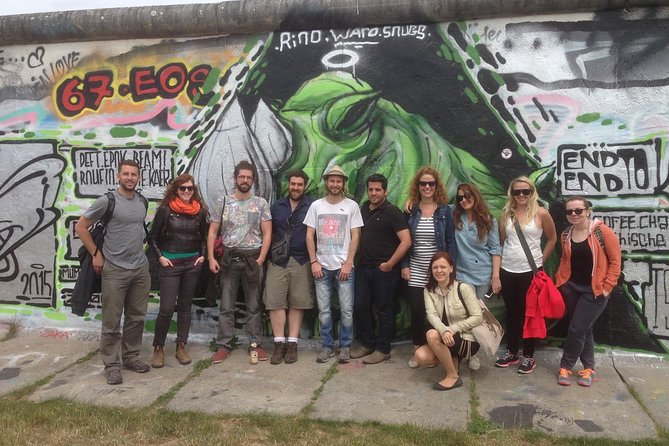
Friedrichshain is one of the first districts you may explore, and it helps set the tone for the day. Here, the tour introduces you to Berlin’s street art and graffiti in a neighborhood known for its alternative character.
You might see large-scale murals that are easy to spot from a distance, along with smaller works that require you to look toward side streets and walls. The guide explains the people and ideas behind selected pieces, giving you a way to read the art beyond color and size.
This is also where the tour’s flexible format can work well. If the group is interested in a particular kind of work, the guide may spend more time explaining it. If rain changes the plan, the route can be adjusted instead of forcing everyone through an uncomfortable stretch of the city.
Do not expect every piece to be treated like a permanent monument. Street art can be painted over, altered, or removed. That temporary quality is part of the subject. You are seeing a living part of Berlin, not a fixed museum collection.
Kreuzberg: art, politics, and neighborhood life
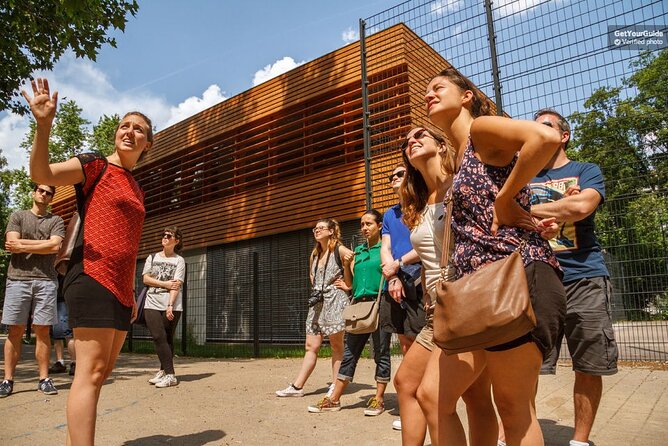
Kreuzberg adds more layers to the walk. The district is connected with alternative living, social projects, music, nightlife, and public art, so the guide can connect the walls to the people and places around them.
The tour includes visits to notable squats and community projects. These stops are valuable because they show that Berlin’s alternative culture is not only about painted surfaces. It also involves how people use buildings, share space, organize projects, and create places outside more conventional systems.
The exact sites can vary. That is useful if you want a current look at the district, though it means you should not book this expecting one fixed list of stops. The guide’s choices depend on weather, group interests, and what is active or accessible on the day.
Kreuzberg is also a good place to ask questions about the city’s art scene. You can ask why one wall receives a giant mural while another is covered with quick graffiti. You can ask how community projects fit into neighborhood life. The best value here comes from conversation, not from racing past a dozen walls.
More street art in Berlin:
- Berlin: City Street Art Guided Walking Tour
★ 4.8 · 886 reviews - Berlin: 3-Hour Street Art Tour
★ 4.7 · 778 reviews - Berlin Street Art Walking Tour – Off The Grid
★ 5.0 · 270 reviews - East Meets West: Berlin Food Culture & Street Art
★ 5.0 · 157 reviews
Neukölln: street art beside everyday Berlin
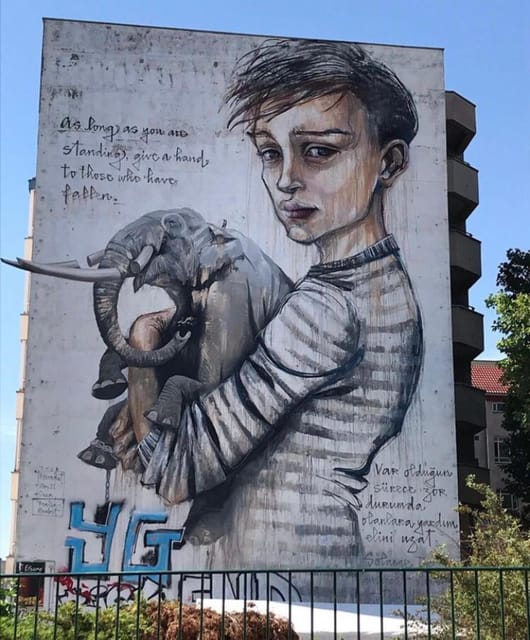
The route may continue into Neukölln, another district where painted walls, independent projects, parks, shops, and nightlife overlap. This section helps keep the tour grounded in ordinary city life.
You may pass colorful works in less polished settings, which is part of the appeal. Berlin’s alternative culture is not separated from daily errands. Art appears near local businesses, public spaces, late-night shops, and places where residents simply live.
The guide also shares suggestions for food, live music, bars, and clubs. These tips are one of the most useful parts of the experience if you have several nights in Berlin and want something beyond the most obvious tourist areas. I would take notes on names and locations as you go, since a four-hour walk can leave you with more suggestions than you can remember.
Keep in mind that these are tips, not included visits. Food and drinks are your responsibility, and the tour does not promise entry to a club or a live music show. Think of this part as a local orientation session that helps you decide what to do later.
Parks, Spätis, and the pauses between artworks
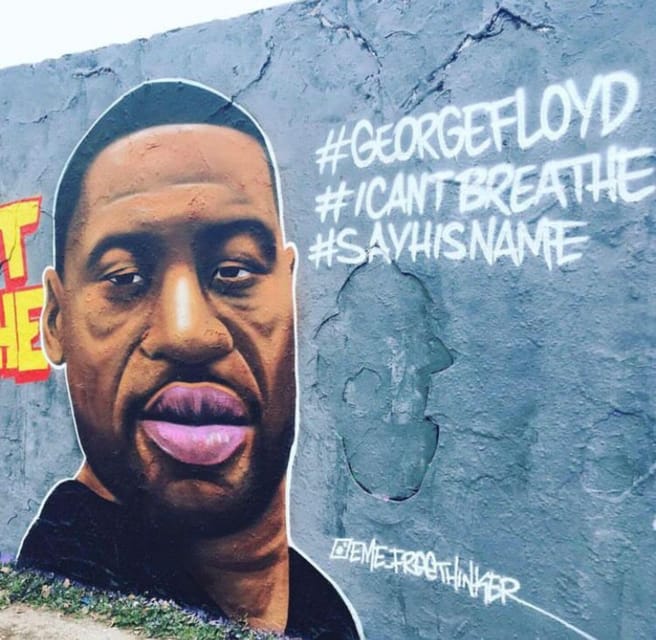
Berlin’s Späti shops are small late-night stores that sell drinks, snacks, and everyday items. They are a useful part of the city’s social fabric, and the tour includes them alongside parks and bars.
That may sound like a minor detail, but it makes the walk feel more connected to real city routines. You are not moving from attraction to attraction with no sense of how people spend time in the neighborhood. A park, a corner shop, or a casual bar can tell you as much about local life as a painted wall.
The tour’s relaxed mood means you may have the chance to stop for a beer or talk with people in the group. The tradeoff is pace. If you want to see as much art as possible, social stops may feel like time taken away from the walls. If you prefer a loose afternoon with conversation, they add to the experience.
I would think of the four hours as a mix of walking, looking, listening, and pausing. It is not the best fit for someone who wants a fast list of every major mural in town.
What the guide adds to the artwork
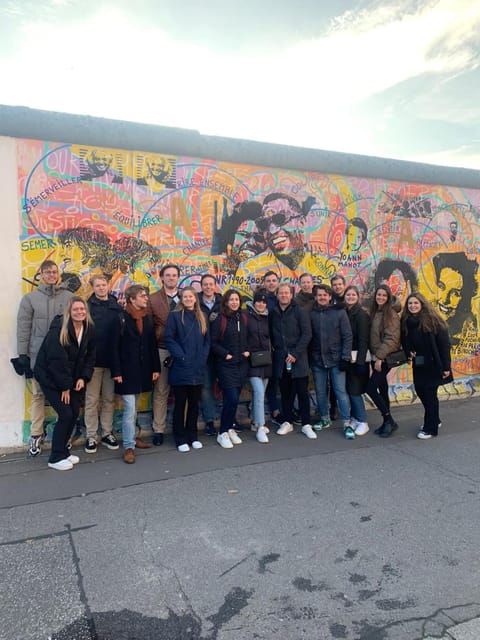
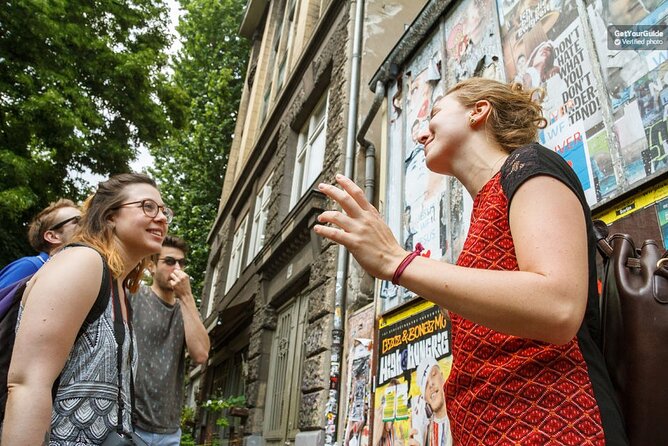
The guide is the key to this experience. Without commentary, you can certainly see Berlin’s graffiti on your own, but you may miss the messages, local references, and links between art and community life.
The tour is offered in English. One guide named Ronja has been praised for making the experience both fun and informative, and that combination matters here. A dry lecture would miss the social spirit of the neighborhoods, while a purely casual walk would leave you without much context.
Expect explanation rather than an academic art course. You will hear about graffiti, murals, artists, squats, community projects, and alternative living. You can also ask about the places you pass and get advice for the city’s food, music, and nightlife.
Because routes are adjusted, the quality of your day may depend partly on the guide’s judgment and the interests of the group. That is not necessarily a weakness. It means the tour can feel more responsive than a fixed script, but you should be comfortable with some uncertainty about the exact order of stops.
Is four hours the right length?
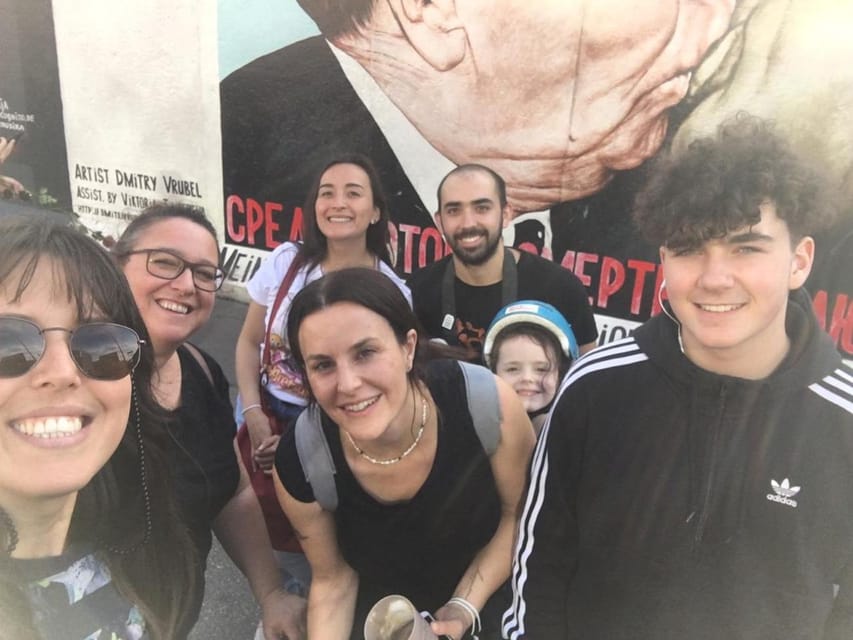
Four hours gives the subject room to breathe. A shorter walk could show you a few eye-catching walls, but it would have less time for three districts, public transport, community projects, and local advice.
The length also means you should plan your day around it. Do not schedule a major museum booking immediately afterward unless you are comfortable with a possible delay. The route can change, and stops for conversation or a drink may affect the finish.
For many people, the tour works best early in a Berlin visit. You can use the neighborhood tips later, returning to a bar, food spot, music venue, or club that sounded appealing. It also gives you a useful sense of how Friedrichshain, Kreuzberg, and Neukölln differ.
If you have already spent several days exploring those districts on foot, the tour may offer fewer surprises. Its value then depends on how much you want background on the art and alternative projects.
What the $22 price really buys
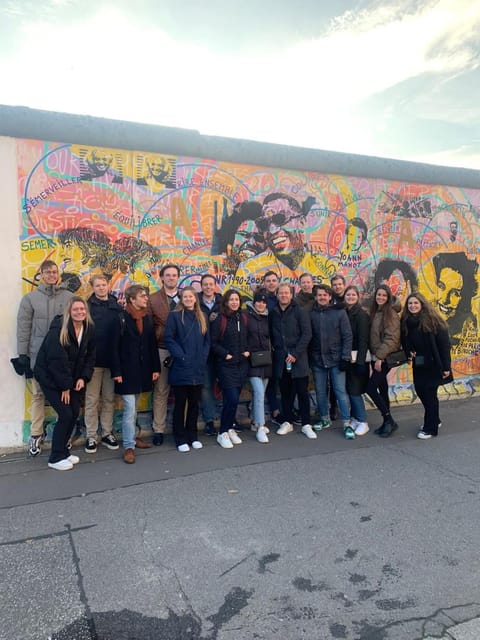
At $22 per person, this is a strong value for a four-hour guided experience. You are paying less for admission to a single attraction and more for access to a guide who helps you make sense of a wide area.
The price includes the guided walk, commentary on street art and alternative culture, visits to community projects and squats, and local suggestions for food, music, nightlife, and bars. It does not include food, drinks, or public transport, so budget for those separately.
The tour is especially good value if you would otherwise spend hours wandering without knowing which streets or projects are worth your time. It is less valuable if you prefer to explore alone, avoid group activities, or already know Berlin’s street art districts well.
The reserve-now, pay-later option also gives you some flexibility, and cancellation is free up to 24 hours before the activity for a full refund. Those policies are helpful when your Berlin schedule is still shifting.
Who should book this experience?
I would recommend it to first-time visitors who want a side of Berlin beyond major museums and historic sights. It is also a good choice for solo visitors who like meeting people while getting practical advice for the rest of the trip.
Art fans will appreciate the range, from large murals to smaller alley pieces. People interested in social projects and alternative living will get more than a photo walk. Nightlife fans can use the guide’s suggestions to plan an evening in a more local part of the city.
Families with young children may find four hours of walking and adult-oriented nightlife advice less suitable, though the tour is wheelchair accessible. If you want a quiet, formal art tour, this relaxed and social format may not be your style.
The flexible route is a benefit for curious people who like discovery. It is a drawback for anyone who needs a strict schedule or wants guaranteed stops at named artworks.
My take: book it for context, not just photographs
Book the Berlin Alternative Street Art Tour if you want to understand how murals, graffiti, squats, community projects, parks, and nightlife fit together. The low price and four-hour format make it a sensible introduction to Friedrichshain, Kreuzberg, and Neukölln.
Go in expecting a changing route, extra transport costs, and a social pace. Check the meeting point carefully, arrive early for the train, and bring a phone or small notebook for the food and music tips. If you do that, this tour should give you a more useful view of Berlin’s creative life than a solo search for the biggest wall.
FAQ
Where does the Berlin Alternative Street Art Tour start?
Meeting directions ask you to look for a white umbrella in front of the Premier Inn Berlin Alexanderplatz Hotel. The experience information also refers to Generator Berlin Alexanderplatz, so check your confirmation for the exact meeting location before arriving.
How long does the tour last?
The tour lasts four hours. Starting times vary, so check availability when booking.
Which Berlin districts does the tour cover?
The guided route includes Friedrichshain, Kreuzberg, and Neukölln. The exact order and route can change with the guide, weather, and group interests.
Is the tour offered in English?
Yes. The live tour guide and tour language are English.
Are food, drinks, and public transport included?
No. Food, drinks, and public transportation tickets are not included in the $22 price.
Can I cancel the tour for a refund?
Yes. You can cancel up to 24 hours in advance for a full refund. You can also reserve now and pay later.
Just added around Berlin
- Berlin Highlights in One Day★ 5.0 · 3 reviews
- Private Berlin One Day Tour with a Local: See the City Unscripted★ 3.5 · 3 reviews
- Individual city tour Berlin for max. 8 persons★ 5.0 · 3 reviews
- Transfer from Berlin Schönefeld Airport (SXF) to Berlin city Hotels – ROUND TRIP★ 4.0 · 3 reviews
- Berlin: Museum Island Tour★ 5.0 · 3 reviews
- Private Analogue Photography Experience in Berlin★ 5.0 · 3 reviews
- Berlin: Local Food Tour in Secrets Hidden Gems★ 4.0 · 3 reviews
- Potsdam Highlights – Private sightseeing tour by minibus★ 5.0 · 3 reviews
Alternative Berlin Tours, compared.


Alternative Bike Tour of Kreuzberg & Friedrichshain
Read our review →
Experience the Alternative Kreuzberg on a Bike Tour
Read our review →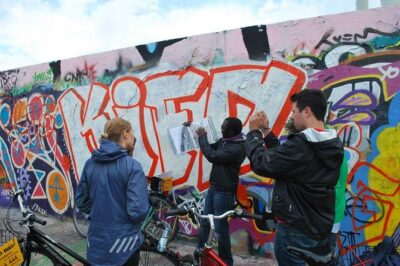
Alternative Berlin Bike Tour – Off the Beaten Tracks in Small Groups
Read our review →


Street Art and Alternative Tour of Berlin in French
Read our review →Browse the lists this tour appears in