
Review · SACHSENHAUSEN MEMORIAL TOURS
Berlin: Sachsenhausen Concentration Camp and Potsdam day tour
Sachsenhausen is the reason to take this tour. You walk through a place built for imprisonment, forced labor, punishment, and murder, then spend the afternoon in Potsdam among royal buildings and gardens. That sharp change in mood gives the day a useful shape: first remembrance, then a look at the power and splendor that helped shape Berlin.
I like the careful historical framing and the fact that admission, transport, and guiding are bundled into one price. I also like the contrast between Sachsenhausen’s stark memorial grounds and Potsdam’s elegant streets. The main drawback is time. Seven hours is a lot, but two major stops plus long bus rides can make both visits feel brisk.
In This Review
- Key points to know before booking
- Why this Berlin day tour works
- Alexanderplatz to Sachsenhausen
- Sachsenhausen Memorial: three serious hours
- Tower A and the camp entrance
- Barracks 38 and 39 in the Small Camp
- The prison, kitchen, laundry, and infirmary
- Station Z and the Death Marches exhibition
- The Soviet period and the 1961 monument
- The shift to Potsdam
- Guides make or break the day
- Pace, walking, and the real length of the day
- Is $83.48 good value?
- Who should book this experience?
- My verdict on the Sachsenhausen and Potsdam tour
- FAQ
- Where does the tour start?
- What time does the tour begin?
- Where does the tour end?
- How long does the experience last?
- Is Sachsenhausen admission included?
- Is Potsdam palace admission included?
- Is the bus commentary only in English?
- Should I bring food and water?
- Can I cancel for a full refund?
Key points to know before booking
- Sachsenhausen takes about three hours, with the Death Marches exhibition, Tower A, Barracks 38 and 39, Station Z, the infirmary, and other memorial sites.
- Potsdam follows the camp, offering a calmer second half with guided sightseeing and free time.
- The bus may combine English and Spanish groups, with commentary shared between the two guides.
- The group can reach up to 45 people, so seating with your companion is not always guaranteed.
- You do not enter the palace, based on the way the visit is described and experienced. Expect grounds, city sights, and exterior views.
- Bring water, food, and weather protection, since there are no services during the Sachsenhausen visit.
Why this Berlin day tour works
This is not a quick photo stop at a famous memorial. Sachsenhausen demands attention, and the tour gives you roughly three hours there. That is enough to understand the camp layout and its changing purpose, though not enough to see every exhibit at length.
The day also links two very different parts of German history. At Sachsenhausen, you learn about Nazi persecution and the lives of prisoners. You also see how the site was later interpreted under Soviet rule, including the Soviet monument from 1961. In Potsdam, you move into the world of royal residences, formal gardens, and imperial power.
I find that pairing useful because it prevents the camp visit from becoming an isolated history lesson. Potsdam does not erase the morning, and it should not. It gives your mind a different setting in which to process what you have seen.
The tour starts at 9:30 a.m. at the World Time Clock on Alexanderplatz. You return to the same meeting point at the end. The advertised price is $83.48 per person, which is fair if you want transport, entry, and a guide in one package. It is less attractive if you prefer to spend half a day at Sachsenhausen and explore Potsdam independently.
More Sachsenhausen memorial visits:
- Berlin: Sachsenhausen Concentration Camp Tour in English
★ 5.0 · 5,711 reviews - Berlin: Sachsenhausen Concentration Camp Memorial Tour
★ 4.7 · 3,716 reviews - Sachsenhausen Concentration Camp Bus Tour in English from Berlin
★ 5.0 · 1,962 reviews
Alexanderplatz to Sachsenhausen
Alexanderplatz is a practical starting point. The World Time Clock at Alexanderplatz 1 is easy to identify, and the tour uses a private bus transfer from Berlin. The initial meeting and departure take about 15 minutes, so arrive ready to board rather than expecting a long orientation.
The bus is shared by the English and Spanish groups on some departures. Two guides may alternate on the microphone during the journey. This arrangement keeps the tour affordable and allows both language groups to travel together, but it can weaken the onboard commentary.
Some English-speaking passengers have found the public-address system hard to hear, especially when the two guides take turns. Others have found the setup acceptable. My advice is simple: treat the bus commentary as an extra, not the main lesson. The site visits are conducted separately by language, which gives the English group a clearer experience once you arrive.
The bus may be full, especially when the tour reaches its maximum of 45 people. If you are traveling with someone, you may not always sit together. This is a small issue on a short ride, but the journey forms a noticeable part of a seven-hour day.
Sachsenhausen Memorial: three serious hours
Sachsenhausen was a concentration camp, not an extermination camp, and the distinction matters. The guide explains who was held there, when different groups were imprisoned, how daily work was organized, and how the Nazi system changed over time.
You begin to understand the site through its surviving structures and open grounds. The visit is not about collecting dramatic images. It is about seeing the physical system that controlled prisoners, enforced punishment, and turned daily labor into a tool of oppression.
Tower A and the camp entrance
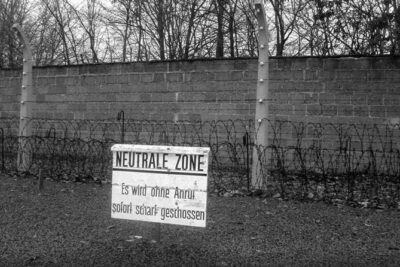
Tower A introduces the camp’s security system. From here, the layout of the grounds makes more sense. You can see how movement was controlled and how punishment was built into the design of the camp.
The tour also explains the rules and methods used to control prisoners. This is where a strong guide makes a real difference. Peter, Walid, Whalid, Johan, Jonas, and other guides have been praised for explaining difficult material with care and for answering wider questions about Berlin and Germany.
The quality of the English narration can vary by guide. One guide was described as professional but difficult for some people to understand because of an Italian accent. If historical detail matters greatly to you, listen carefully at the start and ask questions when something is unclear.
More Potsdam and Sanssouci days:
- Potsdam: City and Castles Tour
★ 4.7 · 3,721 reviews - Potsdam: Palace Tour by Boat
★ 4.5 · 2,369 reviews - Potsdam: Sanssouci Palace and Prussian Palaces Entry Ticket
★ 4.5 · 2,101 reviews - Berlin: World Heritage Cruise to Potsdam
★ 4.5 · 1,435 reviews
Barracks 38 and 39 in the Small Camp
The Small Camp area helps you picture prisoner life more directly. The surviving barracks show the cramped and controlled setting in which people lived, worked, and suffered.
The point is not simply to walk through an old building. Your guide connects the rooms and structures to the prisoner experience, including daily work and the camp’s changing population. The information can come quickly, so stay close to the group and save questions for natural pauses.
You should also expect a lot of walking. Some parts involve stairs without railings. This is not a good choice if stairs are difficult for you or if you need frequent, unplanned rests. The supplied information says most people can participate, but that broad statement should not be confused with an easy walking day.
The prison, kitchen, laundry, and infirmary
The camp prison, kitchen, laundry facilities, infirmary, and morgue show that Sachsenhausen was a complete system, not just a collection of barracks. These places reveal how food, hygiene, medicine, confinement, and death were all managed inside the camp.
Your guide helps explain the difference between ordinary camp functions and the machinery of murder. That distinction gives the visit historical accuracy and keeps it from becoming a vague account of wartime suffering.
This is emotionally heavy material. I would not plan a demanding evening after the tour. You may want quiet time after returning to Berlin, especially if you are visiting with children or teenagers. The tour is presented as a serious educational experience, and it asks you to pay attention.
Station Z and the Death Marches exhibition
Station Z is one of the most difficult parts of the visit. The name refers to the camp’s killing facilities, and the site helps make the scale and purpose of Nazi violence more concrete.
The Death Marches exhibition adds another layer. It deals with what happened as the war ended and prisoners were forced out of the camp. The exhibition and the guide’s explanation connect the final period of the camp to the wider collapse of the Nazi regime.
You will not get every detail in a single visit. The schedule gives you a solid introduction, not a full archival study. If you want to read every panel or spend long periods in each building, choose a tour devoted only to Sachsenhausen or return independently.
The Soviet period and the 1961 monument
Sachsenhausen’s story did not end in 1945. The site was later used by the Soviet authorities, and the memorial includes a Soviet monument from 1961. The tour explains how the memorial was shaped by different political systems and historical periods.
I value this part because it prevents an oversimplified view of the site. You are not seeing only a Nazi camp frozen in time. You are also seeing how later governments chose to remember, frame, or reinterpret what happened there.
That layered history is one of the strongest reasons to use a guide. Without context, the monuments and buildings can seem disconnected. With context, the site becomes a lesson in both historical events and public memory.
The shift to Potsdam
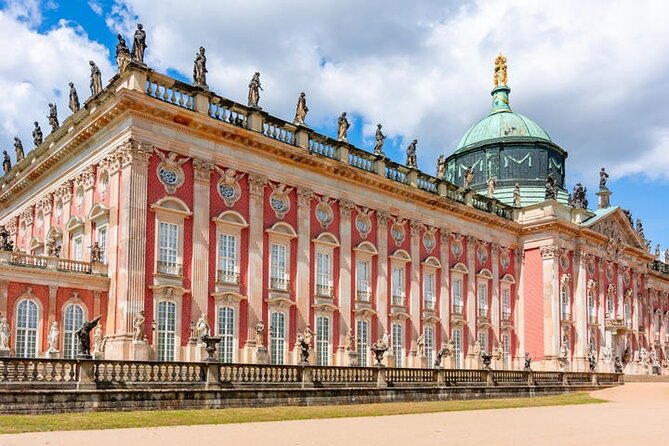
After Sachsenhausen, the bus takes you to Potsdam. The change in mood is striking. The morning is tied to imprisonment and state violence; the afternoon brings palaces, gardens, broad streets, and the story of a city shaped by royal power.
Potsdam became a royal residence, and that role produced much of the grandeur you see today. The guide leads you through the city and gives you free time to explore at your own pace.
The visit includes palace grounds and exterior sights, not an interior palace tour. This is important. If walking through lavish rooms is the main reason you want to visit Potsdam, this experience will not meet that goal.
Instead, you get a compact introduction to the setting, the royal buildings, and the city center. Some tours include a walk toward Potsdam town and along the main street. You may have time for a brief meal or snack near the end of the day, but do not count on a long restaurant break.
The Potsdam portion lasts about two hours. That is enough for orientation and a pleasant walk, but not enough to see everything. The city deserves a full day if you want to visit palace interiors, explore more gardens, and take your time with the historic center.
Guides make or break the day
The best part of this experience is often the guide. Peter is repeatedly praised for clear explanations, thoughtful storytelling, and a considerate manner. Walid or Whalid is also praised for handling the difficult subject matter with respect and for adding useful context.
Other named guides include Johan, Jonas, Matias, Mateo, Mattias, and Roshana. The spelling of some names varies, and you may not receive a particular guide on your departure. What you can reasonably expect is a guide-led interpretation rather than a silent transfer between sights.
A good guide helps in three ways. First, the guide explains what you are looking at. Second, the guide puts Nazi and Soviet history into a wider Berlin setting. Third, the guide manages the pace and keeps the group together.
Storytelling is a strength, but it can also become a problem. One passenger felt a guide spent too much time on stories, leaving less time at the sites. That is the central tension of this tour. You want context, but you also need time to look, read, and reflect.
Pace, walking, and the real length of the day
The official duration is about seven hours, though some departures run closer to seven or eight. Block the entire day. Do not schedule a museum reservation, train departure, or formal dinner too close to the expected return.
You cover a lot of ground. Sachsenhausen alone involves substantial walking, and Potsdam adds another walking segment after an already serious morning. The pace is usually steady, but some people find it fast because the group must stay on schedule.
You may not have time to stop whenever you want. If you pause for a photograph or spend too long reading, you risk falling behind and missing part of the explanation. Wear comfortable shoes, bring water, and take the guide’s practical advice seriously.
There are no food and drink services during the camp visit. Bring a bottle of water and some food. An umbrella is useful for both rain and sun, since much of the day is spent outdoors.
Is $83.48 good value?
At $83.48, the price includes a professional guide, private bus transport from Berlin, Sachsenhausen admission, and guided visits in both Sachsenhausen and Potsdam. You are paying for convenience as much as for information.
Public transport and separate visits could cost less, but they would require planning and would not give you the same continuous explanation. The tour is a sensible buy if you want someone else to handle the route and connect the historical pieces.
The value drops if you want depth at either location. You are buying a two-site overview, not a long research visit. Potsdam receives only about two hours, and Sachsenhausen’s three-hour visit, while substantial, still requires choices about what to see.
A 4.6 rating from 318 reviews and a recommendation rate of 92 percent suggest that the basic formula works well for many people. The lower ratings focus on execution: crowded buses, unclear audio, shared bilingual commentary, rushed stops, and occasional difficulty understanding a guide. Those are not minor details, so consider them before booking.
Who should book this experience?
I would choose this tour if you have limited time in Berlin and want two important places handled in one day. It suits first-time visitors who want historical explanation, families with older children, and anyone who prefers a guide to independent research.
It is also a good fit if you want to see how different chapters of German history sit beside one another. The camp gives you a sobering look at Nazi persecution and Soviet use of the site. Potsdam shows royal and imperial Berlin from a very different angle.
I would choose another option if you need a slow pace, easy access, a quiet bus ride, or long periods inside museums and palaces. It is not ideal for anyone who dislikes group travel or wants to set their own schedule.
The tour has a maximum of 45 participants, service animals are allowed, and the meeting point is near public transportation. Free cancellation is available up to 24 hours before the 9:30 a.m. start. If poor weather or insufficient bookings cancel the tour, you are offered another date or a full refund.
My verdict on the Sachsenhausen and Potsdam tour
Book it if you want a serious, well-organized introduction to Sachsenhausen followed by a restorative look at Potsdam. The strongest guides, especially Peter and Walid, add real value, and the morning visit gives the camp the time and respect it requires.
Go in with clear expectations. You will walk a lot, share the bus with a Spanish-speaking group on some departures, and move quickly through Potsdam. You will not enter the palace, and you may not have time to read every exhibit.
For a first Berlin visit, the combination is worthwhile. For a second visit or a focused history trip, I would spend the whole day at Sachsenhausen or Potsdam instead. This tour is best understood as a thoughtful two-part introduction, not the final word on either place.
FAQ
Where does the tour start?
It starts at the World Time Clock at Alexanderplatz, Alexanderplatz 1, 10178 Berlin.
What time does the tour begin?
The start time is 9:30 a.m.
Where does the tour end?
The tour ends back at the Alexanderplatz meeting point.
How long does the experience last?
The advertised duration is about seven hours. Some experiences may run closer to seven or eight hours, so keep the rest of your day open.
Is Sachsenhausen admission included?
Yes. Admission to the Sachsenhausen Concentration Camp Memorial and Museum is included, along with a guided visit.
Is Potsdam palace admission included?
The tour visits Potsdam and its palace grounds, but you should not expect to enter the palace. Palace interior admission is not listed as included.
Is the bus commentary only in English?
The tour is offered in English, but English and Spanish groups may share one bus. The two guides may alternate commentary during the journey. The groups separate at the sightseeing stops.
Should I bring food and water?
Yes. Bring water, some food, and an umbrella for rain or sun. No food or drink services are available during the Sachsenhausen visit.
Can I cancel for a full refund?
You can cancel at least 24 hours before the start time for a full refund. Changes or cancellations made less than 24 hours before the start are not accepted for a refund.
Just added around Berlin
- Berlin Highlights in One Day★ 5.0 · 3 reviews
- Private Berlin One Day Tour with a Local: See the City Unscripted★ 3.5 · 3 reviews
- Individual city tour Berlin for max. 8 persons★ 5.0 · 3 reviews
- Transfer from Berlin Schönefeld Airport (SXF) to Berlin city Hotels – ROUND TRIP★ 4.0 · 3 reviews
- Berlin: Museum Island Tour★ 5.0 · 3 reviews
- Private Analogue Photography Experience in Berlin★ 5.0 · 3 reviews
- Berlin: Local Food Tour in Secrets Hidden Gems★ 4.0 · 3 reviews
- Berlin & The Third Reich Private Guided Tour★ 5.0 · 3 reviews
Sachsenhausen Memorial Tours, compared.
Sachsenhausen Concentration Camp Tour in English
Read our review →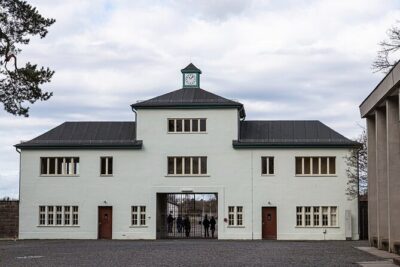
Sachsenhausen Concentration Camp Memorial Tour
Read our review →
Sachsenhausen Concentration Camp Bus Tour in English from Berlin
Read our review →Sachsenhausen Concentration Camp Tour in English
Read our review →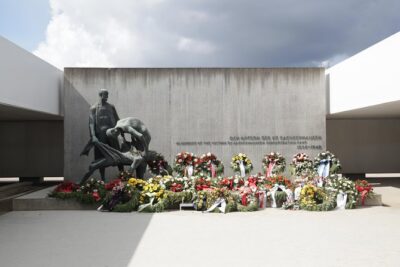
Sachsenhausen Concentration Camp Memorial Tour (Max. 15 Guests)
Read our review →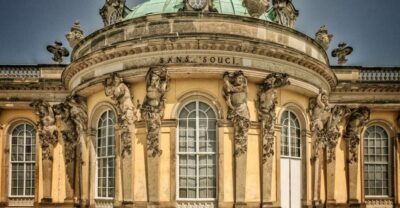
Sachsenhausen Concentration Camp and Potsdam Tour
Read our review →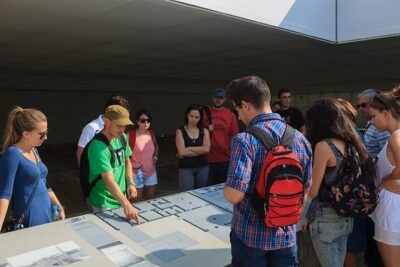
Visita en español al campo de concentración Sachsenhausen
Read our review →Browse the lists this tour appears in