
Review · SACHSENHAUSEN MEMORIAL TOURS
Berlin: Sachsenhausen Concentration Camp Tour in English
Sachsenhausen is not a sightseeing stop. It is a place of murder, forced labor, starvation, and human courage. This five-and-a-half-hour English tour helps you face that past with context, rather than wander through the memorial trying to piece it together alone.
I like two things here: the guide stays with you through the train trip and the camp, and the tour connects Sachsenhausen to Nazi Germany’s wider system of political and racial persecution. Guides such as Georgia, Daniel, Tina, and Will have been praised for clear explanations, patience, and thoughtful answers.
The main drawback is the time and weather. You can spend most of the day away from central Berlin, walk roughly 10,000 steps, and find little or no shelter or food at the memorial. Bring water, food, warm layers, and good shoes.
In This Review
- Key points to know before you book
- Why a guided visit matters at Sachsenhausen
- Meeting near Friedrichstraße and riding to Oranienburg
- Oranienburg, the town beside the camp
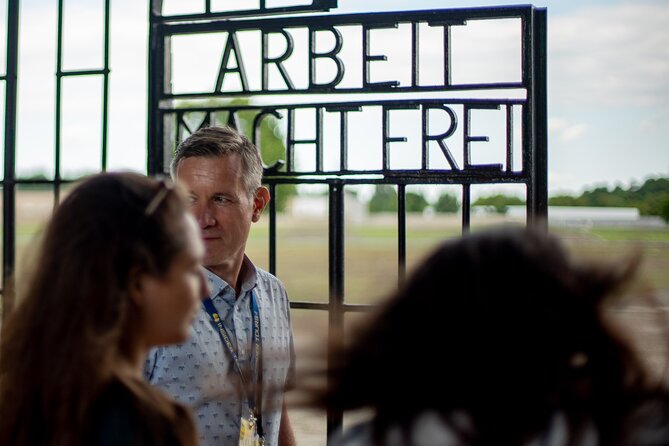
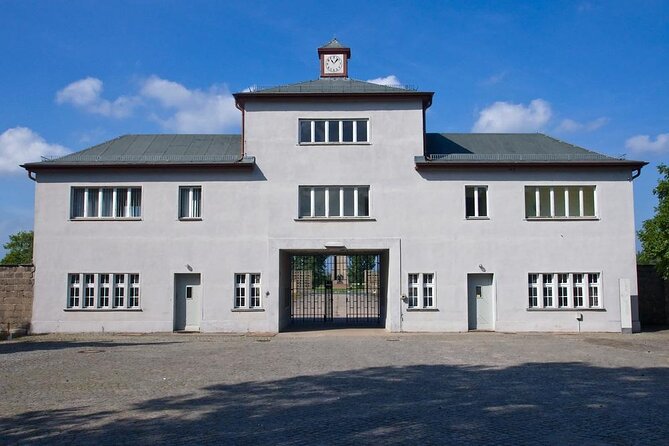
- Entering the former camp through Tower A
- Punishment cells, barracks, and the prison system
- Station Z, the gas chamber, and the crematorium
- Infirmaries, pathology, and the human cost
- Walking, weather, food, and group size
- Is $36.16 a fair price?
- Who should book this Sachsenhausen tour?
- My booking verdict
- FAQ
- How long does the Sachsenhausen tour take?
- Where does the tour meet?
- Is transport included in the tour price?
- Is admission to Sachsenhausen included?
- Is food available during the tour?
- How much walking is involved?
- Can I cancel for a full refund?
Key points to know before you book
- The train ride is part of the lesson: You travel from near Friedrichstraße to Oranienburg with your guide, who may explain Berlin and the Nazi period along the way.
- The camp visit covers the hardest sites: Expect the punishment cells, former barracks, Station Z, gas chamber, crematorium, infirmaries, pathology center, and burial pits.
- English guidance adds vital context: Guides including Georgia, Daniel, Gregor, Tina, Mikhail, and Ariel have been singled out for calm, careful explanations.
- Budget for transport: The tour price is $36.16, but you also need an ABC public transport ticket for the return journey, listed at about €9 to €10.
- Prepare for a long outdoor visit: There is a lot of walking, limited shelter, and no dependable place to buy food.
- The group can be sizable: The stated maximum is 29 people, though one experience involved a larger group and had some trouble hearing the guide.
Why a guided visit matters at Sachsenhausen
Sachsenhausen was built in 1936 as a concentration camp near Oranienburg, north of Berlin. It was not an old prison adapted for Nazi use. It was designed specifically as a concentration camp, which makes its layout part of the story.
More than 200,000 people were imprisoned here between 1936 and 1945. At first, political opponents of the Nazi regime made up much of the prison population. Later, the SS imprisoned people classified by the Nazis as racially or biologically inferior, along with large numbers of people from occupied European countries.
The camp system can be hard to understand from buildings and signs alone. A guide can explain how political repression, racial ideology, forced labor, disease, starvation, and mass killing worked together. That connection is the real value of this tour.
I would not choose a self-guided visit if this is your first serious encounter with a concentration camp memorial. You can certainly walk through the site on your own, but the guide gives names, sequence, and moral context to what you see.
The best guides on this tour appear to use survivor testimony, personal stories, and clear background rather than reciting dates. Georgia has been praised for answering questions and repeating meeting instructions. Gregor was noted for a balanced and morally serious presentation. Tina has been praised for bringing compassion to stories of real people, while Mikhail mixed facts with survivor accounts.
Guide assignments can change, so you should not book expecting one particular person. Still, the repeated praise for the guide team is one of the tour’s strongest points.
More Sachsenhausen memorial visits:
- Berlin: Sachsenhausen Concentration Camp Memorial Tour
★ 4.7 · 3,716 reviews - Sachsenhausen Concentration Camp Bus Tour in English from Berlin
★ 5.0 · 1,962 reviews - Berlin: Sachsenhausen Concentration Camp Tour in English
★ 4.8 · 1,889 reviews
Meeting near Friedrichstraße and riding to Oranienburg
The day begins at 10:00 a.m. You are asked to arrive 15 minutes early. The meeting information identifies Reichstagufer 17, near S+U Friedrichstraße, while the tour description refers to meeting at Friedrichstraße train station. Check the exact meeting instructions in your confirmation so you are not searching the station at the last minute.
The train ride to Oranienburg takes you out of Berlin and into the setting of the former camp. Your ABC ticket is not included, so plan to buy the required public transport ticket for the round trip. The listed cost is approximately €9 to €10 per person, which makes the real price closer to $36.16 plus transport.
This transport arrangement is practical and useful. You do not need to find Oranienburg alone, work out when to get off, or navigate the return trip without help. Guides have also assisted with ticketing and made sure people caught the right train back.
The train is not just dead time. Guides often use it to explain Berlin, the rise of Hitler, and the political and cultural forces that shaped Nazi Germany. That gives you a framework before you reach the memorial.
The trip also adds time and uncertainty to your day. This is not a two-hour activity that fits neatly between museum visits. Some participants describe the experience as running from about 10:00 a.m. to 4:00 p.m., so I would keep the rest of your schedule light.
Oranienburg, the town beside the camp
The first stop in Oranienburg includes a short walk of about 15 minutes. The town is important because Sachsenhausen was not hidden in a remote wilderness. It was built near a functioning community, and prisoners were used for work in and around the area.
The guide discusses local complicity and shows places connected with inmate labor. This short introduction helps you consider how a camp could operate close to ordinary homes and daily life. It also moves the story beyond the camp fence, showing that persecution depended on institutions, employers, guards, officials, and the wider society around them.
Do not expect a full walking tour of Oranienburg. Fifteen minutes is enough for orientation, not a detailed exploration. The value lies in setting up the memorial visit and showing the relationship between the town and the camp.
Entering the former camp through Tower A
At Sachsenhausen Memorial and Museum, the walking portion becomes the heart of the experience. You see the former camp grounds and the remains or reconstructed elements of the site, including the old barracks, camp kitchen, prison areas, infirmaries, and pathology center.
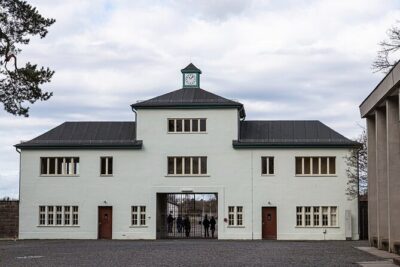
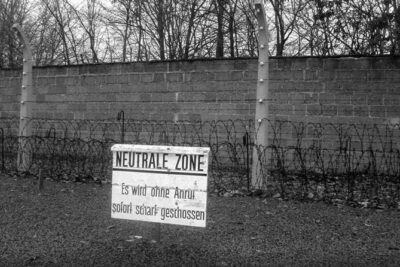
Tower A was the main guard tower. It is one of the key points for understanding the camp’s controlled design. From the entrance, the arrangement of the grounds helps you see how prisoners were watched and contained.
The tour focuses on the interiors and major sites rather than simply walking past the perimeter. You should expect about two and a half hours at the memorial itself, with much of that time spent outdoors.
The site can feel stark. Large open areas, exposed paths, and the absence of normal visitor comforts make the setting physically demanding, especially in winter. One person described freezing conditions, while another advised bringing an umbrella because shelter is not always available.
That discomfort is worth planning for, not romanticizing. Wear warm clothing in cold weather, carry rain protection, and use sturdy walking shoes. The tour requires a moderate level of fitness and is not recommended if you have limited mobility or a walking impairment.
A different side of Berlin on the same trip:
- Berlin: Reichstag, Dome and Government District Guided Tour
★ 4.7 · 18,288 reviews - Berlin: 1-Hour City Tour by Boat with Guaranteed Seating
★ 4.3 · 16,993 reviews - Berlin: Boat Tour Along the River Spree
★ 4.4 · 11,252 reviews - Discover Berlin Half-Day Walking Tour
★ 5.0 · 9,624 reviews
Punishment cells, barracks, and the prison system
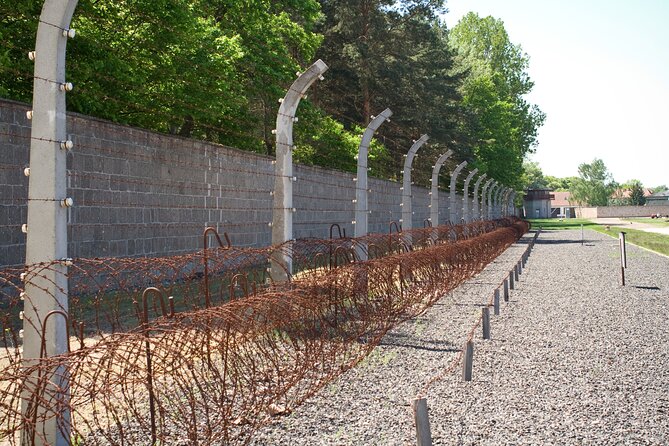
The punishment cells and torture cells show how imprisonment included more than confinement. Your guide explains how punishment was used to control prisoners and reinforce the camp’s wider system of fear and forced labor.
The former barracks and camp kitchen help you picture the daily structure imposed on prisoners. These buildings are not simply old military rooms. They are physical evidence of how thousands of people were housed, fed, worked, punished, and denied basic dignity.
The subject matter is severe, and the tour does not soften it. You hear about people who died from starvation, disease, forced labor, mistreatment, and systematic killing by the SS. You also learn about prisoner bravery and resistance, which keeps the story from reducing every prisoner to a nameless victim.
That balance matters to me. The tour is not only a catalogue of Nazi crimes. It also recognizes the choices, solidarity, endurance, and courage of people imprisoned there.
Station Z, the gas chamber, and the crematorium
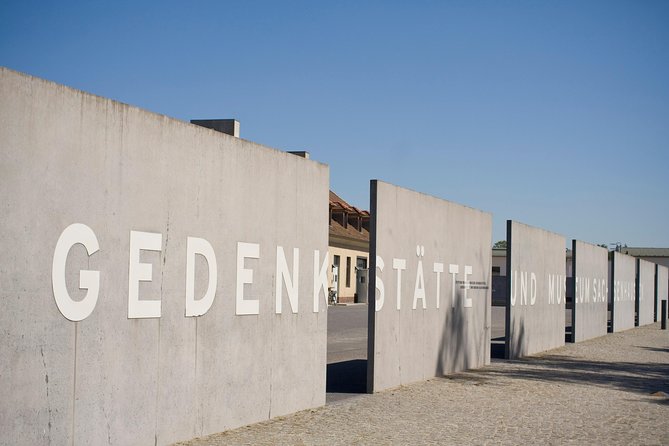
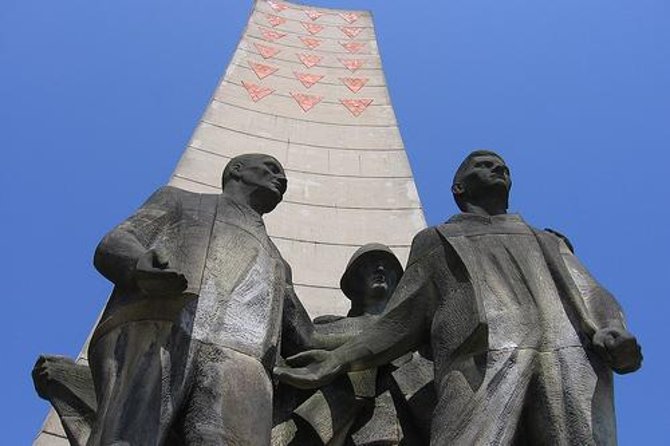
Station Z is the area associated with mass executions. The tour also visits the gas chamber and crematorium, along with burial pits. These are the most emotionally difficult parts of the visit.
You should come prepared for a serious memorial experience, not an ordinary museum outing. The guide’s tone makes a large difference. The strongest accounts describe guides who explain the sites with care, answer questions patiently, and avoid treating the subject as spectacle.
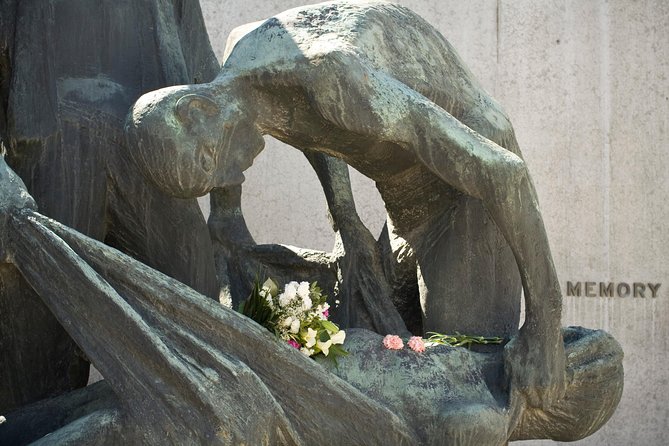
The memorial’s purpose is to remember those who lived and died at Sachsenhausen. It is not designed as entertainment, and you should give yourself room to be quiet. Some people may find the visit emotionally heavy. That is not a flaw in the tour, but it is an important reason to avoid packing another demanding activity immediately afterward.
The guide can help you understand how Station Z fit into the wider machinery of extermination. Without that context, these remains may seem like isolated ruins. With it, the site reveals a planned system operated by the SS.
Infirmaries, pathology, and the human cost
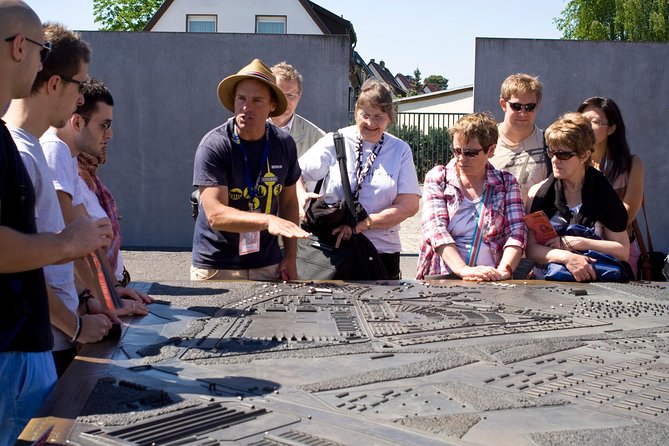
The infirmaries and pathology center show the medical side of the camp system. Their presence points to disease, neglect, experimentation, death, and the way Nazi institutions treated prisoners as bodies to control rather than people with rights.
The tour also covers the evacuation of the camp in April 1945. About 3,000 sick prisoners, along with doctors and nurses who remained behind, were liberated by Soviet and Polish soldiers. Thousands of other prisoners died during the death marches that followed the evacuation.
This part of the visit helps correct a common misunderstanding. Liberation did not mean every prisoner was suddenly safe. Many people were already sick, exhausted, or close to death, and many others died during the forced marches away from the camp.
A good guide makes these final months understandable without rushing. Guides such as Daniel and Ariel have been praised for answering questions, helping people navigate the return journey, and keeping the group together after an intense visit.
Walking, weather, food, and group size
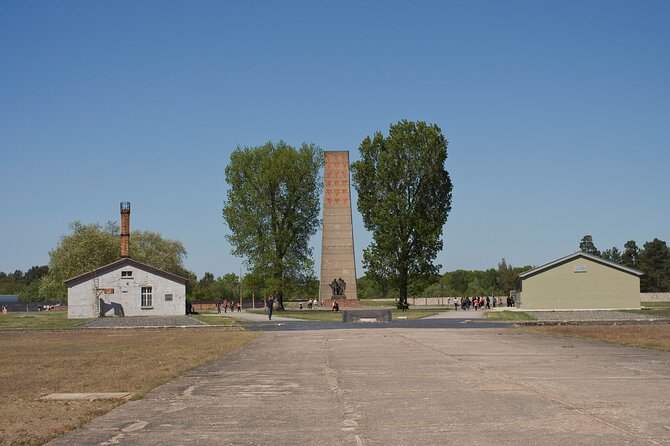
The tour is outdoors for much of the day. You may walk around 10,000 steps, and there is not always somewhere to sit or shelter. I would bring a packed lunch, snacks, and water because food and drinks are not included and there may be no place to buy food during the visit.
Weather can shape the experience. On a cold day, the open memorial grounds feel especially harsh. On a rainy day, an umbrella or waterproof jacket is useful. The activity requires good weather, and if poor weather causes cancellation, you are offered another date or a full refund.
The stated group maximum is 29 people. That is large enough to affect the experience, especially when standing outside and listening to a guide. One account describes a group of 36 and difficulty hearing at times, so stay close enough to the guide and speak up if you miss an explanation.
The guide team seems attentive to practical needs. Georgia reportedly introduced herself to everyone and repeated meeting times. Other guides helped with train tickets and made sure people knew how to return to their hotels. Those small details matter after several hours of walking and difficult subject matter.
Is $36.16 a fair price?
At $36.16 per person, the tour is reasonably priced for an English-language half-day outing led by a licensed guide trained by the memorial authority. Your admission to Sachsenhausen is included, and the company donates €3 per person to the memorial.
You still need an ABC transport ticket. The information gives an estimate of €9 and also lists €10 for the round trip, so allow about €10 when budgeting. Food and drinks are extra, though bringing your own is the sensible choice.
The value is strongest if you want interpretation and help with transport. You are paying not only for entry, but for a guide who can connect the camp to Nazi policy, explain the site in sequence, and handle the logistics from central Berlin and back.
It is less attractive if you prefer to spend unlimited time at each location or already have a strong background in Sachsenhausen. The group follows a set schedule, and the memorial visit lasts about two and a half hours. Still, for a first visit, the structure is useful.
Who should book this Sachsenhausen tour?
I would recommend it to adults interested in World War II, Nazi Germany, modern European history, or the moral questions raised by memorial sites. It suits you if you want a serious introduction and prefer not to manage the train journey and site layout alone.
It is also a good choice if English is your main language. Several guides have been praised for making complicated history clear without flattening it into a simple story.
You should think twice if you have limited mobility, dislike long outdoor walks, or have only a few hours free in Berlin. This is not an easy add-on between major city sights.
Book at least a day ahead if your dates are fixed. The activity is often reserved well in advance, with an average booking lead time of 27 days. Free cancellation is available up to 24 hours before the start time, but late cancellations and changes are not accepted.
My booking verdict
Book this tour if you want Sachsenhausen explained with care, structure, and historical context. The train support, memorial entry, donation, and strong guide team make the added cost worthwhile for most first-time visitors.
Skip it if you want a casual outing, cannot manage several hours of walking, or are not ready for a place devoted to mass suffering. For everyone else, bring food, water, warm clothes, and patience. This is a difficult day, but it can give you a far clearer understanding of what happened at Sachsenhausen and how the camp fit into Nazi Germany.
FAQ
How long does the Sachsenhausen tour take?
The advertised duration is approximately 5 hours and 30 minutes. The day includes the train from Berlin to Oranienburg, the memorial visit, and the return train trip. Some descriptions place the overall day from about 10:00 a.m. to 4:00 p.m.
Where does the tour meet?
The meeting information gives Reichstagufer 17 in Berlin, near S+U Friedrichstraße. The tour description also refers to a guide meet and greet at Friedrichstraße train station. Check your booking confirmation for the precise meeting point and arrive 15 minutes early.
Is transport included in the tour price?
No. You need an ABC public transport ticket for the round trip between the meeting point and Sachsenhausen. The cost is listed as approximately €9 to €10 per person.
Is admission to Sachsenhausen included?
Yes. Entry to the Sachsenhausen Memorial and Museum is included, and the experience provider donates €3 to the memorial per person.
Is food available during the tour?
Food and drinks are not included. The practical advice is to bring your own food and water because there may be no chance to buy food during the long day.
How much walking is involved?
You should expect substantial walking around the memorial. One account estimates approximately 10,000 steps. Good walking shoes are recommended, and the activity is not recommended for people with limited mobility or walking impairments.
Can I cancel for a full refund?
Yes, if you cancel at least 24 hours before the experience start time. Cancellations or changes made less than 24 hours before the start are not refunded or accepted. If poor weather causes the tour to be canceled, you are offered another date or a full refund.
Just added around Berlin
- Berlin Highlights in One Day★ 5.0 · 3 reviews
- Private Berlin One Day Tour with a Local: See the City Unscripted★ 3.5 · 3 reviews
- Individual city tour Berlin for max. 8 persons★ 5.0 · 3 reviews
- Transfer from Berlin Schönefeld Airport (SXF) to Berlin city Hotels – ROUND TRIP★ 4.0 · 3 reviews
- Berlin: Museum Island Tour★ 5.0 · 3 reviews
- Private Analogue Photography Experience in Berlin★ 5.0 · 3 reviews
- Berlin: Local Food Tour in Secrets Hidden Gems★ 4.0 · 3 reviews
- Berlin & The Third Reich Private Guided Tour★ 5.0 · 3 reviews
Sachsenhausen Memorial Tours, compared.
Sachsenhausen Concentration Camp Memorial Tour
Read our review →
Sachsenhausen Concentration Camp Bus Tour in English from Berlin
Read our review →
Sachsenhausen Concentration Camp Tour in English
Read our review →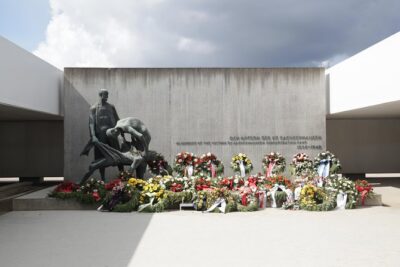
Sachsenhausen Concentration Camp Memorial Tour (Max. 15 Guests)
Read our review →
Sachsenhausen Concentration Camp and Potsdam Tour
Read our review →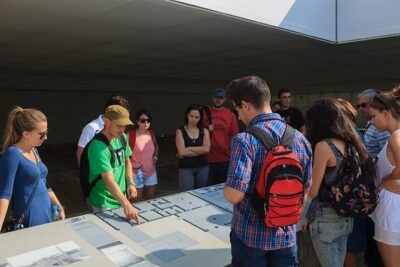
Visita en español al campo de concentración Sachsenhausen
Read our review →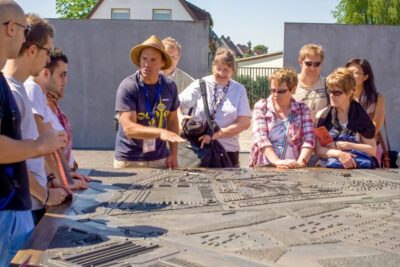
Sachsenhausen Concentration Camp Bus Tour in English
Read our review →Browse the lists this tour appears in