
Review · CHARLOTTENBURG PALACE TOURS
Charlottenburg: 2-Hour City Walking Tour
Charlottenburg gives you a different Berlin from the postcard route. This two-hour walk moves from the grand Rathaus Charlottenburg through an old village center, working-class streets, cafés, and 18th-century planning before finishing at the palace that gave the district its name. I like the way it connects everyday city life with Prussian power, and I like that it avoids making the palace the whole story. The main consideration is language: the live tour is in German, so you need comfortable German to get full value from the guide’s explanations and anecdotes.
At $23, this is a good-value introduction to a district many first-time visitors skip. The guide’s museum background gives the walk more substance than a simple orientation stroll, though you should bring good shoes, dress for the weather, and remember that the tour runs rain or shine.
In This Review
- Key points
- Why Charlottenburg is worth two hours
- Starting at Rathaus Charlottenburg
- Finding the medieval village center
- Heinrich Zille and the working-class city
- Luisenkirche and Berlin’s planned streets
- Klausener Kiez around Nehringstraße and Christstraße
- Villa Oppenheim and Schlossstraße
- Finishing at Charlottenburg Palace
- What the $23 price gets you
- Language, pace, and practical comfort
- Who should book this Charlottenburg walk
- Should you book it?
- FAQ
- Where does the Charlottenburg walking tour meet?
- How long does the tour last?
- What language is the tour conducted in?
- What is included in the tour price?
- Are museum admissions included?
- Are food and drinks included?
- Is hotel pickup or drop-off provided?
- Is the tour wheelchair accessible?
- What should you bring, and does the tour run in bad weather?
Key points
- Charlottenburg Town Hall start: Meet at the main entrance of the district’s imposing civic building, a fitting point for discussing local prosperity and power.
- Medieval village origins: Follow the route to the old village square, where Charlottenburg’s earlier identity comes into view.
- Heinrich Zille’s Berlin: Near the historic Stadtbad, learn about the artist’s affectionate and ironic pictures of working-class life.
- Eighteenth-century planning: See Luisenkirche, preserved schoolhouses from 1786, and housing that still shapes Berlin’s streets.
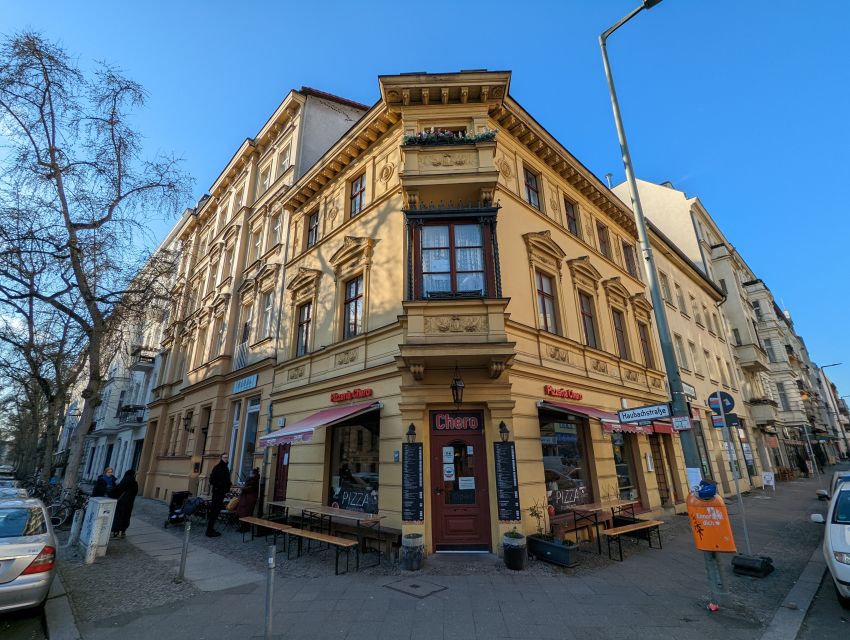
- Klausener Kiez at street level: Browse the feel of cafés, thrift stores, and corner shops around Nehringstraße and Christstraße.
- Palace and museum finish: End at Charlottenburg Palace and the dome-topped Stüler buildings along Schlossstraße.
Why Charlottenburg is worth two hours
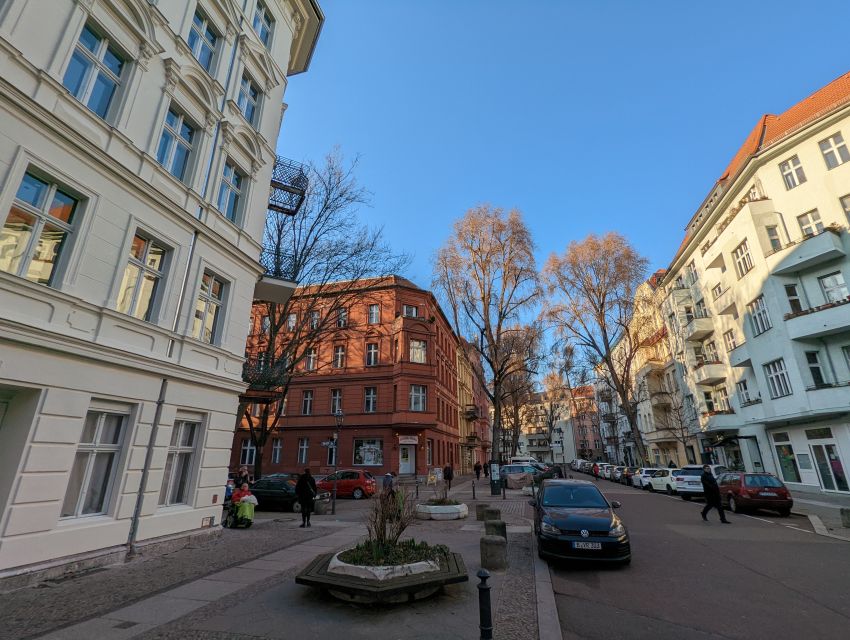
Berlin is often presented through the Brandenburg Gate, the Wall, Museum Island, and the broad avenues of Mitte. Charlottenburg gives you a more local, layered version of the city. It was once a separate settlement and later became one of Berlin’s most prosperous communities, with grand civic buildings, royal connections, planned streets, and ordinary neighborhood life all packed into a manageable walking route.
I like this kind of tour because the district does not depend on one famous sight. The palace is the grand finale, but the walk earns that ending by showing you the streets and institutions around it. You get a sense of how power, housing, education, art, and commerce shaped one part of Berlin over roughly 800 years.
The route also helps you read Berlin’s streets. Instead of simply passing attractive buildings, you hear why they look the way they do and how urban planning changed over time. That is useful if you plan to spend more time in western Berlin after the walk.
More Charlottenburg palace visits:
- Berlin: Charlottenburg Palace Entry Ticket
★ 4.4 · 2,076 reviews - Charlottenburg Palace with an excursion to Potsdam
★ 5.0 · 23 reviews - Berlin: BRLO Charlottenburg Tasting Session
★ 4.9 · 8 reviews
Starting at Rathaus Charlottenburg
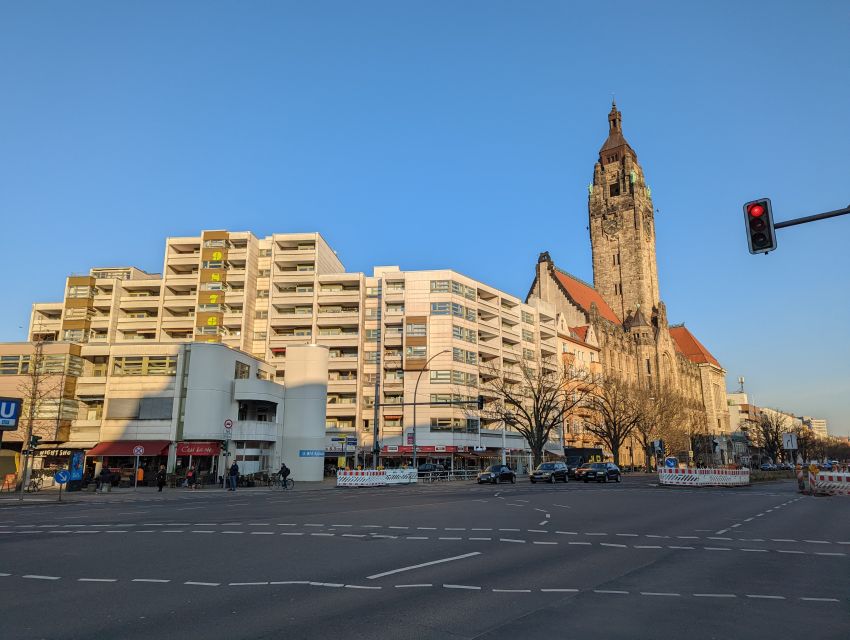
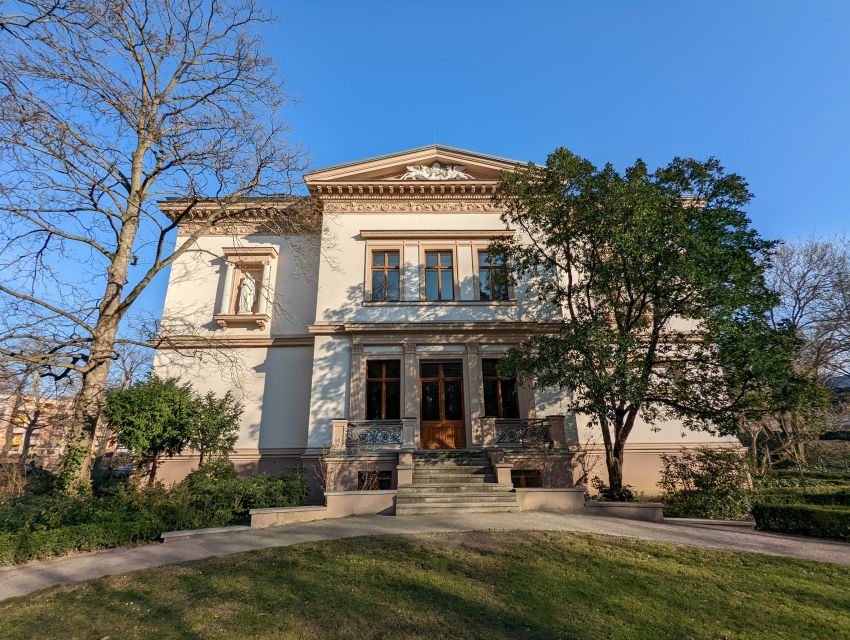
The meeting point is directly in front of the main entrance to Rathaus Charlottenburg. This is practical and easy to identify, but give yourself enough time to locate the correct entrance before the start. The tour begins with the town hall as a symbol of one of Germany’s wealthier communities, setting up a useful contrast between civic confidence and the older village that came before it.
A city hall is not usually the reason people visit Berlin, yet it is a smart starting point. It places Charlottenburg in a local frame rather than treating the district as an appendage of the royal palace. Your guide can explain how municipal identity and prosperity fit into the larger story of Berlin and Prussia.
The guide is a professional museum expert, and the strongest praise attached to this experience centers on broad historical knowledge, clear explanations, and a friendly manner. The best use of that expertise comes when you ask questions, so keep a few in mind. You might ask how Charlottenburg changed from village to city district, or why certain streets retained older forms while others reflect planned expansion.
Finding the medieval village center
From the town hall, the walk continues toward Charlottenburg’s medieval nucleus and old village square. This is where the district’s age becomes easier to grasp. Grand Berlin can make the city feel planned from scratch, but an old village center reminds you that urban Berlin grew by absorbing earlier settlements.
This part of the route is valuable for visitors who want context before architecture. You are not just looking at old façades. You are learning to spot the difference between a historic village core and the later streets built around it.
The walk is designed to move through several types of neighborhood rather than linger at one monument. That means the guide’s narration matters. A strong explanation can turn a modest square or street corner into evidence of changing political power and city planning.
You should also expect a walking tour rather than a sequence of formal interior visits. The route’s appeal comes from seeing the district in use, with shops, homes, public buildings, and cafés sharing the same streets. Museum admissions are not included, and the experience does not promise entry to the palace or other collections.
Heinrich Zille and the working-class city
Near the historic Stadtbad, the guide introduces the world of artist Heinrich Zille. Zille is known for affectionate yet sharply observant depictions of Berlin’s working class, and this stop adds a human scale to the district’s grander Prussian story.
I particularly like this shift in tone. Charlottenburg can sound like a parade of wealth, palaces, villas, and formal avenues. Zille’s subjects remind you that Berlin was also shaped by workers, crowded urban life, humor, and the small dramas of daily survival.
The reference to the Stadtbad also shows how public facilities can reveal social history. A swimming bath is not as instantly dramatic as a palace, but it tells you something about how a city served its residents and how public life developed beyond royal and military institutions.
The guide’s style is important here. The best accounts of this walk describe the history as lively, concise, and easy to follow rather than dry. You can expect anecdotes alongside dates and architectural facts. If you enjoy social history more than royal ceremony, this may be one of the most rewarding parts of the route.
More walking tours in Berlin:
- Discover Berlin Half-Day Walking Tour
★ 5.0 · 9,624 reviews - Berlin: Third Reich and Cold War 2 Hour Walking Tour
★ 4.9 · 6,830 reviews - Berlin: Discover Berlin Walking Tour
★ 4.9 · 5,998 reviews - Berlin’s Best: 2 Hour Walking Tour Third Reich and the Cold War
★ 5.0 · 5,486 reviews
Luisenkirche and Berlin’s planned streets
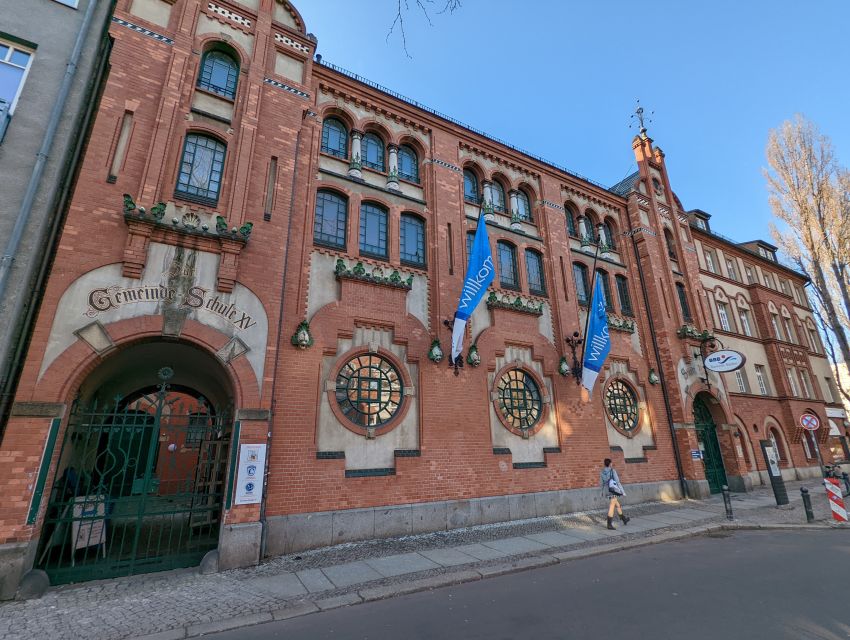
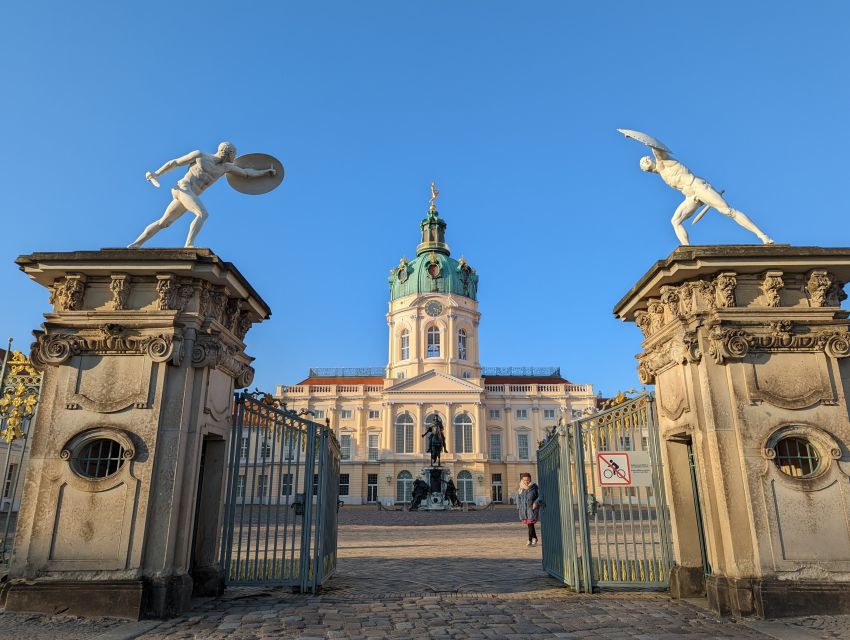
The section around Luisenkirche turns toward architectural history and 18th-century urban planning. Here, the tour explains how streets and buildings were organized as Charlottenburg grew. You will see examples of housing that still influence Berlin’s cityscape, along with preserved schoolhouses dating from 1786.
That schoolhouse detail is easy to miss on your own. A building associated with education can look ordinary, but its survival gives you a direct link to the district’s civic development. The route uses such details to show that urban history is not only about royal residences and monuments.
The housing examples are just as useful. Berlin’s familiar urban character often comes from blocks, façades, courtyards, and repeated building forms rather than isolated landmarks. With the guide’s help, you can look at the street more carefully and understand how pre-war development shaped the appearance of the neighborhood.
This is also where the tour may feel most academic. If you want nonstop grand sights, architectural planning and school history may seem less thrilling than the palace. I see that as a fair trade for a walk that aims to explain Charlottenburg rather than simply showcase it.
Klausener Kiez around Nehringstraße and Christstraße
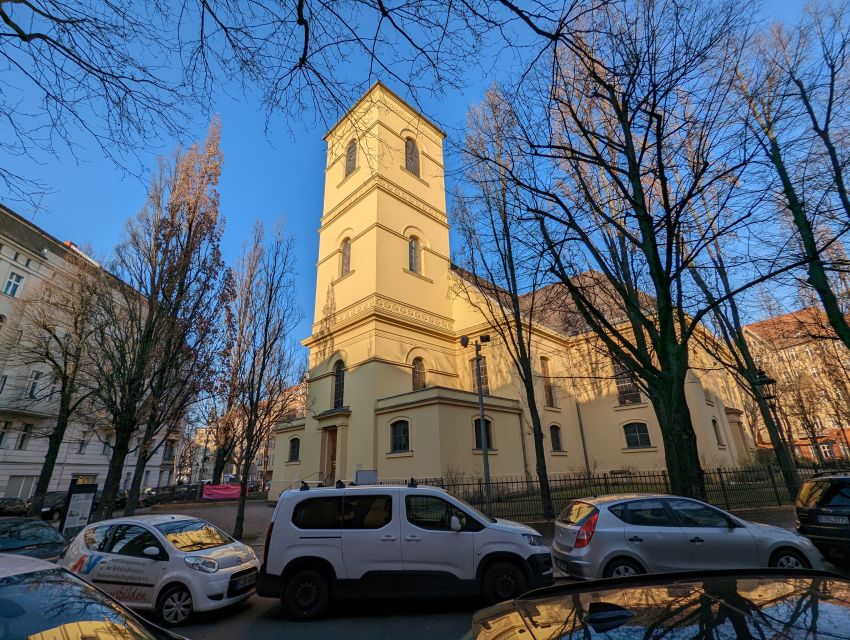
One of the most appealing sections comes at the corner of Nehringstraße and Christstraße, in the neighborhood known as Klausener Kiez. This is where the walk shifts from historical explanation to present-day city life.
You will see cafés, thrift stores, and corner shops, with the chance to observe how local residents use the area. The route does not treat Charlottenburg as a museum piece. It shows a neighborhood where older buildings and current routines exist side by side.
For me, this is the part that makes the tour feel grounded. A palace can tell you about status and power, but a café or small shop tells you how a district feels now. You might find this stretch especially useful if you want ideas for a quieter stop after the tour, although food and drinks are not included.
Do not expect a shopping excursion or a café break built into the schedule. The emphasis is on the streets and the guide’s interpretation. Two hours is enough for a strong overview, but not enough for extended browsing, a full meal, and long visits inside several buildings.
Villa Oppenheim and Schlossstraße
The route continues to Villa Oppenheim and the grand Schlossstraße. Villa Oppenheim brings another layer of wealth and culture into the story, while Schlossstraße leads you toward museum buildings and the palace area.
The villa helps explain the district’s bourgeois side. Charlottenburg was not defined only by royal government. It also attracted prosperous residents, cultural figures, and institutions that gave the area its polished character.
Schlossstraße changes the visual scale again. The route brings you from village streets and neighborhood shops toward buildings associated with museums and formal public culture. The transition is the point: you can see how different versions of Charlottenburg fit together instead of treating them as unrelated sights.
The tour does not include museum visits, so plan a separate visit if you want to go inside any museum or explore the palace interiors. That separation can be useful. You get a clear outdoor orientation first, then you can choose which building deserves your paid entry and extra time.
Finishing at Charlottenburg Palace
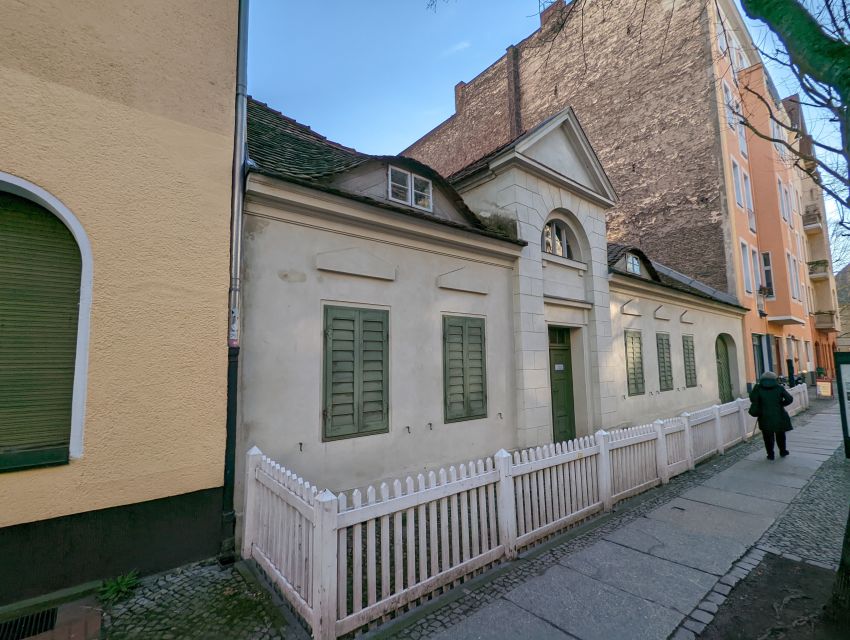
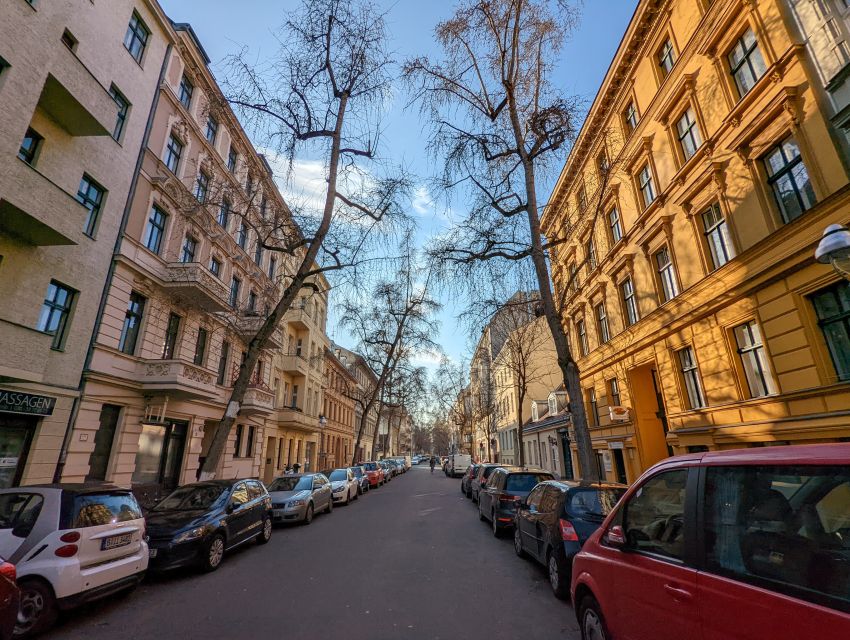
The final stop is Charlottenburg Palace, the district’s great royal statement. It was a former Prussian power center, and its opulence gives the walk a strong visual finish after the quieter streets that came before it.
The palace is lined with magnificent Stüler buildings topped with domes. Even if you do not enter, the exterior setting gives you plenty to look at and provides a clear sense of the district’s connection to Prussian authority and ceremony.
Ending here works better than beginning at the palace. If you start with the royal residence, it is easy to read Charlottenburg as a single story of kings, queens, and grand rooms. Arriving after the old village, Zille’s working-class Berlin, planned housing, Klausener Kiez, and Villa Oppenheim gives the palace a larger setting.
You should treat the end point as a place to continue exploring, not necessarily as the end of your Berlin sightseeing. Since museum visits are not included, you can decide later if the palace or nearby museums fit your schedule and budget.
What the $23 price gets you
At $23 per person, the tour offers solid value if you want interpretation rather than just a route map. You are paying for two hours with a professional museum expert who can connect local architecture, Prussian history, social history, and modern neighborhood life.
The value is strongest for three kinds of visitors. First, it suits anyone who has already seen central Berlin and wants a less familiar district. Second, it works well for history-minded visitors who enjoy details about urban planning and local institutions. Third, it is useful for people who prefer a guided walk to reading plaques or piecing together a neighborhood alone.
The value is weaker if you want entry to major attractions. The price does not cover food, drinks, hotel pickup, or museum admissions. You also need to be comfortable following a German-language explanation for the full two hours.
A 4.8 rating from 47 reviews suggests consistently strong satisfaction, and the praise focuses on the guide’s expertise, friendly manner, organization, and ability to explain facts in an entertaining way. One especially useful point is that the route can reveal corners even to someone who once lived in Charlottenburg. That tells you the walk is not limited to the obvious palace zone.
Language, pace, and practical comfort
The live tour is in German. This is not a minor detail. Because so much of the experience rests on historical stories, anecdotes, and answers to questions, basic tourist German may not be enough to catch the full benefit. German speakers, fluent learners, and visitors joining friends who can translate will get the most from it.
The tour lasts two hours, so the pace should be manageable for most people who are comfortable walking. Still, wear comfortable shoes. The route passes through several neighborhoods and is conducted outdoors, so you should dress for the weather.
It runs rain or shine. A waterproof layer and suitable footwear matter more here than they would on a short stroll between indoor attractions. Wheelchair access is listed, but you may still want to confirm the route’s current conditions if you have specific mobility needs, since the experience takes place across public streets and sidewalks.
There is no hotel pickup or drop-off. You need to make your own way to the main entrance of Rathaus Charlottenburg. The booking terms are friendly for uncertain plans: you can cancel up to 24 hours in advance for a full refund, and you can reserve now and pay later.
Who should book this Charlottenburg walk
I would choose this tour if you want to understand how a Berlin district works, not just photograph its headline monument. The mix of old village history, civic buildings, public facilities, working-class art, planned housing, cafés, villas, museums, and palace architecture gives you a broad view in a short time.
It is a particularly good fit for repeat visitors to Berlin. If you have already spent time around Mitte, this route offers a change of pace without leaving the city. It also suits local residents or Berlin hosts who want a structured way to learn more about Charlottenburg.
Families with older children may appreciate the changing subject matter, though the German language and history-heavy format will determine how much younger children enjoy it. Architecture students, history fans, and visitors curious about Prussian Berlin should find plenty to hold their attention.
I would skip it if you want a tour in English, a palace interior visit, or a relaxed café stop with food included. I would also avoid booking it without weather protection. The tour is short, but rain can make any outdoor walk less enjoyable.
Should you book it?
Book this tour if you want a well-explained, German-language walk through the real Charlottenburg, with the palace serving as a finale rather than the entire attraction. At $23, it gives you a useful framework for exploring the district on your own afterward.
The strongest reason to go is the guide’s reported ability to make local history clear, lively, and personal. The best reason to hesitate is the German-only format and the lack of included admissions. If those fit your plans, this is an affordable way to see a side of Berlin that many visitors pass by.
FAQ
Where does the Charlottenburg walking tour meet?
Meet your guide directly in front of the main entrance to Rathaus Charlottenburg.
How long does the tour last?
The walking tour lasts two hours.
What language is the tour conducted in?
The live tour guide speaks German, and the additional information lists German as the available language.
What is included in the tour price?
The price includes a guided walking tour led by a professional museum expert.
Are museum admissions included?
No. Museum visits are not included in the tour.
Are food and drinks included?
No. Food and drinks are not included.
Is hotel pickup or drop-off provided?
No. Hotel pickup and drop-off are not included. You must reach the meeting point at Rathaus Charlottenburg yourself.
Is the tour wheelchair accessible?
Yes. The activity is listed as wheelchair accessible.
What should you bring, and does the tour run in bad weather?
Bring comfortable shoes and weather-appropriate clothing. The tour takes place rain or shine.
More 2-Hour Experiences in Berlin
- Berlin: 2-Hour Lake Oberhavel Cruise from Tegel
★ 4.4 · 577 reviews - Berlin 2-Hour Segway Tour
★ 4.6 · 238 reviews - East Berlin and the Berlin Wall 2-Hour Walking Tour
★ 5.0 · 228 reviews - Berlin: Backyards of Berlin 2-Hour Tour
★ 4.7 · 163 reviews
Just added around Berlin
- Berlin Highlights in One Day★ 5.0 · 3 reviews
- Private Berlin One Day Tour with a Local: See the City Unscripted★ 3.5 · 3 reviews
- Individual city tour Berlin for max. 8 persons★ 5.0 · 3 reviews
- Transfer from Berlin Schönefeld Airport (SXF) to Berlin city Hotels – ROUND TRIP★ 4.0 · 3 reviews
- Berlin: Museum Island Tour★ 5.0 · 3 reviews
- Private Analogue Photography Experience in Berlin★ 5.0 · 3 reviews
- Berlin: Local Food Tour in Secrets Hidden Gems★ 4.0 · 3 reviews
- Berlin & The Third Reich Private Guided Tour★ 5.0 · 3 reviews
Charlottenburg Palace Tours, compared.
Charlottenburg Palace with an excursion to Potsdam
Read our review →

Skip-the-line Charlottenburg Palace Private Tour & Transfers
Read our review →Browse the lists this tour appears in