
Review · SACHSENHAUSEN MEMORIAL TOURS
From Berlin: Licensed Sachsenhausen Tour with max. 15 people
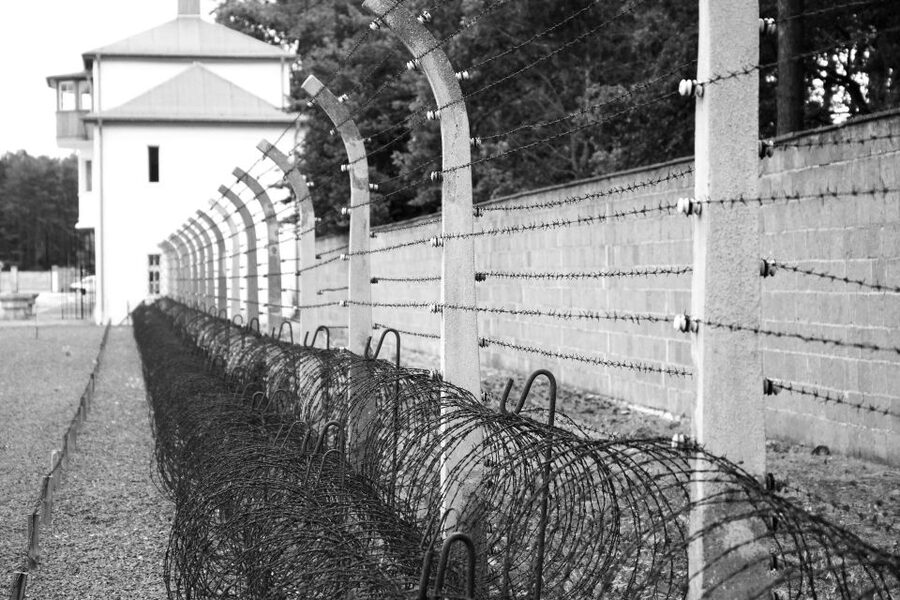
Sachsenhausen is not a quick photo stop. It is a vast, sobering memorial where the scale of the camp becomes clear only as you walk between the gate, barracks, watchtowers, and execution areas. This tour gives you about three hours on site, enough time to connect the remains to the wider Nazi camp system.
I like the small group limit of 15, which makes it easier to hear the guide and ask difficult questions. I also like that a licensed guide handles the public transport journey, a real help when train changes or service problems affect the route. The drawback is the long day: including travel and walking, you are out for about five and a half hours, mostly on your feet, with no café or shop at the memorial.
In This Review
- Key points at a glance
- Why Sachsenhausen deserves a full half-day
- Meeting at Hackescher Markt
- The walk from Oranienburg to the memorial
- Entering through Tower A
- Prison life, forced labor, and the shoe-testing track
- The Jewish barracks and stories of resistance
- Station Z and the execution center memorial
- A guided walk with room for questions
- The return journey and the real length of the day
- Is $38 good value?
- Who should book this tour?
- FAQ
- How long does the Sachsenhausen tour take?
- Where does the tour meet in Berlin?
- How do you get to Sachsenhausen?
- Is public transport included in the price?
- What is the maximum group size?
- What language is the tour conducted in?
- What does the tour price include?
- Is there food or drink available at Sachsenhausen?
- What should I wear?
Key points at a glance
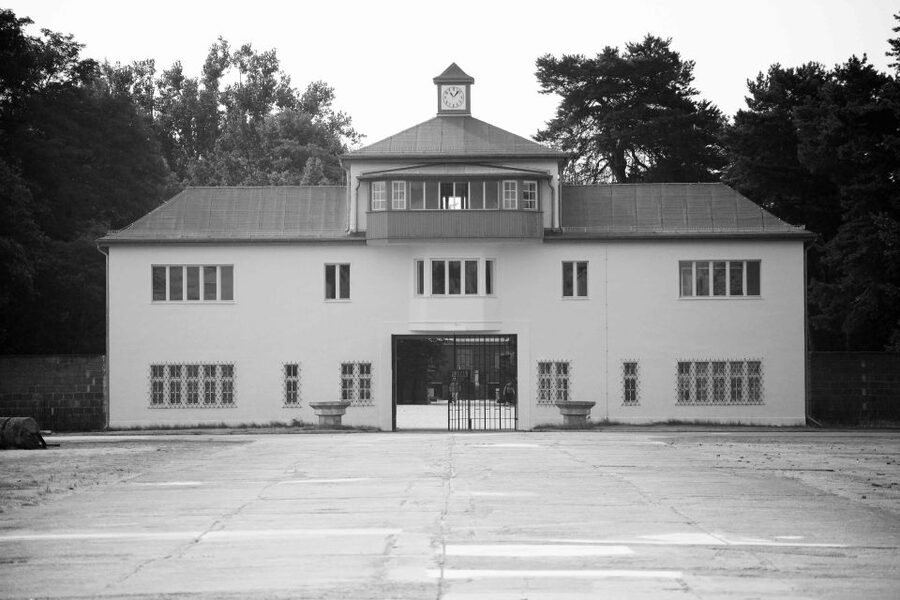
- Tower A begins the story: See the main gate and its infamous slogan before entering the memorial grounds.
- Station Z makes the killing system tangible: Visit the memorial at the former execution center and hear how it fit into the camp’s machinery of murder.
- Small groups keep the guide close: With no more than 15 people, questions and quiet discussion are easier.
- Public transport is part of the experience: The guide leads you from central Berlin to Oranienburg and back, with the ABC ticket purchased separately.
- Three hours on site means real walking: You see barracks, memorials, watchtowers, the prison kitchen, infirmary, Jewish barracks, and shoe-testing track.
- Bring food and rain gear: There are no places to buy drinks or snacks, and the tour runs in all weather.
Why Sachsenhausen deserves a full half-day
Sachsenhausen was built by the SS in 1936, shortly after Dachau, and was designed as a major concentration camp for people viewed as opponents of the Nazi regime. Its layout and surviving remains help explain not only what happened to prisoners here, but also how the concentration camp system was organized and expanded.
A visit can be difficult to navigate alone. The grounds are broad, many buildings are gone, and the meaning of each surviving structure is not always obvious. A guide gives you the framework first, then points out details that could otherwise pass unnoticed.
The subject is severe, and this is not entertainment. The best guides keep the tone serious without turning the day into a cold list of dates. Guides including Sarah, Ronja, Lewis, Natalie, Rebecca, and Chris have been praised for explaining the history clearly, answering questions, and treating the site with care.
The tour also includes stories of resistance and survival. You hear about the Jewish prisoners’ revolt in 1942, the forgery workshop that produced millions of pounds sterling, escape attempts, and the tunnel dug by Jimmy James. These stories do not soften the horror, but they show prisoners as people who resisted, adapted, and tried to preserve their humanity.
More Sachsenhausen memorial visits:
- Berlin: Sachsenhausen Concentration Camp Tour in English
★ 5.0 · 5,711 reviews - Berlin: Sachsenhausen Concentration Camp Memorial Tour
★ 4.7 · 3,716 reviews - Sachsenhausen Concentration Camp Bus Tour in English from Berlin
★ 5.0 · 1,962 reviews
Meeting at Hackescher Markt
The day begins outside Starbucks opposite Hackescher Markt S-Bahn station at Neue Promenade 3. This is a central, easy-to-reach meeting point, but give yourself enough time to find the exact spot and arrive ready to leave promptly.
Your guide leads the group by public transport toward Oranienburg, roughly 20 miles north of central Berlin. The stated journey takes about 50 minutes, though actual timing can change with rail service. One group had to use three different trains because of shutdowns, but the guide reorganized the route and kept the journey moving.
That is one of the practical benefits of booking this tour rather than making the trip alone. You still need a valid Berlin ABC public transport ticket, and an ABC day pass is recommended. The transport cost is not included in the tour price, so add it to your budget before booking.
The ride also gives the guide time to introduce the Nazi camp system and explain why Sachsenhausen was created. Several guides use the journey to discuss the wider history of wartime Germany, which helps you arrive with some basic context instead of meeting the site cold.
The walk from Oranienburg to the memorial
After reaching Oranienburg, expect about a 20-minute walk to the Sachsenhausen Memorial. This is a useful transition. You leave the city behind and have time to prepare for the visit, but it also adds to the amount of walking on an already long day.
Wear shoes that can handle uneven ground and possible mud. The memorial remains open in all weather, and rain can make the paths muddy. A waterproof jacket or other weather-ready clothing is not optional if the forecast looks poor.
There is no shop or café in or around the memorial site for this tour. Bring water and a snack, and consider packing enough food to get you through the day. Some people have found the stretch from the morning departure to the afternoon return long without a proper meal, even though the tour information warns you in advance.
Entering through Tower A
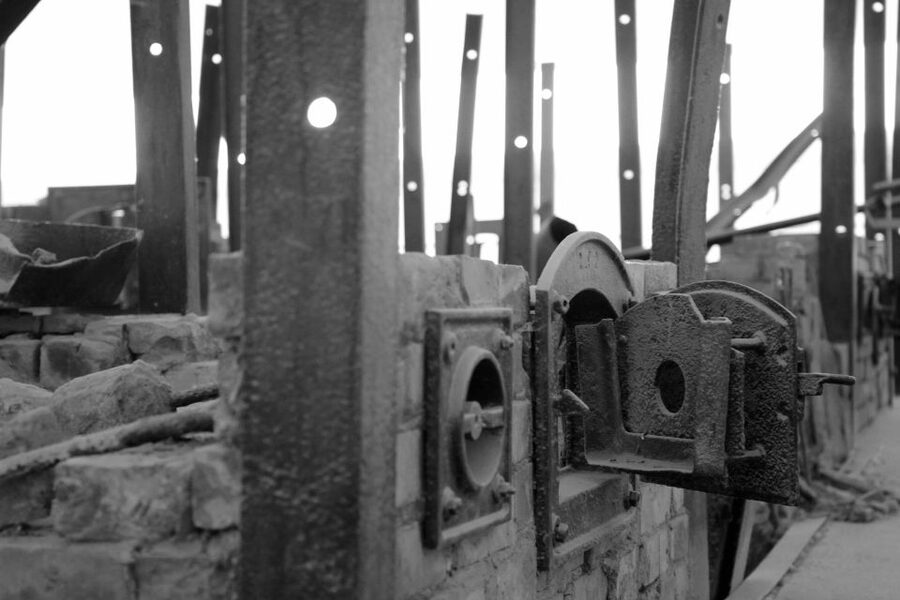
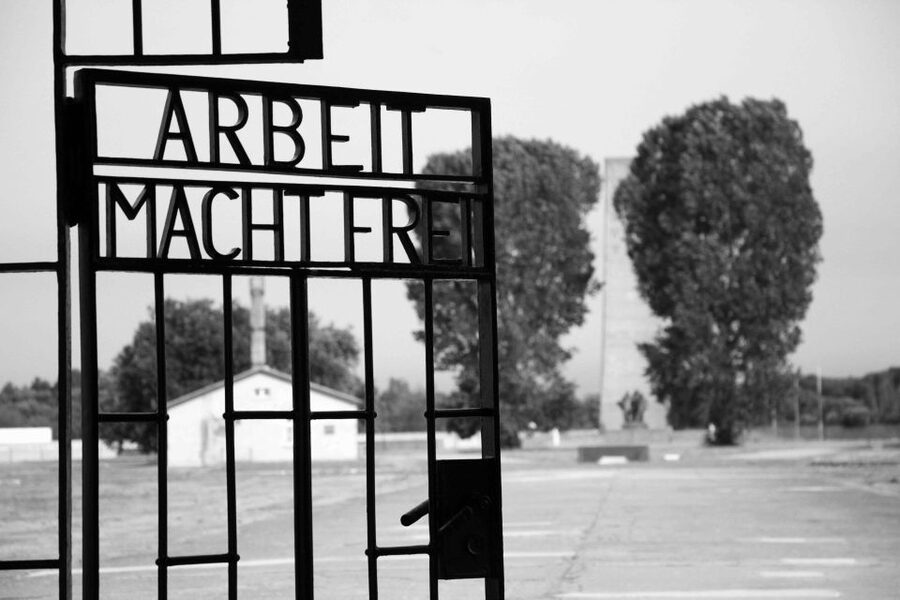
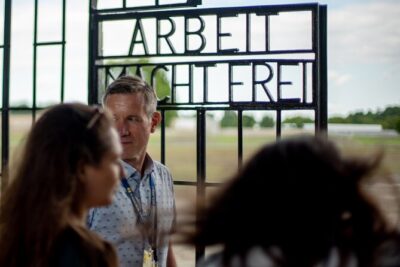
Tower A and the main gate provide the first major point of focus. The gate carries the infamous slogan Arbeit macht frei, commonly translated as work sets you free. Seeing those words in their original setting is stark, but the guide’s explanation gives them their proper place in the camp’s system of deception, punishment, and forced labor.
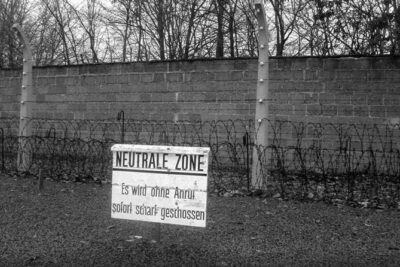
From here, the guide explains how the camp was planned and how the SS used its design to control prisoners. The remains of watchtowers, barracks, and open areas make the scale easier to grasp, even though much of the original camp no longer survives.
This is where a small group matters. A group of 15 can gather near the guide without the constant reshuffling that comes with a large crowd. You can ask about the layout, prisoner categories, daily routines, or the difference between what remains and what has been reconstructed.
A different side of Berlin on the same trip:
- Berlin: Reichstag, Dome and Government District Guided Tour
★ 4.7 · 18,288 reviews - Berlin: 1-Hour City Tour by Boat with Guaranteed Seating
★ 4.3 · 16,993 reviews - Berlin: Boat Tour Along the River Spree
★ 4.4 · 11,252 reviews - Discover Berlin Half-Day Walking Tour
★ 5.0 · 9,624 reviews
Prison life, forced labor, and the shoe-testing track
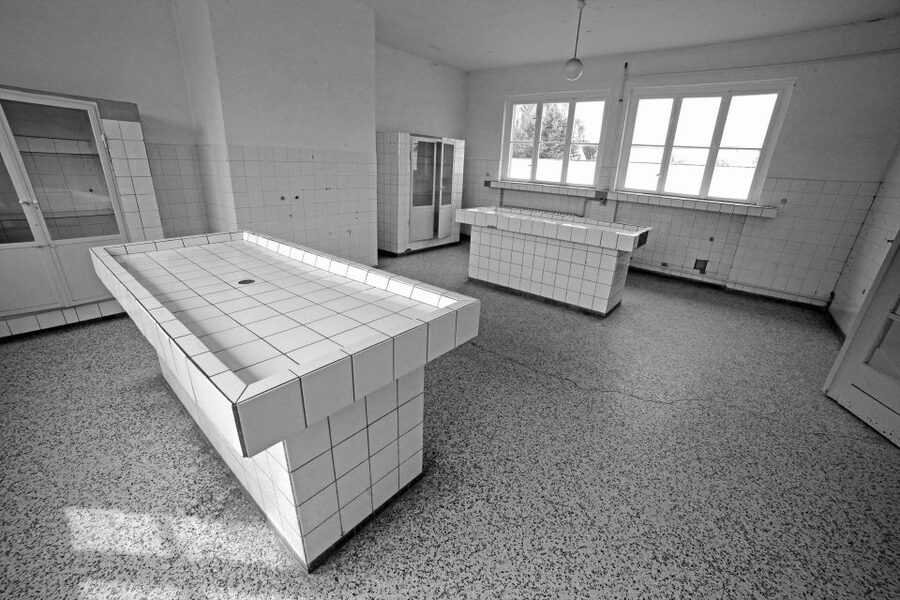
The tour examines everyday life inside Sachsenhausen, though everyday is a difficult word for conditions shaped by hunger, forced labor, disease, violence, and constant fear. Your guide uses witness accounts and current historical research to explain what prisoners endured and how the SS ran the camp.
The shoe-testing track is one of the more unusual remains. Prisoners were forced to walk long distances over different surfaces to test footwear for the German military and related industries. It is a physical reminder that forced labor was not limited to factories or construction sites. Human beings were used to test the usefulness and endurance of products.
You also see the prison kitchen and infirmary barracks. These buildings help broaden the picture beyond the gate and watchtowers. The kitchen raises questions about food, rationing, and control, while the infirmary points toward the effects of exhaustion, illness, and abuse.
The guide explains different prisoner groups and the way the camp system treated people according to Nazi racial and political categories. This historical framing is especially useful if your previous understanding of the period has focused mainly on major events rather than camp life.
The Jewish barracks and stories of resistance
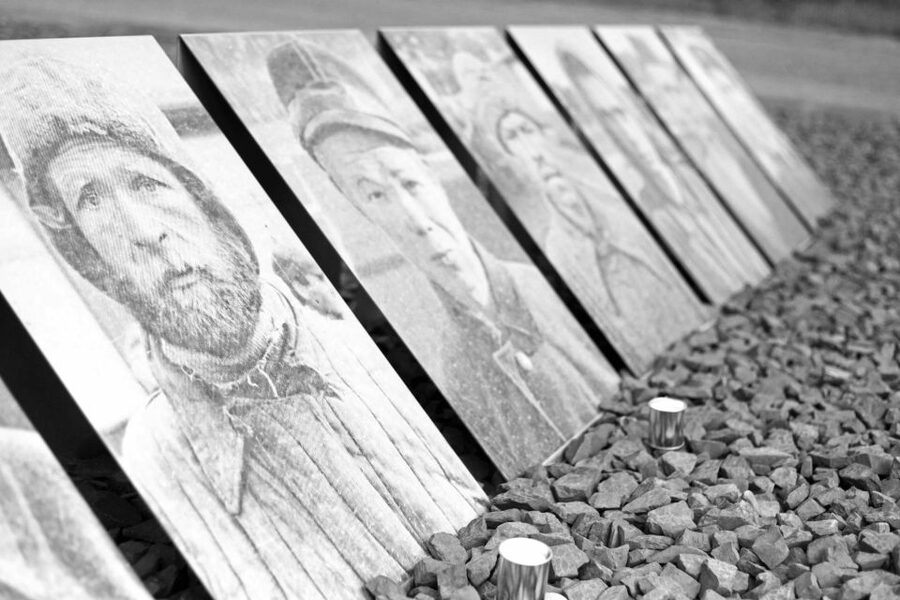
The Jewish barracks receive specific attention during the tour. You learn about the experiences of Jewish prisoners and the revolt in 1942. This part can be especially hard, but it also prevents the visit from becoming a vague lesson about wartime suffering. The guide connects individual stories to the larger policies that sent people to Sachsenhausen.
The forgery workshop offers another unsettling example of how prisoners were forced into the Nazi war effort. Jewish prisoners were involved in counterfeiting millions of pounds sterling. The story shows the strange and brutal contradictions of camp life: prisoners were exploited for specialized skills, yet remained exposed to extreme danger and arbitrary violence.
Escape stories add another human dimension. The tunnel dug by Jimmy James is remembered as an act of courage and planning under conditions designed to make resistance almost impossible. These accounts are not presented as easy triumphs. They sit beside the many prisoners who had no way to escape and did not survive.
Guides such as Ronja and Rebecca have been praised for ending difficult sections with stories of resistance, endurance, or human decency. That balance is valuable. You should not leave with the impression that the camp’s victims were defined only by what was done to them.
Station Z and the execution center memorial
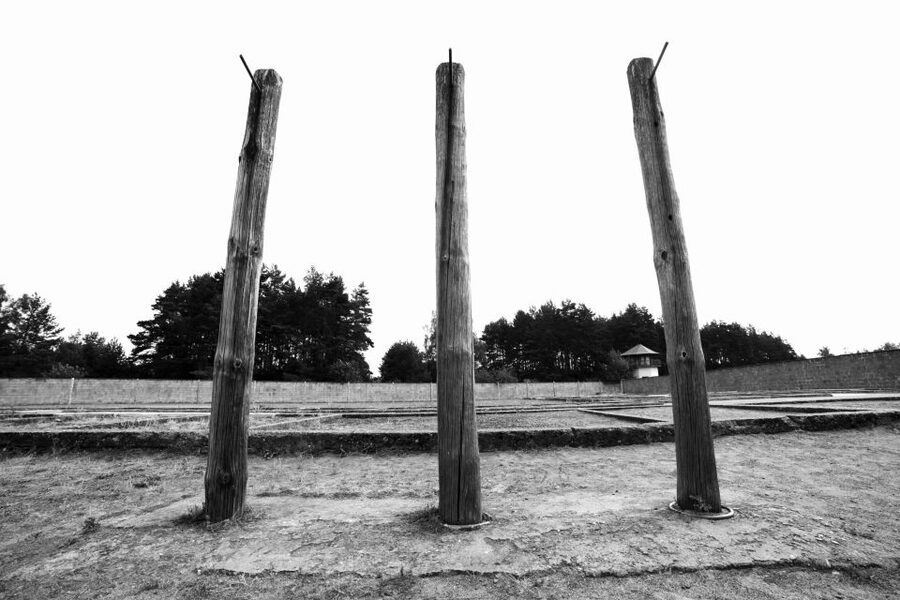
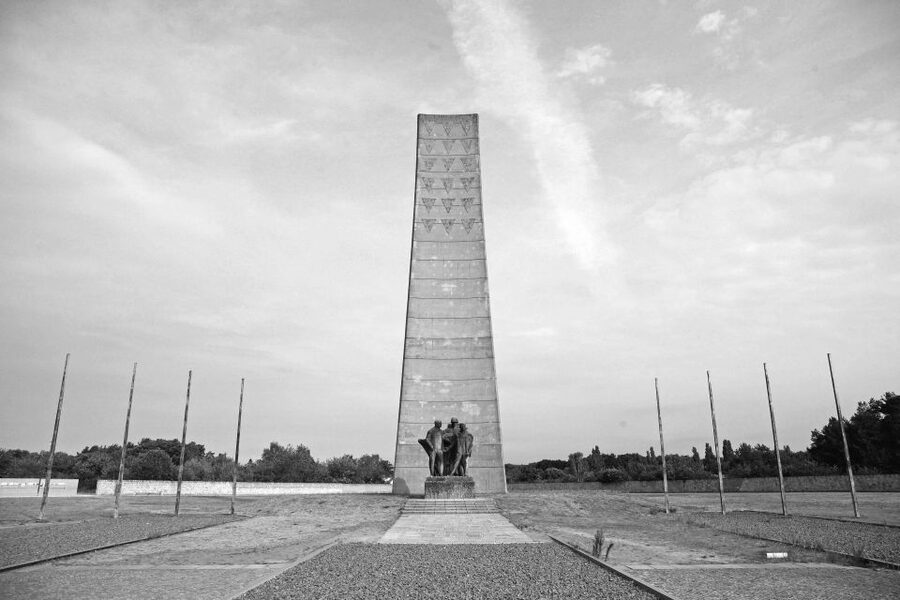
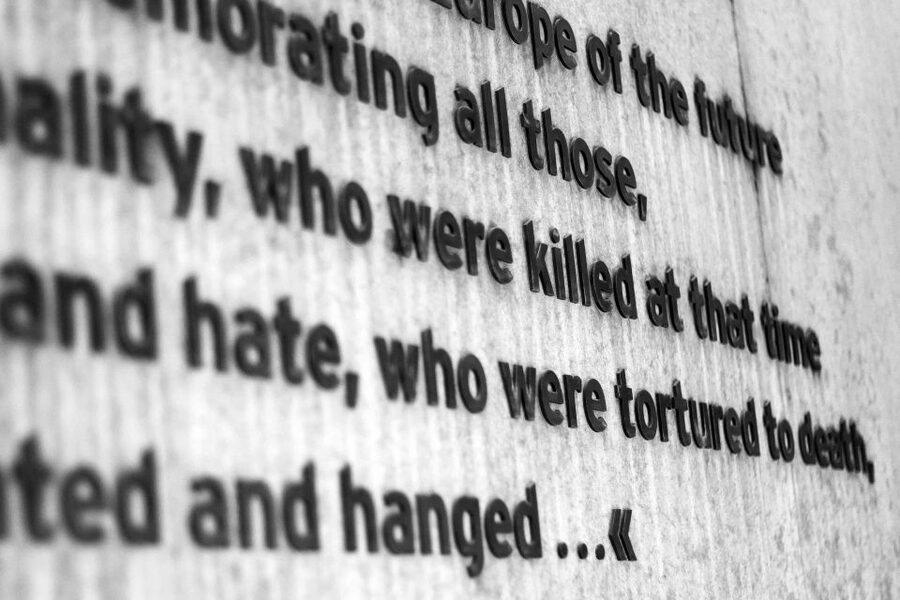
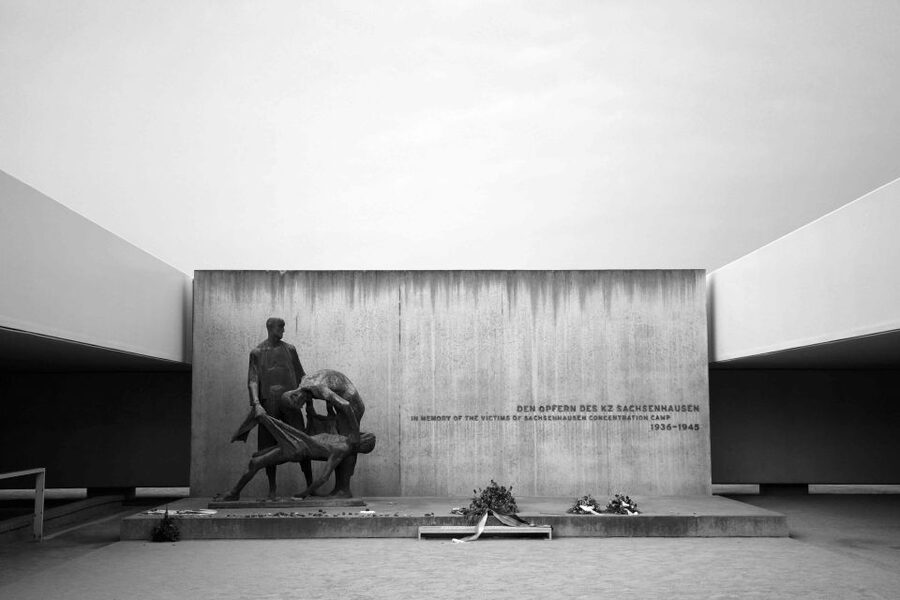
Station Z is the memorial at the former execution center. The name itself is chilling, and your guide explains how this area functioned within the camp. The visit is quiet and deliberate, with the memorial work asking you to consider the people murdered there rather than treating the site as another stop on a sightseeing route.
The execution area is one of the places where a guide’s preparation matters most. It can be tempting to move quickly through a difficult section, especially in bad weather or after several hours of walking. A good guide explains the facts without forcing a reaction, then gives you room to take in the place at your own pace.
The tour includes memorial statues and plaques as well as the remains of the camp buildings. Some areas are open and exposed, while others involve interior displays where you may want extra time to read photographs and documents. If you are interested in museum material, ask the guide how much time will be available for each room. One useful criticism of the experience is that some visitors would prefer longer at certain indoor displays.
A guided walk with room for questions
The advertised guided portion lasts about three hours, but the day is not simply three hours of listening. You walk, stop, look, and ask questions. The strongest part of the format is the chance to clarify details as they arise rather than trying to piece the site together afterward.
The guides are trained by Original Berlin Walks and licensed by the memorial. That matters here because Sachsenhausen requires more than general Berlin history. You want someone who can explain the camp’s development, prisoner groups, forced labor, resistance, liberation, and the postwar memorial setting with care.
Past guide assignments include Sarah, Georgia, Anya, Emma, Lewis, Natalie, Ronja, Rebecca, Amelia, Steve, Chris, Gregor, and Walid. The individual style will vary, but the consistently praised qualities are clear explanations, empathy, a relaxed pace, and a willingness to answer questions. Some guides also help with onward transport or offer Berlin food and sightseeing suggestions during the return trip.
Do not expect a theatrical performance. The best approach for this place is informed, direct, and human. The tour information says the guides use witness accounts and historical research, and that method helps connect large events to the lives of prisoners.
The return journey and the real length of the day
After the memorial, you walk about 20 minutes back to Oranienburg and take public transport toward Berlin. The return journey is listed at around 50 minutes, with arrival at a central station such as Hauptbahnhof, Friedrichstraße, or Gesundbrunnen. The exact station can vary, so do not plan a tight appointment immediately afterward.
The full experience lasts 330 minutes, or about five and a half hours. Some groups have returned closer to 4:15 p.m. after a morning departure, depending on the route and transport conditions. You get a substantial visit, but the schedule can feel demanding if you are tired, hungry, or unused to walking for several hours.
I would leave the rest of the afternoon open. The subject matter alone may make you want a quiet meal or a slow walk afterward. This is not the right tour to squeeze between two fixed-time attractions.
Is $38 good value?
At $38 per person, the tour is fairly priced for a small-group, licensed experience lasting around five and a half hours. The price includes the guide, the memorial fee, and a €3 donation to the camp memorial. Public transport is extra, so remember that the advertised price is not your total cost.
The donation is a worthwhile part of the package. It helps support the memorial as a place for education, preservation, schools, individual visitors, and tour groups. You are not simply paying for a day out. Part of the fee supports the site where the history is taught and preserved.
The main value comes from the guide and the transport support. If you already understand Berlin’s rail system and feel comfortable interpreting a large memorial site alone, you could choose an independent visit. But you would need to arrange the ABC ticket, manage the route, and make sense of the grounds and exhibitions yourself.
For most first-time visitors, the extra guidance is worth it. The group is limited to 15, and the guide remains with you through the journey, site visit, and return. The price also compares well with a private tour, which would normally cost far more.
Who should book this tour?
Book it if you want a serious introduction to Sachsenhausen and prefer having historical context explained as you move through the site. It suits adults, older teenagers, history students, and anyone interested in understanding how the Nazi concentration camp system worked.
It is also a good choice if public transport in Berlin feels confusing. Rail disruptions can happen, and the guide can adjust the route, as Emma and Ronja did when transport problems affected their groups. You still need to be mobile enough for the walking and prepared to spend much of the day outdoors.
Think carefully before booking if you have limited time in Berlin, dislike long public transport journeys, or need a substantial lunch break during the day. The memorial has no place to buy snacks or drinks, and the experience can be emotionally challenging.
Book this tour if you want a thoughtful, well-organized visit with a close-knit group and a guide who can answer questions. Skip it only if you need a very flexible schedule or prefer to explore memorial sites alone and at your own pace.
FAQ
How long does the Sachsenhausen tour take?
The tour lasts 330 minutes, or about five and a half hours. This includes public transport, walking between Oranienburg and the memorial, and about three hours of guided touring at Sachsenhausen.
Where does the tour meet in Berlin?
The meeting point is outside Starbucks opposite Hackescher Markt S-Bahn station at Neue Promenade 3.
How do you get to Sachsenhausen?
The group travels by public transport from central Berlin to Oranienburg, then walks about 20 minutes to the Sachsenhausen Memorial. The guide leads the journey.
Is public transport included in the price?
No. You need to buy your own public transport ticket. An ABC day pass is recommended for the journey to and from Sachsenhausen.
What is the maximum group size?
The group is limited to 15 participants.
What language is the tour conducted in?
The live tour guide speaks English.
What does the tour price include?
The price includes a licensed and trained guide, the memorial fee, and a €3 donation to the camp memorial. Public transport, drinks, and snacks are not included.
Is there food or drink available at Sachsenhausen?
No. There are no shops or cafés in or around the memorial site, so bring water and a snack. The tour information also recommends bringing enough food because the day is long.
What should I wear?
Wear comfortable shoes and weather-appropriate clothing. The tour runs in all weather, and the site can become muddy after rain.
Just added around Berlin
- Berlin Highlights in One Day★ 5.0 · 3 reviews
- Private Berlin One Day Tour with a Local: See the City Unscripted★ 3.5 · 3 reviews
- Individual city tour Berlin for max. 8 persons★ 5.0 · 3 reviews
- Transfer from Berlin Schönefeld Airport (SXF) to Berlin city Hotels – ROUND TRIP★ 4.0 · 3 reviews
- Berlin: Museum Island Tour★ 5.0 · 3 reviews
- Private Analogue Photography Experience in Berlin★ 5.0 · 3 reviews
- Berlin: Local Food Tour in Secrets Hidden Gems★ 4.0 · 3 reviews
- Berlin & The Third Reich Private Guided Tour★ 5.0 · 3 reviews
Sachsenhausen Memorial Tours, compared.
Sachsenhausen Concentration Camp Tour in English
Read our review →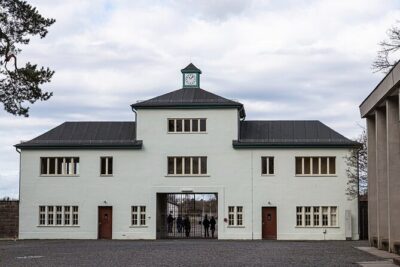
Sachsenhausen Concentration Camp Memorial Tour
Read our review →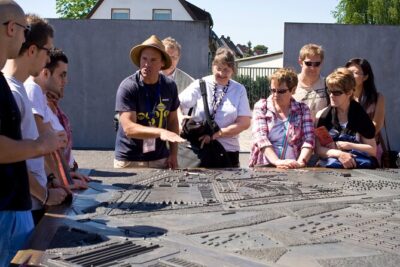
Sachsenhausen Concentration Camp Bus Tour in English from Berlin
Read our review →Sachsenhausen Concentration Camp Tour in English
Read our review →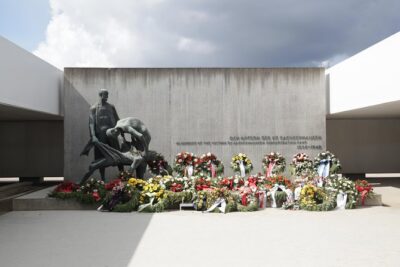
Sachsenhausen Concentration Camp Memorial Tour (Max. 15 Guests)
Read our review →
Sachsenhausen Concentration Camp and Potsdam Tour
Read our review →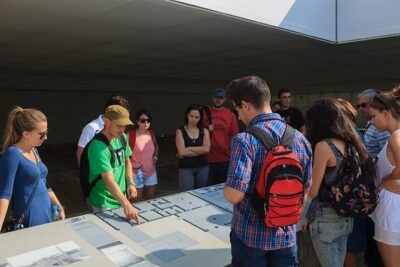
Visita en español al campo de concentración Sachsenhausen
Read our review →Browse the lists this tour appears in