
Review · SACHSENHAUSEN MEMORIAL TOURS
From Berlin: Sachsenhausen Concentration Camp Memorial Tour
Sachsenhausen is not a casual sightseeing stop. It is a place of forced labor, imprisonment, and murder, and the best part of this six-hour guided visit is the context a good guide adds as you move through the former camp. Guides such as Anna, Roshana, Sebastian, Siobhán, and Miguel have been praised for linking the site to the wider history of Nazi Germany.
I like two things here: the tour handles the difficult subject with care, and it helps you navigate the public transport journey from central Berlin. I also like the small group limit of 20 people, which gives you a better chance to ask questions than you would on a huge coach outing.
The main drawback is practical. You must pay for your own ABC transit ticket, walk about 20 minutes from the station to the memorial, and bring food if you need it. The site is large, the subject is heavy, and there is little comfortable time for a proper lunch.
In This Review
- Key points to know before booking
- Why Sachsenhausen belongs on a Berlin history itinerary
- Meeting at Alexanderplatz at 10:00 am
- Entering the Memorial and Museum Sachsenhausen
- Prisoner cells, guard towers, and the camp layout
- The guides make the difference
- A serious day, not an entertaining day out
- Walking, weather, and lunch planning
- Is $29.81 a fair price?
- Small-group size and the return to Berlin
- Who should book this Sachsenhausen tour?
- Should you book it?
- FAQ
- Where does the Sachsenhausen tour begin?
- What time does the tour start?
- How long does the experience last?
- Is the tour offered in English?
- Is public transport included in the price?
- Is there a separate charge at the memorial?
- Is food included?
- Where does the tour end?
- Can I cancel for a full refund?
Key points to know before booking
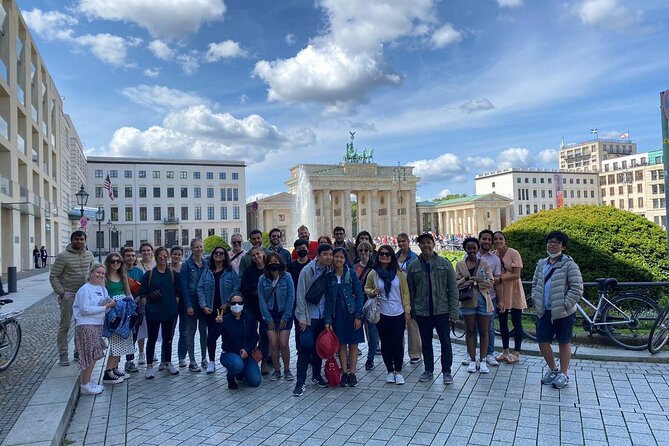
- The meeting point is at Generator Berlin Alexanderplatz: Be there for the 10:00 am start at Otto-Braun-Straße 65.
- Public transport is not included: You need an ABC transit ticket for the journey to Sachsenhausen and back.
- The camp visit involves plenty of walking: Allow for the walk from the station, the large memorial grounds, and uneven or exposed areas.
- The €3 memorial donation is extra: Have exact change ready, as the guide collects it before entering.
- Guide quality is a major strength: Anna, Roshana, Sebastian, Siobhán, Miguel, and Sharon receive especially warm praise for clear explanations and sensitive handling of the subject.
- The tour ends where it starts: After roughly six hours, you return to the Alexanderplatz meeting point.
Why Sachsenhausen belongs on a Berlin history itinerary
Berlin has plenty of museums about the Third Reich, but Sachsenhausen gives you something different: the physical setting where the system operated. You are not only reading about prisoners, guards, and Nazi administration. You are walking through the remains of a camp designed to control, punish, and dehumanize people.
Sachsenhausen was used mainly for political prisoners, though its prisoner population changed over time. The memorial also explains the camp’s role as an administrative center for the wider concentration camp system. That detail matters because it shows that Sachsenhausen was not an isolated prison. It was part of a larger, organized system.
I recommend treating this as a serious historical appointment, not a quick stop between Berlin attractions. The site can be emotionally difficult, and the six-hour schedule gives the guide time to explain events without reducing them to a list of dates and buildings.
More Sachsenhausen memorial visits:
- Berlin: Sachsenhausen Concentration Camp Tour in English
★ 5.0 · 5,711 reviews - Berlin: Sachsenhausen Concentration Camp Memorial Tour
★ 4.7 · 3,716 reviews - Sachsenhausen Concentration Camp Bus Tour in English from Berlin
★ 5.0 · 1,962 reviews
Meeting at Alexanderplatz at 10:00 am
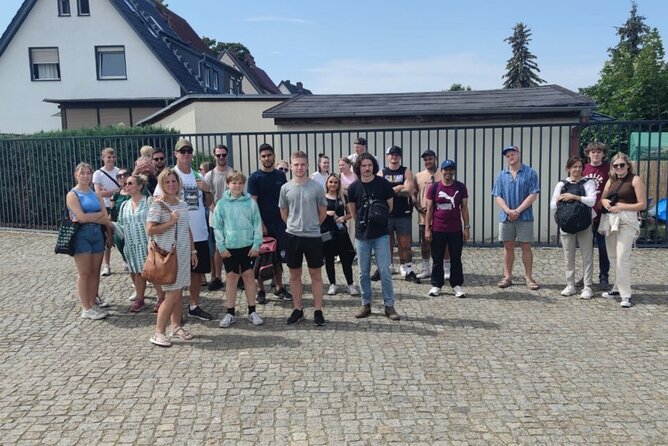
The tour begins at Generator Berlin Alexanderplatz, at Otto-Braun-Straße 65. Alexanderplatz is a useful starting point in central Berlin, but do not arrive at the last minute. The group needs to gather, meet the guide, and organize the public transport journey before heading north to Oranienburg.
Your guide helps with the route and ticket details, but the ABC transit ticket is not included in the tour price. This is one of the most important things to arrange before you arrive. Several people have reached the meeting point without realizing that a separate ticket was needed, so check the Berlin fare zones in advance and keep your ticket with you.
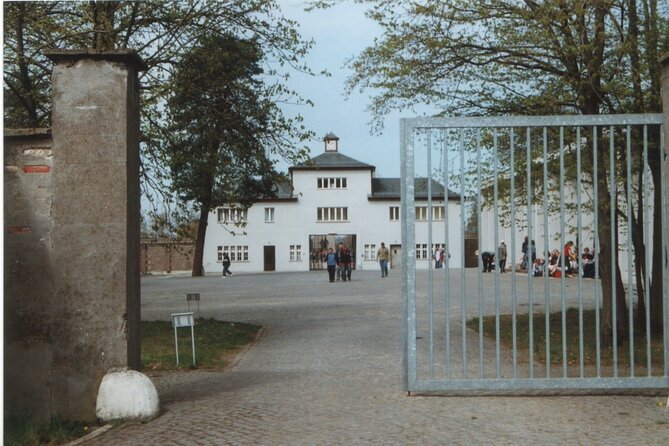
The journey itself is part of the day. You leave central Berlin and reach Oranienburg, the town associated with the memorial. From the station, expect about a 20-minute walk to the camp entrance. That walk is manageable for many people, but it adds time and effort before the guided visit begins.
If you have knee problems or limited stamina, take the walking seriously. One person had to shorten the visit because of knee trouble, and another described the route as a lot of walking before even reaching the site. The tour can accommodate most people, but it is not a low-effort outing.
Entering the Memorial and Museum Sachsenhausen
The memorial grounds are free to enter, but a €3 donation per person is required for the memorial and its maintenance. The guide collects this before the visit, so bring exact change. The donation is separate from the tour price and separate from your transport ticket.
Once inside, your guide sets the camp in context. The strongest guides begin before the main buildings, explaining how the Third Reich developed, how political opponents were targeted, and how the concentration camp system grew. This preparation makes the later buildings easier to understand, though never easier emotionally.
The tour focuses on Sachsenhausen’s function as a camp for political prisoners and as an administrative center. That second point is easy to miss if you visit alone. A guide can explain how decisions made here affected other camps and how the site fit into the machinery of Nazi persecution.
Prisoner cells, guard towers, and the camp layout
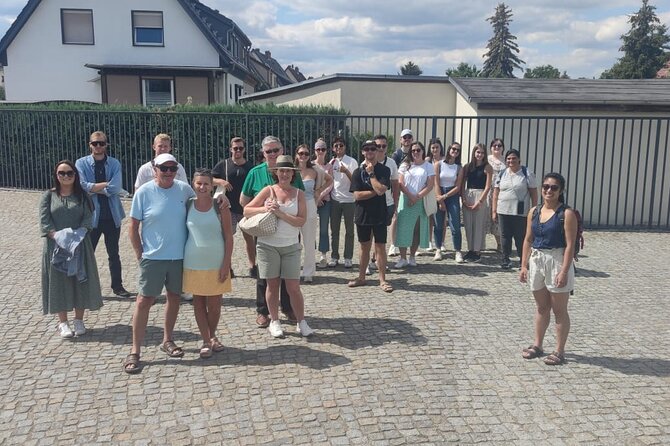
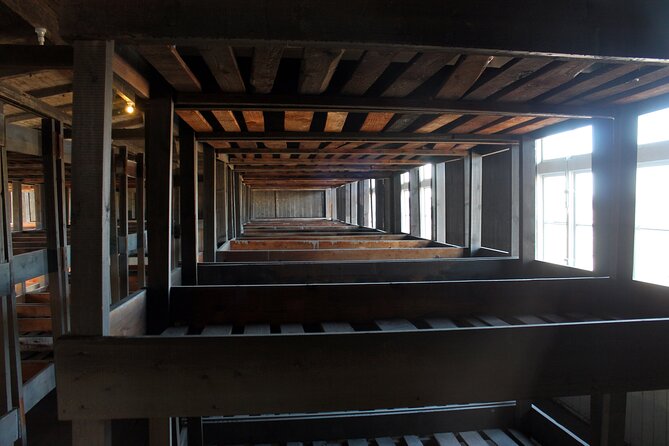
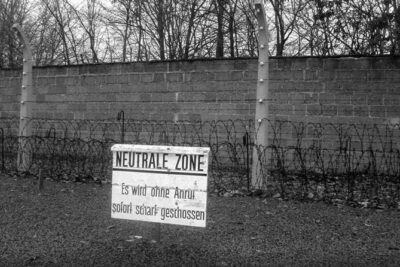
The route includes key areas such as prisoner cells and guard towers. These places can look stark and stripped back, but that is part of the memorial’s force. The empty space, surviving structures, and marked foundations require you to picture the camp as an operating institution rather than a collection of disconnected ruins.
A good guide keeps the focus on people. The strongest commentary here includes stories of former prisoners, explanations of daily life, and details about the way control worked. Anna has been praised for building a clear timeline of events, while Sebastian is noted for connecting the camp’s history with wider German and European developments.
Roshana has also received strong praise for packing a large amount of information into the available time while keeping the group moving. That balance is useful at a site this large. You want enough explanation to understand each location, but you do not want to spend the whole day standing in one place while missing other sections.
The guard towers are not simply photographic viewpoints. They help explain surveillance and the constant threat faced by prisoners. The cells and remaining structures give the history a human scale. I find that moving from one site to another, with a guide explaining what happened there, creates a clearer understanding than reading isolated captions.
A different side of Berlin on the same trip:
- Berlin: Reichstag, Dome and Government District Guided Tour
★ 4.7 · 18,288 reviews - Berlin: 1-Hour City Tour by Boat with Guaranteed Seating
★ 4.3 · 16,993 reviews - Berlin: Boat Tour Along the River Spree
★ 4.4 · 11,252 reviews - Discover Berlin Half-Day Walking Tour
★ 5.0 · 9,624 reviews
The guides make the difference
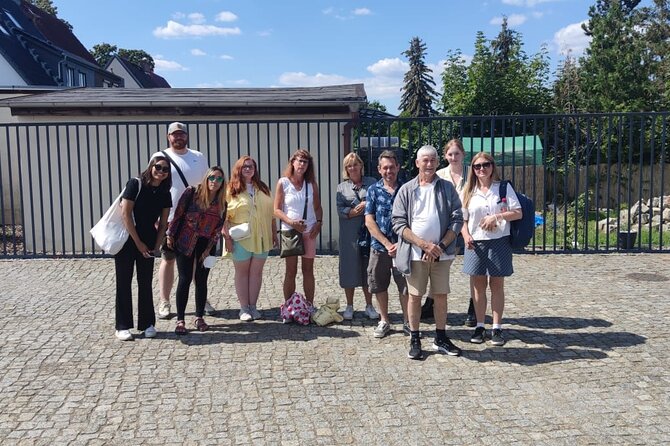
This tour’s rating is 4.5 from 557 reviews, and the praise is concentrated around the guides. That is significant because the memorial can be visited independently. You are paying for interpretation, organization, and support with the journey, not merely access to the site.
Anna is repeatedly described as clear, thorough, and deeply informed. She presents a carefully arranged timeline, answers questions directly, and connects the camp to the conditions that allowed these events to happen. Her approach suits anyone who wants a structured history lesson rather than a quick overview.
Roshana is praised for warmth, strong historical detail, and help with public transport. She has also been credited with keeping the group on time and helping people work out how to get back to Berlin.
Sebastian is noted for his broad knowledge of German history, culture, and related events. His strength appears to be connecting different periods and places so you can see how Sachsenhausen fitted into a much larger story.
Siobhán brings a more personal storytelling style. She has been praised for balancing the grim facts with an engaging presentation, while still respecting the subject. Miguel is especially useful for groups with a wheelchair user, as he has been praised for offering practical help and taking time with questions.
Sharon has also been praised for clear explanations and unusual details about the camp. Guides vary, of course, but these names give you an idea of the level of interpretation the tour aims to provide.
One caution: guide quality can vary. One person found the guide’s accent difficult to follow and felt that the commentary repeated itself. If you struggle to hear or understand a guide, move closer and ask for clarification. On a subject this important, you should not hesitate to request a slower explanation.
A serious day, not an entertaining day out
The tour descriptions sometimes use words such as enjoyable or fun, but you should read those terms carefully. The value here is not entertainment. It is the chance to learn, ask questions, and give proper attention to a difficult part of history.
The strongest guides use occasional lightness to help a group stay engaged, but they do not turn the memorial into a performance. Siobhán, Anna, Sebastian, and Miguel have been particularly praised for finding the right balance between factual detail, sensitivity, and human connection.
Expect disturbing information. Some guides explain the brutal details plainly, while also discussing the political and social conditions that made the camp system possible. That broader context is one of the tour’s best features because it moves the visit beyond horror alone. You learn not only what happened, but also how systems of persecution were built and maintained.
The experience may be especially meaningful for older children and teenagers with a serious interest in World War II history. One parent found the guided format valuable for a 15-year-old son because the guide added stories and questions that a self-guided visit would likely miss. Children must be accompanied by an adult, and parents should decide in advance if the subject is suitable for their child.
Walking, weather, and lunch planning
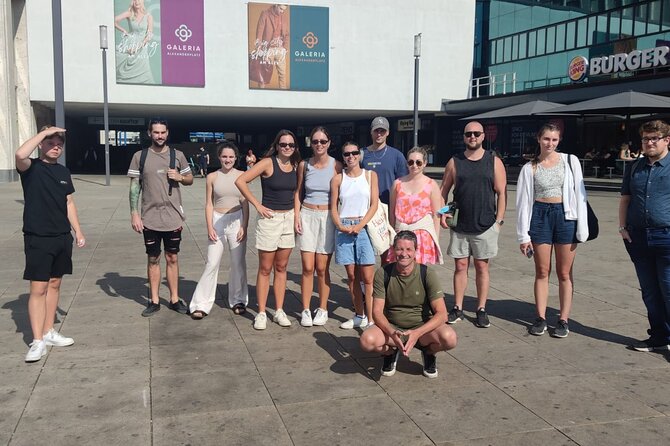
Wear comfortable shoes. You have the walk from Oranienburg station, the memorial grounds themselves, and the return journey. The group may keep moving for much of the day, with limited opportunity to sit and rest.
The site is exposed, and rain or cold wind can make the visit harder. One person found it difficult to eat lunch outside in cold, windy conditions. Do not count on a relaxed midday meal during the tour. Bring water and a packed snack if you need one, but remember that the memorial should be treated respectfully.
Accessibility requires some thought. Most people can take part, but the walking distance and camp layout may be demanding for anyone with mobility concerns. A wheelchair user received helpful support from Miguel, yet the information provided does not promise full accessibility or a specific vehicle. Contact the provider before booking if you need detailed assistance.
The tour lasts about six hours and returns to the original meeting point. That makes it easy to plan another Berlin activity later, but I would not schedule anything demanding immediately afterward. The subject matter can stay with you long after you leave.
Is $29.81 a fair price?
At $29.81 per person, the tour is reasonably priced for a six-hour guided day, especially because it includes a professional English-speaking guide and help with the journey from central Berlin. The price is not all-inclusive, though.
You must add the ABC transit ticket and the €3 memorial donation. Food and drinks are also your responsibility. These extras are modest, but the real price is higher than the headline figure, so budget accordingly.
I think the tour offers good value if you want structure and historical explanation. You could visit the memorial without a guide, but then you would need to plan the transport, understand the ticket zones, find your way from the station, and make sense of the site’s many buildings and memorial markers on your own.
The tour is less appealing if you prefer to move slowly, sit often, or spend several hours reading every exhibit at your own pace. A group schedule means the guide must keep everyone together and finish within the planned time.
Small-group size and the return to Berlin
The maximum group size is 20 people. That is not a private tour, but it is small enough for questions and easier group management. It also means you should stay near the guide, particularly outdoors or when moving between sections.
The return to Alexanderplatz gives the day a clear ending. Guides such as Roshana and Miguel have helped people understand the public transport route home, which is useful if you are unfamiliar with Berlin’s ticket system.
The tour ends back at the meeting point rather than at the memorial. Plan your day around that fact. If you need to leave the group early, tell the guide in advance, especially if you have mobility concerns or a fixed appointment.
Who should book this Sachsenhausen tour?
I would choose this experience if you want a guided introduction to Nazi-era history and prefer learning through explanation rather than reading alone. It suits first-time visitors to Sachsenhausen, families with older teenagers, history students, and anyone who wants help handling the logistics from Berlin.
I would also choose it if you want to ask questions. The guides are often praised for answering detailed queries and for explaining the connection between Sachsenhausen, the Third Reich, and the wider camp system.
I would think twice if you dislike fixed schedules or need a long lunch break. The combination of public transport, a 20-minute walk, extensive grounds, and emotionally difficult material makes this a demanding half-day.
Book at least 24 hours before the start if you want the option of a full refund. Cancellation later than that is not refundable, and changes made within 24 hours are not accepted. Confirmation arrives at booking, and mobile tickets are provided.
Should you book it?
Yes, if you want to understand Sachsenhausen rather than simply see it. The camp memorial is a powerful and necessary place, and a strong guide can add the human stories, political context, and practical direction that are hard to assemble alone.
Book with realistic expectations. Bring an ABC transit ticket, exact change for the €3 donation, comfortable shoes, weather protection, and a snack. If six hours of walking and difficult history sound manageable, this tour offers a thoughtful way to visit one of the most important memorial sites near Berlin.
FAQ
Where does the Sachsenhausen tour begin?
It begins at Generator Berlin Alexanderplatz, Otto-Braun-Straße 65, 10178 Berlin, Germany.
What time does the tour start?
The tour starts at 10:00 am.
How long does the experience last?
The tour lasts approximately six hours.
Is the tour offered in English?
Yes. The experience is offered in English and includes a professional guide.
Is public transport included in the price?
No. You must purchase your own ABC transit ticket for the journey.
Is there a separate charge at the memorial?
Yes. A €3 donation per person is required for the memorial and its maintenance. The guide collects it before entering, and exact change is recommended.
Is food included?
No. Food and drinks are not included. You should plan to bring your own food and drink.
Where does the tour end?
The activity ends back at the Alexanderplatz meeting point.
Can I cancel for a full refund?
Yes, if you cancel at least 24 hours before the experience start time. Cancellations made less than 24 hours in advance are not refunded.
Just added around Berlin
- Berlin Highlights in One Day★ 5.0 · 3 reviews
- Private Berlin One Day Tour with a Local: See the City Unscripted★ 3.5 · 3 reviews
- Individual city tour Berlin for max. 8 persons★ 5.0 · 3 reviews
- Transfer from Berlin Schönefeld Airport (SXF) to Berlin city Hotels – ROUND TRIP★ 4.0 · 3 reviews
- Private Analogue Photography Experience in Berlin★ 5.0 · 3 reviews
- Berlin: Museum Island Tour★ 5.0 · 3 reviews
- Berlin: Local Food Tour in Secrets Hidden Gems★ 4.0 · 3 reviews
- Berlin & The Third Reich Private Guided Tour★ 5.0 · 3 reviews
Sachsenhausen Memorial Tours, compared.
Sachsenhausen Concentration Camp Tour in English
Read our review →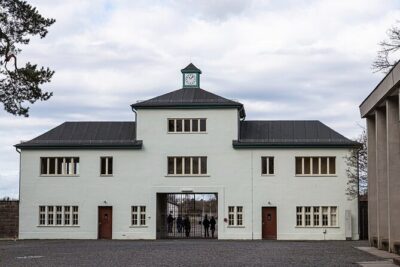
Sachsenhausen Concentration Camp Memorial Tour
Read our review →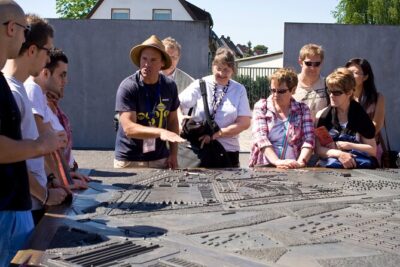
Sachsenhausen Concentration Camp Bus Tour in English from Berlin
Read our review →Sachsenhausen Concentration Camp Tour in English
Read our review →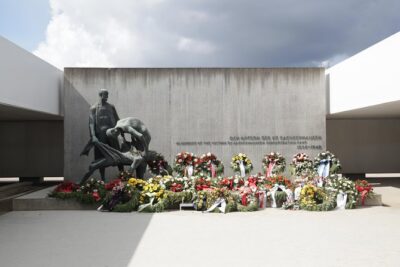
Sachsenhausen Concentration Camp Memorial Tour (Max. 15 Guests)
Read our review →
Sachsenhausen Concentration Camp and Potsdam Tour
Read our review →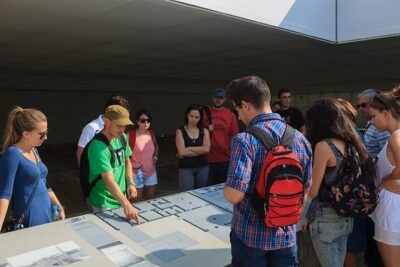
Visita en español al campo de concentración Sachsenhausen
Read our review →Browse the lists this tour appears in