
Review · SACHSENHAUSEN MEMORIAL TOURS
Never Again Berlin – Sachsenhausen Concentration Camp
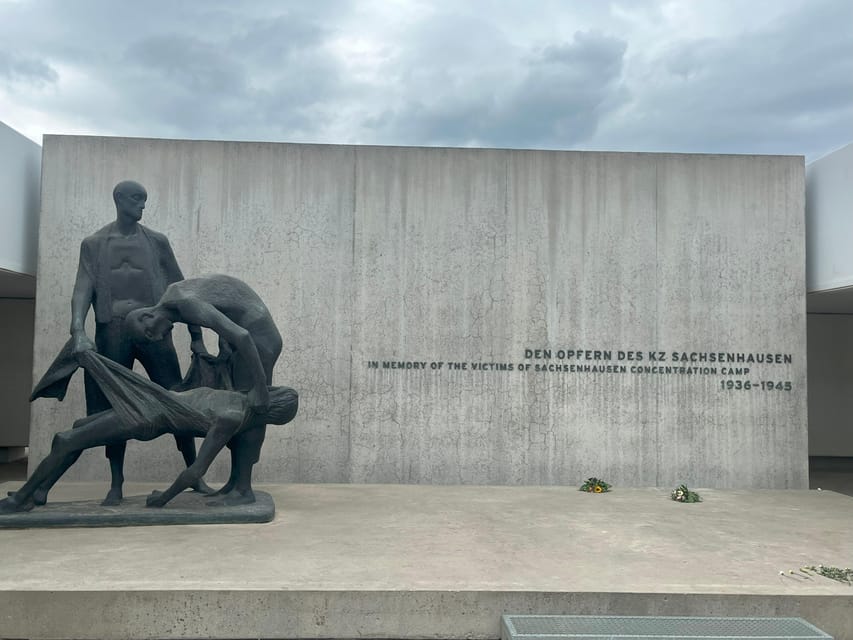
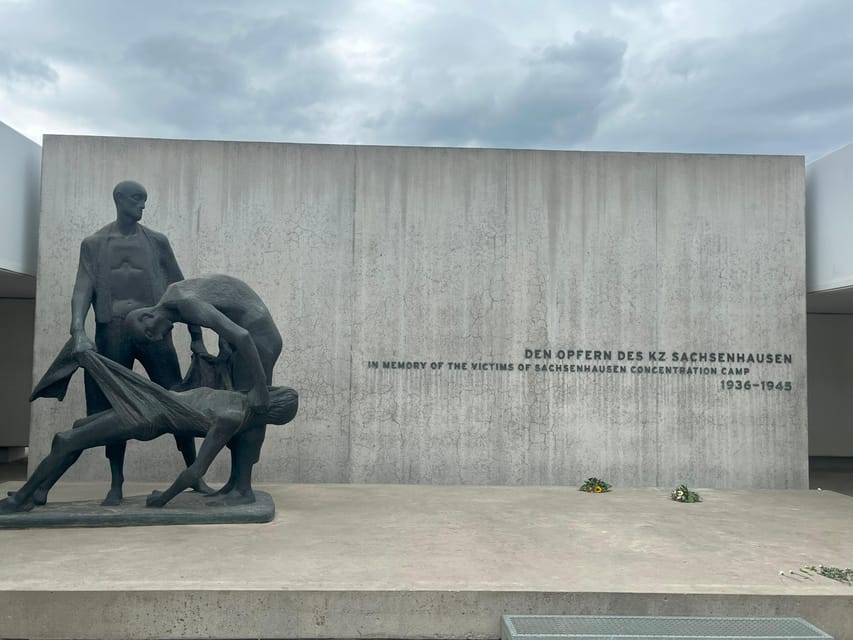
Sachsenhausen is not a sightseeing stop in the usual sense. It is a place built to control, punish, exploit, and kill people, and this Never Again tour makes that system the focus. You follow the route from central Berlin to Oranienburg, then examine the camp’s layout, its perpetrators, the prisoners’ daily suffering, and the Nazi medical crimes committed there.
I like two things here. First, the tour gives you the larger political setting, beginning with Hitler’s rise and the decision to place the camp at Oranienburg. Second, the later stops, especially Station Z and the infirmary, connect the physical site to the machinery of mass murder and racist ideology. The main caution is guide quality: Siobhan received strong praise, but one booking had a poor experience because the guide spent much of the memorial visit outside the buildings.
In This Review
- Key points to know before booking
- Why Sachsenhausen deserves a full half-day
- From Potsdamer Platz to Oranienburg
- Models, maps, and the architecture of control
- The SS camp and the comfort of the perpetrators
- Tower A and the daily machinery of terror
- Barracks and the camp kitchen
- Station Z and the mass murder of Soviet prisoners
- The infirmary and Nazi medical crimes
- What the guide adds, and where the tour may fall short
- Price, food, comfort, and accessibility
- Who should book this Sachsenhausen tour?
- Should you book it?
- FAQ
- Where does the Sachsenhausen tour start?
- How do I reach Sachsenhausen from Berlin?
- Is the train ticket included?
- Is entrance to Sachsenhausen Memorial included?
- How long does the experience last?
- Is the tour suitable for children?
Key points to know before booking
- Four hours at Sachsenhausen: The memorial visit is long enough to cover Tower A, the barracks, camp kitchen, Station Z, and the infirmary.
- Starts at Potsdamer Platz: Meet in front of Espresso House, where the guide carries a small yellow flag.
- Train ticket is extra: You need a Berlin ABC ticket to reach Oranienburg. It is not included in the tour price.
- Station Z is a major focus: This area explains the murder of Soviet prisoners and the operation of the gas chamber and crematorium.
- Bring food and water: Camp food options are limited and may not be open.
- Best for adults and older teenagers: Children under 12 are not permitted.
Why Sachsenhausen deserves a full half-day
Sachsenhausen Memorial lies in Oranienburg, north of Berlin. The journey takes about 35 minutes by train, followed by a 10-minute bus ride. That travel time is not wasted. It shifts you out of Berlin’s grand avenues and museums and toward a site where the Nazi state tested methods of prison control, forced labor, racial persecution, and mass killing.
The tour lasts 270 minutes in total, with about four hours at the memorial. That is a useful amount of time for a site this serious. A shorter visit can leave you with a few grim images but little sense of how the camp worked as a system. Here, you have time to look at models, walk between the main areas, and ask questions.
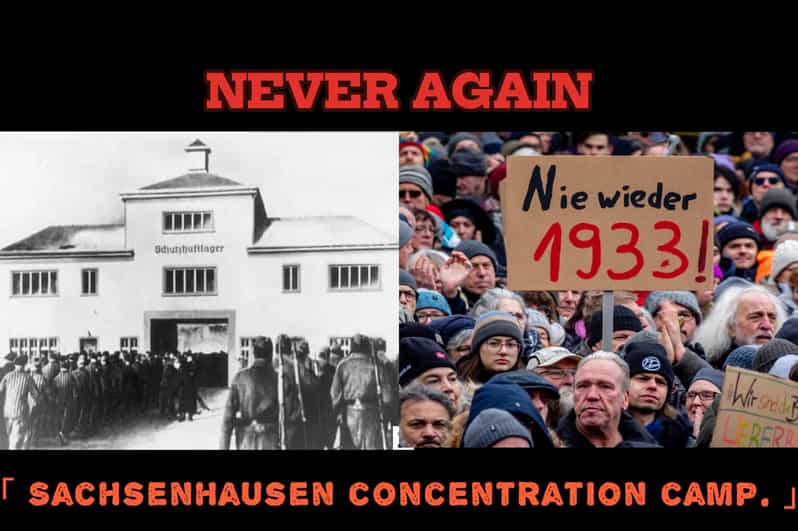
The name Never Again also gives the visit a clear purpose. This is not simply a tour of ruins. The final sections connect the camp’s history to present-day political concerns, including the rise of the AfD, a German far-right party, and attacks on the camp kitchen by people who deny the Holocaust.
More Sachsenhausen memorial visits:
- Berlin: Sachsenhausen Concentration Camp Tour in English
★ 5.0 · 5,711 reviews - Berlin: Sachsenhausen Concentration Camp Memorial Tour
★ 4.7 · 3,716 reviews - Sachsenhausen Concentration Camp Bus Tour in English from Berlin
★ 5.0 · 1,962 reviews
From Potsdamer Platz to Oranienburg
The meeting point is in front of Espresso House at Potsdamer Platz. Look for the guide holding a small yellow flag. This is a practical arrangement in a busy part of Berlin, though you should arrive with enough time to find the exact spot.
The train ride takes roughly 35 minutes. You must buy a Berlin ABC ticket before the tour because the fare is not included in the $38 price. This extra cost matters when you compare the tour with visiting the memorial alone. The memorial itself is free to enter, so the tour fee primarily pays for the guide and the organized visit, not admission.
Once in Oranienburg, the group continues by bus for about 10 minutes. The tour begins in the town, not at the camp gate. That allows the guide to explain how Oranienburg was affected by wartime bombing while the camp itself remained untouched. The contrast is unsettling: ordinary civilian life suffered damage, while the camp’s structures continued to serve their purpose.
The walk from the station to the visitor center helps place the memorial in its modern setting. You are not dropped at an isolated historic ruin. The camp sits within a living town, near institutions that have changed function but still carry uncomfortable links to the past.
Models, maps, and the architecture of control
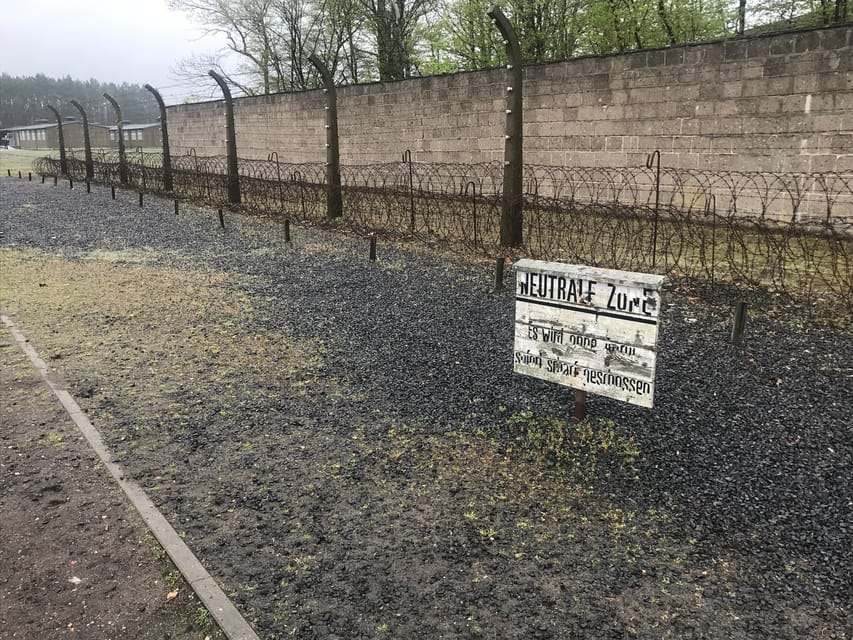
At the visitor center, detailed models show how Sachsenhausen was arranged. This is one of the most useful early parts of the tour because the site is large, and its layout was designed to confuse and control prisoners.
The models help you see the camp as more than a collection of buildings. Its shape, sight lines, entrances, roll-call area, barracks, and work zones all supported a system based on surveillance and fear. The design also expressed Nazi ideas about order and racial superiority.
The tour explains why this location was selected and how Sachsenhausen fit into the wider concentration camp network. That context matters. You are not looking at one isolated crime, but at one part of a system that operated across Europe.
You also hear about the former SS training camp, which is now used as a Brandenburg police academy. That fact can be hard to absorb. It shows how places connected to Nazi power were not always erased or turned into museums. Some continued under new institutions, creating a direct link between the past and modern public life.
The SS camp and the comfort of the perpetrators
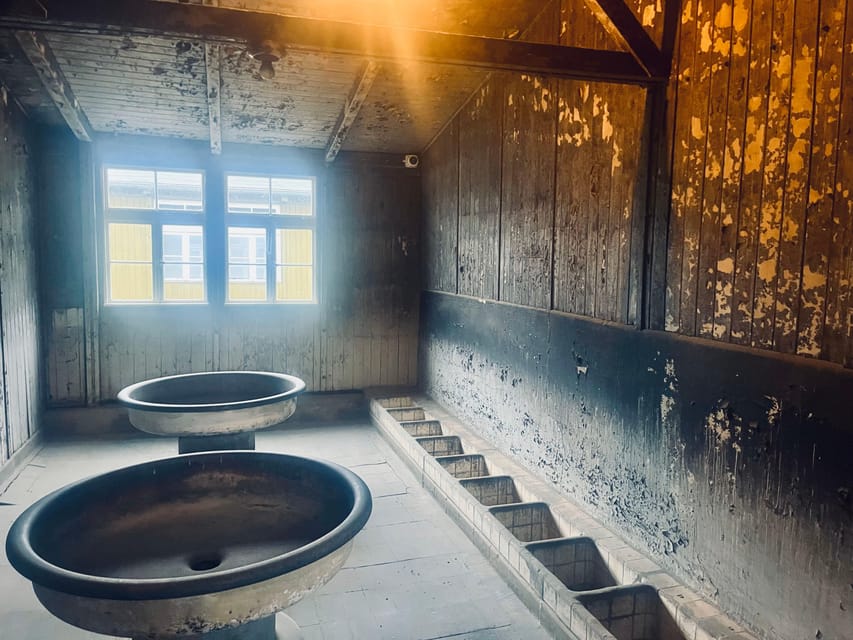
One of the most disturbing parts of Sachsenhausen is the contrast between the prisoners’ suffering and the private lives of the SS staff. The tour visits the SS troop camp and the camp commandant’s house, where officers could spend time with their families while prisoners endured hunger, beatings, forced labor, and death nearby.
That physical closeness is important. Evil here was not carried out in some distant, unreal setting. Men returned to family life after participating in a system of torture and murder. The tour also explains how female prisoners were forced into sex work and how reporters, ambassadors, and humanitarian organizations came to the camp.
This raises the uncomfortable question of who knew. The point is not to produce an easy answer. Instead, you are asked to consider what people saw, what they understood, and what they chose to ignore.
These details can make this section emotionally heavy. I recommend pacing yourself and allowing quiet time between explanations. Sachsenhausen is not a place for rushing from one stop to the next with a camera in hand.
A different side of Berlin on the same trip:
- Berlin: Reichstag, Dome and Government District Guided Tour
★ 4.7 · 18,288 reviews - Berlin: 1-Hour City Tour by Boat with Guaranteed Seating
★ 4.3 · 16,993 reviews - Berlin: Boat Tour Along the River Spree
★ 4.4 · 11,252 reviews - Discover Berlin Half-Day Walking Tour
★ 5.0 · 9,624 reviews
Tower A and the daily machinery of terror
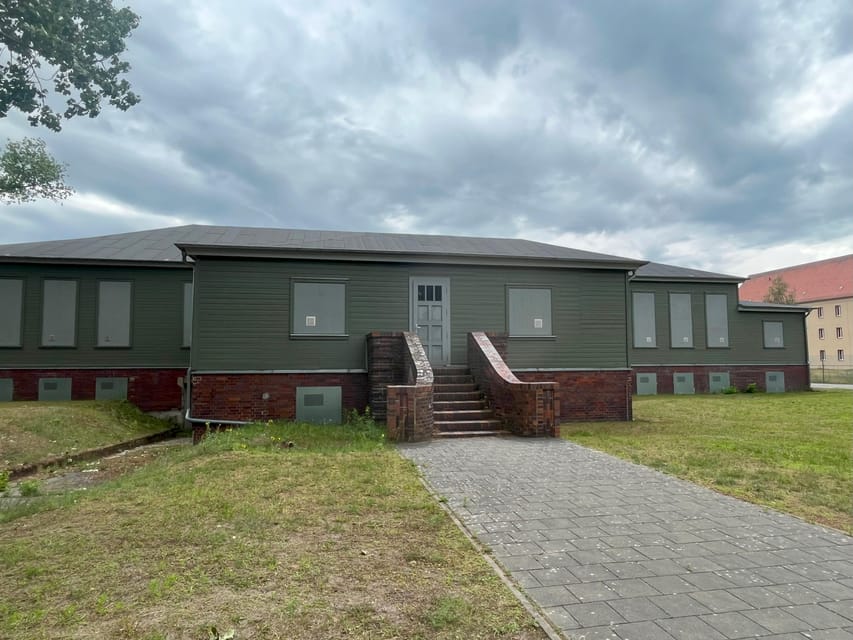
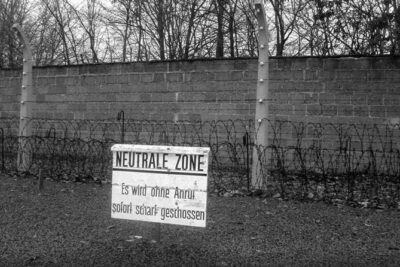
Tower A is the camp’s main entrance and one of its clearest symbols. It leads to the Perpetrators’ Room exhibition, which examines SS indoctrination and the men who ran the camp.
Portraits of SS officers help show how ordinary-looking individuals became part of a brutal institution. The point is not that every perpetrator was a cartoon monster. The more troubling lesson is how ideology, hierarchy, obedience, and career ambition can turn people into willing agents of abuse.
From Tower A, the tour explains daily roll calls. Prisoners could be forced to stand for long periods, sometimes in severe weather, while the SS counted them. Roll call was not a simple administrative task. It was a tool of humiliation and control, and it could become another form of punishment.
The tour also covers the shoe-testing track. Prisoners in the lowest categories were forced to test shoes by walking long distances around a track. The Nazi system profited from this labor, while prisoners paid with physical collapse and death.
This is one reason I value the guide-led format. A casual walk around the grounds can show you where things stood, but it may not explain how each part served the camp economy and its system of terror.
Barracks and the camp kitchen
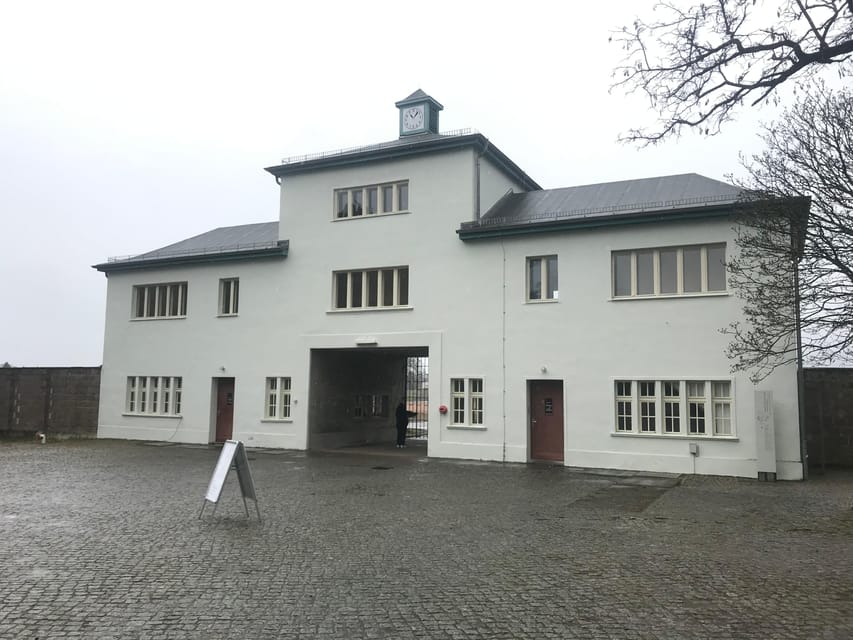
You then explore the prisoners’ barracks and the camp kitchen, with some time for independent viewing. This change in pace is useful. After several guided explanations, you can look closely at the buildings and process what you have heard.
The barracks show the cramped and controlled conditions in which prisoners lived. The kitchen, meanwhile, points to the basic needs of a camp population that the SS deliberately deprived and exploited. Food was never just food here. It was part of the system of punishment, survival, and control.
The camp kitchen has also been targeted by neo-Nazis who deny the Holocaust. That fact gives the building a present-day importance. The memorial is not only about preserving evidence from the past. It also counters deliberate lies that remain politically active.
The tour makes a connection to the AfD and the growth of far-right politics in Germany. You should not expect a full course in contemporary German politics, but this link helps explain why remembrance sites still matter. The past is not safely sealed away. People continue to argue over what should be remembered and how.
Station Z and the mass murder of Soviet prisoners
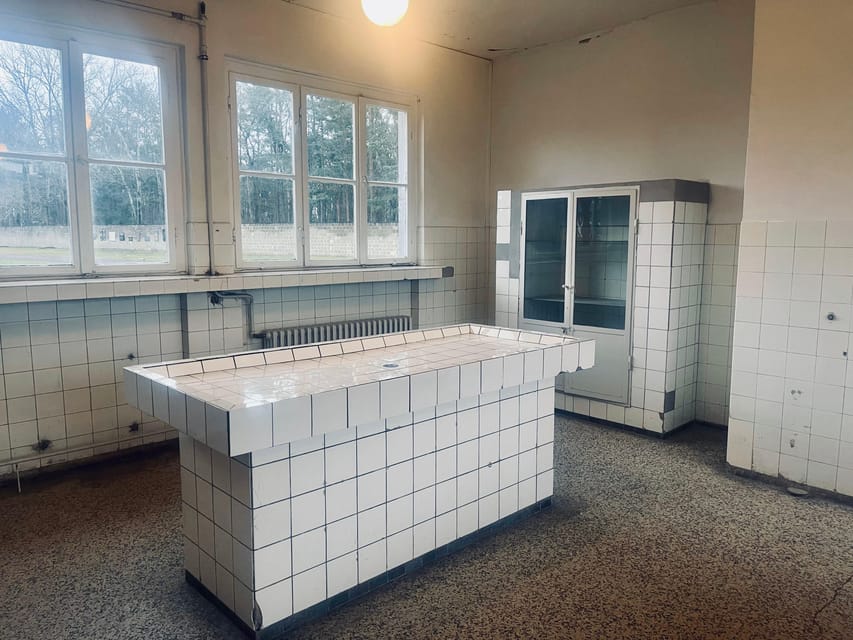
Station Z is among the most severe stops. It explains the mass murder of Soviet prisoners, including child soldiers, and the operation of the gas chamber and crematorium.
The name itself has a grim logic. If Tower A marked the entrance to the camp, Station Z represented the final destination. The site’s purpose was direct and industrial: people were killed, their bodies burned, and the evidence was managed as part of the Nazi system.
You should expect this part to be difficult. The subject matter is stark, and the physical remains make the history immediate. A good guide needs to provide clear facts without turning suffering into spectacle. The best moments of this tour, particularly in the strongest guide accounts, come from careful explanation and room for questions rather than dramatic performance.
The stop also shows why Sachsenhausen cannot be treated as a generic war memorial. It reveals specific methods, specific victims, and the organized nature of the crimes. That precision gives the place its force.
The infirmary and Nazi medical crimes
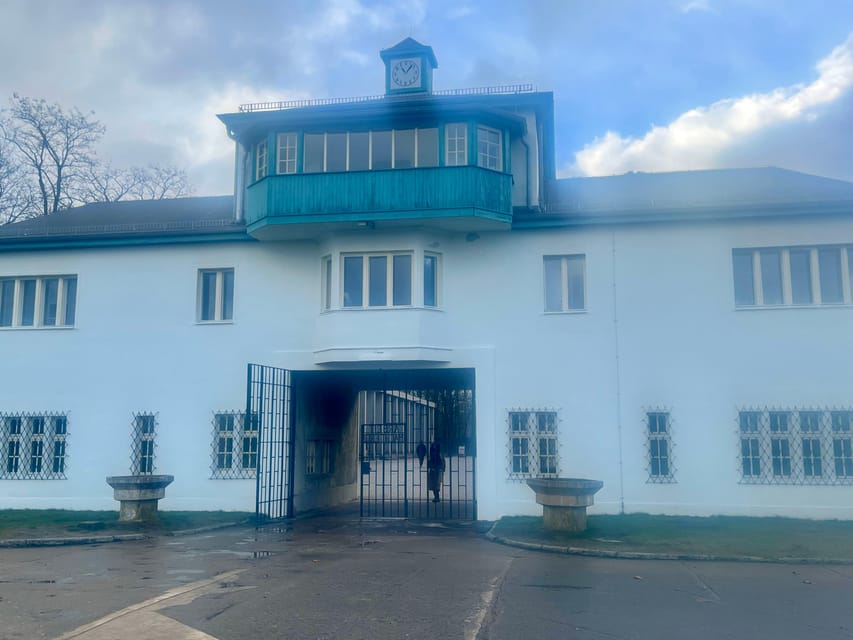
The infirmary examines racism, eugenics, control over women’s bodies, and medical experiments on prisoners. Nazi doctors used people as test subjects while seeking professional advancement. The language of medicine became a tool for sorting people, denying their humanity, and justifying murder.
This section adds an important layer to the visit. The camp was not only a place of physical punishment. It was also a site where institutions, doctors, and researchers helped turn racist theories into policy and practice.
The discussion of women’s bodies is especially important. It shows how Nazi control reached into reproduction, sexuality, and medical treatment. The crimes were not limited to men in uniform beating prisoners. They also involved doctors, administrators, and systems that presented abuse as science.
If you are visiting with older teenagers, this section can support serious discussion, but the tour is not suitable for children under 12. That restriction makes sense given the subjects covered and the directness of the material.
What the guide adds, and where the tour may fall short
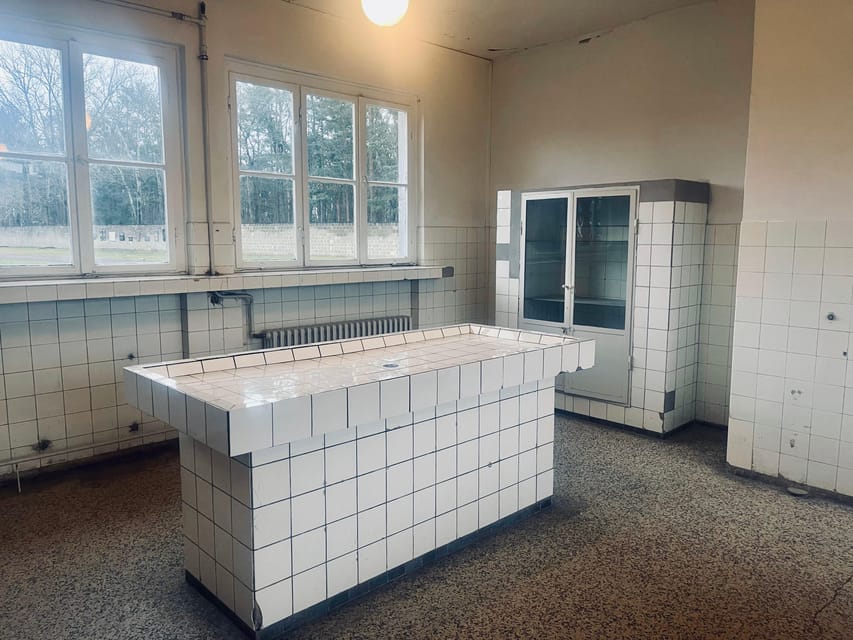
The strongest part of this experience is the guide’s ability to link individual places to the larger Nazi system. Siobhan is specifically praised for clear, thoughtful explanations, flexibility, and helping a group that had made a travel mistake. She also adjusted the visit to the group and handled the train and bus connections smoothly.
That kind of support matters. Oranienburg is easy enough to reach, but a guide removes the stress of finding the memorial, understanding the camp map, and deciding which buildings deserve your attention. You can focus on listening instead of managing every turn.
Still, guide performance appears to be the main risk. One poor experience involved a guide who accompanied the group for only a small part of the memorial visit, gave vague explanations, and could not answer questions. Another concern was using two languages at the same time, which can slow the pace and make explanations harder to follow.
I would ask at the meeting point whether the tour will be conducted fully in English and how much of the memorial the guide will accompany you through. The advertised language is English, but that simple check can prevent confusion.
Price, food, comfort, and accessibility
The listed price is $38 per person, and entrance to the memorial is included. Your train ticket is not, so add the cost of a Berlin ABC fare when working out the total.
Because the memorial is free, you are paying for interpretation, transport coordination, and the guide’s time. That can be good value if you want the camp explained in context and prefer not to manage the journey alone. It may feel expensive if you are comfortable reading the displays independently and traveling to Oranienburg on your own.
The tour is physically demanding in a modest but real way. Bring comfortable shoes, water, snacks, and weather-appropriate clothing. There are only two food options at the camp, and they may not be open, so do not rely on buying lunch there.
The activity is wheelchair accessible. The supplied details do not specify how every section of the grounds is surfaced or whether all interior areas have identical access, so you may want to confirm the route before booking if you need a particular arrangement.
Free cancellation is available up to 24 hours before the start, and you can reserve now while paying later. These policies are useful, but the bigger decision is emotional readiness. This is a serious memorial visit, not a light afternoon outing.
Who should book this Sachsenhausen tour?
I recommend it if you want a structured visit, clear historical context, and help with the train and bus connections from Berlin. It suits adults, older teenagers, history students, and anyone who wants to understand how Nazi power operated beyond the headline events.
It is especially useful for first-time visitors to Sachsenhausen. The guide can explain why the camp was built, how the SS controlled prisoners, how labor supported the Nazi system, and how murder took place at Station Z.
You may prefer an independent visit if you want to move slowly, read every display, or spend time in silence. You should also think twice if you want a short or casual activity. Four hours at the memorial, plus the journey, requires attention and stamina.
Should you book it?
Book the Never Again tour if the guide’s historical explanation is the main reason you are going. The route covers the camp’s major areas, from the SS compound and Tower A to the barracks, Station Z, and the infirmary. The strongest guide experience, particularly with Siobhan, can turn a confusing site into a clear account of power, persecution, and murder.
Before paying, remember that the memorial is free and the train ticket costs extra. The tour’s value rests on the quality of the guide. Confirm that you will receive a full English-language visit with the guide accompanying you through the memorial. If that arrangement is clear, this is a serious, well-planned way to visit Sachsenhausen from Berlin.
FAQ
Where does the Sachsenhausen tour start?
The meeting point is in front of Espresso House at Potsdamer Platz. The guide carries a small yellow flag.
How do I reach Sachsenhausen from Berlin?
The group takes a train from Potsdamer Platz toward Oranienburg, followed by a bus ride of about 10 minutes to the memorial.
Is the train ticket included?
No. You must purchase a Berlin ABC train ticket separately before the tour.
Is entrance to Sachsenhausen Memorial included?
Yes. The tour price includes entrance to the memorial.
How long does the experience last?
The full activity lasts about 270 minutes. The memorial visit itself is scheduled for roughly four hours, with train and bus rides each way.
Is the tour suitable for children?
No. Children under 12 are not permitted. The tour covers mass murder, forced labor, medical experiments, and other difficult subjects.
Just added around Berlin
- Berlin Highlights in One Day★ 5.0 · 3 reviews
- Private Berlin One Day Tour with a Local: See the City Unscripted★ 3.5 · 3 reviews
- Individual city tour Berlin for max. 8 persons★ 5.0 · 3 reviews
- Transfer from Berlin Schönefeld Airport (SXF) to Berlin city Hotels – ROUND TRIP★ 4.0 · 3 reviews
- Berlin: Museum Island Tour★ 5.0 · 3 reviews
- Private Analogue Photography Experience in Berlin★ 5.0 · 3 reviews
- Berlin: Local Food Tour in Secrets Hidden Gems★ 4.0 · 3 reviews
- Berlin & The Third Reich Private Guided Tour★ 5.0 · 3 reviews
Sachsenhausen Memorial Tours, compared.
Sachsenhausen Concentration Camp Tour in English
Read our review →
Sachsenhausen Concentration Camp Memorial Tour
Read our review →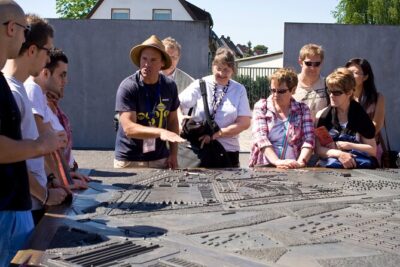
Sachsenhausen Concentration Camp Bus Tour in English from Berlin
Read our review →Sachsenhausen Concentration Camp Tour in English
Read our review →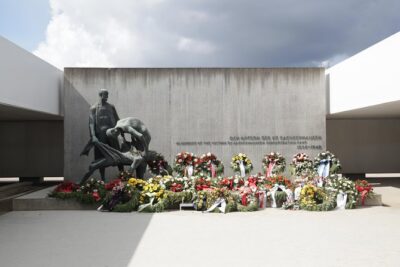
Sachsenhausen Concentration Camp Memorial Tour (Max. 15 Guests)
Read our review →
Sachsenhausen Concentration Camp and Potsdam Tour
Read our review →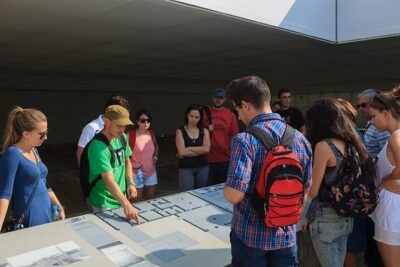
Visita en español al campo de concentración Sachsenhausen
Read our review →Browse the lists this tour appears in