
Review · SACHSENHAUSEN MEMORIAL TOURS
Private Sachsenhausen Concentration Camp tour with train
Sachsenhausen is not a casual sightseeing stop. It is a place where the Nazi system of imprisonment, forced labor, and murder becomes painfully concrete. This private tour adds the human scale that a self-guided visit can miss, explaining the camp’s layout, the prisoners’ daily lives, and Oranienburg’s uneasy connection to what happened nearby.
I like two things especially. Your guide travels with you from Berlin, so the history begins on the train rather than at the gate. I also like the private format: guides such as Martin, Ioana, Paul, Natalie, and Klaus have been praised for adjusting the pace, answering difficult questions, and knowing when silence says more than another fact.
The main drawback is physical and financial. This is a long public-transit day, not a chauffeured excursion, and you may walk 11,000 to 16,000 steps on uneven ground. At $338.15 per person, it makes the most sense for a small group that values a personal guide and door-to-door coordination.
In This Review
- Key points at a glance
- Why Sachsenhausen matters beyond a day trip
- Starting in Berlin and riding to Oranienburg
- Oranienburg, where ordinary life met forced labor
- Entering the Sachsenhausen memorial grounds
- What the private guide adds
- The memorial’s museums and limited amenities
- Walking, mobility, and the real six-hour timing
- Is $338.15 per person good value?
- Who should book this Sachsenhausen tour?
- My booking verdict
- FAQ
- How long does the Sachsenhausen tour last?
- Is the tour private?
- Is hotel pickup included?
- How do you reach Sachsenhausen from Berlin?
- Is the tour offered in English?
- Are food and drinks included?
- Is the tour suitable for people with limited mobility?
- Can I cancel for a full refund?
Key points at a glance
- The train ride is part of the lesson: Your guide can begin explaining Nazi Berlin and Sachsenhausen before you reach Oranienburg.
- Oranienburg adds local context: The town’s factories used prisoners as forced labor, tying ordinary economic life to the camp system.
- The private guide changes the pace: You can ask questions, pause at difficult exhibits, or spend more time on subjects that matter to your group.
- Expect a serious walking day: The route may include a 20-minute walk from Oranienburg station and uneven paths inside the memorial.
- The camp has two historical chapters: The Nazi concentration camp operated until 1945, and the Soviets later used the site as a special camp.
- Pack water and food: Meals and drinks are not included, and amenities around the memorial are limited.
Why Sachsenhausen matters beyond a day trip
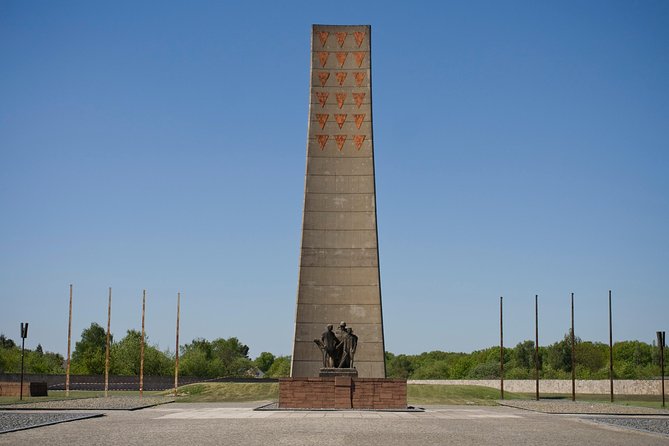
Sachsenhausen was built just north of Berlin in 1936, during the period when Nazi Germany was presenting itself to the world through the Berlin Olympics. Its location was no accident. The camp was close enough to the capital to serve as a model for the Nazi concentration-camp system and as a place where political enemies could be imprisoned and exploited.
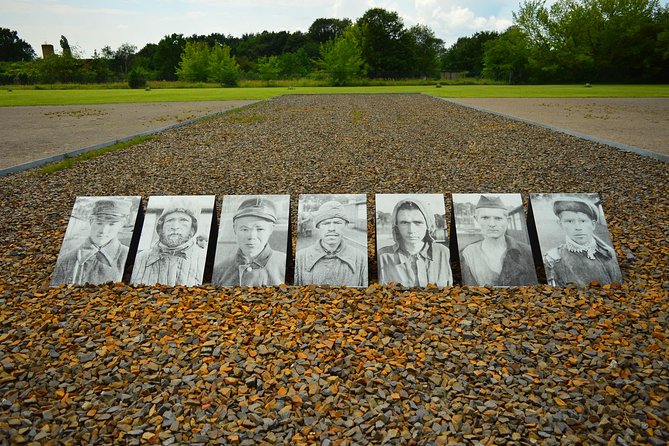
About 200,000 people were held there during the Nazi period. Prisoners included political opponents and others targeted by the regime. The camp became a center for forced labor and SS experimentation in control, punishment, and killing.
The site was evacuated by the Soviets in 1945. After the war, Soviet authorities used it for another five years to imprison around 60,000 Nazi war criminals and collaborators. That second chapter matters because Sachsenhausen is not only a story of Nazi crimes. It also shows how a place of suffering can be reused by a new power, with its own victims, prisoners, and political aims.
I find that this layered history is one of the tour’s great strengths. You are not given a simple story with a clean ending in 1945. You are asked to think about memory, justice, and how governments use places and language to shape public understanding.
More Sachsenhausen memorial visits:
- Berlin: Sachsenhausen Concentration Camp Tour in English
★ 5.0 · 5,711 reviews - Berlin: Sachsenhausen Concentration Camp Memorial Tour
★ 4.7 · 3,716 reviews - Sachsenhausen Concentration Camp Bus Tour in English from Berlin
★ 5.0 · 1,962 reviews
Starting in Berlin and riding to Oranienburg
The day begins with hotel pickup. That does not mean a private car is waiting outside. The guide generally meets you at your hotel, walks with you to public transportation, and takes the train toward Oranienburg.
This distinction matters. The title describes the excursion as being by train, and the train ride is central to the experience. You may also use a local bus or taxi between the station and the memorial. Some guides have arranged taxis when walking was difficult, and one guide provided return transportation tickets for a group, but you should confirm exactly what is included before departure.
The journey takes roughly 30 minutes by train according to the information provided, though the full transfer can take longer once you add walking and local transport. I like this part of the tour because it places the memorial in the same regional setting as Berlin’s modern commuter life. You are not sealed inside a sightseeing vehicle. You see the ordinary rhythm of the area while your guide explains how the camp fit into the Nazi system.
A guide such as Klaus may also offer useful Berlin advice along the way, from practical tourist tips to dinner suggestions. That is a small bonus, but it can make the day feel less like a lecture and more like time spent with a well-prepared local historian.
Oranienburg, where ordinary life met forced labor
The first formal stop is a roughly 25-minute walk through Oranienburg. This portion gives you a wider frame before you enter the memorial grounds.
Local businesses were tied to the camp through the use of prisoner labor. Factories in the area, including plants making war materials, depended on forced laborers from Sachsenhausen. The town therefore was not an isolated backdrop. Its economy and daily life existed close to a system built on imprisonment and abuse.
Your guide can explain the different forms of local involvement: direct participation, practical cooperation, and the choice to look away. That is uncomfortable, but it is precisely why this walk has value. It moves the story beyond the SS guards and camp fences. You begin to consider the role of employers, officials, residents, and people who accepted economic benefits while avoiding the moral cost.
The drawback is that Oranienburg can feel like extra walking if you want to reach the memorial quickly. I think the time is worthwhile, especially if you want to understand how the camp functioned within the surrounding community. If your group has limited stamina, tell the guide at the start so the route can be adjusted where possible.
Entering the Sachsenhausen memorial grounds
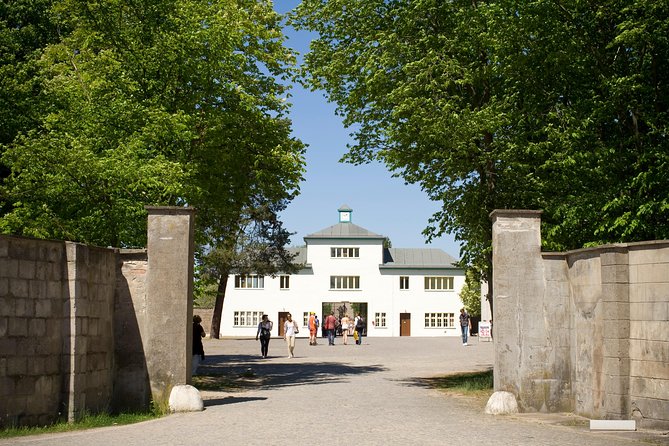
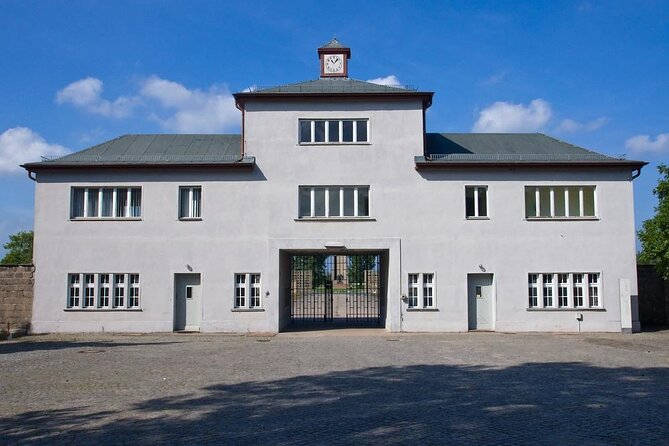
The main visit lasts about three hours, divided into two listed portions of roughly 90 minutes each. You walk through the former camp with a guide trained and licensed by the memorial authority.
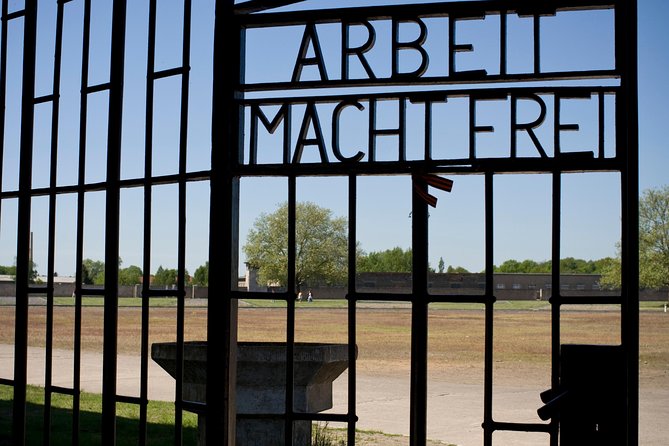
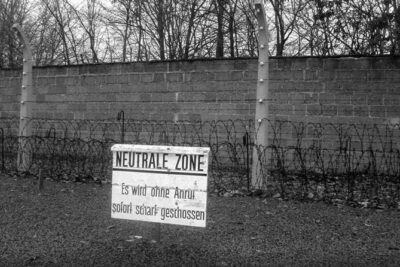
The camp’s design carries meaning. Tower A served as the main entrance, while the triangular layout allowed the SS to control large areas with relatively few guard positions. The roll call square was where prisoners were forced to line up, often in severe weather and for long periods.
The guide explains the practical details of camp life: overcrowded barracks, forced labor designed not only to produce goods but also to break bodies and spirits, and a system that reduced human beings to numbers and work capacity. One detail often discussed is the extreme overcrowding, with far more people packed into barracks than they were designed to hold.
The site also includes Station Z, the grim name given to the killing facility at the far end of the camp. It was presented as the camp’s final destination, a chilling counterpoint to the entrance. Standing in these spaces can be emotionally difficult, so a good guide needs more than facts. Guides such as Klaus have been praised for recognizing when to stop speaking and allow the group a quiet moment.
You will also encounter exhibits and preserved structures that help explain prisoner housing, punishment, labor, administration, and the SS command structure. This is not a polished attraction with a tidy route and constant signage. The open grounds can feel stark, and the meaning of a particular building may not be clear without explanation. That is where the private format earns its keep.
A few more Berlin tours worth weighing up
- Private Day Trip to Potsdam from Berlin by Train
★ 4.5 · 27 reviews - From Berlin to Sachsenhausen Camp: Private Tour by Car or Train
★ 5.0 · 3 reviews
What the private guide adds
A private guide is most useful here because the subject is too serious for a one-size-fits-all pace. You can ask about Nazi ideology, the rise of Hitler, the role of concentration camps, survivor accounts, or the Soviet period without worrying about holding up a large group.
The best guides named in the tour feedback include Martin, Ioana, Paul, Maria, Daniel, Natalie, Nickolai, Klaus, Hannah, Xavier, Chloe, Walid, Taylor, and Pip. Their approaches differ, but the praised qualities are consistent: clear explanations, preparation, punctuality, patience, and respect.
Martin is particularly useful if you want wider background on World War II, the Third Reich, Berlin, and communist East Germany. Ioana has been praised for tailoring the material to a guest’s existing knowledge. Chloe has been described as interactive and unhurried, while Natalie found a more accessible route for a family member using a wheelchair.
You should not expect a light or entertaining excursion. Some guides may use warmth or gentle humor during the travel portions, but the memorial itself calls for restraint. The strongest moments often come when your guide stops trying to fill every second and lets you look, think, and ask.
The memorial’s museums and limited amenities
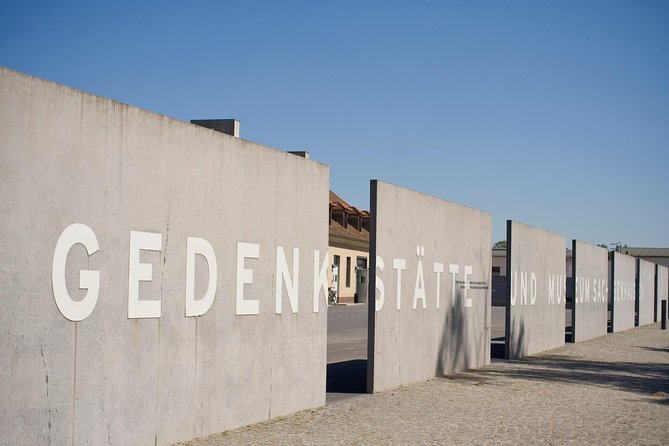
The memorial includes museum material that helps put the buildings and grounds into context. You can expect explanations of the camp’s operation, leadership, prisoner groups, forced labor, and the methods used to control and dehumanize people.
The exhibits are especially helpful if you want to understand how a concentration camp worked as a system rather than seeing only empty buildings. A guide can point out what is original, what has been preserved, and how the memorial presents the evidence.
Amenities are limited for much of the day. Food and drinks are not included, so bring water and pack something to eat. Comfortable shoes are essential. Rain can make the grounds harder to walk, and one group completed the tour in heavy rain and storms, so a weatherproof layer is sensible.
You should also prepare emotionally. The experience includes accounts of suffering, industrialized killing, overcrowding, forced labor, and the calculated destruction of identity. That does not mean you need prior specialist knowledge. It does mean you should avoid scheduling a carefree evening immediately afterward if you know difficult historical sites affect you strongly.
Walking, mobility, and the real six-hour timing
The advertised duration is about six hours, including hotel pickup and return. The actual balance between travel, walking, explanation, and quiet viewing depends on your guide and your group.
The walk from Oranienburg station to Sachsenhausen can take about 20 minutes. Inside the memorial, paths may be uneven, and the grounds are spread out. One account measured close to 11,000 steps, while another reached about 16,000 steps by returning to the hotel.
This is why the moderate fitness recommendation should be taken seriously. The tour is not recommended for people with limited mobility or walking impairments. That said, the private format gives the guide more room to help. Natalie found an accessible route for a wheelchair user, and other guides arranged taxis to reduce the walking around Oranienburg. Treat that as a possibility, not a guarantee. Discuss your needs before booking.
The public-transit setup can be a benefit or a nuisance. It offers a more local, grounded way to reach the memorial, but it can feel tiring if you expected private transportation. At this price, confirm whether train and bus tickets are included, supplied, or expected to be purchased separately. The listed inclusions name the guide and hotel pickup and drop-off, but not food, drinks, or transport tickets.
Is $338.15 per person good value?
At $338.15 per person, this is expensive compared with a group tour or a self-guided visit. The price is easier to justify if you are sharing it with a small private party and want the guide’s attention from hotel pickup through the return journey.
You are paying for more than entry to the memorial. The value comes from having an English-speaking guide who handles the route, explains the camp in context, answers your questions, and adjusts the day to your interests. You also avoid the uncertainty of finding the memorial after arriving in Oranienburg, a concern when signage and local connections are not obvious.
The price is harder to defend if you want a vehicle, a short visit, or a simple transfer. This is not a private car tour. It is a private guided day using the train, walking, and possibly a local bus or taxi.
Group discounts are offered, and the private setup can work well for families or friends who want to discuss a difficult subject together. The experience is often booked around 41 days ahead, so reserving early is sensible if you need a certain departure time. A wide range of departure times is available, which helps you fit the visit around other Berlin plans.
Who should book this Sachsenhausen tour?
I would choose this tour if you want personal historical guidance and do not want to navigate the journey alone. It suits first-time visitors to Berlin who want to understand how Nazi rule affected both the capital and the surrounding communities.
It is also a strong choice for families with older teenagers or adults who have enough background to engage with the subject. The private setting lets you ask direct questions and decide how much time to spend with a particular exhibit.
I would hesitate if you dislike public transportation, need a fully vehicle-based tour, or have difficulty walking. A group tour that begins near a central Berlin station may cost less, while a vehicle-based option may reduce fatigue. You should also compare the total price after checking transport-ticket arrangements.
The cancellation terms are straightforward: you can receive a full refund if you cancel at least 24 hours before the start time. Changes or cancellations made inside that window are not accepted for a refund. If you book within two days of departure, confirmation may take up to 48 hours and depends on availability.
My booking verdict
I recommend this private Sachsenhausen tour for readers who want a serious, guided encounter with the memorial rather than a quick day trip. The strongest part is the combination of personal guidance, Oranienburg context, and public-transit travel that begins the history lesson before you reach the camp.
Book it if your group values questions, flexibility, and a guide who can handle silence as well as explanation. Skip it if you expect a private vehicle or if $338.15 per person feels too high for a day that includes substantial walking and transport by train.
Pack water, food, good shoes, and emotional room for the subject. Done with care, this is one of Berlin’s most important historical visits.
FAQ
How long does the Sachsenhausen tour last?
The experience lasts approximately six hours, including hotel pickup and drop-off, public transportation, walking, and the guided visit.
Is the tour private?
Yes. Only your group participates, so you can ask questions and discuss the subject with the guide at your own pace.
Is hotel pickup included?
Yes. Hotel pickup and drop-off are included. The guide generally meets you at the hotel and accompanies you by public transportation rather than providing a private vehicle.
How do you reach Sachsenhausen from Berlin?
The tour travels by train from Berlin to Oranienburg. You may then walk from the station or use local transportation such as a bus or taxi, depending on the route and your group’s needs.
Is the tour offered in English?
Yes. The experience is offered in English.
Are food and drinks included?
No. Food and drinks are not included. Bring water and something to eat because amenities around the memorial are limited.
Is the tour suitable for people with limited mobility?
The tour is not recommended for people with limited mobility or walking impairments. The route can include about 20 minutes of walking from Oranienburg station and uneven ground, although a private guide may be able to find a more accessible route or arrange a taxi.
Can I cancel for a full refund?
Yes. You must cancel at least 24 hours before the experience begins to receive a full refund. Cancellations or changes made less than 24 hours before the start time are not refunded.
Just added around Berlin
- Berlin Highlights in One Day★ 5.0 · 3 reviews
- Private Berlin One Day Tour with a Local: See the City Unscripted★ 3.5 · 3 reviews
- Individual city tour Berlin for max. 8 persons★ 5.0 · 3 reviews
- Transfer from Berlin Schönefeld Airport (SXF) to Berlin city Hotels – ROUND TRIP★ 4.0 · 3 reviews
- Berlin: Museum Island Tour★ 5.0 · 3 reviews
- Private Analogue Photography Experience in Berlin★ 5.0 · 3 reviews
- Berlin: Local Food Tour in Secrets Hidden Gems★ 4.0 · 3 reviews
- Berlin & The Third Reich Private Guided Tour★ 5.0 · 3 reviews
Sachsenhausen Memorial Tours, compared.
Sachsenhausen Concentration Camp Tour in English
Read our review →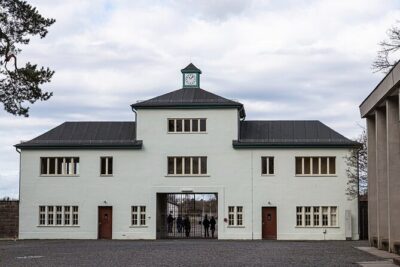
Sachsenhausen Concentration Camp Memorial Tour
Read our review →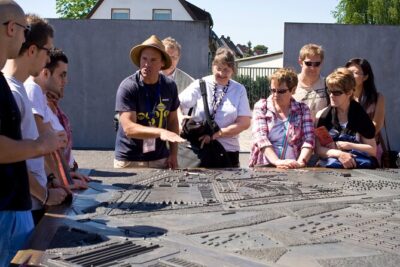
Sachsenhausen Concentration Camp Bus Tour in English from Berlin
Read our review →Sachsenhausen Concentration Camp Tour in English
Read our review →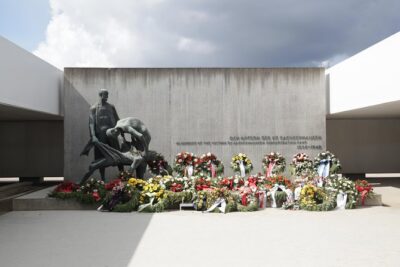
Sachsenhausen Concentration Camp Memorial Tour (Max. 15 Guests)
Read our review →
Sachsenhausen Concentration Camp and Potsdam Tour
Read our review →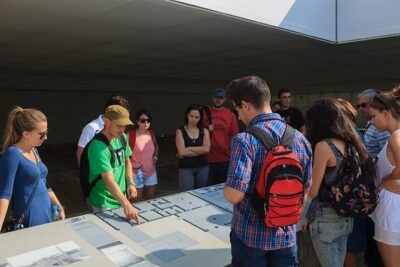
Visita en español al campo de concentración Sachsenhausen
Read our review →Browse the lists this tour appears in