
Review · ALTERNATIVE BERLIN TOURS
Alternative Berlin / Street art tour – Private group
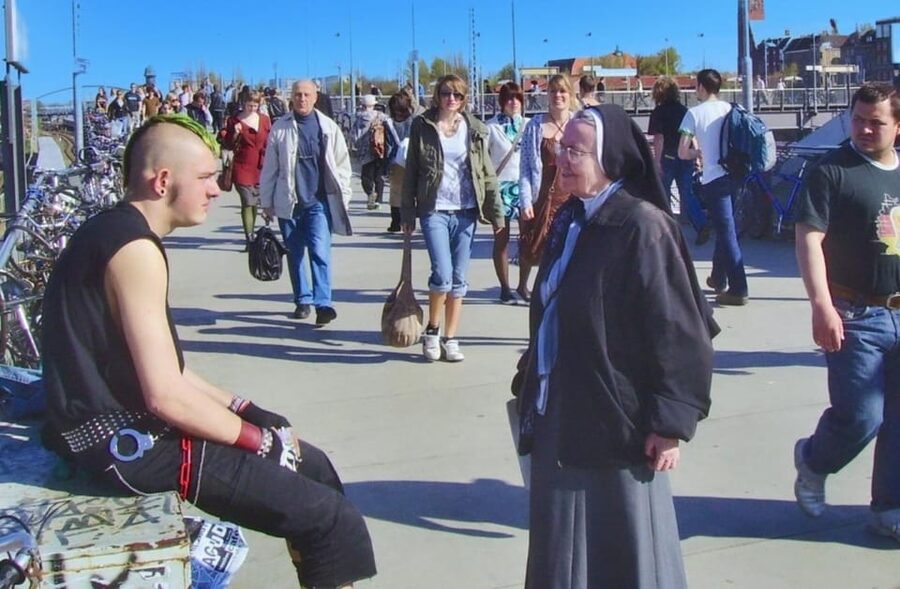
Berlin’s alternative culture is not confined to a museum. It is painted across walls, tucked into former industrial sites, built into communal housing projects, and heard in the city’s music scene. This private three-hour tour with Adrian, who created the Alternative Tour concept in Berlin in 2006, offers a personal look at those places and the stories behind them.
I like two things right away: the focus on art beyond the famous murals, and the way Adrian connects each piece to Berlin’s social and political changes. I also like that the tour can include practical local advice on food, bars, clubs, and nightlife. The main consideration is transport: your AB public transport ticket is not included, and you should expect to move through several parts of the city rather than stay in one compact area.
In This Review
- Key points at a glance
- Starting at Warschauerstrasse and Revalerstrasse
- Reading Berlin’s walls beyond the postcard murals
- Alternative housing and Berlin after the Wall
- Kiez life, food, and practical local advice
- From forbidden swing to electronic nights
- What makes Adrian’s personal approach useful
- Value at $176 for a private group
- Who should book this experience
- Timing, cancellation, and useful planning notes
- Should you book the Alternative Berlin tour?
- FAQ
- Where does the tour meet?
- How long does the tour last?
- What language is the tour in?
- Is the tour private?
- Is public transport included?
- What does the $176 price cover?
- Is the tour wheelchair accessible?
- Can I cancel for a full refund?
Key points at a glance
- Meet Adrian at Warschauerstrasse: The tour begins at the corner of Revalerstrasse and Warschauerstrasse, in front of a kebab shop.
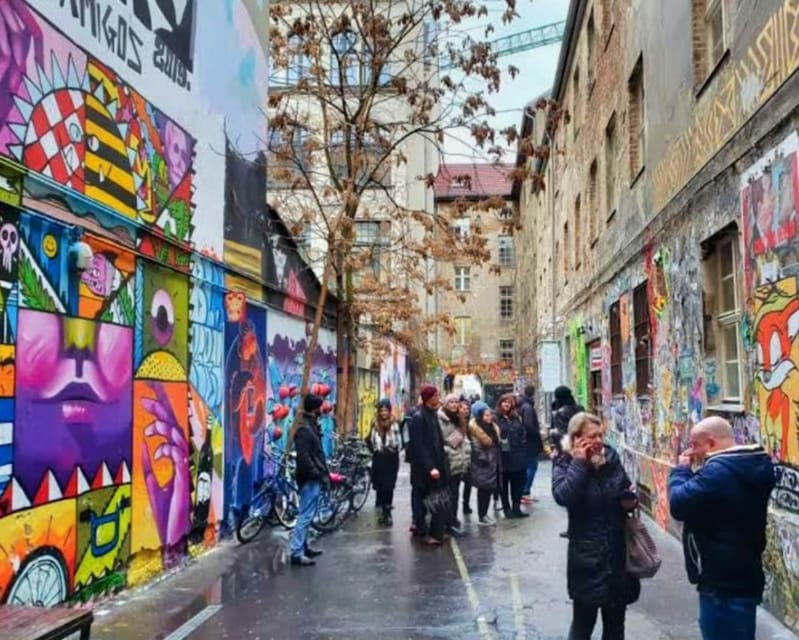
- See street art with context: Adrian explains artists, messages, and what occupied each site before the current artwork appeared.
- Explore alternative Berlin: Expect discussion of communal housing, squats, wagon communities, sustainability projects, and creative urban spaces.
- Hear the city’s music story: Punk, hip hop, jazz, metal, electronic music, swing, burlesque, and underground club culture all enter the conversation.
- Stop in local Kiez neighborhoods: You may pause for food or drink if your group wishes, with recommendations from the guide.
- Good value for a private group: The $176 price covers up to 20 people, so the per-person cost drops sharply with a larger group.
Starting at Warschauerstrasse and Revalerstrasse
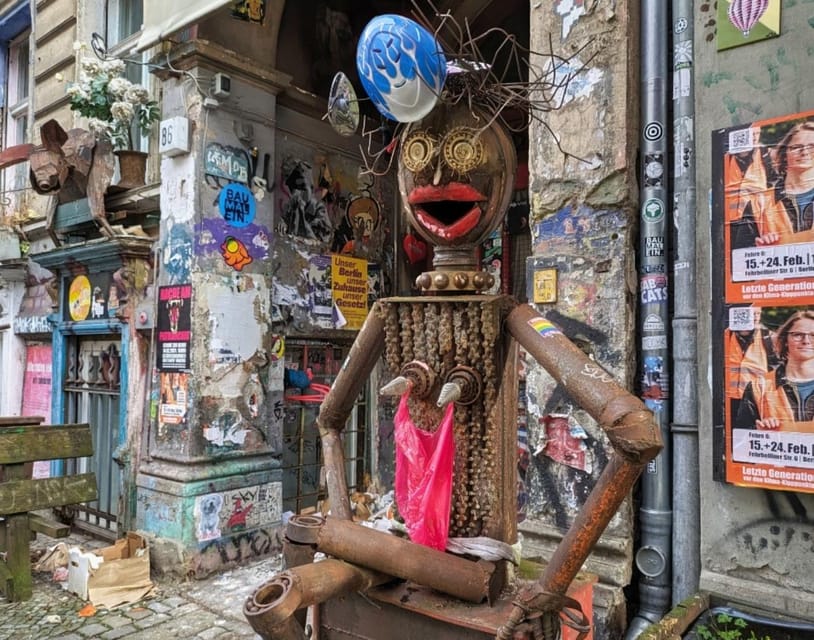
The meeting point places you in one of Berlin’s best-known alternative districts from the first minute. You meet Adrian on the corner of Revalerstrasse and Warschauerstrasse, in front of a kebab shop. That detail is useful, since it gives you a clear landmark in a busy part of the city.
Bring an AB transport ticket. It is required for the tour and is not part of the $176 price. The activity lasts three hours, but the exact starting times depend on availability, so check the schedule before booking.
This is a private group experience for up to 20 people. A private format can work especially well for a school group, creative team, family, or friends who want to ask questions without being lost in a large public crowd. At the full group size, though, keep in mind that 20 people is still a sizable walking party, particularly in narrow streets or busy public areas.
More alternative Berlin:
- Berlin: Alternative Berlin Walking Tour
★ 4.6 · 1,204 reviews - Berlin: Alternative Bike Tour of Kreuzberg & Friedrichshain
★ 4.7 · 548 reviews - Berlin: Alternative Berlin Bike Tour
★ 4.8 · 359 reviews
Reading Berlin’s walls beyond the postcard murals
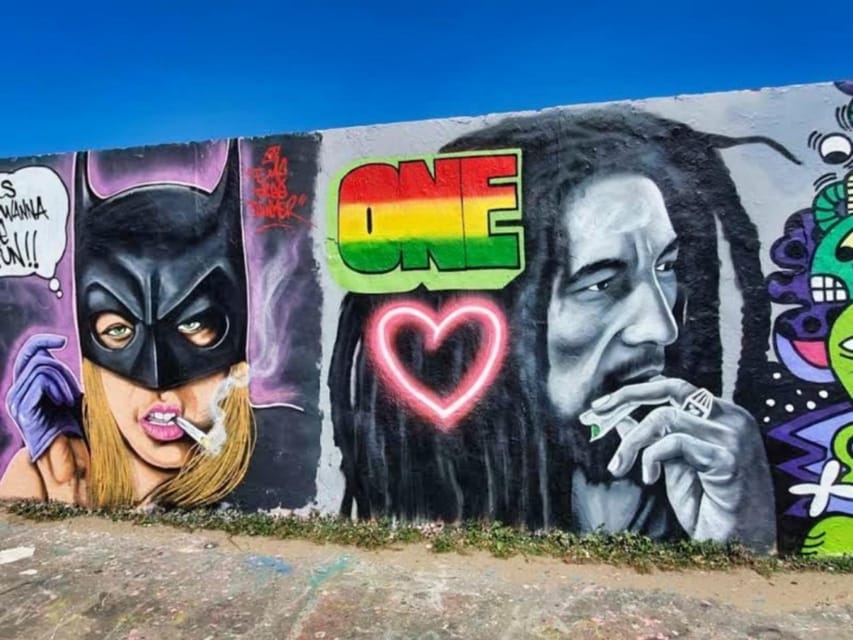
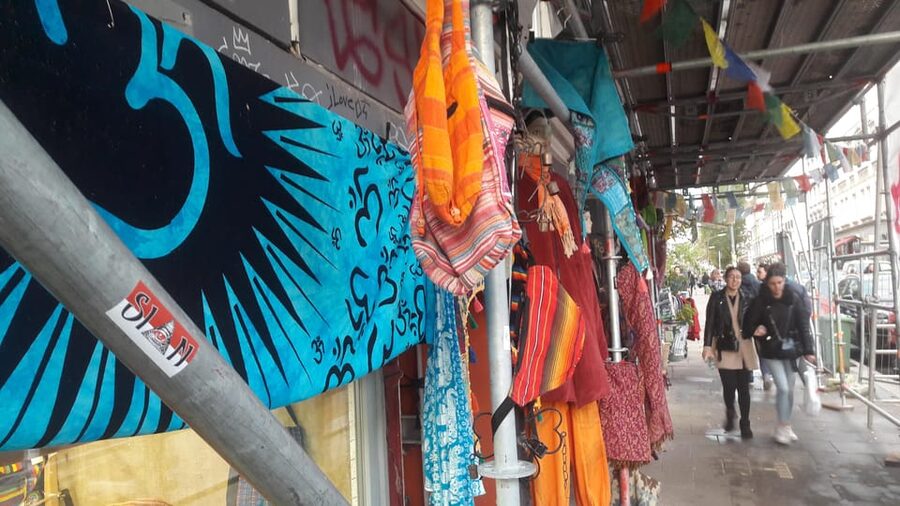
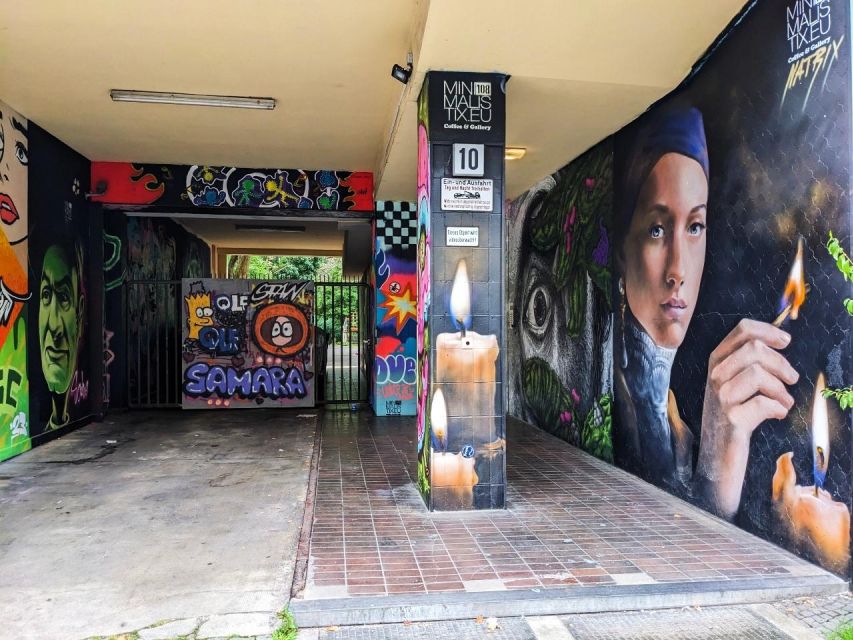
The art is the obvious draw, but the useful part of this tour is learning how to look at it. Adrian points out street art, large murals, graffiti, and smaller urban projects, then places them in the setting that produced them.
You will hear about the artists and the social or political ideas expressed through the work. Just as important, Adrian explains what stood on a site before the current piece appeared. In Berlin, a wall is rarely just a wall. It may mark a former industrial area, a changing neighborhood, a contested piece of property, or a space repeatedly claimed by different groups.
That background helps you understand why a work matters instead of treating it as a colorful photo stop. The art changes quickly, too, so an explanation of the city’s layers gives you something more lasting than a list of artists’ names.
The tour is not presented as a standard gallery visit. You will be outside, moving through streets and alleys, with the city itself as the exhibition space. Wear comfortable shoes and dress for the weather. The supplied details do not give a fixed list of artworks, which is normal for a street art tour where pieces can be painted over, removed, or replaced.
Alternative housing and Berlin after the Wall
One of the strongest parts of the experience is its attention to how people actually live. Adrian discusses the housing projects, communal apartments, squats, and wagon communities that developed after the fall of the Berlin Wall.
These spaces are part of Berlin’s modern identity, but they are not simply colorful backdrops. They reflect debates about low-cost housing, shared resources, personal freedom, property, and the right to shape a neighborhood outside normal commercial rules.
You may visit or view creative living spaces and self-sustainability projects, though the exact stops can vary. The important point is that Adrian links these places to the wider counterculture that took root after reunification. Expats, filmmakers, musicians, startup companies, misfits, and other free-spirited residents were drawn to the city’s open space and experimental mood.
That story also comes with tension. The description acknowledges that multicultural communities often live side by side in mostly peaceful harmony, but not always. This is a welcome note of balance. Berlin’s alternative districts are not frozen in a carefree past. They face pressure from development, rising costs, competing interests, and arguments over who gets to remain.
Kiez life, food, and practical local advice
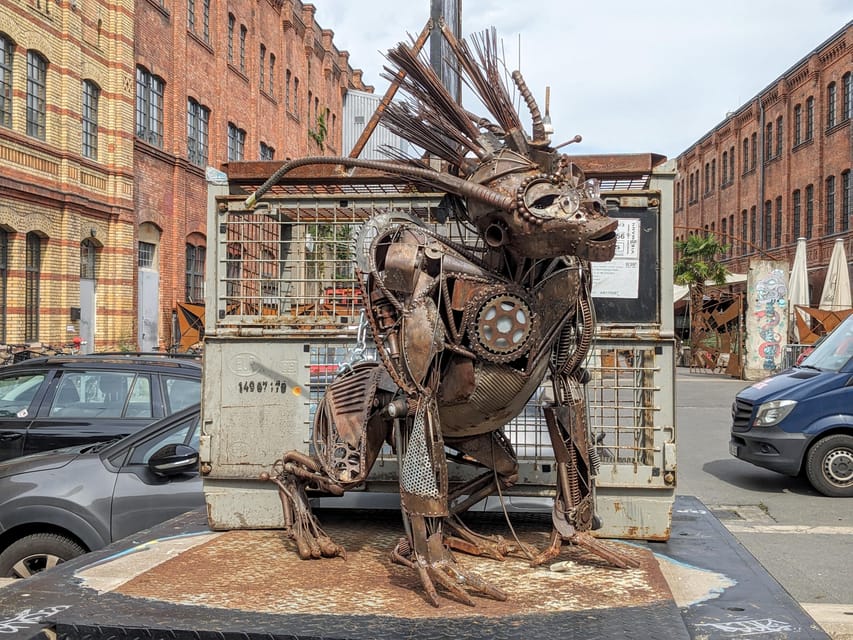
The tour includes several local and multicultural neighborhoods, known in Berlin as Kiez. A Kiez is more than a district label. It is the small-scale part of city life: the streets where people eat, meet, work, and spend their evenings.
If your group wants to, you can stop for local food and drink. These purchases are not included, so plan to pay separately. One group enjoyed lunch at a place Adrian recommended, which shows the practical value of having a guide who knows the area beyond the main sights.
You should not book this as a dedicated food tour. The emphasis remains on alternative culture, art, and history. Still, a food stop can break up three hours of walking and give you a direct taste of the neighborhoods under discussion.
Adrian also shares tips for dining, bars, clubbing, and bar hopping. This is particularly useful if you are staying in Berlin for more than a day or two. Rather than leaving with only photographs, you can use the tour to shape your evening plans.
The advice is personal rather than a formal nightlife itinerary. No particular clubs, restaurants, or bars are guaranteed, so ask questions if you have specific interests.
More street art in Berlin:
- Berlin: City Street Art Guided Walking Tour
★ 4.8 · 886 reviews - Berlin: 3-Hour Street Art Tour
★ 4.7 · 778 reviews - Berlin Street Art Walking Tour – Off The Grid
★ 5.0 · 270 reviews - East Meets West: Berlin Food Culture & Street Art
★ 5.0 · 157 reviews
From forbidden swing to electronic nights
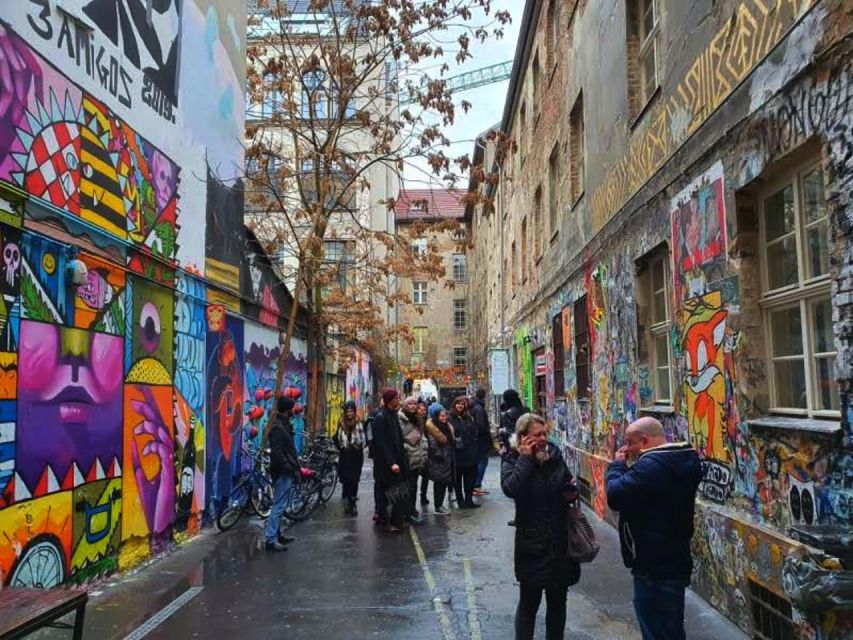
Berlin’s music story gives the tour a wider reach. The discussion covers punk, hip hop, jazz, metal, and electronic music, along with the city’s famous after-dark culture.
Adrian also places today’s nightlife beside earlier forms of musical rebellion. In the 1920s and 1930s, gramophone parties served as a refusal of compulsory youth groups and National Socialist control. Jazz, blues, and swing events could be forbidden, making music a way to resist official culture.
The tour also touches on underground fetish clubs and burlesque traditions linked to Berlin’s 1920s scene. These subjects help explain why the city’s nightlife has long attracted people looking for room to experiment.
You should expect conversation rather than a nightclub visit. The supplied details do not promise club entry, live music, or an evening event. Instead, you get historical context and current suggestions from someone familiar with Berlin’s alternative scenes.
What makes Adrian’s personal approach useful
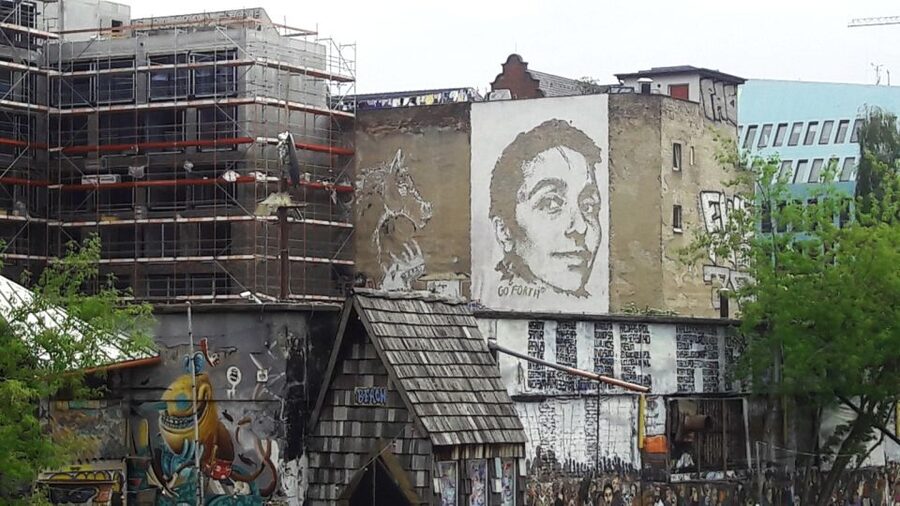
This is not simply a guide reciting dates beside a wall. Adrian has been connected to Berlin’s alternative tour concept since 2006, and his role gives the experience a personal angle.
His strongest contribution is the link between the city’s past and its current street culture. You might see a new mural, then hear about the neighborhood’s earlier use, the people who shaped it, and the social message behind the image. That connection is what makes the art easier to understand.
A group of dance students aged 18 to 23 found the mix of street art, graffiti, and history a good fit. That suggests the tour can work well for younger groups and creative students, but the subject matter is not limited to them. It also suits people who have lived in Berlin for years and want to see familiar streets differently.
One especially useful detail is that Adrian can show places even longtime residents have not encountered. That does not mean every stop will be secret or unknown, but it does mean the tour is built around local knowledge rather than the most obvious tourist route.
Value at $176 for a private group
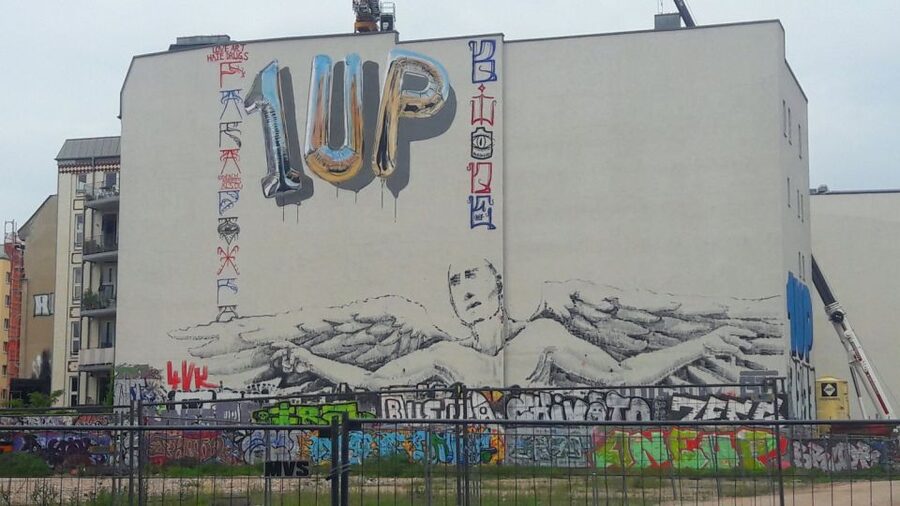
The price is $176 per group, with up to 20 people included. For one or two people, that is a substantial outlay for three hours. For a larger group, the calculation changes:
- Four people pay about $44 each.
- Eight people pay about $22 each.
- Twenty people pay about $8.80 each.
You still need to budget for public transport, food, and drinks. The guide is included, but the AB ticket is not.
For a private group, the price makes the most sense when several people are sharing it. A group of friends can split the fee, and a school or organization may find the fixed price easier to manage than paying individually. The experience also offers more than a basic mural walk, since it covers housing, politics, music, food, and nightlife.
The value is strongest if you want interpretation and conversation. If you only want quick photo stops at famous murals, a shorter public street art walk may be enough. If you want to understand how alternative Berlin developed and ask your own questions, the private format earns its cost more easily.
Who should book this experience
I would recommend it to you if you have an interest in:
- Street art, graffiti, murals, and urban design
- Berlin after the fall of the Wall
- Alternative housing and communal living
- Punk, jazz, hip hop, electronic music, or club culture
- Multicultural neighborhoods and local food
- The social and political meaning behind public art
It is also a strong choice for creative students, dance groups, artists, photographers, and people who have already seen Berlin’s central sights.
You may want to choose something else if your priority is a fixed route with guaranteed landmarks, a museum interior, or a food-focused schedule. The description leaves the exact stops flexible, and street art itself can change. That flexibility is useful for a living city, but it means you should not expect a rigid checklist.
The tour is listed as wheelchair accessible, but the details do not explain the pavement, alley, transport, or building conditions at every stop. If you use a wheelchair, contact the provider before booking to confirm the route for your date.
Timing, cancellation, and useful planning notes
The tour runs for three hours, with starting times based on availability. Plan to arrive at the stated meeting point early enough to find the corner of Revalerstrasse and Warschauerstrasse without rushing.
English is the listed tour language. Adrian’s storytelling is central to the experience, so make sure everyone in your group is comfortable following an English-language walking tour.
You can cancel up to 24 hours before the start for a full refund. The reserve-now, pay-later option lets you hold the booking without paying immediately, which is useful if your Berlin plans are still taking shape.
I would bring a charged phone for photographs, water, and shoes suited to city walking. Since local food and drink may be part of the day if your group wants them, carrying a little extra money is sensible.
Should you book the Alternative Berlin tour?
Book it if you want Berlin explained through the people, art, housing, and music that shaped its alternative identity. Adrian’s long connection to the scene is the main reason to choose this tour over a standard mural walk, especially if you want the story behind the artwork and not just a list of photo spots.
The $176 fee is easiest to justify for a group of four or more, and the private setup gives you room to ask about your own interests. Just remember that transport, food, and drinks cost extra, and the route may change with the city.
For a first-time visit, this tour can add meaning to neighborhoods you pass through. For someone who has lived in Berlin for years, it may reveal a side of familiar streets that is easy to miss. That is a good reason to book it.
FAQ
Where does the tour meet?
Meet at the corner of Revalerstrasse and Warschauerstrasse, in front of a kebab shop.
How long does the tour last?
The tour lasts three hours.
What language is the tour in?
The live tour guide speaks English.
Is the tour private?
Yes. It is offered as a private group experience for up to 20 people.
Is public transport included?
No. You need an AB transport ticket, and it is not included in the price.
What does the $176 price cover?
The $176 price covers the private group of up to 20 people and the tour guide. Food, drinks, and the AB transport ticket are not included.
Is the tour wheelchair accessible?
Yes, the activity is listed as wheelchair accessible. The supplied details do not describe the conditions at every stop, so confirm route specifics with the provider if needed.
Can I cancel for a full refund?
Yes. You can cancel up to 24 hours in advance for a full refund.
Just added around Berlin
- Berlin Highlights in One Day★ 5.0 · 3 reviews
- Private Berlin One Day Tour with a Local: See the City Unscripted★ 3.5 · 3 reviews
- Individual city tour Berlin for max. 8 persons★ 5.0 · 3 reviews
- Transfer from Berlin Schönefeld Airport (SXF) to Berlin city Hotels – ROUND TRIP★ 4.0 · 3 reviews
- Berlin: Museum Island Tour★ 5.0 · 3 reviews
- Private Analogue Photography Experience in Berlin★ 5.0 · 3 reviews
- Berlin: Local Food Tour in Secrets Hidden Gems★ 4.0 · 3 reviews
- Berlin & The Third Reich Private Guided Tour★ 5.0 · 3 reviews
Alternative Berlin Tours, compared.


Alternative Bike Tour of Kreuzberg & Friedrichshain
Read our review →
Experience the Alternative Kreuzberg on a Bike Tour
Read our review →
Alternative Berlin Bike Tour – Off the Beaten Tracks in Small Groups
Read our review →

Street Art and Alternative Tour of Berlin in French
Read our review →Browse the lists this tour appears in