
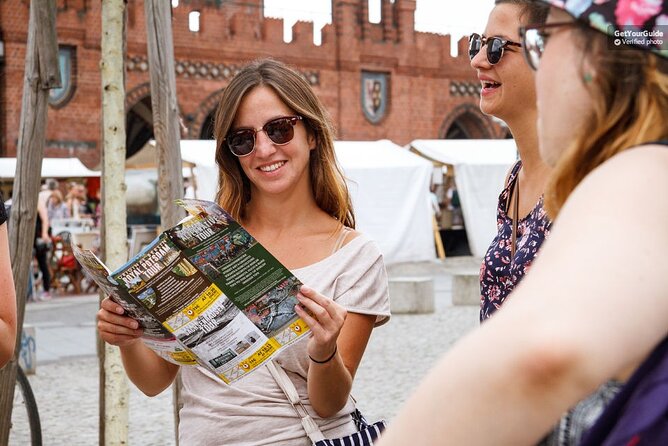
Review · ALTERNATIVE BERLIN TOURS
Berlin: Alternative & Street Art Tour
Berlin’s alternative culture is not locked inside a museum. It covers walls, old industrial yards, music clubs, political spaces, beach bars, and even an urban treehouse. This three-hour walk connects those places while explaining how punk, techno, graffiti, and squatting helped shape modern Berlin.
I like the tour’s personal guide-led approach, and I like the way it links street art to politics, gentrification, and daily life. Guides Damien and Antonio have earned especially warm praise for their enthusiasm and insight. The main drawback is that the route and emphasis change with the guide, so you should expect a flexible introduction rather than a fixed checklist of every stop.
In This Review
- Key points
- Berlin’s alternative side begins beneath the TV tower
- Haus Schwarzenberg and the creative energy of Mitte
- YAAM beach and Berlin’s love of makeshift spaces
- The Treehouse on the Wall and the city’s odd surprises
- Künstlerhaus Bethanien and Kreuzberg’s changing identity
- SO36, punk, and the sound of Kreuzberg
- RAW Gelände and Berlin’s industrial canvas
- What the tour teaches about Berlin’s subcultures
- The guide makes the difference
- Is $23 a fair price for three hours?
- Who should book this walking tour?
- Should you book the Alternative and Street Art Tour?
- FAQ
- Where does the tour start?
- Where does the tour end?
- How long does the tour last?
- What language is the tour conducted in?
- What places are included on the route?
- Is the itinerary always the same?
- What topics does the guide cover?
- Is the tour suitable for all ages?
- Is the tour wheelchair accessible?
- Does the tour operate in bad weather?
- Are food and drinks included?
- Is public transportation included?
- Is hotel pickup included?
- Can I cancel the tour for a refund?
- Do I have to pay when I book?
Key points
- A three-hour walk through alternative Berlin: The route brings together street art, music culture, squatting history, and unusual public spaces.
- Stops across Mitte, Friedrichshain, and Kreuzberg: Expect places such as Haus Schwarzenberg, YAAM beach, SO36, RAW Gelände, Künstlerhaus Bethanien, and the Treehouse on the Wall.
- Strong guide personality: Damien and Antonio are named as especially engaging guides, but the tone and focus can vary with your guide.
- A useful first look at Berlin’s subcultures: You’ll learn why artists settle in Berlin and how revolution, squatting, and gentrification shaped the city.
- Good photo opportunities: Graffiti, political murals, industrial spaces, and unusual architecture give you plenty to photograph.
- Simple pricing and flexible booking: At $23 per person, the tour offers three hours of context for less than many major sightseeing walks.
Berlin’s alternative side begins beneath the TV tower
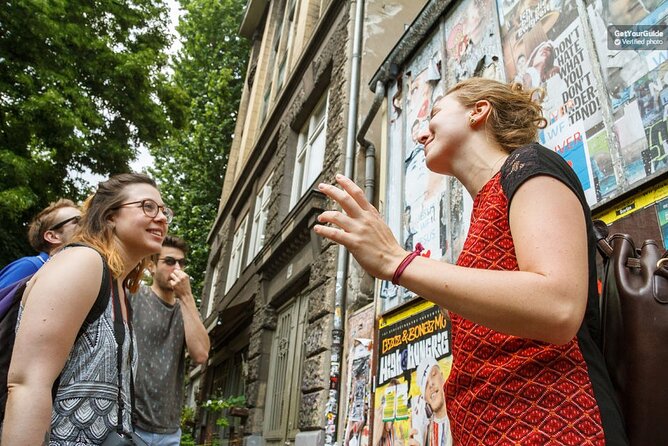
Meet your guide beneath Berlin’s TV tower, directly in front of the Vapiano restaurant. This is a central and easy-to-recognize starting point, useful if you are still finding your way around the city.
From there, the tour moves into Berlin’s less polished side. You will not spend the morning ticking off royal buildings or famous viewpoints. Instead, you will follow the marks left by artists, musicians, squatters, political groups, and neighborhood communities.
That difference matters. Berlin’s street art is not just decoration. It often reflects arguments about ownership, freedom, displacement, identity, and who gets to shape a neighborhood. The guide gives you the background needed to read those walls with more than a quick glance.
The exact route varies. Your guide’s interests and professional background help determine the balance between graffiti, music, politics, and social history. That flexibility can make the walk feel personal, though it also means you should not expect every tour to follow precisely the same order.
More alternative Berlin:
- Berlin: Alternative Berlin Walking Tour
★ 4.6 · 1,204 reviews - Berlin: Alternative Bike Tour of Kreuzberg & Friedrichshain
★ 4.7 · 548 reviews - Berlin: Alternative Berlin Bike Tour
★ 4.8 · 359 reviews
Haus Schwarzenberg and the creative energy of Mitte
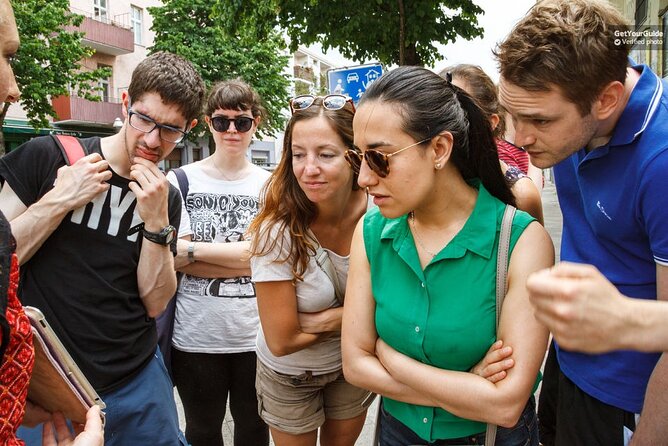
Haus Schwarzenberg is one of the key stops in the Mitte portion of the experience. It is associated with Berlin’s independent art scene and provides an early look at how neglected or unconventional spaces can become creative centers.
Here, the focus is likely to be on street art, changing urban spaces, and the way artists use the city as a working surface. You can expect colorful walls, layered images, and plenty of visual detail. Bring a camera, but remember that the guide’s explanation is what turns a wall of paint into a story about Berlin.
Mitte is now one of the city’s most visited central areas, which makes the alternative sites here especially interesting. The tour helps you compare Berlin’s current popularity with the rougher, less regulated atmosphere that helped attract artists in the first place.
I find this contrast useful. You see that alternative culture is not separate from tourism and development. It often grows in overlooked spaces, draws attention, and then faces pressure as an area becomes more desirable.
YAAM beach and Berlin’s love of makeshift spaces
YAAM beach adds a different mood to the walk. It represents Berlin’s talent for creating leisure spaces in places that were not designed as traditional resorts. The city has no coastline, yet urban beaches and riverside gathering places became part of its social life.
The stop also broadens the idea of street culture. This is not only about painted walls. Music, food, gatherings, and a relaxed outdoor setting all form part of Berlin’s alternative identity. Depending on the guide and the route, YAAM can help explain how communities build their own spaces and atmosphere.
Do not treat this as a beach day. The tour includes YAAM as one part of a walking route, not as a long break for swimming or a meal. Food and drinks are not included, so plan accordingly if you need refreshments during the three hours.
The Treehouse on the Wall and the city’s odd surprises
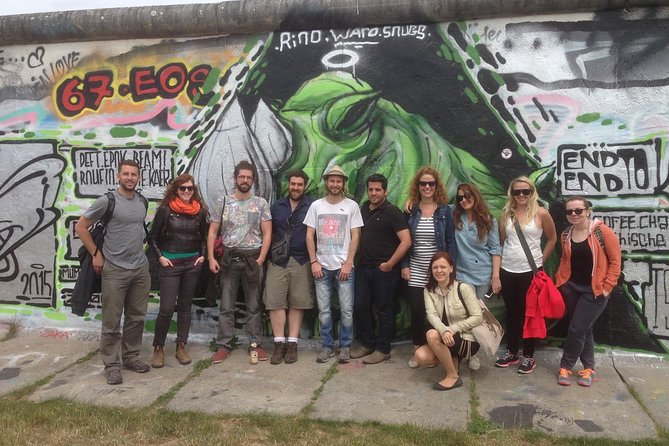
The Treehouse on the Wall is one of the route’s most unusual named sights. It offers a reminder that Berlin’s alternative culture can appear in unexpected forms, including personal projects and improvised structures that challenge normal ideas about how urban land should be used.
This stop should appeal to you if you enjoy places with a story but no standard tourist script. It is also a good example of why a guide adds value. Without context, an unusual structure can seem like a quick photo stop. With an explanation of its place in Berlin’s divided and changing city, it becomes part of a larger discussion about ownership, freedom, and creative stubbornness.
The tour does not promise a polished presentation at every stop. That is part of the point. You are seeing places shaped by individual choices and community action, not attractions designed for a uniform visitor experience.
More street art in Berlin:
- Berlin: City Street Art Guided Walking Tour
★ 4.8 · 886 reviews - Berlin: 3-Hour Street Art Tour
★ 4.7 · 778 reviews - Berlin Street Art Walking Tour – Off The Grid
★ 5.0 · 270 reviews - East Meets West: Berlin Food Culture & Street Art
★ 5.0 · 157 reviews
Künstlerhaus Bethanien and Kreuzberg’s changing identity
Künstlerhaus Bethanien brings art and neighborhood change into the conversation. The site fits naturally into a tour that looks at artists, social movements, and the forces that reshape districts over time.
Kreuzberg is central to the discussion of squatting, revolution, and gentrification. Your guide explains how alternative communities helped give the district its reputation, while newer development and rising interest changed the pressure on those communities.
This is where the tour becomes more than a graffiti walk. You begin to see the relationship between creativity and property prices. Art can help define a neighborhood, but the attention it creates can also make life harder for the people who built that culture.
I appreciate that the tour does not present Berlin’s alternative past as a simple golden age. The history includes idealism, conflict, political action, and practical problems. The guide’s personal point of view shapes how much time goes to each topic, so ask questions if one part interests you more than another.
SO36, punk, and the sound of Kreuzberg
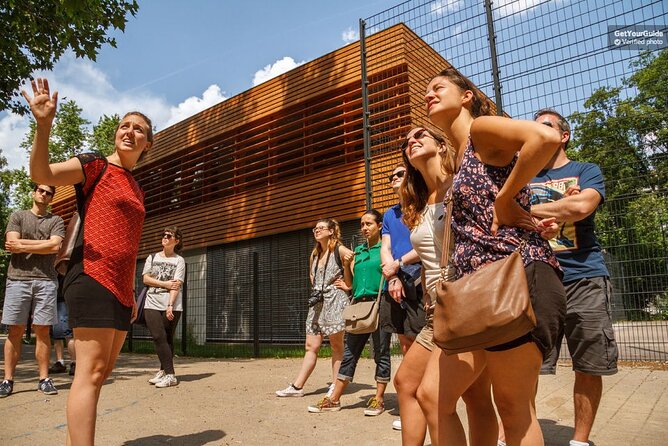
SO36 is tied to Kreuzberg’s punk and music culture. Its inclusion gives the walk an audible dimension, even if the tour itself is primarily about places and stories rather than a live music event.
Punk matters here because it represents a challenge to polite, commercial ideas of city life. The guide connects music to politics, protest, and the formation of communities. You may also hear about techno and other sounds that helped define Berlin’s reputation as a place where unconventional scenes could grow.
This section will suit you if you want social context rather than a list of bands or clubs. The tour does not include entry to a concert or nightclub, and it does not promise a performance. Instead, you get an explanation of why certain places matter within Berlin’s cultural story.
The tone can be lively. Damien and Antonio are both praised for bringing strong energy to the walk, and that matters on a subject that could otherwise become a dry lecture. A good guide makes the connections quickly and keeps you moving.
RAW Gelände and Berlin’s industrial canvas
RAW Gelände gives the tour another large-scale look at alternative Berlin. Former industrial areas are especially important to the city’s creative image because they offered room for art, music, nightlife, and informal projects.
The site provides a strong setting for discussing how artists and subcultures use old urban spaces. You may see graffiti and other forms of urban art, but the larger lesson is about temporary freedom. Empty or underused places often allow experiments that would be difficult in a tightly managed commercial district.
The trade-off is that spaces like this do not remain unchanged. As Berlin attracts more attention, development and commercial pressure can alter the character that made an area appealing. The guide addresses this tension through the changing focus of each tour.
RAW Gelände is also one reason to wear practical shoes. You will be walking for three hours, and the experience takes place rain or shine. A waterproof layer and comfortable footwear will make the tour easier to enjoy.
What the tour teaches about Berlin’s subcultures
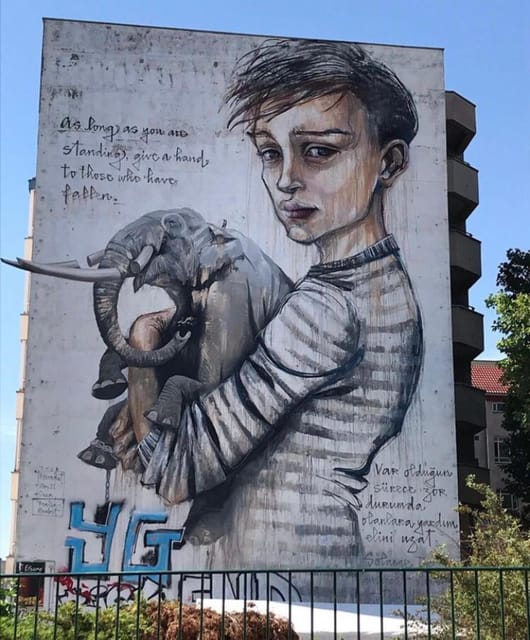
The route covers a wide range of subjects:
- Graffiti and street art
- Punk and techno
- Political movements
- Squatting culture
- Revolution and protest
- Gentrification
- Artist communities
- Urban beaches and improvised spaces
- The reasons artists continue to choose Berlin
The strength of this mix is connection. You learn that these subjects are not isolated. Music scenes can grow in inexpensive spaces. Artists can transform neglected walls. Squatting can become part of political action. Creative districts can later become targets for investment.
The limitation is time. Three hours is enough for a strong first look, but not enough for a full history of Berlin’s alternative movements. You will get an overview with selected examples, not an academic study or a complete tour of every street art district.
That makes the experience best early in your Berlin visit. It helps you understand the city’s cultural clues before you explore on your own. You may notice murals, club references, and neighborhood tensions differently after hearing the background.
The guide makes the difference
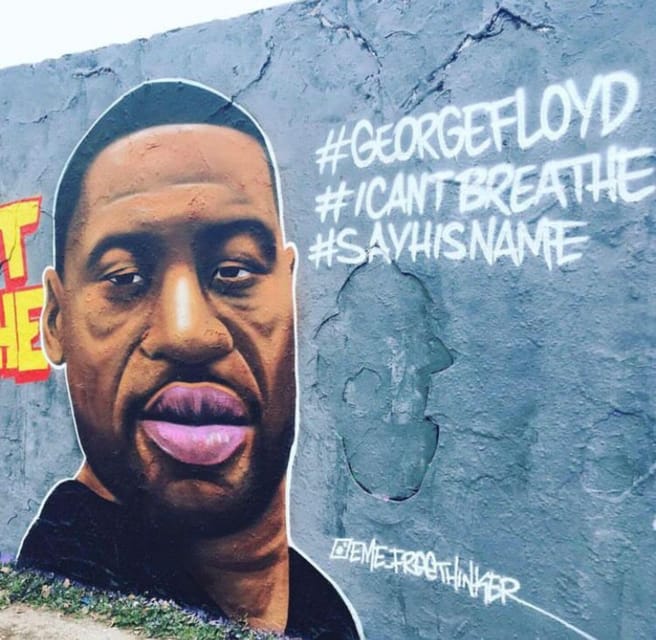
This is a guide-led experience, and the guide’s personality matters. The tour description specifically allows the route and focus to shift according to the guide’s interests and profession.
Damien is described as enthusiastic and knowledgeable, though I would avoid expecting the same presentation from every guide. Antonio Castello is also praised for being fabulous and for giving the walk a strong sense of alternative Berlin. Those comments point to the most important part of the experience: an energetic guide can make the history feel immediate.
You should come ready to ask questions. If you care most about graffiti, ask for more detail on artists and techniques. If punk, techno, squatting, or gentrification interests you, say so. The flexible format gives you some room to shape the conversation.
Because the tour is in English, it works well for visitors who want cultural context without translating along the way. The listed rating is 4.5 from six reviews, a small sample but consistent with the strong response to the guides and the subject matter.
Is $23 a fair price for three hours?
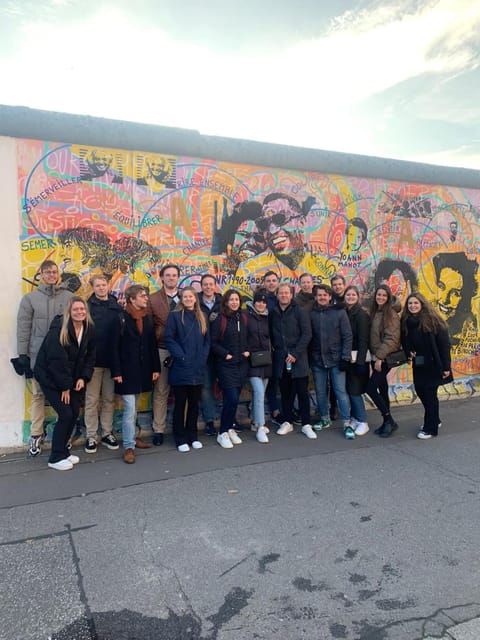
At $23 per person, this is a good-value walking tour if you want interpretation rather than simple sightseeing. You are paying for three hours with an English-speaking guide and access to a connected story about Berlin’s art and subcultures.
The value comes from the links between the stops. You could seek out many alternative sites yourself, but without context you might see only colorful walls and unusual buildings. The guide explains why those places matter and how they fit into Berlin’s political and cultural development.
Keep extra costs in mind. Food, drinks, gratuities, and a public transportation ticket are not included. Pickup and drop-off are also not provided, although the tour ends back at the meeting point beneath the TV tower.
The walk’s value is strongest for first-time visitors and anyone who wants to understand modern Berlin beyond its major monuments. If you already know the city’s underground history well, the changing route may feel less essential.
Who should book this walking tour?
I would recommend it to you if you:
- Prefer local stories to formal sightseeing
- Enjoy graffiti, murals, photography, music, or urban history
- Want to understand Berlin’s punk, techno, and squatting scenes
- Are curious about how gentrification changes creative districts
- Like tours that depend on a guide’s personal interests
- Want a reasonably priced three-hour introduction to alternative Berlin
It is also suited to all ages and is listed as wheelchair accessible. Since the route takes place outdoors in all weather, you should dress for rain or sun and be prepared to walk for the full three hours.
You may want a different experience if you need a fixed itinerary, indoor shelter, a meal, or entry to music venues. This tour visits and explains cultural sites, but food, drinks, transport tickets, and nightlife admission are not part of the price.
Should you book the Alternative and Street Art Tour?
Book it if you want Berlin’s creative culture explained through real places, not reduced to a few famous murals. Haus Schwarzenberg, YAAM beach, Künstlerhaus Bethanien, the Treehouse on the Wall, SO36, and RAW Gelände create a varied route through art, music, politics, and neighborhood change.
The best reason to choose it is the guide. Damien and Antonio are singled out for enthusiasm, and a strong personality is valuable on a flexible walk like this. Just remember that the route can change, the weather will not stop the tour, and three hours gives you an introduction rather than the final word on Berlin’s alternative scene.
At $23, it is an easy recommendation for curious first-time visitors. Bring comfortable shoes, keep your schedule flexible, and arrive ready to look past the obvious Berlin.
FAQ
Where does the tour start?
It starts directly beneath the TV tower, in front of the Vapiano restaurant.
Where does the tour end?
The tour ends back at the starting meeting point beneath the TV tower.
How long does the tour last?
The walking tour lasts three hours.
What language is the tour conducted in?
The tour is conducted in English with a live English-speaking guide.
What places are included on the route?
The tour includes Haus Schwarzenberg, YAAM beach, Künstlerhaus Bethanien, the Treehouse on the Wall, SO36, and RAW Gelände.
Is the itinerary always the same?
No. The route and focus can vary according to the guide’s professional background and personal interests.
What topics does the guide cover?
Topics include street art, graffiti, punk, techno, politics, squatting culture, revolution, gentrification, and Berlin’s artist communities.
Is the tour suitable for all ages?
Yes. The tour is described as suitable for all ages.
Is the tour wheelchair accessible?
Yes. The activity is listed as wheelchair accessible.
Does the tour operate in bad weather?
Yes. The tour takes place rain or shine.
Are food and drinks included?
No. Food and drinks are not included.
Is public transportation included?
No. You need to provide your own transportation ticket if one is needed.
Is hotel pickup included?
No. Pickup and drop-off are not included.
Can I cancel the tour for a refund?
You can cancel up to 24 hours in advance for a full refund.
Do I have to pay when I book?
The reserve-now, pay-later option lets you hold your place without paying immediately.
Just added around Berlin
- Berlin Highlights in One Day★ 5.0 · 3 reviews
- Private Berlin One Day Tour with a Local: See the City Unscripted★ 3.5 · 3 reviews
- Individual city tour Berlin for max. 8 persons★ 5.0 · 3 reviews
- Transfer from Berlin Schönefeld Airport (SXF) to Berlin city Hotels – ROUND TRIP★ 4.0 · 3 reviews
- Berlin: Museum Island Tour★ 5.0 · 3 reviews
- Private Analogue Photography Experience in Berlin★ 5.0 · 3 reviews
- Berlin: Local Food Tour in Secrets Hidden Gems★ 4.0 · 3 reviews
- Berlin & The Third Reich Private Guided Tour★ 5.0 · 3 reviews
Alternative Berlin Tours, compared.


Alternative Bike Tour of Kreuzberg & Friedrichshain
Read our review →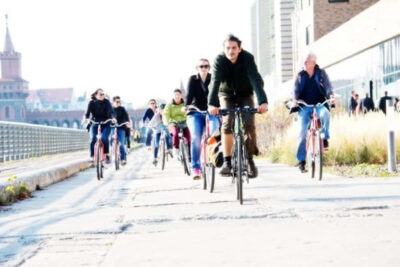
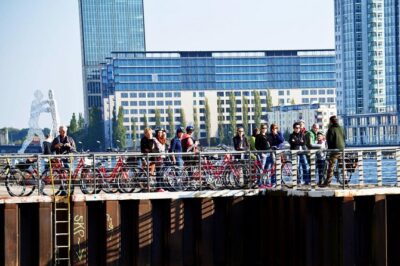
Experience the Alternative Kreuzberg on a Bike Tour
Read our review →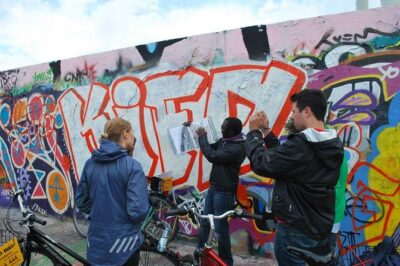
Alternative Berlin Bike Tour – Off the Beaten Tracks in Small Groups
Read our review →

Street Art and Alternative Tour of Berlin in French
Read our review →Browse the lists this tour appears in