
Review · DDR & EAST BERLIN TOURS
Berlin: GDR witness tour in small group
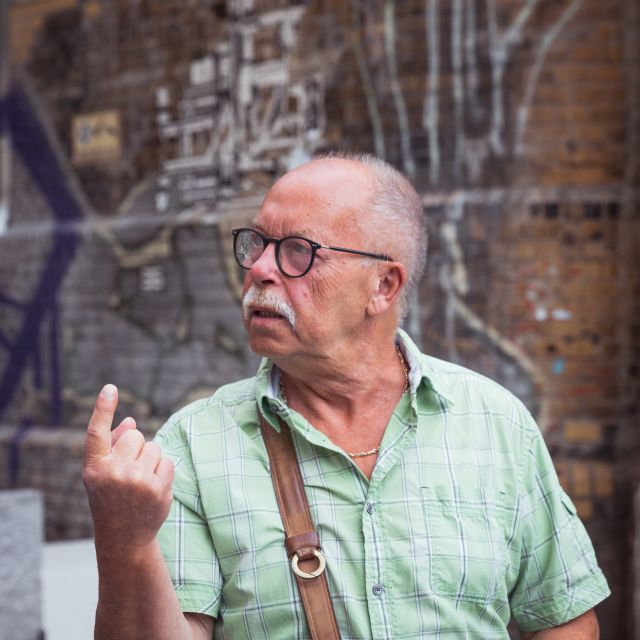
Karl-Heinz Richter does not offer a standard Berlin history lecture. He tells you what happened when he tried to leave East Germany, failed to jump onto a moving train at Friedrichstrasse station, and ended up in a Stasi prison. That personal account gives the GDR’s rules and fears a human face.
I like the chance to hear directly from a former political prisoner, and I like the small-group format, which should make a serious subject easier to follow and discuss. The main caution is timing: although the tour is sold as 2.5 hours, one reported booking ended after about 1.5 hours, so confirm the expected length when you reserve.
In This Review
- Key points to know before booking
- Meeting Karl-Heinz Richter in Berlin
- Friedrichstrasse station and the failed escape
- Inside the account of Stasi imprisonment
- Daily life under the GDR system
- Why the small group matters
- German language and accessibility
- Is $27 a fair price?
- Who will appreciate this experience most?
- Practical planning for your Berlin day
- Should you book the GDR witness tour?
- FAQ
- Where does the tour take place?
- Who leads the tour?
- What language is the tour in?
- How long does the tour last?
- What does Richter talk about?
- Is the tour wheelchair accessible?
- Does the tour run in bad weather?
- Is hotel pickup included?
- How much does the tour cost?
- Can I cancel the booking?
Key points to know before booking
- Karl-Heinz Richter leads the story himself: He grew up in East Berlin and describes his failed attempt to flee to the West.
- Friedrichstrasse station is central to the account: His escape plan involved trying to board a moving train there three years after the Wall went up.
- Stasi detention is part of the tour’s hardest material: Richter discusses pre-trial imprisonment in Berlin-Pankow and interrogation methods.
- The focus is personal, not sightseeing: You come for testimony about fear, surveillance, and daily life rather than a long list of monuments.
- The tour is conducted in German: This matters greatly if you do not understand spoken German well.
- The price is modest, but the length matters: At $27 per person, it can be good value if the full 2.5 hours are delivered.
Meeting Karl-Heinz Richter in Berlin
Karl-Heinz Richter was born in Schwarzheide, Brandenburg, in 1946, and grew up with his family in East Berlin. His story belongs to the first generation raised under the GDR system, and his memories reach beyond political slogans.
You hear about ordinary life in East Germany through the choices he faced as a young man. The Wall had been in place for three years when he planned to escape to the West. That detail matters. This was not an abstract border on a map. It was a barrier that changed where people could work, study, visit family, and build a future.
The experience centers on Richter’s own path rather than a general account of postwar Germany. You follow his thoughts as he planned his escape, attempted it at Friedrichstrasse station, and dealt with the consequences. His nickname, Kalle, gives the presentation a personal tone, but the subject remains grim.
I find that this kind of first-person account can help you understand the GDR in a way that dates and political terms often cannot. You are not simply told that citizens faced restrictions. You hear how those restrictions shaped one person’s decision to risk everything.
More East Berlin and DDR history:
- Berlin: DDR Museum Tickets
★ 4.3 · 3,443 reviews - Berlin: 75-minute Trabi Safari
★ 4.8 · 2,854 reviews - Berlin: East and West Hop-On Hop-Off Bus Tour
★ 4.2 · 2,195 reviews
Friedrichstrasse station and the failed escape
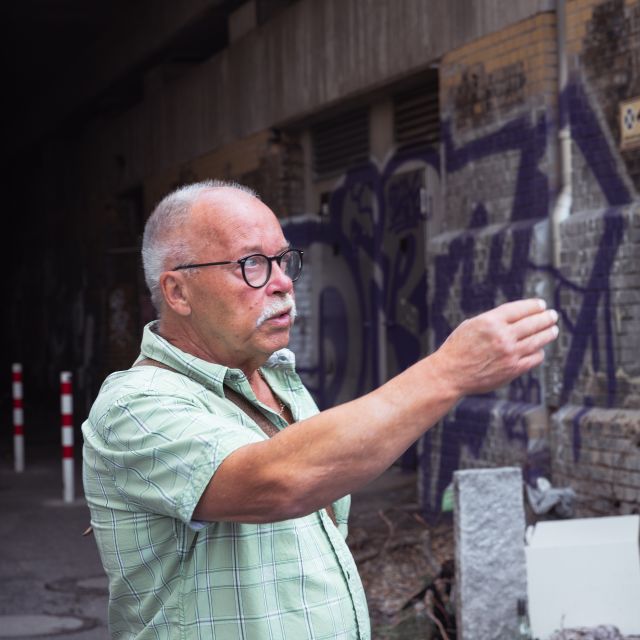
Friedrichstrasse station is the key setting in Richter’s escape story. Three years after the Berlin Wall was built, he tried to jump onto a moving train there and reach the West. The attempt failed.
The supplied information does not promise a full walking tour of the station or a series of marked historical stops. Instead, Friedrichstrasse serves as the scene for the central event in Richter’s life. You should expect the place to be explained through his memory, not treated as a sightseeing attraction with a long physical route.
That distinction is useful when you decide how to spend your time in Berlin. If you want photographs, architecture, and a guide moving from one landmark to another, this may feel limited. If you want to understand the personal risk behind an attempted escape, the station story gives the tour its emotional force.
Richter’s account also shows why escape attempts were so dangerous. A failed plan did not simply mean missing a train or facing a fine. It could lead to arrest, interrogation, and long confinement before trial. The story moves quickly from the physical act of trying to flee to the machinery of state punishment.
You may want to listen for the practical details of his plan and its failure. Those details are likely to be more revealing than a broad statement that the border was heavily controlled. The tour’s value lies in turning a large political system into one clear sequence of decisions and consequences.
Inside the account of Stasi imprisonment
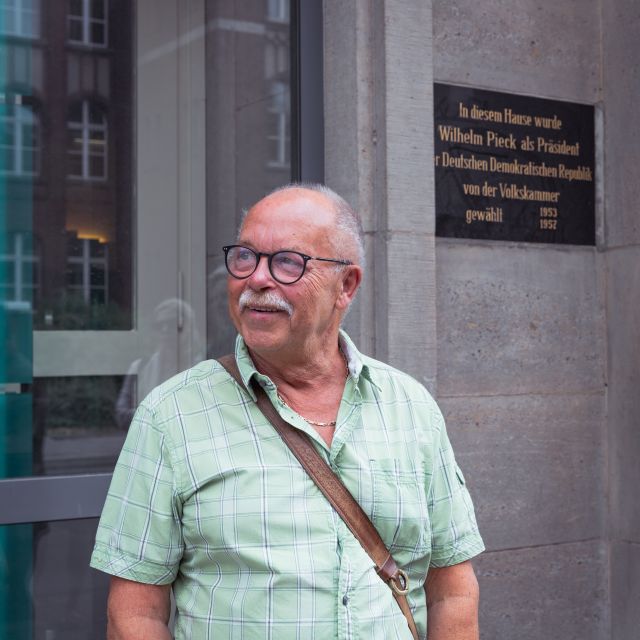
After the failed escape, Richter spent several months in pre-trial detention at the Stasi prison in Berlin-Pankow. The tour gives particular attention to the inhumane conditions he experienced there.
This is not presented as a casual prison visit. Based on the information provided, you do not tour the prison as part of this activity. You hear Richter describe what happened to him and how the Stasi handled political suspects.
The focus on pre-trial detention is important. Imprisonment did not begin only after a public trial or final sentence. The period before trial could itself be used to isolate, pressure, and break a prisoner. Richter’s account helps explain how frightening uncertainty became part of the punishment.
He also describes Stasi interrogation methods. The point is not simply to list techniques, but to show how the secret police worked on individuals. A political system can seem distant when you read about agencies and laws. It becomes much more direct when you hear how questioning, isolation, and fear affected one person.
This section may be emotionally heavy. You should not book this expecting light entertainment or a quick introduction to Berlin’s Cold War sights. The subject includes failed escape, confinement, and psychological pressure. For many people, that seriousness is exactly why the experience feels meaningful.
Daily life under the GDR system
Richter’s story also covers everyday life in East Germany. That wider view keeps the tour from becoming only an escape story.
The GDR was shaped by the influence of the Stasi throughout society. The tour explains how the secret police affected ordinary people, not just known political opponents. You hear about the pressure created by surveillance and the fear that personal choices could draw official attention.
The phrase everyday life can sound harmless, but here it points to the limits placed on normal decisions. Richter’s account connects government control with family life, movement, trust, and private plans. The result should help you see why a young man might consider a dangerous escape attempt rather than accept the system around him.
The available information does not provide a detailed list of every topic or story covered. That is worth keeping in mind. The precise balance between Richter’s personal memories, the GDR’s political structure, and Stasi methods may vary with the questions asked and the flow of the group.
Still, the subject has a clear shape. You learn what life felt like from inside the system, how the Wall changed the meaning of travel, and how the Stasi’s presence reached far beyond prison walls. I value that connection between personal memory and larger events.
A different side of Berlin on the same trip:
- Berlin: Reichstag, Dome and Government District Guided Tour
★ 4.7 · 18,288 reviews - Berlin: 1-Hour City Tour by Boat with Guaranteed Seating
★ 4.3 · 16,993 reviews - Berlin: Boat Tour Along the River Spree
★ 4.4 · 11,252 reviews - Discover Berlin Half-Day Walking Tour
★ 5.0 · 9,624 reviews
Why the small group matters
A small group suits this experience better than a large sightseeing crowd. Richter’s story depends on attention. People need to hear his words clearly, follow the sequence of events, and absorb difficult material without a noisy group breaking the mood.
The format may also allow questions, although a formal question period is not specifically promised. You should think of the small-group setting as a better chance for a direct, focused presentation, not as a guarantee of a long private conversation.
This is especially useful for visitors who already know the basic outline of Berlin’s divided past. You can use the time to connect familiar facts with a personal account. If you know little about the GDR, the guide’s story gives you a clear entry point, though you may want to read a short background account before arriving.
The group setting does have limits. You are sharing the experience with other people, and the presentation depends heavily on the guide’s delivery. One reported account found parts of Richter’s narrative inconclusive and felt that details differed between the beginning and the end. That concern does not erase the value of first-person testimony, but it is a fair reason to listen carefully and keep an open, thoughtful mind.
German language and accessibility
The live tour guide language is German. This is the most important practical point for many international visitors.
If you understand spoken German comfortably, the format gives you direct access to Richter’s account. If your German is limited, you may miss nuance, emotional detail, and the sequence of events. No translation, subtitles, or second language is listed, so do not assume interpretation will be available.
The activity is listed as wheelchair accessible. That is helpful, though the supplied details do not explain the exact route, meeting point, seating, or facilities. If you have particular mobility needs, confirm those points before booking.
The tour runs rain or shine. Since the information does not describe a fully indoor route or give a detailed stop-by-stop plan, bring clothing suitable for Berlin’s weather and do not count on the rain date that you wish existed.
Is $27 a fair price?
The listed price is $27 per person, and the guide is included. There is no hotel pickup or drop-off, so you need to reach the meeting point yourself.
For a 2.5-hour first-person history experience, $27 can be a reasonable price. You are paying for access to Richter’s personal account, not for transport, entry tickets, or a full city tour. The value is strongest if you care about the GDR, the Berlin Wall, and the human cost of escape attempts.
The calculation changes if the tour ends much earlier than advertised. One booking was reported to have lasted about 1.5 hours, with the participant feeling that a price of €24 was too high for the shorter presentation. The current advertised price is in dollars, while that account used euros, so prices may vary by booking date or platform. The useful warning is about duration, not currency.
I would check the confirmed start and end details before paying, especially if you have another Berlin activity booked afterward. The free cancellation policy allows cancellation up to 24 hours in advance for a full refund, and you can reserve now and pay later. Those options reduce the risk of committing too early, but they do not solve the language or duration questions.
Who will appreciate this experience most?
I would recommend this tour to you if you want history told through one person’s life. It suits visitors who have already seen Berlin’s major Cold War landmarks and want a closer look at what control and attempted escape meant for an individual.
It should also work well for students, history-minded adults, and anyone with a serious interest in the GDR or the Stasi. The subject is specific, personal, and emotionally demanding. You will get more from it if you are ready to listen rather than rush from sight to sight.
Families should judge the subject by age and temperament. The details of failed escape, imprisonment, and interrogation may be difficult for younger children. The information provided does not set a minimum age, so parents need to make that call themselves.
I would be cautious about booking if you need an English-language tour, a packed walking route, or a guaranteed sequence of Berlin landmarks. I would also hesitate if a strict 2.5-hour schedule matters and you cannot confirm the actual running time.
Practical planning for your Berlin day
Set aside the full 2.5 hours, even though one account reported a much shorter session. That gives you enough room for the advertised length and protects you from rushing to your next booking.
Plan your own way to the meeting point because transfers are not included. Friedrichstrasse station is part of Richter’s story, but the available information does not confirm that the tour begins or ends there, so wait for the exact meeting instructions.
Arrive ready for a spoken presentation in German. A little background reading on the GDR, the Berlin Wall, and the Stasi will help you recognize the importance of what Richter describes. You do not need to know every political detail, but basic context will make the personal story easier to place.
Keep your schedule flexible afterward. The reported shorter duration may sound convenient, but it also shows that the advertised timing has not been identical for every booking. Treat the stated 2.5 hours as the planning figure and confirm details close to the date.
Should you book the GDR witness tour?
Book it if you want a direct, human account of East Germany from someone who lived through its controls, attempted to escape, and suffered Stasi imprisonment. The strongest part is Karl-Heinz Richter’s personal connection to the subject, especially his failed train escape at Friedrichstrasse and his description of detention in Berlin-Pankow.
Skip it if you need English, prefer a conventional walking tour, or want a carefully measured presentation with no uncertainty about length. The concerns about changing details and a session ending after 1.5 hours deserve attention.
At $27, I see this as a worthwhile choice for the right audience, not an automatic pick for every Berlin visitor. Confirm the language, meeting details, and expected duration. If those fit your plans, you get something a standard monument tour cannot offer: a close account of how a divided city and a powerful secret police system affected one man’s life.
FAQ
Where does the tour take place?
The activity takes place in Berlin, in the state of Berlin, Germany. Friedrichstrasse station is central to Karl-Heinz Richter’s escape story, but the exact meeting point is not provided.
Who leads the tour?
The tour is led by Karl-Heinz Richter, also known as Kalle Richter. He is a former political prisoner and Stasi victim.
What language is the tour in?
The live tour guide language is German. No translation or additional language is listed.
How long does the tour last?
The stated duration is 2.5 hours. One booking was reported to have ended after about 1.5 hours, so confirm the expected duration when reserving.
What does Richter talk about?
He discusses everyday life in East Germany, his planned escape to the West, his failed attempt at Friedrichstrasse station, imprisonment in the Stasi prison in Berlin-Pankow, and Stasi interrogation methods.
Is the tour wheelchair accessible?
Yes. The activity is listed as wheelchair accessible.
Does the tour run in bad weather?
Yes. The tour takes place rain or shine.
Is hotel pickup included?
No. Hotel pickup and drop-off are not included.
How much does the tour cost?
The listed price is $27 per person.
Can I cancel the booking?
Yes. You can cancel up to 24 hours in advance for a full refund. You can also reserve now and pay later.
Just added around Berlin
- Berlin Highlights in One Day★ 5.0 · 3 reviews
- Transfer from Berlin Schönefeld Airport (SXF) to Berlin city Hotels – ROUND TRIP★ 4.0 · 3 reviews
- Private Berlin One Day Tour with a Local: See the City Unscripted★ 3.5 · 3 reviews
- Individual city tour Berlin for max. 8 persons★ 5.0 · 3 reviews
- Berlin: Museum Island Tour★ 5.0 · 3 reviews
- Private Analogue Photography Experience in Berlin★ 5.0 · 3 reviews
- Berlin: Local Food Tour in Secrets Hidden Gems★ 4.0 · 3 reviews
- Berlin & The Third Reich Private Guided Tour★ 5.0 · 3 reviews
DDR & East Berlin Tours, compared.






East Berlin and the Berlin Wall 2-Hour Walking Tour
Read our review →
East Berlin Food & History Tour with Eating Europe
Read our review →Browse the lists this tour appears in