
Review · MUSEUMS
Berlin: Interactive DeJa Vu Museum Entrance Ticket
The DeJa Vu Museum turns your own eyes into the main attraction. Across two floors near Alexanderplatz, you’ll step into mirror rooms, puzzle with perspective, appear inside projected artworks, and try to spot hidden faces in paintings by Oleg Shupliak. The museum is playful rather than formal, so you learn by trying things yourself.
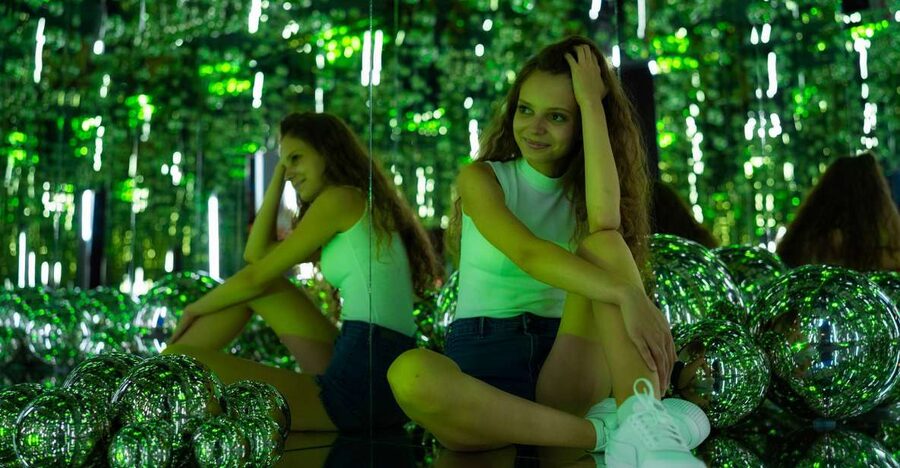
I like the mix of hands-on exhibits and photo-friendly rooms, especially the Beuchet-Stuhl, Dark Room, Interactive Sandbox, Starroom, and Abyss. I also like the price: at $17, it gives you a different kind of Berlin outing without taking up a full day. The main drawback is that the visit can feel short or repetitive, and some small rooms may create waits when the museum is busy.
In This Review
- Key things to know
- A playful museum beside Alexanderplatz
- Starting with the gallery spaces
- Oleg Shupliak’s portraits reward a close look
- The Beuchet-Stuhl and other hands-on puzzles
- Projector rooms put you inside the artwork
- Mirror rooms, kaleidoscopes, and the best photo stops
- How long the visit really takes
- Who gets the best value from $17
- The practical limits you should consider
- Is the DeJa Vu Museum right for your Berlin plans?
- FAQ
- Where is the DeJa Vu Museum in Berlin?
- How long does the DeJa Vu Museum visit last?
- How much does admission cost?
- What can I see at the museum?
- Is the museum suitable for children?
- Can I take photos and videos inside?
- Which languages are available?
- Can I bring my pet?
- Can I bring food or drinks?
- Is the museum suitable for people with epilepsy?
- Can I cancel my booking?
Key things to know
- Two floors of optical tricks: You move through gallery spaces, interactive puzzles, projector rooms, and mirror installations.
- Oleg Shupliak’s portraits: Look closely at the paintings and guess which familiar figures are hidden within each image.
- Best for photos: Colorful kaleidoscopes and themed rooms such as the Starroom and Abyss give you plenty to photograph.
- A short central-city activity: The entrance is about 300 meters from the Fernsehturm at Alexanderplatz, and the visit is scheduled for about 1.5 hours.
- Strong choice for families: Children and teenagers get more from the museum when they can touch, test, pose, and solve.
- Plan around crowds: Small rooms may hold only two people, so busy weekend periods can slow your progress.
A playful museum beside Alexanderplatz
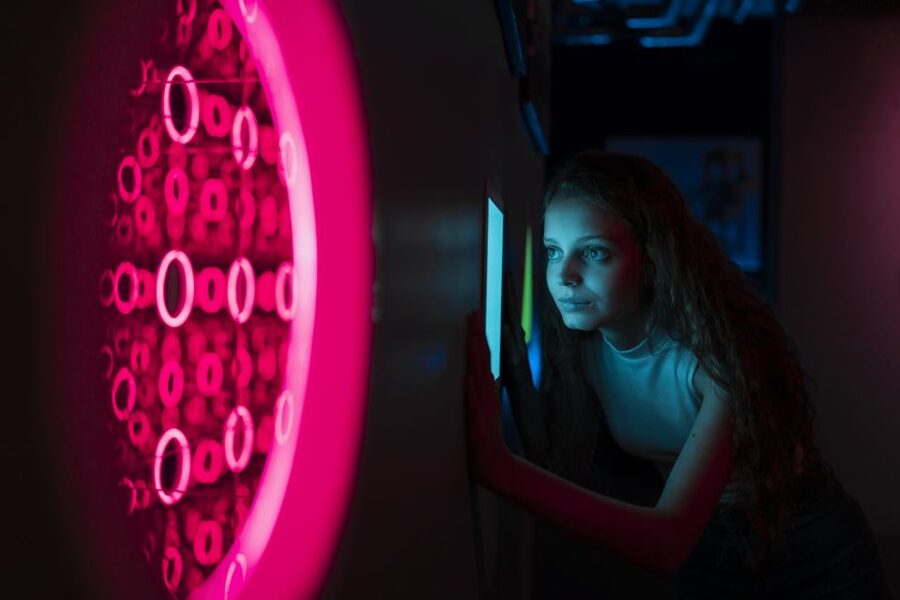
The DeJa Vu Museum is not a traditional art museum where you quietly walk from frame to frame. It is built around participation. You become part of the illusion, and your friends or family often become the audience, photographers, or fellow puzzle-solvers.
That makes the location useful. You can reach the museum from Alexanderplatz, with the entrance roughly 300 meters from the Fernsehturm. It is easy to pair with sightseeing in central Berlin, and the 1.5-hour length fits neatly between other plans.
I would think of this as a focused indoor activity rather than a full afternoon attraction. Some visitors move through the rooms in about 30 minutes, while others spend closer to the suggested 1.5 hours by taking photos, repeating puzzles, and waiting for access to smaller installations.
The best mindset is simple: come ready to interact. If you only want to look at finished art, the museum may feel light. If you enjoy testing visual tricks and posing for unusual pictures, it has much more appeal.
More museums in Berlin:
- Berlin: Jewish Museum Berlin Entrance Ticket
★ 4.5 · 8,393 reviews - Berlin: DDR Museum Tickets
★ 4.3 · 3,443 reviews - Berlin: Natural History Museum Entrance Ticket
★ 4.6 · 3,382 reviews
Starting with the gallery spaces
Your visit begins in the museum’s gallery areas, where the emphasis is on optical illusions and art that plays with perception. The key idea is that your eyes can report something different from what is physically in front of you.
That sounds simple, but the fun comes from seeing the effect in person. You may need to change your position, look from a different angle, or study an image for a moment before the trick becomes clear. The exhibits reward curiosity more than specialist art knowledge.
The museum also includes puzzles, so you are not just walking past displays. You get a reason to stop and work something out. For children and teenagers, this can make the visit feel more like an activity than a museum lesson. Adults may enjoy the same exhibits for the clever construction and the chance to see familiar visual rules misbehave.
One practical point: the experience is more enjoyable with a companion. A friend can take your photo, help solve a puzzle, or react to the illusion with you. You can visit alone, but the social side is a large part of the fun.
Oleg Shupliak’s portraits reward a close look
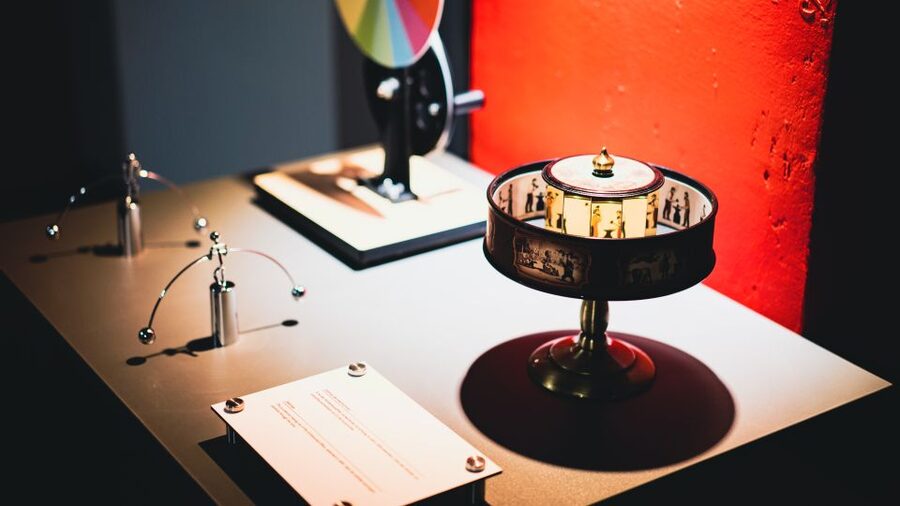
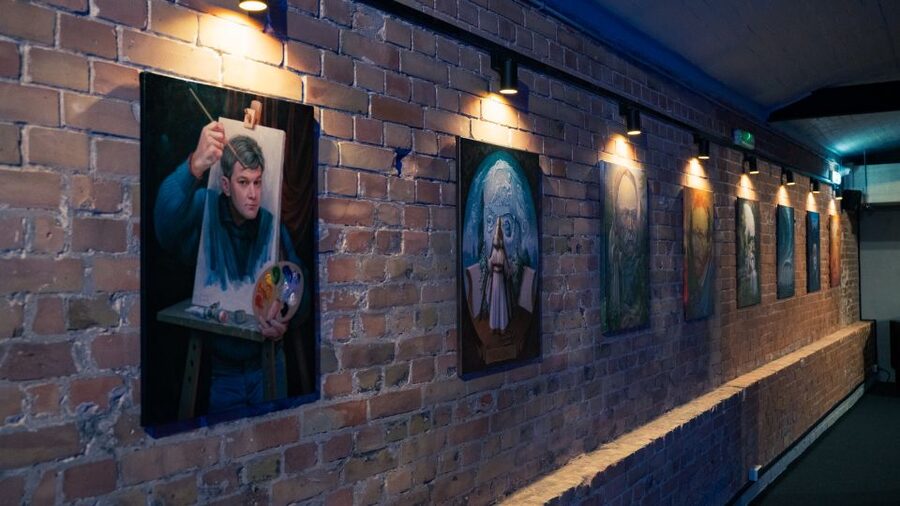
One of the more distinctive parts of the museum is the art gallery by painter Oleg Shupliak. His portraits use layers of imagery, so the first face you see is not always the only subject in the picture.
You are invited to guess who is portrayed. That turns the gallery into a visual game. Instead of simply reading a label and moving on, you examine the painting and search for the second image hidden in its shapes and details.
I like this section because it gives the museum a little more substance than a collection of photo rooms. The paintings ask you to slow down. They also provide a good change of pace after the more physical exhibits and mirror installations.
Do not expect a long traditional art collection. The appeal is the optical trick within each work, not a broad survey of the painter’s career. Still, it is a useful reminder that illusion can work on a painted surface just as effectively as it does in a room.
The Beuchet-Stuhl and other hands-on puzzles
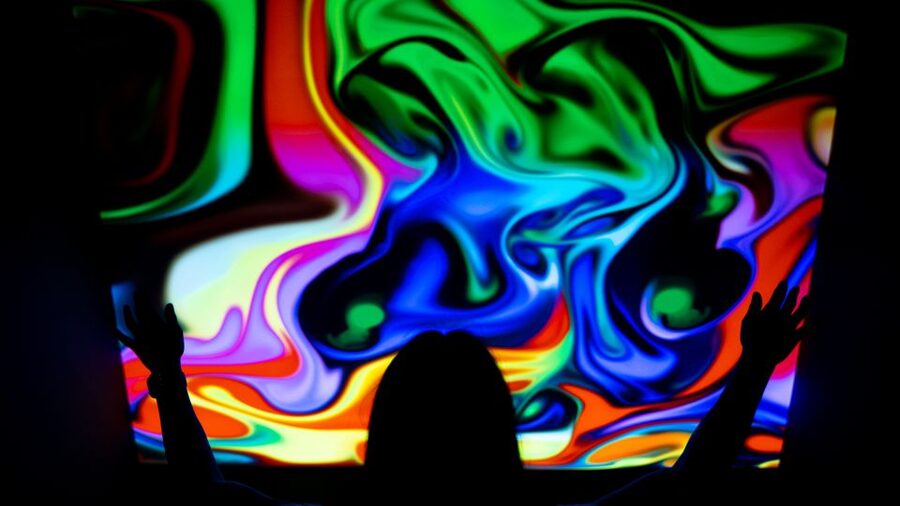
The Beuchet-Stuhl is among the named interactive exhibits, and it fits the museum’s main idea: perspective can make bodies and objects appear to change size or position.
This is the sort of display that works best when you try it rather than watch someone else. You become part of the setup, and a carefully chosen camera angle can make the final image especially amusing. The museum encourages that kind of participation throughout the visit.
The Interactive Sandbox adds another tactile element. It gives you a chance to manipulate the display and see how your actions affect what appears before you. That matters for younger children, who may lose interest in paintings but stay engaged when they can actively change something.
The Dark Room offers a different mood. It removes some of the visual information you normally rely on, making you pay closer attention to light, shape, and perception. The contrast between a darkened installation and the bright mirror rooms keeps the visit from feeling like one long repeat of the same trick.
The exhibits are not all equal in impact. Some are quick to understand, while others need a little patience. That is part of the charm, though it also explains why the experience may feel brief if you move quickly from one display to the next.
A few more Berlin tours worth weighing up
- Berlin: Berlin Story Bunker Entry Ticket
★ 4.6 · 6,759 reviews - Berlin: Illuseum Berlin Entrance Ticket
★ 4.1 · 3,970 reviews - Berlin: Madame Tussauds Admission Ticket
★ 4.6 · 3,941 reviews - Berlin: Neues Museum Entry Ticket
★ 4.6 · 3,261 reviews
Projector rooms put you inside the artwork
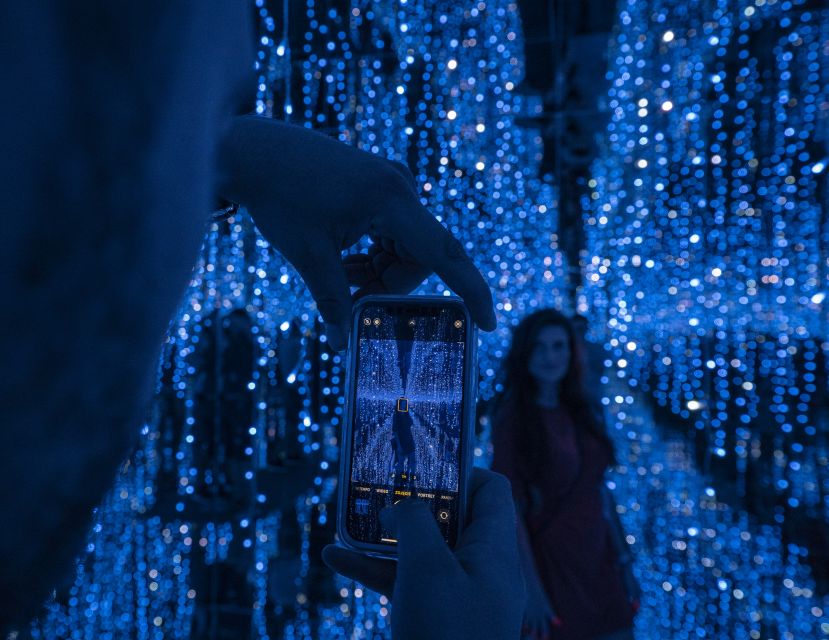
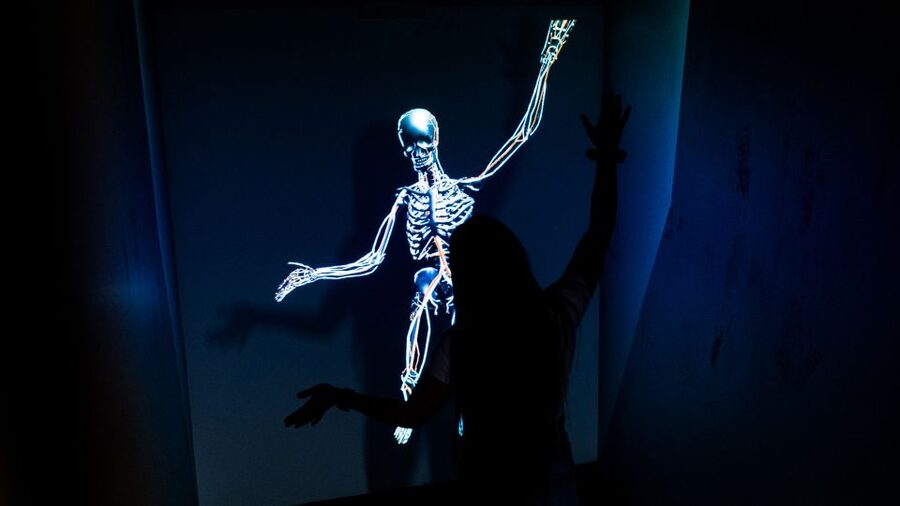
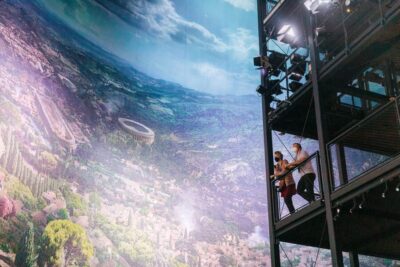
The projector rooms make you the focus of the illusion. Rather than standing outside a finished image, you appear within the projected artwork and become part of what other people see.
This is a strong choice for groups. One person can pose while others watch the scene take shape or record it. You may want to switch roles so everyone gets a turn in front of the projection.
The museum’s approach is entertainment first, but there is a small lesson built into it. You see how scale, placement, light, and perspective can alter the way a scene reads. The lesson is not delivered through a long explanation. You pick it up by standing in the right place and seeing the image change.
If the museum is busy, these rooms can affect your timing. You may need to wait for the space to clear before you get the best position. Patience helps, especially if you want a particular photo rather than a quick look.
Mirror rooms, kaleidoscopes, and the best photo stops
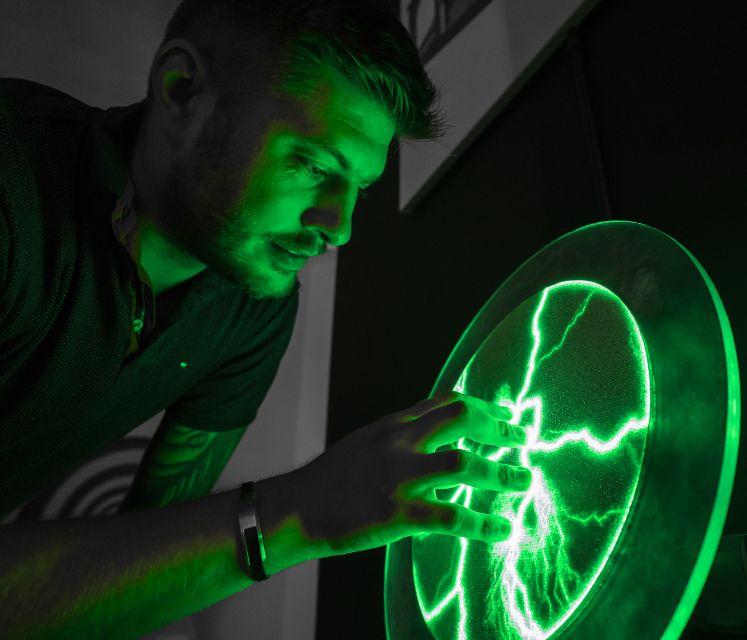
Themed mirror rooms are likely to be the most memorable part for many visitors. The Starroom and Abyss create very different settings, but both use reflection to make the space feel larger, stranger, or less stable than it really is.
The colorful kaleidoscopes are another natural photo stop. Reflections and repeated shapes can produce strong images, especially when you experiment with your position instead of taking only one picture.
You should bring a phone with enough battery for photos and videos. That is practical advice rather than a minor detail: the museum is designed around visual moments, and you will likely want to record more than one.
Still, keep your expectations sensible. These are themed installations, not vast sets or elaborate cinematic productions. Their appeal comes from the illusion and the way you appear inside it. A good companion who knows how to frame a picture can make the experience much better.
The mirror rooms may also create bottlenecks. Smaller rooms can hold only two people, so one slow-moving group can affect everyone behind them. A quiet weekday or a less crowded time can make a major difference. One reported visit on a Thursday afternoon found the museum comfortable and unhurried, while weekend waits were a concern.
How long the visit really takes
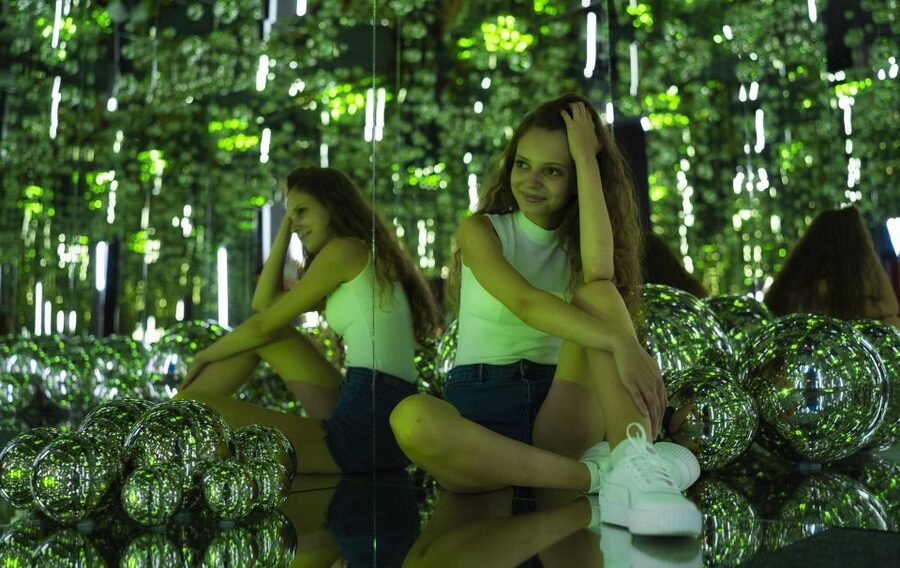
The stated duration is 1.5 hours, and that is a reasonable amount of time if you interact with the exhibits and take pictures. You may spend less time if you simply walk through each room.
A 30-minute visit is possible. That does not mean the museum has nothing to offer, but it does show why the experience feels different for different people. Families may spend longer because children try each puzzle. Friends may pause for photos. Someone visiting alone may move through more quickly.
I would allow the full 1.5 hours in your schedule, while treating the time as flexible. It is short enough to fit into a packed Berlin day, but long enough to feel like a proper stop when the museum is not crowded.
The timing also makes it useful in poor weather. You get an indoor activity close to major central sights, and the museum does not demand the planning or stamina of a full-day attraction.
Who gets the best value from $17
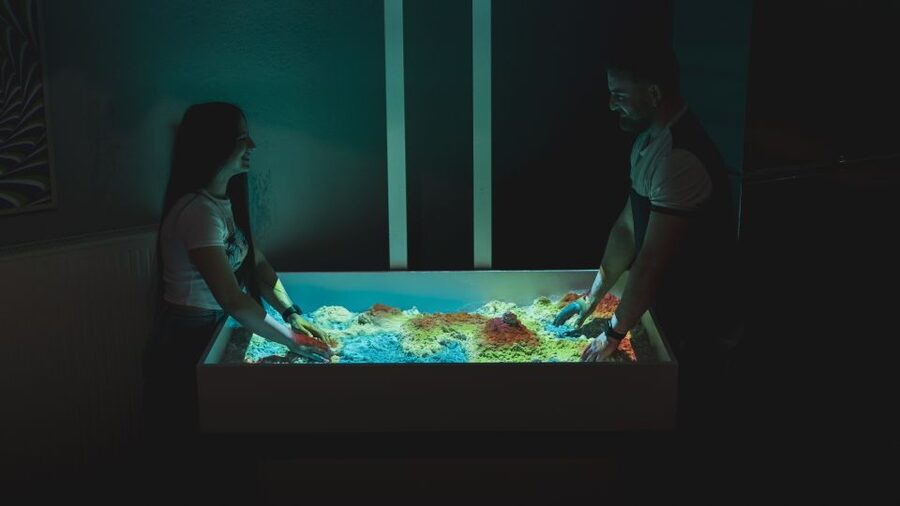
At $17 per person, the DeJa Vu Museum offers reasonable value if you want an interactive activity near Alexanderplatz. You are paying for access to two floors, the optical illusion displays, puzzles, mirror rooms, projector rooms, and Oleg Shupliak’s gallery.
The value is strongest for families, teenagers, and groups of friends. A child who enjoys making, testing, and posing will probably get more from the visit than someone who prefers quiet historical exhibits. The museum also gives groups a shared activity, rather than leaving everyone to look at separate objects.
For adults, the value depends on your interest in visual tricks. If you like unusual photographs and playful installations, $17 is a fair price for an hour or so of entertainment. If you expect a large art collection or a long guided tour, you may find the visit limited.
The price also compares well with the time commitment. You do not need to give up half a day, and the central location lets you combine it with other Berlin plans. I would see it as a good add-on rather than the main reason to visit Alexanderplatz.
The practical limits you should consider
The museum is not suitable for people with mobility impairments, according to the activity information. It is also not suitable for people with epilepsy. These are important points to check before booking.
Pets are not allowed, and food, drinks, alcohol, and drugs are prohibited inside. The available host or greeter languages are English, German, Polish, Spanish, and French.
Crowds are the biggest day-to-day concern. Since some rooms are small and may hold two people, a busy weekend can turn a quick sequence of exhibits into a stop-and-start visit. If you have flexibility, I would choose a quieter time and avoid building another tightly timed booking immediately afterward.
The museum also has a clear entertainment focus. Its lessons about perception are real, but they come through play rather than detailed scientific explanation. Go for the experience of seeing and testing optical illusions, not for a formal class in vision science.
Is the DeJa Vu Museum right for your Berlin plans?
I would book the DeJa Vu Museum if you want a central, indoor activity with strong photo potential and you are traveling with children, teenagers, or friends. The combination of mirror rooms, puzzles, projector exhibits, and unusual art gives everyone something to try.
I would hesitate if you dislike interactive displays, need step-free access, or want a long museum visit with a large collection. You should also be cautious about peak times, since small rooms can lead to waits.
For most visitors, the best plan is to allow 1.5 hours, bring a charged phone, and visit when the museum is likely to be quieter. At $17, it is a sensible choice for a playful break near Alexanderplatz, especially on a rainy day.
FAQ
Where is the DeJa Vu Museum in Berlin?
The museum entrance is near Alexanderplatz, roughly 300 meters from the Fernsehturm.
How long does the DeJa Vu Museum visit last?
The stated duration is 1.5 hours. Some people may move through the rooms in about 30 minutes, while others spend longer taking photos and using the interactive exhibits.
How much does admission cost?
The entrance ticket costs $17 per person.
What can I see at the museum?
You can see interactive exhibits, mirror rooms, puzzles, projector rooms, gallery spaces, kaleidoscopes, and an art gallery by painter Oleg Shupliak.
Is the museum suitable for children?
Yes. The interactive puzzles, photo opportunities, and hands-on displays make it suitable for children and teenagers.
Can I take photos and videos inside?
Yes. The museum includes colorful kaleidoscopes, themed mirror rooms, and projector spaces designed for memorable photos and videos.
Which languages are available?
The host or greeter languages are English, German, Polish, Spanish, and French.
Can I bring my pet?
No. Pets are not allowed inside the museum.
Can I bring food or drinks?
No. Food and drinks are not allowed. Alcohol and drugs are also prohibited.
Is the museum suitable for people with epilepsy?
No. The activity information says the museum is not suitable for people with epilepsy.
Can I cancel my booking?
You can cancel up to 24 hours in advance for a full refund. A reserve-now-and-pay-later option is also available.
Just added around Berlin
- Berlin Highlights in One Day★ 5.0 · 3 reviews
- Transfer from Berlin Schönefeld Airport (SXF) to Berlin city Hotels – ROUND TRIP★ 4.0 · 3 reviews
- Private Berlin One Day Tour with a Local: See the City Unscripted★ 3.5 · 3 reviews
- Individual city tour Berlin for max. 8 persons★ 5.0 · 3 reviews
- Berlin: Museum Island Tour★ 5.0 · 3 reviews
- Private Analogue Photography Experience in Berlin★ 5.0 · 3 reviews
- Berlin: Local Food Tour in Secrets Hidden Gems★ 4.0 · 3 reviews
- Berlin & The Third Reich Private Guided Tour★ 5.0 · 3 reviews
Museums, compared.




Skip-the-Line: Berlin Wall Museum at Checkpoint Charlie
Read our review →
“Pergamonmuseum. The Panorama” Exhibition Tickets
Read our review →
Browse the lists this tour appears in