
Review · MUSEUMS
Berlin: Museum Europäischer Kulturen Entry Ticket
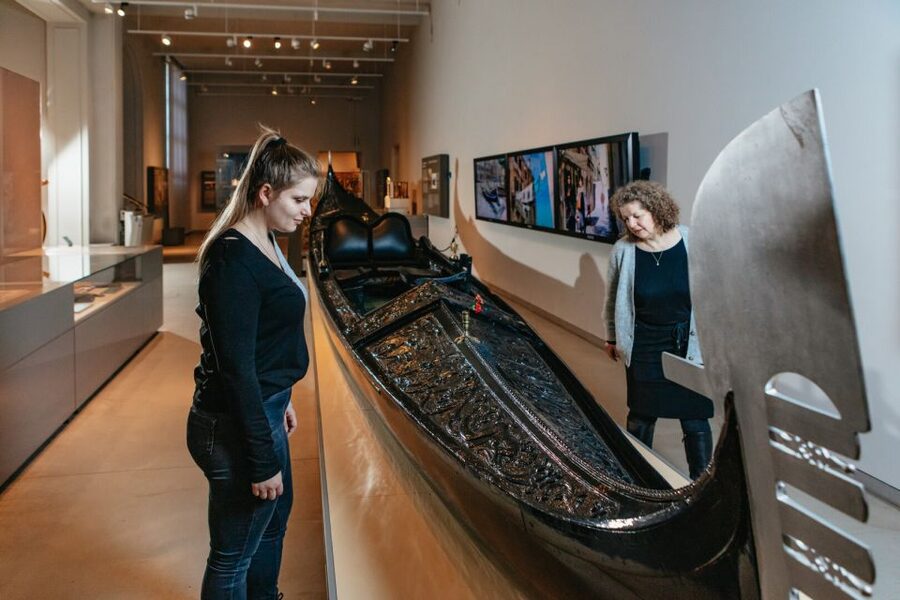
The Museum Europäischer Kulturen tells Europe’s story through the things people use, make, eat, and keep. Instead of focusing only on grand art, it brings you face to face with everyday objects from the 18th century to today, then connects them to changing ideas about identity, contact, and life across borders.
I like the mix of old and new, and I like that the permanent exhibition, Cultural Contacts: Living in Europe, is paired with temporary shows that tackle present-day subjects. The main drawback is practical: backpacks are not allowed, and the museum is not suitable for wheelchair users, so you should check those points before booking.
In This Review
- Key points to know before you go
- A museum about Europe as people live it
- Following Cultural Contacts: Living in Europe
- From arts and crafts to food and music
- Why the temporary exhibitions matter
- How much time to allow for the visit
- The $11 ticket and what it includes
- Practical matters that can shape your visit
- Who will get the most from this museum
- Should you book the Museum Europäischer Kulturen?
- FAQ
- How much does entry to the Museum Europäischer Kulturen cost?
- How long is the ticket valid?
- What does the ticket include?
- Does the visit include a guide?
- When does the museum close?
- Are backpacks allowed?
Key points to know before you go
- European daily life takes center stage: Expect arts, crafts, music, food-related objects, and customs rather than a museum focused only on famous paintings.
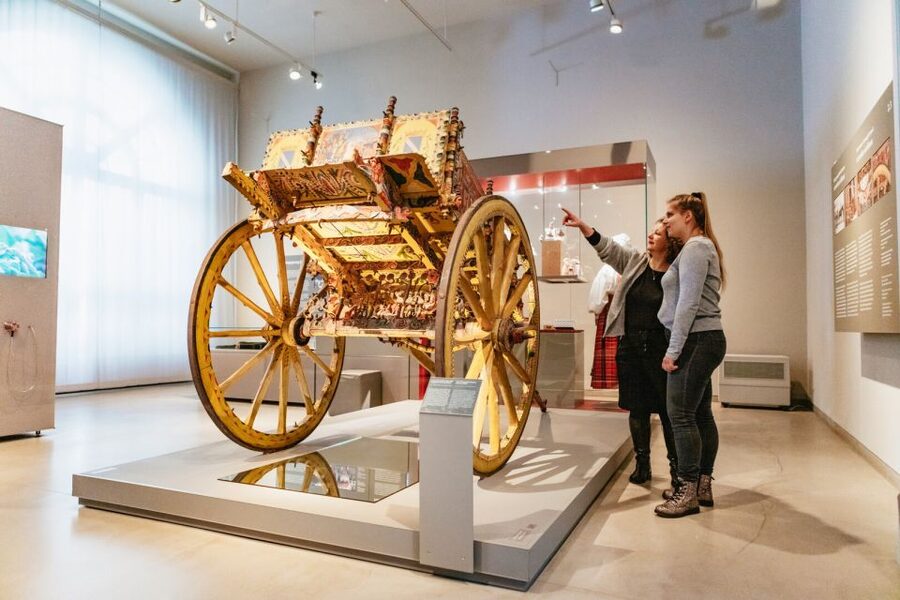
- The collection spans centuries: Displays move from the 18th century through modern times, giving you a clear sense of change.
- Cultural contact is the main idea: The exhibits look at how European cultures meet, influence one another, and evolve.
- Permanent and temporary exhibitions are included: Your ticket covers entry and the permanent displays, while temporary exhibitions add a changing subject to the visit.
- A low-cost Berlin museum stop: At $11, this works well as a thoughtful indoor activity, especially if you want more than a quick gallery visit.
- Plan around firm closing times: The museum closes at 5:00 PM Tuesday through Friday and at 6:00 PM Saturday and Sunday.
A museum about Europe as people live it
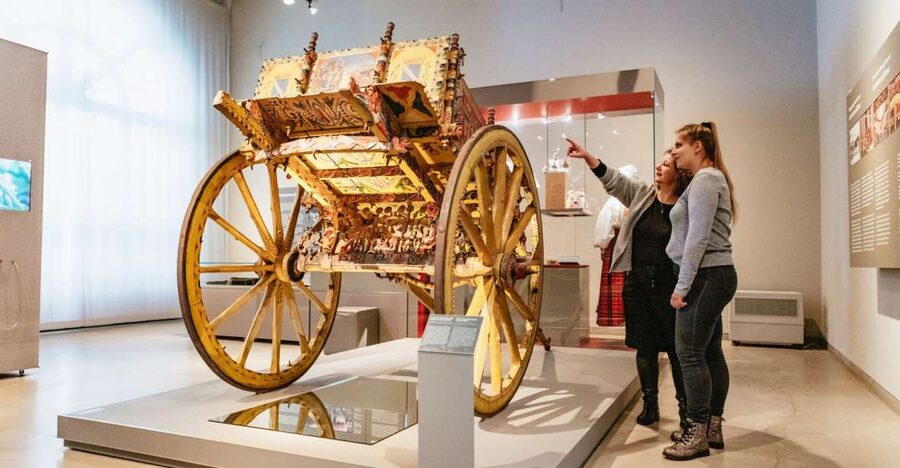
This museum takes a useful approach to European culture. You are not simply shown royal objects, religious art, or famous masterpieces. Instead, you see the marks of ordinary life: crafts, musical traditions, culinary objects, clothing-related material, and other items that help explain how communities express themselves.
That focus makes the visit feel more personal. A small object can tell you about work, family customs, faith, celebration, trade, or changing tastes. You might recognize a familiar habit in one display, then see how a similar idea takes a different form elsewhere in Europe.
The collection begins in the 18th century and continues into the present. This long time span gives you a chance to watch customs change instead of treating culture as something fixed in the past. The modern material matters just as much as the historic pieces because it shows that European identity is still being shaped.
I would come here if you enjoy museums that ask how people live, not just who ruled or which artist painted a famous work. It is also a good choice if you want a break from Berlin’s better-known art museums and prefer a visit built around social history and daily experience.
More museums in Berlin:
- Berlin: Jewish Museum Berlin Entrance Ticket
★ 4.5 · 8,393 reviews - Berlin: DDR Museum Tickets
★ 4.3 · 3,443 reviews - Berlin: Natural History Museum Entrance Ticket
★ 4.6 · 3,382 reviews
Following Cultural Contacts: Living in Europe
The permanent exhibition, Cultural Contacts: Living in Europe, is the central reason to buy this ticket. It presents sections of the museum’s collection and research around the idea of contact between cultures.
That theme gives the displays a useful thread. Europe is not presented as a group of sealed-off national boxes. Instead, the exhibition considers movement, exchange, shared traditions, and the way objects can carry ideas across borders.
You can expect the permanent displays to move between historic collections and items from the present day. The shift matters. A centuries-old craft tradition may sit within a larger story about how communities preserve identity, while a contemporary object can raise questions about migration, belonging, or the way customs change.
The museum’s public study, called the Contemporary Showcase, also informs this approach. You do not need to treat the visit like a research project, but the connection between public input, collection work, and exhibition design gives the modern sections extra weight.
For me, the strongest part of this format is the comparison. You are encouraged to notice both difference and overlap. Food, music, handmade objects, and decorative arts can look local at first, yet the broader story often reveals shared methods or long contact between regions.
From arts and crafts to food and music
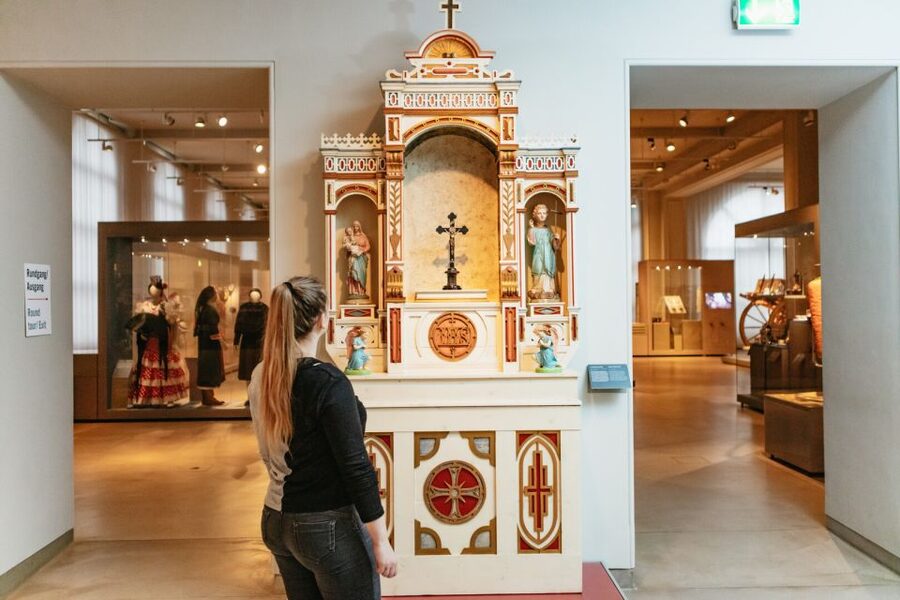
The museum’s range is one of its best features. You will find arts and crafts alongside material connected with music and culinary traditions, so the collection does not stay in one artistic lane.
That variety keeps the visit moving. One display may make you think about how an object was made, while another points toward sound, celebration, domestic life, or the role of food in community traditions. These are subjects you can understand without specialist knowledge.
The culinary material is especially useful for connecting culture to routine. Food is not just a list of national dishes. It involves tools, preparation, sharing, celebration, migration, and memory. Objects linked to food can show how a custom travels or how a local practice changes when people move.
Music offers another way into the subject. Instruments and related objects can point to community life, performance, ceremony, and exchange. Even when you do not know the musical background, the objects help show that cultural traditions are practiced, not merely displayed.
The arts and crafts displays add a hands-on feeling to the collection. They remind you that design is often tied to use. A crafted object may be beautiful, but it can also tell you about available materials, local skill, social status, or the needs of a household.
Why the temporary exhibitions matter
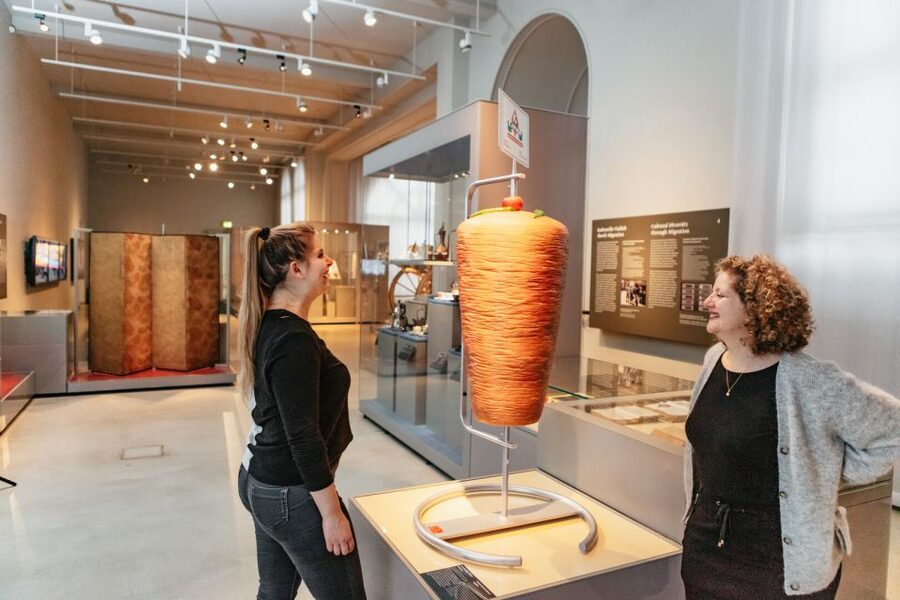
Do not treat the temporary exhibition as an extra that you can ignore. One of the strengths of this museum is the way the changing displays bring current questions into conversation with older collections.
A past temporary exhibition on fast versus slow fashion is a good example of the kind of subject that can work well here. Fashion connects production, consumption, labor, environmental concerns, personal style, and cultural identity. It also shows how an ordinary part of daily life can raise large questions.
The exact temporary exhibition will change, so you should check what is showing on your chosen date. The important point is the balance: the permanent exhibition gives you a broad framework, while the temporary display lets the museum respond to a focused issue.
This pairing also helps prevent the historic objects from feeling disconnected from modern life. You can look at older traditions, then consider how similar questions appear today in new forms.
The permanent and temporary areas were both praised for being interesting and carefully organized. That matches the museum’s subject. With a collection covering several centuries and many forms of cultural expression, clear organization is essential. Otherwise, the objects could feel like a pile of unrelated things.
A few more Berlin tours worth weighing up
- Berlin: Berlin Story Bunker Entry Ticket
★ 4.6 · 6,759 reviews - Berlin: Illuseum Berlin Entrance Ticket
★ 4.1 · 3,970 reviews - Berlin: Madame Tussauds Admission Ticket
★ 4.6 · 3,941 reviews - Berlin: Neues Museum Entry Ticket
★ 4.6 · 3,261 reviews
How much time to allow for the visit
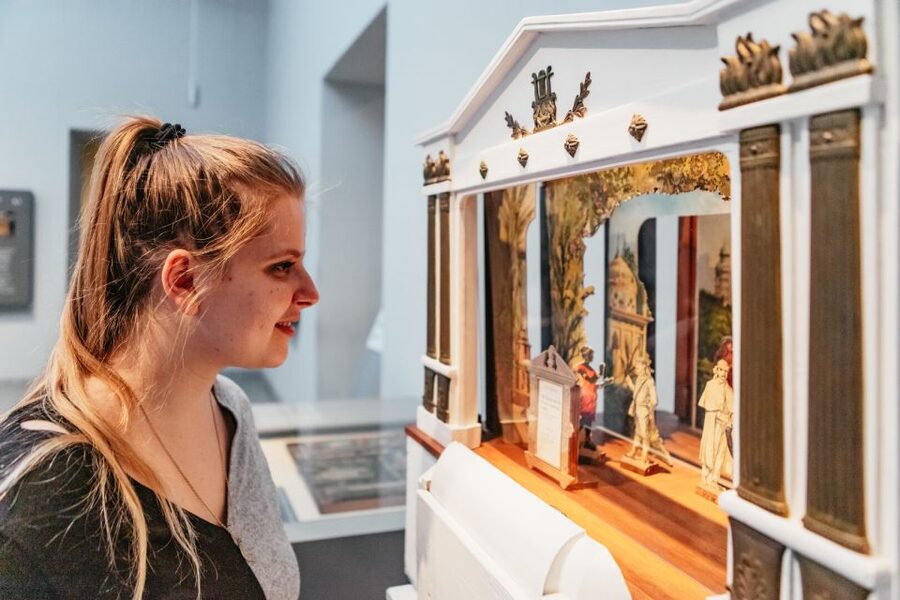
Your ticket is valid for one day, so you have room to set your own pace. There is no scheduled route or guide-led timetable described for this entry, which means you can spend extra time on displays that catch your attention and move more quickly through sections that interest you less.
I would plan this as a substantial museum stop rather than a quick half-hour look. The collection stretches from the 18th century to today, and the permanent exhibition covers several types of cultural material. Add a temporary exhibition, and you have enough material for a thoughtful visit.
The closing time makes planning important. From Tuesday through Friday, the museum closes at 5:00 PM. On Saturday and Sunday, it closes at 6:00 PM. Since no late evening hours are listed, arriving earlier gives you a better chance to see both the permanent and temporary displays without rushing.
A practical plan is to begin with the permanent exhibition, then use the temporary show to sharpen your understanding of the museum’s central ideas. You can also reverse that order if the temporary exhibition has a subject you especially want to see.
The museum works well on a day when you want an indoor cultural stop with a clear subject. It may be less suitable if you only have time for a fast photo stop or if you prefer museums built around one famous artist or a small group of iconic objects.
The $11 ticket and what it includes
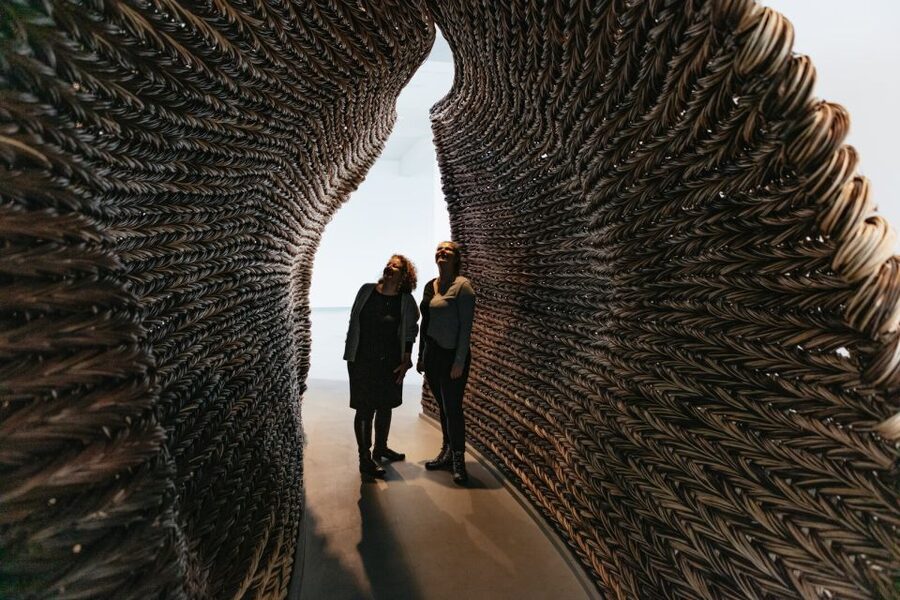
At $11 per person, this is a reasonably priced museum visit for Berlin. The value comes from the breadth of the collection: you are paying for access to a permanent exhibition that covers European culture across several centuries, not just one small display.
The ticket includes entrance to the museum and its permanent exhibitions. Information supplied for the activity does not promise a guided tour, transport, meals, or any special workshop, so you should book it as a self-guided museum visit.
That is good news for independent visitors. You can read at your own speed, pause over objects that feel familiar, and spend more time with topics such as food, music, or craft. It also keeps the cost clear.
The temporary exhibition is an important part of the museum experience, but the listed inclusion specifically guarantees museum entry and permanent exhibitions. Check the details for your date if seeing a particular temporary show is the main reason you want to go.
The ticket is non-refundable. That matters more here than it might for a flexible outdoor activity because the museum’s closing times are firm and the ticket is valid for one day. Pick a date when you can realistically arrive with enough time to look around.
Practical matters that can shape your visit
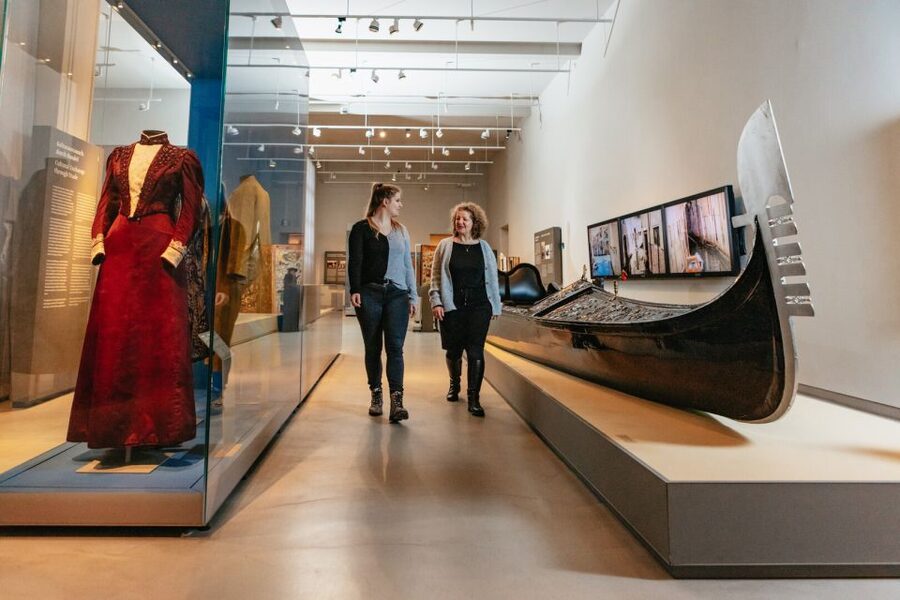
Backpacks are not allowed. This is the detail most likely to catch you off guard, so avoid arriving with a large bag and do not assume you can carry it through the galleries.
The activity information also says the museum is not suitable for wheelchair users. If you need step-free access or other mobility support, contact the museum directly before making plans rather than relying on the standard entry ticket.
Wearing a medical or FFP2 mask is recommended but not mandatory. You can treat this as a personal comfort and health choice, not as a stated entry requirement.
No guide names are provided, and this is an entry ticket rather than a named guided tour. You should expect to explore independently and use the exhibitions themselves to build the story.
The museum is in Berlin State, Germany, but the supplied details do not give a street address or transport instructions. For that reason, confirm the exact entrance and route before you set out, especially if you are fitting this visit between other Berlin plans.
Who will get the most from this museum
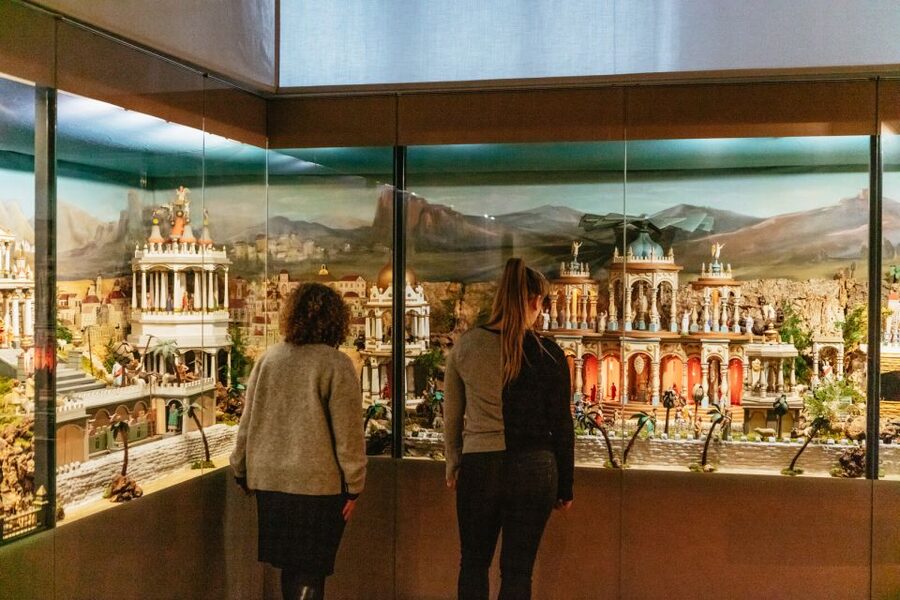
I would recommend this experience to you if you like cultural museums, social history, design, folk traditions, or exhibits that connect historic objects with current questions. It is also a good fit if you want to understand Europe through ordinary life rather than through political borders alone.
Families with older children may find the mix of objects easier to discuss than a museum made up only of paintings. The subjects are broad enough to prompt questions about food, music, clothing, making things, and customs.
It should also suit repeat visitors to Berlin who have already seen the major art collections. The museum offers a different angle on the city’s cultural scene and on Europe itself.
You may want to choose another activity if accessibility is a concern, if you need a late-night museum, or if carrying a backpack is essential. You should also check the temporary exhibition before booking if a particular modern subject is the deciding factor.
Should you book the Museum Europäischer Kulturen?
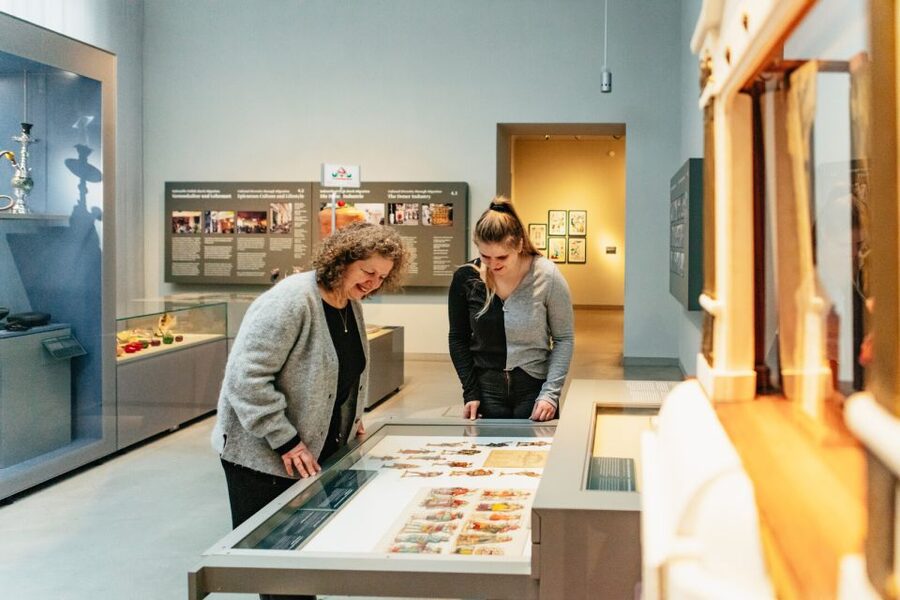
Book it if you want a reasonably priced, self-guided museum visit with a clear focus on European daily life. The strongest reasons are the broad time span, the mix of arts, crafts, music, and culinary culture, and the connection between permanent displays and changing subjects.
At $11, it offers solid value for a full museum stop, especially if you enjoy taking your time with objects rather than rushing from one famous sight to the next. Just plan around the early closing hours, leave your backpack behind, and confirm that the accessibility arrangements work for you.
FAQ
How much does entry to the Museum Europäischer Kulturen cost?
The listed price is $11 per person.
How long is the ticket valid?
The ticket is valid for one day.
What does the ticket include?
It includes entrance to the museum and its permanent exhibitions.
Does the visit include a guide?
The activity is an entry ticket, and no guide or guided tour is specified.
When does the museum close?
It closes at 5:00 PM Tuesday through Friday and at 6:00 PM Saturday and Sunday.
Are backpacks allowed?
No. Backpacks are not allowed inside the museum.
Just added around Berlin
- Berlin Highlights in One Day★ 5.0 · 3 reviews
- Private Berlin One Day Tour with a Local: See the City Unscripted★ 3.5 · 3 reviews
- Individual city tour Berlin for max. 8 persons★ 5.0 · 3 reviews
- Transfer from Berlin Schönefeld Airport (SXF) to Berlin city Hotels – ROUND TRIP★ 4.0 · 3 reviews
- Berlin: Museum Island Tour★ 5.0 · 3 reviews
- Private Analogue Photography Experience in Berlin★ 5.0 · 3 reviews
- Berlin: Local Food Tour in Secrets Hidden Gems★ 4.0 · 3 reviews
- Berlin & The Third Reich Private Guided Tour★ 5.0 · 3 reviews
Museums, compared.




Skip-the-Line: Berlin Wall Museum at Checkpoint Charlie
Read our review →

“Pergamonmuseum. The Panorama” Exhibition Tickets
Read our review →Browse the lists this tour appears in