
Review · MUSEUMS
Berlin: Museum of Communication Entrance Ticket
The Museum of Communication Berlin turns a familiar subject into a surprisingly lively visit. You move from hand axes and postal systems to smartphones, while interactive stations let you send signals by light, sound, or smoke. The famous Blue Mauritius stamp adds a small but memorable treasure-hunt moment.
I like the museum’s hands-on communication gallery, especially for families, and I like that the audio-visual app lets you set your own pace rather than follow a guide. The main drawback is its limited length for a full day: most people will likely spend about 1.5 hours here, so you should pair it with another central Berlin sight.
In This Review
- Key points to know
- From hand axes to smartphones in 1.5 hours
- Entering the museum and getting oriented
- The communication gallery puts you to work
- The Blue Mauritius adds a rare stamp to the visit
- Postal history meets modern communication
- Berliner Salon and the quieter parts of the museum
- Why the self-guided format works
- Practical timing, payment, and access
- Who will get the most from this ticket?
- Should you book the Museum of Communication?
- FAQ
- Do I need to reserve a time slot?
- How long does the visit last?
- Is the audio-visual app included?
- Is the museum wheelchair accessible?
- When is the museum closed?
- Is hotel transportation included?
Key points to know
- See the Blue Mauritius: One of the world’s rarest and most famous stamps is part of the museum’s postal collection.
- Trace 40,000 years of communication: The displays connect ancient tools with modern smartphones.
- Try the interactive terminals: Send messages using smoke, light, and acoustic signals.
- Use the audio-visual app: The included app helps you explore independently.
- Plan for about 1.5 hours: It is a focused museum visit, not an all-day attraction.
- Good for families and curious adults: Several exhibits invite you to touch, test, and participate.
From hand axes to smartphones in 1.5 hours
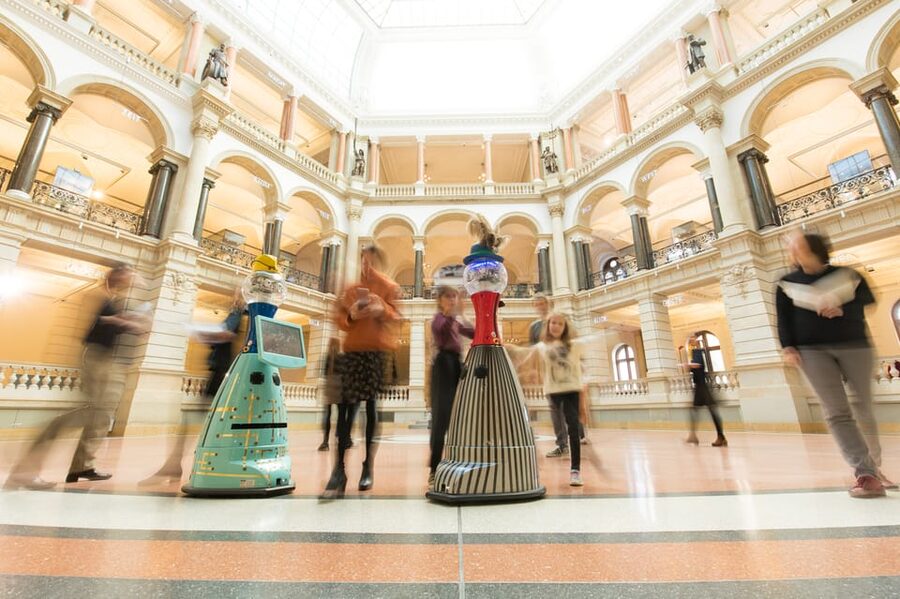
This museum’s central idea is simple: people have always needed ways to share information. The displays follow that need across roughly 40,000 years, showing how communication changes with tools, technology, and society.
You can expect around 2,000 objects, arranged to connect major steps in human communication. The story begins with early tools and moves through postal systems, signals, media, and digital devices. The point is not just to show old objects in glass cases. It is to help you consider how each new method changed daily life.
That approach gives the museum more range than a traditional postal collection. You will see the expected mail-related material, but you will also encounter broader questions about how people greet one another, pass on news, record information, and communicate across distance.
The museum also links its displays to current debates. This means the exhibits are not frozen in the past. They invite you to think about the way you communicate now, from face-to-face greetings to smartphone messages and digital displays.
More museums in Berlin:
- Berlin: Jewish Museum Berlin Entrance Ticket
★ 4.5 · 8,393 reviews - Berlin: DDR Museum Tickets
★ 4.3 · 3,443 reviews - Berlin: Natural History Museum Entrance Ticket
★ 4.6 · 3,382 reviews
Entering the museum and getting oriented

Your visit begins at the Museum for Communication Berlin, with no time slot required. That makes the ticket useful for a flexible sightseeing day. You can fit the museum between other stops instead of organizing your entire schedule around a timed entry.
The visit is self-guided. The included audio-visual app gives you another way to move through the galleries, which is helpful if you want more context than a quick look at the objects. It also lets different people in your group focus on different displays without keeping everyone together.
I would allow about 1.5 hours for a solid visit. You can move faster if you are mainly interested in stamps and postal objects, or take longer at the interactive stations. The museum’s format works well for independent exploration, but you should not expect a live guide leading a group from room to room.
The ticket is listed at about $9 per person. That is a reasonable price for a central museum visit with an audio-visual guide and several hands-on sections. Its value is strongest when you enjoy learning by trying things, not simply looking at collections.
The communication gallery puts you to work
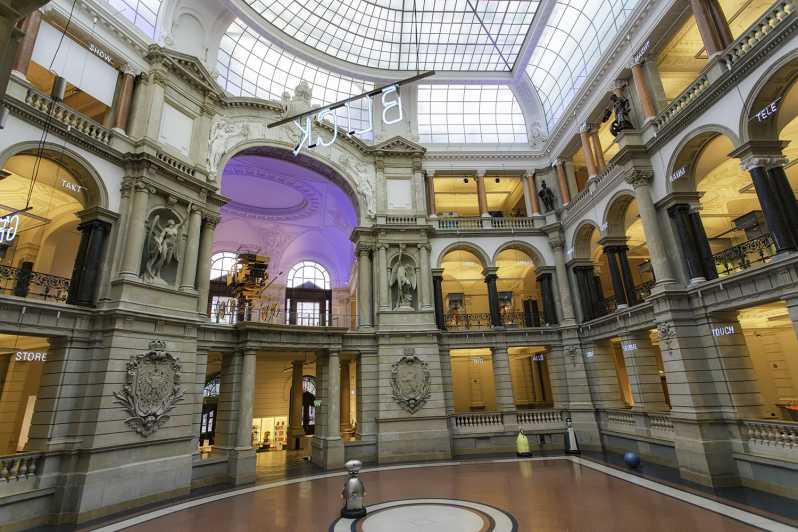
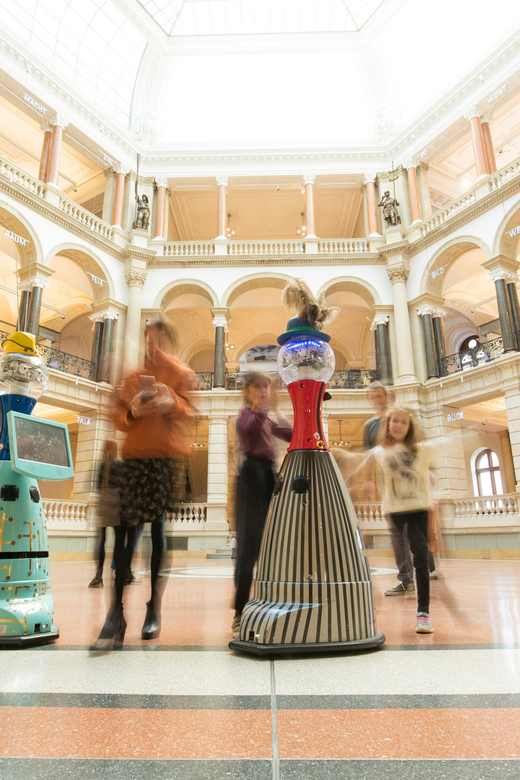
The communication gallery around the atrium is the liveliest part of the visit. It contains interactive terminals where you can test basic ideas about communication rather than only read about them.
You might send the latest news by smoke, light, or acoustic signals. The activity sounds simple, but it makes an important point: communication depends on a shared code, a sender, a receiver, and a suitable way to carry the message.
Digital displays add another layer. You can explore how messages travel and how people interpret signals in different settings. The museum also includes ways to learn how to greet people from around the world, giving the subject a social and human side.
This area is especially useful if you are visiting with children. A young visitor can understand a working signal station more easily than a long written explanation about communication theory. Adults may find the same displays useful because they expose the rules hidden inside everyday actions.
The interactive features do not replace the museum’s collections. They give you a reason to pause, experiment, and connect the objects with something you already do. If you have limited time, make this gallery a priority.
The Blue Mauritius adds a rare stamp to the visit
The Blue Mauritius is one of the museum’s major draws. It is among the world’s most famous and rarest stamps, so its presence gives the postal section a clear focal point.
A single stamp can seem small beside large historical objects, but that is part of the appeal. The Blue Mauritius shows how an ordinary tool of communication can become a prized cultural object. It also gives you a memorable detail to look for instead of treating the postal displays as one long row of similar material.
You should not expect an entire museum devoted only to famous stamps. The Blue Mauritius is one element within a much wider story. Still, it is a strong reason to visit if you collect stamps, enjoy unusual objects, or want a short stop with one especially recognizable highlight.
Take time to read the surrounding information rather than simply checking the stamp off your list. Its importance makes more sense when you consider the role of postal systems in connecting people before telephones, email, and smartphones.
A few more Berlin tours worth weighing up
- Berlin: Berlin Story Bunker Entry Ticket
★ 4.6 · 6,759 reviews - Berlin: Illuseum Berlin Entrance Ticket
★ 4.1 · 3,970 reviews - Berlin: Madame Tussauds Admission Ticket
★ 4.6 · 3,941 reviews - Berlin: Neues Museum Entry Ticket
★ 4.6 · 3,261 reviews
Postal history meets modern communication
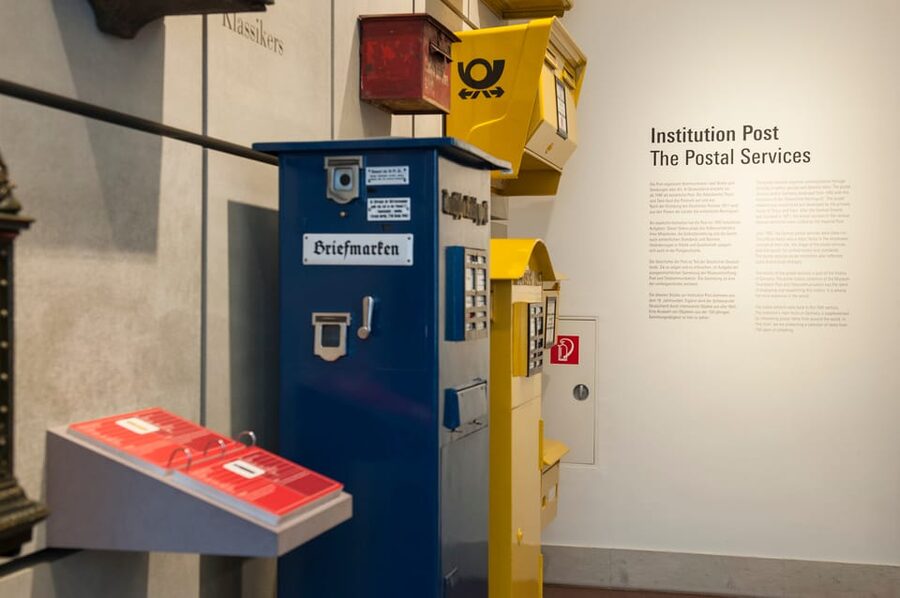
The museum’s postal focus is important because it shows how communication once depended on physical routes. Letters, stamps, delivery systems, and postal networks made it possible to maintain relationships and conduct business across distance.
The broader displays then carry the story forward. Signals and electronic systems reduced the need to move a physical message. Digital communication reduced it again, allowing information to travel almost instantly.
That progression gives you a useful way to understand modern technology. The smartphone is not presented as an isolated invention. It is part of a long chain of solutions to the same basic problem: how can one person send information to another person who is somewhere else?
The museum also keeps the subject open to discussion. Its exhibitions refer to current debates and encourage you to take part in the conversation. This matters because communication technology affects more than convenience. It changes what people notice, how quickly news spreads, and how communities interact.
You may find the museum most rewarding if you are willing to look beyond the novelty of old machines and ask what each tool allowed people to do.
Berliner Salon and the quieter parts of the museum
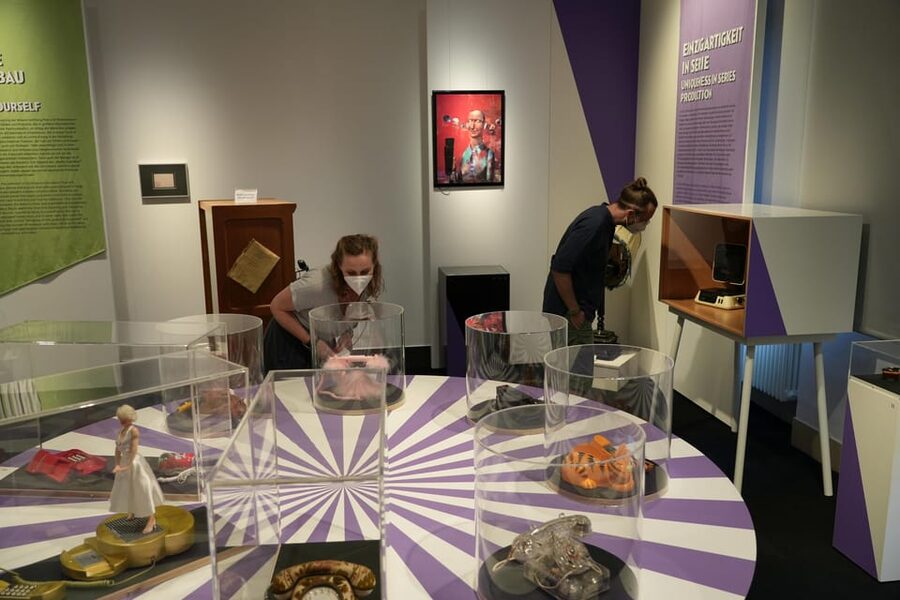
Give some attention to the Berliner Salon if it is part of your visit. It has been described as fascinating and beautiful, and it may provide a calmer change of pace after the interactive gallery.
The available information does not give a full description of its contents, so I would ask at the museum counter where to find it and how it fits into the current exhibitions. That small question can help you avoid passing over a section that deserves more time.
This is a useful general rule for the museum. The interactive terminals will naturally attract your attention, but the quieter collections provide the context that makes the activities meaningful. Allow yourself time to look at both.
Why the self-guided format works
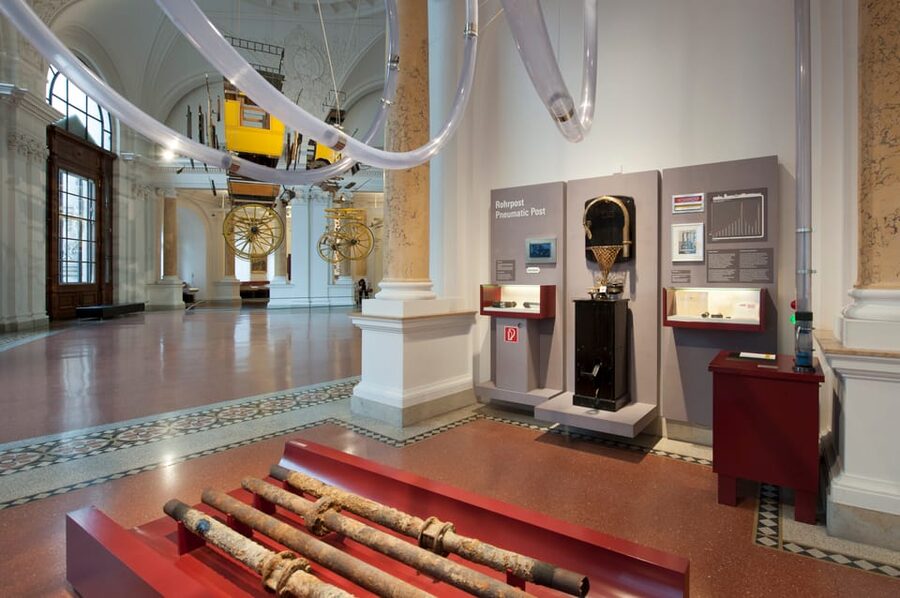
A self-guided visit gives you control. You can spend several minutes with the Blue Mauritius, move quickly through familiar material, or stop longer at a display that connects with your own interests.
The audio-visual app is included with admission. It serves as a companion rather than a strict tour schedule, so you can use it when you want more information and set it aside when you prefer to explore visually.
This format is a good match for mixed groups. One person can focus on postal history while another experiments with the communication terminals. Families can move at the speed of the youngest child instead of keeping up with a fixed group.
The tradeoff is that you need to manage your own visit. If you prefer a guide who explains every room and answers questions as you go, this ticket may feel a little quiet. The museum gives you the tools, but you decide how much structure you want.
Practical timing, payment, and access
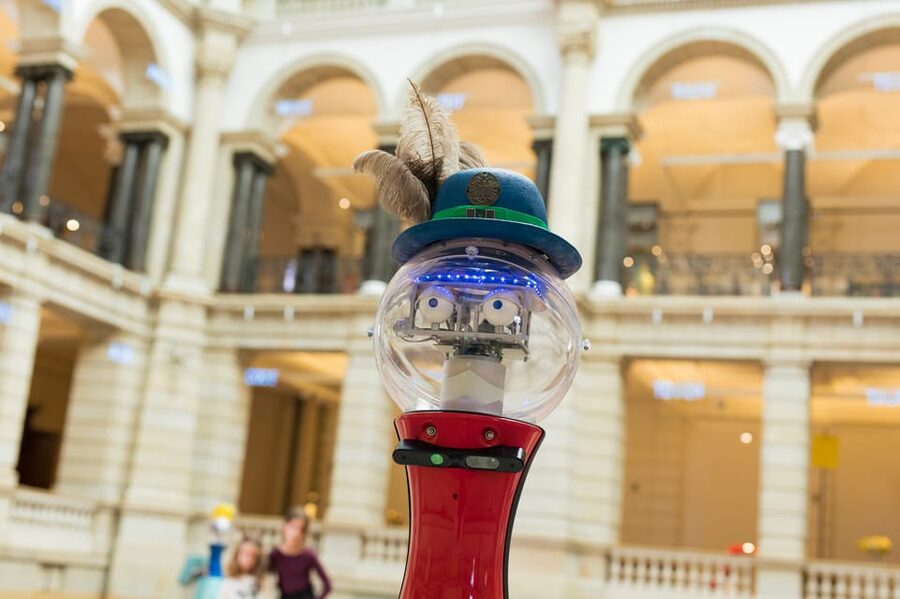
The museum does not require a reserved time slot. You can check the available starting times when booking, but entry itself is designed to remain flexible.
You can purchase the ticket without cash, and the museum counter accepts cash. That gives you a choice if you prefer to arrange admission ahead of time or pay in person.
The museum is closed on Mondays. On public holidays, it is open from 10:00 AM to 6:00 PM. It is also closed on December 24, December 25, and December 31, so check the calendar carefully if your Berlin visit falls near the end of the year.
The experience is wheelchair accessible. Hotel pickup and drop-off are not included, so you will make your own way to the museum and return to your sightseeing route afterward.
Free cancellation is available up to 24 hours in advance for a full refund, and the reserve-now, pay-later option can help if your schedule is still changing. These terms are useful, but the real convenience is the one-day validity and lack of a required entry slot.
Who will get the most from this ticket?
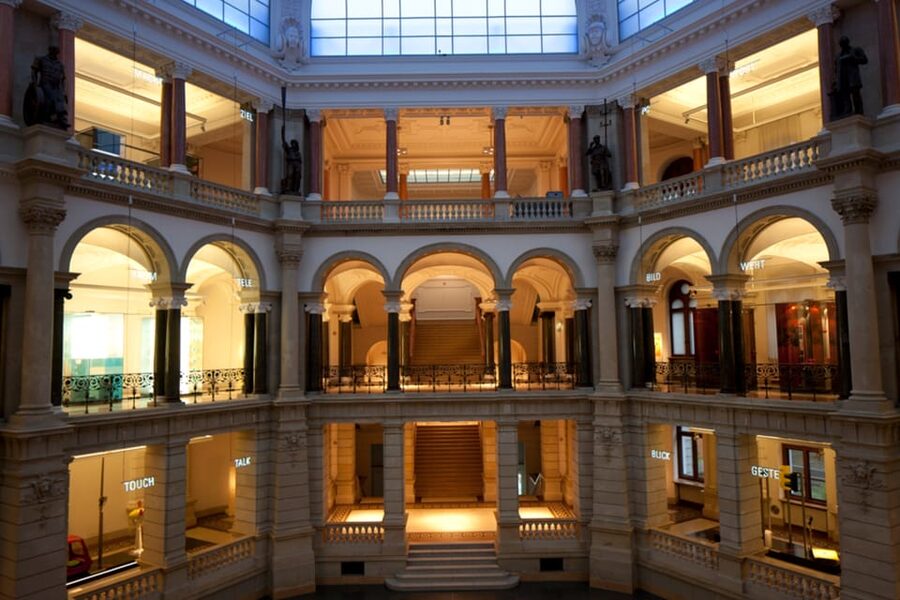
I would recommend this museum to families, technology fans, stamp collectors, and anyone who enjoys museums that ask you to participate.
It is also a good choice for a short Berlin itinerary. At $9, it costs less than many large attractions, and the 1.5-hour visit leaves room for another museum, a meal, or a walk through central Berlin.
You may want to choose another attraction if your main goal is grand architecture, famous paintings, or a full-day museum experience. This is a focused museum with a clear theme. Its appeal comes from connections and interaction rather than huge galleries or monumental works.
The communication gallery makes it especially suitable for children, while the Blue Mauritius gives adults a specific object to seek out. The balance works well, though the experience depends on how much time you spend engaging with the displays.
Should you book the Museum of Communication?
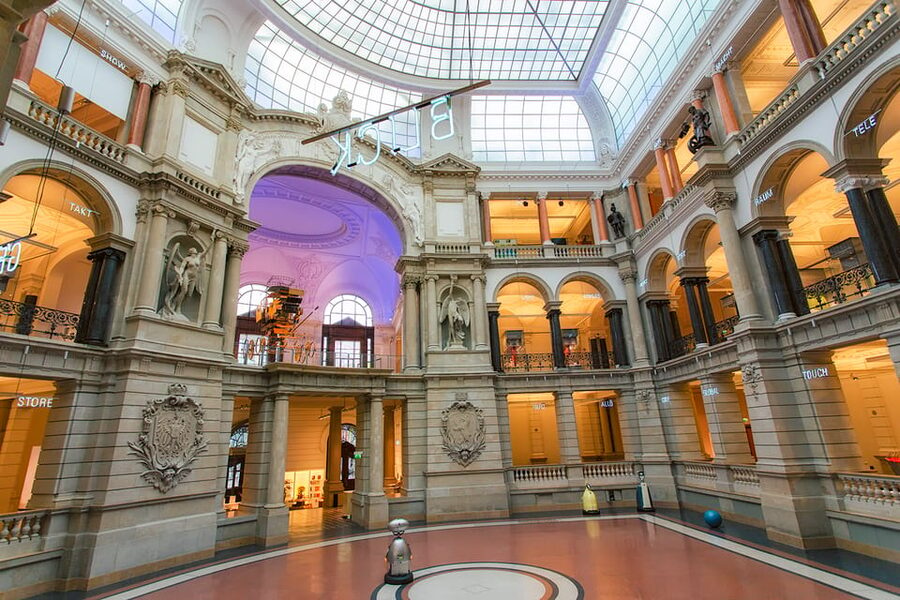
Book it if you want a reasonably priced, flexible museum stop that explains how people have shared information from ancient tools to smartphones. The interactive signals, worldwide greetings, Blue Mauritius, and audio-visual app give you plenty to do in roughly 1.5 hours.
I would pair it with another Berlin sight rather than plan an entire day around it. Go on a day when the museum is open, give the communication gallery and Blue Mauritius priority, and ask about the Berliner Salon when you arrive. For a family-friendly visit with real objects and hands-on learning, this ticket is a sound choice.
FAQ
Do I need to reserve a time slot?
No. You do not need to reserve a time slot for your museum visit.
How long does the visit last?
The planned museum visit lasts about 1.5 hours, though you can explore at your own pace.
Is the audio-visual app included?
Yes. An audio-visual app is included with the museum admission ticket.
Is the museum wheelchair accessible?
Yes. The experience is wheelchair accessible.
When is the museum closed?
The museum is closed on Mondays and on December 24, 25, and 31. On public holidays, it is open from 10:00 AM to 6:00 PM.
Is hotel transportation included?
No. Hotel pickup and drop-off are not included.
Just added around Berlin
- Berlin Highlights in One Day★ 5.0 · 3 reviews
- Private Berlin One Day Tour with a Local: See the City Unscripted★ 3.5 · 3 reviews
- Individual city tour Berlin for max. 8 persons★ 5.0 · 3 reviews
- Transfer from Berlin Schönefeld Airport (SXF) to Berlin city Hotels – ROUND TRIP★ 4.0 · 3 reviews
- Berlin: Museum Island Tour★ 5.0 · 3 reviews
- Private Analogue Photography Experience in Berlin★ 5.0 · 3 reviews
- Berlin: Local Food Tour in Secrets Hidden Gems★ 4.0 · 3 reviews
- Berlin & The Third Reich Private Guided Tour★ 5.0 · 3 reviews
Museums, compared.




Skip-the-Line: Berlin Wall Museum at Checkpoint Charlie
Read our review →

“Pergamonmuseum. The Panorama” Exhibition Tickets
Read our review →Browse the lists this tour appears in