
Review · MUSEUMS
Berlin: Tickets to the Computer Games Museum
Berlin’s Computer Games Museum turns gaming history into a hands-on visit. Instead of keeping old consoles behind glass, it lets you play many of them yourself, from Pong and Space Invaders to Mario and other familiar classics. The collection covers roughly seven decades, with more than 300 exhibits spread through a compact museum on Karl-Marx-Allee.
I like two things right away: the Wall of Hardware, which lines up machines from different eras, and the small arcade where coin-operated classics still invite you to take a turn. The main drawback is size. Some people finish in 30 minutes, while serious fans can spend several hours, so the value depends on how much time you give the displays and playable machines.
In This Review
- Key points to know before you go
- Why this museum works better than a room of old consoles
- Starting with the Wall of Hardware
- The arcade room: small, popular, and worth timing well
- Early experiments, from Nimrod to Pong
- The Giant Controller and PainStation
- 3D games and movement-based play
- From Commodore and Game & Watch to PlayStation
- How long should you plan to stay?
- Is $22 a fair price?
- Families, nostalgia, and practical comfort
- Booking flexibility and the best way to plan
- Should you book the Computer Games Museum?
- FAQ
- Where is the Computer Games Museum in Berlin?
- How long is the ticket valid?
- What does admission include?
- Are interactive games included?
- Is the museum wheelchair accessible?
- Is a guide included?
- Can I cancel the ticket?
Key points to know before you go
- Pong and Nimrod: See early milestones in gaming and try interactive displays tied to the medium’s first years.
- More than 300 exhibits: Follow the story from early computers and Commodore systems to Game & Watch, PlayStation, 3D games, and newer devices.
- Playable classics: Use the arcade machines and consoles yourself, including Pacman, Donkey Kong, Space Invaders, Mario, and other familiar titles.
- The Wall of Hardware: Compare favorite machines from several generations in one quick, useful display.
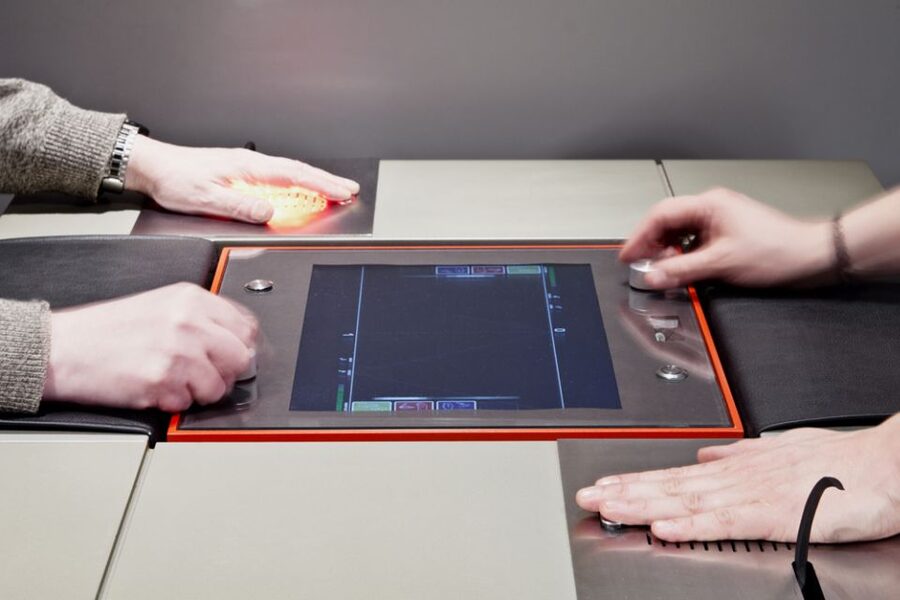
- PainStation and Giant Controller: Take on unusual interactive works, including a Pong-style challenge that can deliver a physical sting when you miss.
- One ticket, two exhibitions: Admission covers the permanent collection and special exhibitions for one day.
Why this museum works better than a room of old consoles
A museum filled with old machines can become a dry parade of plastic boxes. This one avoids that trap by asking you to use the objects. You see how games were built, then get a chance to understand the limits and pleasures of each period with your own hands.
The result is part museum, part arcade, and part family activity. A parent may recognize an Atari console or an old Nintendo handheld, while a child sees why an earlier game felt difficult when compared with today’s systems. That contrast is one of the visit’s best features.
The collection includes 52 highlighted games and milestones, with examples such as Pacman, Bomb Jack, and Grand Theft Auto IV. The range gives you more than a nostalgia trip. It also shows how gaming moved from simple rules and basic graphics toward larger worlds, portable systems, movement controls, and three-dimensional play.
You will not find a guided tour included, so plan to read the displays at your own pace. That suits visitors who want freedom, but it means the museum rewards a little attention. If you rush from machine to machine, you may miss the ideas behind the technology.
More museums in Berlin:
- Berlin: Jewish Museum Berlin Entrance Ticket
★ 4.5 · 8,393 reviews - Berlin: DDR Museum Tickets
★ 4.3 · 3,443 reviews - Berlin: Natural History Museum Entrance Ticket
★ 4.6 · 3,382 reviews
Starting with the Wall of Hardware
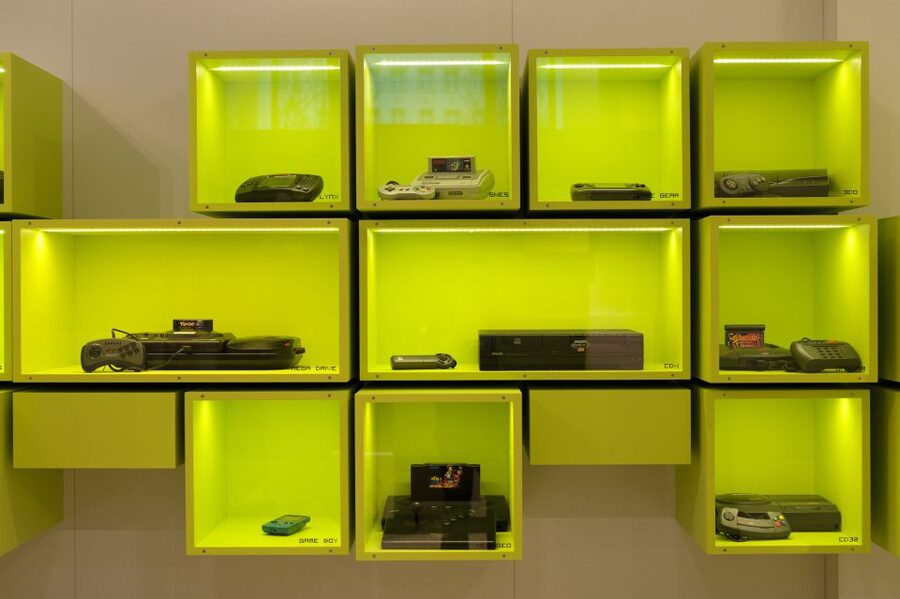
The Wall of Hardware is a good place to slow down. It brings together machines from several generations, including Commodore computers, Game & Watch handhelds, and PlayStation systems. Seeing them side by side makes the changes easy to grasp.
For older visitors, this is often the emotional heart of the museum. You may spot the same type of console you once had at home, or a handheld that recalls long car rides and school breaks. For younger visitors, the display explains how much gaming depended on the hardware available at the time.
Do not expect every system to be playable. The wall is mainly a visual history of machines, while the interactive stations are placed elsewhere. Still, it gives useful context before you move toward the games themselves.
The displays cover far more than one brand or one country’s gaming culture. The selection includes home computers, consoles, arcade cabinets, handhelds, and experimental systems. That broad mix helps you see gaming as a changing form of technology, not just a collection of famous titles.
The arcade room: small, popular, and worth timing well
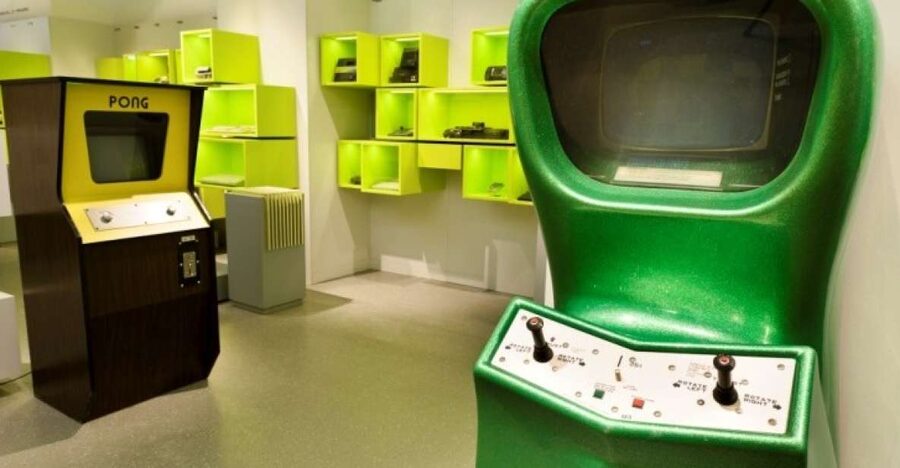
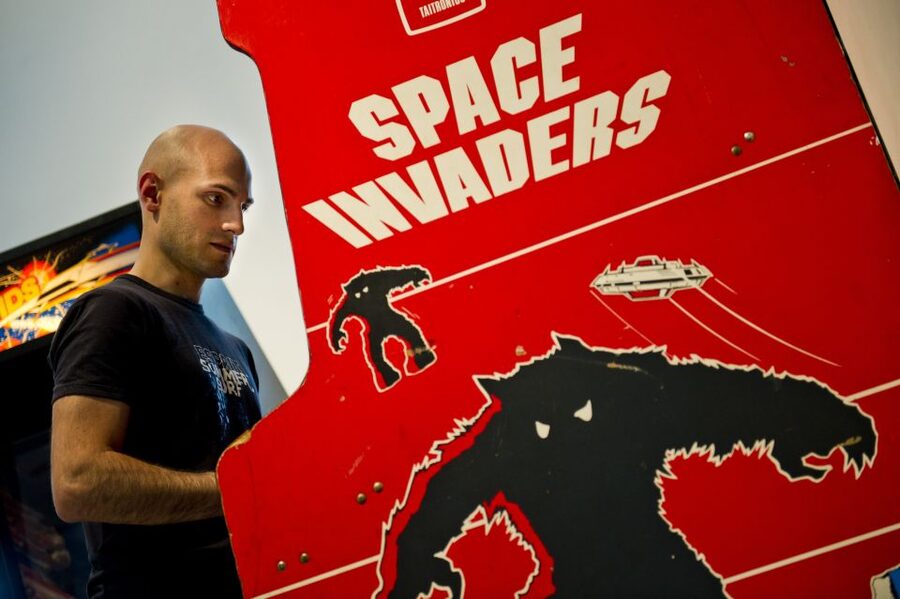
Around the corner, a small amusement arcade holds coin-operated machines such as Donkey Kong and Space Invaders. This is where the museum feels most like an old game hall. The sounds, controls, and short rounds make it easy to understand why these games pulled people back for one more attempt.
The arcade is also one of the busiest areas. You may need to wait for a machine, especially if families and groups arrive at the same time. It is a good idea to look around first, then return when a favorite cabinet opens up.
Pacman, also presented as Puckman in the collection, is another popular stop. Mario provides a similar burst of recognition, especially for visitors who grew up with 1980s and 1990s consoles. The playable classics are the strongest reason to bring children, but adults often spend just as long at the controls.
The arcade’s limited size is worth keeping in mind. If you expect a large modern gaming center, you may find the selection modest. If you treat it as a preserved slice of arcade culture, it does its job well.
Early experiments, from Nimrod to Pong
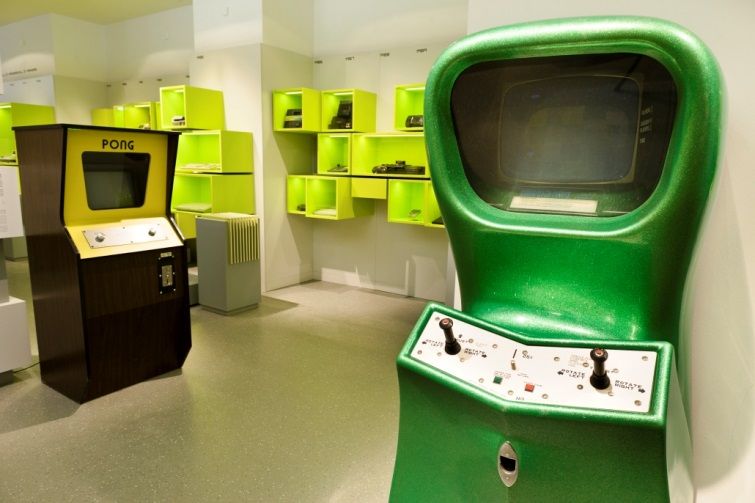
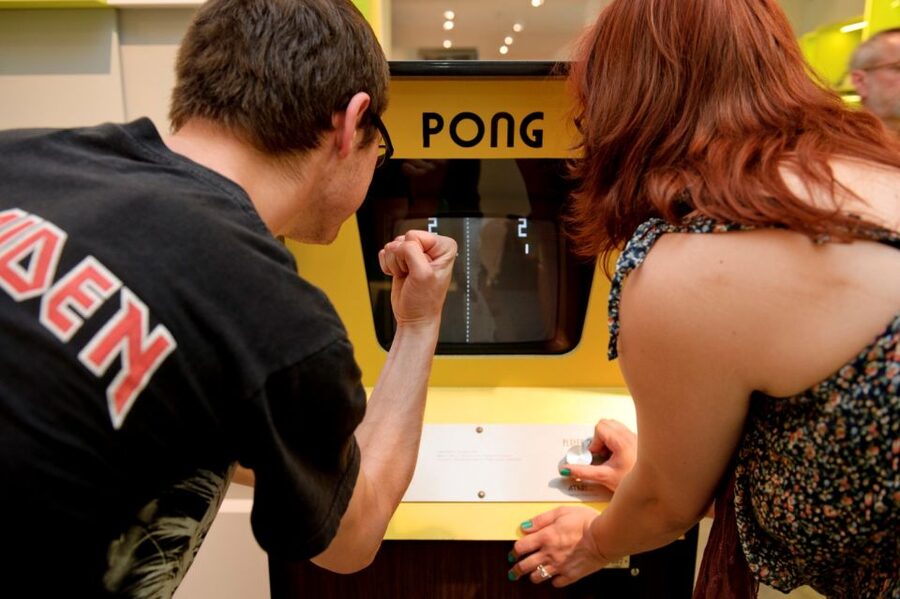
The museum places early gaming milestones beside later achievements, helping you see how basic the first systems were. Nimrod is one of the notable early exhibits, while Pong offers a simple lesson in game design: two paddles, one ball, and a rule that anyone can understand within seconds.
Pong is especially useful for families. You can explain the game to a child without a long set of instructions, then watch the child discover that simple controls do not always mean easy play. It also gives older visitors a direct link to the earliest days of home and arcade gaming.
The museum does not require you to be a serious enthusiast. Even if you cannot name old consoles or remember release dates, the interactive displays give you a clear way into the subject. The exhibits connect technical change to ordinary play, which keeps the visit approachable.
Some early games may feel slow to modern eyes. That is part of the point, though it can test the patience of children who expect fast movement and detailed graphics. A quick explanation of how games developed can turn that gap into an interesting conversation.
A few more Berlin tours worth weighing up
- Berlin: Berlin Story Bunker Entry Ticket
★ 4.6 · 6,759 reviews - Berlin: Illuseum Berlin Entrance Ticket
★ 4.1 · 3,970 reviews - Berlin: Madame Tussauds Admission Ticket
★ 4.6 · 3,941 reviews - Berlin: Neues Museum Entry Ticket
★ 4.6 · 3,261 reviews
The Giant Controller and PainStation
The Giant Controller is one of the museum’s most playful installations. It takes a familiar control device and makes it large enough to become an exhibit in its own right. The scale changes your relationship with the game, turning a private activity into a physical, shared challenge.
PainStation is more unusual. It is linked to Pong and gives you a physical response when you miss the ball. The activity is not simply another screen game, since the machine adds discomfort to the contest. The museum’s own material and visitor experience indicate that it is intended for adults who are confident about trying it.
You should not feel obliged to play every interactive work. Some displays are best understood by watching first, especially if you have young children with you. The museum mixes ordinary games with works that question how people compete, react, and accept rules.
These pieces help separate the visit from a standard technology museum. You are not only looking at old equipment. You are also seeing gaming treated as design, performance, and physical interaction.
3D games and movement-based play
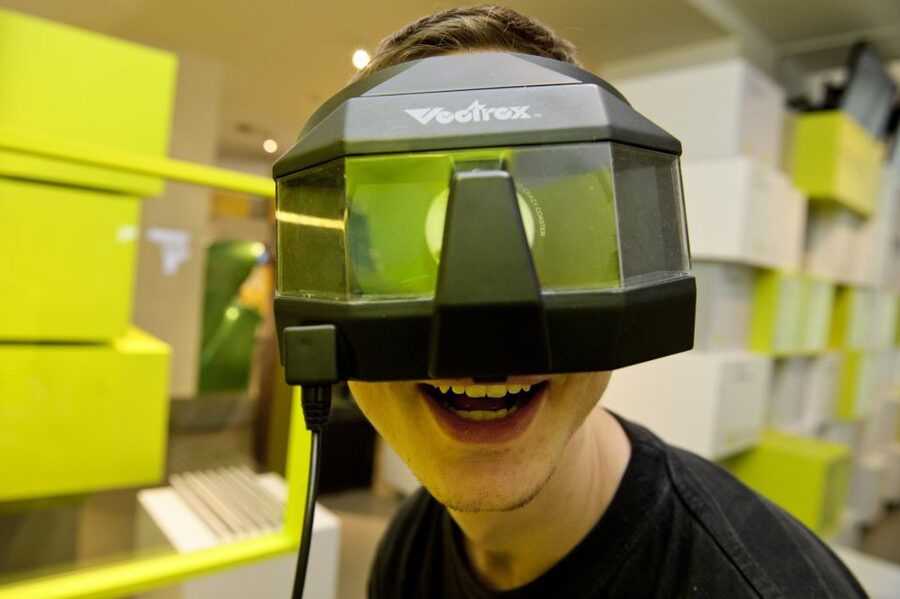
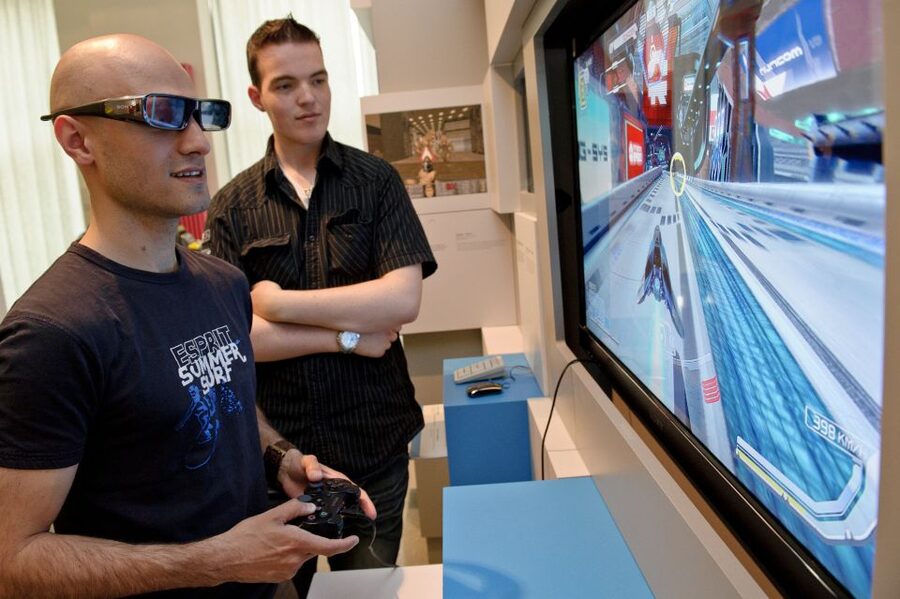
The museum also presents the move toward three-dimensional gaming. You can experience 3D games on a 3D television or with a handheld 3DS. A virtual reality demonstration from 1994 has also been available at the reception desk with a free timed ticket, though availability and timing should be checked when you arrive.
The value of this section is comparison. Modern 3D gaming can seem normal until you see an earlier attempt beside it. The older technology may look rough, but it shows how designers were already trying to create depth and a stronger sense of presence.
Dance and movement games broaden the story again. These exhibits show that gaming was not always about sitting with a controller. Body movement, rhythm, and physical reaction became part of play, preparing the ground for the motion-based systems many families know today.
As with the arcade, popular interactive stations can attract a crowd. You may need to wait, and the amount you experience depends on how busy the museum is. A four-hour visit is possible for a devoted fan, but a shorter visit can still cover the main displays if you focus on the machines you most want to try.
From Commodore and Game & Watch to PlayStation
The hardware collection helps you trace the shift from home computers to dedicated consoles and portable systems. Commodore represents the home-computer period, while Game & Watch shows how small handheld devices brought gaming into pockets and school bags. PlayStation marks another major change in the kind of games people expected from home systems.
This section works well for mixed-age groups. I like it because each generation can point to a different machine and explain what it meant to them. One person may remember Atari, another may recognize an early PlayStation, and a child may be more interested in the first Nintendo DS devices from 2007.
The museum leans more toward retro gaming than current releases. That is useful if you want history, design changes, and childhood memories. If your main goal is to play the latest games, you may find the modern selection limited.
The inclusion of Grand Theft Auto IV among the 52 highlighted games shows that the story does reach beyond the earliest arcade years. Even so, the main pleasure remains the older hardware and classic play. Go for the history of gaming, not for a large collection of brand-new titles.
How long should you plan to stay?
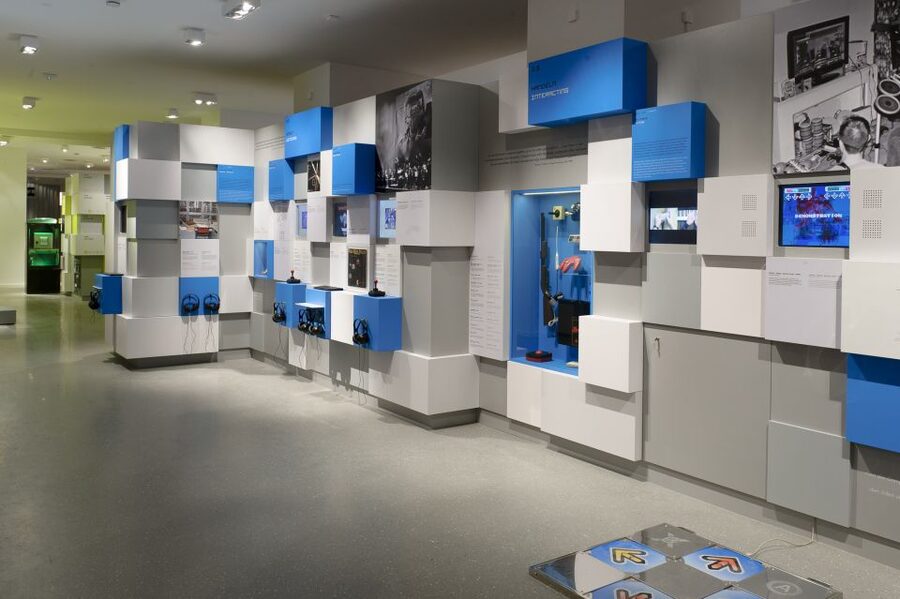
The official validity is one day, but most people will not need a full day unless they read every display and spend time at many machines. A focused visit can take around 30 minutes, especially if you mainly want to play a few classics and take a quick look at the hardware.
I would allow at least 90 minutes for a more satisfying first visit. That gives you time for the Wall of Hardware, the arcade, the highlighted games, and several interactive exhibits without treating the museum like a checklist.
Serious fans may stay close to four hours. The playable displays create a slower rhythm because you may wait for a machine, take multiple turns, or stop to compare one generation with another. The one-day ticket gives you flexibility if you want to make the museum part of a longer day in Berlin.
Crowding can change the pace. One visit may feel calm, while another may bring many families and excited children into the arcade and interactive areas. If you want to play specific machines, a quieter period will make the experience easier.
Is $22 a fair price?
At $22 per person, this is not the cheapest short museum visit in Berlin. The value depends on your interest and on how long you stay. A visitor who walks through in 30 minutes and plays only a few games may feel the price is high.
For a family or a dedicated fan spending two to four hours with the collection, the price makes more sense. You are paying for access to a large historical display, playable equipment, the permanent exhibition, and any special exhibition included with admission. The interactive nature also gives the ticket more value than a purely visual collection.
I would consider it a good buy for anyone who grew up with arcade games, home computers, Atari, Sega, Nintendo, or PlayStation. It is also useful for parents who want an activity that can connect their own childhood with their children’s interests.
If you are only mildly curious about gaming, keep your expectations modest. The museum is compact, and the strongest rewards come from stopping to play and read. It is not designed as a vast all-day attraction with multiple floors.
Families, nostalgia, and practical comfort
Families are a natural match for this museum because children can do more than look at displays. They can try older controls, compare graphics, and see how much gaming has changed. Adults get their own share of fun, especially when an old Atari system, Mario game, or handheld brings back a familiar memory.
The age gap can be part of the entertainment. A 12-year-old may be surprised by how slow or basic early games seem, while a parent remembers them as exciting. That contrast gives you a simple way to explain that good games do not always need complex graphics.
The museum is wheelchair accessible, which makes it a practical option for visitors who need an accessible cultural stop. No transfers are included, and you arrange your own way to the museum at Karl-Marx-Allee 93a, 10243 Berlin.
Admission does not include a guide. You can visit independently, and a guided tour has been available for an extra fee according to past visitor information. If you prefer more explanation about the technology, ask the front desk about current tour options and any timed demonstrations.
Booking flexibility and the best way to plan
The ticket is valid for one day, with starting times shown when you check availability. You can also reserve now and pay later, which helps if your Berlin schedule is still moving around.
Free cancellation is available up to 24 hours before the visit for a full refund. That is useful for a city break when weather, transport, or other bookings may change your plans.
I would avoid planning the museum as a rushed stop between major sights. Give yourself enough time to play, since the games are the reason this visit feels different from a standard museum. If you have a must-play title, head there early or return when the machine is free.
Should you book the Computer Games Museum?
Book it if you enjoy retro games, old computers, arcade cabinets, or the story of how play changed across generations. It is especially good for families with children, couples who share gaming memories, and adults who want a light but informative break from Berlin’s heavier historical sites.
Think twice if you want a large modern gaming hall or only care about current releases. The museum is compact, its strongest material is historical, and popular machines may require patience.
For most gaming fans, the playable exhibits justify the visit. The mix of Pong, Pacman, Donkey Kong, hardware displays, 3D experiments, the Giant Controller, and PainStation gives you plenty to see and try. At $22, it is best value when you plan to stay at least 90 minutes and treat the museum as an active experience rather than a quick photo stop.
FAQ
Where is the Computer Games Museum in Berlin?
The museum is at Karl-Marx-Allee 93a, 10243 Berlin, in the state of Berlin.
How long is the ticket valid?
The ticket is valid for one day. Check availability for the starting times offered on your chosen date.
What does admission include?
Admission includes the permanent exhibition and special exhibitions.
Are interactive games included?
Yes. The museum includes many interactive works and playable games, including arcade machines and classic systems. Some experiences may have their own timing arrangements.
Is the museum wheelchair accessible?
Yes, the activity is wheelchair accessible.
Is a guide included?
No. A guide is not included with the ticket. Guided tours have been available for an additional fee, so ask the reception desk about current options.
Can I cancel the ticket?
Yes. You can cancel up to 24 hours in advance for a full refund. You can also reserve now and pay later, subject to the booking terms shown at checkout.
Just added around Berlin
- Berlin Highlights in One Day★ 5.0 · 3 reviews
- Private Berlin One Day Tour with a Local: See the City Unscripted★ 3.5 · 3 reviews
- Individual city tour Berlin for max. 8 persons★ 5.0 · 3 reviews
- Transfer from Berlin Schönefeld Airport (SXF) to Berlin city Hotels – ROUND TRIP★ 4.0 · 3 reviews
- Berlin: Museum Island Tour★ 5.0 · 3 reviews
- Private Analogue Photography Experience in Berlin★ 5.0 · 3 reviews
- Berlin: Local Food Tour in Secrets Hidden Gems★ 4.0 · 3 reviews
- Berlin & The Third Reich Private Guided Tour★ 5.0 · 3 reviews
Museums, compared.




Skip-the-Line: Berlin Wall Museum at Checkpoint Charlie
Read our review →

“Pergamonmuseum. The Panorama” Exhibition Tickets
Read our review →Browse the lists this tour appears in