
Review · MUSEUMS
Berlin’s Gallery Scene
Berlin’s gallery scene is not tucked away in one grand museum district. It is scattered through former schools, old industrial buildings, and unassuming doors in central neighborhoods. This three-hour private walk helps you find that creative side of Berlin while an art historian explains why the city became such a draw for artists after the Wall fell in 1989.
I especially like two things here: you see working galleries rather than only famous museum collections, and the guide connects the art to Berlin’s political and social changes. Guides Justin and Laureline have been praised for bringing strong insight into artists, exhibitions, and the buildings themselves. The main drawback is that gallery shows change, and Tuesday visitors will miss the interior of KW Institute for Contemporary Art.
In This Review
- Key things to know before you book
- Why Berlin’s gallery scene is worth your morning
- Starting near Schöneberger Ufer
- KW Institute for Contemporary Art, 40 minutes
- Auguststrasse and the former Jewish Girls’ School
- Potsdamer Straße and Esther Schipper
- Galerie Eigen + Art in a former school
- Galerie Giti Nourbakhsch and the Potsdamer Platz district
- What the art historian adds
- Price, private groups, and overall value
- When changing exhibitions help, and when they frustrate
- Who should take this tour
- Practical booking advice
- Should you book Berlin’s Gallery Scene?
- FAQ
- How long does Berlin’s Gallery Scene last?
- How much does the private tour cost?
- Is the tour private?
- Who leads the tour?
- Which galleries are included?
- Is admission included?
- Can I take the tour on Tuesday?
- Is pickup available?
- What is the cancellation policy?
Key things to know before you book
- You visit several real galleries: The route includes KW Institute for Contemporary Art, galleries on Auguststrasse, and spaces around Potsdamer Straße.
- An art historian leads the walk: The guide explains both the artwork and the reasons Berlin became a major center for contemporary art after 1989.
- The tour is private: Your group alone takes part, with space for up to 10 people.
- The route can change: Current exhibitions and major Berlin art events may alter the stops.
- KW admission costs extra: Allow €10 for adults or €6 for seniors and students.
- Tuesday has a limitation: KW is closed, so the tour operates as a walking route without that gallery visit.
Why Berlin’s gallery scene is worth your morning
Berlin’s art appeal comes partly from its unusual mix of freedom, space, and disruption. After reunification, artists found room to work in a city still marked by division and change. The result was not a polished art quarter built for sightseeing. It was a loose network of galleries and studios spread through central Berlin.
That makes this tour useful. You are not simply shown a painting and given the artist’s name. You get a sense of why a former school might now hold a gallery, why a changing exhibition matters, and how Berlin’s post-1989 identity shaped its art world.
The format also suits you if museums can begin to blur together. The stops are relatively short, usually 20 to 40 minutes, so the experience keeps moving. You see different spaces, different artists, and different approaches instead of spending three hours in one institution.
At the same time, this is not a standard sightseeing walk with a few art facts added on. The central subject is contemporary art, and some exhibitions may be challenging, political, or abstract. You should come ready to discuss what you see, not just photograph it.
More museums in Berlin:
- Berlin: Jewish Museum Berlin Entrance Ticket
★ 4.5 · 8,393 reviews - Berlin: DDR Museum Tickets
★ 4.3 · 3,443 reviews - Berlin: Natural History Museum Entrance Ticket
★ 4.6 · 3,382 reviews
Starting near Schöneberger Ufer
The listed meeting point is Schöneberger Ufer 65, in Berlin’s 10785 postal district. The tour ends in Berlin, but no single final address is specified, so you should confirm the exact meeting and finishing details when your booking is confirmed.
Pickup is offered, and the area is near public transportation. Since the route covers more than one gallery district, wear comfortable shoes and bring a little flexibility. The walking itself is not described as difficult, and most people can take part, but standing in gallery rooms and moving between several stops is part of the experience.
The tour lasts about three hours. That timing works well before lunch or later in the afternoon. A morning start leaves you free for a museum afterward, while an afternoon start can pair nicely with dinner in central Berlin. Food and drinks are not included, so plan a snack or meal before or after the walk.
Because the tour is private, you can ask questions without competing with a large group. That matters in an art setting. If one work catches your attention, you have a better chance of spending a few extra minutes on it or asking how it fits into Berlin’s wider art scene.
KW Institute for Contemporary Art, 40 minutes
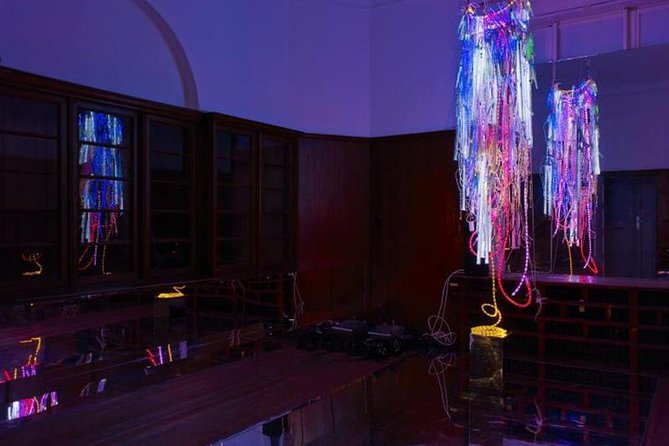
KW Institute for Contemporary Art is the most substantial stop on the route. It is one of Germany’s major contemporary art institutions, but it does not maintain a permanent collection. Instead, it works more like a laboratory, presenting temporary exhibitions, artist projects, ateliers, and events tied to current national and international art.
That changing format is one of the reasons this stop matters. You are not seeing a fixed sequence of famous works. The experience depends on what is showing when you arrive. One visit may focus on a single artist, while another may bring together several artists around a social or political idea.
Allow about 40 minutes here. That gives you enough time to look carefully and hear the guide’s explanation without turning the visit into a rushed photo stop. An art historian can help you read the space, understand the exhibition’s aims, and place current work within Berlin’s broader creative story.
Admission is not included. Adults pay €10, while seniors and students pay €6. That extra charge is modest compared with the total tour price, but you should include it in your budget.
KW is closed on Tuesday. On that day, the walking portion still operates, but you will not receive the interior visit. If KW is a priority, choose another day and check the current opening details before booking.
Auguststrasse and the former Jewish Girls’ School
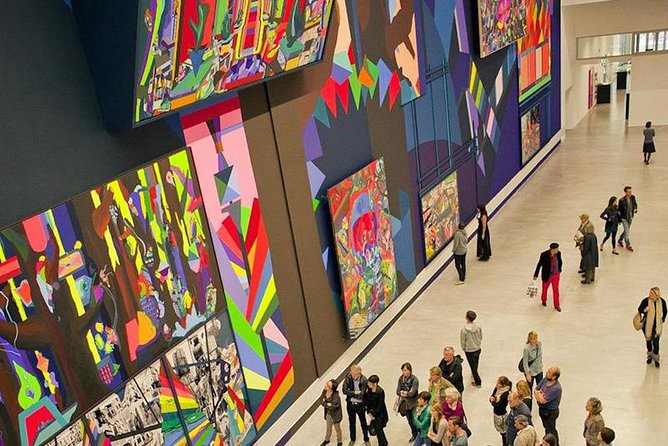
The Auguststrasse portion lasts about 30 minutes and includes Michael Fuchs Galerie in the former Jewish Girls’ School. The setting gives this stop a particular character. The gallery uses the former assembly hall and two classrooms for changing solo and group exhibitions.
The building itself adds context to the artwork. You are seeing contemporary art and classical modernist works inside a place that once served a very different purpose. That contrast is central to Berlin: old institutions are repeatedly given new uses, and the city’s past remains visible even as the galleries look forward.
Admission is free. The short visit lets the guide explain the current exhibition and the building without taking too much time from the other stops. Since gallery programs change, the artists and themes you encounter depend on the date of your tour.
This is also a good place to notice how unlike a conventional museum a commercial gallery can feel. There may be no permanent collection, no long historical sequence, and no large interpretive panels. The guide’s role becomes more important, especially if the work is unfamiliar.
A different side of Berlin on the same trip:
- Berlin: Reichstag, Dome and Government District Guided Tour
★ 4.7 · 18,288 reviews - Berlin: 1-Hour City Tour by Boat with Guaranteed Seating
★ 4.3 · 16,993 reviews - Berlin: Boat Tour Along the River Spree
★ 4.4 · 11,252 reviews - Discover Berlin Half-Day Walking Tour
★ 5.0 · 9,624 reviews
Potsdamer Straße and Esther Schipper
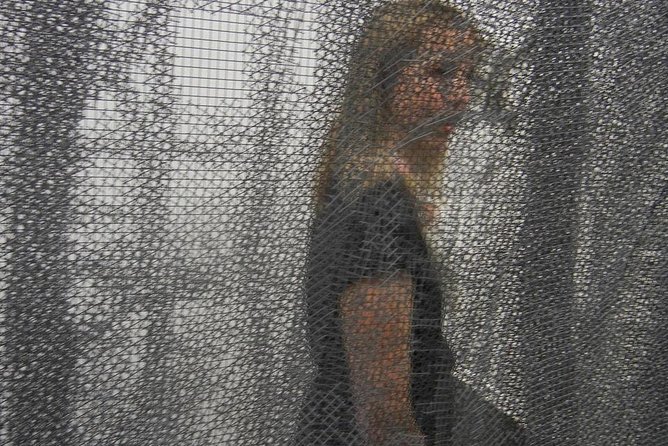
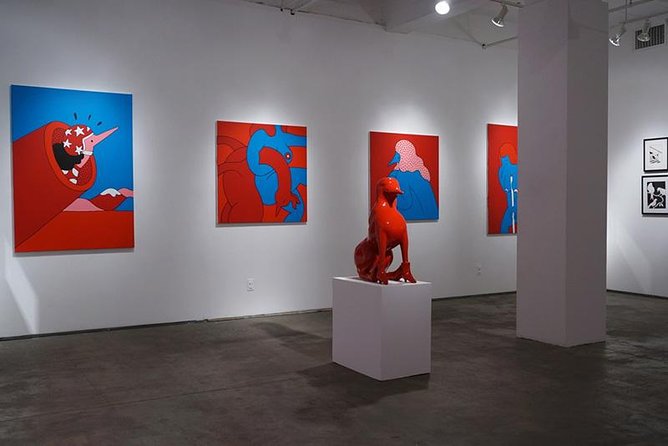
The stop at Esther Schipper lasts about 20 minutes. This is a contemporary art gallery on Potsdamer Straße, one of the central areas included in the route.
A 20-minute gallery visit is enough for a focused look at the current show, but it does not promise a full survey of the gallery’s program. Think of this stop as one piece of a larger picture. You are comparing the exhibition space, the artists, and the gallery’s approach with what you saw at KW and Auguststrasse.
The value comes from the contrast. A tour that visits only one gallery can leave you with a narrow sense of Berlin’s art world. Moving among several spaces gives you a better feel for its range and for the way different galleries present contemporary work.
The guide can also help you avoid a common problem with gallery visits: looking without knowing what to look for. You might discuss the artist’s methods, the exhibition’s main idea, or how the work reflects current concerns in Germany and beyond.
Galerie Eigen + Art in a former school
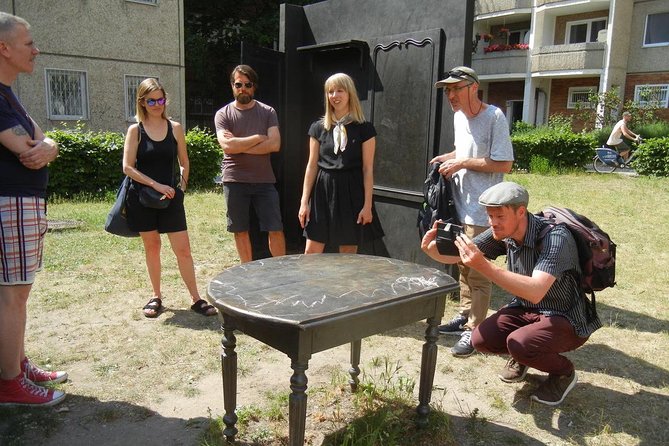
Galerie Eigen + Art is another 20-minute stop. It occupies a former school and presents temporary exhibitions by international contemporary artists.
Like the Jewish Girls’ School space, this gallery shows how Berlin’s art scene often grows inside buildings designed for another purpose. The setting is not just decoration. Rooms built for classrooms or assemblies can affect how art is displayed and how you move through an exhibition.
The short visit makes this a useful comparison point. You can see how a different gallery handles temporary work and how the art changes when placed in another kind of building. If you enjoy exhibition design, this may be one of the more interesting parts of the walk.
Keep your expectations practical. The exact show is not fixed, and a temporary exhibition may appeal strongly to you or may not. That uncertainty is part of the point of a current gallery tour, but it means this is not the best choice if you want a guaranteed list of famous artworks.
Galerie Giti Nourbakhsch and the Potsdamer Platz district
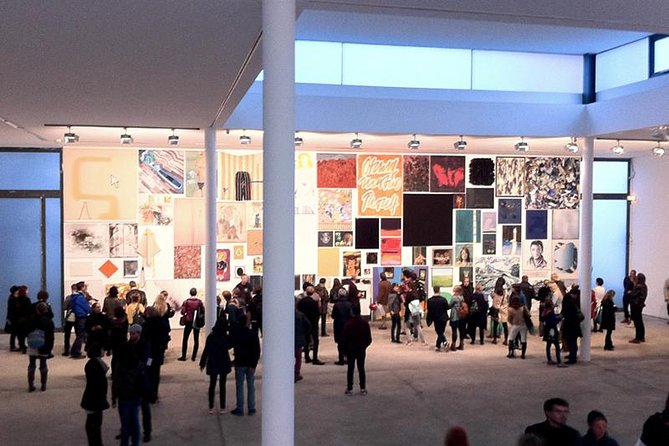
The final listed gallery is Galerie Giti Nourbakhsch, with about 20 minutes set aside. Giti Nourbakhsch was among the early gallery owners in the Potsdamer Platz district and helped establish Berlin Gallery Weekend.
That background gives the stop a useful connection to Berlin’s art business, not only its exhibitions. You can learn how individual galleries and gallery events helped shape the city’s international reputation.
Admission is not included, and no fee is specified in the tour details. Ask for current information if this stop is important to you. As with every gallery on the route, the exhibition may change before your visit.
The broader lesson is that Berlin’s art scene did not appear overnight. It grew through galleries, artists, former buildings, and events that connected the local scene with the international art world. This stop helps place the other visits within that story.
What the art historian adds
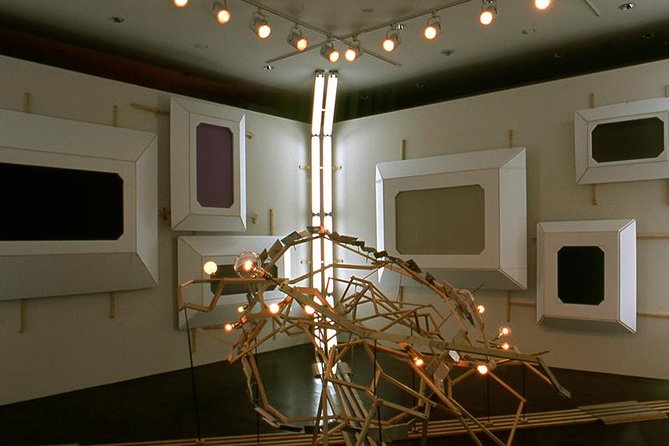
The guide is the main reason to choose this experience instead of walking through Berlin’s galleries alone. A gallery visitor can read the wall text and look around, but an art historian can connect the exhibition to Berlin’s history, the artist’s background, and the gallery’s role.
Justin has led groups through a broad range of Berlin galleries and has also included major museum highlights on at least some customized outings. Laureline has been praised for careful preparation and for explaining both artists and their work with energy and clarity. Those names give you a sense of the guide team, but a specific guide is not guaranteed unless confirmed at booking.
The strongest part of the guiding style is the connection between art and place. One route has included movement through historic central Berlin, with access to unusual parts of old buildings. That helps you see Mitte as more than a collection of postcard sights. The streets, schools, courtyards, and gallery rooms all contribute to the story.
You should also expect questions and interpretation, not a lecture filled with dates. The experience works best if you are willing to say what you notice and ask why a piece matters. If you prefer to explore silently at your own pace, a self-guided gallery visit may suit you better.
Price, private groups, and overall value
The cost is $330 per group, for up to 10 people. For a full group, that works out to $33 per person before the KW admission fee. For two people, the effective cost is $165 each, so the value depends heavily on group size.
That pricing makes sense for a family, a group of friends, or a small organization that wants a private guide. The cost is harder to justify for one or two people unless you place a high value on expert context and a custom feel.
You are paying for more than three hours of walking. The price includes a professional art historian and a private format, while gallery entrance fees and refreshments are separate. Since several stops are free, the main expense is the guide’s time and the access to a focused route through Berlin’s current art scene.
I would compare this with the cost of several museum tickets and a private guide elsewhere in Berlin. If contemporary art is a key interest, the tour can be good value because it shows you places you might not find easily on your own. If you mainly want Berlin’s major historic sights, spend your money on a city history tour instead.
When changing exhibitions help, and when they frustrate
The itinerary can change because of current gallery shows and major art events. That is a strength if you want to see what is actually happening in Berlin during your visit. It also means the route will not always match the listed sequence exactly.
You may find a more interesting exhibition has replaced the one originally expected. You may also discover that a favorite gallery is closed, has a limited program, or is less appealing than another stop on that date.
For that reason, I would not book this expecting a fixed checklist of artists. Book it for the chance to understand Berlin’s gallery system and see several current spaces with expert help.
The four available experiences praised the guides for giving context, explaining local artists and major German painters, and encouraging reflection on the ideas behind the work. That is the lasting benefit. The individual exhibition may be temporary, but the way you learn to look at Berlin’s art scene can stay useful for the rest of your trip.
Who should take this tour
This tour suits you best if you already enjoy contemporary art or want a serious introduction without spending a full day in museums. It also works well for repeat visitors who have seen Berlin’s major sights and want a less familiar side of the city.
Students, art professionals, and curious first-time visitors can all get something from it. The private format lets your group set the tone. You can ask basic questions without embarrassment, or discuss artists and movements in greater detail.
It is less suitable if you need a guaranteed accessible route, a fixed collection of famous masterpieces, or a purely historical walking tour. The activity is described as suitable for most people and near public transportation, but no detailed accessibility information is provided.
The tour is also not ideal for anyone who dislikes uncertainty. Galleries are working spaces with temporary exhibitions, and the art may be polished, strange, political, or difficult. That variety is exactly what makes Berlin’s scene worth seeing, but it will not please every taste.
Practical booking advice
You receive a mobile ticket, and confirmation is sent within 48 hours of booking, subject to availability. Pickup is offered, but confirm the exact pickup arrangement rather than assuming it means hotel pickup everywhere in Berlin.
Book on a day other than Tuesday if you want to enter KW Institute for Contemporary Art. Wear shoes suitable for three hours of walking and standing, and keep your schedule flexible in case the gallery route changes.
Cancellation is free up to 24 hours before the start time. Changes or cancellations made less than 24 hours before the local start time are not accepted for a refund.
Should you book Berlin’s Gallery Scene?
Book this if you want to understand how Berlin became an international art center and you would rather see current galleries than only famous museum rooms. The private format, art historian guide, and mix of former school spaces and contemporary exhibitions give the tour a clear sense of place.
I would book it for a small group of art-minded friends, especially when the $330 price can be shared among several people. Solo visitors and couples should think carefully about the cost, then decide whether expert interpretation is worth the premium.
Choose a non-Tuesday date for the fullest version. If your interests run toward contemporary art, Berlin’s changing gallery culture, and the story of the city after 1989, this is a focused and worthwhile way to spend three hours.
FAQ
How long does Berlin’s Gallery Scene last?
The tour lasts approximately three hours.
How much does the private tour cost?
The price is $330 per group, with up to 10 people permitted in the group.
Is the tour private?
Yes. Only your group participates in the private activity.
Who leads the tour?
A professional art historian leads the experience. Guides named in the supplied tour experiences include Justin and Laureline, but a particular guide is not guaranteed unless confirmed.
Which galleries are included?
The route includes KW Institute for Contemporary Art, Michael Fuchs Galerie on Auguststrasse, Esther Schipper on Potsdamer Straße, Galerie Eigen + Art, and Galerie Giti Nourbakhsch. The route may change based on current exhibitions and major art events.
Is admission included?
Admission to some galleries is free, but KW Institute for Contemporary Art is not included. Its listed price is €10 for adults and €6 for seniors or students. An entrance fee for Galerie Giti Nourbakhsch is also not included, though no amount is specified.
Can I take the tour on Tuesday?
Yes, the walking portion operates on Tuesday, but KW Institute for Contemporary Art is closed that day, so you will not visit its interior.
Is pickup available?
Pickup is offered. The listed meeting point is Schöneberger Ufer 65, 10785 Berlin, Germany, and the route is near public transportation.
What is the cancellation policy?
You can cancel for a full refund up to 24 hours before the experience’s local start time. Cancellations or changes made less than 24 hours before the start time are not accepted for a refund.
Just added around Berlin
- Berlin Highlights in One Day★ 5.0 · 3 reviews
- Private Berlin One Day Tour with a Local: See the City Unscripted★ 3.5 · 3 reviews
- Individual city tour Berlin for max. 8 persons★ 5.0 · 3 reviews
- Transfer from Berlin Schönefeld Airport (SXF) to Berlin city Hotels – ROUND TRIP★ 4.0 · 3 reviews
- Berlin: Museum Island Tour★ 5.0 · 3 reviews
- Private Analogue Photography Experience in Berlin★ 5.0 · 3 reviews
- Berlin: Local Food Tour in Secrets Hidden Gems★ 4.0 · 3 reviews
- Berlin & The Third Reich Private Guided Tour★ 5.0 · 3 reviews
Museums, compared.




Skip-the-Line: Berlin Wall Museum at Checkpoint Charlie
Read our review →

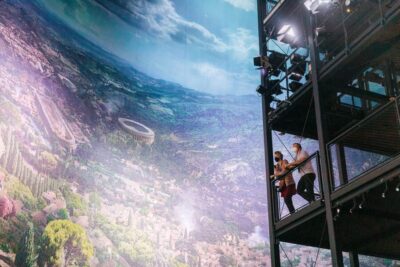
“Pergamonmuseum. The Panorama” Exhibition Tickets
Read our review →Browse the lists this tour appears in