
Review · KREUZBERG TOURS
Gastro Tour with Klaus though the Wrangelkiez, Kreuzberg
Kreuzberg’s Wrangelkiez is best understood with one foot in its past and the other in its food stalls. Klaus leads you from the Oberbaumbrücke and former Berlin Wall border area into streets packed with international places to eat, pairing local stories with five tastings along the way. The food is the main draw, but the history gives the walk a useful backbone.
I like the mix of small-group access and real neighborhood stops, rather than a parade of famous sights. I also like that Klaus personally tests the food locations and helps you try dishes you might otherwise pass by. The main consideration is pace: three hours includes several short history stops and plenty of walking, but the exact food partners and final stopping place can vary by season.
In This Review
- Key points to know before booking
- Why this Kreuzberg walk works so well
- Oberbaumbrücke: start with Berlin’s divided city
- Lohmühleninsel and the quieter side of the route
- The GDR watchtower and the former border zone
- Görlitzer Park: a neighborhood park with a difficult reputation
- Falckensteinstraße: where the food portion takes over
- Wrangelstraße: the neighborhood’s name and final food choices
- What the price includes at $83.08
- Group size, timing, and the walking experience
- What kind of evening should you expect?
- How the food and history balance each other
- Cancellation and planning details
- Should you book Klaus’s Wrangelkiez food tour?
- FAQ
- How long does the Gastro Tour with Klaus last?
- Where does the tour begin?
- Where does the tour end?
- How many food tastings are included?
- Are drinks included in the price?
- Is the tour offered in English?
- What is the cancellation policy?
Key points to know before booking
- Five tastings are included, and together they may be enough to make a light meal.
- Klaus combines food with Berlin history, including the Wall, Oberbaumbrücke, and a preserved watchtower.
- The tour stays in Wrangelkiez, an area known for its strong mix of international food.
- The group is capped at 15 people, which helps keep the walk personal.
- Drinks are not included, so bring some extra money if you want beer, soft drinks, or anything else along the way.
- The tour ends near Schlesisches Tor, but the final gastro partner can change with the season.
Why this Kreuzberg walk works so well
This is not a standard food crawl in which you move from one restaurant to the next with little sense of place. The route begins near the Spree and follows a compact part of Kreuzberg where Berlin’s divided past, postwar changes, and international food culture sit close together.
Klaus gives the walk a local point of view. The supplied information describes him as the guide, and the experience is built around his own food testing and neighborhood knowledge. That matters here because the streets offer many choices, but not every choice is equally useful for a short visit.
The five tastings are selected from five gastro partners. Some may be street-food stalls, so you should expect a casual format rather than a seated meal. You receive food at each stop, while drinks remain your responsibility. Taken together, the portions may make a meal, though you should not book this expecting a large restaurant dinner.
The food also has a social purpose. Kreuzberg’s international offers are not treated as a separate attraction from the neighborhood. They are part of the story Klaus is telling, and the fusion of different food cultures is one of the experience’s strongest features.
More Kreuzberg on foot and by bike:
- Kreuzberg: Culinary Food Tour
★ 4.5 · 770 reviews - Berlin: Kreuzberg Guided Walking Evening Tour
★ 4.7 · 555 reviews - Berlin: Alternative Bike Tour of Kreuzberg & Friedrichshain
★ 4.7 · 548 reviews
Oberbaumbrücke: start with Berlin’s divided city
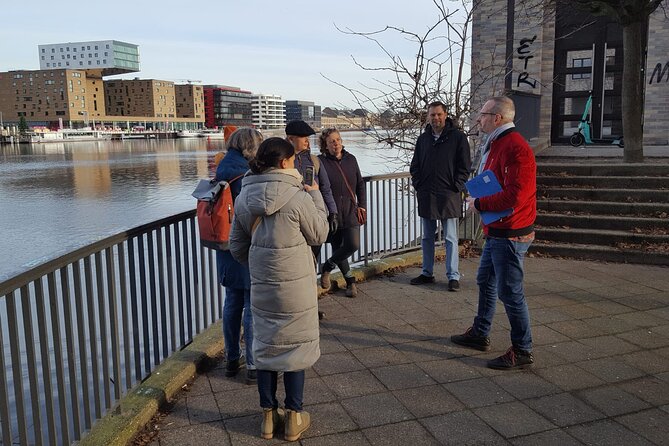
The tour starts at Cuvrystraße 2, near the Oberbaumbrücke, one of Berlin’s best-known bridges. You spend about 10 minutes learning why this crossing matters and how it became a link between East and West.
The bridge is more than a photogenic crossing. Its role in Berlin’s divided past gives you an immediate sense of how borders once shaped daily life here. The stop is brief, so Klaus cannot provide a full lesson in Berlin history, but it sets the context for the rest of the walk.
This is also a practical opening point. You begin with a major landmark, then move toward less familiar places. If you want attractive bridge views or photographs, arrive a few minutes early, since the formal stop itself is short.
Lohmühleninsel and the quieter side of the route
After the bridge, the route reaches Lohmühleninsel, a small parcel of land with an eventful past and lesser-known architectural monuments. The planned stop lasts about 10 minutes.
This part of the walk helps explain why the tour is not only a food outing. You are being shown pieces of Kreuzberg that are easy to miss when you stick to the main streets. The phrase lesser-known is important here: do not expect a grand museum or a long interior visit. The value comes from hearing what you are looking at and understanding how it fits into the area.
The short timing keeps the walk moving toward the food stops. If you prefer a tour that pauses at every building for detailed architectural study, this may feel light. If you want just enough context to make the neighborhood more legible, the format should suit you.
The GDR watchtower and the former border zone
A preserved GDR watchtower is the next historical marker. The stop lasts about five minutes, making it one of the briefest parts of the experience.
The tower recalls the period when the Berlin Wall turned Kreuzberg and Alt-Treptow into peripheral parts of a divided city. You get a physical reminder of the former border, not just a general explanation of the Wall.
That contrast is one of the tour’s best ideas. A few minutes later, you are heading toward streets known for international food and local nightlife. The area’s present-day energy makes more sense when you remember that it was once shaped by surveillance, separation, and a hard city boundary.
Do not expect access inside the watchtower. The information provided describes it as a preserved relic viewed during the walk. The stop is mainly about location and context.
A different side of Berlin on the same trip:
- Berlin: Reichstag, Dome and Government District Guided Tour
★ 4.7 · 18,288 reviews - Berlin: 1-Hour City Tour by Boat with Guaranteed Seating
★ 4.3 · 16,993 reviews - Berlin: Boat Tour Along the River Spree
★ 4.4 · 11,252 reviews - Discover Berlin Half-Day Walking Tour
★ 5.0 · 9,624 reviews
Görlitzer Park: a neighborhood park with a difficult reputation
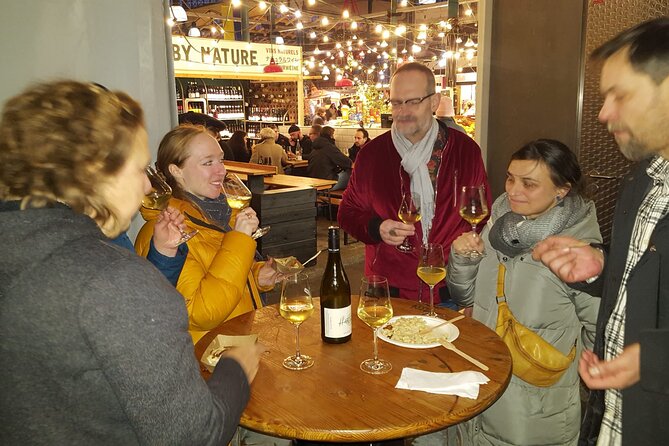
Görlitzer Park receives another 10-minute stop. Klaus talks about its history, its use as a recreation area, and the reasons it has a bad reputation today.
This is useful because it avoids presenting Kreuzberg as a polished food district with no rough edges. A good local walk should help you understand how residents see their neighborhood, including the problems and tensions that shape its public spaces.
The park is not treated as a major sightseeing attraction. Instead, it is a place to hear local anecdotes and get a sense of how the area functions for people who live nearby. The short stop keeps the focus on the story rather than turning the visit into a long park tour.
Use ordinary city awareness here, as you would in any busy urban area. The route includes public streets and public spaces, not a controlled attraction. The guide’s presence gives the stop structure, but you remain responsible for your own belongings and comfort.
Falckensteinstraße: where the food portion takes over
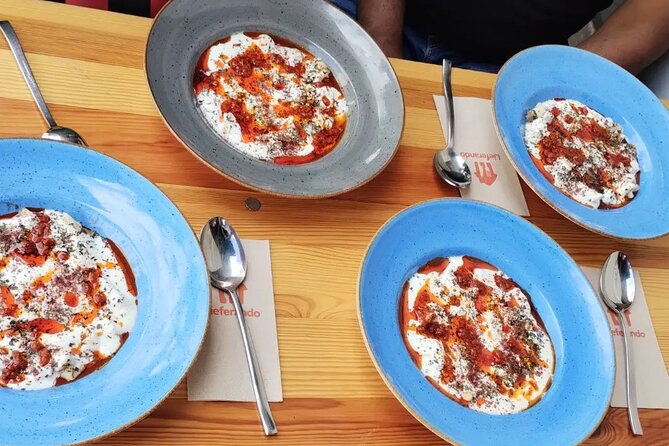
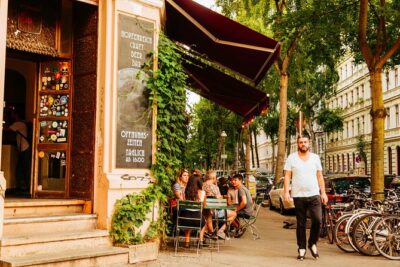
Falckensteinstraße is one of the central streets in the neighborhood, and this is where the gastro side of the tour becomes more prominent. The stop lasts about 30 minutes, longer than the earlier history visits, and the street has an unusually high concentration of international food offers.
This is not a vague suggestion to wander and choose something at random. Klaus takes you to personally tested highlights and provides a selected tasting. That is a real advantage in an area where the number of options can be overwhelming, especially if you have only one evening in Kreuzberg.
Some tastings may come from street-food stalls. Expect food that is casual, quick, and connected to the street rather than a formal restaurant setting. The format also means the experience can change with the season or the availability of individual partners. That variety is part of the appeal, but it means you should not book the tour expecting a fixed menu.
The food portions are intended to add up. One direct description of the experience says there was enough food to make a meal and included dishes the participant would not have tried without Klaus’s help. I would treat that as a light dinner rather than a guarantee of a full, heavy meal.
If you have dietary restrictions, the supplied details do not promise substitutions or special arrangements. Contact the provider before booking if your diet is a serious concern. The listed experience simply says that five selected tastings are included.
Wrangelstraße: the neighborhood’s name and final food choices
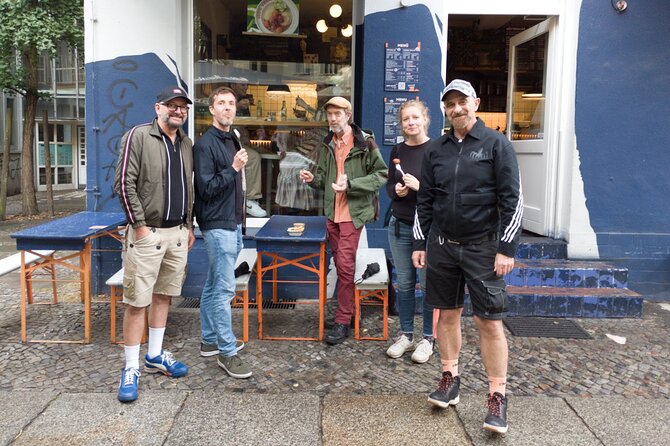
The route continues onto Wrangelstraße, the street that gives the neighborhood its name. The international food selection continues here, alongside a church built in the style of a Romanesque monastery.
This section brings together the tour’s two themes. You get another architectural point of interest, then return to the food options that make the neighborhood such a popular stop for casual eating. The church is a useful reminder that Wrangelkiez is not defined by food alone.
The final plan is flexible. Klaus can take you to a Kiez pub for a rest, or guide you to Schlesisches Tor, where the subway runs above ground rather than below it. This gives you a sensible choice at the end of three hours. You can continue the evening over a drink, or finish with a clear transit connection.
The tour ends at different gastro partners near the metro depending on the season. That detail matters if you have a strict dinner reservation or another timed activity. Plan around the stated three-hour duration, but allow a little flexibility for the final stop.
What the price includes at $83.08
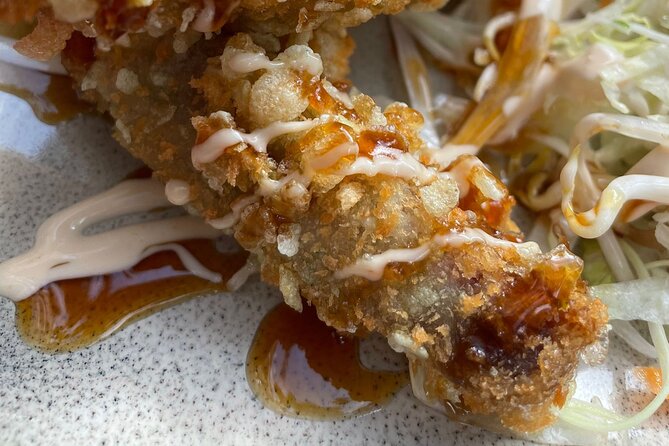
At $83.08 per person, this is not the cheapest way to sample Kreuzberg. You could walk Falckensteinstraße and Wrangelstraße yourself for less, and you would pay only for the food you chose.
The value comes from the combination of five tastings and a guided neighborhood walk. You are paying for food selection, interpretation, and the convenience of moving between places with a clear plan. The guide also removes much of the guesswork. Instead of spending your evening reading menus and hoping you picked well, you receive food Klaus has personally tested.
The price makes the most sense if you value context. A self-guided food outing gives you freedom, but it will not necessarily explain the former border area, the watchtower, Görlitzer Park’s reputation, or the meaning of the neighborhood’s name. This tour gives those details a place in the evening.
Drinks are extra. Keep that in mind when comparing the cost with a restaurant meal. Five tastings may provide enough food for a light meal, but additional drinks or a later dinner will raise your total.
Group size, timing, and the walking experience
The tour lasts about three hours and has a maximum of 15 people. That is a useful limit for a food walk, since larger groups can crowd small stalls and make it harder to hear the guide.
The schedule uses short stops at the historical sites, usually five to 10 minutes, with more time for food. You should be comfortable walking between locations and standing while eating. The tour description does not give a total walking distance or promise seating at every stop.
The English-language format makes the experience accessible to visitors who do not speak German. Confirmation is sent within 48 hours of booking, subject to availability. The tour is near public transportation, and most people can participate.
It is booked, on average, well ahead of time, around 94 days in advance. That does not guarantee that every date sells out, but it is a good reason to reserve early if the tour is important to your Berlin plans. The group limit and seasonal changes to the final food stop can affect availability.
What kind of evening should you expect?
You should expect a moving meal, not a restaurant crawl with long breaks. The route combines street scenes, historical explanations, short viewing stops, and five tastings. The food may come from stalls, so casual clothing and comfortable shoes make sense.
The experience is especially well suited to a first visit to Kreuzberg. You get an overview of the neighborhood’s main character without trying to cover all of Berlin. It also works well for someone who enjoys trying unfamiliar foods but wants a guide to make the first choice easier.
Couples, friends, and solo visitors can all fit the format. The group size is small enough for a more personal walk, though the experience still depends on the group moving together and sharing the available tastings.
I would be more cautious if you want a quiet, seated evening or a detailed historical tour with long lectures. The history is an important part of the route, but the focus remains on connecting those stories to local streets and food.
How the food and history balance each other
The best feature is the link between the two halves. Klaus does not simply give you a list of places to eat, and he does not make the food a reward after a long history lecture. The walk moves between the two in a sensible way.
You begin with Berlin’s divided past at Oberbaumbrücke and the watchtower. You then reach streets where the food culture is immediate and varied. That change in atmosphere helps you see how much the neighborhood has shifted, while the historical stops prevent the meal from feeling detached from its setting.
The strongest praise for the experience focuses on Klaus’s engaging manner, local history, and the chance to try foods that would have been easy to overlook. The food mix across cultures is also singled out as a refreshing part of the evening. Those points tell you exactly what to book this for: guidance, context, and a broad sampling of Kreuzberg flavors.
The less certain element is the exact menu. Seasonal partners and street-food stops mean you should judge the tour by its format, not by a promised list of dishes. If you need one particular cuisine or a fixed set of foods, this is not the safest choice.
Cancellation and planning details
You can cancel for a full refund up to 24 hours before the experience begins. Cancellations or changes made less than 24 hours before the start time are not accepted for a refund.
The tour requires a minimum number of participants. If that minimum is not met and the experience is canceled, you are offered another date or experience, or a full refund. The listed meeting point is Cuvrystraße 2, 10997 Berlin, and the walk finishes near Schlesisches Tor, with the exact final gastro partner varying by season.
Should you book Klaus’s Wrangelkiez food tour?
Book it if you want Kreuzberg explained through both its past and its food. The five tastings, English-speaking guide, and group limit make the $83.08 price easier to justify than a simple restaurant recommendation, especially if you are new to the area.
Skip it if you want a fixed menu, a seated dinner, or a long, formal history lecture. For everyone else, this is a smart way to spend three hours in Wrangelkiez, particularly if you like trying unfamiliar foods and prefer a local guide to help you choose.
FAQ
How long does the Gastro Tour with Klaus last?
The tour lasts approximately three hours.
Where does the tour begin?
It begins at Cuvrystraße 2, 10997 Berlin, Germany.
Where does the tour end?
The tour ends near Schlesisches Tor. The exact final gastro partner can vary by season.
How many food tastings are included?
Five selected tastings at five gastro partners are included. Some stops may be street-food stalls.
Are drinks included in the price?
No. Drinks are not included.
Is the tour offered in English?
Yes. The experience is offered in English.
What is the cancellation policy?
You can cancel up to 24 hours before the start time for a full refund. Changes or cancellations made less than 24 hours before the start time are not accepted, and the tour requires a minimum number of participants.
Just added around Berlin
- Berlin Highlights in One Day★ 5.0 · 3 reviews
- Private Berlin One Day Tour with a Local: See the City Unscripted★ 3.5 · 3 reviews
- Individual city tour Berlin for max. 8 persons★ 5.0 · 3 reviews
- Transfer from Berlin Schönefeld Airport (SXF) to Berlin city Hotels – ROUND TRIP★ 4.0 · 3 reviews
- Berlin: Museum Island Tour★ 5.0 · 3 reviews
- Private Analogue Photography Experience in Berlin★ 5.0 · 3 reviews
- Berlin: Local Food Tour in Secrets Hidden Gems★ 4.0 · 3 reviews
- Berlin & The Third Reich Private Guided Tour★ 5.0 · 3 reviews
Kreuzberg Tours, compared.


Alternative Bike Tour of Kreuzberg & Friedrichshain
Read our review →
Berlin Off-the-Beaten-Path Walking Tour: Kreuzberg, Mitte and Friedrichshain
Read our review →
Kreuzberg Berlin: Off the Beaten Track PRIVATE Walking Tour
Read our review →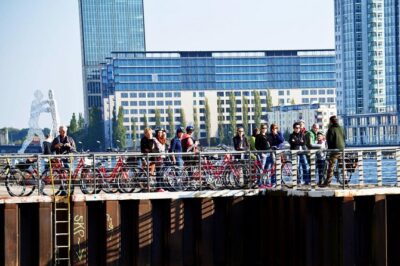
Experience the Alternative Kreuzberg on a Bike Tour
Read our review →Browse the lists this tour appears in