
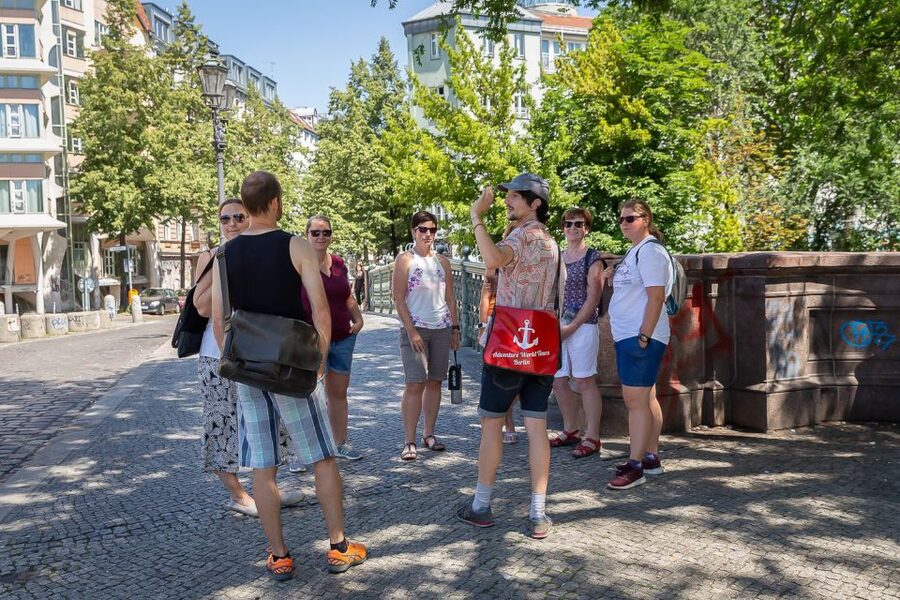
Review · KREUZBERG TOURS
Berlin: Kreuzberg Guided Walking Evening Tour
Kreuzberg after dark is less about checking off monuments and more about reading Berlin’s character in its streets. This two-hour walk starts around Kottbusser Tor, or Kotti, then follows Oranienstraße, SO36, Görlitzer Park, and nearby streets filled with cafés and bars. The stories focus on protest, punk, migration, crime, and the people who made the district what it is.
I like the local focus and the way the route connects everyday streets with major chapters in Kreuzberg’s past. I also like the small-group or private format, since guides such as Stefan and Kevin can leave room for questions instead of delivering a fixed speech.
The main consideration is timing. An evening walk gives you the best feel for Kreuzberg’s social life, but it also means less daylight for photos and a route that may feel intense if you prefer quiet sightseeing. Wear good shoes and dress for the weather.
In This Review
- Key details of the Kreuzberg evening walk
- Why Kreuzberg works best after sunset
- Starting at Kotti, Kreuzberg’s complicated front door
- Oranienstraße and the making of a dense district
- The Mother of all Street Fights
- Mariannenstraße and Lausitzer Platz
- SO36 and Kreuzberg’s punk chapter
- Görlitzer Park and Berlin’s Jack the Ripper
- The Pamukkale fountain ruins and the final streets
- What the two-hour format feels like
- Guide quality and group size
- Is $27 a fair price?
- Who should book this Kreuzberg walk?
- Should you book the Kreuzberg evening tour?
- FAQ
- How long does the Kreuzberg evening tour last?
- Where does the tour begin?
- Where does the tour end?
- Which languages are available?
- Is this a private tour?
- What places are included on the route?
- What should I bring?
- Can I cancel the booking?
Key details of the Kreuzberg evening walk
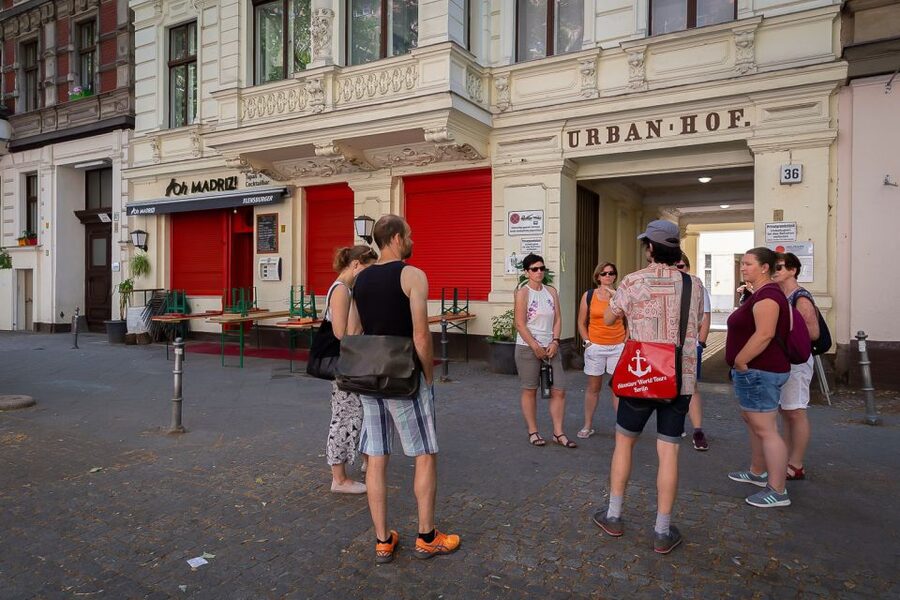
- Kotti begins the story: Start near Kottbusser Tor, the neighborhood’s busy central meeting point, and get an overview of Kreuzberg’s life and past.
- Oranienstraße brings the 19th century to street level: Hear how a densely settled district formed and why its streets became linked with protest.
- SO36 tells the punk chapter: Visit the famous club associated with anarchist punk and new wave bands in the 1970s and 1980s.
- Görlitzer Park adds a darker tale: Your guide tells the story of Berlin’s own Jack the Ripper.
- The route is story-led rather than museum-based: You spend the time outside, moving through real streets and public spaces.
- German and English tours are available: You can book a private or small-group outing, with guides including Stefan and Kevin.
Why Kreuzberg works best after sunset
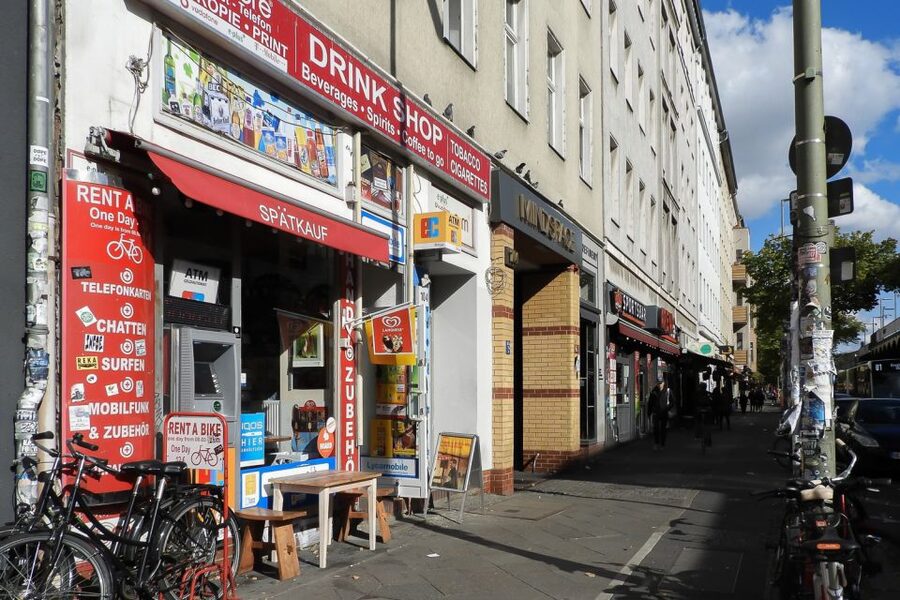
Kreuzberg changes as the day fades. Bars and cafés fill, lights come on along Oranienstraße, and the district’s social side becomes easier to understand. You are not simply walking past buildings. You are moving through a neighborhood shaped by working-class roots, political conflict, music, immigration, and constant change.
The evening setting is especially useful for the final part of the route. Görlitzer Park and the streets around it have a different feel after dark than they do in the afternoon. The tour does not promise a nightlife crawl, and it does not include drinks or club entry. Instead, your guide explains how these places fit into Kreuzberg’s public life.
I would choose this outing if you have already seen Berlin’s major sights and want a district with a strong sense of identity. It also works well early in a Berlin visit because the guide can give you a frame for understanding the city’s western and central neighborhoods.
More Kreuzberg on foot and by bike:
- Kreuzberg: Culinary Food Tour
★ 4.5 · 770 reviews - Berlin: Alternative Bike Tour of Kreuzberg & Friedrichshain
★ 4.7 · 548 reviews - Berlin: 2.5-Hour Walking Tour through Kreuzberg 61
★ 4.9 · 525 reviews
Starting at Kotti, Kreuzberg’s complicated front door
The exact meeting point depends on the option you book. The listed starting choices are FightClub Casino and Cems Burgerhouse, both in the Kottbusser Tor area, so check your booking details before setting out.
Kottbusser Tor is commonly called Kotti. The tour uses it as an introduction to Kreuzberg, not just as a place to gather. Here, your guide sets out the district’s history, daily life, and culture before the walk heads south and east.
This is a useful beginning because Kotti can feel confusing at first. Roads, transit, shops, food places, and foot traffic all meet here. A guide helps you connect that busy setting with the broader story of Kreuzberg.
Expect about ten minutes around the Zentrum Kreuzberg area, including a photo stop and an opening explanation. That is enough time to get your bearings, but not enough for a detailed architectural study. If you want polished imperial Berlin, this is not the right starting point. If you want a working neighborhood with visible tensions and energy, it is a good one.
Oranienstraße and the making of a dense district
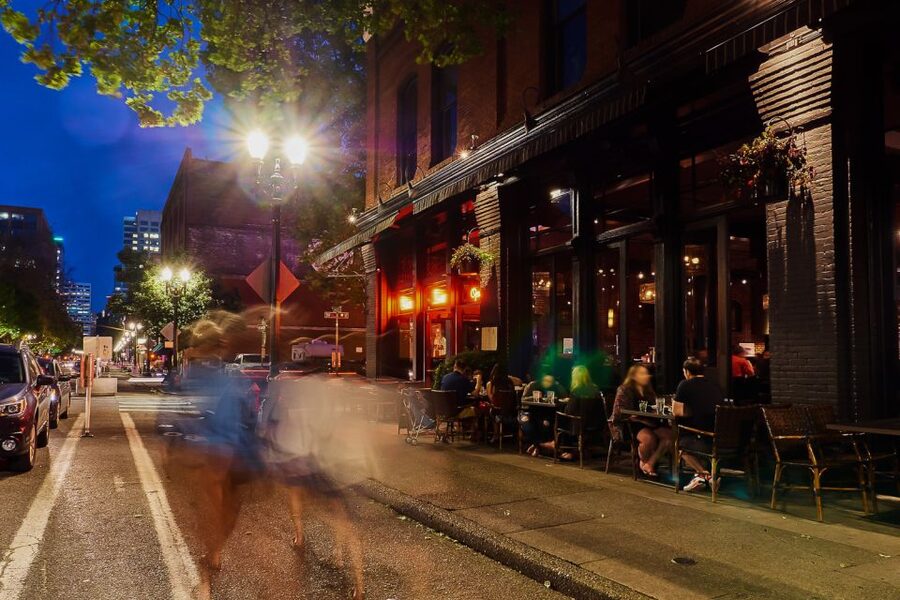
The next section follows Oranienstraße, with stops around numbers 24 and 190. Together, these portions account for about 40 minutes of guided walking and sightseeing.
Your guide explains how Kreuzberg grew in the 19th century and why the district became so densely populated. This context matters because the area’s later political and cultural identity did not appear from nowhere. Crowded streets, changing populations, and limited space helped create the conditions for strong local communities and conflict.
Oranienstraße is also one of the better places to notice the contrast between old and new Kreuzberg. You may see cafés, bars, shops, and ordinary residential streets while hearing about earlier periods of hardship and protest. The point is not to turn every doorway into a monument. It is to show how history remains tied to streets people still use.
At Oranienstraße 24 and Oranienstraße 190, the tour includes photo stops and short walking sections. Keep your camera ready, but listen closely. The value here comes from the explanation around each stop, not from a single famous façade.
The Mother of all Street Fights
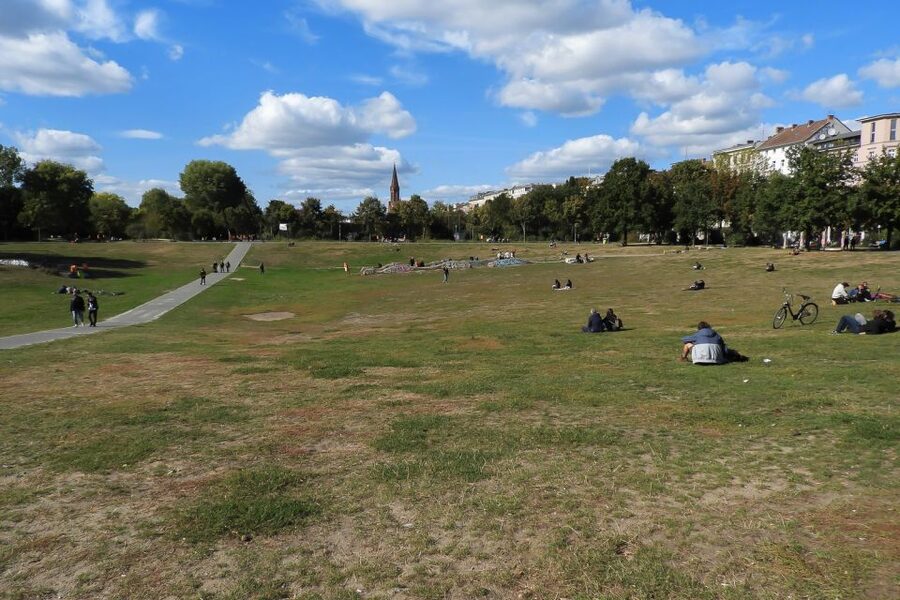
One of the tour’s central themes is Kreuzberg’s rebellious spirit. Your guide discusses the events known as the Mother of all Street Fights, a phrase tied to the district’s history of confrontations between protesters, police, and authorities.
The tour does not present protest as a cartoon of good people against bad officials. Instead, it helps you see why streets such as these became important gathering points and why Kreuzberg earned its defiant reputation. Ask questions if this subject interests you, since the format allows time for conversation, especially in a private or small group.
There is a practical point here. A walking tour can explain the setting of a street fight better than a general city overview because you are standing where the action took place. At the same time, you should not expect a formal museum display or a long chronology of Berlin politics. The information is delivered in short sections while you move.
More walking tours in Berlin:
- Discover Berlin Half-Day Walking Tour
★ 5.0 · 9,624 reviews - Berlin: Third Reich and Cold War 2 Hour Walking Tour
★ 4.9 · 6,830 reviews - Berlin: Discover Berlin Walking Tour
★ 4.9 · 5,998 reviews - Berlin’s Best: 2 Hour Walking Tour Third Reich and the Cold War
★ 5.0 · 5,486 reviews
Mariannenstraße and Lausitzer Platz
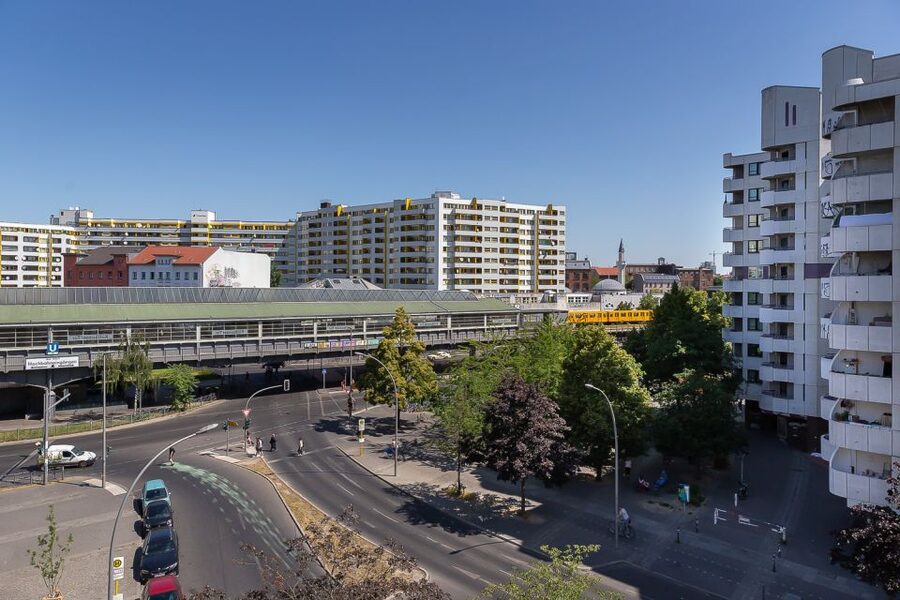
The route continues through Mariannenstraße 15 and then to Lausitzer Platz 8 A. These stops add roughly 30 minutes of walking, sightseeing, and explanation.
The Mariannenstraße stop helps broaden the story beyond Oranienstraße. Kreuzberg is not one single mood or one single block. The district’s identity developed across residential streets, meeting places, entertainment venues, and spaces where political disagreements became public.
At Lausitzer Platz, the guide continues connecting local sites with the district’s social and cultural changes. You may find this part less immediately dramatic than SO36 or the Jack the Ripper story, but it gives the walk structure. Without these quieter transitions, the tour could feel like a list of colorful anecdotes.
I would pay attention to the guide’s choice of details here. The strongest guides on this route, including Stefan and Kevin, are praised for explaining Kreuzberg in an engaging and informed way. That kind of guide makes the ordinary stops worthwhile, since the interest comes from interpretation rather than from a major landmark.
SO36 and Kreuzberg’s punk chapter
SO36 is one of the route’s clearest highlights. The club became a key venue for anarchist punk and new wave bands during the 1970s and 1980s. Those performances did more than entertain. They challenged social expectations, provoked police and government authorities, and helped give Kreuzberg its rebellious cultural image.
You visit the area around this legendary music club rather than receiving a concert or club admission. That distinction matters. Book this tour for the stories and setting, not for a night inside SO36.
For me, this is where the route’s focus on culture becomes most vivid. Music history is often treated as a side note in city tours, but here it is part of the neighborhood’s political story. A club could be a meeting point, a place of protest, and a target for official attention all at once.
The stop is also useful for understanding why Kreuzberg remains associated with alternative culture, even as the district changes. Your guide can show how a music venue became part of Berlin’s public identity. If you enjoy punk, new wave, or urban social history, this section may be the strongest reason to book.
Görlitzer Park and Berlin’s Jack the Ripper
From Lausitzer Platz, the walk continues to Görlitzer Park, with about 20 minutes planned for the park and nearby sightseeing. The subject shifts from protest and music to a darker local tale: Berlin’s own Jack the Ripper.
The story adds suspense without turning the entire walk into a ghost tour. Your guide places the tale within Kreuzberg’s streets and public spaces, giving the final part of the route a change of pace. It is a smart choice for an evening outing, when a crime story feels more natural than it would on a bright morning tour.
Görlitzer Park is also a good reminder that Kreuzberg is a lived-in district, not a preserved historical set. The park is part of present-day Berlin as well as the route’s storytelling. You will hear the tale, take in the surroundings, and continue on foot rather than stopping for a staged performance.
If you dislike crime stories or prefer architecture, this may be the least appealing portion. You can still ask your guide about the area’s wider history, since the tour is live and questions are encouraged.
The Pamukkale fountain ruins and the final streets
The walk then reaches the ruins of the Pamukkale fountain, with about ten minutes for a photo stop and explanation. The remains offer a visual pause after the park and its darker story.
Do not expect a complete monument or a long visit. The fountain is presented as one piece of the neighborhood route, and the stop is short. Its value is partly visual and partly connected to the way public spaces in Kreuzberg have changed over time.
From there, the tour continues to Oppelner Straße 3 for around 15 minutes, then Bevernstraße 6 for about ten minutes. The final stop includes sightseeing and free time before the tour ends at Bevernstraße 6.
This ending gives you a chance to keep talking with the guide or take in the surrounding streets. It also leaves you in an area with evening cafés and bars, rather than sending you back to the opening point. That can be handy if you want to continue your night nearby, though the tour does not include a meal or nightlife activity.
What the two-hour format feels like
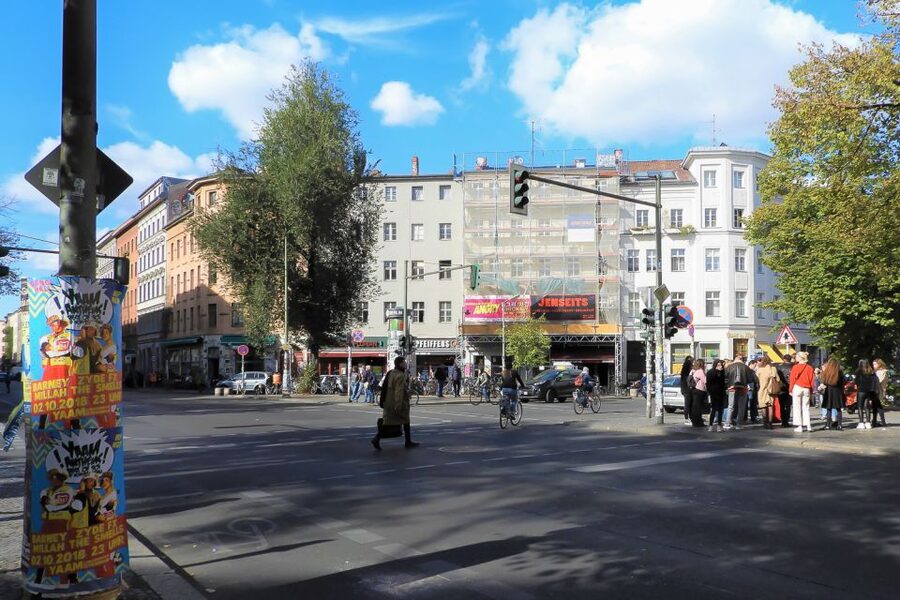
The planned duration is two hours, with walking and guided stops spread across the route. One booking was described as lasting two and a half hours, so allow a little flexibility if your guide spends extra time answering questions.
The walk is broken into short sections rather than one long lecture. The listed stop times range from about ten to 20 minutes, which should keep the pace moving. You will be on your feet throughout, so comfortable shoes are essential.
The route is not designed for a rushed photo hunt. You will want to stop, listen, and absorb the explanation before moving on. Bring weather-appropriate clothing, since the tour takes place outdoors and Berlin evenings can feel cool even when the afternoon was mild.
Daylight is another tradeoff. Evening gives you full cafés and bars, which is part of the experience. In exchange, some buildings and street details may be harder to see in low light. If photography is your priority, arrive prepared for night shots and do not expect every stop to be brightly lit.
Guide quality and group size
The guide makes a major difference on a story-based walk. Recent outings led by Stefan and Kevin were singled out for clear, detailed explanations and a strong feel for Kreuzberg’s particular character. One German-language booking described the guide as having an almost endless supply of local knowledge, while another praised the tour for being informative without becoming dull.
You can book a German or English tour. Private and small-group options are available, which is important here because the subjects invite questions. A large group might still work, but the personal format is better if you want to ask about punk culture, protests, local figures, or the crime story.
The tour is not a substitute for a specialist academic lecture. Its strength is the guide’s ability to connect many subjects in one walk. The experience depends less on entering sites and more on how well the guide turns streets, parks, and venues into a coherent story.
Is $27 a fair price?
At $27 per person, this is a reasonable price for a two-hour guided city walk, especially if you choose a small group or private format. You are paying for a live guide, local context, and a route that would be difficult to understand fully from a map alone.
The value is highest if you care about Berlin’s social and cultural history. You are not paying for admission to SO36, a meal, transport, or a museum visit. If you want several formal attractions included in one ticket, this will feel limited.
I would compare it with the cost of spending two hours wandering Kreuzberg without context. You can certainly walk Oranienstraße and Görlitzer Park yourself, but you may miss why the locations matter and how they connect. For a first look at the district, the guide adds real value.
The flexible booking terms also reduce the risk. You can cancel up to 24 hours in advance for a full refund, and you can reserve now and pay later. Those policies are useful when your Berlin schedule is still shifting, though they do not change what the tour itself includes.
Who should book this Kreuzberg walk?
I would recommend it to you if you enjoy:
- City neighborhoods more than grand monuments
- Local political and cultural stories
- Punk, new wave, and alternative music history
- Evening walks with cafés and bars nearby
- Guides who explain places through people and events
- Small groups where you can ask questions
It is a particularly good fit for adults and older teenagers who can appreciate stories about protest, policing, crime, and social change. It may be less suitable if you want a quiet stroll, a major museum collection, or a tour focused on architecture.
Families can judge the crime and protest topics for themselves. The route is outdoors and fairly compact, but the evening timing and subject matter may not suit young children.
Should you book the Kreuzberg evening tour?
Book it if you want to understand why Kreuzberg has such a strong identity. The route brings together Kotti, Oranienstraße, the history of street conflict, SO36, Görlitzer Park, the Pamukkale fountain ruins, and the final streets near Bevernstraße. That gives you more than a neighborhood photo stop. It gives you a set of stories you can carry into the rest of your Berlin visit.
I would skip it only if you want grand sights, indoor attractions, or a very relaxed pace. For everyone else, $27 is a fair way to spend two hours, especially with a strong guide such as Stefan or Kevin and a small group that leaves room for questions.
FAQ
How long does the Kreuzberg evening tour last?
The stated duration is two hours. One booking lasted two and a half hours, so allow some extra time if the guide answers questions or spends longer at a stop.
Where does the tour begin?
The meeting point depends on the option booked. The available starting locations are FightClub Casino and Cems Burgerhouse.
Where does the tour end?
The tour finishes at Bevernstraße 6.
Which languages are available?
The live tour guide is available in German and English.
Is this a private tour?
Private and small-group options are available. The exact group type depends on the option you choose.
What places are included on the route?
The walk includes Kottbusser Tor, Zentrum Kreuzberg, Oranienstraße, Mariannenstraße, Lausitzer Platz, SO36, Görlitzer Park, the ruins of the Pamukkale fountain, Oppelner Straße, and Bevernstraße.
What should I bring?
Bring comfortable shoes and clothing suitable for the weather. The experience is an outdoor walking tour.
Can I cancel the booking?
You can cancel up to 24 hours in advance for a full refund. A reserve-now, pay-later option is also available.
More Evening Experiences in Berlin
- Berlin: Solar Powered Sunset Catamaran Cruise & Audio Guide
★ 4.6 · 1,043 reviews - Berlin: Live-Guided Evening Sightseeing Tour by Open-top Bus
★ 4.1 · 783 reviews - Berlin: Bus Tour by Night with Live Commentary
★ 4.2 · 687 reviews - Berlin Boat Tour | Sunset Tour with Solar Ship | Sightseeing Spree
★ 4.5 · 217 reviews
Just added around Berlin
- Berlin Highlights in One Day★ 5.0 · 3 reviews
- Private Berlin One Day Tour with a Local: See the City Unscripted★ 3.5 · 3 reviews
- Individual city tour Berlin for max. 8 persons★ 5.0 · 3 reviews
- Transfer from Berlin Schönefeld Airport (SXF) to Berlin city Hotels – ROUND TRIP★ 4.0 · 3 reviews
- Berlin: Museum Island Tour★ 5.0 · 3 reviews
- Private Analogue Photography Experience in Berlin★ 5.0 · 3 reviews
- Berlin: Local Food Tour in Secrets Hidden Gems★ 4.0 · 3 reviews
- Berlin & The Third Reich Private Guided Tour★ 5.0 · 3 reviews
Kreuzberg Tours, compared.


Alternative Bike Tour of Kreuzberg & Friedrichshain
Read our review →

Berlin Off-the-Beaten-Path Walking Tour: Kreuzberg, Mitte and Friedrichshain
Read our review →
Kreuzberg Berlin: Off the Beaten Track PRIVATE Walking Tour
Read our review →
Experience the Alternative Kreuzberg on a Bike Tour
Read our review →
Browse the lists this tour appears in