
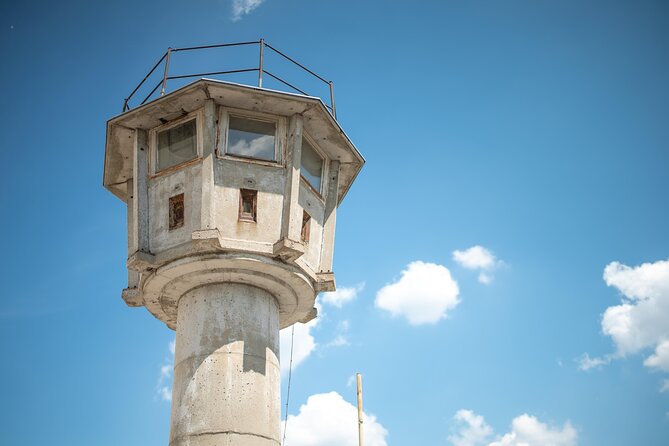
Review · BERLIN WALL TOURS
Private Cold War Berlin: Espionage, Berlin Wall, a Divided City
Berlin’s Cold War story comes alive when you move from the Wall’s preserved escape tunnels to the rooms where East German officials watched, questioned, and controlled their own people. This private tour links several important sites, giving you a useful map of a city once split by concrete, soldiers, and fear.
I like two things right away: hotel pickup and drop-off remove some Berlin logistics, and a private guide can adjust the explanation to your interests. Guides Tina and Toni have earned praise for clear storytelling, with Toni adding the unusual perspective of having been a child during the Cold War.
The main drawback is pace. Seven stops are packed into about three to four hours, and this is best treated as an active walking tour rather than a relaxed museum day. Some stops last only 15 or 20 minutes, so you get a broad story instead of long visits at every site.
In This Review
- Key points to know before booking
- Berlin’s Cold War story begins at Bernauer Strasse
- The Tränenpalast shows the pain of leaving
- East Side Gallery turns a barrier into public art
- The Stasi Museum explains surveillance from the inside
- Checkpoint Charlie puts Cold War tension on the street
- Prenzlauer Berg adds the story of Soviet and Stasi prisons
- Alexanderplatz connects protest with the fall of the Wall
- Why the private format matters
- Time, transport, and walking demands
- Is $191.44 per person a fair price?
- Who should book this Cold War tour?
- Should you book Private Cold War Berlin?
- FAQ
- How long does the Private Cold War Berlin tour last?
- Is this a private tour?
- Is hotel pickup included?
- What language is the tour offered in?
- Is the tour suitable for people with physical limitations?
- Does the tour operate in bad weather?
- Are food and drinks included?
- What locations are included?
- What is the cancellation policy?
Key points to know before booking
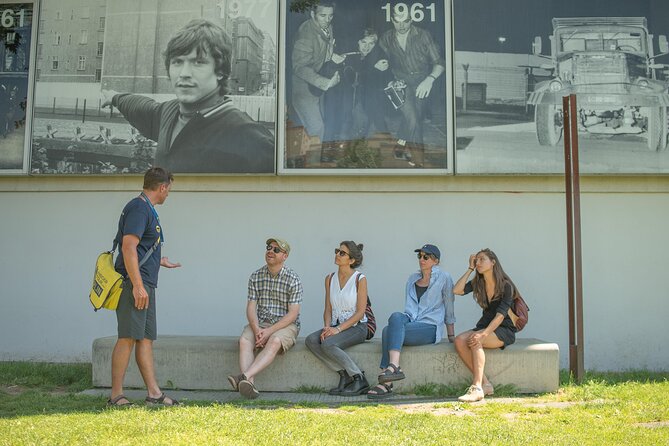
- Tunnel 29 and Tunnel 57 reveal the human side of the Wall: Hear how East Berliners used underground routes to reach freedom.
- The private format makes the history personal: Your guide can respond to questions and, when possible, accommodate physical limitations.
- Seven stops cover both sides of the Cold War story: You see memorials, border crossings, former prisons, art, protest sites, and surveillance headquarters.
- Hotel pickup and drop-off are included: This is useful when your hotel is not near the first stop or when you want a simple start and finish.
- The tour costs $191.44 per person: The value rests mainly in the private guiding and wide coverage, not in included meals or attraction tickets.
- The experience runs in all weather: Wear practical shoes and bring clothing suited to Berlin’s conditions.
Berlin’s Cold War story begins at Bernauer Strasse
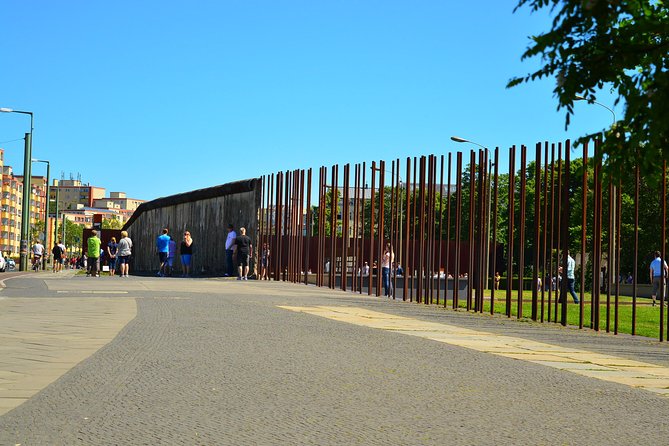
Bernauer Strasse is one of the strongest places in Berlin to begin understanding the Wall. The street was split so sharply that entrances, windows, sidewalks, and family routines became part of the border story. Here, the Cold War feels less like a chapter in a textbook and more like a problem forced into ordinary homes.
You visit the Berlin Wall Memorial, where a preserved section of the Wall remains beside the Chapel of Reconciliation. The setting is quiet and serious. It gives your guide room to explain how the barrier changed daily life, separated relatives, and turned escape into a dangerous act.
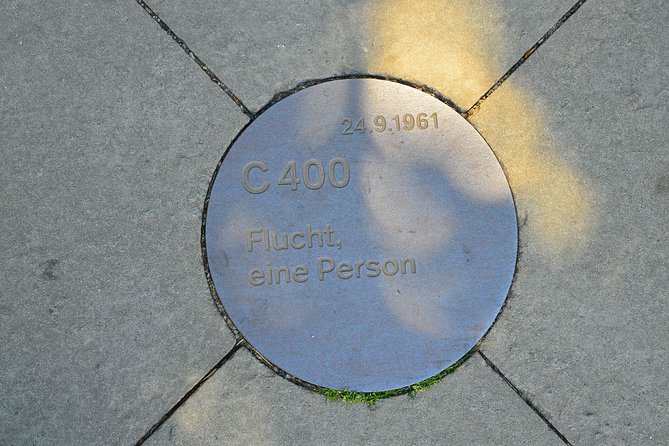
The escape tunnels are a major reason this stop matters. Tunnel 57 and Tunnel 29 were dug beneath the divided city by people willing to risk arrest, injury, or worse. Tunnel 29 helped 29 people reach the West in 1962, a precise detail that gives the larger story a human scale.
Allow about 40 minutes here. That is enough time for a focused introduction, though not enough for every exhibit or story connected with the memorial. I would pay close attention to the personal accounts rather than trying to photograph every section of wall. The point is not simply to see concrete. It is to understand what the concrete did to people.
More of the Berlin Wall, end to end:
- Skip-the-Line: Berlin Wall Museum at Checkpoint Charlie
★ 4.1 · 2,041 reviews - Berlin: East Side Gallery Spree Cruise in a Solar Catamaran
★ 4.0 · 1,039 reviews - Cold War, Berlin Wall, Spies and the East Side Gallery
★ 5.0 · 1,024 reviews
The Tränenpalast shows the pain of leaving
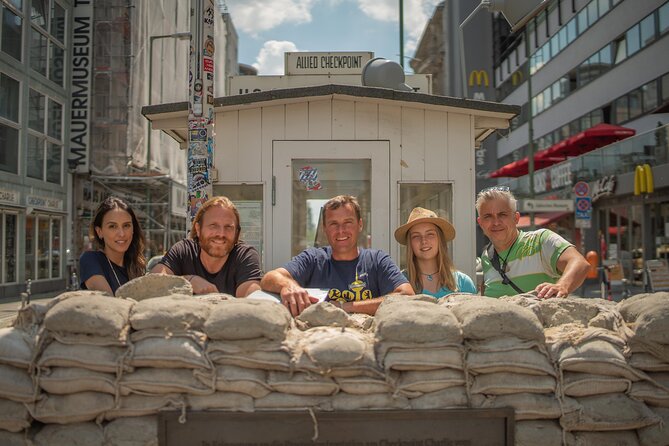
At Friedrichstrasse, the Tränenpalast, or Palace of Tears, brings the border into an indoor setting. This former crossing point was where people said farewell as East Berliners crossed into West Berlin. The name fits. Families could meet, but departures were controlled, watched, and often final for an uncertain length of time.
The museum explains border procedures, the Berlin Wall, and the personal cost of divided families. You also hear about espionage at the crossing, where people tried to move between East and West without drawing attention. That combination is useful because it connects emotional family stories with the larger intelligence struggle.
The planned visit lasts about 20 minutes. That is a short stop, but it can be powerful if your guide gives you the right context before you enter. You should not expect a long museum session here. Instead, think of it as a concentrated look at how political systems turn a simple farewell into a state-controlled event.
East Side Gallery turns a barrier into public art
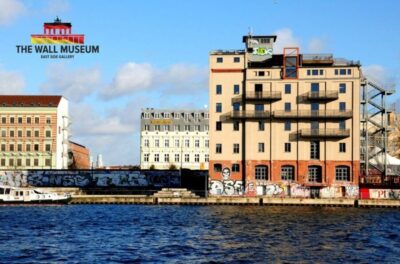
The East Side Gallery offers a sharp change in mood. This 1.3-kilometer section of the Wall became an open-air gallery after the Wall fell in 1989. Artists from many countries painted murals on the remaining concrete, replacing a symbol of division with messages about freedom, hope, and unity.
The art is not just decoration. Your guide can explain how the murals reflect the optimism that followed reunification and how Berlin continued to reshape the meaning of the Wall. This is one of the tour’s more uplifting sections, though it still works best when you remember what the painted surface once represented.
The stop is scheduled for about 20 minutes. That gives you a quick introduction and a chance to see part of the gallery, but not a leisurely walk along the entire 1.3-kilometer stretch. If you want time for close inspection and photos, ask your guide how much of the gallery you will cover within the private tour’s schedule.
The Stasi Museum explains surveillance from the inside
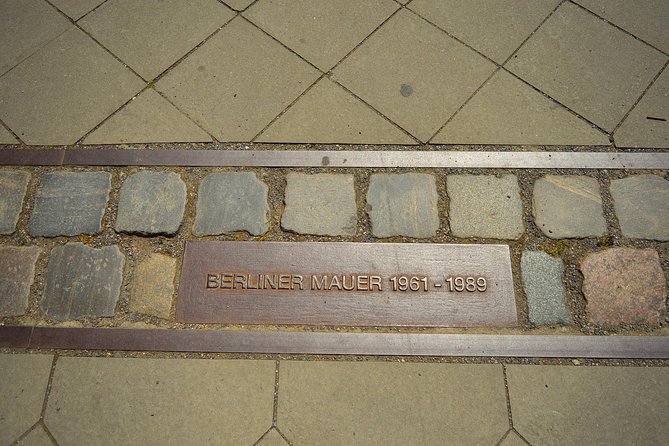
The former Stasi headquarters offers the tour’s clearest look at East Germany’s system of surveillance and control. The Stasi relied on informants, hidden cameras, wiretapping, interrogation, and the monitoring of ordinary citizens. Its reach affected families, friendships, workplaces, and private conversations.
This stop helps explain why life in East Germany could feel controlled even when no uniformed officer was nearby. The key lesson is not only that the secret police watched people. It is that the system encouraged people to watch one another.
You are allotted about 25 minutes. That is enough for a sharp explanation of the headquarters and its methods, but the subject deserves more time than the schedule allows. If surveillance history is your main interest, tell your guide early. A private format gives you a better chance to focus on the parts that matter most to you.
The stop can also feel sobering. The tour does not present the Stasi as a glamorous spy agency. Instead, it shows how intelligence work became a tool for suppressing dissent and making normal life uncertain.
More Cold War Berlin:
- Berlin: Third Reich and Cold War 2 Hour Walking Tour
★ 4.9 · 6,830 reviews - Berlin’s Best: 2 Hour Walking Tour Third Reich and the Cold War
★ 5.0 · 5,486 reviews - Berlin: Cold War Walking Tour on Berlin Wall Route
★ 4.8 · 437 reviews - Berlin: Cold War Era History Guided Bike Tour
★ 4.8 · 413 reviews
Checkpoint Charlie puts Cold War tension on the street
Checkpoint Charlie is probably the most famous name on this tour. It was a border crossing between East and West Berlin and a setting for tense confrontations between American and Soviet forces. The Berlin Crisis of 1961 brought the danger of direct conflict into plain view, especially after the Wall went up.
Your guide explains escape attempts, spy exchanges, and the tense moments that made this crossing a symbol of the divided city. You also hear how the checkpoint affected ordinary Berliners, not just diplomats and intelligence officers.
The scheduled visit lasts 15 minutes. That makes it more of a guided orientation than a full museum visit. The area is iconic, but the modern setting can feel crowded and commercial compared with the quieter memorial at Bernauer Strasse. I would rely on the guide for historical context and avoid judging the site only by the present-day street scene.
If you want more time with exhibits about espionage and escapes, check how the tour handles the museum portion. The supplied details identify a museum at the site, but the stop itself is short and admission is listed as free for the experience.
Prenzlauer Berg adds the story of Soviet and Stasi prisons
At Fröbelstrasse in Prenzlauer Berg, the tour turns to detention and political repression. The former NKVD prison was first used by Soviet authorities after World War II for political prisoners, suspected spies, and people labeled enemies of the state. After the German Democratic Republic was established, the Stasi took over the site.
This location broadens the story beyond the Wall. Berlin’s division was not only about border guards and escape routes. It also involved prisons, interrogations, and the removal of people who challenged the system.
The stop lasts about 15 minutes, so expect an outdoor explanation rather than a long prison visit. Your guide focuses on the conditions prisoners faced, the methods used to silence opposition, and the courage of people who resisted. This is a useful stop for connecting Soviet postwar control with the later East German security state.
Because the site is less instantly familiar than Checkpoint Charlie, the guide’s explanation matters a great deal. Without context, you might pass it without understanding what happened there.
Alexanderplatz connects protest with the fall of the Wall
Alexanderplatz shows how peaceful resistance helped change the course of East German history. On November 4, 1989, more than half a million East Berliners gathered here to demand change. The protest came just days before the Berlin Wall fell, making the square central to the final chapter of the divided city.
Your guide points out the Television Tower, or Fernsehturm, a major symbol of East German power, and the Red City Hall, linked with the government of the German Democratic Republic. You also learn how surveillance shaped this part of East Berlin and how the square became a place where public opposition could no longer be ignored.
The visit lasts around 15 minutes. It is short, but the location gives the tour a strong ending. You move from underground escapes and private fear to a huge public protest that helped push the regime toward collapse.
Why the private format matters
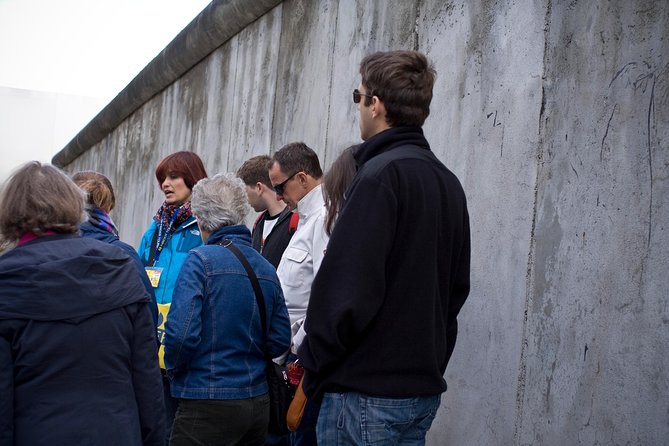
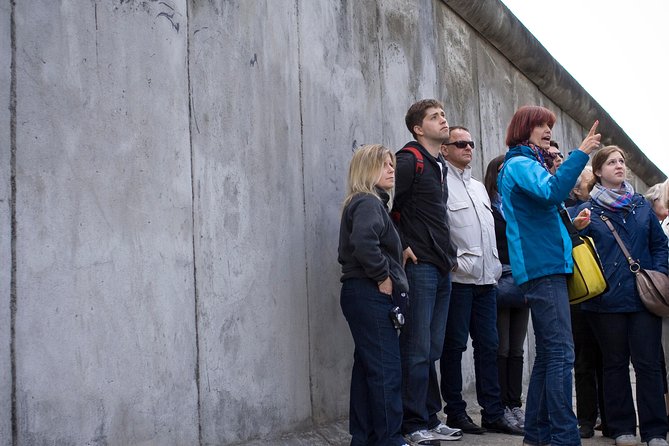
A private tour is not automatically better than a group tour, but this subject benefits from conversation. You can ask why one escape method worked, how border controls operated, or what daily life felt like for people on either side. A good guide can adjust the amount of political background and personal detail.
The strongest praise for this experience centers on the guides’ storytelling. Tina is described as a natural storyteller who brings out the lived experience of people in East and West Germany. Toni is known for a calm, informative approach, and his childhood during the Cold War gives him a personal connection to the period.
That personal connection does not replace historical evidence, but it can help you picture the era. A guide who grew up during the Cold War may explain how the period looked and felt to a child, rather than presenting only dates and political leaders.
One guide also accommodated physical limitations. That is encouraging, but you should still explain your needs when booking. The tour is described as suitable for most people, yet it involves walking across several parts of Berlin and moving at a schedule that includes seven stops.
Time, transport, and walking demands
The tour lasts about three to four hours and includes hotel pickup and drop-off. Those transfers are a real convenience, especially if you are unfamiliar with Berlin or prefer not to work out the route between distant sites.
The experience is still described as a walking tour. Do not assume that hotel transport means you will spend most of the day in a vehicle. Wear shoes that can handle several hours of movement, and dress for changing weather because the tour operates in all conditions.
The itinerary covers a wide area, from Bernauer Strasse to Friedrichstrasse, East Side Gallery, former Stasi sites, Checkpoint Charlie, Prenzlauer Berg, and Alexanderplatz. The schedule therefore favors coverage and explanation over long stays at each location.
If you have mobility concerns, raise them before the tour begins. The guide may be able to adjust the pace, as one guide did for a guest with physical limitations, but no exact accessibility plan is provided.
Is $191.44 per person a fair price?
At $191.44 per person, this is not a budget walking tour. The price includes a professional private guide, hotel pickup, and hotel drop-off. Food and drinks are not included.
The value depends on your group size and your priorities. For a small group that wants a focused Cold War lesson without strangers, the cost can make sense. You are paying for personal attention, a broad route, and the chance to ask questions throughout the experience.
The tour also visits several places that are free to access as part of the experience. That means the price is mainly for the guide and transport arrangement, not a long list of paid admissions. If you prefer to explore museums slowly on your own, you may get better value by choosing a shorter guided walk and spending extra time at the museums independently.
The current rating is 5 out of 5 from 20 ratings, with all listed ratings recommending the experience. That points to consistent satisfaction, especially with the guides’ presentation and personal attention, but the small number of ratings does not tell you everything about the pace or weather conditions.
Who should book this Cold War tour?
I would choose this tour if you want a clear introduction to Berlin’s divided past and prefer a private conversation to a large group. It is especially useful for first-time visitors who want several major Cold War sites explained in one outing.
Repeat visitors can also benefit. The route includes familiar names such as Checkpoint Charlie and the East Side Gallery, but it adds less obvious places such as the former NKVD and Stasi prison site at Fröbelstrasse. Those quieter locations give the story more depth.
This is a good fit for:
- History-minded visitors who want more than photographs of the Wall
- Families or private groups with different levels of background knowledge
- Active visitors comfortable walking between several stops
- People interested in espionage, escape attempts, surveillance, and protest
- Visitors who value hotel pickup and a flexible private guide
You may want another format if you dislike walking, want long museum visits, or prefer to explore at a slow photographic pace. The short stop times make this a strong overview, not a full study of every site.
Should you book Private Cold War Berlin?
Book it if you want the human story behind Berlin’s Wall, prisons, protests, and spy networks, all tied together by one guide. Bernauer Strasse and the escape tunnels provide the emotional center, while the Stasi headquarters and former prisons explain the machinery of control. Alexanderplatz then shows how public protest helped bring that system down.
The private format and hotel transfers add practical value, especially for a first visit. Just plan for an active outing, dress for the weather, and understand that seven stops in three to four hours means short visits.
I would book this tour for a compact, serious introduction to Cold War Berlin. If you want to study one museum in detail, use this as your orientation and return later on your own.
FAQ
How long does the Private Cold War Berlin tour last?
The tour lasts approximately three to four hours.
Is this a private tour?
Yes. Only your group participates in the activity.
Is hotel pickup included?
Yes. Hotel pickup and hotel drop-off are included.
What language is the tour offered in?
The tour is offered in English.
Is the tour suitable for people with physical limitations?
Most people can participate, and a guide has accommodated physical limitations. Since the experience is an active walking tour, you should explain your needs when booking.
Does the tour operate in bad weather?
Yes. It operates in all weather conditions, so you should dress appropriately.
Are food and drinks included?
No. Food and drinks are not included.
What locations are included?
The tour includes the Berlin Wall Memorial at Bernauer Strasse, the Tränenpalast, East Side Gallery, the Stasi Museum, Checkpoint Charlie, the former NKVD and Stasi prison site in Prenzlauer Berg, and Alexanderplatz.
What is the cancellation policy?
You can cancel up to 24 hours before the start time for a full refund. Cancellations or changes made less than 24 hours before the experience are not accepted for a refund.
Just added around Berlin
- Berlin Highlights in One Day★ 5.0 · 3 reviews
- Private Berlin One Day Tour with a Local: See the City Unscripted★ 3.5 · 3 reviews
- Individual city tour Berlin for max. 8 persons★ 5.0 · 3 reviews
- Transfer from Berlin Schönefeld Airport (SXF) to Berlin city Hotels – ROUND TRIP★ 4.0 · 3 reviews
- Berlin: Museum Island Tour★ 5.0 · 3 reviews
- Private Analogue Photography Experience in Berlin★ 5.0 · 3 reviews
- Berlin: Local Food Tour in Secrets Hidden Gems★ 4.0 · 3 reviews
- Berlin & The Third Reich Private Guided Tour★ 5.0 · 3 reviews
Berlin Wall Tours, compared.

Skip-the-Line: Berlin Wall Museum at Checkpoint Charlie
Read our review →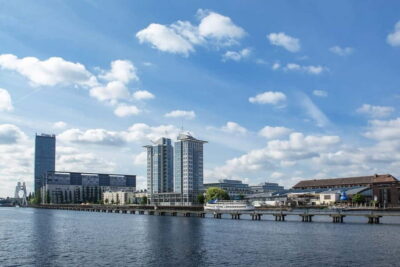
East Side Gallery Spree Cruise in a Solar Catamaran
Read our review →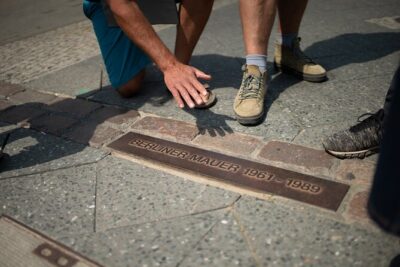
Cold War, Berlin Wall, Spies and the East Side Gallery
Read our review →

Guided Bike Tour of the Berlin Wall and Third Reich
Read our review →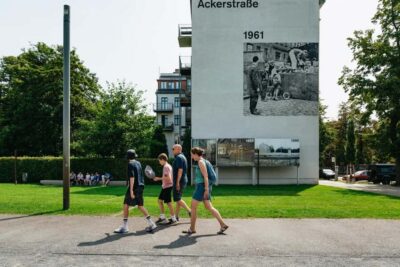

Browse the lists this tour appears in