
Review · KREUZBERG TOURS
Understanding Kreuzberg: The roots of local (sub)culture
Kreuzberg makes the most sense when you see it as a place shaped from below. This walking tour links the district’s squatter movement, activism, and experimental arts to the way people live here today, rather than treating Kreuzberg as a collection of trendy cafés and murals.
I like two things especially. First, guide Lee brings personal insight and a clear grasp of the district’s past. Second, the walk looks at local projects and everyday life, including back courtyards and street art, then pauses for hot chocolate at Rio-Reiser-Platz. The main consideration is time: at two to three and a half hours, this is a substantial walking tour, not a quick introduction.
In This Review
- Key points to know
- Why Kreuzberg’s story starts with outsiders
- Meeting at YAAM and starting near the Spree
- Following the squatter movement into modern Kreuzberg
- Back courtyards, street art, and details you might miss
- A pause at Rio-Reiser-Platz with something warm
- Seeing how residents shape the district
- Finishing at Kottbusser Tor
- What guide Lee adds to the experience
- How much value do you get for $35?
- Who should book this Kreuzberg walk?
- Practical details before you go
- Should you book it?
- FAQ
- Where does the Kreuzberg tour meet?
- Where does the tour finish?
- How long does the experience last?
- What languages are available?
- Is a hot drink included?
- Does the tour visit Rio-Reiser-Platz?
- Is the tour wheelchair accessible?
- Can I book a private group?
- What is the cancellation policy?
Key points to know
- Kreuzberg from the inside out: Learn why squatting, activism, and experimental art took root here.
- Guide Lee’s personal approach: Lee has led the tour in a way that connects architecture, people, and local change.
- A stop at Rio-Reiser-Platz: Take a 15-minute break with chocolate, coffee, or tea from a small Berlin business.
- Hidden courtyards and street art: The route looks beyond the major sights to details you could easily pass on your own.
- A useful end point: Finish at U Kottbusser Tor, a practical spot for continuing your Berlin day.
- Flexible format: English, German, and Russian tours are available, with private groups and wheelchair access offered.
Why Kreuzberg’s story starts with outsiders

Kreuzberg’s reputation did not appear by accident. For decades, the district drew artists, political activists, alternative groups, and people looking for a different way to live in Berlin.
That story is tied to the old division of the city. Life beside the Wall helped give Kreuzberg a particular mix of isolation, affordable space, protest culture, and international influence. The district developed far from the polished image of central Berlin, and its residents often had to organize for themselves.
On this walk, I would expect the guide to explain how those conditions supported squatting and other forms of collective action. You are not simply looking at old buildings and hearing dates. You are considering why people moved into empty properties, how they defended their right to stay, and how those choices affected the district that exists now.
That context matters because Kreuzberg can be easy to misread. A mural, community project, or independent shop may look like a colorful backdrop, but the tour asks you to see the arguments and decisions behind it.
More Kreuzberg on foot and by bike:
- Kreuzberg: Culinary Food Tour
★ 4.5 · 770 reviews - Berlin: Kreuzberg Guided Walking Evening Tour
★ 4.7 · 555 reviews - Berlin: Alternative Bike Tour of Kreuzberg & Friedrichshain
★ 4.7 · 548 reviews
Meeting at YAAM and starting near the Spree
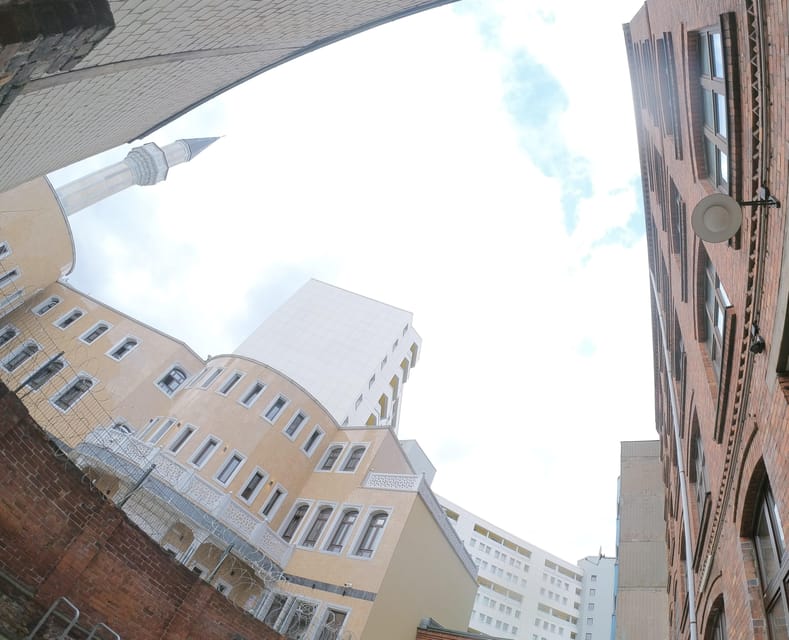
The meeting point is in front of the YAAM entrance at An d. Schillingbrücke 4, close to Ostbahnhof. This gives the experience a useful setting from the start. YAAM is associated with music and alternative culture, so you begin in a place that fits the subject rather than at a generic city square.
The route then leads into Kreuzberg. You should allow time to reach the meeting point and wear shoes suited to a long city walk. The published duration ranges from two hours to 210 minutes, while the route details describe two main sections of about an hour and a half each, separated by a 15-minute pause. Since those figures do not line up perfectly, check the exact departure time and expected length when you book.
The walk is described as wheelchair accessible. Still, the route includes streets, courtyards, photo stops, and urban spaces, so anyone who needs specific access details should confirm them before setting out.
Following the squatter movement into modern Kreuzberg
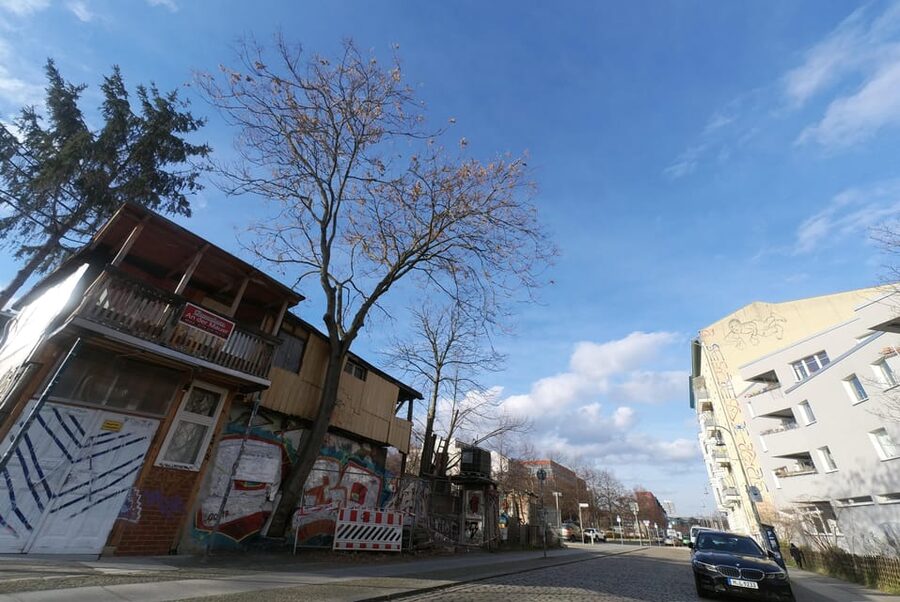
The heart of the experience is the explanation of how Kreuzberg’s 1970s subcultures grew. The squatter movement is not presented as a strange footnote. It is treated as a force that helped shape the district’s political habits, social networks, art, and ideas about who gets to influence a neighborhood.
You will hear about the values that carried forward. Those values may include collective decision-making, concern for housing, environmental projects, and a willingness to question official plans. The key point is that the past is not sealed away. The walk connects earlier struggles with the ways residents still organize and shape local life.
I find this approach more useful than a standard architecture walk because it explains cause and effect. You learn not only that Kreuzberg looks different, but why it acquired that character.
The tour also covers stories from life during the Wall and after its fall. These stories help you picture Kreuzberg as a lived-in border district, not simply a fashionable quarter that appeared after reunification. You may hear about the unusual routines, tensions, and opportunities that came with living in a divided city.
Back courtyards, street art, and details you might miss
A particularly appealing part of the walk is the chance to turn into hidden back courtyards. These spaces can reveal how urban life works away from the main road. They may show the gap between public façades and the shared or semi-private spaces behind them.
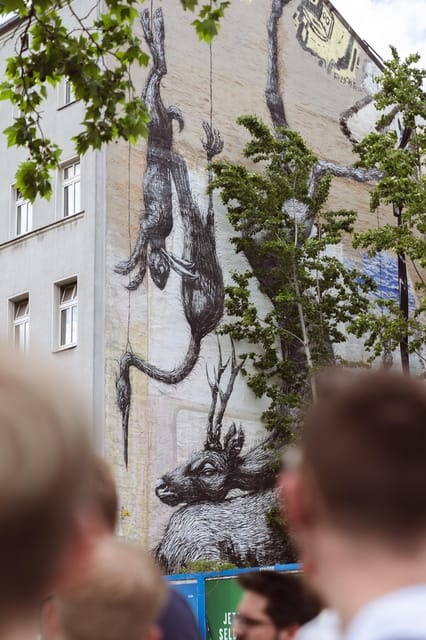
The tour also includes impressive examples of local street art. That is important in Kreuzberg, where art often carries a social or political message. A guide can give you the background needed to read these works as part of the neighborhood rather than as decoration.
Do not expect a museum-style presentation with every stop marked by a formal sign. The pleasure here comes from connecting small details to a larger story. You might leave noticing doorways, walls, courtyards, and community spaces that would otherwise blur into the background.
The tradeoff is that the experience depends on the guide’s storytelling. Lee has been praised for being engaging, well informed, and able to explain the district with warmth and charm. That is encouraging, especially for a subject that could become dry or overly political in less capable hands.
A different side of Berlin on the same trip:
- Berlin: Reichstag, Dome and Government District Guided Tour
★ 4.7 · 18,288 reviews - Berlin: 1-Hour City Tour by Boat with Guaranteed Seating
★ 4.3 · 16,993 reviews - Berlin: Boat Tour Along the River Spree
★ 4.4 · 11,252 reviews - Discover Berlin Half-Day Walking Tour
★ 5.0 · 9,624 reviews
A pause at Rio-Reiser-Platz with something warm
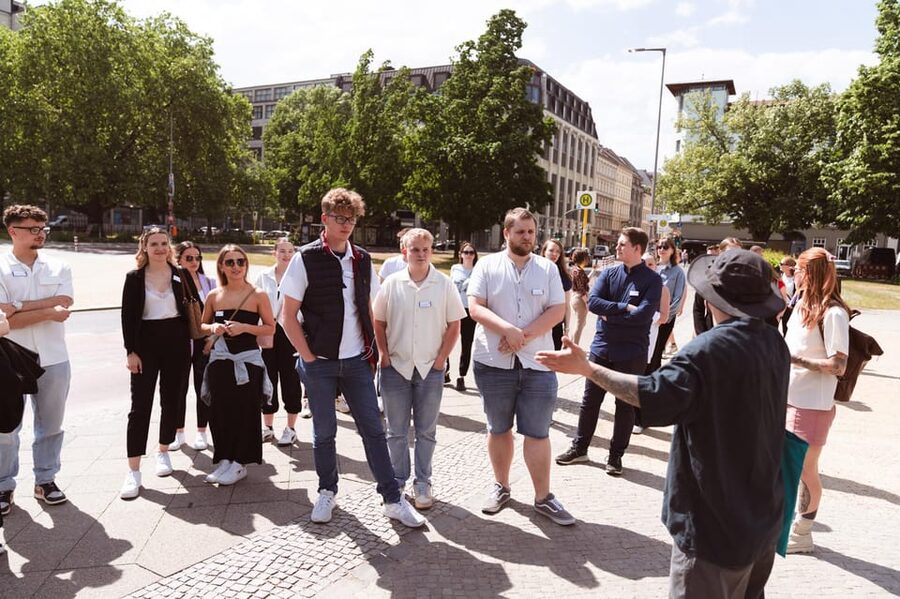
After the first part of the walk, you stop at Rio-Reiser-Platz for about 15 minutes. The break includes one hot beverage: chocolate, coffee, or tea, provided in cooperation with a small local business.
The chocolate is part of the appeal. It gives the tour a simple, human pause and adds a taste of Berlin to a walk focused on urban history. If you choose hot chocolate, you are trying a drink associated with a local chocolatier rather than grabbing a standard beverage from a chain.
The stop also gives you a chance to mingle with local life and take stock of what you have seen. A 15-minute break is not enough for a full meal, so plan to eat before or after the tour if you need more than a drink.
I like this kind of pause because it keeps the experience grounded. Kreuzberg is not just a case study in housing and protest. It is also a neighborhood where people meet, eat, work, and spend ordinary afternoons.
Seeing how residents shape the district
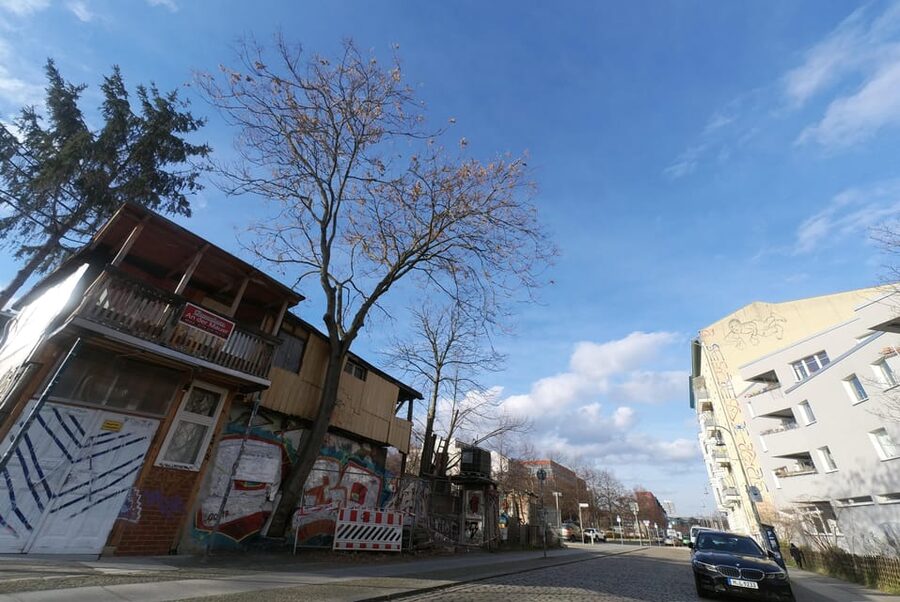
The tour’s strongest theme is local participation. You will hear about social and environmental projects organized by residents and about urban ideas realized through cooperation.
That focus gives you a better way to understand contemporary Kreuzberg. The district is not presented as a finished product. It is a place where disagreements continue, where people try to protect local character, and where residents take active roles in deciding what should happen around them.
For you, the value is practical as well as historical. Once you understand the forces behind the district, you can look at its cafés, street art, housing blocks, and public spaces with more care. You may also think differently about the tension between alternative culture and the commercial attention that follows it.
The tour does not promise a simple answer to Kreuzberg’s challenges. That is a strength. A serious look at local culture should leave room for conflict, change, and imperfect solutions.
Finishing at Kottbusser Tor
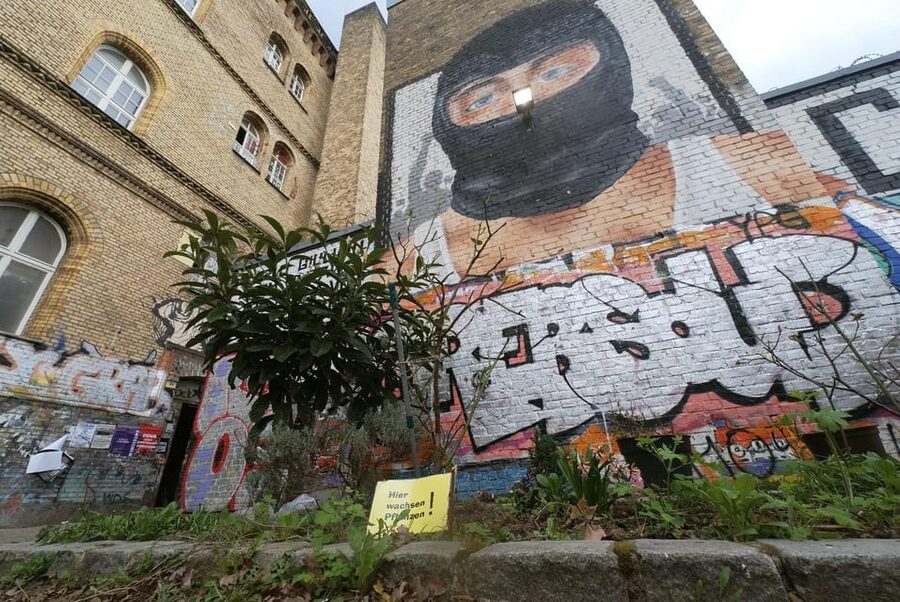
The route ends at U Kottbusser Tor. This is a useful finish because you are not left at an isolated point. You can continue by public transport or carry on exploring Kreuzberg from there.
The end location also fits the tour’s subject. Kottbusser Tor is one of the district’s best-known urban spaces, and finishing there gives you a chance to compare the stories from the walk with the busy city life around you.
Several people who took the tour used the guide’s suggestions to plan the rest of their day. That makes sense here. Lee can offer ideas about where to eat and what to see next, and the ending point makes it easy to continue without backtracking.
The tour is not designed as a checklist of famous landmarks. You will get more from it if you are happy to spend time listening, looking closely, and following the district’s social story.
What guide Lee adds to the experience
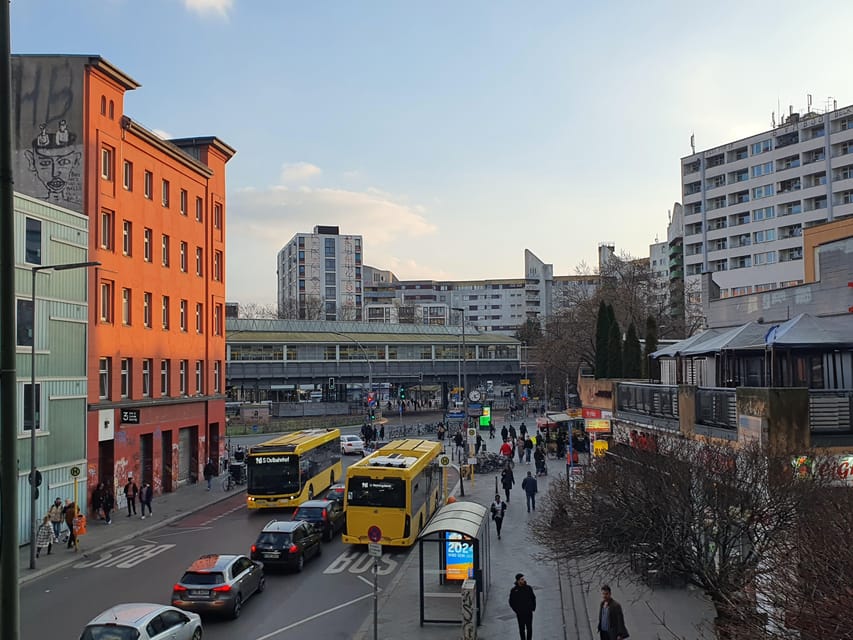
Lee is the guide name most closely associated with this walk. The feedback about Lee is notably consistent: people describe a friendly, clear, well-prepared guide who explains Kreuzberg’s development in an interesting way.
One useful detail is Lee’s willingness to adjust the walk around your plans for the day. That does not mean the route becomes fully custom every time, but it suggests a conversational style rather than a rigid speech delivered at every corner.
Lee’s personal connection to Kreuzberg also seems to help with the balance between fact and feeling. You can expect more than a list of historical events. The aim is to give you a sense of the people, architecture, and energy that make the district distinct.
The tours are offered in English, German, and Russian. Private groups are available, which could suit families, friends, or small groups who want a more direct exchange with the guide.
How much value do you get for $35?
At $35 per person, the tour sits in a reasonable range for a guided Berlin walk lasting two to three and a half hours. The price includes the guide and one hot drink, but the real value comes from access to a local explanation that is difficult to assemble from a map alone.
If you spent the same time walking Kreuzberg independently, you could see street art, public spaces, and well-known streets without paying anything. You would not automatically understand the link between the Wall, squatting, local activism, experimental art, and present-day projects.
This tour is worth the price if that background interests you. It is less useful if you only want quick photographs or a list of famous sights.
The long duration improves the value, but it also raises the effort required. You are paying for a focused neighborhood study, so you should be ready to walk and listen for much of the afternoon. The 15-minute break helps, but this is not a relaxed café crawl.
With a 4.9 rating from 11 bookings, the experience has made a strong impression, especially for its clear explanations and personal style. The sample of ratings is small, so I would treat it as a helpful sign rather than a guarantee that every group will have the same experience.
Who should book this Kreuzberg walk?
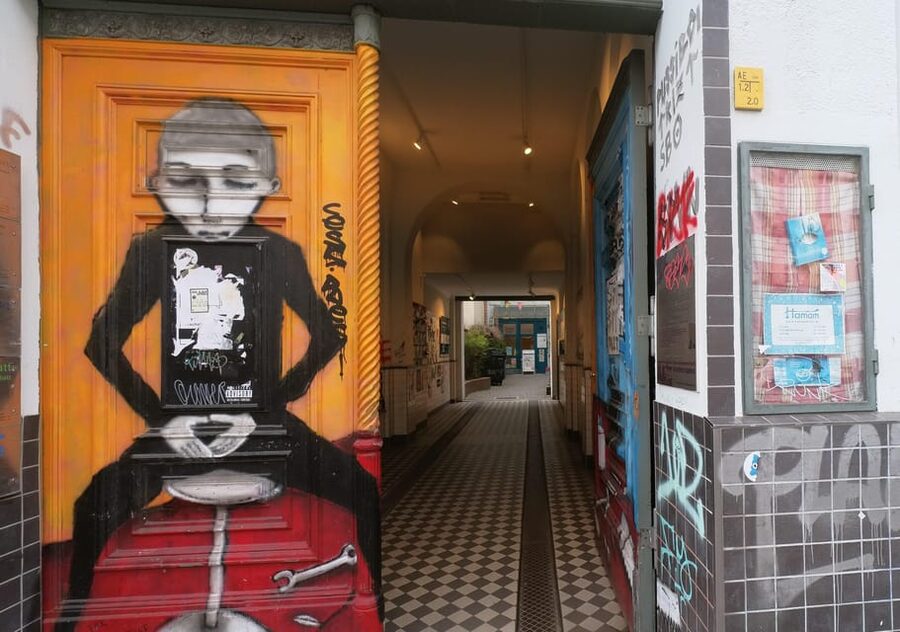
I would recommend it to you if you want a side of Berlin that goes beyond the usual Wall memorials, museums, and postcard sights. It suits people interested in housing, politics, art, urban planning, and the way communities organize themselves.
It also works well for someone already living in Kreuzberg. One person who had lived in the district since March found that the walk changed the way she noticed familiar streets and small details. That is a good sign for the depth of the route.
The tour may suit parents or friends visiting Berlin who want an experience with local character. It is also a strong choice for a repeat visit, when you have already seen the major central attractions.
I would think twice if you want a short, landmark-heavy outing. You will not get a rapid tour of all Berlin, and the focus on subcultures may feel too specialized if your main interest is royal history, major museums, or classic architecture.
Book early in your planning if you want flexibility. Free cancellation is available up to 24 hours before the activity, and you can reserve now while paying later. Those terms are useful, but the more important decision is whether the subject matches your interests.
Practical details before you go
The experience is led live in English, German, or Russian. A private group option is available, and wheelchair access is listed as supported.
The meeting point is at YAAM, very close to Ostbahnhof, while the final stop is U Kottbusser Tor. That makes the tour easy to pair with other Berlin plans, but you should leave enough time to arrive at the correct entrance.
The route includes guided walking, scenic views, photo stops, a short break, and more guided time afterward. The published length is given as two hours to 210 minutes, so confirm the exact schedule for your chosen date.
Bring comfortable shoes and enough time for a sustained walk. The beverage is included, but other food and personal purchases are not listed as part of the price.
Should you book it?
Book this tour if you want to understand why Kreuzberg became a center for squatting, activism, art, and local experiments, and how those ideas still affect daily life. The combination of Lee’s personal storytelling, back courtyards, street art, Wall-era stories, resident-led projects, and a hot drink at Rio-Reiser-Platz gives the walk a clear sense of place.
Skip it if you prefer a fast tour of major sights or do not enjoy long discussions about social change. For curious visitors, repeat Berlin visitors, and anyone who wants to see the district through local eyes, $35 is a fair price for several hours of focused context.
FAQ
Where does the Kreuzberg tour meet?
The group meets in front of the YAAM entrance at An d. Schillingbrücke 4, very close to Ostbahnhof.
Where does the tour finish?
The walk finishes at U Kottbusser Tor.
How long does the experience last?
The duration is listed as two hours to 210 minutes. Check the available starting times and exact duration when booking.
What languages are available?
The live tour guide can lead the experience in English, German, or Russian.
Is a hot drink included?
Yes. One hot beverage is included, with a choice of chocolate, coffee, or tea in cooperation with a small local business.
Does the tour visit Rio-Reiser-Platz?
Yes. The walk includes a break of about 15 minutes at Rio-Reiser-Platz.
Is the tour wheelchair accessible?
Yes, the activity is listed as wheelchair accessible.
Can I book a private group?
Yes. A private group option is available.
What is the cancellation policy?
You can cancel up to 24 hours in advance for a full refund. Reserve now and pay later is also available.
Just added around Berlin
- Berlin Highlights in One Day★ 5.0 · 3 reviews
- Private Berlin One Day Tour with a Local: See the City Unscripted★ 3.5 · 3 reviews
- Individual city tour Berlin for max. 8 persons★ 5.0 · 3 reviews
- Transfer from Berlin Schönefeld Airport (SXF) to Berlin city Hotels – ROUND TRIP★ 4.0 · 3 reviews
- Berlin: Museum Island Tour★ 5.0 · 3 reviews
- Private Analogue Photography Experience in Berlin★ 5.0 · 3 reviews
- Berlin: Local Food Tour in Secrets Hidden Gems★ 4.0 · 3 reviews
- Berlin & The Third Reich Private Guided Tour★ 5.0 · 3 reviews
Kreuzberg Tours, compared.


Alternative Bike Tour of Kreuzberg & Friedrichshain
Read our review →

Berlin Off-the-Beaten-Path Walking Tour: Kreuzberg, Mitte and Friedrichshain
Read our review →
Kreuzberg Berlin: Off the Beaten Track PRIVATE Walking Tour
Read our review →
Experience the Alternative Kreuzberg on a Bike Tour
Read our review →Browse the lists this tour appears in