
Review · MUSEUMS
Berlin Museum of Photography Entry Ticket
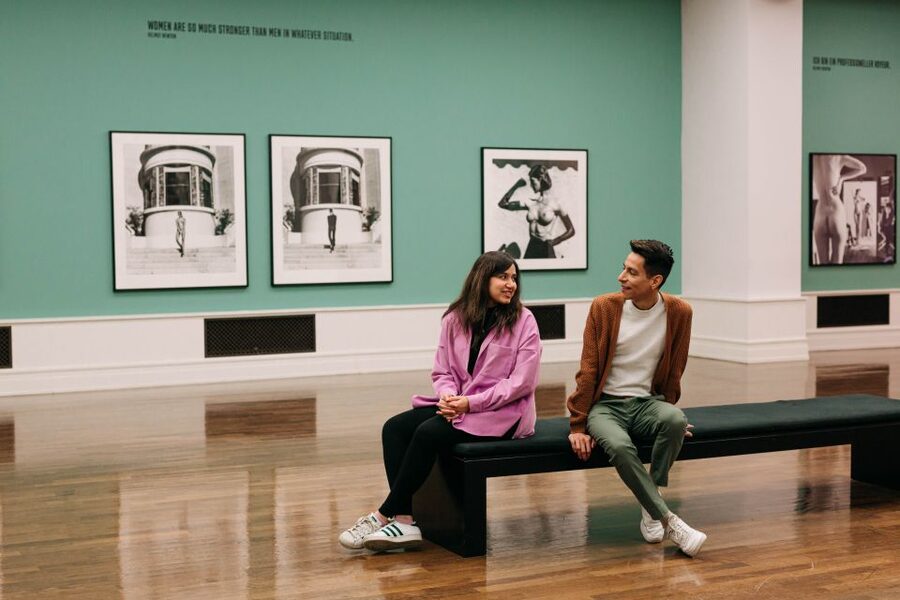
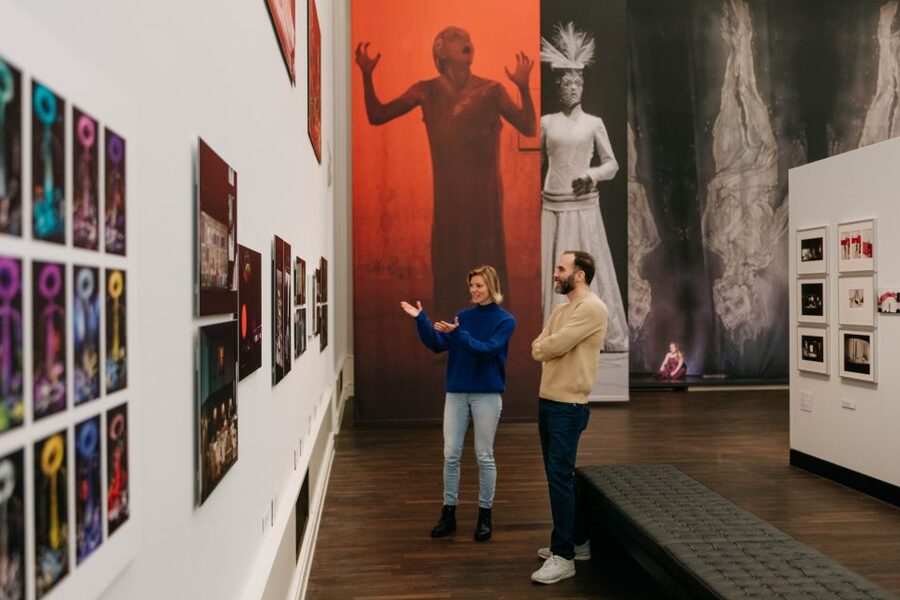
The Museum of Photography gives you a broad look at how photography changed from its early days to the present. The most compelling stop is the Helmut Newton collection, where cameras, personal objects, art, and the famous Newton-mobile add context to his provocative fashion images. I also like the chance to move between artistic work, documentary images, postcards, and technical material in one building.
I like the one-day flexibility and the modest $14 price, especially if you want an indoor break while exploring Berlin. The main drawback is that the experience is self-guided, so you need to bring your own questions and pace yourself through several different collections. One short rating comment called it a great museum, while another visitor said they imagined it differently, a useful reminder that this is a wide-ranging collection rather than a tightly focused photo show.
In This Review
- Key points at a glance
- Why this museum is more than a Helmut Newton display
- Five collections that show how photography developed
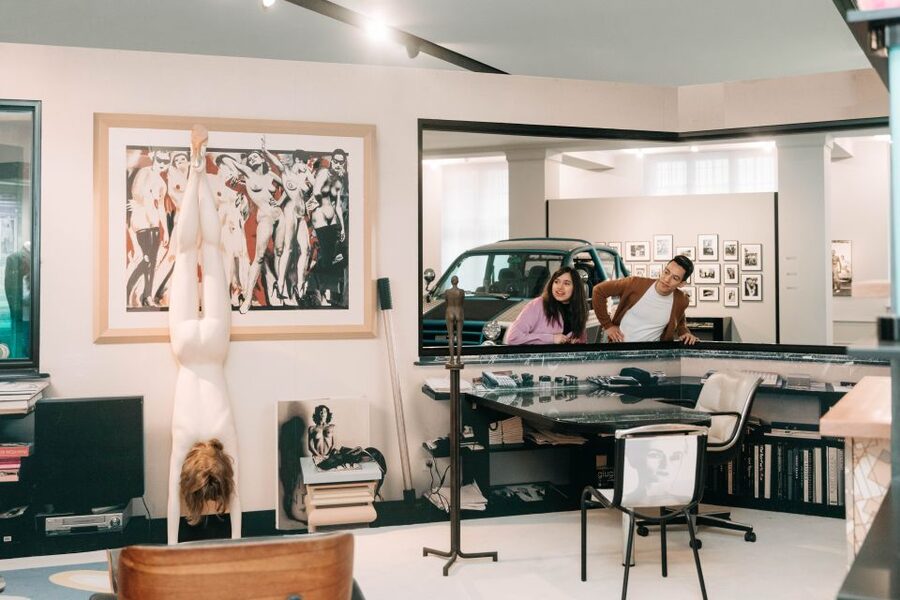
- Helmut Newton’s cameras, cars, and fashion images
- Temporary shows including Body Performance
- A self-guided visit with room to set your own pace
- What the $14 ticket includes
- Practical rules for coats, bags, and museum comfort
- Who will get the most from this museum?
- Should you book the Berlin Museum of Photography?
- FAQ
- Where does the museum visit begin?
- Where does the activity end?
- How long is the ticket valid?
- What is included in the ticket price?
- Is the museum wheelchair accessible?
- Can I bring a backpack or oversize luggage?
- Can I bring food, drinks, or a heavy coat?
Key points at a glance
- Five distinct collection areas: See photographic archives, artistic photography, personal archives, photogrammetric holdings, and historical postcards.
- Helmut Newton’s Berlin connection: Explore objects from the life and work of the Berlin-born fashion photographer, including his cameras and Newton-mobile.
- Photography from the 19th century onward: Compare early photographic work with pictures connected to modern events.
- Temporary exhibitions add variety: Shows such as Body Performance and Post-War Modern Photography bring a changing focus to the visit.
- A practical $14 indoor stop: Entry and the booking fee are included, with admission valid for one day.
- Plan for a light visit: Backpacks, oversize luggage, food, drinks, heavy coats, and wet clothing are not allowed in the exhibitions.
Why this museum is more than a Helmut Newton display
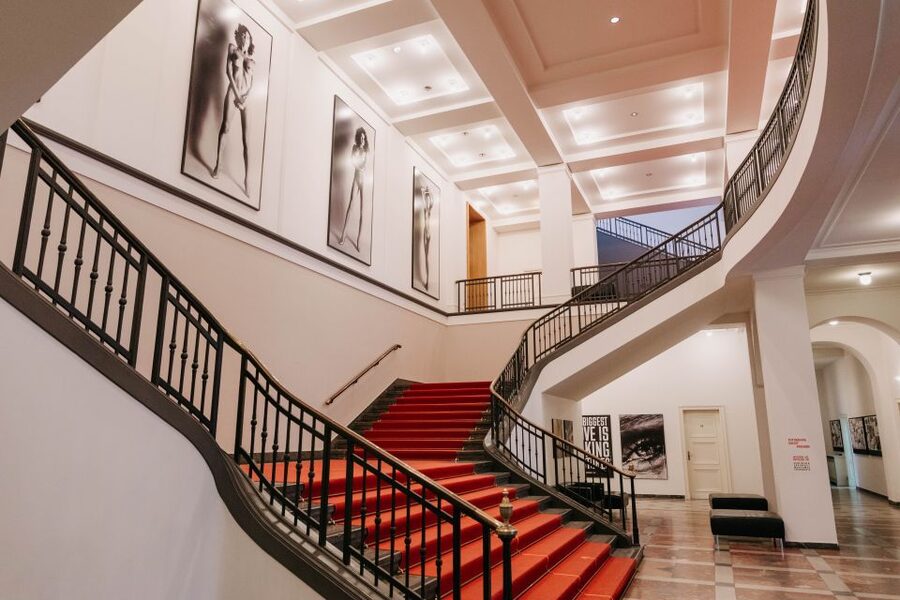
Many people arrive because of Helmut Newton, and his work is a strong reason to come. Yet the museum is not simply a shrine to one famous photographer. Its holdings reach from the 19th century to modern times, giving you a chance to see photography as both an art form and a record of changing society.
That range matters. Early photographs can feel slow and formal compared with today’s instant images. They remind you that photography once required patience, equipment, and careful preparation. Later displays bring you closer to current events and to the many ways photographs shape public memory.
I like this broad approach because it lets you choose your own level of interest. You can spend your time with fashion photography, look closely at old images, or compare artistic photographs with technical material. If you prefer a single clear story, the museum may feel scattered. If you enjoy making connections across periods, the variety is the point.
The museum opened in 2004 and is divided into five main sections. You are not just moving through one long display of pictures. Each area reflects a different part of the collection, so the visit has several distinct strands.
A few more Berlin tours worth weighing up
- Berlin: Fotografiska Photography Exhibition Ticket
★ 4.6 · 168 reviews - 5hours: Guide, Chauffeur & Photographer in Berlin private Tour
★ 5.0 · 66 reviews - BERLIN PHOTO TOUR with a professional Photographer from Berlin
★ 5.0 · 44 reviews
Five collections that show how photography developed
The photographic archive is a natural place to think about photography as a record. It includes work from the early days of the medium through more recent images. You might find yourself comparing the limits of early photographic methods with the immediacy of modern pictures.
The collection of artistic photography shifts attention toward the photographer’s creative choices. Here, the image is not only evidence of a person, place, or event. Framing, light, subject, and mood become part of the message.
The personal archive adds another angle. Personal papers and materials can help you think about the people behind the pictures, even when the main focus remains photographic work. This section is useful if you want more than a parade of famous images.
The photogrammetric holdings represent the technical side of photography. The term may be unfamiliar, but it points to photography’s use for measurement and documentation, not just art or journalism. This is one of the sections that may appeal most to visitors interested in how photographs were made and used.
Historical postcards bring photography into everyday life. Postcards were designed to be shared, collected, and sent, so they show a more public and accessible side of the medium. Together, these five areas give you a fuller picture of photography’s role in art, record-keeping, science, private life, and communication.
Helmut Newton’s cameras, cars, and fashion images
The permanent Helmut Newton exhibition is the museum’s most obvious draw. Newton was born in Berlin and became one of the best-known fashion photographers of the modern era. His work is known for its provocative treatment of fashion, the body, power, and glamour.
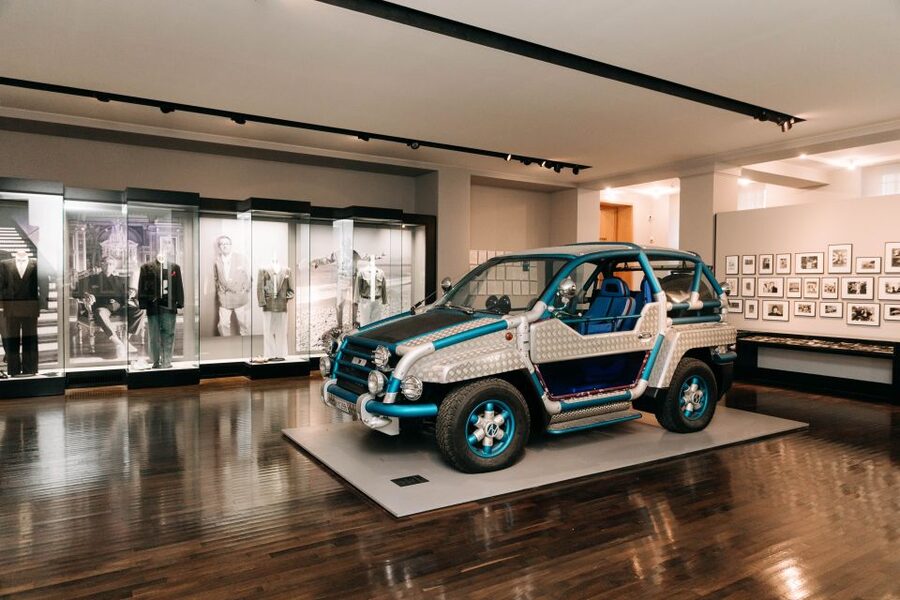
The display goes beyond finished photographs. You can see his cameras, art collection, personal artifacts, and the Newton-mobile. These objects help place the photographs in the practical world of a working artist. A camera shows the tool, while a personal collection can suggest the visual influences and interests that surrounded him.
The Newton-mobile is an especially memorable object because it adds a physical, almost playful element to a display that could otherwise feel formal. It gives the exhibition a sense of personality and makes the visit about Newton’s life as well as his published images.
You should also expect the Newton section to be provocative. This is not a soft, neutral fashion display. His photographs can challenge your ideas about glamour, control, gender, and the relationship between fashion and the body. Some visitors will find that directness exciting. Others may prefer the museum’s historical or documentary material.
If you have seen Newton’s work in magazines or books, the personal objects provide useful context. If you know little about him, the exhibition offers a straightforward introduction to his place in modern photography. Since it is a permanent section, you can make it the center of a short visit or return to it after seeing the temporary displays.
Temporary shows including Body Performance
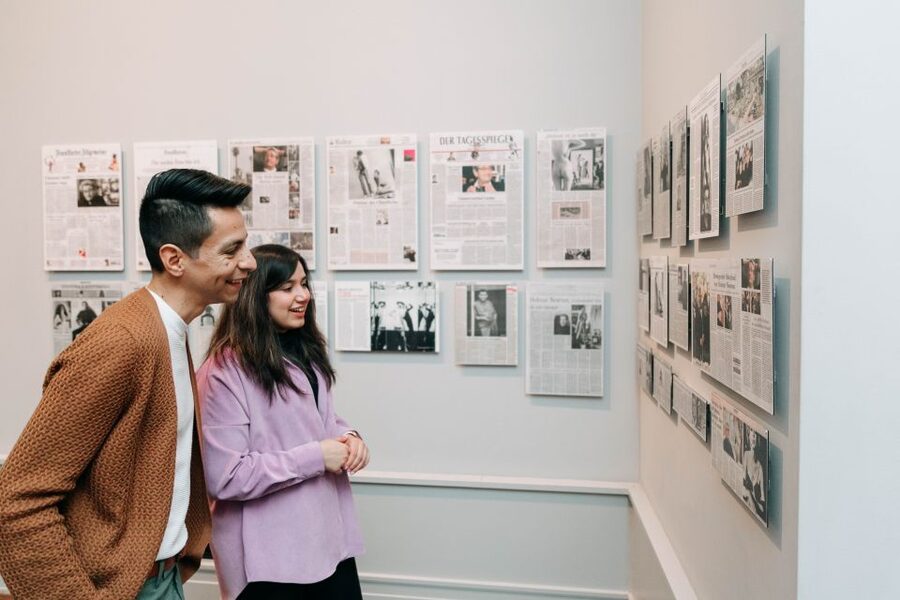
Temporary exhibitions keep the museum from feeling fixed in one period or style. The listed exhibitions include Body Performance and Post-War Modern Photography, two subjects that give the visit a more focused direction after the broad permanent collections.
Body Performance puts the body at the center of the photographic conversation. That makes a useful companion to Newton’s fashion work, but the subject reaches beyond fashion. You can think about how photographers use posture, movement, presentation, and the physical presence of a person to create meaning.
Post-War Modern Photography shifts the time frame and the artistic questions. Work made after the Second World War can be viewed against a changing Europe and a changing photographic culture. The subject gives you a chance to consider how artists responded to new social conditions and new ideas about modern life.
Because temporary exhibitions change, check what is on display for your date. The experience described here specifically points to Body Performance and Post-War Modern Photography, but exhibition programs can change over time. If one of those subjects is your main reason for going, confirm the current program before you book.
These exhibitions also help solve one possible weakness of the museum. The permanent collections cover a lot of ground, while a temporary show usually gives you a more concentrated theme. You can use the focused exhibition to organize the rest of your visit, then return to the wider collection with a clearer sense of what interests you.
More museums in Berlin:
- Berlin: Jewish Museum Berlin Entrance Ticket
★ 4.5 · 8,393 reviews - Berlin: DDR Museum Tickets
★ 4.3 · 3,443 reviews - Berlin: Natural History Museum Entrance Ticket
★ 4.6 · 3,382 reviews - Berlin: Neues Museum Entry Ticket
★ 4.6 · 3,261 reviews
A self-guided visit with room to set your own pace
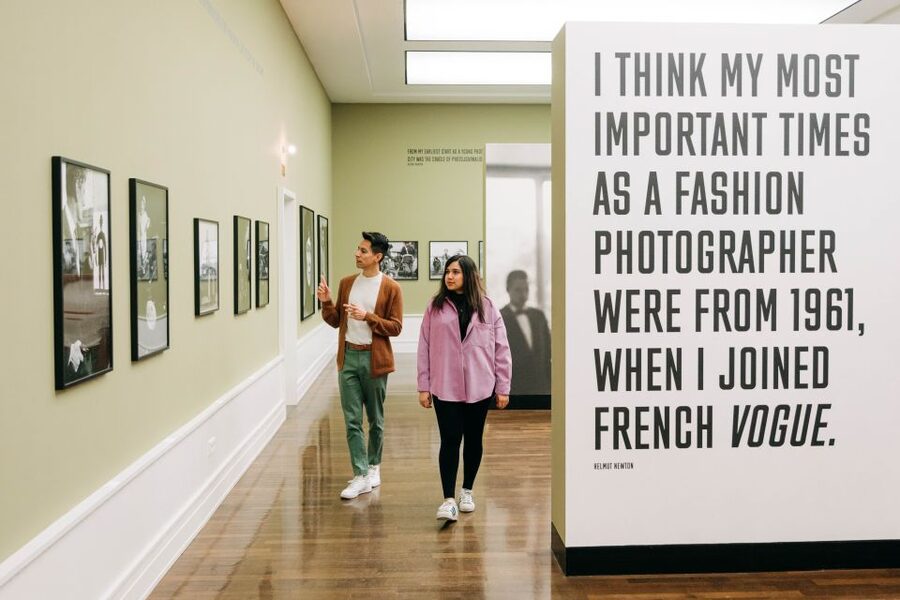
This is an entry ticket, not a guided tour. You go directly to the museum entrance, and the activity ends back there. No guide or group schedule is provided, so you are free to decide how long to spend with Newton, the early photographs, the postcards, or the temporary displays.
That flexibility is useful in Berlin. You can plan a brief museum stop if you want shelter from the weather, or spend much longer if photography is a major interest. Admission is valid for one day, with starting times checked through availability when you book.
I would allow enough time to avoid treating the museum as a quick walk-through. There are five collection areas, a permanent Newton exhibition, and temporary shows. The exact amount of time you need depends on how closely you read and compare the photographs, but the one-day validity means you are not forced into a narrow timed experience.
The lack of a guide is worth considering. You will not have someone explaining the background of each photograph or leading you to the most important pieces. On the other hand, you also avoid a fixed route and can pause when an image catches your attention.
For an art museum, that freedom has real value. You can move quickly past work that does not speak to you, then spend extra time with a photograph, object, or postcard that does. Bring curiosity, but do not expect a guided lecture.
What the $14 ticket includes
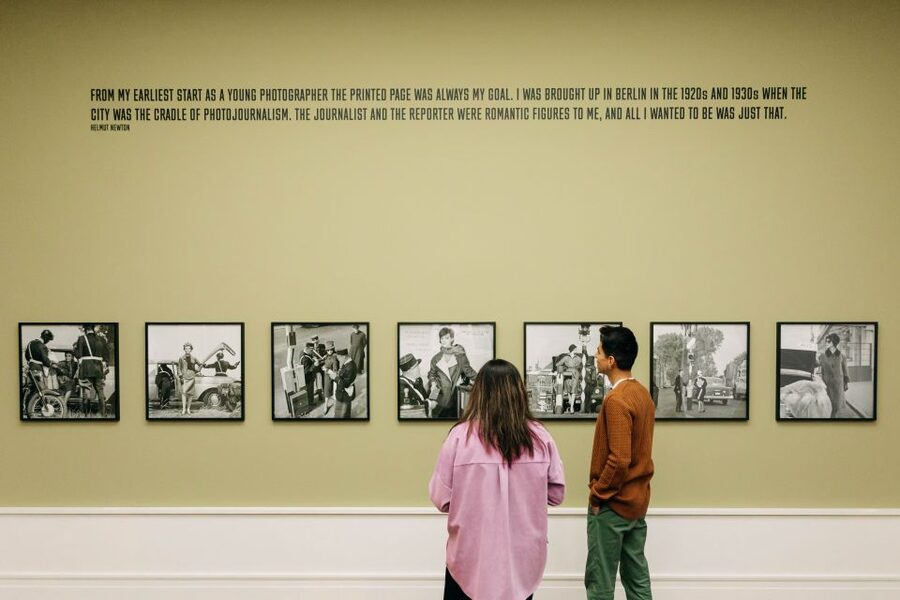
At $14 per person, the ticket includes the entrance fee and booking fee. That makes the cost easy to judge: you are paying for access to several permanent collection areas, the Helmut Newton exhibition, and the temporary exhibitions listed for the visit.
The price looks strongest if you are interested in more than one section. A visitor who only wants to see Newton’s fashion work may find the ticket less compelling than someone who also cares about early photography, technical holdings, artistic photography, or postcards.
The one-day validity adds practical value. You can plan the museum around other time in Berlin instead of building an entire day around a rigid tour schedule. Starting times depend on availability, so check the booking details before you set your plans.
There is no separate guide or transport included, but neither is promised. The ticket is simple: go to the entrance and explore the museum. For visitors who prefer independent sightseeing, that is a fair arrangement.
The 4.5 rating from 88 reviews suggests the experience works well for many people, and the most direct positive reaction describes it as a great museum. Still, the brief negative reaction is worth taking seriously. The museum may not match expectations if you imagine one small gallery devoted only to glamorous fashion images. It is a large, varied photography institution, and its appeal depends on how much you enjoy that range.
Practical rules for coats, bags, and museum comfort
You need to arrive ready for a gallery visit. Backpacks, oversize luggage, food, and drinks are not allowed in the exhibitions. Heavy jackets and coats, along with wet clothing, may also be refused for conservation reasons.
This is more than a minor rule. If you are carrying a large suitcase or wearing a bulky winter coat, plan for the fact that it cannot go into the exhibition rooms. The information provided does not specify storage arrangements, so do not assume that every large item can be checked on arrival.
A small bag is the safer choice, but backpacks are specifically listed as not allowed. Follow the museum staff’s instructions, particularly around clothing and belongings. The rules protect photographs and other objects from moisture, dirt, and accidental contact.
Medical or FFP2 mask use is recommended but not mandatory. If you prefer to wear one in indoor cultural spaces, you can do so, but it is not a condition of entry.
The museum is wheelchair accessible. That makes the ticket a practical option for visitors who need an accessible cultural stop, although the supplied information does not give further details about routes, seating, or facilities. If you need a particular accommodation, check with the museum before your visit.
Who will get the most from this museum?
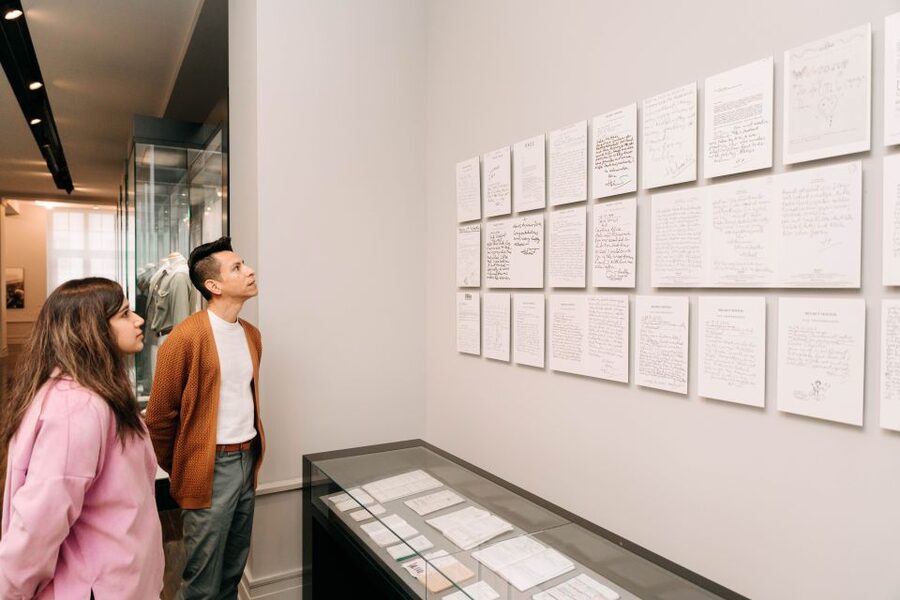
This is a good choice for photography fans, especially anyone who wants both famous fashion work and a wider view of the medium. The Newton display gives you a clear focus, while the five collection areas prevent the visit from being limited to one photographer or one style.
It also suits visitors who like museums with several possible paths. You can study the early photographs, compare artistic work, examine technical holdings, or spend time with historical postcards. Families or mixed-interest groups may appreciate having different subjects to choose from, though the experience is self-guided and there are no details provided about child-specific activities.
Art students, fashion followers, and people curious about photographic technology may find different reasons to stay. The temporary shows can make the visit more useful if their themes match your interests.
You may want to choose another activity if you need a guide, a tightly organized story, or a short exhibition focused only on one famous name. The museum’s range is its strength, but that range can feel unfocused if you arrive without any interest in photography beyond a single image or celebrity.
Should you book the Berlin Museum of Photography?
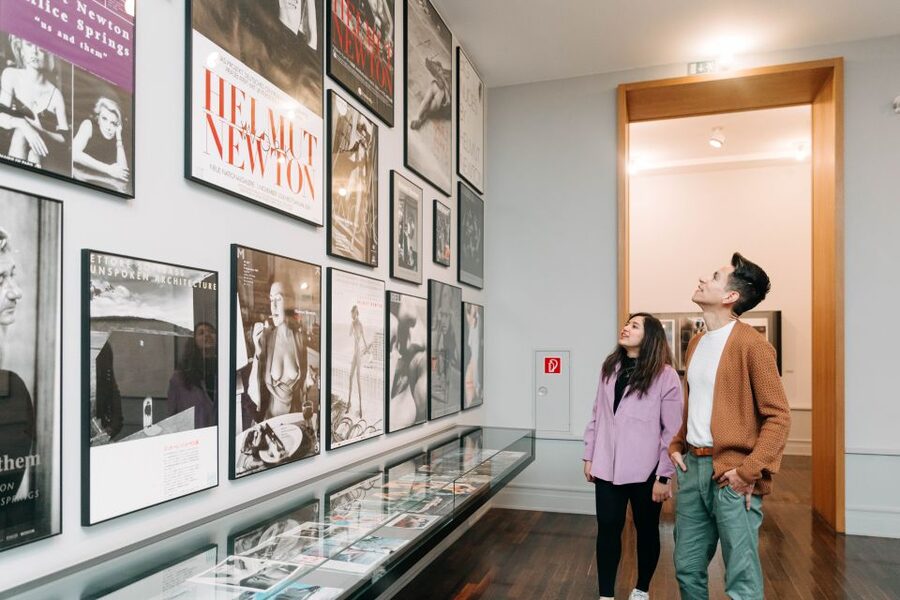
Book it if you want an indoor Berlin experience that combines Helmut Newton, early photography, modern work, and changing exhibitions for $14. The ticket gives you one day of access and enough variety to shape the visit around your own interests.
Go with realistic expectations. This is not only a fashion exhibition, and it does not include a guide. Bring a small amount of luggage, leave food and drinks outside the galleries, and avoid planning to enter with a heavy or wet coat.
I would choose this museum for a flexible afternoon or a focused photography stop, particularly when the temporary exhibitions match your interests. If you want a narrow, highly directed exhibition, the broad collection may not be the right fit. For most independent museumgoers, though, the modest price and mix of permanent and temporary displays make it a sound Berlin choice.
FAQ
Where does the museum visit begin?
Go directly to the entrance of the Museum of Photography in Berlin.
Where does the activity end?
The visit ends back at the museum meeting point.
How long is the ticket valid?
The ticket is valid for one day. Check availability for the starting times offered on your chosen date.
What is included in the ticket price?
The $14 price includes the entrance fee and booking fee.
Is the museum wheelchair accessible?
Yes, the activity is wheelchair accessible.
Can I bring a backpack or oversize luggage?
No. Backpacks and oversize luggage are not allowed in the exhibitions.
Can I bring food, drinks, or a heavy coat?
Food and drinks are not allowed. Heavy jackets, coats, and wet clothing may also be refused in the exhibition areas for conservation reasons.
Just added around Berlin
- Berlin Highlights in One Day★ 5.0 · 3 reviews
- Private Berlin One Day Tour with a Local: See the City Unscripted★ 3.5 · 3 reviews
- Individual city tour Berlin for max. 8 persons★ 5.0 · 3 reviews
- Transfer from Berlin Schönefeld Airport (SXF) to Berlin city Hotels – ROUND TRIP★ 4.0 · 3 reviews
- Berlin: Museum Island Tour★ 5.0 · 3 reviews
- Private Analogue Photography Experience in Berlin★ 5.0 · 3 reviews
- Berlin: Local Food Tour in Secrets Hidden Gems★ 4.0 · 3 reviews
- Berlin & The Third Reich Private Guided Tour★ 5.0 · 3 reviews
Museums, compared.




Skip-the-Line: Berlin Wall Museum at Checkpoint Charlie
Read our review →

“Pergamonmuseum. The Panorama” Exhibition Tickets
Read our review →Browse the lists this tour appears in