
Review · THIRD REICH & WWII SITES
Hitler’s Germany: Berlin During the Third Reich & WWII
Berlin’s wartime story becomes most powerful when you connect ordinary streets with the crimes planned and carried out there. This four-hour tour takes you from the former Jewish Quarter to the site of Hitler’s bunker, the Nazi government district, the Topography of Terror area, memorials, and the Reichstag.
I especially like the route’s range: it covers persecution, propaganda, Nazi architecture, the Holocaust, and the final Battle of Berlin rather than treating WWII as a string of military facts. I also like the guides’ human approach. Guides such as Glen, Jimmy, Jonathan N, Artie, Rohan, and Amelie are praised for clear storytelling, humor, and thoughtful handling of a painful subject.
The main consideration is simple: you do not enter buildings on the tour, and you need an AB public transport ticket for the short metro ride. Four hours on foot can also feel long in rain or cold, though the tour runs in every kind of weather.
In This Review
- Key points at a glance
- A strong introduction through Berlin’s Jewish Quarter
- Anhalter Bahnhof and the cost of total war
- The Luftwaffe headquarters and Nazi power in stone
- The Gestapo, the SS, and the Topography of Terror
- Propaganda, the T4 program, and the Holocaust
- Memorials near the Tiergarten
- The Reichstag and the Battle of Berlin
- How the guides shape the experience
- What four hours and $23 really buy you
- Practical advice before you book
- Who should book this Berlin history walk?
- FAQ
- How long does Hitler’s Germany: Berlin During the Third Reich & WWII last?
- Is the tour offered in English?
- Does the tour enter the Reichstag, Topography of Terror Museum, or other buildings?
- Do I need a public transport ticket?
- Is a private tour available?
- Can I cancel the tour if my plans change?
Key points at a glance
- Hitler’s bunker site: Learn what happened in the final days of the Nazi regime at the place where Hitler died, only a short distance from the Reichstag.
- The former Nazi government district: Walk past the Luftwaffe headquarters, Gestapo and SS offices, and the former Propaganda Ministry.
- The Topography of Terror area: Pause near the former Gestapo and SS headquarters, now associated with one of Berlin’s most important Nazi-era museums.
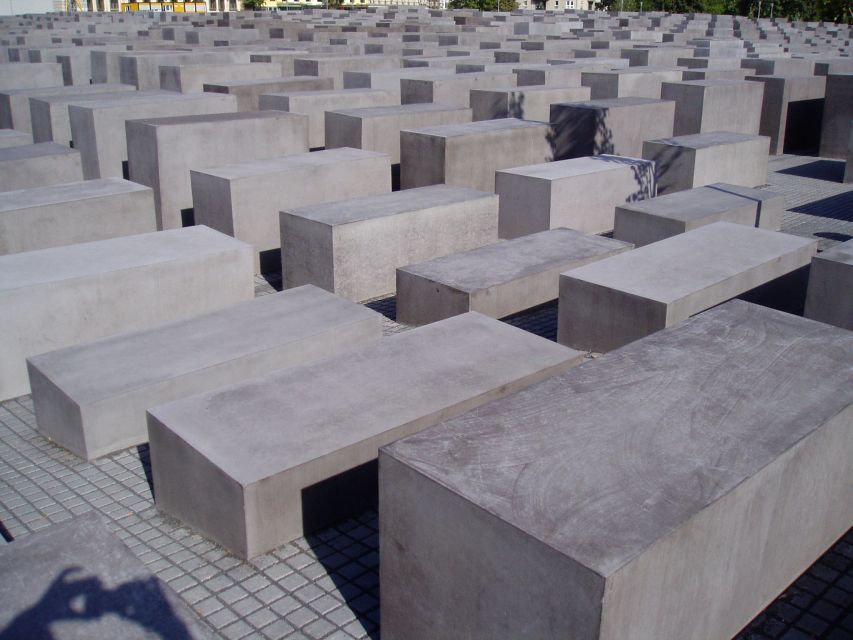
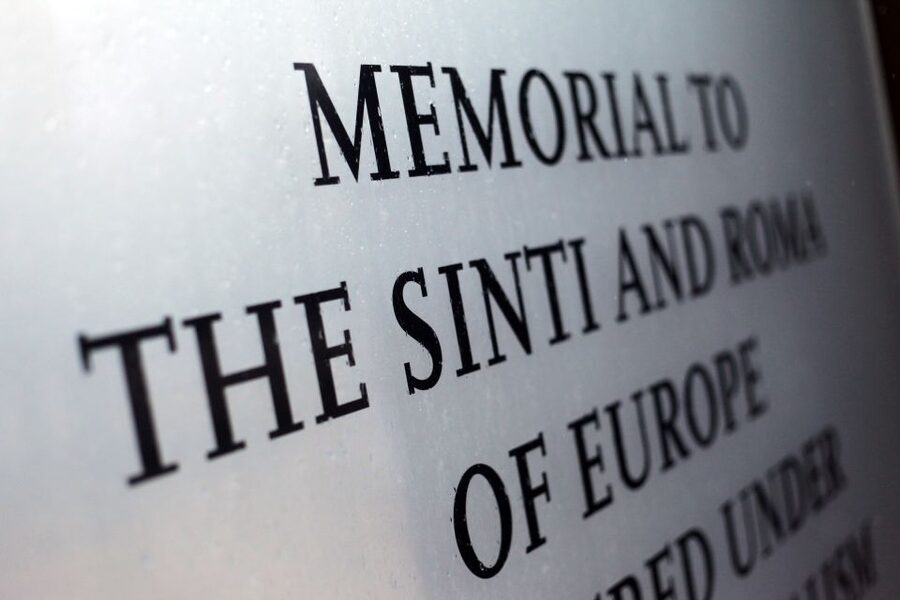
- Memorials with different purposes: See the Memorial to the Sinti and Roma Victims of National Socialism and the memorial to 96 politicians arrested in 1933.
- A short public transport link: Use the metro to connect central Berlin with Anhalter Bahnhof, the starting point for the wartime government district walk.
- Flexible booking: The tour costs $23 per person, allows cancellation up to 24 hours before departure, and offers shared or private group options.
A strong introduction through Berlin’s Jewish Quarter
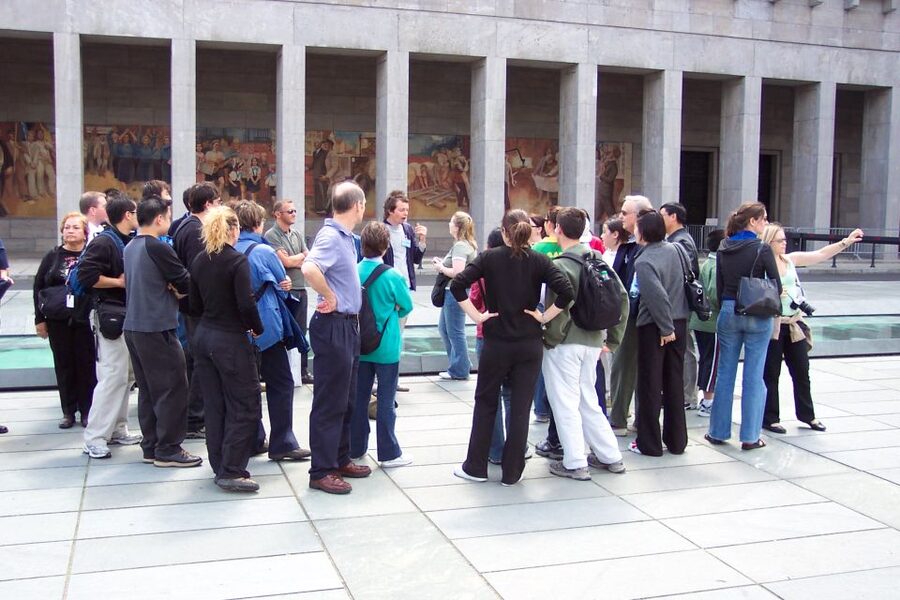
Your guide meets you in central Berlin and begins with the city’s Jewish district. This is a smart starting point because it puts people and communities before military maps and government buildings.
You learn how the Nazis dismantled Jewish life in the area, including the process of persecution that turned familiar streets into places of fear, exclusion, and deportation. The guide also places the Nazi period within the longer story of Berlin, rather than presenting 1933 to 1945 as an isolated event.
This opening matters. You are not simply looking at ruins or grand facades. You are learning how a modern city was altered by government policy, propaganda, and organized violence.
The Jewish Quarter section also helps you notice what is easy to miss in Berlin. A street corner or building frontage may look ordinary until a guide explains what once happened there. That kind of context is one of the tour’s best qualities.
More Third Reich sites in Berlin:
- Berlin: Third Reich and Cold War 2 Hour Walking Tour
★ 4.9 · 6,830 reviews - Berlin: Berlin Story Bunker Entry Ticket
★ 4.6 · 6,759 reviews - Berlin’s Best: 2 Hour Walking Tour Third Reich and the Cold War
★ 5.0 · 5,486 reviews
Anhalter Bahnhof and the cost of total war
The group takes a short metro ride to Anhalter Bahnhof. You need a single AB public transport ticket if one is not already included in your Berlin travel plans.
Anhalter Bahnhof was once a huge railway station. Its destruction during WWII gives the tour a clear physical example of how heavily Berlin was damaged. You will see the remains from outside, then continue on foot toward the old Nazi government district.
This stop works well because the tour does not treat the war only as something that happened at distant battlefronts. Berlin itself became a target, a command center, and eventually a battlefield. The damaged station helps explain the scale of what followed.
The transport connection is practical but worth planning for. You are not on a coach, so the tour moves through the city at walking pace, with public transport used only where it helps connect the route. Wear shoes that can handle several hours outside and bring water. In poor weather, a raincoat is more useful than an umbrella, though one past guide, Jimmy, was noted for carrying spare umbrellas for the group.
The Luftwaffe headquarters and Nazi power in stone
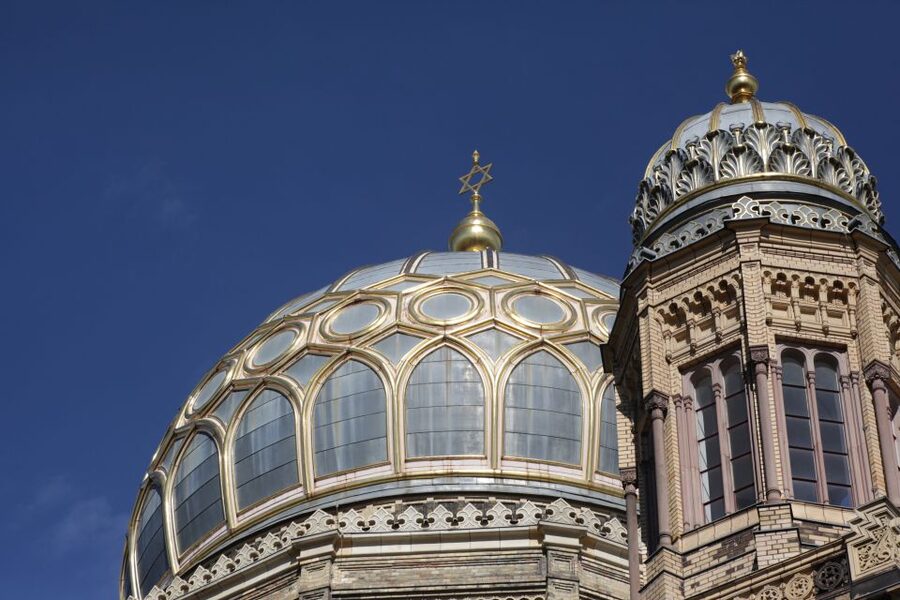
The former Luftwaffe headquarters is one of the clearest surviving examples of Nazi architecture in Berlin. It was the headquarters of the German air force, led by Hermann Göring, and its huge scale was meant to express order, authority, and state power.
You do not enter the building, but seeing it from the street gives your guide a chance to explain how architecture served the regime. The mass, repetition, and severe design were not accidental decoration. They helped create an image of a government that claimed permanence and control.
Today, the building has a later use, which makes the stop especially useful for understanding Berlin’s layered past. Nazi-era structures were not all erased after 1945. Some survived, changed function, and remain part of everyday city life.
I like this part of the route because it asks you to look beyond memorials. Berlin’s past is not only preserved in museums and monuments. It also appears in buildings that people pass every day.
The Gestapo, the SS, and the Topography of Terror
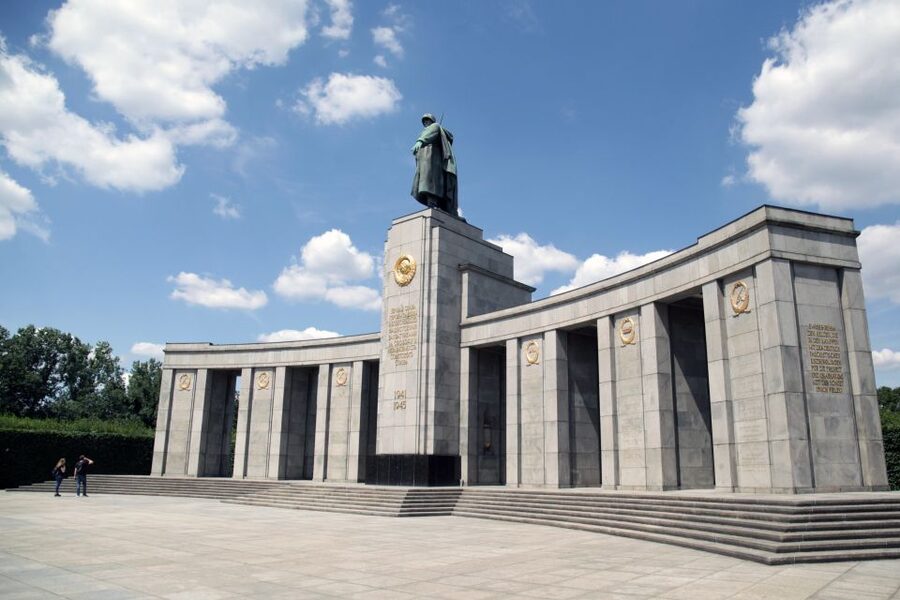
The next major section focuses on the former Gestapo and SS headquarters. These agencies were central to the Nazi system of surveillance, imprisonment, terror, and mass murder.
The area is now connected with the Topography of Terror Museum. The tour information makes clear that you do not enter buildings during this walk, so do not confuse the stop with a full museum visit. Your guide uses the location to explain what these organizations did and why the site matters.
This is one place where a strong guide makes a major difference. The subject can become a blur of acronyms and official titles. A guide such as Amelie, who has a professional background in history and uses maps, photographs, and documents, can help turn the names into a clear chain of power and responsibility.
You hear about the regime’s machinery from several angles: the police state, the SS, political repression, propaganda, and the murder of targeted groups. The best guides keep the focus on decisions and consequences rather than making the Nazi leadership seem like a cast of fascinating villains.
A different side of Berlin on the same trip:
- Berlin: Reichstag, Dome and Government District Guided Tour
★ 4.7 · 18,288 reviews - Berlin: 1-Hour City Tour by Boat with Guaranteed Seating
★ 4.3 · 16,993 reviews - Berlin: Boat Tour Along the River Spree
★ 4.4 · 11,252 reviews - Discover Berlin Half-Day Walking Tour
★ 5.0 · 9,624 reviews
Propaganda, the T4 program, and the Holocaust
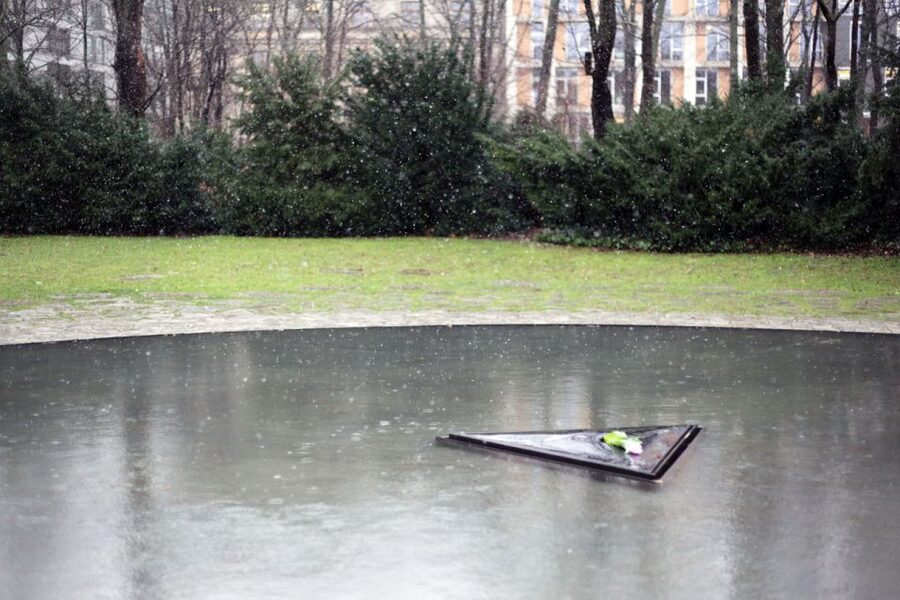
After the discussion of police power, the route turns to some of the regime’s most disturbing actions. Joseph Goebbels’ use of propaganda is part of the story, along with the T4 euthanasia program and the Holocaust.
These subjects are closely connected. Propaganda helped create categories of people presented as dangerous, inferior, or disposable. The T4 program showed how the state could organize the killing of disabled people under the language of medicine and efficiency. The Holocaust then revealed the full horror of a system built around racial persecution and mass murder.
This section is emotionally heavy, and it should be. The guides praised most highly are not the ones who make the subject light. They use humor carefully to keep a group attentive, then return to the facts with respect. That balance matters during four hours outdoors.
The tour can be useful even if you already know the broad outline of Nazi history. You will likely gain more from the location-based approach, seeing how institutions and neighborhoods fit together in the city. As Sarah from the United Kingdom put it, the route can lead you to memorials you might not find on your own. That is precisely the value of a guided walk in Berlin.
Memorials near the Tiergarten
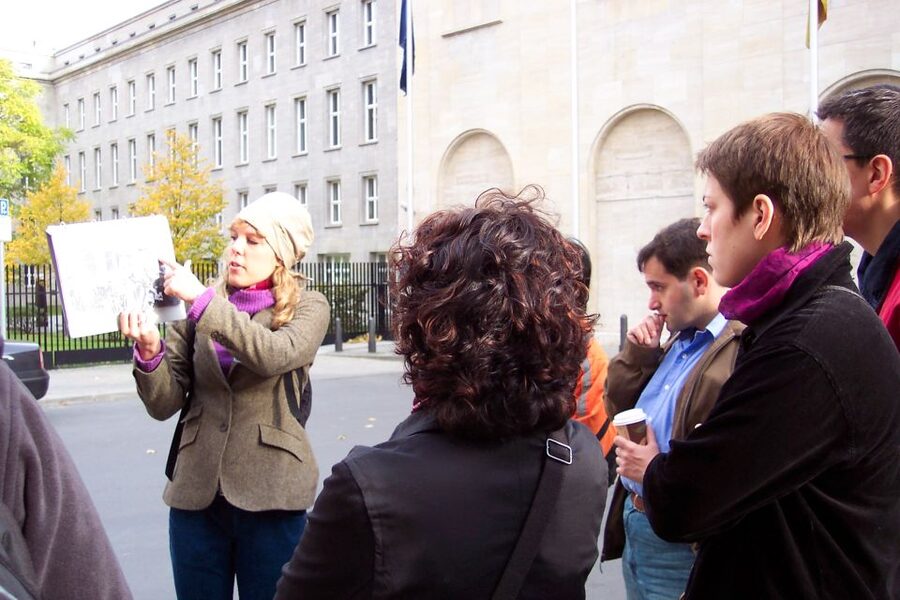
As you move toward the Tiergarten, Berlin’s largest park, the focus shifts from Nazi institutions to remembrance.
The Memorial to the Sinti and Roma Victims of National Socialism honors people persecuted and murdered under the Nazi regime. The stop helps widen the story beyond the groups most familiar from standard WWII lessons. It also shows how Berlin’s memorial culture tries to give distinct groups their own place in public memory.
You also visit the memorial for 96 politicians arrested by the Nazis as they seized power in 1933. This is an important reminder that the dictatorship did not appear fully formed overnight. Political opponents were targeted early, and the destruction of democracy involved arrests, intimidation, legal changes, and the removal of organized resistance.
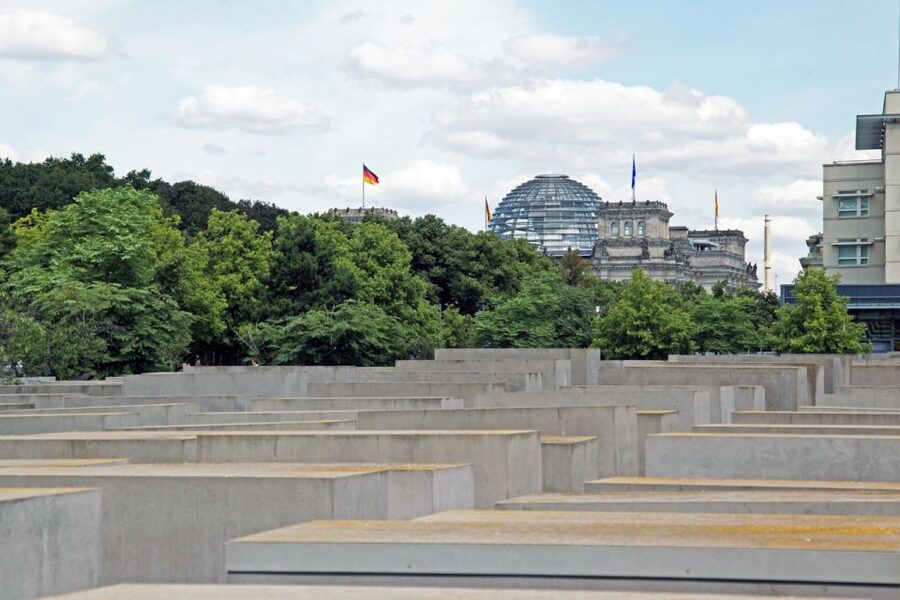
These memorials are not quick photo stops. Give yourself time to listen and think. The guide’s explanation is what connects each site to the broader story of how the Nazi regime took power and then expanded its control.
The Reichstag and the Battle of Berlin
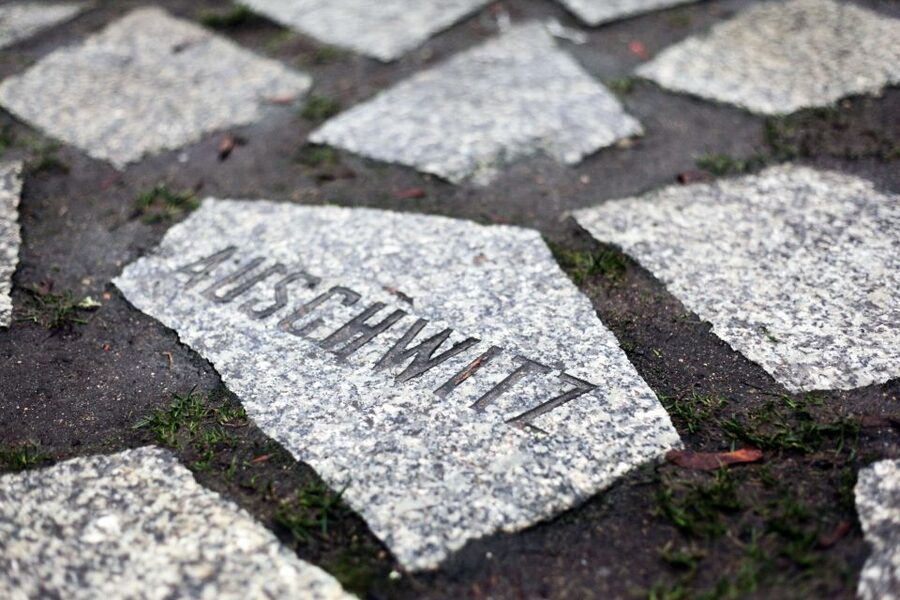
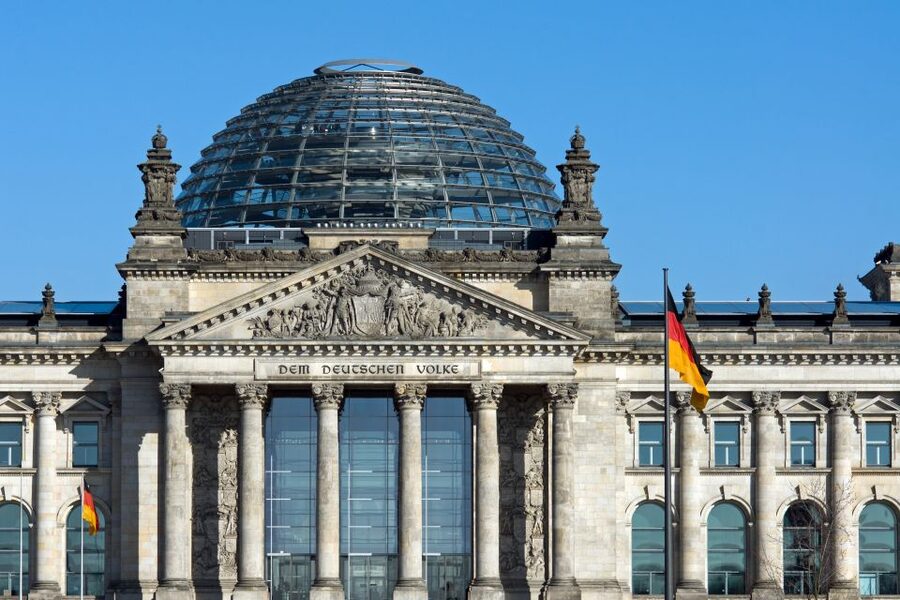
The tour ends in front of the Reichstag, one of Berlin’s most recognizable buildings. Here your guide explains both Hitler’s plans and Albert Speer’s plans to rebuild Berlin as Germania, a monumental capital for a supposed world empire.
The Germania plan is useful because it reveals the regime’s ambition beyond the buildings that were actually completed. Hitler and Speer imagined a capital designed to project dominance on a huge scale. Berlin was meant to become a political stage for the empire they believed they would rule.
At the Reichstag, the story turns to the final days of the war. Soviet troops attacked the building under anti-aircraft fire as the Battle of Berlin reached its end. Hitler was committing suicide less than a mile away.
That closing is effective because the building brings together the Nazi rise, the planned transformation of Berlin, and the collapse of the regime. You finish not at an abstract battlefield but at the German parliament, a place tied to both dictatorship and modern democracy.
The tour does not enter the Reichstag, so plan a separate visit if you want to see the interior or its glass dome. The experience here is about the building’s location and its wartime meaning.
How the guides shape the experience
The strongest pattern in the guide feedback is clear explanation paired with personal attention. Glen is repeatedly praised for his energy and command of the subject. Jonathan N is described as funny, welcoming, and full of details about places that are easy to pass without noticing.
Jimmy is another frequently praised guide, especially for keeping the mood engaged without losing sight of the terrible subject. Rohan is noted for maintaining interest through all four hours, while Artie is praised for making the history accessible to families, including teenagers.
You may get a different guide, but the provider offers English and German tours, with English guides described as speaking at a native level. One guide was a West Berliner who added personal stories and lived experience about the city, while Amelie brought maps, photographs, and documents to support her explanations.
That variety is worth understanding. This is not an audio guide with a fixed script. The tone and depth can change with the person leading your group. Still, the repeated praise for clear, passionate, friendly guides suggests that the human element is the tour’s main strength.
A small group gives you the best chance to hear everything and ask questions. One group of nine was described as especially comfortable, with the guide taking time to speak with everyone. Private groups are also available if you want a more personal pace or have a specific family or group dynamic.
What four hours and $23 really buy you
At $23 per person, this is good value if you want a guided introduction to Nazi Berlin. The price covers four hours with an expert guide, and the route includes places that would be difficult to connect meaningfully on your own.
The value is not in admission tickets. You do not enter buildings, and your public transport ticket is extra. You are paying for the route, the historical explanation, and the ability to ask questions at the right places.
I would not choose this tour if your main goal is museum interiors. Instead, pair it with a separate visit to the Topography of Terror Museum, the Holocaust Memorial information center, or the Reichstag, depending on your interests and available time.
For a first visit to Berlin, the tour gives you a useful framework. You can then return to the sites that affected you most, this time with more context. For a repeat visitor, it can reveal the quieter memorials and less obvious Nazi-era locations that standard sightseeing often misses.
Practical advice before you book
The route runs in all weather and on public holidays. Berlin’s weather can change quickly, so bring layers, rain protection, and comfortable footwear.
The tour lasts four hours, with a short metro ride and substantial walking. If you have limited stamina, ask about the private option before booking, since group pace and meeting arrangements can vary.
The meeting point depends on the option you choose. Check the exact details before leaving your hotel, and have the required AB ticket ready for the public transport section.
This is a serious history tour. It covers persecution, state terror, mass murder, and the destruction of Berlin. Guides use friendly presentation and occasional humor to keep the group engaged, but the subject remains painful. I would prepare younger members of your family for that tone, even though one family found the tour held the attention of three teenagers.
You can cancel up to 24 hours before departure for a full refund, and the reserve-now, pay-later option gives you some flexibility while planning a Berlin stay.
Who should book this Berlin history walk?
I would book it if you want a connected story rather than isolated sights. It suits people interested in WWII, political history, Jewish history, memorials, architecture, or the way cities remember dictatorship.
It is also a good choice if you have only a few days in Berlin and want a clear orientation to the former Nazi center. The route covers a lot, but it does not replace museum time or an interior visit to the Reichstag.
I would hesitate only if you dislike long walks, outdoor touring in bad weather, or emotionally difficult material. In that case, a shorter museum visit may suit you better.
For $23, this is a strong introduction to one of Berlin’s darkest chapters. Book it early in your stay, listen closely, and use the final stops to decide which museums and memorials deserve a second look.
FAQ
How long does Hitler’s Germany: Berlin During the Third Reich & WWII last?
The tour lasts four hours. Starting times vary, so check availability for the date you want.
Is the tour offered in English?
Yes. Tours are available in English and German. The English guides are described as speaking at a native level.
Does the tour enter the Reichstag, Topography of Terror Museum, or other buildings?
No. The tour takes place outdoors, and buildings are not entered during the walk.
Do I need a public transport ticket?
Yes. A single AB public transport ticket is needed for the metro ride if you do not already have a suitable Berlin transport ticket.
Is a private tour available?
Yes. You can choose a private group option, depending on availability.
Can I cancel the tour if my plans change?
Yes. You can cancel up to 24 hours in advance for a full refund. You can also reserve now and pay later.
Just added around Berlin
- Berlin Highlights in One Day★ 5.0 · 3 reviews
- Private Berlin One Day Tour with a Local: See the City Unscripted★ 3.5 · 3 reviews
- Individual city tour Berlin for max. 8 persons★ 5.0 · 3 reviews
- Transfer from Berlin Schönefeld Airport (SXF) to Berlin city Hotels – ROUND TRIP★ 4.0 · 3 reviews
- Berlin: Museum Island Tour★ 5.0 · 3 reviews
- Private Analogue Photography Experience in Berlin★ 5.0 · 3 reviews
- Berlin: Local Food Tour in Secrets Hidden Gems★ 4.0 · 3 reviews
- Berlin & The Third Reich Private Guided Tour★ 5.0 · 3 reviews
Third Reich & WWII Sites, compared.



Berlin’s Best: 2 Hour Walking Tour Third Reich and the Cold War
Read our review →
Third Reich Berlin: Hitler and WWII Walking Tour
Read our review →

Berlin Third Reich Sites: Half-Day Walking Tour
Read our review →
Guided Bike Tour of the Berlin Wall and Third Reich
Read our review →
Private Walking Tour Berlin Third Reich Hitler and World War II
Read our review →Browse the lists this tour appears in