
Review · BERLIN WALL TOURS
Berlin: Berlin Wall and the Cold War Walking Tour
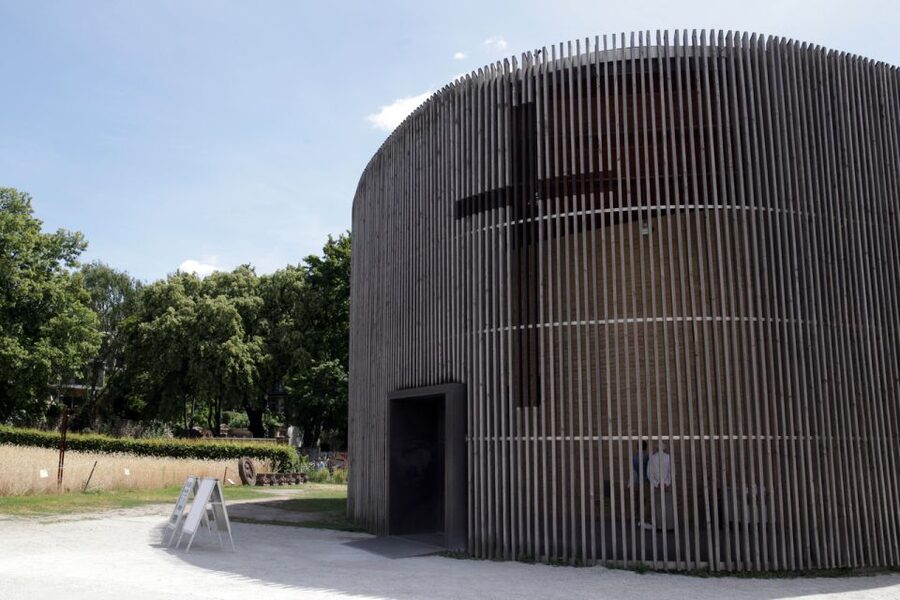
Berlin’s Wall Memorial at Bernauer Straße gives you the clearest look at how the border worked. You’ll see the original death strip, watchtower, walls, and barriers, then hear how neighbours lived under suspicion and why escape attempts were so dangerous.
I like the tour’s focus on ordinary life in East Germany, not just famous political dates. I also like the human stories, from Tunnel 57 to those killed trying to reach the West. The main consideration is practical: public transport may be needed, and its cost is not included.
In This Review
- Key points to know before you book
- Why Bernauer Straße is the right place to study the Wall
- Starting at Gartenstraße and reaching the memorial
- Seeing the death strip instead of just a wall fragment
- Everyday life under the GDR system
- Tunnel 57 and the danger of escape
- Ghost stations and a divided transport network
- Guides who keep the history human
- Small groups, private options, and the $23 price
- What kind of visitor will enjoy this walk?
- How to get the most from the two hours
- Booking, cancellation, and flexibility
- Should you book the Berlin Wall and Cold War Walking Tour?
- FAQ
- How much does the Berlin Wall and Cold War Walking Tour cost?
- How long does the tour last?
- Where does the tour start?
- Is public transport included?
- What is included in the price?
- Is the tour private or shared?
- What will I see at the Berlin Wall Memorial?
- Does the guide discuss escape tunnels?
- Can I cancel the tour for a refund?
Key points to know before you book
- See the Berlin Wall’s former death strip: Watchtowers, barriers, walls, and memorials make the border system easier to understand than a museum display alone.
- Hear the story behind Tunnel 57: Escape tunnels show the planning, courage, and danger involved in getting from East Berlin to the West.
- Explore Bernauer Straße with a live guide: The two-hour walk focuses on both political history and everyday life in the GDR.
- Expect a personal, flexible guiding style: Guides including Nathan and Rebecca have been praised for keeping groups engaged and adjusting the pace when needed.
- Allow for public transport: The route includes about 15 minutes of transport, and you need the correct ticket option if you do not already have a train ticket.
- Pay about $23 per person: That is a fair price for a small-group or private history walk, especially if you value explanation over simply viewing preserved remains.
Why Bernauer Straße is the right place to study the Wall
The Berlin Wall is easy to reduce to a famous strip of painted concrete. Bernauer Straße corrects that shallow view. Here, the border cut through a real neighbourhood, separating streets, buildings, families, and daily routines.
The tour takes you to the Berlin Wall Memorial, where the former border area can still be read as a system rather than a single wall. You see the barriers and watchtower, but you also hear how people lived beside them and how quickly normal life changed after the border was set up in 1961.
That setting matters. You are not only hearing that Berlin was divided into capitalist West and communist East. You are looking at the kind of place where the division affected front doors, windows, streets, transport, and family relationships.
I find this more useful than a quick stop at a preserved wall section in central Berlin. A painted fragment can show you what the Wall looked like. Bernauer Straße helps explain what it did.
More of the Berlin Wall, end to end:
- Skip-the-Line: Berlin Wall Museum at Checkpoint Charlie
★ 4.1 · 2,041 reviews - Berlin: East Side Gallery Spree Cruise in a Solar Catamaran
★ 4.0 · 1,039 reviews - Cold War, Berlin Wall, Spies and the East Side Gallery
★ 5.0 · 1,024 reviews
Starting at Gartenstraße and reaching the memorial
One listed meeting option is Starbucks at Gartenstraße 85. The exact meeting point can vary with the option you book, so check your confirmation carefully before setting out.
The route includes roughly 15 minutes of public transport before the guided visit to the memorial. That extra movement is not a major burden, but it changes how you should plan your morning or afternoon. Do not arrive with only a few spare minutes, especially if you need to buy a ticket.
Public transport is not included. The booking choices are designed for people who either already have a suitable train ticket or need one arranged through the appropriate option. Select carefully, since choosing the wrong option could leave you sorting out transport before the walk begins.
Once you reach Bernauer Straße, the main guided section lasts two hours. This is enough time for a serious introduction without turning the experience into an all-day commitment. You should still wear comfortable shoes, since the tour is on foot and the subject is best understood by moving through the memorial area.
Seeing the death strip instead of just a wall fragment
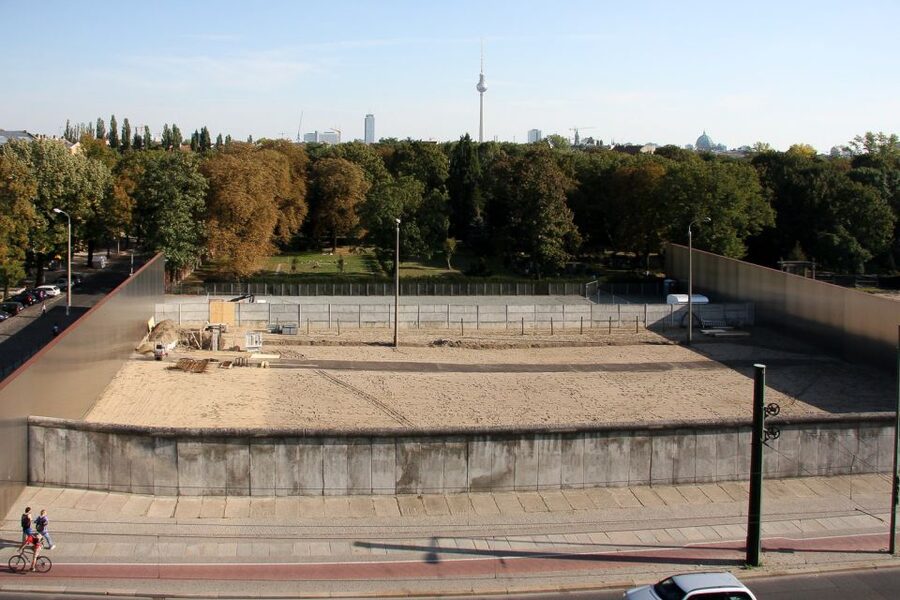
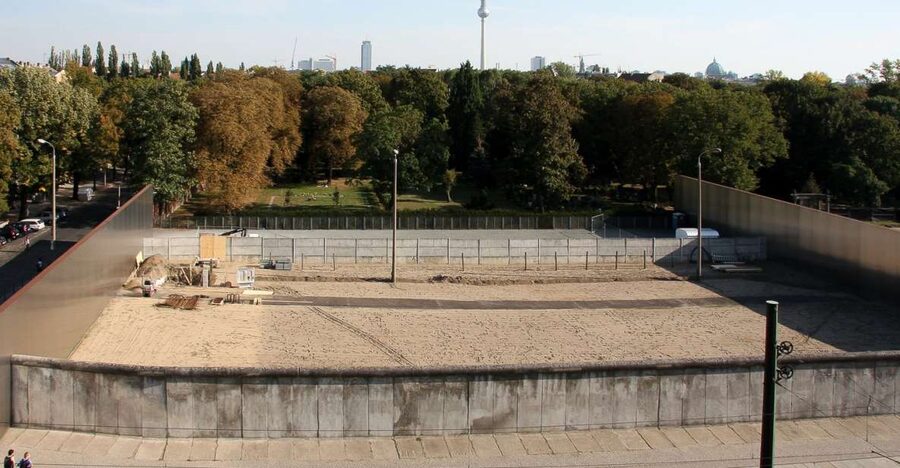
The preserved border area is the strongest part of the experience. You can see the death strip, watchtower, walls, and barriers that made escape so difficult.
The term death strip is not decorative language. It describes the controlled space between sections of the border, where guards, fences, and surveillance made a crossing a deadly act. Seeing the layout helps you understand why jumping over one wall was not the whole challenge.
Your guide can connect the physical remains to the wider border regime. The important question is not simply where the Wall stood, but how several layers of control worked together. That is where an informed guide earns the tour price.
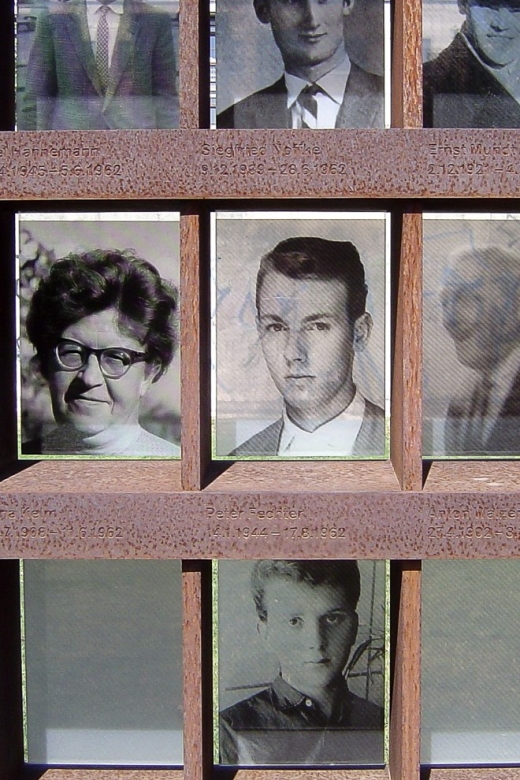
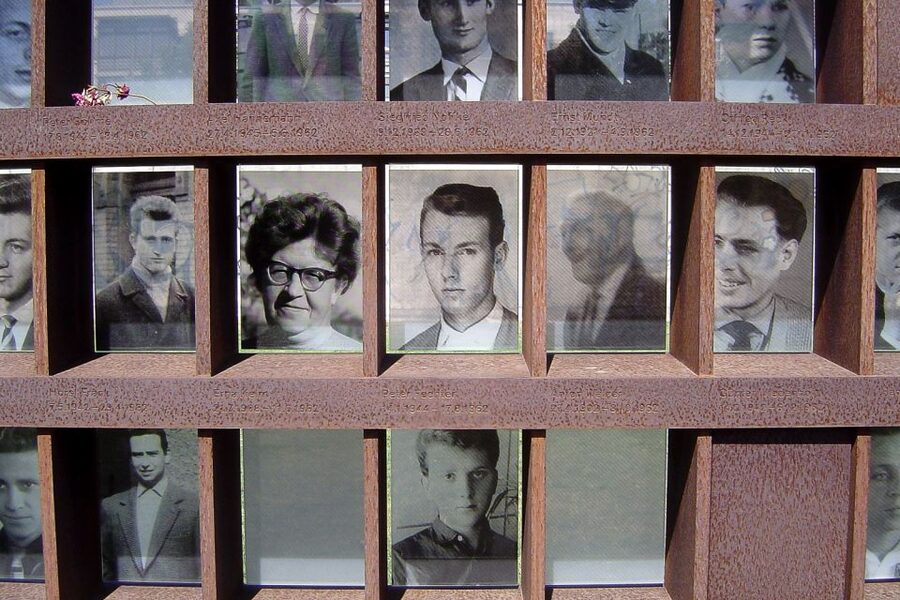
The memorial also gives attention to people who died trying to reach the West. Their stories keep the subject from becoming a collection of dates and structures. You are reminded that the border was built and enforced at a human cost.
The remains are not polished into a neat story. The Wall’s later disappearance means parts of the old East have faded from the city. At Bernauer Straße, the memorial preserves enough of the former border to make the division visible again.
Everyday life under the GDR system
A good Cold War walk should explain more than government buildings and international speeches. This tour covers life in the GDR, including the fear created when neighbours were encouraged to spy on one another.
That detail gives the political system a personal scale. Surveillance was not only something done by distant officials. Suspicion could enter apartment blocks, workplaces, friendships, and family life. You get a better sense of why many people kept quiet and why even a casual comment could feel risky.
The tour also asks what life in East Germany was really like. That question deserves a careful answer. The walk is focused on the communist system, the border, escape attempts, and victims of the regime, so it is not a complete survey of every aspect of GDR society. Still, it gives you a useful frame for understanding how political control shaped ordinary choices.
I would especially recommend this part to visitors who know the basic Wall story but want more context. You will hear about a country that no longer exists, and the guide can connect its institutions to the streets in front of you.
More Cold War Berlin:
- Berlin: Third Reich and Cold War 2 Hour Walking Tour
★ 4.9 · 6,830 reviews - Berlin’s Best: 2 Hour Walking Tour Third Reich and the Cold War
★ 5.0 · 5,486 reviews - Berlin: Cold War Walking Tour on Berlin Wall Route
★ 4.8 · 437 reviews - Berlin: Cold War Era History Guided Bike Tour
★ 4.8 · 413 reviews
Tunnel 57 and the danger of escape
Escape stories are among the most memorable parts of the route, but they should not be treated like adventure tales. Tunnel 57 shows the planning and risk behind one of the best-known escape efforts connected with the Berlin Wall.
The point is not just that a tunnel was dug. Underground escapes required secrecy, labour, money, organisation, and a great deal of nerve. Failure could mean arrest or death. The tour uses this story to show why reaching the West was a deadly temptation for many people in East Berlin.
You’ll also hear about other escape attempts and the ways people tried to get through or around the border. The value of hearing these stories on site is that the surrounding walls and barriers make the obstacles easier to picture.
This is a good place to ask questions. The tour promises time to discuss difficult subjects, including the secret police and the border regime. If you want a lecture with no interaction, this may feel more conversational than expected. If you want to ask how the system worked, that is a strength.
Ghost stations and a divided transport network
The tour also covers Berlin’s ghost stations, a useful reminder that the Wall divided transport as well as people.
During the city’s division, some train routes passing between East and West were closed or heavily controlled. Stations could remain physically present while trains passed through without stopping. The name ghost stations captures the strange, unsettling effect of places built for daily use but emptied by politics.
You may not spend a long time inside a station during this walk, since the central stop is the Wall Memorial. Still, the subject helps widen your view of the division. Berlin was not merely split by a barrier at street level. The border affected how people moved through the city and which parts of their own neighbourhood they could reach.
For first-time visitors, this is one of the details that makes the Cold War feel less abstract. A transport map can become a record of political power.
Guides who keep the history human
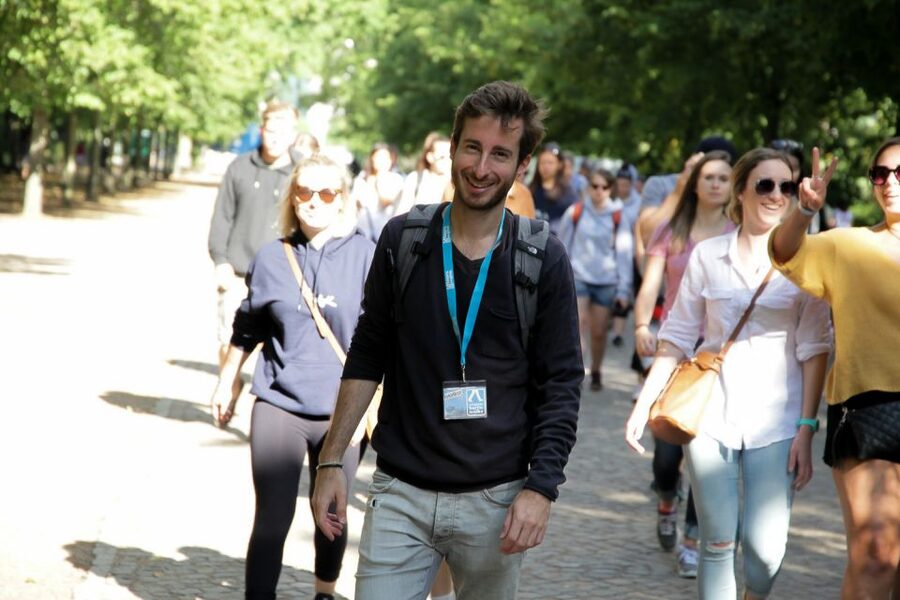
The tour is offered with a live English or German guide. Specific guides named in the feedback include Nathan and Rebecca. Nathan was praised for keeping everyone engaged and showing clear care for the subject, while Rebecca was described as very informative.
One useful detail is the guide’s ability to adjust the walk to the group. A guest with mobility concerns said the pace was adapted, with stops made when necessary. That does not provide a formal accessibility guarantee, so you should ask the provider about your own needs, but it does suggest that the experience is not locked into a rigid script.
Another guide took a guest’s interest in Hackepeter into account and stopped where that food could be found. It is a small detail, but it shows the kind of practical attention that can make a walking tour feel personal rather than mechanical.
The guide makes a large difference here. The memorial contains signs and preserved structures, but the stories about secret police, escape tunnels, neighbours, and victims need clear explanation. The strongest comments focus on information, engagement, and a human approach.
Small groups, private options, and the $23 price
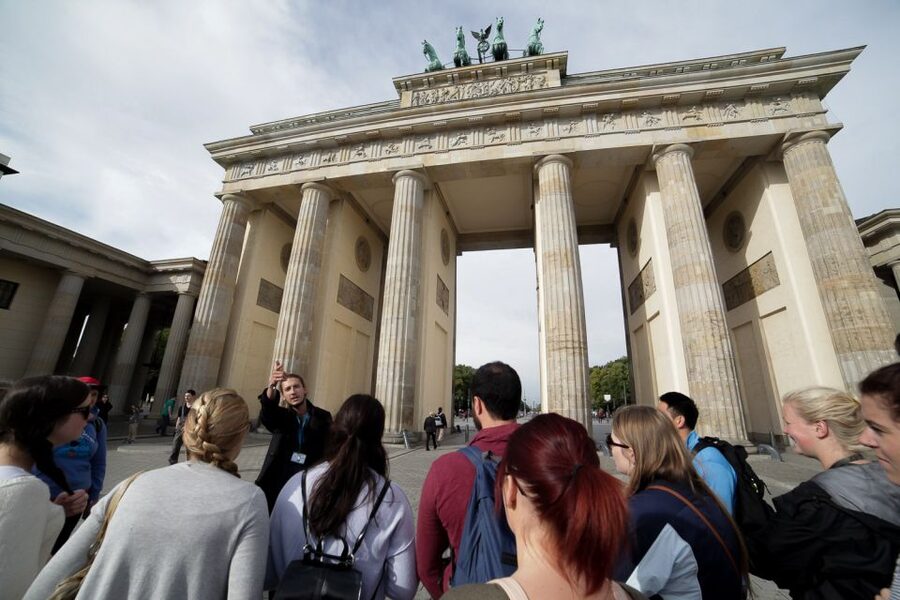
At about $23 per person, this is priced as an accessible history tour rather than a luxury private excursion. The exact value depends on the group format you select. Private and small-group options are available, which can make the price more worthwhile if you want time for questions or a slower pace.
The English guide is included. Public transport, if needed, is extra unless you choose the option that covers the required train ticket. Include that cost when comparing this walk with other Berlin Wall tours.
I see the price as fair for three reasons. First, you get two hours of guided interpretation at the memorial. Second, the route deals with specific subjects such as Tunnel 57, ghost stations, and the victims of the border regime. Third, the guide’s role is central, since the value comes from explanation rather than entry to a major paid attraction.
You should not book this expecting a long list of indoor exhibits or a polished sightseeing coach ride. This is a walking experience built around a historic site. Its value is highest when you want context, questions answered, and a clearer understanding of how the border worked.
What kind of visitor will enjoy this walk?
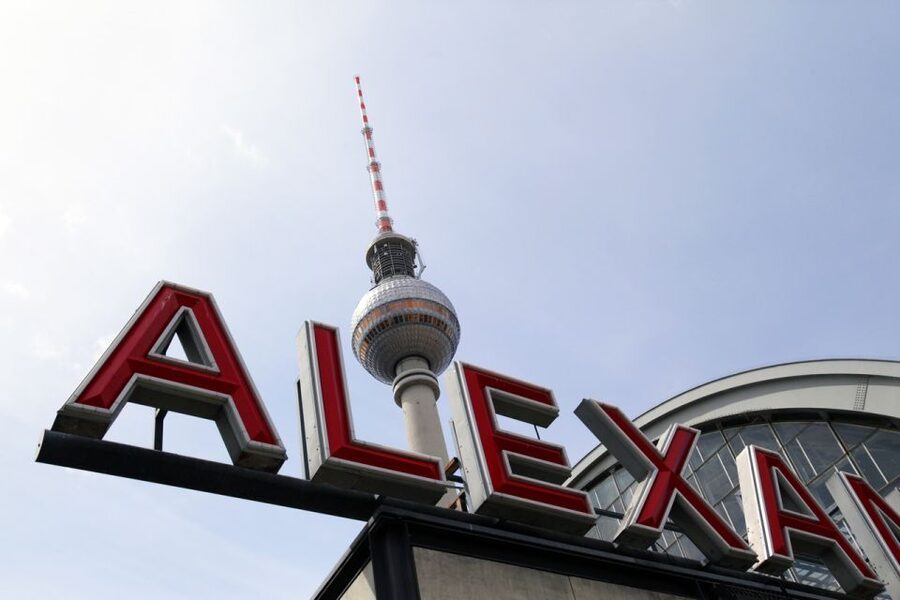
I would choose this for a first visit to Berlin if you want a strong introduction to the Wall and the Cold War. It also suits repeat visitors who have seen Checkpoint Charlie or the East Side Gallery but still feel they have only met the postcard version of the story.
It is particularly useful for:
- People interested in 20th-century European history
- Visitors who want to understand GDR daily life
- Families or groups who benefit from a guide’s explanation
- Anyone curious about escape tunnels and border controls
- Visitors who prefer a focused two-hour activity
- People who want an English or German walking tour
The tour may be less suitable if you want a completely self-guided visit, dislike walking, or have no interest in political history. The experience is built around discussion and historical detail, not entertainment.
The subject also includes death, surveillance, failed escapes, and repression. That seriousness is appropriate, but you should know the tone before booking. This is not a light city stroll with a few Wall anecdotes added for colour.
How to get the most from the two hours
Read a short timeline of Berlin’s division before you go. You do not need a textbook. Knowing that the Wall was set up overnight in 1961 and that Germany later reunified will help you follow the guide’s explanations.
Bring questions. Ask about the secret police, how residents navigated the border, why ghost stations were closed, and what made particular escape attempts possible or impossible. The tour is more useful when you treat the guide as a source for discussion rather than a voice delivering facts at you.
Allow enough time for the meeting point and the public transport section. Confirm whether you need a train ticket, and check the starting option shown in your booking details. Comfortable shoes are sensible, and you should expect to spend the main part of the experience outside.
If you enjoy local food, you can also mention your interests to the guide. The Hackepeter stop described by one guest is a good example of how a personal request may be folded into the route when practical.
Booking, cancellation, and flexibility
You can cancel up to 24 hours before the activity for a full refund. That is useful in Berlin, where weather, museum plans, and train delays can affect a tightly scheduled day.
Reserve now and pay later is also available. You can hold a place without paying immediately, which helps if your schedule is still changing. Check the exact starting time and meeting point when you book, since availability and options can vary.
The tour is offered in English and German. Private and small-group formats are available, so pay attention to the group type rather than choosing only by price. A smaller group may suit you if you want more questions answered or need the pace adjusted.
Should you book the Berlin Wall and Cold War Walking Tour?
Book it if you want to understand how the Wall shaped real lives, not just photograph a surviving section. Bernauer Straße gives you physical remains, while the guide adds the difficult parts that signs alone cannot fully explain: surveillance, escape tunnels, ghost stations, and the people who died trying to cross.
At $23, the walk offers good value for a focused two-hour history experience. The main drawbacks are the added public transport cost when needed and the fact that much of the experience takes place on foot outdoors.
I would make this one of my Berlin history choices, especially for a first-time visitor or anyone who wants a more serious look at the GDR. Choose the small-group or private option if conversation matters to you, and confirm the correct transport option before booking.
FAQ
How much does the Berlin Wall and Cold War Walking Tour cost?
The listed price is $23 per person. Public transport may cost extra if you need a train ticket.
How long does the tour last?
The guided visit to the Berlin Wall Memorial lasts two hours. The itinerary also includes about 15 minutes of public transport.
Where does the tour start?
There are two starting-location options. One listed meeting point is Starbucks at Gartenstraße 85, but the meeting point may vary depending on the option booked.
Is public transport included?
No. The tour uses public transport, and you need to select the appropriate option based on whether you already have a train ticket.
What is included in the price?
An English-speaking guide is included. The available tour languages are English and German.
Is the tour private or shared?
Private and small-group options are available. Check the specific option you choose when booking.
What will I see at the Berlin Wall Memorial?
You will see the former death strip, a watchtower, walls, barriers, and memorials for people who died trying to reach the West.
Does the guide discuss escape tunnels?
Yes. The tour covers Tunnel 57 and other daring escape attempts, along with the risks faced by people trying to cross the Wall.
Can I cancel the tour for a refund?
You can cancel up to 24 hours in advance for a full refund. Reserve now and pay later is also available.
More Walking Tours in Berlin
- Discover Berlin Half-Day Walking Tour
★ 5.0 · 9,624 reviews - Berlin: Discover Berlin Walking Tour
★ 4.9 · 5,998 reviews - Berlin: Hidden Backyards Guided Walking Tour
★ 4.8 · 5,360 reviews - Third Reich Berlin: Hitler and WWII Walking Tour
★ 5.0 · 3,301 reviews
Just added around Berlin
- Berlin Highlights in One Day★ 5.0 · 3 reviews
- Private Berlin One Day Tour with a Local: See the City Unscripted★ 3.5 · 3 reviews
- Individual city tour Berlin for max. 8 persons★ 5.0 · 3 reviews
- Transfer from Berlin Schönefeld Airport (SXF) to Berlin city Hotels – ROUND TRIP★ 4.0 · 3 reviews
- Berlin: Museum Island Tour★ 5.0 · 3 reviews
- Private Analogue Photography Experience in Berlin★ 5.0 · 3 reviews
- Berlin: Local Food Tour in Secrets Hidden Gems★ 4.0 · 3 reviews
- Potsdam Highlights – Private sightseeing tour by minibus★ 5.0 · 3 reviews
Berlin Wall Tours, compared.

Skip-the-Line: Berlin Wall Museum at Checkpoint Charlie
Read our review →
East Side Gallery Spree Cruise in a Solar Catamaran
Read our review →
Cold War, Berlin Wall, Spies and the East Side Gallery
Read our review →

Guided Bike Tour of the Berlin Wall and Third Reich
Read our review →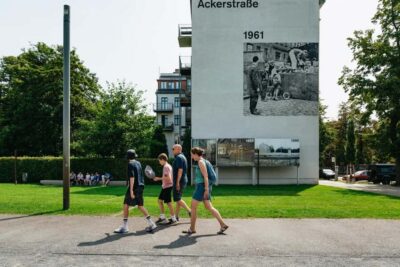

Browse the lists this tour appears in