
Review · JEWISH BERLIN & HOLOCAUST MEMORIALS
Nazi Berlin and the Jewish Community Tour
Hitler’s Berlin is best understood on foot and by public transport, where government offices, memorials, ruins, and Jewish community sites form a difficult but revealing trail. This tour connects the Nazi command center, Operation Valkyrie, the old Jewish quarter, and the workshop where Otto Weidt protected Jewish workers.
I like the clear three-hour route, which gives you both political history and personal stories without turning the day into a long lecture. I also like the visit to the Otto Weidt Workshop for the Blind, a small, human-scale museum that brings rescue and resistance down to the level of individual lives.
The main consideration is that the $27 price does not include the AB public transport ticket, and the tour is offered only in French or Italian. You will also be walking between several stops, so wear comfortable shoes.
In This Review
- Key points to know before you book
- Why this three-hour route works
- Nazi headquarters and Hitler’s rise to power
- The German Resistance Memorial and Operation Valkyrie
- Anhalter Bahnhof and the scars of wartime Berlin
- Varian Fry and the work of rescue
- The old Jewish quarter and the New Synagogue
- Forced labor, deportation, and the end of Jewish Berlin
- Otto Weidt’s workshop and a personal story of protection
- Walking, transport, languages, and accessibility
- Who should book this Berlin history tour?
- Should you book it?
- FAQ
- How long does the Nazi Berlin and Jewish Community Tour last?
- How much does the tour cost?
- Which languages are available?
- Is public transportation included?
- What public transport is used?
- What is the New Synagogue known for?
- What is the German Resistance Memorial?
- What is the Otto Weidt Workshop for the Blind?
- Is the tour wheelchair accessible?
Key points to know before you book
- The tour links two chapters of Berlin’s past: Nazi dictatorship and the long-standing Jewish community in the city.
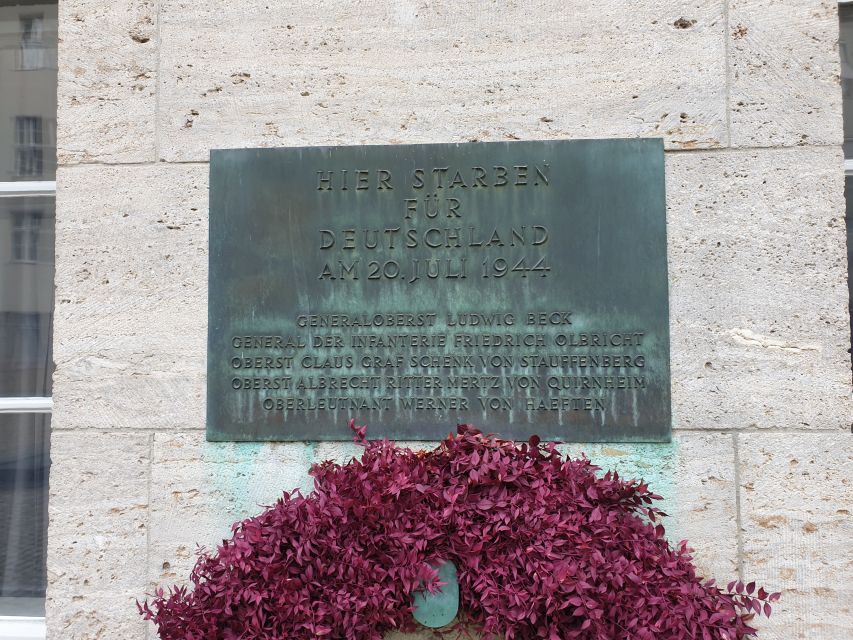
- You visit the German Resistance Memorial, located at the former headquarters of the July 20 plot and Operation Valkyrie.
- The New Synagogue’s golden dome is a major visual stop, with time to learn about Berlin’s Jewish community before and during Nazi rule.
- Varian Fry’s rescue work is included, connecting Berlin’s wartime story to the escape of more than 3,000 persecuted Jews.
- The Otto Weidt museum offers a personal ending, focused on a factory owner who tried to shield Jewish employees from persecution and deportation.
- An AB public transport ticket is required, and the tour is available with a French- or Italian-speaking guide.
Why this three-hour route works
Many Berlin history tours focus only on Hitler, war ruins, and military sites. This one gives you a broader picture. You begin with the political machinery that allowed the Nazi dictatorship to grow, then move toward resistance, Jewish life, forced labor, deportation, and individual acts of protection.
That order matters. You first see how a dictatorship operated from above. Later, you hear how ordinary people and officials resisted it, how Jewish Berliners were persecuted, and how one employer tried to help his workers survive.
The tour lasts about three hours. That is long enough to connect the sites, but short enough to fit into a busy Berlin schedule. I would treat it as a focused introduction rather than a complete study of Nazi Berlin. The guide has to keep moving, especially because public transport is part of the route.
The price is $27 per person, which is fair for a guided tour covering several districts and museums. You should add the cost of the required AB ticket when comparing it with other activities. Since transport is not included, have your ticket ready before the tour begins if possible.
More Third Reich sites in Berlin:
- Berlin: Third Reich and Cold War 2 Hour Walking Tour
★ 4.9 · 6,830 reviews - Berlin: Berlin Story Bunker Entry Ticket
★ 4.6 · 6,759 reviews - Berlin’s Best: 2 Hour Walking Tour Third Reich and the Cold War
★ 5.0 · 5,486 reviews
Nazi headquarters and Hitler’s rise to power
The opening section explains how Hitler came to power in 1933 and how the Nazi dictatorship took shape. This is an important distinction. Hitler did not simply appear as an all-powerful ruler overnight. The guide’s job is to show you the political steps, institutions, and decisions that made the dictatorship possible.
You will visit former Nazi headquarters and sites connected to the administration of terror. Berlin has many places where the original buildings are gone or altered, so the value of this part depends on the guide’s explanation. The physical remains may be modest, but the locations help you understand how close together the main offices of power once were.
You will also hear about Operation T4. This was the Nazi program of forced sterilization and the murder of disabled people. The command center in Berlin helped plan the killing of tens of thousands of citizens.
This stop adds an important layer to the tour. Nazi persecution was not limited to one ethnic or religious group. The regime also targeted disabled people and other groups it considered undesirable. Learning about Operation T4 helps explain how bureaucratic language, medical authority, and government offices were used to organize mass murder.
The subject is grim, and the tour does not soften it. If you prefer a light sightseeing experience, this is not the right activity. If you want a direct account of how power was used, this early section gives the rest of the route a strong foundation.
The German Resistance Memorial and Operation Valkyrie
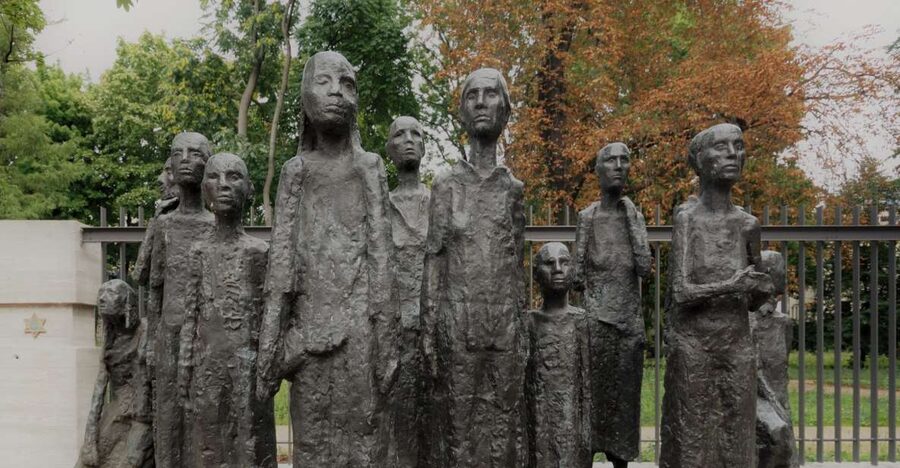
The German Resistance Memorial is one of the most important stops. It occupies the former military headquarters from which Operation Valkyrie was directed. The failed July 20 plot to kill Hitler and remove the Nazi leadership is often the best-known part of this site, but the memorial honors a much wider range of Germans who opposed or fought against Nazism.
The guided visit lasts about 20 minutes. That is enough time to establish the setting and explain the main resistance groups, but not enough for every story. You should listen for the contrast between resistance inside the government and resistance by civilians, religious figures, workers, and others.
This stop also helps avoid a common mistake in understanding German history. Resistance did exist, but it was dangerous, divided, and never strong enough to remove the Nazi government before the war’s final stages. The memorial is not a story of easy heroism. It shows the risks faced by people who chose to act under a dictatorship.
The building and its connection to Operation Valkyrie give the visit a serious sense of place. You are not simply hearing about an abstract plot. You are learning where decisions were made and where resistance fighters tried to change Germany’s course.
Anhalter Bahnhof and the scars of wartime Berlin
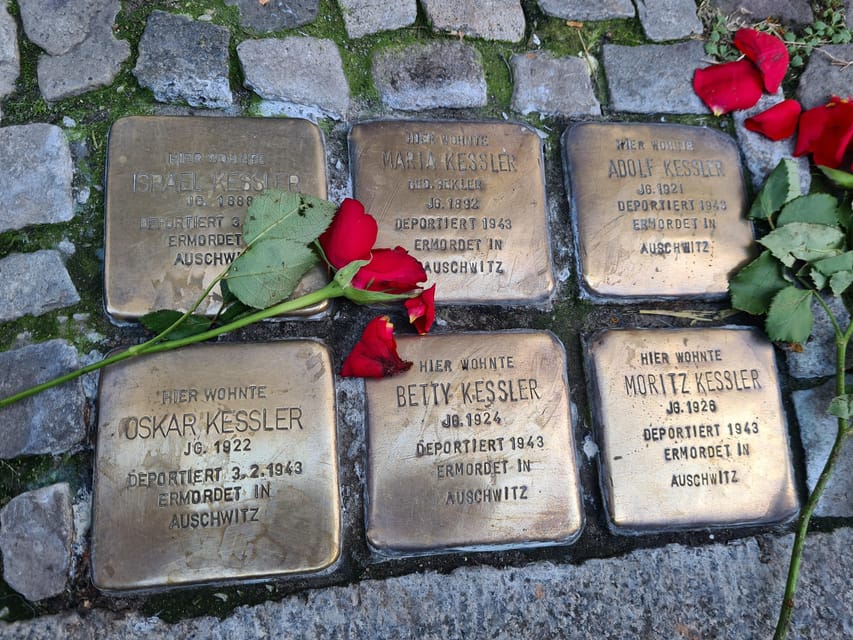
A short bus ride brings you to Anhalter Bahnhof. The station is associated with the wartime destruction of Berlin, and the remaining ruins still show the damage caused by the fighting.
The guided portion here is brief, about 10 minutes. That makes this more of a visual and historical pause than a full museum visit. You will hear about the final period of the war, the battles in Berlin, and the events leading to Germany’s surrender in May 1945.
The remains of historic buildings can be powerful because they require little imagination. You can see the marks left by combat and connect them with the political story already discussed. At the same time, do not expect a large exhibition or a long stop. The guide uses this location to connect Nazi rule with the physical destruction of the city.
This is also where the tour’s use of public transport becomes part of the experience. You are not confined to one compact square. You cross Berlin as the history shifts from government offices to wartime ruins and then to the old Jewish district.
More Jewish Berlin and memorial walks:
- Berlin: Jewish Museum Berlin Entrance Ticket
★ 4.5 · 8,393 reviews - Path of Resistance: Berlin’s Hidden Holocaust Stories
★ 5.0 · 33 reviews - Private Tour: Jewish Heritage Walking Tour of Berlin
★ 5.0 · 29 reviews - Jewish Berlin: Walking tour The Old Jewish Quarter (private 3 Hours tour)
★ 5.0 · 27 reviews
Varian Fry and the work of rescue
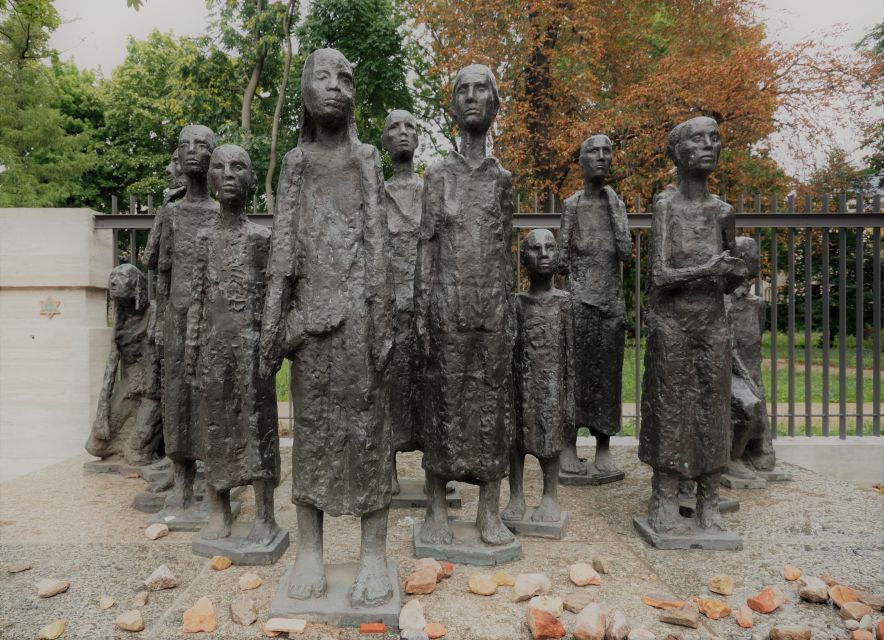
One of the tour’s less familiar stories is that of Varian Fry, an American journalist who helped more than 3,000 persecuted Jews escape Nazi-occupied Europe. Among those aided were painter Marc Chagall, philosopher Hannah Arendt, and writer Heinrich Mann.
A memorial to Fry is included among the lesser-known sites on the route. His story is valuable because it widens the usual focus on Nazi Germany. Rescue often depended on networks of people moving documents, arranging hiding places, finding routes, and taking personal risks.
You will not get a full biography of Fry in a few minutes, but the stop gives you a clear example of how international rescue efforts worked. It also shows why names such as Chagall, Arendt, and Mann remain connected to the wartime history of Berlin and occupied Europe.
I especially like this part of the route because it prevents the experience from becoming only a sequence of Nazi offices and memorials. You also encounter people who tried to help, even when success was uncertain and the cost could be severe.
The old Jewish quarter and the New Synagogue
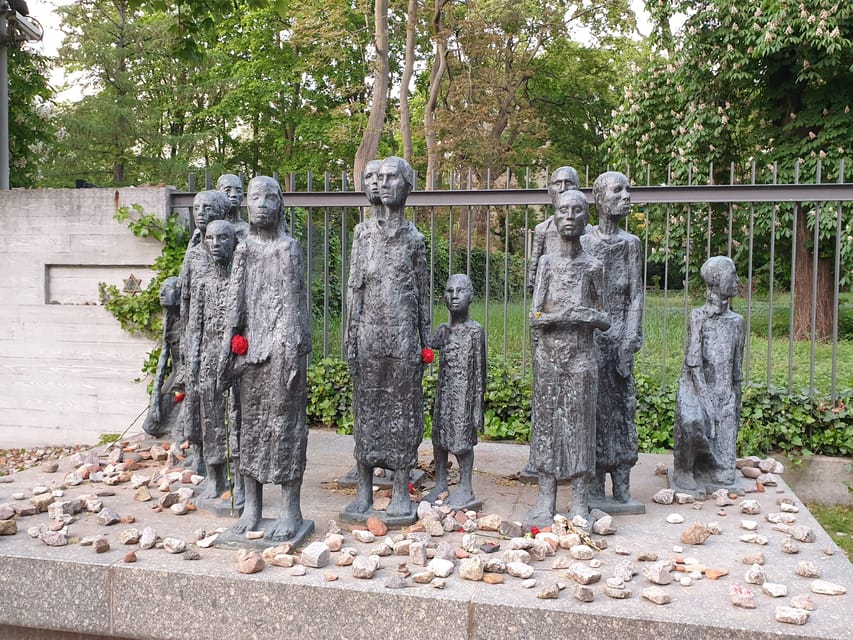
The tour then uses public transport to reach the historic district of Berlin’s Jewish community. This change of setting is one of the strongest parts of the experience.
Here you learn about the long presence of Jewish people in Berlin before the Nazis came to power. The guide discusses community life, the relationship between Christian Berliners and Jewish Berliners, and the way Nazi policies dismantled that life through discrimination, forced labor, and deportation.
The New Synagogue is the visual centerpiece. Built in the 19th century, it is known for its imposing golden dome and is now connected with the Jewish Centre. The tour includes a guided visit of about 15 minutes.
The building helps you remember that Berlin’s Jewish community was not a brief or marginal part of the city. It had deep roots, institutions, businesses, families, and religious life. When the Nazis persecuted and deported Jewish Berliners, they were attacking an established community that had shaped the city for generations.
The tour does not treat the synagogue as just a photogenic stop. The architecture becomes a starting point for discussing what was lost. The golden dome is easy to spot, but the more important point is the community behind it.
Because the stop is short, you may want to return on your own if you want a longer visit to the Jewish Centre or nearby sites. The guided route gives you context and orientation, while a separate visit would give you more time for quiet reflection.
Forced labor, deportation, and the end of Jewish Berlin
After the synagogue, the guide explains the mechanisms used to persecute Berlin’s Jewish population. You hear about forced labor and the deportations during World War II.
This section is particularly useful for anyone who knows the broad outline of the Holocaust but wants to understand how persecution functioned in a city. Deportation required records, orders, transport, labor assignments, property seizures, and cooperation from institutions. The process was not only carried out in distant camps. It affected streets, workplaces, homes, and public services in Berlin itself.
The tour’s route through the old Jewish district lets you place those policies in the same urban setting where Jewish families had lived and worked. That connection between ordinary city life and state persecution is one of the most sobering parts of the day.
The material can be emotionally heavy. The guide speaks about forced labor and deportation alongside the earlier discussion of mass murder and wartime destruction. You should allow yourself a little quiet time after the tour rather than scheduling an immediate, high-energy activity.
Otto Weidt’s workshop and a personal story of protection
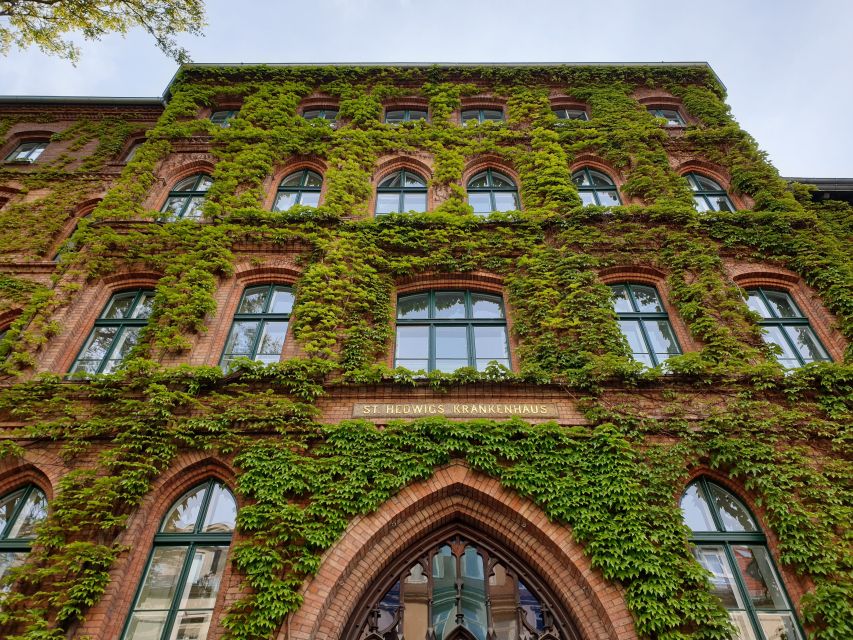
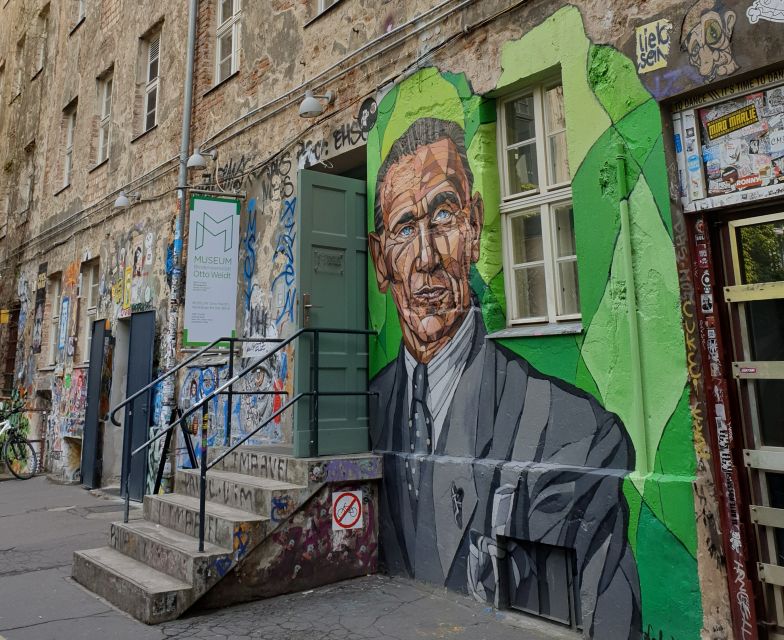
The final stop is the Museum Blindenwerkstatt Otto Weidt, also called the Otto Weidt Workshop for the Blind. The guided visit lasts about 15 minutes and focuses on Otto Weidt, who has been recognized as a Righteous Among the Nations.
Weidt employed Jewish workers and tried to protect them from persecution and deportation. As the danger increased, he found hiding places for some of them. One hiding place was on the premises that now house the museum.
This is an especially effective ending because it shifts the scale from government programs to one workshop and its workers. You can understand the danger more clearly when the story centers on employment, hiding places, and personal decisions.
The museum also gives the tour a human conclusion without pretending that one person could undo the wider crime. Weidt’s actions mattered to the people he helped, but they took place inside a system that was killing and deporting millions. The guide can use this tension to explain both courage and the limits of individual rescue.
I would not expect a large museum visit here. The scheduled time is short, so you will receive a guided introduction rather than a full afternoon with every display. Still, this stop is one of the main reasons to choose the tour. It gives you a concrete story to carry away, not just a list of dates and institutions.
Walking, transport, languages, and accessibility
The route includes guided walks, a bus or coach segment of about 10 minutes, and a train ride of about 10 minutes. You need an AB public transport ticket, and that ticket is not included in the price.
Wear comfortable shoes. The tour moves between several sites, and you will be standing, walking, and changing locations during the three hours. The activity is listed as wheelchair accessible, but the meeting point and exact transport sequence depend on the option you book, so check the arrangements before paying.
The live guide is available in French or Italian. This is a major practical detail. If you need an English-language tour, this particular option may not suit you. If French or Italian is comfortable for you, the spoken explanation is central to the experience because many of the sites have limited visible remains.
The starting point can vary by booking option, and the tour ends back at the meeting point. Check the selected option carefully so you know where to go and have enough time to reach it.
One guide named Lorenzo received specific praise for being serious, well prepared, and engaging. You should not assume he will lead every departure, but his mention suggests that the quality of the guide can make a real difference on this route. The tour depends on clear storytelling, since several stops require explanation rather than simply looking at an intact monument.
Who should book this Berlin history tour?
I would recommend it to you if you want a compact, serious introduction to Nazi Berlin and Jewish Berlin. It suits first-time visitors who want to understand how the sites fit together, as well as repeat visitors who have already seen the main central memorials and want stories about resistance, rescue, and community life.
It is also a good choice if you prefer a guide who can explain difficult subjects in French or Italian. The route covers more than one theme, so it works well for people who want both political history and personal stories.
You may want a different activity if you dislike public transport, need a slow pace, want extensive museum time, or prefer an English-language guide. The tour is not designed as a relaxed city walk. Its subject matter is severe, and the schedule leaves limited time at each stop.
Should you book it?
Book this tour if you want to connect Nazi power, German resistance, Jewish community life, deportation, and individual rescue in one carefully timed route. At $27, it offers good value for three hours of guiding across several parts of Berlin, provided you budget separately for the AB ticket.
The strongest reasons to choose it are the German Resistance Memorial, the New Synagogue, and the Otto Weidt workshop. The main caution is the language and pace. If French or Italian works for you and you are ready for a serious morning or afternoon, this tour gives you a useful, human-scale view of Berlin’s darkest years.
FAQ
How long does the Nazi Berlin and Jewish Community Tour last?
The tour lasts three hours.
How much does the tour cost?
The listed price is $27 per person.
Which languages are available?
The live tour guide is available in French or Italian.
Is public transportation included?
No. You need to bring or purchase an AB public transport ticket for the tour.
What public transport is used?
The route includes a bus or coach segment of about 10 minutes and a train segment of about 10 minutes.
What is the New Synagogue known for?
The New Synagogue is a 19th-century building known for its imposing golden dome. It is connected with the Jewish Centre.
What is the German Resistance Memorial?
It is a memorial at the former site from which Operation Valkyrie was directed. It honors Germans who opposed and fought against Nazism.
What is the Otto Weidt Workshop for the Blind?
It is a museum telling the story of Otto Weidt, a Righteous Among the Nations who tried to protect his Jewish workers from persecution and deportation. Some workers hid on the premises.
Is the tour wheelchair accessible?
Yes, the activity is listed as wheelchair accessible. The exact meeting point and transport arrangements depend on the option selected.
Just added around Berlin
- Berlin Highlights in One Day★ 5.0 · 3 reviews
- Private Berlin One Day Tour with a Local: See the City Unscripted★ 3.5 · 3 reviews
- Individual city tour Berlin for max. 8 persons★ 5.0 · 3 reviews
- Transfer from Berlin Schönefeld Airport (SXF) to Berlin city Hotels – ROUND TRIP★ 4.0 · 3 reviews
- Berlin: Museum Island Tour★ 5.0 · 3 reviews
- Private Analogue Photography Experience in Berlin★ 5.0 · 3 reviews
- Berlin: Local Food Tour in Secrets Hidden Gems★ 4.0 · 3 reviews
- Berlin & The Third Reich Private Guided Tour★ 5.0 · 3 reviews
Jewish Berlin & Holocaust Memorials, compared.

Path of Resistance: Berlin’s Hidden Holocaust Stories
Read our review →
Private Tour: Jewish Heritage Walking Tour of Berlin
Read our review →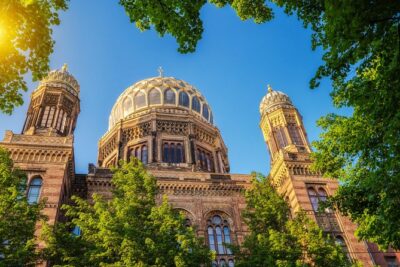
Jewish Berlin: Walking tour The Old Jewish Quarter (private 3 Hours tour)
Read our review →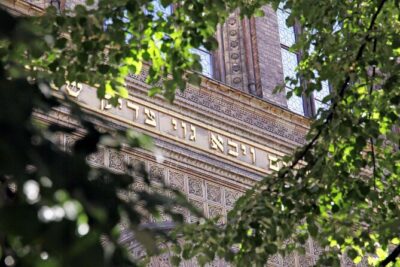
Path of Resistance: Berlin’s Hidden Holocaust Stories
Read our review →

Browse the lists this tour appears in