
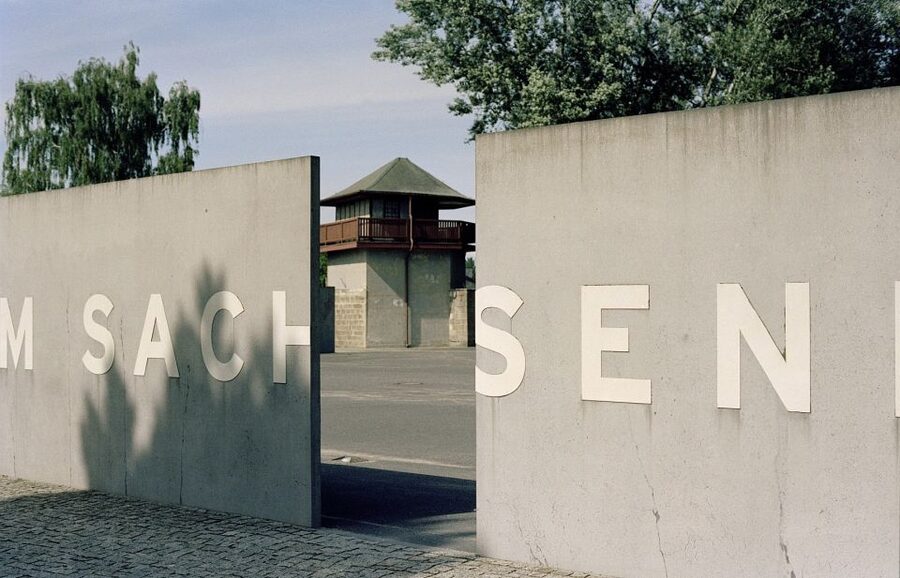
Review · SACHSENHAUSEN MEMORIAL TOURS
Sachsenhausen Memorial: Walking Tour from Berlin
Sachsenhausen was designed as a model concentration camp, and that is what makes this visit so important. Its layout, buildings, and systems were meant to show how the Nazi regime turned architecture, labor, punishment, and bureaucracy into tools of control. I like the three-hour guided walk, which gives this difficult site structure, and the chance to hear about survivor testimony, resistance, forced labor, and the postwar Soviet special camp. The main drawback is the pace: this is a six-hour outing with a lot of walking, little downtime, and no lunch stop.
I also like that the guide travels with you from Berlin instead of meeting you only at the gate. Guides such as Fabio, Soleil, Lorenzo, Sueli, and Andrea have been praised for clear explanations, empathy, and strong command of dates and detail. Bring lunch for the train, buy an ABC transport ticket before meeting the group, and arrive at least 15 minutes early because the train may leave only five minutes after the official start.
In This Review
- Key points
- Why Sachsenhausen deserves a place in your Berlin plans
- From Berlin to Oranienburg by S-Bahn
- Entering a camp built as a model of control
- Tower A and the roll-call square
- Forced labor, punishment, and private industry
- Barracks, prison rooms, and medical abuse
- The former kitchen and the museum collection
- Station Z and the machinery of murder
- The camp’s final days and its Soviet history
- What the six-hour schedule feels like
- Price, group size, and overall value
- Which language and guide option should you choose?
- Should you book Sachsenhausen from Berlin?
- FAQ
- How long does the Sachsenhausen tour take?
- How do I reach Sachsenhausen from Berlin?
- Is public transportation included?
- Is there an additional memorial fee?
- What languages are available?
- How long is the guided visit inside Sachsenhausen?
- What places inside the memorial will I see?
- Can I eat at the memorial?
- What should I bring?
- What happens if I arrive late?
Key points
- Sachsenhausen was a Nazi model camp: Its design influenced the wider concentration camp system and helped train SS guards.
- The memorial takes about three hours: You visit Tower A, the roll-call square, prison barracks, medical rooms, the former kitchen, and Station Z.
- The journey begins in Berlin: The S-Bahn ride to Oranienburg takes about 40 minutes, followed by the visit and a return train.
- The guide sets the tone: Fabio, Soleil, Lorenzo, Sueli, and Andrea are among the guides praised for careful, empathetic storytelling.
- Plan for a full day on your feet: Comfortable shoes, food, weatherproof clothing, and a Berlin ABC ticket matter.
- The advertised price needs context: At $511 for a private group of up to six, value depends on whether you want a dedicated group experience.
Why Sachsenhausen deserves a place in your Berlin plans
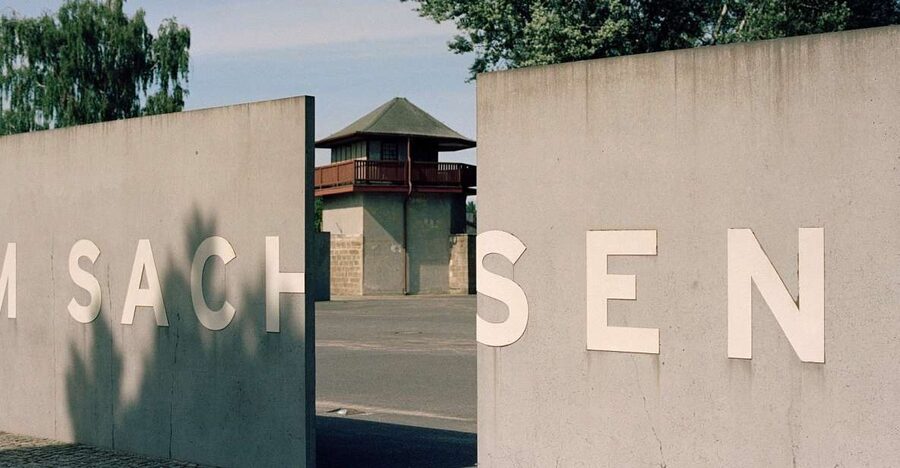
Berlin has no shortage of museums about the Nazi era, but Sachsenhausen gives you something a gallery cannot: a physical sense of how the camp operated. The site is close enough to Berlin for a half-day visit, yet the change from city streets to the former camp creates a sharp break in your day.
Sachsenhausen was built in 1936, near the Nazi capital, as one of the regime’s early concentration camps. It was not simply a prison. The SS used it as a model for camp design and administration, and it later served as a training center for guards. That makes the site useful for understanding the wider system, not just one isolated place.
The camp first held political opponents. Later, the prisoner population included Jews, Sinti and Roma, prisoners of war, and Jehovah’s Witnesses. More than 40,000 people died at Sachsenhausen under starvation, disease, violence, forced labor, and systematic murder.
I find the site especially valuable for first-time visitors to a former concentration camp because the guide explains how ordinary-looking systems supported extreme cruelty. The layout, the guard structures, the work details, and the movement of prisoners all become part of the story.
More Sachsenhausen memorial visits:
- Berlin: Sachsenhausen Concentration Camp Tour in English
★ 5.0 · 5,711 reviews - Berlin: Sachsenhausen Concentration Camp Memorial Tour
★ 4.7 · 3,716 reviews - Sachsenhausen Concentration Camp Bus Tour in English from Berlin
★ 5.0 · 1,962 reviews
From Berlin to Oranienburg by S-Bahn
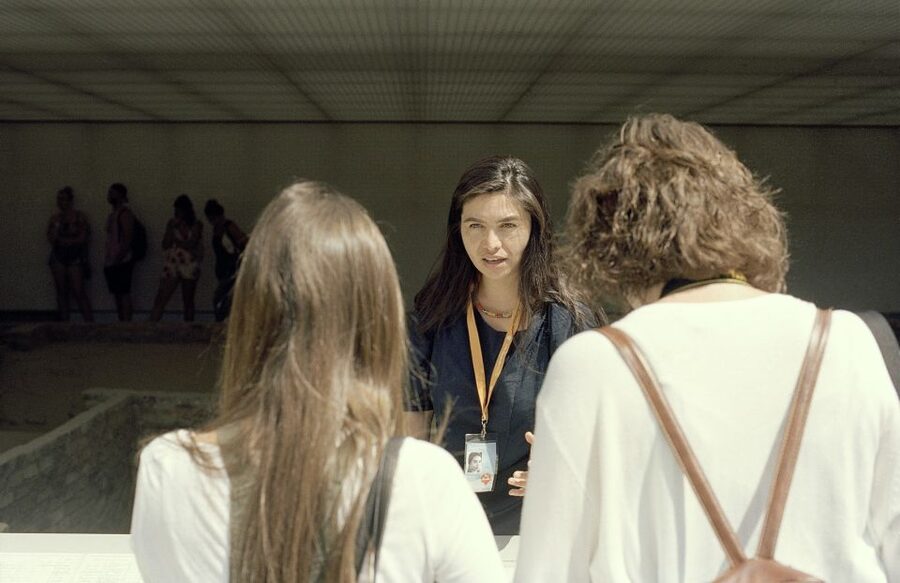
Your day begins at a Berlin meeting point chosen by the booking option. From there, the guide takes the group toward the S-Bahn. The train journey to Oranienburg takes about 40 minutes, and the complete outing lasts around six hours.
This shared journey is more than a transfer. Your guide can begin setting the historical frame before you reach the memorial, which helps you understand the site once you arrive. It also removes some of the worry of finding the correct route to a place outside central Berlin.
You need to buy your own Berlin ABC public transport ticket. This is an easy detail to miss, so handle it before the tour begins. The ticket is not included, and the group will most likely board a train departing five minutes after the official start time. Arrive at least 15 minutes early. Late arrivals cannot be held up while the group waits.
The return train takes about 40 minutes. The usual drop-off points are Potsdamer Platz 10 and Friedrichstraße 141, both useful locations for continuing an evening in central Berlin.
The transport plan is practical, but it may feel a little loose if you prefer a private vehicle and door-to-door service. One Italian-language booking described the transport organization as somewhat dispersive, even though the guide and the visit itself were rated highly. If you value a tightly managed transfer, read the meeting instructions closely.
Entering a camp built as a model of control
At Oranienburg, the group has a short guided segment before reaching the memorial. The walk from the station takes about 20 minutes, so count on a total of roughly one hour from the Berlin meeting point to the camp entrance.
That walk is one reason to wear proper shoes. This is not a quick museum stop with a few rooms and a café break. You will spend hours outdoors and on foot, and the activity runs in all weather.
At the memorial, the guide leads a walking tour lasting about three and a half hours according to the schedule, with the main description describing it as three hours. Either way, plan for a substantial visit. Groups can be as large as 25 people, while a private group option is also available. The exact group size and language depend on the option you book.
The first important lesson is the camp’s deliberate geometry. Sachsenhausen was built to enforce SS authority through sightlines, movement, spacing, and surveillance. Physical space was not neutral here. It helped strip prisoners of privacy, freedom, and control over their own time.
Your guide explains this without turning the visit into a dry architecture lecture. The point is to understand how a building plan can support a system of terror. You begin to see the camp as an organized machine, with each area linked to labor, punishment, detention, medical abuse, administration, or killing.
Tower A and the roll-call square
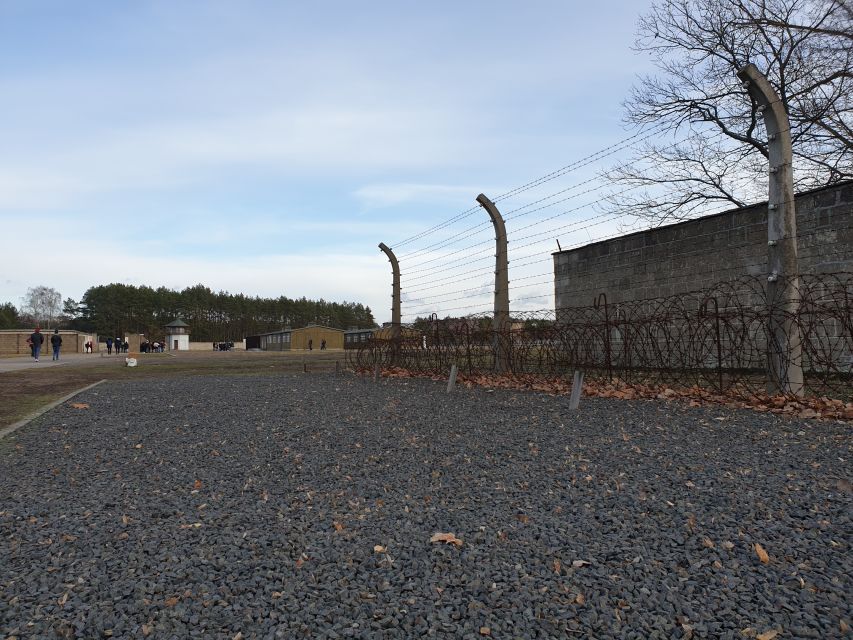
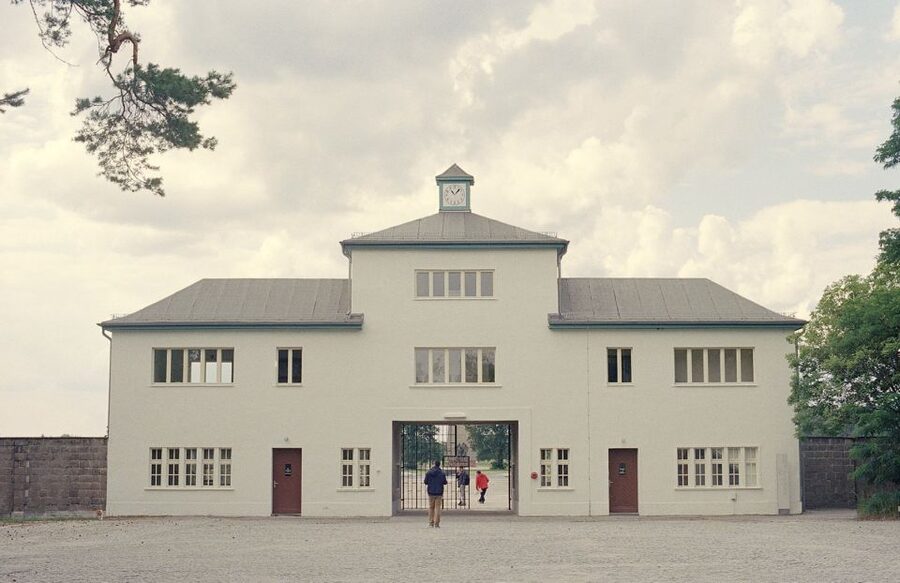
Tower A and the roll-call square form one of the first major points on the tour. The tower controlled the main entrance, while the square was used for the repeated counting and inspection of prisoners.
Roll calls could be long and punishing. The exercise was not only administrative. It placed prisoners under constant control and made their bodies part of the camp’s daily routine. Your guide connects this area to the wider role of the SS and to the way camp discipline was enforced.
This is a good moment to listen closely rather than rush to take photographs. The memorial is a place for attention and respect, and the first part of the visit sets the tone for everything that follows.
The guide also explains how Sachsenhausen functioned as an SS training center. Guards learned methods that were then used across the camp network. This helps you see why the site is called a model camp. It was a place where procedures and personnel supported the larger Nazi system.
More walking tours in Berlin:
- Discover Berlin Half-Day Walking Tour
★ 5.0 · 9,624 reviews - Berlin: Third Reich and Cold War 2 Hour Walking Tour
★ 4.9 · 6,830 reviews - Berlin: Discover Berlin Walking Tour
★ 4.9 · 5,998 reviews - Berlin’s Best: 2 Hour Walking Tour Third Reich and the Cold War
★ 5.0 · 5,486 reviews
Forced labor, punishment, and private industry
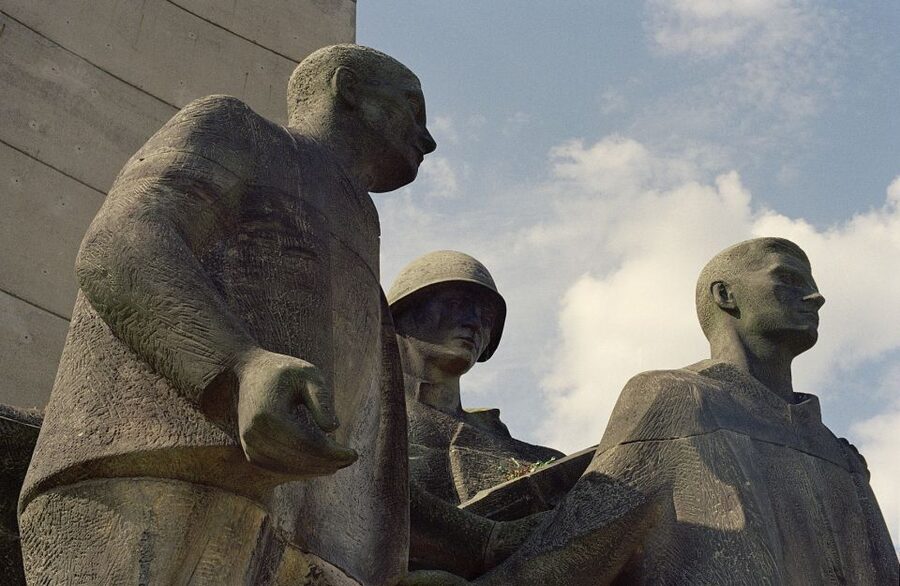
Sachsenhausen was also a work camp. Prisoners were exploited through forced labor, and private industry played a role in this system. The guide places the camp within the Nazi economy, showing how businesses benefited from the labor of people held under brutal conditions.
This part is valuable because it moves the story beyond the SS perimeter. The camp was not separate from society. It was connected to production, supply, administration, and propaganda. Understanding those links makes the history harder, but also clearer.
You will hear about punishment systems and the daily pressures faced by prisoners. The point is not to overwhelm you with isolated horrors. It is to show how labor, hunger, fear, violence, and constant supervision worked together.
The guide also covers resistance. Even in a place designed to crush individuality, prisoners made efforts to resist, preserve dignity, share information, and help one another. These stories add human depth without softening the scale of the suffering.
Barracks, prison rooms, and medical abuse
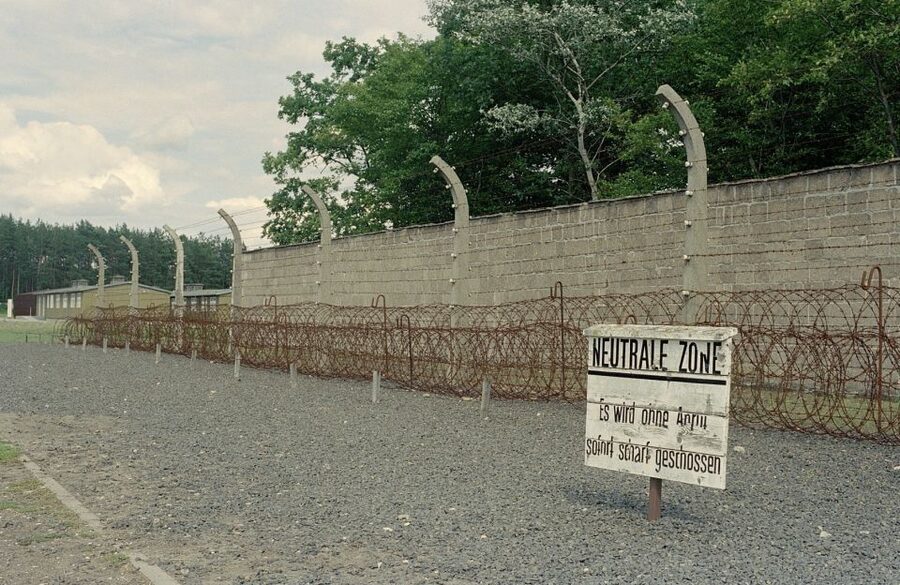
The prison barracks and former medical areas reveal the difference between the camp’s official language and its actual purpose. Institutions that used words such as care, order, and treatment could be turned into places of control and abuse.
The tour covers medical experimentation rooms and explains how prisoners were used without consent. This can be one of the hardest sections emotionally, particularly for people visiting a concentration camp for the first time.
A strong guide matters here. The praised guides Fabio, Soleil, Lorenzo, Sueli, and Andrea are noted for combining detailed historical explanation with a calm, empathetic manner. That balance is important. You need enough facts to understand what happened, but the presentation should not become theatrical.
The guide uses historical research and survivor testimony to give the site a human voice. You will hear about daily life, the struggle to survive, and the limits placed on every part of a prisoner’s existence.
The former kitchen and the museum collection
The former kitchen now houses a museum. This gives the walking tour an indoor section and helps explain how the camp was supplied and managed.
The kitchen is useful because it brings attention to food, hunger, and administration. In a concentration camp, the distribution of food was bound up with power. Shortages, poor quality, and deliberate neglect helped weaken prisoners.
The museum also provides a place for documents, interpretation, and historical evidence. Your guide helps connect what you see indoors to the open camp grounds, so you are not left trying to piece the story together from labels alone.
You should not expect a casual museum visit. The subject is severe, and the whole experience asks you to concentrate. Still, the indoor section can provide a needed change after hours outside.
Station Z and the machinery of murder
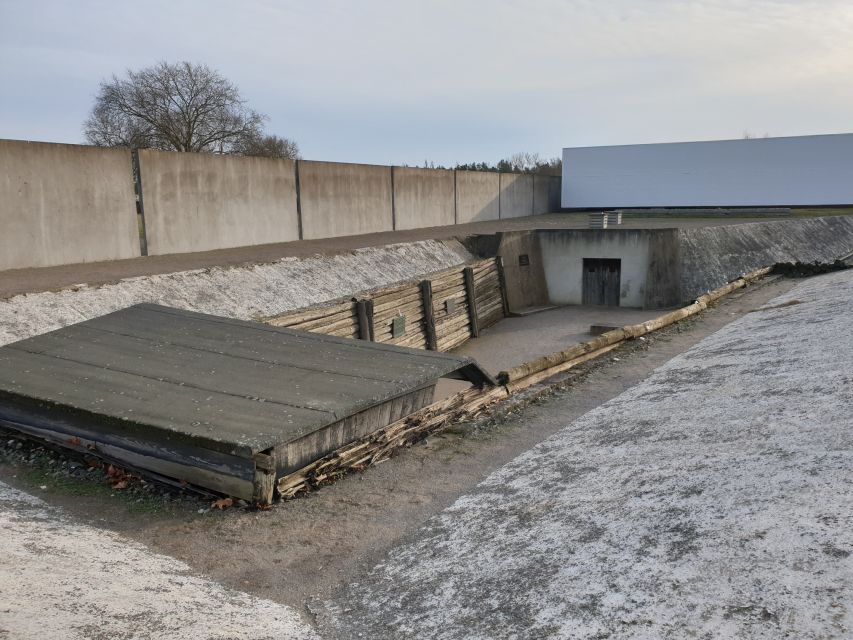
Station Z marks the area where the crematoriums and gas chamber once stood. It is among the most painful parts of the memorial, and the guide explains its role in the camp’s killing system.
The name itself reflects the logic of the camp, moving from Tower A at the entrance to Station Z at the killing site. That cold, administrative logic is part of what makes the place so disturbing. The layout shows how prisoners could be processed through a system that ended in death.
Your guide also explains Sachsenhausen’s place within Nazi persecution across Europe. The camp was not the only location of murder, forced labor, or detention. It was part of a wider network that relied on transport, orders, guards, industry, propaganda, and local administration.
You may find this section emotionally demanding. That is not a flaw, but it is a reason to think carefully about timing. Do not schedule a packed, carefree activity immediately afterward if you know you need quiet time to process difficult material.
The camp’s final days and its Soviet history
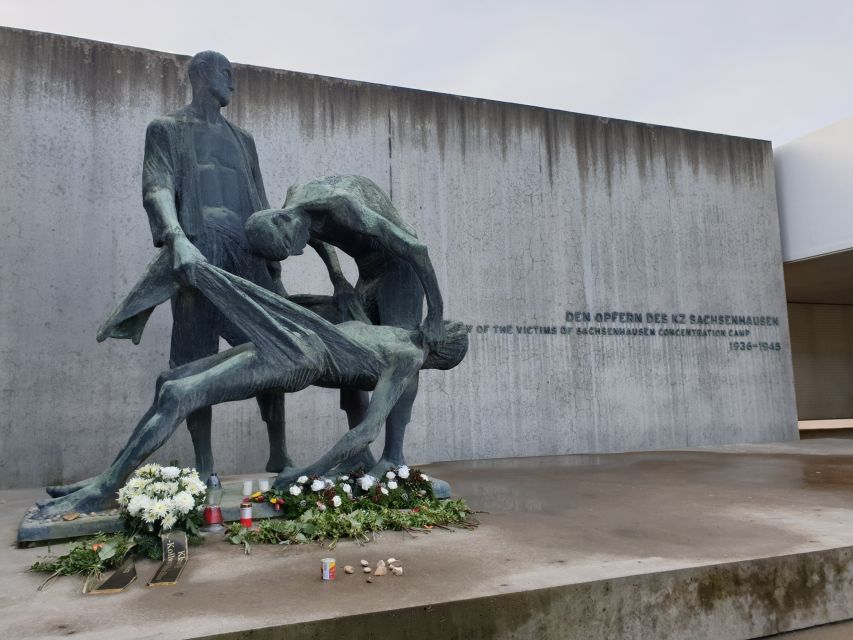
The tour does not stop in 1945. You will hear about the death marches at the end of the war, when prisoners were forced out of camps as Allied forces advanced.
The memorial also covers Sachsenhausen under Soviet occupation. After the war, the site continued as a special camp where former Nazis, political opponents, and civilians were detained. Thousands died there from hunger and disease.
This later chapter matters because it prevents a simple ending. The camp’s Nazi history is central, but the site also reflects the political violence and detention systems that followed the war. A good visit leaves you with a fuller understanding of how places of imprisonment can be reused by new authorities for new purposes.
What the six-hour schedule feels like
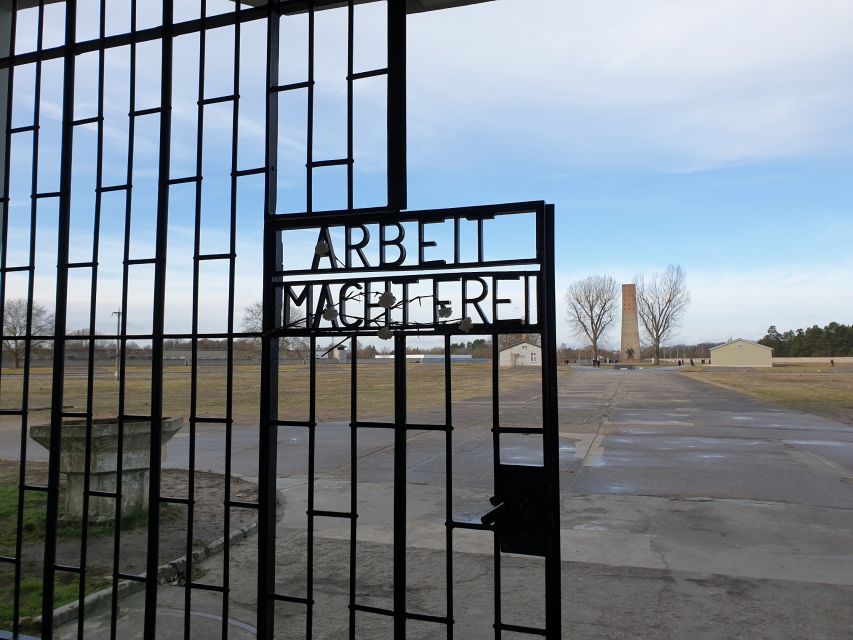
The stated duration is six hours, including the Berlin meeting, two train rides, the walk from Oranienburg, and the memorial visit. It is a full outing, but the travel time is reasonable for such an important site.
The main challenge is physical and emotional stamina. You spend about three hours inside the memorial, much of it walking or standing. The weather can affect the experience, so wear layers and bring rain protection when needed.
Pack food and drinks for the train. Eating is not permitted at the memorial, and there is no lunch stop during the activity. The practical solution is simple: eat before you arrive or bring a lunch that you can have during the journey.
The tour is not suitable for someone seeking a light sightseeing break. It suits you if you want a serious historical visit and prefer a guide to explain the site rather than wandering without context.
Price, group size, and overall value
The listed price is $511 per group of up to six people. That can be reasonable for a private group, especially if you are splitting the cost among several people and want the guide’s attention within your own party.
For one or two people, the price feels much harder to justify unless the booking option specifically provides a private experience or a language that matters to you. Standard group formats can include up to 25 people, and a private option is available, so check the exact format before paying.
Your price does not include the ABC public transport ticket. You also need to pay a mandatory €3 cash donation at the meeting point. The full donation goes to the Sachsenhausen Memorial.
The value comes from the guide’s historical framing, the organized trip from Berlin, and the ability to visit several key sections in one day. You are paying for interpretation and structure, not luxury transport or entertainment.
Free cancellation is available up to 24 hours before the start, and the reserve-now, pay-later option can help if your schedule is still changing. Those booking terms are useful, but the real decision is whether you want a guided, serious visit rather than an independent trip.
Which language and guide option should you choose?
The activity lists French, Italian, and English guides. Some booking information also shows Italian or Spanish options, so check the language attached to your chosen departure rather than assuming every departure offers the same choice.
The guide is the heart of this experience. The strongest feedback centers on guides who explain dates, systems, and personal stories clearly while treating the subject with empathy. Fabio is praised for bringing the history close through his storytelling. Lorenzo is described as exceptionally strong on facts and context. Soleil, Sueli, and Andrea are also singled out for passion, professionalism, and careful communication.
That matters more here than it would on an ordinary city walk. At Sachsenhausen, a guide must know when to explain, when to let the place speak, and how to avoid turning suffering into a performance.
If you are comfortable reading the memorial’s material on your own, an independent visit may offer more freedom. If you want the camp’s architecture, prisoner experience, SS system, private industry, Nazi propaganda, resistance, and Soviet period tied together, choose the guided tour.
Should you book Sachsenhausen from Berlin?
Book this tour if you want a carefully explained visit to one of the most important historical sites near Berlin, and if you are prepared for a sober subject, extensive walking, and a long day. The guide’s role is a major strength, particularly when you choose a language in which you can follow dates and testimony without strain.
The price makes the most sense for a private group of several people. Solo visitors and couples should compare the cost with a standard group option, while still checking whether the lower price includes the same guide time and language.
Bring food, an ABC ticket, comfortable shoes, and weatherproof clothing. Arrive early, expect no meal break at the memorial, and leave room in your schedule afterward. If those conditions suit you, Sachsenhausen offers one of the clearest ways to understand how Nazi terror was organized and how its effects continued after the war.
FAQ
How long does the Sachsenhausen tour take?
The full activity lasts about six hours, including travel from Berlin, the walk from Oranienburg, the memorial visit, and the return journey.
How do I reach Sachsenhausen from Berlin?
The group travels by S-Bahn from Berlin to Oranienburg. The train ride takes about 40 minutes, followed by a walk of about 20 minutes to the memorial.
Is public transportation included?
No. You must buy your own Berlin ABC public transport ticket.
Is there an additional memorial fee?
Yes. Every participant must pay a mandatory €3 donation in cash at the meeting point. The full amount goes to the Sachsenhausen Memorial.
What languages are available?
The activity lists French, Italian, and English guides. Some booking options also show Italian or Spanish, so check the language for your selected option.
How long is the guided visit inside Sachsenhausen?
The memorial tour lasts about three hours in the main description, while the itinerary lists about three and a half hours. Plan for a substantial walking tour of roughly three hours or more.
What places inside the memorial will I see?
The visit includes Tower A, the roll-call square, forced labor and punishment areas, prison barracks, medical experimentation rooms, the former kitchen museum, and Station Z, where the crematoriums and gas chamber once stood.
Can I eat at the memorial?
No. Eating is not permitted on the memorial grounds, and there is no lunch stop during the activity. Bring food for the train journey.
What should I bring?
Bring comfortable shoes, food and drinks, a Berlin ABC public transport ticket, and clothing suitable for all weather.
What happens if I arrive late?
The group may take a train about five minutes after the official start time. Arrive at least 15 minutes early because the train and guide cannot wait for late arrivals.
Just added around Berlin
- Berlin Highlights in One Day★ 5.0 · 3 reviews
- Private Berlin One Day Tour with a Local: See the City Unscripted★ 3.5 · 3 reviews
- Individual city tour Berlin for max. 8 persons★ 5.0 · 3 reviews
- Transfer from Berlin Schönefeld Airport (SXF) to Berlin city Hotels – ROUND TRIP★ 4.0 · 3 reviews
- Private Analogue Photography Experience in Berlin★ 5.0 · 3 reviews
- Berlin: Museum Island Tour★ 5.0 · 3 reviews
- Berlin: Local Food Tour in Secrets Hidden Gems★ 4.0 · 3 reviews
- Berlin & The Third Reich Private Guided Tour★ 5.0 · 3 reviews
Sachsenhausen Memorial Tours, compared.
Sachsenhausen Concentration Camp Tour in English
Read our review →
Sachsenhausen Concentration Camp Memorial Tour
Read our review →
Sachsenhausen Concentration Camp Bus Tour in English from Berlin
Read our review →Sachsenhausen Concentration Camp Tour in English
Read our review →
Sachsenhausen Concentration Camp Memorial Tour (Max. 15 Guests)
Read our review →
Sachsenhausen Concentration Camp and Potsdam Tour
Read our review →
Visita en español al campo de concentración Sachsenhausen
Read our review →Browse the lists this tour appears in