
Review · MUSEUM ISLAND TOURS
Berlin: Museum Island Guided Walking Tour
Museum Island is easier to understand once you know why Berlin built so many major museums in one compact spot. This two-hour walk links the buildings, collections, wars, restorations, and royal ambitions into one clear story, with guide Klaus Wehner often leading the way.
I like the chance to enter several historic spaces, including the Altes Museum rotunda and Humboldt Forum’s Schlüter Courtyard. I also like the practical payoff: you see all the major buildings from outside, then decide which museum deserves your paid admission later. The drawback is simple: museum entry is not included, so this is an orientation walk, not a full art tour.
In This Review
- Key points at a glance
- Why Museum Island makes a good walking tour
- Starting at the Bode Museum
- Pergamon Museum and the limits of an outside view
- The Old Arsenal and Berlin’s changing story
- Neue Wache and Friedrichswerdersche Kirche
- The Humboldt Forum and Schlüter Courtyard
- Lustgarten, Berlin Cathedral, and the Granitschale
- Inside the Altes Museum rotunda
- Alte Nationalgalerie and Neues Museum
- What the guide adds
- What $34 gets you
- Who should book this walk
- Practical advice for making the most of it
- Should you book the Museum Island tour?
- FAQ
- How long is the Berlin Museum Island guided walking tour?
- How much does the tour cost?
- Where does the tour begin?
- Which languages are available?
- Does the tour include museum admission?
- Which buildings can you see during the walk?
- Is the tour wheelchair accessible?
- Can I book a private group?
Key points at a glance
- A fast introduction to eight major cultural sites: Cover the Bode Museum, Pergamon Museum, German Historical Museum, Neue Wache, Friedrichswerdersche Kirche, Humboldt Forum, Berlin Cathedral, Altes Museum, Alte Nationalgalerie, and Neues Museum.
- Historic interiors are part of the experience: Enter the Bode Museum entrance hall, Friedrichswerdersche Kirche, Humboldt Forum’s Schlüter Courtyard, and the Altes Museum rotunda.
- Klaus Wehner brings a personal touch: His work as a freelance artist and guide helps connect architecture, sculpture, and Berlin’s past.
- The Granitschale adds a memorable oddity: Learn the story of the enormous granite bowl in front of the Altes Museum.
- Useful for a short Berlin visit: Two hours gives you a solid plan before choosing which museums to enter.
- Practical and flexible: The tour is offered in English or German, is wheelchair accessible, and can be booked as a private group.
Why Museum Island makes a good walking tour
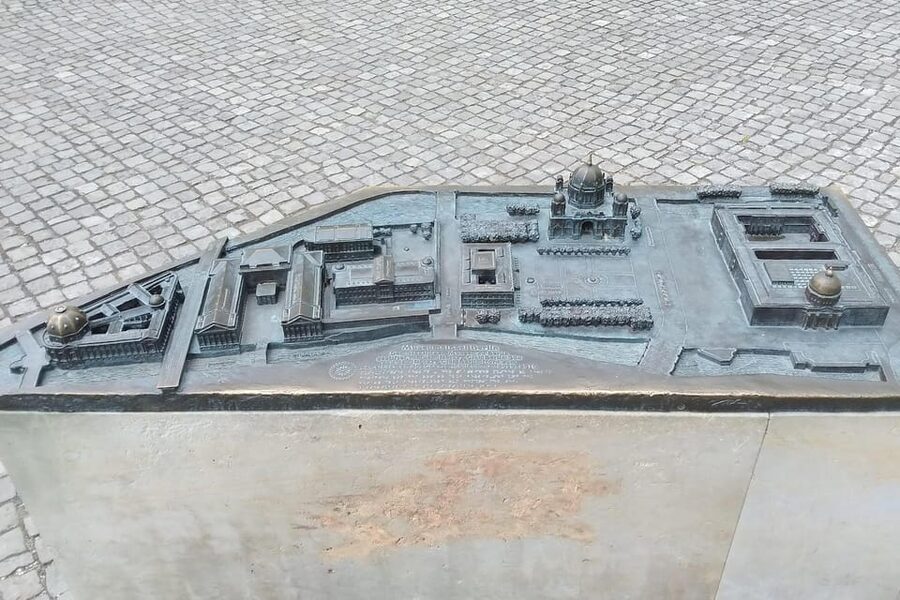
Museum Island is not just a row of impressive facades. It is a carefully assembled cultural district, shaped by Prussian rulers, changing ideas about public education, wartime damage, German division, and major rebuilding projects.
That can be a lot to take in on your own. You may walk past a grand staircase without knowing which building came first, or see a modern reconstruction without understanding what was lost. A guide gives you the connecting thread.
This experience works best as a first visit. It does not try to replace the museums. Instead, it helps you choose among them. By the end, you should have a better sense of the Altes Museum’s classical design, the Neues Museum’s archaeological focus, the Bode Museum’s sculpture collections, and the role of the Humboldt Forum in the rebuilt center of Berlin.
The pace is also sensible for the subject. Ten minutes at each listed stop is not enough for a full lecture on every building, but it is enough to place each one in context. You keep moving, yet the route does not feel like a hurried checklist.
More of Museum Island:
- Berlin: Neues Museum Entry Ticket
★ 4.6 · 3,261 reviews - Berlin: Museum Island Multiple Museum Entry Ticket
★ 4.4 · 2,007 reviews - Berlin: Entry to Alte Nationalgalerie
★ 4.6 · 587 reviews
Starting at the Bode Museum
Meet your guide at the bottom of the stairs in front of the Bode Museum’s main entrance. Look for a guide wearing a name tag. Starting here is a smart choice because the Bode Museum sits at the pointed northern end of Museum Island, where the River Spree curves around the site.
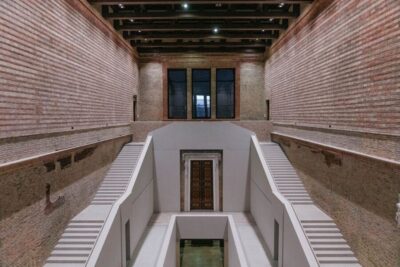
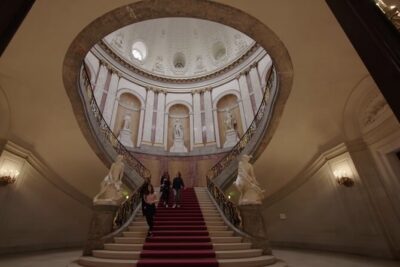
You begin inside the Bode Museum entrance hall. This is one of the tour’s stronger moments. Rather than spending the entire two hours outside, you get a look at the building’s grand interior and an early sense of how Berlin used architecture to give art a public setting.
The Bode Museum is associated with sculpture, Byzantine art, and old picture collections, though this walk is not a ticketed visit to its galleries. The focus is the building and its place in the island’s story. If the interior makes you want to explore the collections, save that for another visit and buy a separate admission.
Pergamon Museum and the limits of an outside view
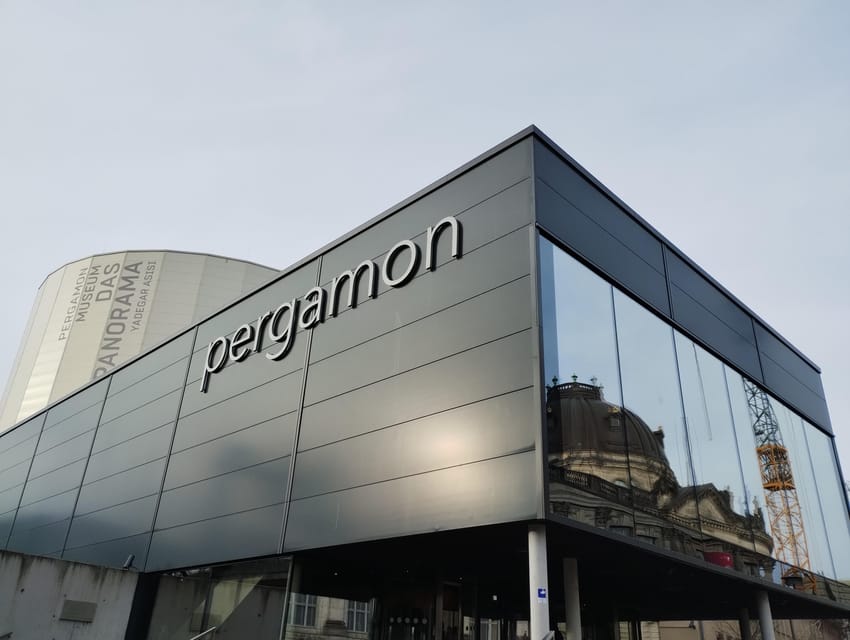
From the Bode Museum, the route continues toward the Pergamon Museum. You learn about its role among the island’s great institutions and see how its architecture fits into the larger group.
The important practical point is that entry to the Pergamon Museum is not included. The visit here is primarily an exterior explanation, so do not expect to see its famous archaeological displays during this tour. That is not a flaw if you want orientation, but it matters if your main goal is to view the museum’s interior collections.
The building has also been one of the most talked-about museum sites in Berlin, making a guide’s current explanation useful. Still, the supplied details do not promise access to its galleries, so plan a separate museum visit only if admission and opening arrangements suit your schedule.
The Old Arsenal and Berlin’s changing story
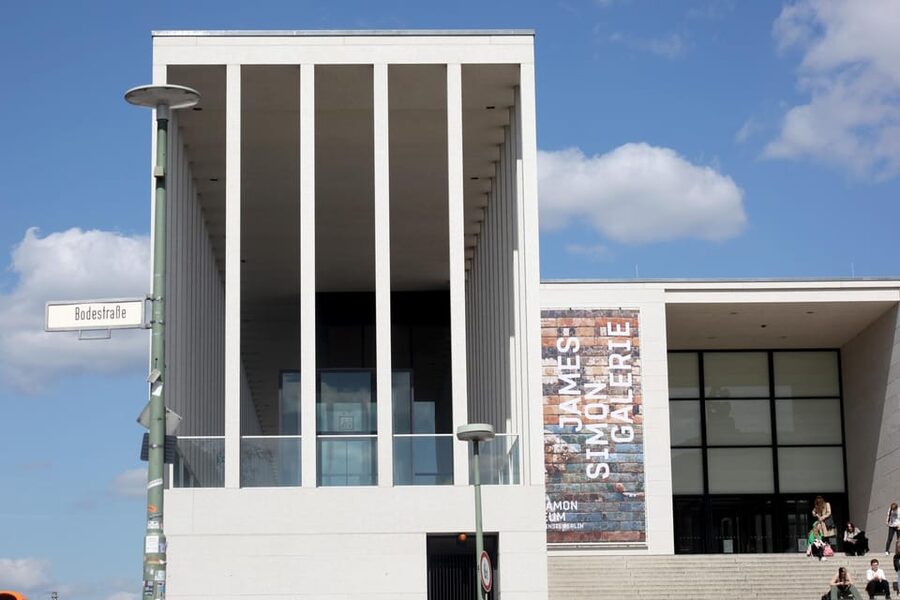
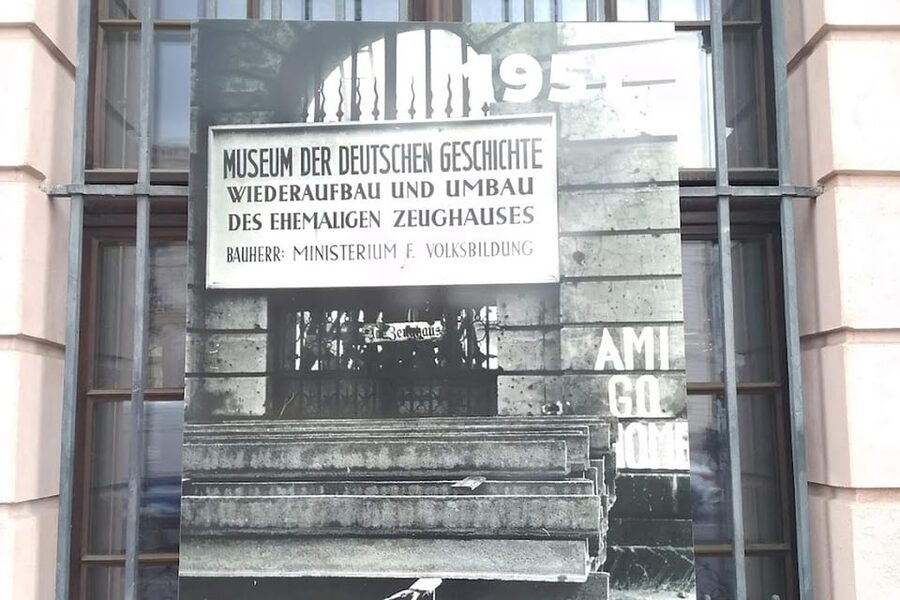
The walk then reaches the German Historical Museum, housed in the former Zeughaus, or Old Arsenal, on Unter den Linden. Here, you get more than a quick look at another museum facade. The old building itself reflects Berlin’s changes over time, from military use to a place devoted to German history.
The tour includes a visit to this historic building. That gives the route a helpful change of subject. Museum Island is mainly associated with art and archaeology, while the German Historical Museum offers a wider political and social frame for understanding Germany.
You should listen for the way the guide connects the building’s past with Berlin’s own difficult changes. The point is not to memorize dates. It is to see how the city keeps assigning new meaning to old structures.
More walking tours in Berlin:
- Discover Berlin Half-Day Walking Tour
★ 5.0 · 9,624 reviews - Berlin: Third Reich and Cold War 2 Hour Walking Tour
★ 4.9 · 6,830 reviews - Berlin: Discover Berlin Walking Tour
★ 4.9 · 5,998 reviews - Berlin’s Best: 2 Hour Walking Tour Third Reich and the Cold War
★ 5.0 · 5,486 reviews
Neue Wache and Friedrichswerdersche Kirche
At Neue Wache, the tour pauses at one of the most solemn sites along Unter den Linden. The stop adds a memorial dimension to the route and reminds you that Berlin’s public buildings are tied to conflict as well as culture.
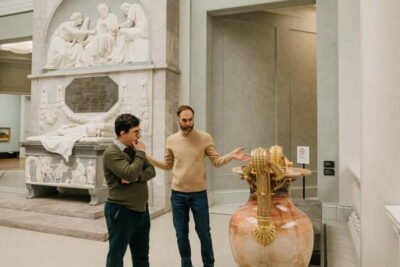
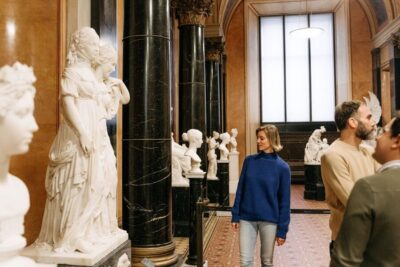
The Friedrichswerdersche Kirche provides one of the tour’s included interior visits. You enter its sculpture collection, giving you a closer look at a smaller and quieter setting than the large museum buildings nearby.
This stop is especially useful if you like architecture that feels more intimate. The church helps break up the parade of huge institutions, and the sculpture collection gives the walk a direct art component without requiring a full museum ticket.
The Humboldt Forum and Schlüter Courtyard
The Humboldt Forum is one of Berlin’s most striking recent additions to the Museum Island area. The tour explains its architecture and its place in the rebuilt center, then takes you into the Schlüter Courtyard.
That courtyard visit is a valuable detail. From the outside, the Humboldt Forum can seem like a grand facade with a complicated modern purpose. Seeing one of its main interior spaces helps you understand the relationship between historic-looking architecture and a newer cultural center.
The tour does not include entry to the museum’s full exhibitions. Instead, you get the building’s background and a taste of its interior design. If you are interested in how Berlin reconstructs important buildings, this is one of the more useful stops.
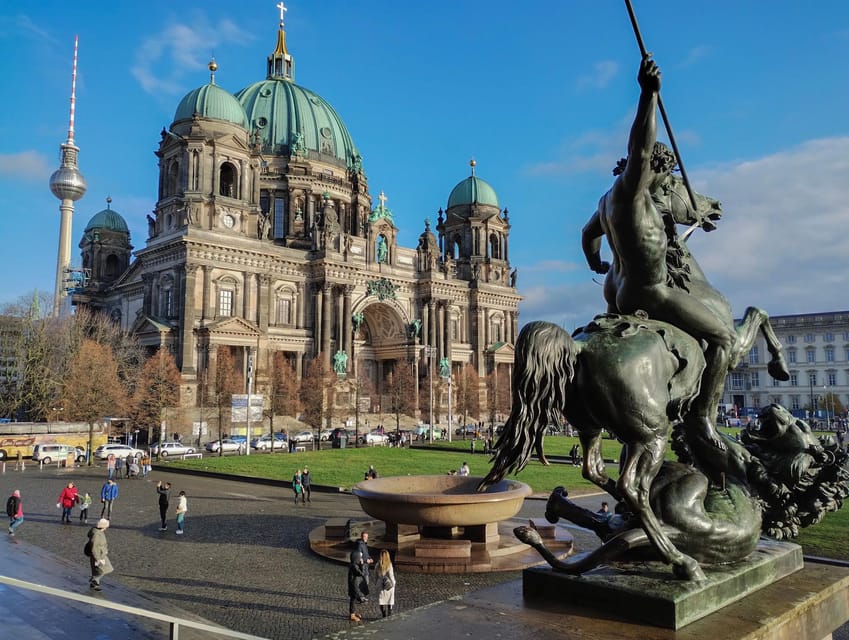
Lustgarten, Berlin Cathedral, and the Granitschale
Lustgarten opens the view toward Berlin Cathedral and the Altes Museum. This broad public space helps you understand the scale of the area. It also makes clear that Museum Island is part of a civic center, not an isolated collection of museums.
Berlin Cathedral is covered from the outside. The guide explains its place in the group of buildings around Lustgarten and helps you read the square as a connected architectural setting. You do not enter the cathedral as part of this experience.
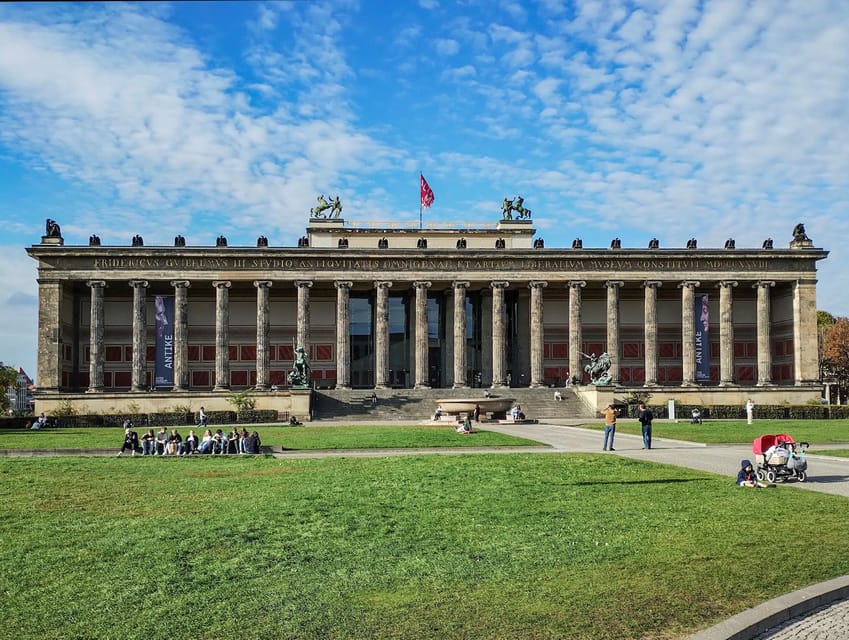
Nearby, you hear the story of the Granitschale, the giant granite bowl associated with the Altes Museum. It is the sort of detail that can turn a formal square into a place you remember. The bowl is not merely a piece of outdoor decoration. Its size and material reflect the grand public ambitions behind Berlin’s museum project.
This is also a good point to pause and look around. From here, several major buildings can be understood together rather than one at a time.
Inside the Altes Museum rotunda

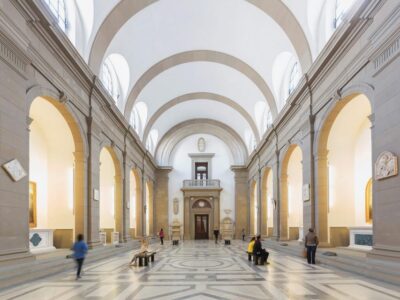
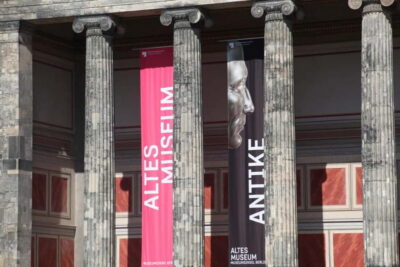
The Altes Museum is one of the central points of the walk. You hear about Germany’s first purpose-built museum building and enter its rotunda, one of the included interior spaces.
That access makes a real difference. The exterior tells you about the building’s classical design, but the rotunda shows how its creators wanted visitors to feel when entering a public museum. The scale, symmetry, and formal layout are not random decoration. They express the idea that art and learning should be presented with civic importance.
The Altes Museum stop is also where the Granitschale story fits most naturally. You can connect the bowl outside with the building’s wider design and public purpose.
You still will not tour the museum’s full collection. Think of the rotunda as an architectural sample and historical introduction. If ancient art interests you, this is a good place to decide if you want to return with a ticket.
Alte Nationalgalerie and Neues Museum
The Alte Nationalgalerie is presented from outside, with attention to its architecture and role on Museum Island. Its elevated position and formal approach make it easy to recognize, but a guide can help explain how it relates to the neighboring museums.
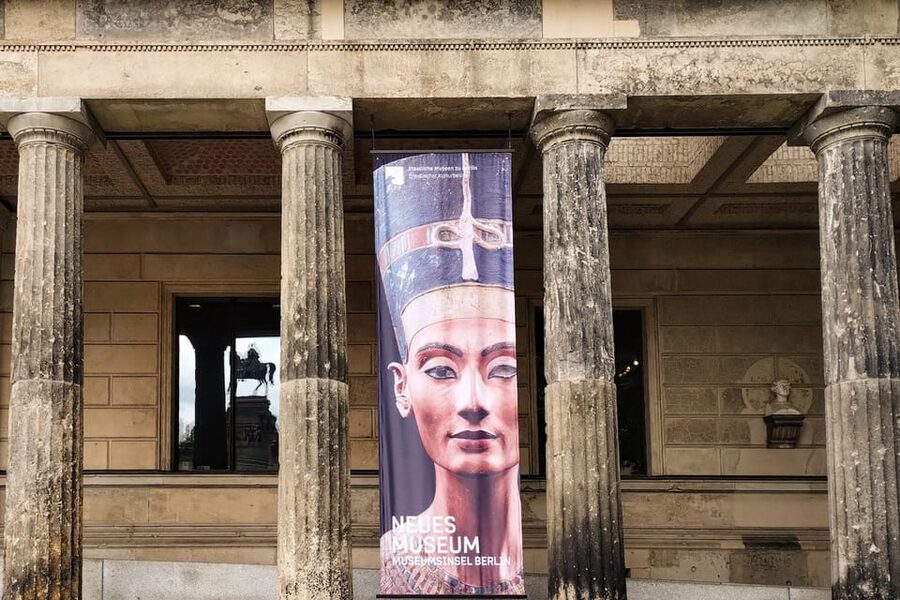
The Neues Museum is another major stop. You learn about its history, architecture, and collections without entering the galleries. The building’s past gives the guide plenty to discuss, including the way Berlin’s museums have changed over time.
This is one reason the tour is useful before a full museum day. You get a broad view of the island’s choices instead of committing your energy to the first impressive doorway you see. The Neues Museum is particularly important for visitors interested in archaeology, but the walk lets you compare it with the Altes Museum and Bode Museum before deciding where to spend your limited time.
What the guide adds
The strongest feature of this experience is the guide’s ability to connect architecture with Berlin’s past. Klaus Wehner is described as a freelance artist and guide, and that background comes through in the way the tour links buildings, sculpture, and visual details.
You should expect room for questions. The tour has been praised for thoughtful answers, an engaging pace, and commentary that works for people with different levels of background knowledge. One family found the pace suitable with a seven-year-old child, though the subject is still best suited to children who can manage a two-hour history and architecture walk.
The tone matters here. Museum Island can tempt a guide into either a dry list of dates or a flood of minor facts. The most effective approach is to give you the main idea, point out a detail you would miss alone, and keep the route moving. That is what this tour aims to do.
What $34 gets you
At $34 per person, the price is reasonable if you want a focused introduction rather than a general city walk. The tour covers two hours, several major buildings, selected interiors, and the services of a live guide in English or German.
The value depends on how you use it. If you plan to visit only one museum and want every minute inside its galleries, the walking tour may feel like an extra expense. If Museum Island feels confusing, the fee can save you from spending half a day choosing blindly.
Because museum admission is not included, budget separately for any galleries you plan to visit afterward. The tour itself is best viewed as a planning tool with real historical content, not as a substitute for museum tickets.
You can cancel up to 24 hours before the start for a full refund, and the reserve-now, pay-later option keeps your plans flexible. The activity is wheelchair accessible, and a private group option is available if you prefer a more personal format.
Who should book this walk
I would recommend it most strongly to first-time visitors, short-stay visitors, and anyone who feels overwhelmed by the number of museums on the island. It also suits architecture fans who care as much about buildings, courtyards, and public spaces as they do about individual objects.
History enthusiasts should enjoy the way the route connects the Old Arsenal, Neue Wache, museum buildings, and Berlin’s changing political story. Families can consider it too, especially if children can handle a steady two-hour walk and short explanations at each stop.
Art specialists may find the tour too broad if they already know the museums well. The route gives you a sampling of each institution, not a close reading of individual masterpieces. The same is true for anyone seeking a long indoor visit. You will spend much of the time walking between buildings and viewing exteriors.
Practical advice for making the most of it
Arrive at the Bode Museum entrance with enough time to find the stairs and identify the guide’s name tag. Wear comfortable shoes, since the route covers several sites and includes outdoor walking between stops.
Keep your museum plans open for afterward. Once you learn how the institutions differ, you can choose the Altes Museum, Neues Museum, Bode Museum, or another site with a clearer purpose.
Do not expect every listed building to receive equal time. Ten minutes at a stop is enough for a useful introduction, but not for a full architectural lecture and collection tour. That compact format is the reason the experience works for a first look, and also the reason specialists may want something longer.
Should you book the Museum Island tour?
Book it if you want a clear, lively introduction to Berlin’s museum district before spending money on museum admission. The included access to the Bode Museum entrance hall, Friedrichswerdersche Kirche sculpture collection, Humboldt Forum courtyard, and Altes Museum rotunda gives the walk more substance than a route spent entirely on sidewalks.
I would especially choose it for a two or three-day Berlin visit, when time and museum choices matter. You leave knowing what each building offers and why the island matters. Skip it only if you already know Museum Island well or want to spend the full two hours inside one museum. For most first visits, $34 is a fair price for getting your bearings with history, architecture, and a guide who can make the details stick.
FAQ
How long is the Berlin Museum Island guided walking tour?
The tour lasts two hours.
How much does the tour cost?
The price is $34 per person.
Where does the tour begin?
Meet your guide in front of the main entrance to the Bode Museum, at the bottom of the stairs. The guide wears a name tag.
Which languages are available?
The live tour guide is available in English or German.
Does the tour include museum admission?
No. Entry to the museums is not included. The experience does include selected interior visits, including the Bode Museum entrance hall, Friedrichswerdersche Kirche sculpture collection, Humboldt Forum’s Schlüter Courtyard, and the Altes Museum rotunda.
Which buildings can you see during the walk?
The route covers the Bode Museum, Pergamon Museum, German Historical Museum, Neue Wache, Friedrichswerdersche Kirche, Humboldt Forum, Lustgarten, Berlin Cathedral, Altes Museum, Alte Nationalgalerie, and Neues Museum.
Is the tour wheelchair accessible?
Yes, the activity is listed as wheelchair accessible.
Can I book a private group?
Yes, a private group option is available.
More Museums in Berlin
- Berlin: Jewish Museum Berlin Entrance Ticket
★ 4.5 · 8,393 reviews - Berlin: DDR Museum Tickets
★ 4.3 · 3,443 reviews - Berlin: Natural History Museum Entrance Ticket
★ 4.6 · 3,382 reviews - Skip-the-Line: Berlin Wall Museum at Checkpoint Charlie
★ 4.1 · 2,041 reviews
Just added around Berlin
- Berlin Highlights in One Day★ 5.0 · 3 reviews
- Private Berlin One Day Tour with a Local: See the City Unscripted★ 3.5 · 3 reviews
- Individual city tour Berlin for max. 8 persons★ 5.0 · 3 reviews
- Transfer from Berlin Schönefeld Airport (SXF) to Berlin city Hotels – ROUND TRIP★ 4.0 · 3 reviews
- Berlin: Museum Island Tour★ 5.0 · 3 reviews
- Private Analogue Photography Experience in Berlin★ 5.0 · 3 reviews
- Berlin: Local Food Tour in Secrets Hidden Gems★ 4.0 · 3 reviews
- Berlin & The Third Reich Private Guided Tour★ 5.0 · 3 reviews
Museum Island Tours, compared.


Berlin Museum Island & City PRIVATE TOUR with Dom Ticket Included
Read our review →Browse the lists this tour appears in