

Review · DDR & EAST BERLIN TOURS
Berlin: Stasi Museum Private Guided Tour with Entry Ticket
The most striking part of this tour is that the Stasi Museum occupies the original headquarters of East Germany’s Ministry of State Security. You are not simply looking at a display about surveillance. You are walking through the offices where the machinery of a dictatorship was planned and managed.
I like two things right away: the tour begins at Alexanderplatz, a key site in the peaceful 1989 protests, and it includes the public transport tickets to the museum. I also like the private format, since a good guide can adjust the pace and explain the politics in plain language. The main drawback is the price, $257 per person, which may feel steep if you are visiting alone or as a couple.
In This Review
- Key points at a glance
- Why the Stasi headquarters matters
- Meeting at Alexanderplatz before the museum
- Inside the former Ministry of State Security
- Erich Mielke’s office and the famous red briefcase
- How the Stasi recruited informants
- What daily life behind the Berlin Wall feels like here
- How much value do you get for $257?
- Timing, access, and practical planning
- Who will get the most from this private tour?
- Should you book the Stasi Museum tour?
- FAQ
- Where does the Stasi Museum tour begin?
- How long does the tour last?
- Is transportation to the museum included?
- Is this the former Stasi prison in Berlin-Hohenschönhausen?
- Which languages are available?
- Is the tour private and wheelchair accessible?
- Can I cancel or pay later?
Key points at a glance

- See the Stasi’s original headquarters: The museum occupies the former Ministry of State Security building on Normannenstraße.
- Start at Alexanderplatz: Learn why this central square mattered during the final months of East Germany.
- Examine real spy equipment: Bugs, hidden cameras, and other surveillance tools show how the Stasi watched its own citizens.
- Enter Erich Mielke’s office: His desk, ministerial rooms, and famous red briefcase add a personal face to the system.
- Travel by public transport with tickets included: The museum sits outside central Berlin, so the included return tickets remove one small planning chore.
- Book privately in English or German: The three-hour format suits history buffs and anyone wanting a fuller explanation than a self-guided visit provides.
Why the Stasi headquarters matters
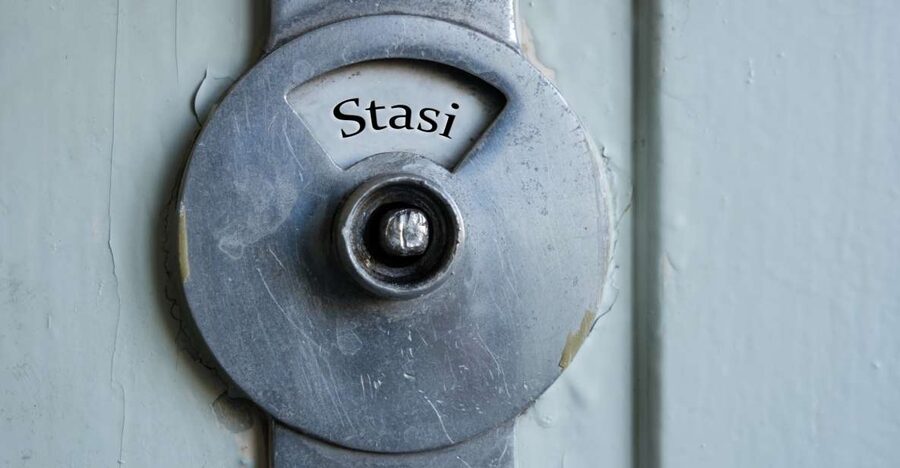
The Stasi Museum, officially the Forschungs- und Gedenkstätte Normannenstraße, offers a different experience from a standard Cold War exhibit. The building itself was part of the story. This was the working center of the East German security service, the institution charged with protecting the communist government from real and imagined enemies.
That distinction matters. A prison memorial shows what happened after someone was arrested. Here, you see the offices and tools used to watch, classify, pressure, and control people before arrest ever became necessary.
The Stasi was not just a police force in the usual sense. It gathered information through official agents and a huge network of civilian informants. A neighbor, workmate, friend, or family member might report on another person. The system relied on fear, secrecy, and the suspicion that private conversations might not remain private.
You will learn how this surveillance fitted into the wider politics of the German Democratic Republic, or GDR. The guide explains the division of Germany, communist propaganda, and the daily limits placed on people living behind the Berlin Wall.
I find this setting useful because it connects large political ideas to ordinary life. The Cold War can seem like a story of presidents, missiles, and walls. The museum brings it down to the level of a letter, a conversation, a workplace, or a person quietly trying to avoid official attention.
More East Berlin and DDR history:
- Berlin: DDR Museum Tickets
★ 4.3 · 3,443 reviews - Berlin: 75-minute Trabi Safari
★ 4.8 · 2,854 reviews - Berlin: East and West Hop-On Hop-Off Bus Tour
★ 4.2 · 2,195 reviews
Meeting at Alexanderplatz before the museum
The tour begins in front of the DM drugstore at Alexanderplatz, at Alexanderplatz 1, 10178 Berlin. This is an easy central meeting point, but Alexanderplatz is a large public square with plenty of movement, so arrive early enough to identify the meeting place without rushing.
Your guide uses the square to set the scene. During the GDR period, Alexanderplatz was one of East Berlin’s main public spaces. In 1989, it became the site of the largest demonstration in East German history, when huge crowds gathered to demand political change.
That opening gives the museum visit a helpful timeline. You first hear about the public challenge to the East German government, then travel to the building where that government’s security service worked.
The transfer to the museum is by public transport, and two-way tickets are included. The museum is outside the city center, so this is more than a minor convenience. You do not need to work out the correct fare or buy a separate return ticket while keeping up with a timed tour.
The transport portion also links the old center of East Berlin with the former security headquarters. It is not a sightseeing ride, and the tour does not promise a long guided route through the city. Think of it as a practical transfer with historical framing at each end.
Inside the former Ministry of State Security
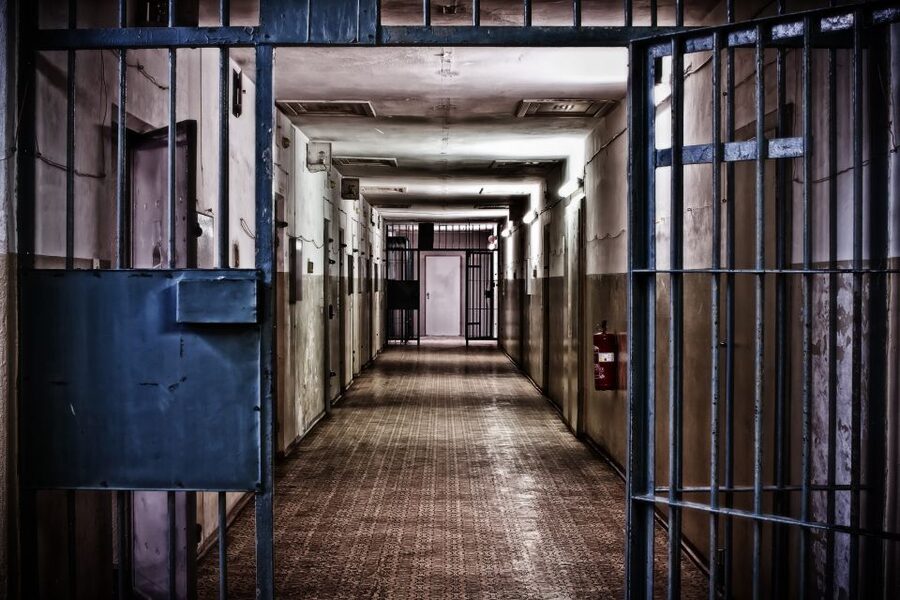
Once inside, the focus shifts from public protest to the daily operation of surveillance. The museum displays original material from the Stasi and explains how the agency organized its work.
You can expect to see spying technology such as bugs and hidden cameras. These objects are interesting not because they are flashy, but because they show how much effort went into watching people without their knowledge.
A hidden camera turns an abstract idea into something physical. It makes you think about rooms, offices, and private spaces being altered for observation. The guide can also explain how technology worked alongside human informants and paper records.
The museum helps you understand that surveillance was not limited to dramatic cases of espionage. The wider concern was social control. The Stasi wanted to identify opposition, track contacts, discourage dissent, and protect the ruling system from challenges.
The guide’s commentary is especially useful here. A display of equipment can tell you what an object is, but it does not automatically explain how it fit into GDR society. Your guide connects the devices to censorship, propaganda, political pressure, and the fear many citizens felt.
You may also see additional material brought by the guide. One tour guide, Christina’s guide, used supporting material during the visit, and other guides have brought personal stories and extra explanations. These additions can help when a document or device needs more background than the museum label provides.
Erich Mielke’s office and the famous red briefcase
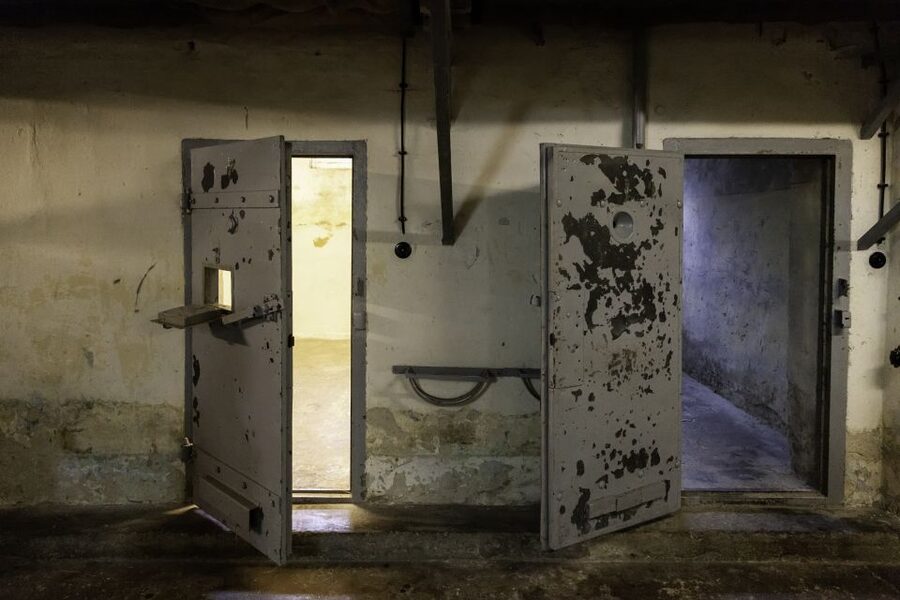
One of the tour’s most specific stops is the office of Erich Mielke, the longtime Stasi minister. The room includes his famous red briefcase, used for sensitive information.
This is a small detail with a strong effect. Mielke’s office gives the institution a human center, though not a sympathetic one. You see where a senior official worked while the Stasi maintained a system that reached into homes, workplaces, churches, and personal relationships.
The ministerial offices also show the difference between the public face of government and the private mechanics of control. Official speeches spoke of socialist unity and public order. Inside these offices, officials planned surveillance and assessed threats to the regime.
I appreciate this part of the visit because it avoids treating the Stasi as a faceless monster. Institutions are run by people, and responsibility matters. The office and briefcase help you consider who made decisions, who carried them out, and how ordinary officials helped keep the system running.
Do not expect a sensational spy thriller. The power of this room comes from its ordinariness. An office, a desk, and a briefcase can feel more unsettling than a dramatic reconstruction because these were working tools in a real government building.
More museums in Berlin:
- Berlin: Jewish Museum Berlin Entrance Ticket
★ 4.5 · 8,393 reviews - Berlin: Natural History Museum Entrance Ticket
★ 4.6 · 3,382 reviews - Berlin: Neues Museum Entry Ticket
★ 4.6 · 3,261 reviews - Skip-the-Line: Berlin Wall Museum at Checkpoint Charlie
★ 4.1 · 2,041 reviews
How the Stasi recruited informants
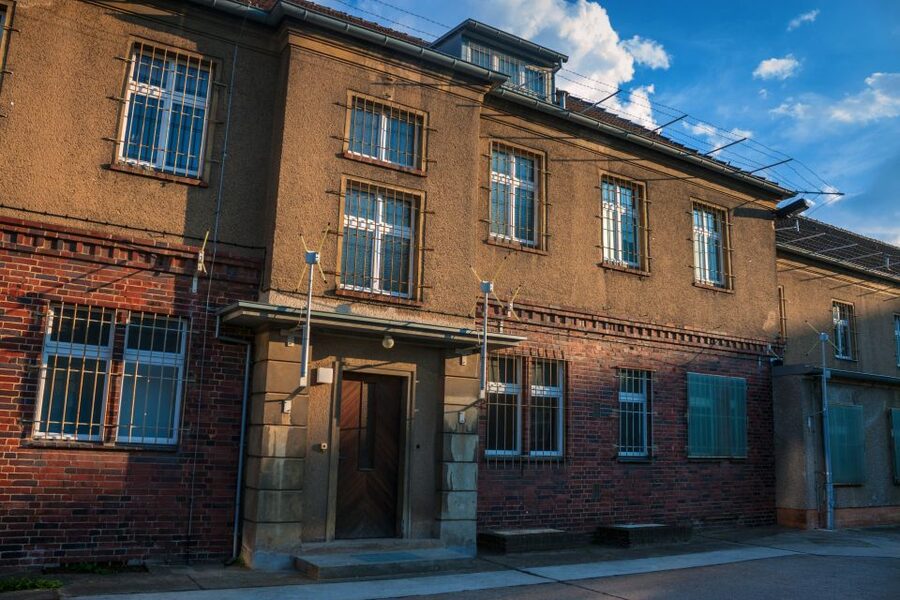
A central question during the tour is how the Stasi convinced citizens to provide information. The answer was not always a simple matter of forced cooperation. Informants could be pressured, threatened, rewarded, ideologically motivated, or drawn in through personal leverage.
Your guide explains how people were recruited and how reports were gathered. This is one of the most important parts of the tour because it shows why the Stasi created such broad fear. The threat was not only an official officer knocking at the door. It could also be someone already inside your social circle.
The system damaged trust. A person might hesitate before speaking openly, joining an organization, criticizing the government, or forming a relationship with someone considered politically suspect. You begin to see how dictatorship can work without placing a uniformed guard in every room.
The tour also addresses propaganda. The GDR government presented itself as the guardian of socialism and public stability. The Stasi described its work as necessary protection. The guide helps you compare that official language with the experience of citizens who were watched, questioned, restricted, or punished.
This is where the private format earns its keep. You can ask how surveillance affected daily life, what the difference was between official police and the Stasi, or how the system changed near the fall of the Berlin Wall. A large group tour would have less room for those questions.
What daily life behind the Berlin Wall feels like here
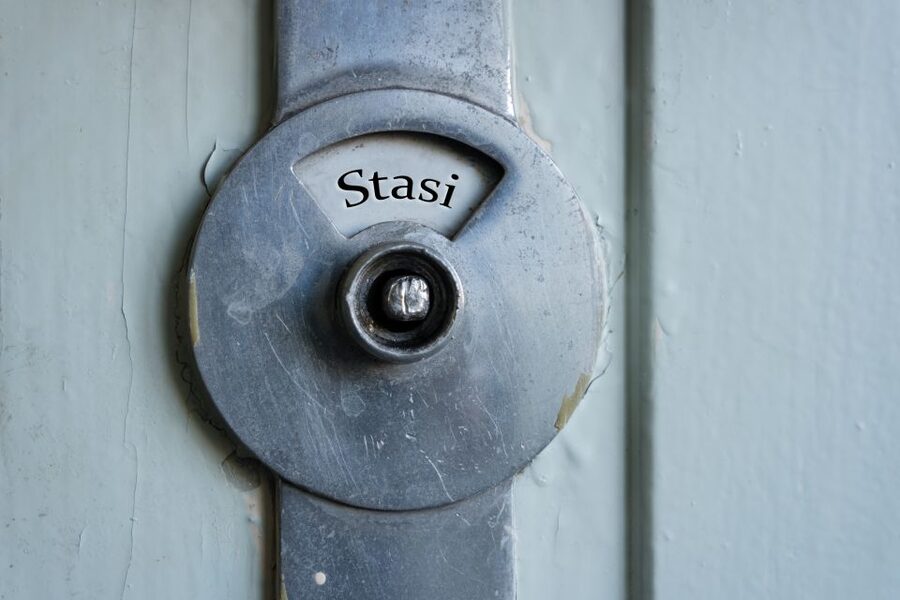
The tour is not only about machinery and officials. It asks what it meant to live in East Germany before reunification.
You will hear about life under a communist government that controlled political expression and used propaganda to shape public opinion. The details of daily life matter because most people were not secret agents or open revolutionaries. They were workers, parents, students, and neighbors trying to manage normal routines inside an abnormal political system.
The Stasi Museum cannot recreate every part of everyday GDR life, and this tour is not a general social history of East Germany. Its main focus is state surveillance. Still, the guide’s explanations place the exhibits in the context of school, work, friendships, travel restrictions, and public loyalty.
Some guides also draw on personal experience. One guide named Silvia received especially warm praise for personal stories and strong explanations, and another guide was able to speak Danish even though the booking was made in English. You should not assume a particular guide or extra language will be assigned, but the examples show why requesting your preferred language clearly at booking matters.
The tour is offered in English or German. A live guide is included, rather than an audio guide or a walk through the rooms without explanation.
How much value do you get for $257?
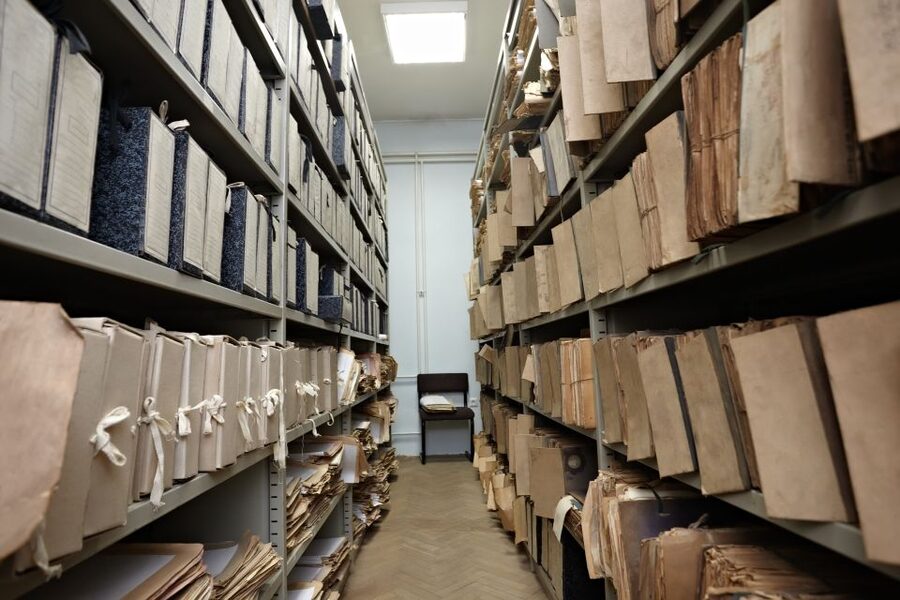
At $257 per person, this is a premium museum visit. The price covers a private three-hour tour, admission, public transport tickets in both directions, and a licensed five-star guide in the language selected at booking.
The value depends heavily on your group size. For a family or small group that wants a private history lesson, the cost may be reasonable, especially if you want to ask questions and keep the pace focused. For one person or a couple, the same price can be difficult to justify when the museum itself may be visited more cheaply without a private guide.
There is one important point of comparison. A published booking at another time was described as costing $435, while the current listed price is $257 per person. Prices can change, so check the amount shown for your date before deciding. Either figure calls for a careful look at what you actually want from the visit.
You are paying mainly for interpretation and convenience, not for luxury transport or a long city tour. The museum is outside central Berlin, and the included transit tickets help. The private guide is the larger benefit.
I would choose this tour if the Stasi, communist politics, or the social effects of dictatorship are a major reason for your Berlin visit. I would hesitate if you are mainly looking for a broad overview of Berlin’s Cold War sights. In that case, a general city tour may spread your money across more locations.
Timing, access, and practical planning
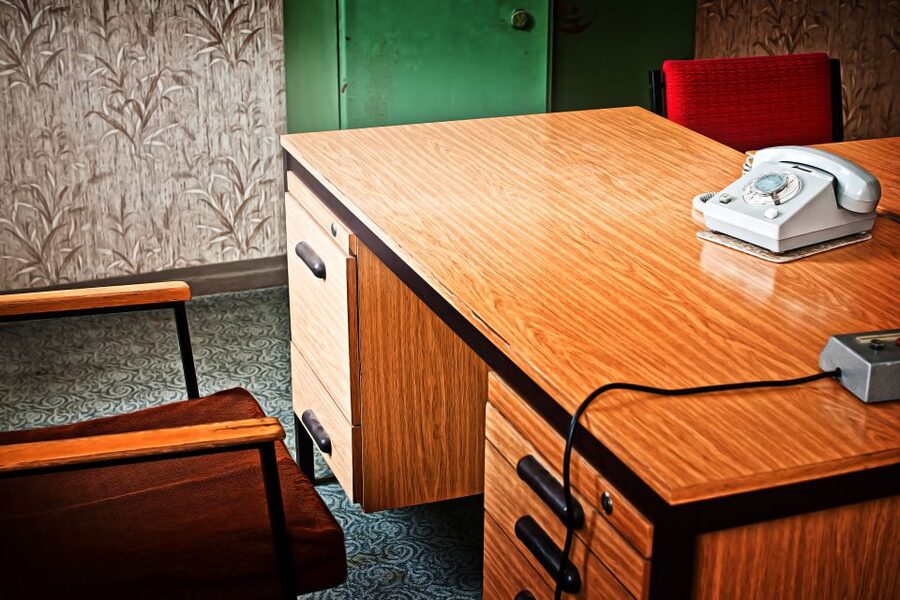
The experience lasts three hours, including the meeting, public transport transfer, and museum visit. The start time varies, so check availability for the date you want.
Because entry uses a pre-booked time slot, punctuality matters. Arrive at the Alexanderplatz meeting point on time and check your email the day before for final information. A late arrival could affect the museum entry schedule.
The tour is wheelchair accessible according to the activity details. If you have specific access needs, it is still sensible to confirm the arrangements before booking, especially because the experience includes public transport.
The meeting point is central, while the museum is not. Wear comfortable shoes and allow enough time to reach Alexanderplatz. You do not need to arrange a separate transit ticket, but you do need to stay with the planned schedule.
Free cancellation is available up to 24 hours before the tour for a full refund. You can also reserve now and pay later, which helps if your Berlin plans are still shifting.
Who will get the most from this private tour?
This experience suits you if you enjoy political history, museums with original settings, and guided discussion rather than quick photo stops. It is especially good for anyone who wants to understand how communist government and state surveillance shaped ordinary life in East Germany.
History students, Cold War enthusiasts, and visitors who already know the basic Berlin Wall story will find plenty to think about. The tour can also work well for first-time visitors who want a clear explanation of the GDR without sorting through a large amount of material alone.
Families with older children may appreciate the private format, since the guide can explain difficult subjects at the right level. The theme involves fear, spying, political control, and dictatorship, so parents should judge whether it suits younger children.
The tour is less suitable if you want a light museum outing or a broad list of Berlin landmarks. It concentrates on one institution and one period, with the Stasi at the center.
Also note the name carefully. The Stasi Museum is not the Berlin-Hohenschönhausen Memorial, the former Stasi prison. They tell related stories, but they are different sites. Book this tour if you want the former headquarters, offices, surveillance tools, and administrative side of the Stasi.
Should you book the Stasi Museum tour?
Book it if you want a serious, focused explanation of East Germany and prefer a private guide to a self-guided museum visit. The original headquarters, spy equipment, Mielke’s office, and Alexanderplatz opening make a strong three-hour history lesson.
Before paying, ask yourself how many people are sharing the cost and how much guidance you need. The price is the clear weakness, and one published assessment called it far too expensive for what it delivered, even while praising the guide. That is a fair warning.
For a small group that values expert commentary, included transit, and the chance to ask personal questions, the package can make sense. For budget-minded visitors, consider visiting the museum independently and spending the savings on another Berlin site.
FAQ
Where does the Stasi Museum tour begin?
The meeting point is in front of the DM drugstore at Alexanderplatz 1, 10178 Berlin.
How long does the tour last?
The private tour lasts three hours.
Is transportation to the museum included?
Yes. Two-way public transport tickets are included because the Stasi Museum is outside central Berlin.
Is this the former Stasi prison in Berlin-Hohenschönhausen?
No. This tour visits the Stasi Museum, also called the Forschungs- und Gedenkstätte Normannenstraße, in the former Stasi headquarters. It does not visit the Berlin-Hohenschönhausen Memorial.
Which languages are available?
Live guided tours are available in English and German. The language is selected when booking.
Is the tour private and wheelchair accessible?
Yes. It is a private group experience and is listed as wheelchair accessible.
Can I cancel or pay later?
You can cancel up to 24 hours in advance for a full refund. The reserve-now, pay-later option lets you book without paying immediately.
Just added around Berlin
- Berlin Highlights in One Day★ 5.0 · 3 reviews
- Private Berlin One Day Tour with a Local: See the City Unscripted★ 3.5 · 3 reviews
- Individual city tour Berlin for max. 8 persons★ 5.0 · 3 reviews
- Transfer from Berlin Schönefeld Airport (SXF) to Berlin city Hotels – ROUND TRIP★ 4.0 · 3 reviews
- Berlin: Museum Island Tour★ 5.0 · 3 reviews
- Private Analogue Photography Experience in Berlin★ 5.0 · 3 reviews
- Berlin: Local Food Tour in Secrets Hidden Gems★ 4.0 · 3 reviews
- Berlin & The Third Reich Private Guided Tour★ 5.0 · 3 reviews
DDR & East Berlin Tours, compared.






East Berlin and the Berlin Wall 2-Hour Walking Tour
Read our review →
East Berlin Food & History Tour with Eating Europe
Read our review →Browse the lists this tour appears in