
Review · THIRD REICH & WWII SITES
Berlin: Third Reich and World War II Private Guided Tour
Berlin’s wartime story is written into ordinary streets and open squares. This three-hour private walking tour links the Reichstag, the Holocaust Memorial, Hitler’s Bunker site, and other key places, helping you see how Nazi power reshaped the German capital.
I like the private format, which lets you ask direct questions and adjust the pace. I also like the choice of stops, especially the contrast between the Soviet War Memorial and the Topography of Terror. The main drawback is the price: at $224 per person, this is a costly three-hour walk, and the route involves a lot of walking.
In This Review
- Key points to know before you book
- Berlin’s wartime story begins at Brandenburg Gate
- The Reichstag and the battle for Berlin
- The Soviet War Memorial in Tiergarten
- The Holocaust Memorial requires time and care
- Hitler’s Bunker site and the end of the dictatorship
- Topography of Terror connects bureaucracy with persecution
- Finishing at Checkpoint Charlie
- What $224 per person buys you
- The guide can make or break the experience
- Walking, weather, and access
- Who should take this Berlin history tour?
- Should you book it?
- FAQ
- How long is the Berlin Third Reich and World War II tour?
- Where does the tour begin?
- Where does the tour finish?
- Which sites are included in the route?
- Is this a private tour?
- Which languages are available?
- Are entrance fees included?
- Is the tour suitable for wheelchair users?
- What should I bring?
Key points to know before you book
- The route covers major Nazi and wartime sites: You’ll begin at Brandenburg Gate and finish near Checkpoint Charlie.
- The private guide is the main value: English, German, Russian, French, Spanish, and Italian tours are offered.
- Sven is praised for punctual, professional service: A recent booking note specifically names him.
- The Spanish option has earned strong praise: One Spanish-language booking described the tour as lively, clear, and well explained.
- You pay separately for entrances: The tour price covers the guide, not admission to attractions.
- Expect a serious walking session: Comfortable shoes, water, and weather-ready clothing matter.
Berlin’s wartime story begins at Brandenburg Gate
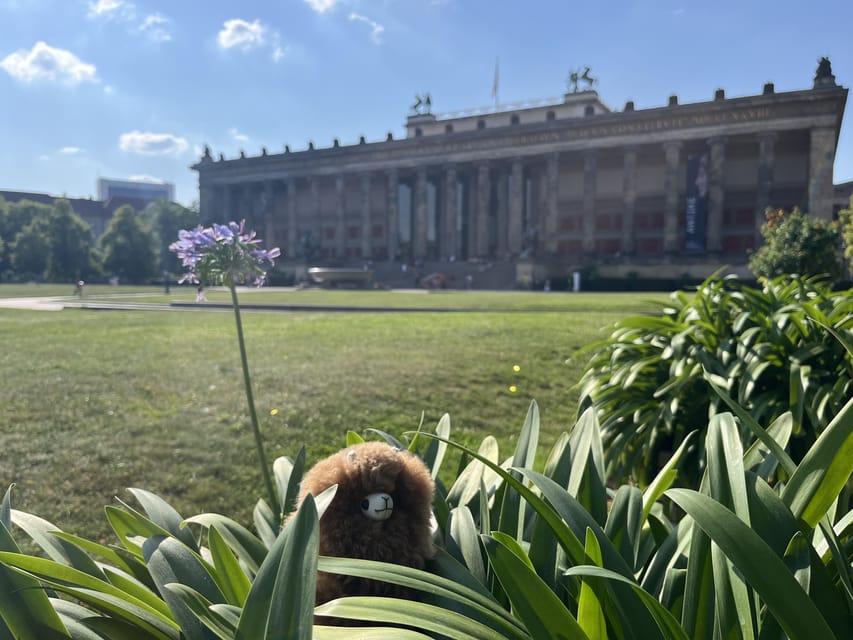
Meet your guide beside the Hotel Adlon Kempinski, next to Brandenburg Gate. This is a useful starting point because the gate gives you an immediate sense of Berlin’s political importance, while the nearby government quarter brings the story close to the buildings where power was displayed and contested.
The tour focuses on the rise and fall of the Third Reich and Berlin’s role in World War II. Your guide is meant to connect places that can otherwise feel scattered: government buildings, memorials, battle sites, sites of persecution, and reminders of the city’s later division.
That connection is important. Berlin does not present its wartime past as one single museum visit. You see fragments across the city, often in places where modern life carries on around them. A private guide can explain how those pieces fit together and can respond to the questions that naturally come up along the way.
The tour is not presented as a light sightseeing stroll. The subject is war, dictatorship, persecution, and mass murder. I would choose it early in your Berlin stay if you want historical context for later visits, but I would not schedule it if you are looking for a relaxed photo walk.
More Third Reich sites in Berlin:
- Berlin: Third Reich and Cold War 2 Hour Walking Tour
★ 4.9 · 6,830 reviews - Berlin: Berlin Story Bunker Entry Ticket
★ 4.6 · 6,759 reviews - Berlin’s Best: 2 Hour Walking Tour Third Reich and the Cold War
★ 5.0 · 5,486 reviews
The Reichstag and the battle for Berlin
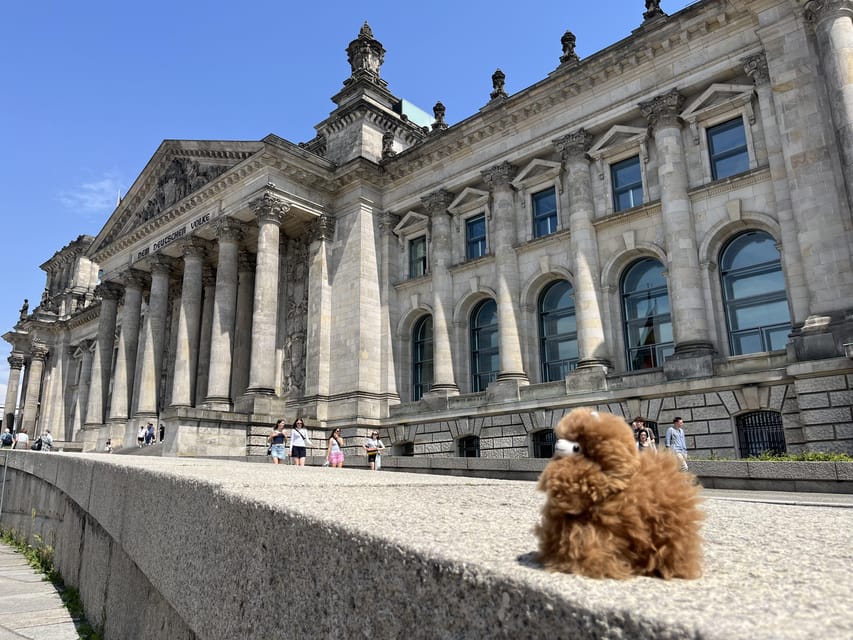
The Reichstag is the next planned stop, with a guided explanation of its place in German political history. The building is one of Berlin’s most recognizable sights, but the tour’s value lies less in taking another photograph and more in understanding how the government quarter became tied to the final phase of the war.
The provided details do not promise a particular interior visit, dome entry, or formal Reichstag admission. Entrance fees are not included, so you should treat this as a guided stop rather than assume that every part of the building will be open to you.
That distinction matters. Berlin schedules and access rules can change, and the exact landmarks visited may shift with weather, time of year, and group preferences. Ask your guide at the start what you will see from the inside and what will be covered from outside.
The private setup helps here. You can ask about the Reichstag’s wartime role, the final fighting in Berlin, or the way the building is remembered today without waiting for a large group to move on.
The Soviet War Memorial in Tiergarten
The Soviet War Memorial in Tiergarten adds another viewpoint to the route. Its presence brings the Soviet role in the defeat of Nazi Germany into the story and shows how Berlin’s public spaces became places of memory after the war.
This is a useful counterpoint to the government buildings near Brandenburg Gate. The tour does not focus only on German institutions or Nazi leaders. It also addresses the forces that reached Berlin and the political order that followed the city’s defeat.
The guide provides historical explanation at the site, rather than leaving you to guess why this monument sits in the middle of an important Berlin park. I like that change of focus. A tour about World War II in Berlin should include the end of the Nazi regime and the military reality that brought it about.
The memorial is also one of the stops where weather can shape the experience. You will be outdoors, and the tour requires substantial walking. A rainy day or cold wind can make the same explanation feel much longer, so check the forecast and dress for the conditions.
The Holocaust Memorial requires time and care
The Memorial to the Murdered Jews of Europe is one of Berlin’s most powerful modern memorial sites. Its field of concrete blocks is easy to photograph, but a guide can help you move past the visual impression and consider the purpose of the memorial and the scale of the crime it recalls.
This stop deserves a slower pace than a quick photo break. You may want to ask how the memorial fits into Berlin’s wider approach to remembrance, and how public memory has changed since the war.
Photography is allowed, but flash photography is not permitted inside certain landmarks. Since the memorial is primarily an outdoor site, your guide can clarify the photography rules for any enclosed areas included on the day.
I value this stop because it keeps the tour from becoming a parade of military landmarks. The Holocaust is central to understanding the Third Reich, and the memorial gives the itinerary a clear human focus. At the same time, the emotional weight may not suit young children. The tour is not suitable for children under 10.
A few more Berlin tours worth weighing up
- Berlin: Private Reichstag and Glass Dome Tour
★ 4.8 · 2,226 reviews - Berlin Private Complete History All Day Walking Tour
★ 5.0 · 474 reviews - Private Walking Tour Berlin Third Reich Hitler and World War II
★ 5.0 · 360 reviews - Private Berlin: Iconic Sights and Hidden Gems Walking Tour
★ 5.0 · 292 reviews
Hitler’s Bunker site and the end of the dictatorship
The stop identified as Hitler’s Bunker is a site visit with guided explanation. You should know that this is not presented as an intact underground attraction. The emphasis is on the location, the events connected with it, and the fall of the Nazi leadership.
That can surprise people who expect a dramatic ruin or preserved room. The site is valuable precisely because the guide supplies the context. Without explanation, it can look like an unremarkable part of the city. With explanation, it becomes a place to discuss the final days of the regime and the collapse of Hitler’s government.
This is another reason a private guide can be useful. You can ask about what is known, what has been destroyed, and how the location is treated in present-day Berlin. The tour promises historical insights and stories, but the specific level of detail depends on your guide and your questions.
Keep your expectations grounded. This is not a theatrical re-creation, and the tour does not promise access to the bunker interior. It is a serious historical stop in a modern city, not a preserved attraction.
Topography of Terror connects bureaucracy with persecution
The Topography of Terror is the final major historical stop before the tour ends at the Wall Museum near Checkpoint Charlie. Its subject brings the machinery of Nazi persecution into sharper focus.
This part of the route helps explain that the Third Reich was not only about speeches, battles, and famous leaders. It also depended on offices, police structures, orders, and systems of control. Your guide can place the site within the wider story of repression and wartime government.
Entrance fees are not included, so you should not assume that the tour price covers entry to every exhibition or museum connected with the route. If entering the Topography of Terror is important to you, ask before the walk begins what is included and how much time is available.
Three hours is enough for an overview, but not enough for a full museum visit plus every historical stop. You will gain a guided framework rather than a complete study of Nazi Germany. That is a sensible trade for visitors who want orientation before exploring museums on their own.
Finishing at Checkpoint Charlie
The route ends at the Wall Museum near Checkpoint Charlie. This shifts the story from the Third Reich and World War II to Berlin’s later division and Cold War identity.
Checkpoint Charlie is one of the city’s best-known names, but it is also a place where historical context matters. The tour’s final position gives you a chance to connect the Nazi period, the war’s aftermath, Soviet influence, and the divided city that followed.
The end point is practical as well as symbolic. You finish in a central part of Berlin with more historical sights nearby, though transportation back to your accommodation is not included. Since the tour is a walking experience, you may want to plan your next stop before setting out.
The Wall Museum is listed as the finishing point, not as an included admission. If you want to go inside afterward, budget separately and check opening details for your date.
What $224 per person buys you
At $224 per person, this tour sits firmly in the premium category for a three-hour activity. You are paying for a private group, a professional multilingual guide, and a focused route through some of Berlin’s most important historical sites.
The value depends on how much you want personal attention. If you have a long list of questions, are traveling with family or friends, or want a tour in Spanish, French, Italian, Russian, or German, the private arrangement may justify the price. One Spanish-language booking described the experience as dynamic and clear, with an especially pleasant guide who explained the subjects well.
The guide can also help you use limited time wisely. Instead of piecing together several locations on your own, you move through them in a planned sequence and get the essential background at each stop.
Still, the price has limits. Meals, drinks, transport, and entrance fees are extra. The tour lasts three hours, and the exact stops may change. If you mainly want to see Berlin’s major monuments from outside and take photographs, a cheaper group walk or self-guided route could offer better value.
I would book this for historical interpretation, not simply sightseeing. The more actively you ask questions, the more you are likely to get from the private format.
The guide can make or break the experience
The tour offers live guiding in six languages: English, German, Russian, French, Spanish, and Italian. That is a real advantage for complicated subjects, since you can discuss difficult ideas in a language you understand comfortably.
Sven is specifically praised for being punctual and professional. That is worth noting because meeting on time matters when you have only three hours and a long route. Another Spanish-language booking described the guide as friendly and highly informed, with explanations that made the subject accessible.
The current rating is 3.9 out of 5 from five ratings. The positive notes point to clear explanations, good timing, and strong Spanish-language delivery. But one verified January 2025 booking states that the guide did not arrive and requests a full refund. That is a serious service concern, even though the other available ratings are positive.
Because the sample is small, I would not treat the score as a final judgment on every guide. I would confirm the meeting point, guide contact details, and language before the day of the tour. The operator is TourUpinEurope, and the meeting point is beside Hotel Adlon Kempinski Berlin.
Walking, weather, and access
This is a substantial walking tour, not a vehicle-based city circuit. Wear comfortable shoes, carry water, and bring clothing suited to the forecast. Food and drinks are not allowed during the tour, so eat before you meet your guide.
Large bags or luggage may be awkward because of the walking. I would leave suitcases at your accommodation and bring only what you need for several hours outside.
The information about accessibility is mixed. The activity details describe the tour as wheelchair accessible, but the suitability section says it is not suitable for wheelchair users or people with mobility impairments. Since the route is long and the exact stops may change, you should contact the provider before booking if access is important to you.
Photography is allowed, and you may want a camera for the Reichstag, Brandenburg Gate, memorials, and other public sites. Flash photography is prohibited inside certain landmarks, so follow the guide’s instructions.
The tour is designed for children aged 10 and older. Even for older children, the subject matter is serious. I would choose it for young people already interested in history rather than as a general family outing.
Who should take this Berlin history tour?
I recommend it most for first-time visitors who want a clear introduction to Berlin’s Nazi and wartime past. It also suits history-focused couples, families with older children, and small private groups who prefer to ask questions instead of listening quietly in a large crowd.
The multilingual choice makes it useful for international visitors. Spanish speakers in particular may appreciate the positive description of the Spanish guide experience.
You should think twice if you dislike walking, want guaranteed interior access to every location, or have only a casual interest in history. The route is serious, the price is high, and three hours allows only a broad view.
It is also best paired with your own museum time. The guide can explain the sites, but you will not have enough time to study every exhibition along the way. Plan another visit to the Topography of Terror or the Wall Museum if you want more detailed displays.
Should you book it?
Book this tour if you want private historical guidance, a multilingual option, and a compact route covering Brandenburg Gate, the Reichstag, the Soviet War Memorial, the Holocaust Memorial, Hitler’s Bunker site, and Topography of Terror.
Skip it if $224 per person feels excessive for a three-hour walk or if you mainly want photographs. Confirm the guide and language before the start, ask which sites will be entered, and remember that admission fees are separate.
The strongest reason to choose it is the guide’s interpretation. Berlin’s wartime sites can be easy to pass without understanding what happened there. The main caution is service reliability, given the report of a no-show. With that concern checked in advance, this can be a focused and thoughtful introduction to one of the hardest chapters in Berlin’s story.
FAQ
How long is the Berlin Third Reich and World War II tour?
The tour lasts three hours.
Where does the tour begin?
It begins at Brandenburg Gate, with the meeting point next to the Hotel Adlon Kempinski Berlin.
Where does the tour finish?
It finishes at the Wall Museum near Checkpoint Charlie.
Which sites are included in the route?
The planned route includes Brandenburg Gate, the Reichstag, the Soviet War Memorial in Tiergarten, the Holocaust Memorial, Hitler’s Bunker site, and the Topography of Terror.
Is this a private tour?
Yes. The activity is offered as a private group tour with a professional live guide.
Which languages are available?
Guiding is available in English, German, Russian, French, Spanish, and Italian.
Are entrance fees included?
No. Entrance fees to attractions are not included in the tour price.
Is the tour suitable for wheelchair users?
The information is inconsistent. One section describes the activity as wheelchair accessible, while another says it is not suitable for wheelchair users or people with mobility impairments. Contact the provider before booking to confirm the current route.
What should I bring?
Bring comfortable shoes, water, a camera, and clothing suitable for the weather. Flash photography is not allowed inside certain landmarks.
Just added around Berlin
- Berlin Highlights in One Day★ 5.0 · 3 reviews
- Private Berlin One Day Tour with a Local: See the City Unscripted★ 3.5 · 3 reviews
- Individual city tour Berlin for max. 8 persons★ 5.0 · 3 reviews
- Transfer from Berlin Schönefeld Airport (SXF) to Berlin city Hotels – ROUND TRIP★ 4.0 · 3 reviews
- Berlin: Museum Island Tour★ 5.0 · 3 reviews
- Private Analogue Photography Experience in Berlin★ 5.0 · 3 reviews
- Berlin: Local Food Tour in Secrets Hidden Gems★ 4.0 · 3 reviews
- Berlin & The Third Reich Private Guided Tour★ 5.0 · 3 reviews
Third Reich & WWII Sites, compared.



Berlin’s Best: 2 Hour Walking Tour Third Reich and the Cold War
Read our review →
Third Reich Berlin: Hitler and WWII Walking Tour
Read our review →

Berlin Third Reich Sites: Half-Day Walking Tour
Read our review →
Guided Bike Tour of the Berlin Wall and Third Reich
Read our review →
Hitler’s Germany: Berlin During the Third Reich & WWII
Read our review →Browse the lists this tour appears in